Plant These Native Texas Flowers Before The Heat Arrives
Have you ever planted beautiful flowers in spring only to watch them struggle once the Texas heat kicks in? It happens fast.
One week your garden looks fresh and full of promise, and the next it feels like the sun has turned the volume all the way up. Texas summers are no joke, and not every plant can handle the pressure.
That is why timing matters so much. Getting the right native flowers in the ground before the intense heat settles in gives them a chance to establish strong roots.
Native Texas blooms are built for this climate. They know how to handle dry spells, blazing afternoons, and unpredictable weather swings.
When planted early enough, they settle in comfortably and reward you with color that lasts.
Choosing flowers that naturally belong here also means less watering, fewer headaches, and a yard that feels vibrant even in the hottest months. A little planning now can turn your garden into a bright, resilient show all summer long.
1. Bluebonnet (Lupinus Texensis)
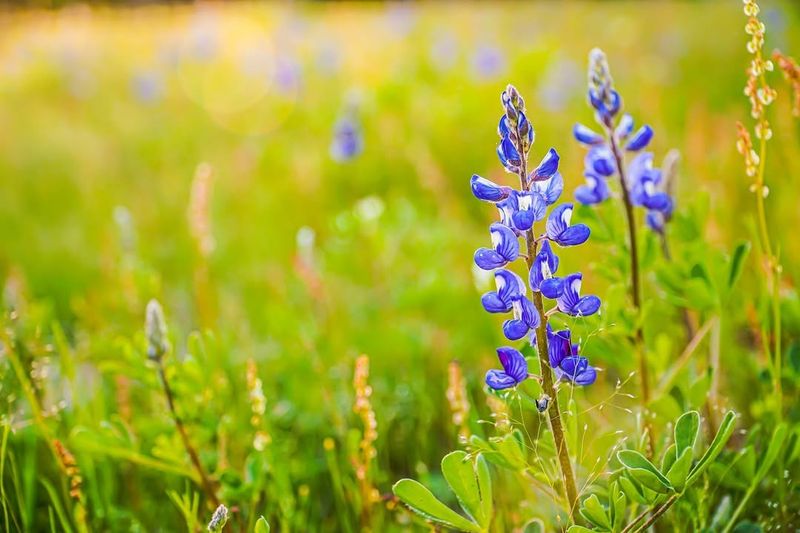
No flower says Texas quite like the Bluebonnet. It is the official state flower, and every spring, roadsides across the state turn into rivers of deep blue and violet.
People drive for miles just to pull over and take photos in the fields. If you want that same magic in your own yard, now is the time to act.
Bluebonnets do best when planted from transplants in early spring, before temperatures start spiking. They love full sun and need well-drained soil to really thrive.
Sandy or rocky ground actually suits them well, which makes them a natural fit for many parts of Texas. Avoid overwatering, because soggy roots will slow them down fast.
Once established, Bluebonnets are impressively drought tolerant. They pull nitrogen from the air and return it to the soil, which means they actually improve the ground around them.
That is a bonus for any nearby plants too. They typically bloom from March through May, putting on a show that lasts several weeks.
Plant them in clusters or drifts for the best visual impact. They look stunning along fences, garden borders, or open sunny patches.
Bluebonnets reseed themselves naturally, so if you let the seed pods mature and drop, you may get a bigger display next year without doing a single extra thing.
2. Indian Blanket (Gaillardia Pulchella)
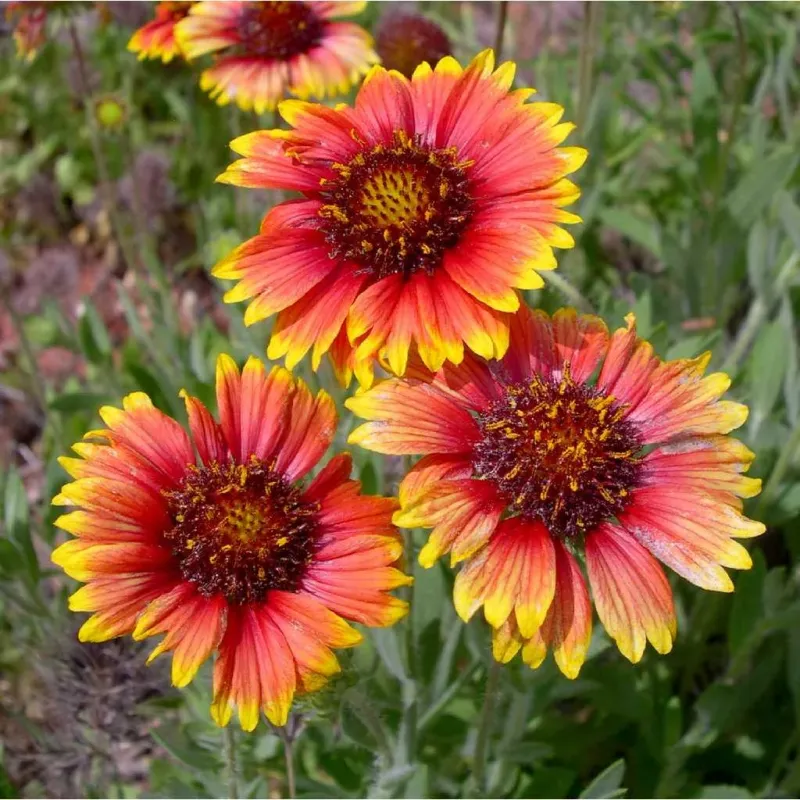
If you have ever driven through the Texas Hill Country in late spring and spotted those fiery red and yellow flowers blazing along the roadside, you have already met the Indian Blanket.
This wildflower is one of the toughest natives in the state, and it absolutely loves the heat. While other plants start struggling as summer rolls in, Indian Blanket just keeps going.
What makes it so remarkable is its ability to thrive in poor, sandy soils where most other flowers would give up. It does not need fertilizer, extra watering, or much attention at all.
Plant it in full sun, give it decent drainage, and step back. It will handle the rest on its own, even through some of the hottest stretches Texas summers can throw at it.
Your Texas Garden Changes Every Week. Your Plan Should Too.
Gardening in Texas changes quickly throughout the season. Every Friday you’ll receive a simple weekly plan showing exactly what to plant, prune, fertilize, harvest, and protect so you never miss the right timing.
Pollinators go wild for Indian Blanket. Bees, butterflies, and even some beetles flock to its blooms throughout the growing season.
The flowers are a mix of deep red and golden yellow, almost like a sunset in petal form. They bloom continuously from late spring well into summer, giving your garden long-lasting color when many other plants have faded.
Indian Blanket reseeds readily, so once you establish it, it tends to return year after year. It works beautifully in wildflower meadows, along driveways, or mixed into a sunny border garden anywhere across Texas.
3. Black-Eyed Susan (Rudbeckia Hirta)
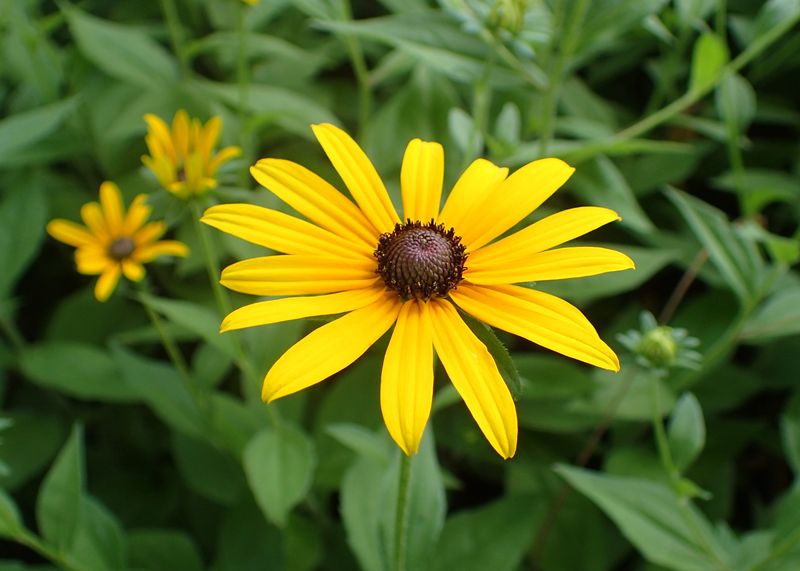
There is something cheerful and familiar about a Black-Eyed Susan. Those bright golden petals surrounding a dark brown center have a classic, timeless look that fits perfectly in both wild meadow gardens and tidy backyard landscapes.
Across much of Texas, this flower is a reliable performer that gardeners keep coming back to year after year.
Black-Eyed Susans are tough plants. They can handle a wide range of soil types, from clay-heavy ground in North Texas to the sandier soils found further south.
Once their roots get established, they handle heat surprisingly well. The key is getting them in the ground early enough in spring to let those roots develop before summer temperatures really take hold in Texas.
Blooms typically start showing up in late spring and continue through summer. That long bloom window makes them especially valuable in the garden, since they carry color through periods when other plants start looking tired.
They also attract a good variety of pollinators, including bees, butterflies, and goldfinches that love to pick at the seed heads.
For a prairie-style garden look, pair Black-Eyed Susans with native grasses or other Texas wildflowers. They naturalize well and will reseed over time, slowly filling in an area with minimal effort.
Plant them in full sun with decent drainage, and they will reward you generously throughout the growing season.
4. Winecup (Callirhoe Involucrata)
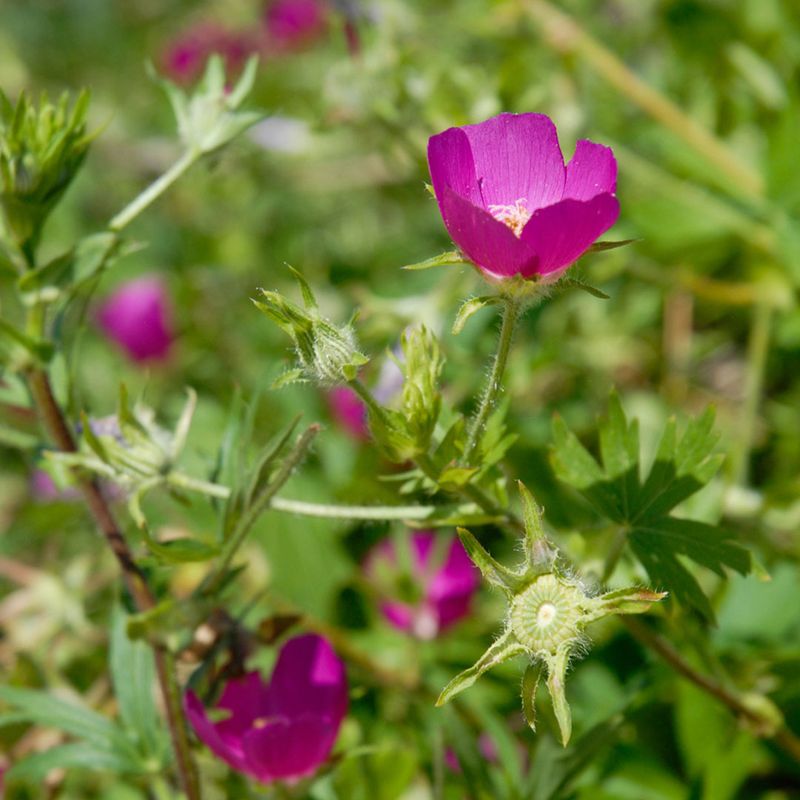
Winecup is one of those plants that makes you stop and stare. The flowers are a rich, deep magenta, almost wine-colored, and they sit low to the ground like little cups catching the morning light.
It is a native groundcover that spreads beautifully across slopes, rock gardens, and dry open spaces throughout Texas.
What really sets Winecup apart is how well it handles hot, dry conditions. It has a deep taproot that reaches down into the soil to find moisture long after the surface has dried out.
That adaptation makes it one of the most drought-tolerant natives you can plant in Texas. Once it gets established, you can basically leave it alone and let it do its thing.
Spring is when Winecup really shines. The blooms emerge in abundance from early to mid-spring, carpeting the ground with color right when you need it most.
The flowers close up at night and reopen each morning, which gives the plant a fresh, vibrant look every single day. Even after the main bloom period passes, the foliage stays attractive through much of the season.
Winecup works especially well on slopes where erosion can be a problem, since the spreading stems help hold soil in place. It also looks stunning cascading over rock walls or filling gaps in a xeriscape design.
Plant it in full sun with well-drained soil, and watch it slowly take over in the best possible way.
5. Turk’s Cap (Malvaviscus Arboreus Var. Drummondii)
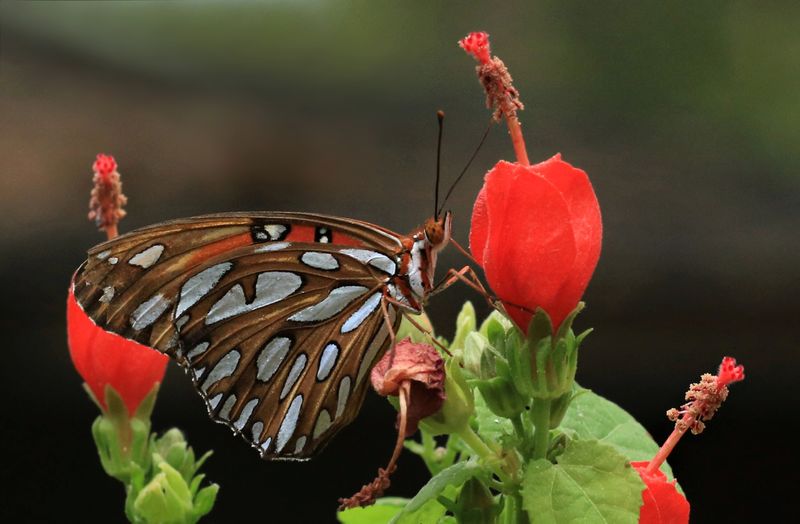
Most native Texas plants love full sun, but Turk’s Cap is the rare gem that thrives in the shade.
If you have a spot under a large oak tree or along the north side of your house where nothing else seems to grow, Turk’s Cap might be exactly what you have been looking for. It is a native shrub that handles part shade beautifully, especially in Central and East Texas.
The flowers are quirky and charming. They look like little red turbans with the petals twisted around each other instead of opening wide.
Hummingbirds absolutely love them, and if you plant a few of these in your yard, expect regular visits all season long. Butterflies and bees are frequent guests too, making Turk’s Cap a genuine wildlife magnet.
Heat and humidity do not slow this plant down at all. In fact, it tends to bloom more heavily as summer progresses, right when many other shade plants start looking worn out.
It handles the sticky, humid summers of East Texas just as well as the drier heat found further west in the Hill Country region.
Turk’s Cap will lose its leaves and pull back in winter, but do not worry. It reliably returns in spring with fresh new growth and another season of blooms.
Plant it now before heat arrives, give it some time to settle in, and it will reward you with years of low-maintenance color and wildlife activity.
6. Texas Lantana (Lantana Urticoides)
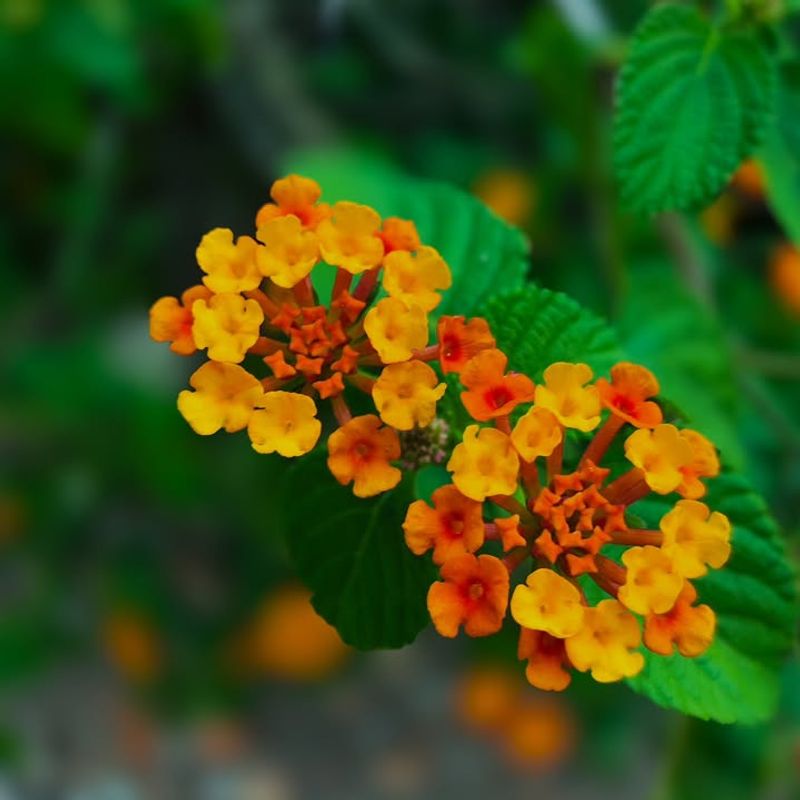
Ask any experienced Texas gardener what survives the worst of summer, and Texas Lantana is almost always on the list. This native shrub is built for heat.
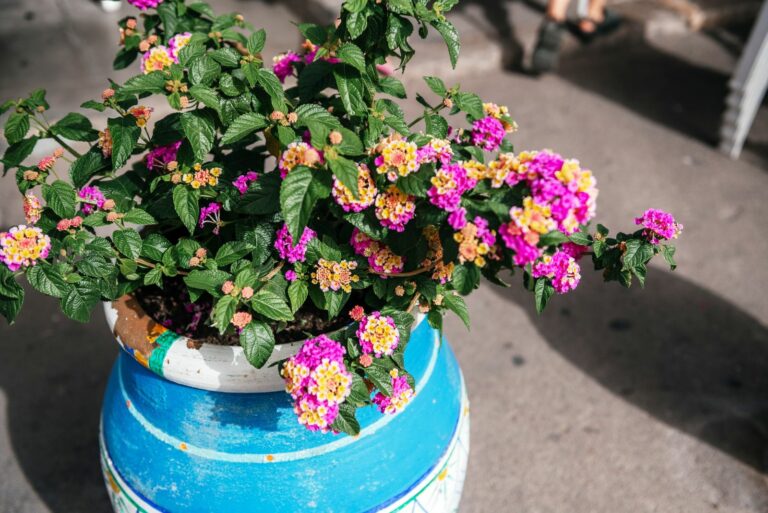
It blooms from spring all the way through fall, filling your yard with clusters of small orange and yellow flowers that seem to glow in the afternoon sun. It is one of the longest-blooming natives you can grow in Texas.
Drought tolerance is one of its biggest selling points. Once established, Texas Lantana can go long stretches without rain and still look great.
It actually prefers leaner, poorer soils, so skip the heavy fertilizing. Too much nitrogen will push leafy growth at the expense of flowers, which is the opposite of what you want from this plant.
Full sun is where Texas Lantana performs best. Give it a spot with at least six hours of direct sunlight per day, good drainage, and some room to spread.
It can grow several feet wide over time, making it a great choice for large open areas or sunny slopes where you want reliable coverage without constant upkeep.
Pollinators flock to Lantana in huge numbers. Monarch butterflies, swallowtails, and native bees treat it like a buffet throughout the growing season.
Planting Texas Lantana now, before the heat ramps up, gives it time to root in and be ready for its best performance when summer temperatures climb across the state.
7. Autumn Sage (Salvia Greggii)
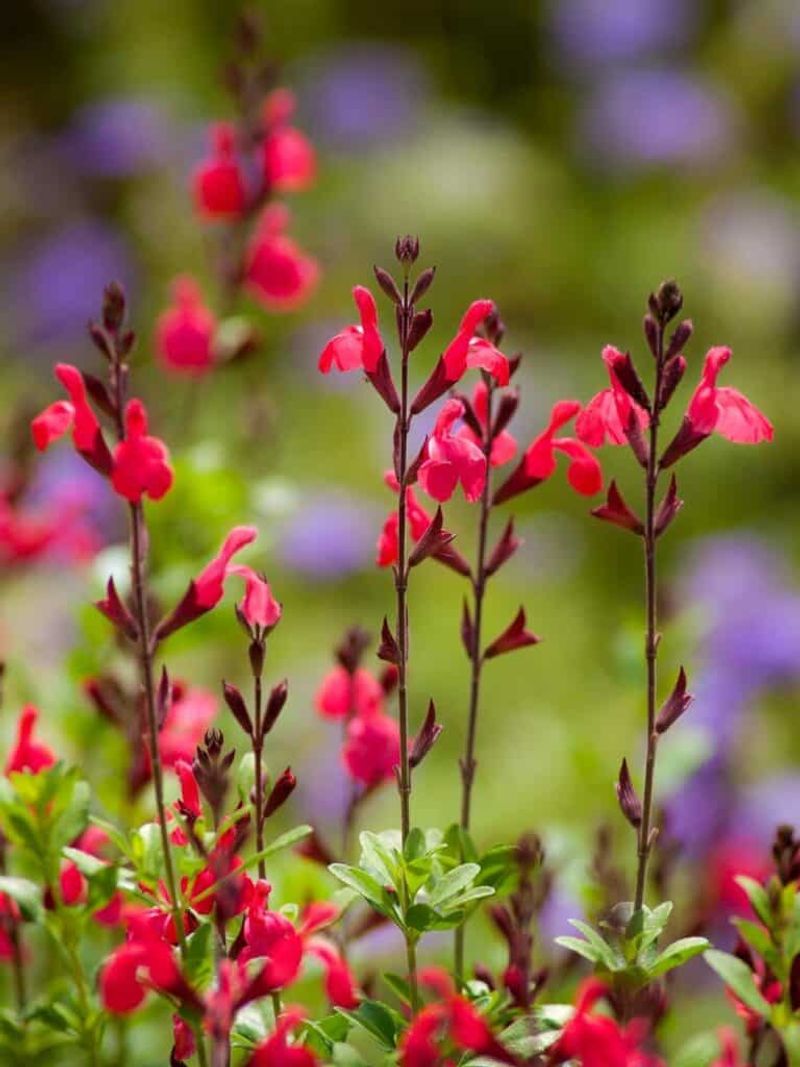
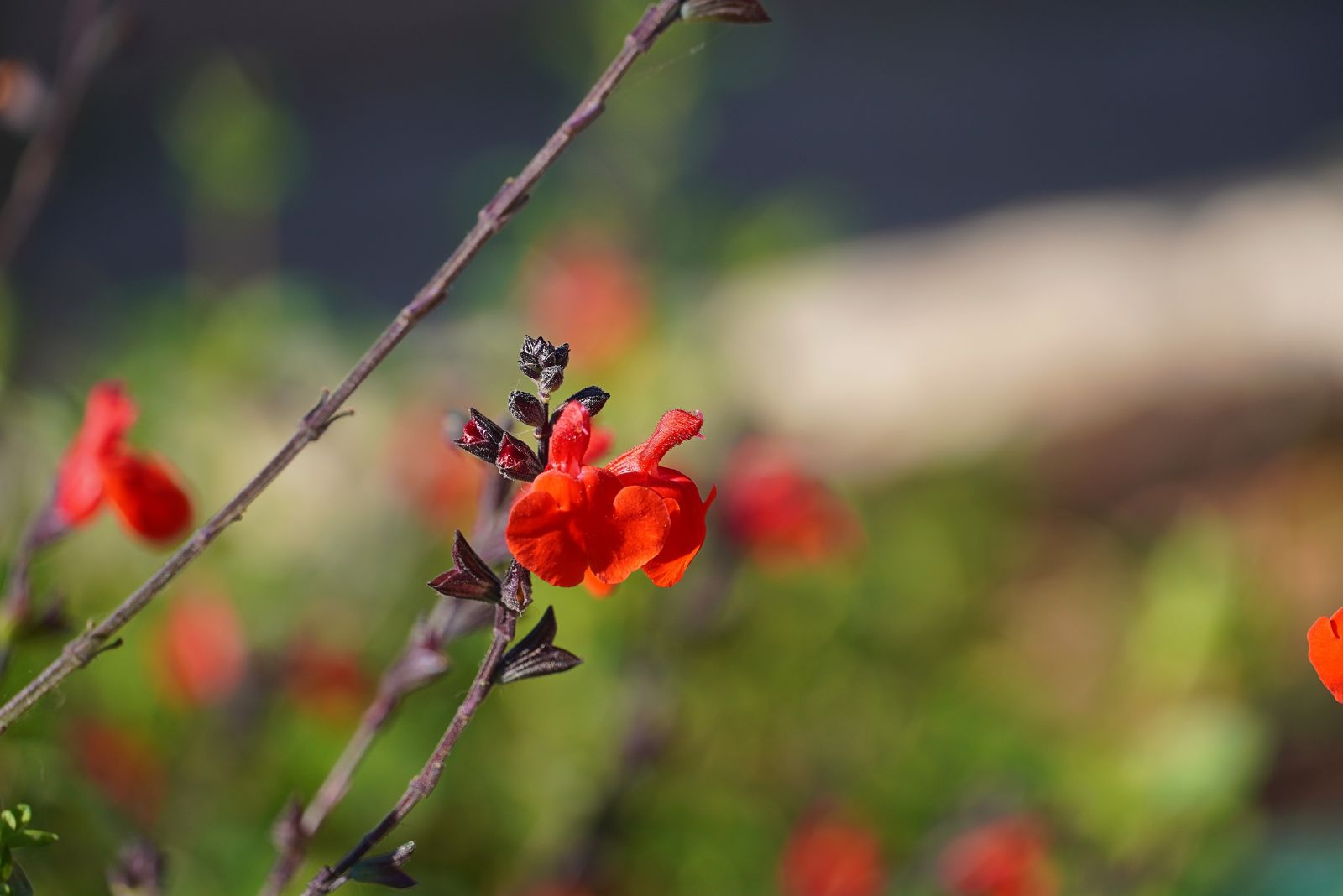
Autumn Sage has a name that might trick you into thinking it only blooms in fall, but the truth is this plant flowers from spring all the way through the cooler months of autumn.
That is an incredibly long season of color for any garden plant, and it is one of the main reasons Texas gardeners love it so much. Once it starts blooming, it rarely stops.
Central and West Texas are where Autumn Sage really hits its stride. The drier climate and rocky limestone soils in those regions suit it perfectly.
It craves full sun and excellent drainage above everything else. Planting it in heavy clay or a low spot that stays wet after rain is the one thing that will truly set it back, so pick your location carefully.
Drought tolerance is exceptional with this plant. After it gets established, Autumn Sage can handle long dry spells without looking stressed.
That makes it a natural fit for xeriscape designs and water-wise landscapes across the state. The tubular flowers, most commonly seen in shades of red and coral, are perfectly shaped for hummingbirds to feed from.
Lightly trimming it back after each bloom cycle encourages fresh new growth and even more flowers. It tends to stay tidy and compact, which makes it easy to fit into garden borders or foundation plantings.
Get it in the ground now, and it will be blooming confidently well before the Texas heat reaches its peak this summer.
8. Mealy Blue Sage (Salvia Farinacea)
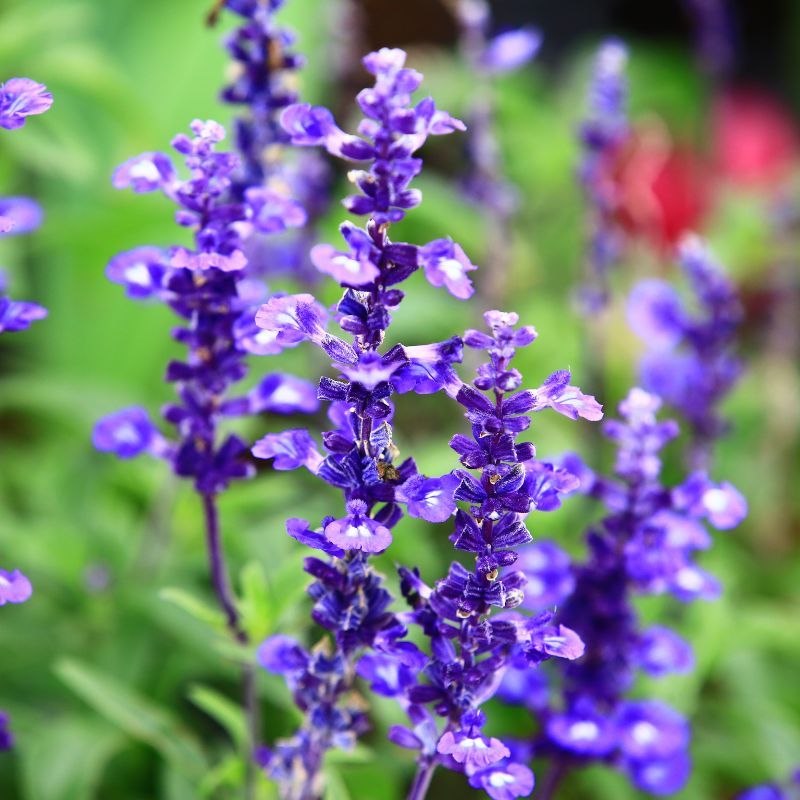
There is no other blue quite like the blue of Mealy Blue Sage. The flower spikes rise up tall and proud, covered in small blooms that range from soft lavender to a rich, deep violet-blue.
In a sea of warm-colored Texas wildflowers, Mealy Blue Sage stands out in a way that makes any garden feel more complete. It is a color your yard will thank you for adding.
Across Texas, this plant has earned a reputation as one of the most reliable performers in summer heat. While other plants slow down and look exhausted by July, Mealy Blue Sage keeps pushing out fresh flower spikes.
It is a true perennial in many parts of the state, meaning it will come back year after year with minimal effort on your part.
Butterflies and bees cannot get enough of it. The long bloom spikes give pollinators a generous landing platform, and the nectar keeps them coming back repeatedly throughout the season.
If you want a garden that buzzes and flutters with life all summer long, this plant is a must-have addition to your Texas landscape.
Plant Mealy Blue Sage in full sun with well-drained soil, and give it a little space to fill out. It grows a couple of feet tall and wide, making it great for mid-border placement or as a backdrop to lower-growing natives.
Getting it in the ground before the heat arrives gives it the strong start it needs to perform at its very best all season.