Stunning No-Mow Lawn Ideas Using Ground Covers In Texas
Weekend after weekend, the sound of lawn mowers echoes across Texas neighborhoods as homeowners battle to keep their grass under control. Maintaining a traditional lawn in this climate can feel exhausting.
The intense sun, rising water bills, and constant trimming quickly turn that picture perfect yard into a demanding chore. For many people, the effort simply does not match the reward.
That is why no mow lawn ideas are gaining serious attention across the state. Instead of relying on thirsty turf grass, more homeowners are turning to hardy ground covers that spread low and thick across the soil.
These plants create a soft, natural look while cutting down on maintenance in a big way. Some varieties even produce delicate blooms, bringing texture and color that standard grass rarely delivers.
Ground covers are often better suited for Texas heat and dry conditions. Once established, they require less water, less work, and far fewer weekends spent sweating behind a mower.
1. Why No-Mow Lawns Make Sense In Texas?
Summer in Texas is no joke. Temperatures regularly climb above 100 degrees Fahrenheit, and traditional turfgrass like St. Augustine or Bermuda grass can start to suffer fast.
Watering restrictions in cities like Austin and San Antonio make it even harder to keep a conventional lawn alive through the hottest months.
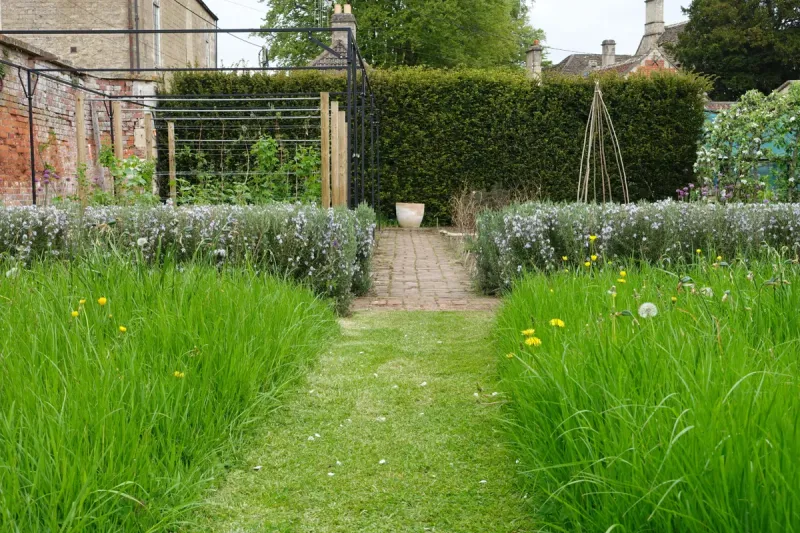
Switching to a no-mow lawn just makes sense for most Texas homeowners. Ground covers are naturally tougher than typical turfgrass.
Many of them have deep root systems that pull moisture from the soil long after the surface has dried out. They do not need weekly mowing, and most of them require little to no fertilizer throughout the year.
Another big perk is cost savings. Think about how much money goes into gas for the mower, bags of fertilizer, pest control treatments, and monthly water bills.
A well-chosen ground cover can cut those expenses dramatically. Some Texas homeowners report spending up to 70% less on lawn care after making the switch.
Ground covers also do something traditional grass cannot always do well: they thrive in poor soils. Texas has everything from rocky caliche to heavy clay, and many native ground covers handle those tough conditions without complaint.
They spread naturally, filling in bare spots and crowding out weeds over time. Beyond the practical side, no-mow lawns look gorgeous.
A yard filled with native ground covers brings texture, color, and wildlife activity that a plain grass lawn simply cannot match. Texas yards deserve better than struggling turf.
2. Texas Frogfruit (Phyla Nodiflora)
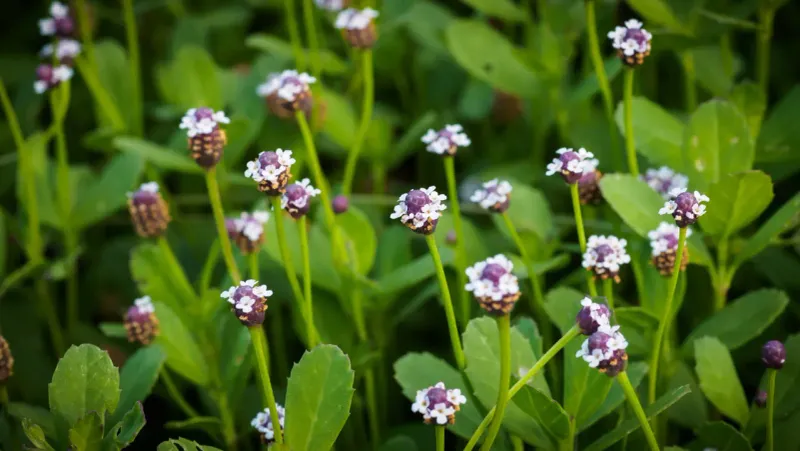
Meet one of Texas’s most hardworking native plants. Texas Frogfruit has been quietly covering the ground across the Lone Star State long before anyone thought to plant it on purpose.
It grows naturally in fields, roadsides, and creek banks from East Texas all the way to the Hill Country, and it absolutely loves the Texas climate.
Frogfruit spreads quickly into a thick, low mat of green leaves, usually growing only two to four inches tall. That means very little mowing, if any at all.
Your Texas Garden Changes Every Week. Your Plan Should Too.
Gardening in Texas changes quickly throughout the season. Every Friday you’ll receive a simple weekly plan showing exactly what to plant, prune, fertilize, harvest, and protect so you never miss the right timing.
It handles full sun beautifully, but it also performs well in part shade, making it flexible enough for most Texas yards. Once it gets established, it is remarkably tough and drought tolerant.
One of the coolest things about Frogfruit is how much wildlife loves it. The tiny white and pink flowers that bloom almost year-round are a favorite of bees, butterflies, and other pollinators.
If you want to bring more life to your yard, this plant delivers in a big way. It is even a host plant for several native butterfly species.
Frogfruit can handle light foot traffic, which makes it a practical choice for paths or play areas. It spreads by runners, filling in bare patches quickly without much help from you. Plant it in spring, give it a little water to get started, and watch it take off.
For Texas homeowners who want a pollinator-friendly, low-care lawn alternative, Frogfruit is one of the best options available anywhere in the state.
3. Horseherb (Calyptocarpus Vialis)
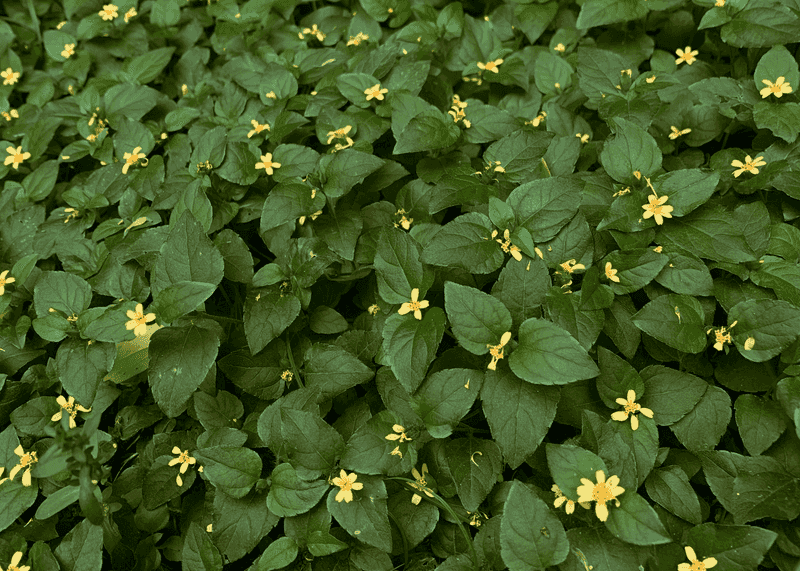
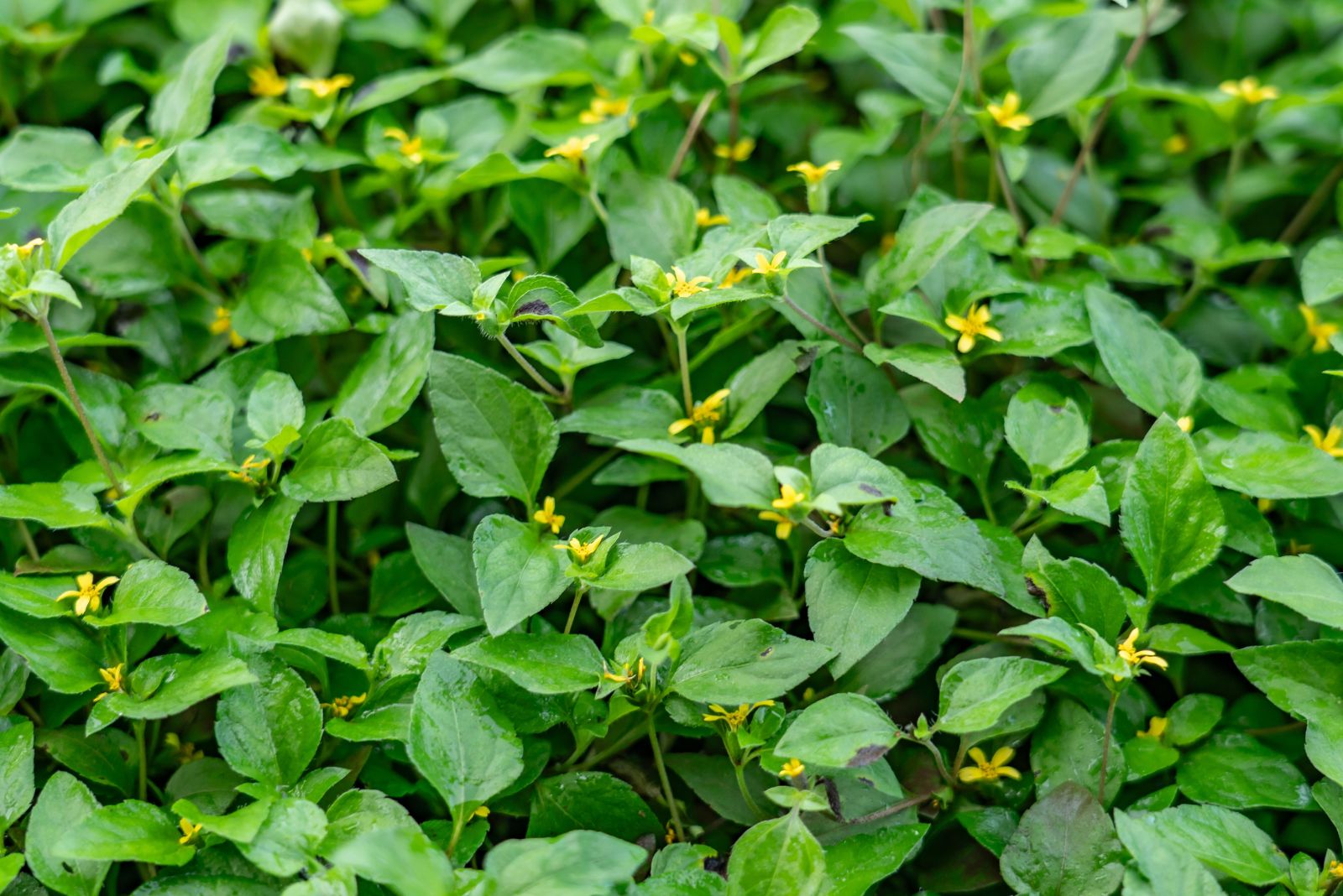
Shady yards in Central and East Texas have a secret weapon, and its name is Horseherb. This cheerful little native plant has a funny name, but it is seriously impressive when it comes to filling in those dark, difficult spots under trees where grass refuses to grow.
If your yard has big live oaks or pecans casting heavy shade, Horseherb might just be your new best friend.
Horseherb grows low and spreads easily, creating a soft green carpet that looks surprisingly tidy with almost no effort. It produces small yellow flowers throughout most of the year, adding a pop of color to shaded areas that would otherwise look bare and dull.
Bees and small pollinators enjoy those flowers too, so your yard becomes a little ecosystem all on its own.
One of the best things about this plant is how little it asks of you. Very minimal mowing is needed, and it handles the clay soils common in Central Texas without any fuss.
It does not need rich soil or heavy fertilizing to look good. Just plant it, give it some water while it gets settled, and let it do its thing.
Horseherb spreads through seeds and runners, so it fills in bare spots naturally over a season or two. It is not invasive, but it is persistent, which is exactly what you want in a ground cover.
Pair it with native ferns or shade-loving shrubs for a layered, naturalistic look that feels right at home in the Texas landscape.
4. Silver Ponyfoot (Dichondra Argentea)
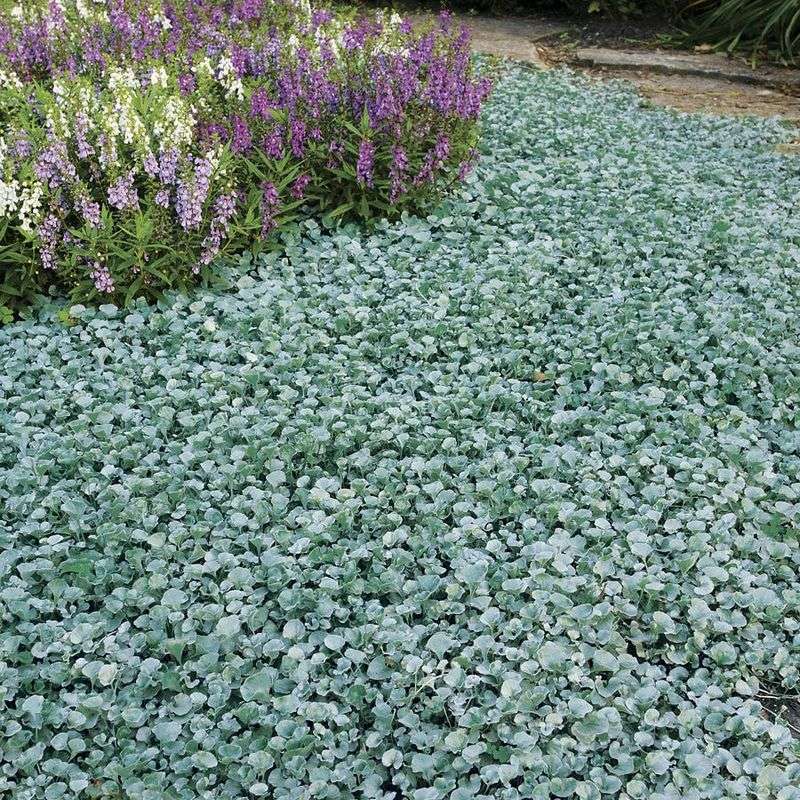
Picture a plant that looks like liquid silver spilling across your yard. Silver Ponyfoot does exactly that.
Native to the rocky, rugged landscapes of West Texas, this ground cover brings a stunning, almost otherworldly look to any dry garden. Its small, rounded leaves are covered in tiny silver hairs that catch the sunlight and shimmer beautifully, even on the hottest afternoons.
This plant was practically built for Texas summers. It is one of the most drought and heat tolerant ground covers you can find, thriving in conditions that would stress most other plants.
It loves full sun and performs best in rocky, well-drained soils, which are exactly the conditions found across much of West Texas and the Hill Country. Poor soil? No problem. Silver Ponyfoot actually prefers it.
Growth stays low, usually just two to three inches tall, which means mowing is rarely necessary. It spreads steadily, filling in spaces between rocks, along garden borders, or across open sunny patches.
In xeriscape designs, it pairs beautifully with succulents, agaves, and native wildflowers for a polished, water-wise look.
Watering needs are minimal once the plant is established. During a typical Texas summer, Silver Ponyfoot can go weeks without rain and still look healthy.
That makes it a standout choice for homeowners dealing with water restrictions or simply trying to lower their water bills.
If you want drama, texture, and serious drought toughness all in one package, Silver Ponyfoot delivers everything a Texas yard could need.
5. Native Sedges (Carex Species)
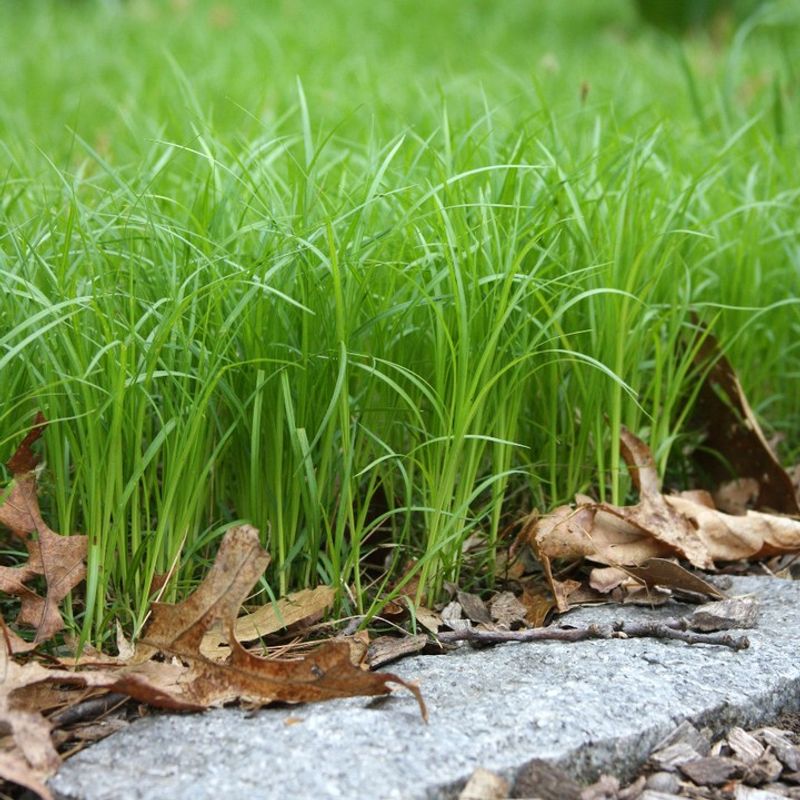
At first glance, a lawn of native sedges looks almost exactly like a traditional grass lawn. That is the magic of Carex species.
These grass-like plants create a soft, fine-textured carpet that gives homeowners the familiar look of a well-kept yard without any of the usual maintenance headaches. It is one of the cleverest lawn swaps available across Texas.
Sedges are especially valuable in shaded yards where regular turfgrass struggles. Under large live oaks, cedar elms, or pecan trees, sedges stay lush and green while traditional grass thins out and fades.
Several Carex species are native to Texas and have adapted over thousands of years to handle the state’s heavy clay soils, making them a smart and sustainable choice.
Mowing is minimal with sedges. They naturally grow to a soft, flowing height of about six to twelve inches, and many homeowners simply leave them alone for a meadow-like effect.
If a neater look is preferred, a single trim once or twice a year is usually enough to keep them tidy.
Did you know that sedges play an important role in supporting native wildlife? Their seeds feed birds, and their dense growth provides shelter for small insects and ground-dwelling creatures.
Adding sedges to your Texas yard is a simple way to support local biodiversity without any extra effort.
Water needs are low to moderate, and once established, sedges handle dry spells surprisingly well. For shady Texas yards that need a lawn alternative with real curb appeal, native sedges are hard to beat.
6. Buffalo Grass (Bouteloua Dactyloides)
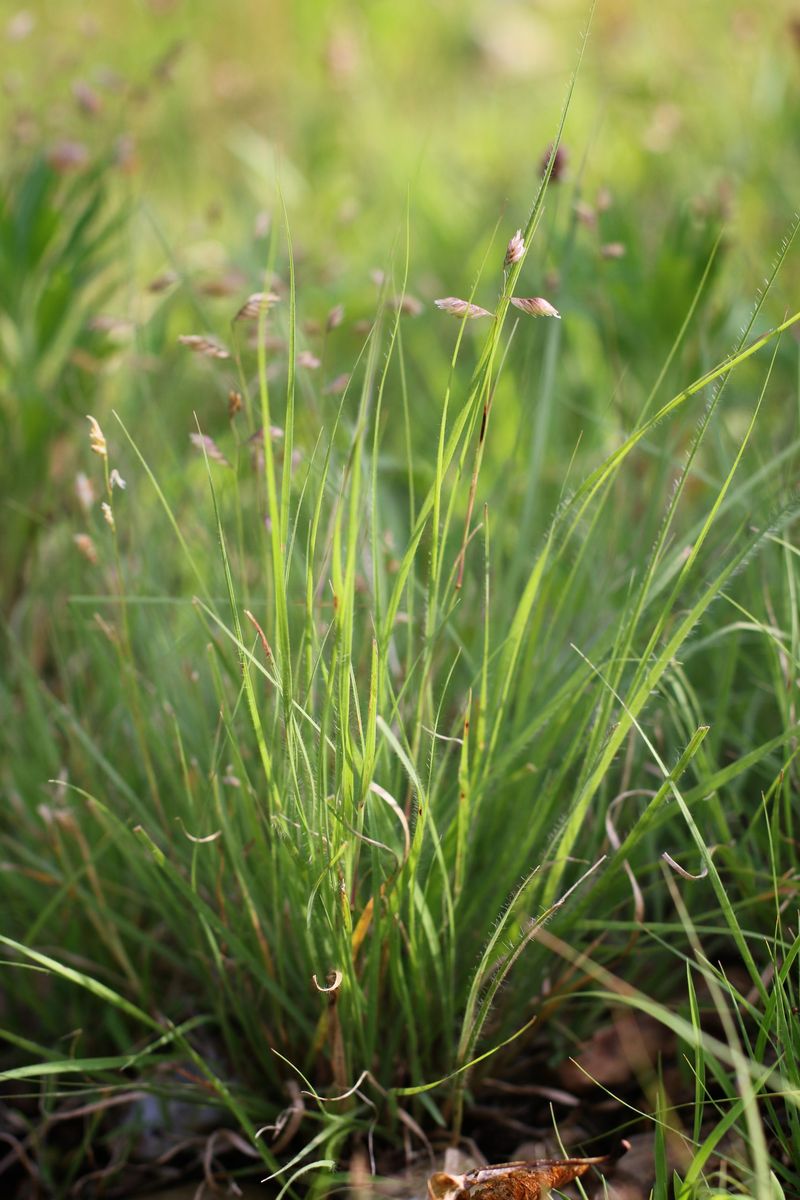
Long before Texas had subdivisions and sprinkler systems, Buffalo Grass covered the prairies from the Panhandle all the way down through Central Texas. Millions of bison once grazed on it, which is exactly how it got its name.
Today, this tough prairie native is making a strong comeback as one of the best no-mow lawn options for Texas homeowners who still want a traditional-looking yard.
Buffalo Grass has a fine, soft texture and a natural blue-green color that looks genuinely attractive without any fussing. It stays short on its own, typically reaching just three to five inches at its tallest, which means mowing is rarely necessary.
During the hottest and driest parts of the Texas summer, it goes dormant and turns a golden tan color, then greens back up when cooler temperatures and rain return.
This grass needs very little fertilizer, and overwatering actually hurts it more than drought does. It thrives in full sun and prefers the well-drained soils common across much of Texas.
It does not perform well in deep shade, so it works best in open, sunny front yards or side yards with good sun exposure throughout the day.
Establishing Buffalo Grass from seed or plugs takes some patience, usually one full growing season to fill in completely. But once it is established, it is one of the most self-sufficient lawn options available anywhere in the state.
For Texas homeowners who want the look of a real lawn with a fraction of the work, Buffalo Grass is the closest thing to a perfect match.
7. Woolly Stemodia (Stemodia Lanata)
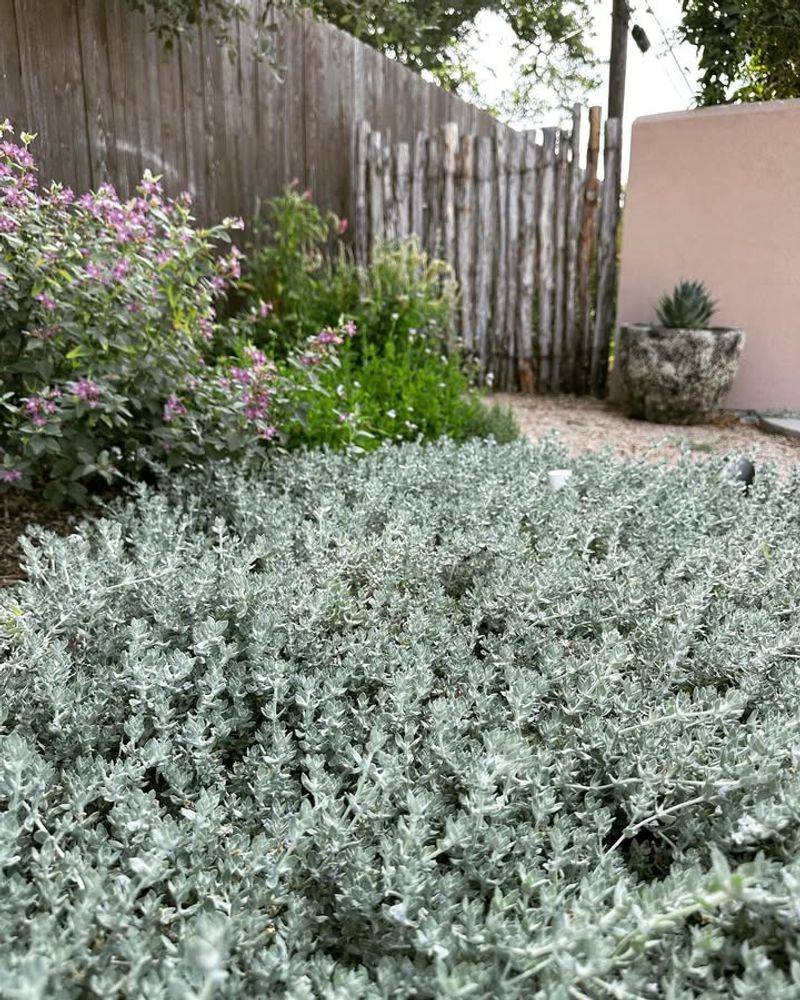
Soft, fuzzy, and surprisingly tough, Woolly Stemodia is one of South and West Texas’s best-kept landscaping secrets. Run your fingers across its leaves and you will feel why it earned the name woolly.
The plant is covered in fine white hairs that give it a soft gray-green appearance and help it reflect intense sunlight, keeping it cool even during the harshest Texas summers.
Woolly Stemodia stays very low to the ground, usually growing just three to six inches tall. It spreads slowly but steadily, forming a dense, attractive mat that works beautifully as a ground cover between rocks, along pathways, or across open sunny patches in xeriscape gardens.
It rarely needs mowing, and its compact growth habit keeps it tidy without much intervention.
Drought tolerance is one of this plant’s strongest qualities. Native to the hot, dry regions of South and West Texas, it has evolved to handle extended dry periods without losing its good looks.
It thrives in full sun and performs best in well-drained, even rocky soils. Heavy clay or consistently wet soils are the only conditions it genuinely dislikes.
Woolly Stemodia is a fantastic choice for Texas homeowners who want a ground cover that handles extreme heat without complaint.
It pairs well with other drought-tolerant natives like Silver Ponyfoot, agaves, and native wildflowers for a cohesive, water-wise landscape design.
If your yard gets baked by the Texas sun all day long, this plant will not just survive there. It will genuinely thrive and look great doing it.