The 7 Reasons Birds Aren’t Visiting Your California Yard (And Simple Fixes That Help)
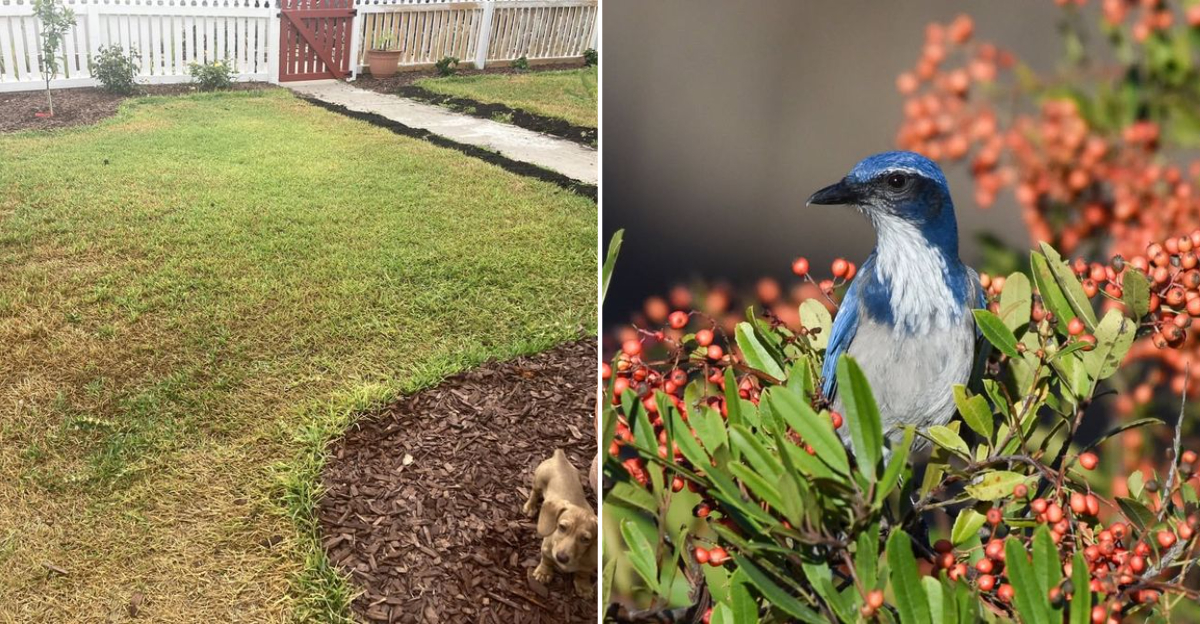
You stocked the feeder. You filled the birdbath. You even planted a few “bird-friendly” flowers. So why does your California yard still feel like a no-fly zone?
When birds skip your space, it is rarely random. They are constantly scanning for food, water, shelter, and safety.
If one of those essentials is missing or not quite right, they will simply move along to the next yard. Sometimes the problem is surprisingly small, like feeder placement.
Other times it is about the overall vibe your landscape gives off. Here is the encouraging part. Birds are quick to respond when conditions improve.
A few thoughtful adjustments can turn a quiet backyard into a lively hangout filled with color and song. Once you spot what is keeping them away, you can make simple changes that invite them back and keep them coming around.
1. No Reliable Water Source
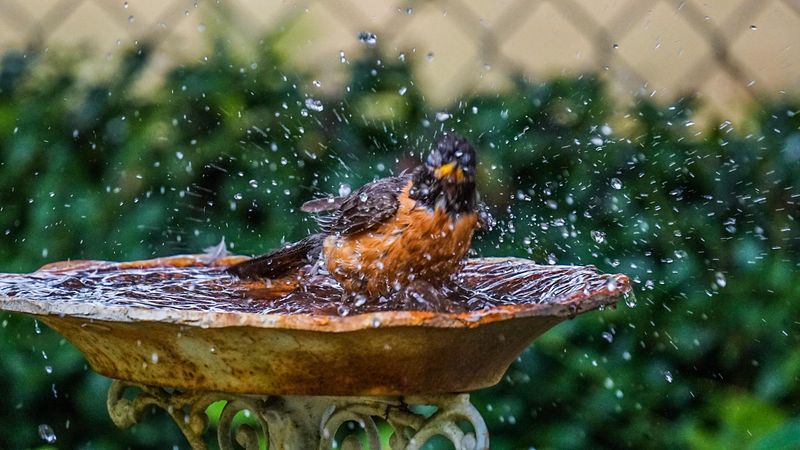
Water is one of the most powerful things you can offer birds, and it’s often the most overlooked. In California’s warm, dry climate, finding fresh water can be genuinely tough for local birds.
A yard with a clean water source almost always attracts more visitors than one without.
Birds need water for drinking and bathing every single day. They’re actually more drawn to water than to food in many cases.
A simple birdbath placed in a shaded spot can bring in species you’ve never seen before.
Keep the water fresh by changing it every two to three days. Algae and bacteria build up fast, especially in California’s heat.
Adding a small dripper or wiggler creates movement that birds can both hear and see from a distance.
Place your birdbath near shrubs or trees so birds feel safe while they drink. Open spaces make them nervous.
Even a shallow dish on a fence post can work if you keep it clean and full.
2. Too Few Native Plants
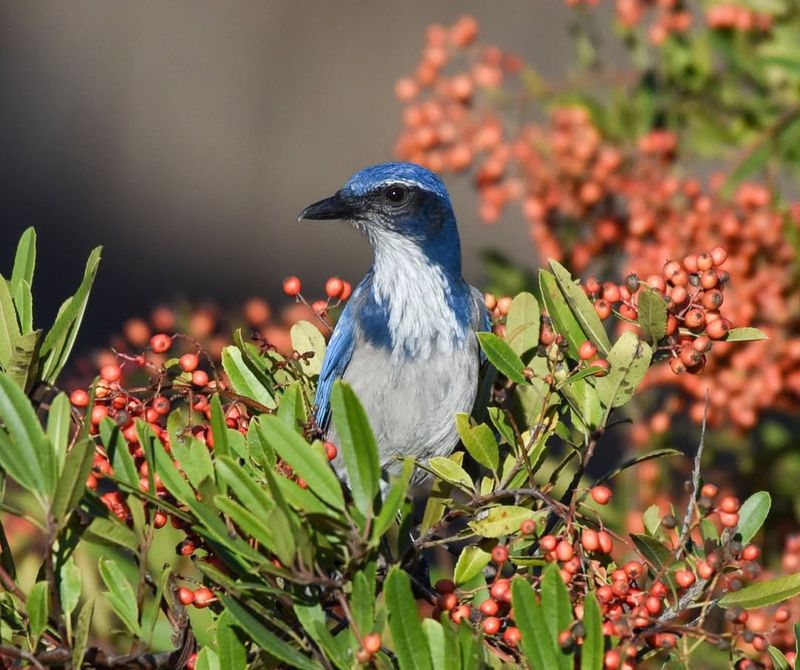
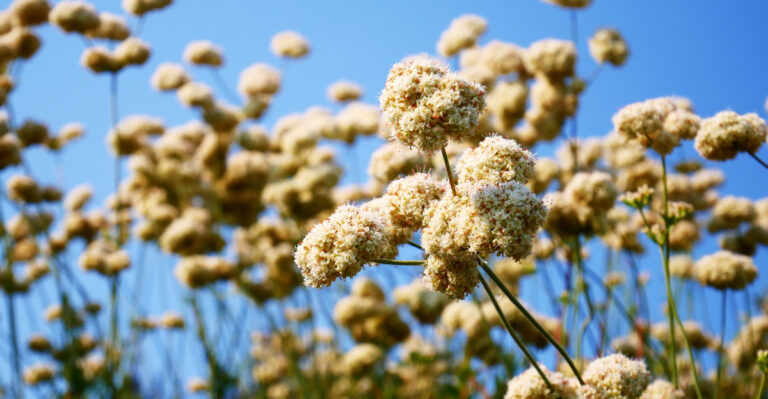
Walk through any thriving California garden that attracts birds, and you’ll almost always find one thing in common: native plants. Plants like toyon, coffeeberry, and ceanothus provide food and shelter that birds have relied on for thousands of years.
Non-native ornamentals, while pretty, often offer very little to local wildlife.
Native plants produce berries, seeds, and nectar that match what California birds actually eat. They also support native insects, which many birds feed to their young.
Without these food sources, birds simply have no reason to stick around.
Replacing even a small section of your lawn with native groundcovers or shrubs can spark a noticeable change. California native plant societies and local nurseries can help you choose the right plants for your region.
Inland valleys, coastal areas, and foothill zones all have slightly different native options.
Start small if a full garden makeover feels overwhelming. Even a few potted native plants on a patio can attract hummingbirds and finches.
Over time, layering different plant heights creates the kind of habitat birds genuinely love to explore.
3. Overly Tidy Landscaping
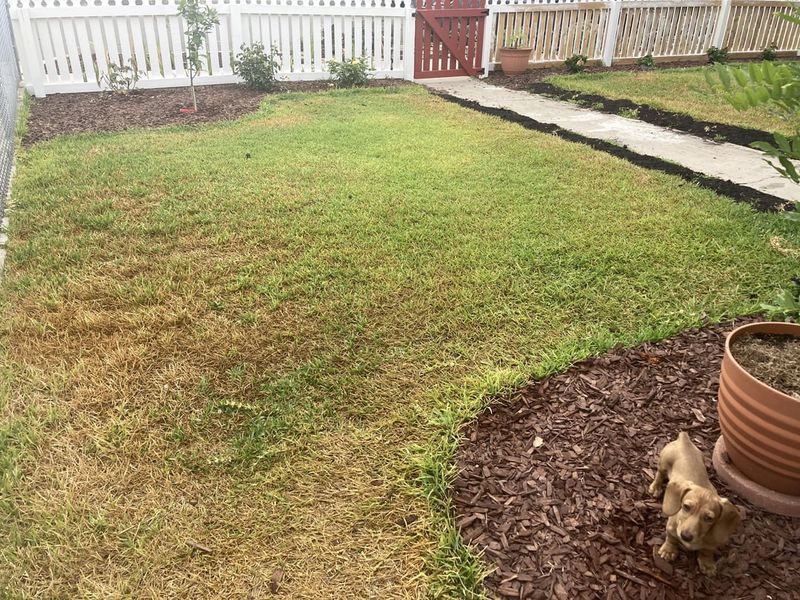
Neatness might feel like a virtue in the garden, but birds see a perfectly groomed yard very differently. Raked leaves, trimmed seed heads, and bare mulched beds actually remove the resources birds depend on.
Your California Garden Changes Every Week. Your Plan Should Too.
Gardening in California changes quickly throughout the season. Every Friday you’ll receive a simple weekly plan showing exactly what to plant, prune, fertilize, harvest, and protect so you never miss the right timing.
A yard that looks a little wild to human eyes often looks like a buffet to a hungry bird.
Leaf litter is especially valuable. Sparrows, towhees, and thrushes scratch through fallen leaves looking for beetles, worms, and other small creatures.
Removing every last leaf from your California yard takes away one of the richest food sources available to ground-feeding birds.
Try leaving seed heads on coneflowers, sunflowers, and native grasses through the fall and winter. Goldfinches and chickadees will pick them clean.
Brush piles in a back corner of the yard also give birds a safe place to forage and hide from predators.
You don’t have to let your whole yard go wild. Just carve out one or two naturalized zones where things stay a little messier.
That simple shift can attract a surprising number of new bird species to your California property without much effort at all.
4. No Safe Shelter Or Cover
Birds are always watching for predators. Hawks circle overhead, and neighborhood cats patrol below.
Without dense shrubs, trees, or other cover nearby, birds feel dangerously exposed and will avoid your yard entirely. Think of shelter as their safety net.
Thick shrubs like native coffeeberry or lemonade berry give birds a place to hide, rest, and even nest. California has a rich variety of native shrubs that grow quickly and provide exactly the kind of cover birds are looking for.
Planting even a small cluster of shrubs near your feeder can make a huge difference.
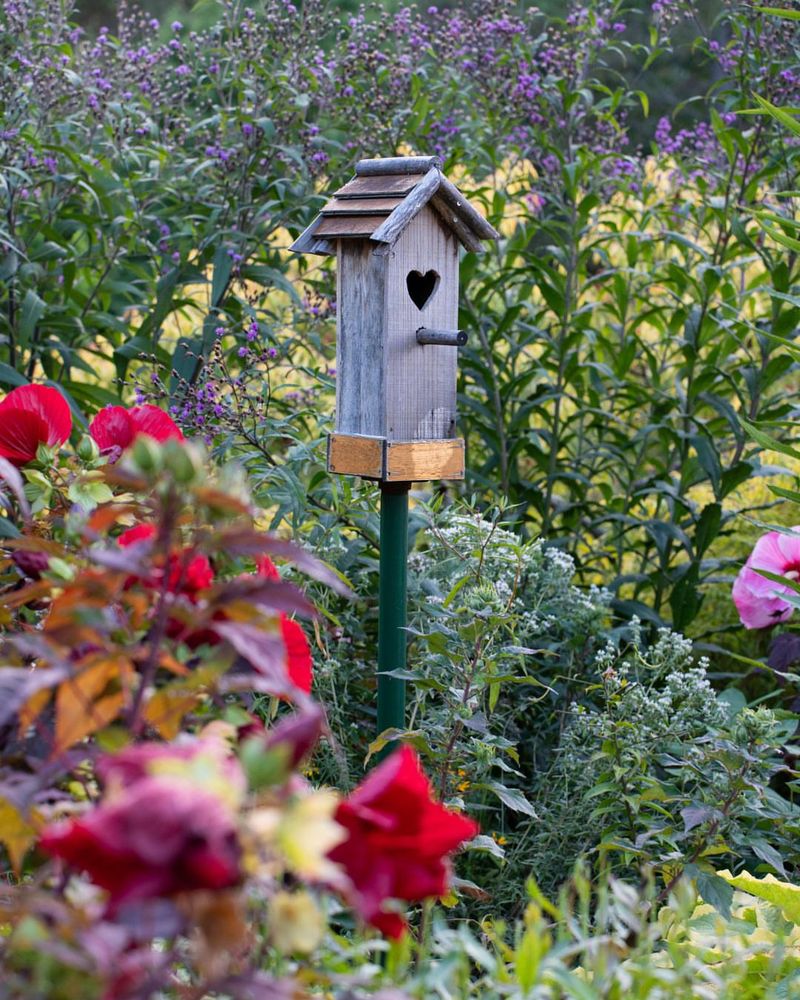
Birdhouses are another great option, especially for cavity-nesting species like western bluebirds and oak titmice. Make sure any birdhouse you install has the right hole size for your target species.
Placing it away from heavy foot traffic and facing it away from harsh afternoon sun helps too.
Vertical layering matters as much as density. A mix of tall trees, mid-height shrubs, and low groundcovers creates a complete habitat structure.
Birds use different layers for different activities, so a yard with variety gives them everything they need to feel truly at home in your California space.
5. Pesticides Driving Birds Away
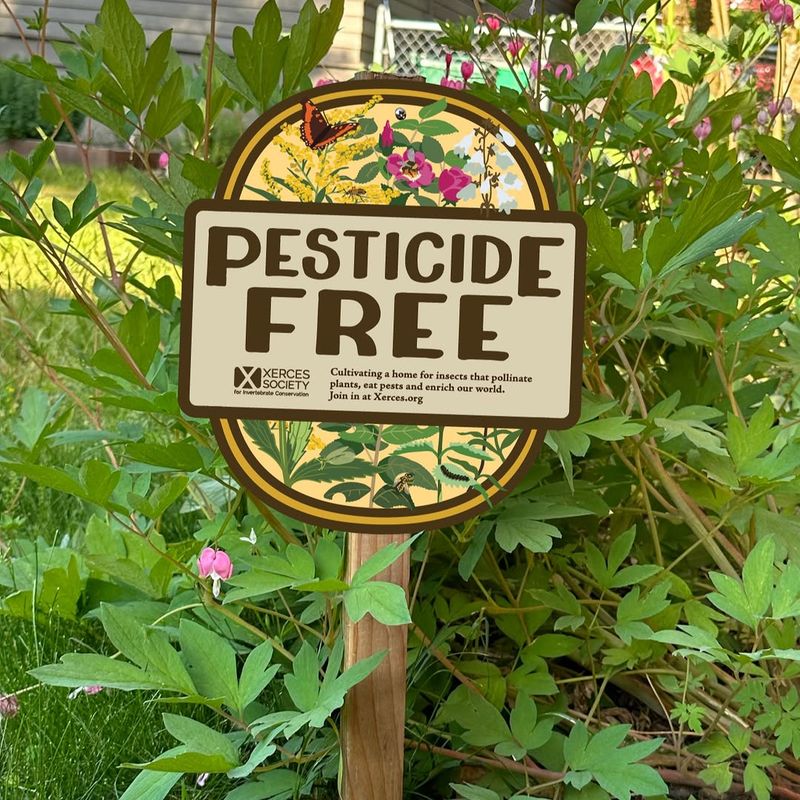
Pesticides do more damage to your bird-friendly yard than most people realize. Many insecticides wipe out the very bugs that birds depend on for food, especially during nesting season when parents are feeding hungry chicks.
A yard with no insects is a yard with no birds.
California gardeners often reach for sprays at the first sign of aphids or caterpillars, but those insects are actually bird food. Warblers, wrens, and bushtits hunt through foliage looking for exactly these small creatures.
Spraying removes that food source almost instantly.
Some pesticides can also directly harm birds through contact or by contaminating the water in birdbaths. Systemic pesticides absorbed by plants can even affect birds that eat treated seeds or berries.
The effects aren’t always obvious right away, but they add up over time.
Switching to organic gardening practices makes a real difference. Encourage natural predators like ladybugs and lacewings to handle pest problems.
Companion planting and hand-picking pests are also effective options. California’s mild climate actually supports a thriving ecosystem of beneficial insects year-round, so you rarely need to reach for chemical sprays if your garden is healthy and balanced.
6. Outdoor Cats In The Area
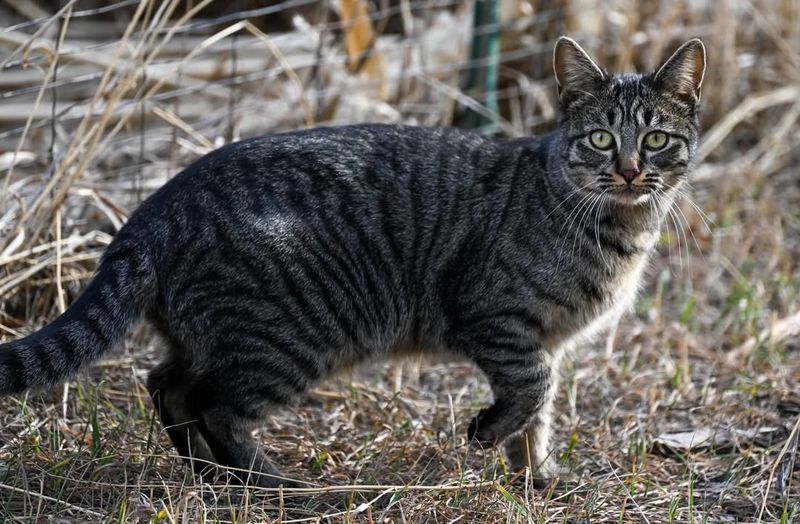
Cats are one of the biggest reasons birds avoid otherwise welcoming yards. Even a single outdoor cat patrolling a neighborhood can keep birds away from feeders and birdbaths for days at a time.
Birds are instinctively aware of predators, and they’ll choose a safer yard over a risky one every time.
You don’t have to be a cat owner for this to affect your yard. Neighbor cats, strays, and feral cats all move through California neighborhoods regularly.
If birds feel watched or chased, they simply stop coming back.
There are several humane ways to discourage cats from entering your garden. Motion-activated sprinklers work well and startle cats without harming them.
Placing feeders and birdbaths higher off the ground, at least five feet up, also makes them much harder for cats to reach.
Spiky plant borders or cat-deterrent mats around garden beds can help keep cats out of key areas. Talking to neighbors about keeping cats indoors, especially during peak bird activity in early morning, is worth trying too.
Many California bird enthusiasts find that a combination of strategies works better than relying on just one method alone.
7. Feeders That Aren’t Bird-Friendly
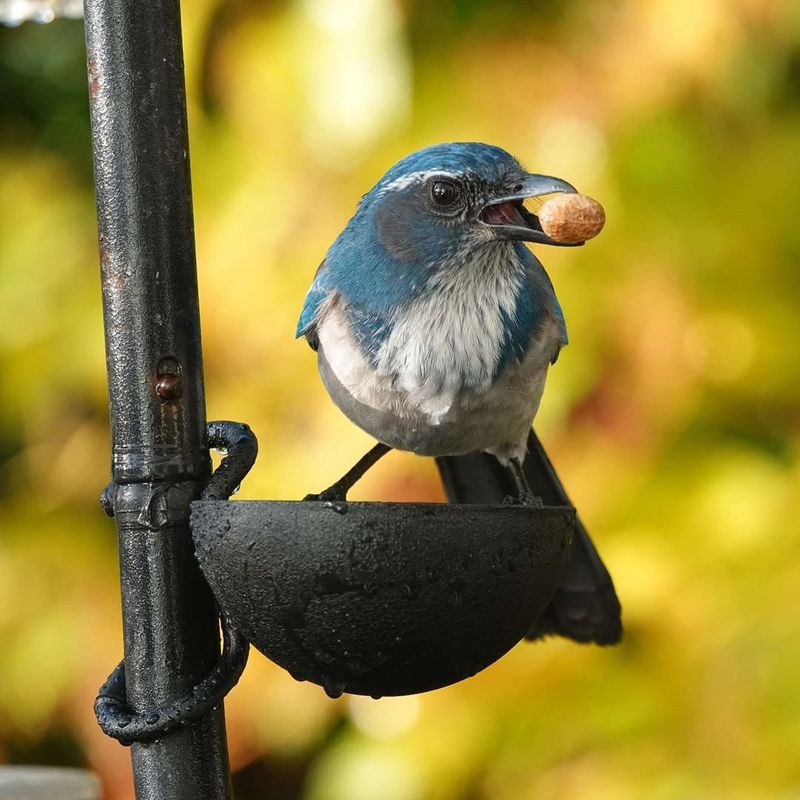
Not all bird feeders are created equal, and the wrong feeder can actually keep birds away rather than bring them in. Many people buy the first feeder they see at a hardware store, fill it with cheap mixed seed, and wonder why nothing shows up.
The type of feeder and the food inside both matter a lot.
California has a wide variety of bird species, and each one tends to prefer different feeder styles and foods. Hummingbirds need nectar feeders.
Finches love tube feeders filled with nyjer seed. Woodpeckers are drawn to suet cages.
Offering the right food in the right feeder dramatically increases your chances of attracting the birds you want.
Feeder placement matters just as much as feeder type. Placing a feeder in the middle of a wide-open area makes birds feel exposed and unsafe.
Positioning it within ten feet of shrubs or a tree gives birds a quick escape route if they feel threatened.
Clean your feeders at least once every two weeks. Moldy seed and dirty feeders can make birds sick and will drive them away fast.
Fresh, high-quality seed stored in a sealed container stays good longer and keeps your California feeder visitors coming back reliably.