These 9 California Perennials Choke Out Weeds Naturally
Weeds have a way of taking over fast in California gardens, especially once the weather warms and bare soil is exposed. That is why the right perennials can do more than add color.
They can also help crowd out unwanted growth before it gets out of hand. The best ones spread well, fill gaps quickly, and create the kind of dense cover that leaves less room for weeds to settle in.
In California, that matters even more because dry summers, strong sun, and water-wise gardening often call for plants that can pull double duty.
A smart perennial planting can cut down on maintenance, reduce the need for constant weeding, and still keep your yard looking full and attractive.
Get the mix right, and your garden starts working harder for you, with less effort spent fighting the same weeds over and over again.
1. Dymondia
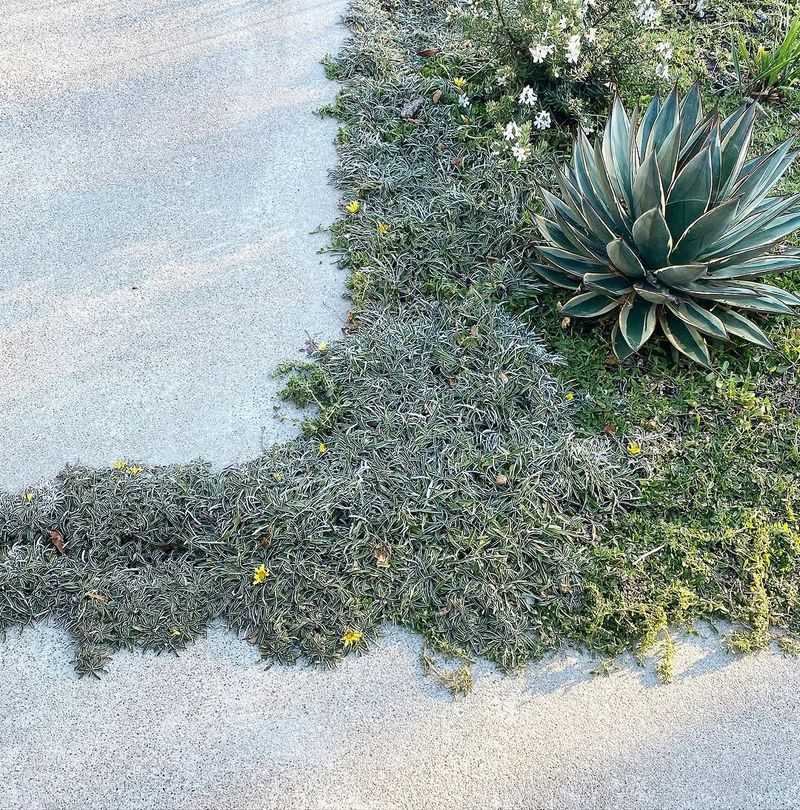
Flat, silver-green, and quietly unstoppable, Dymondia is one of California’s most underrated ground covers. It hugs the ground so tightly that weeds simply have nowhere to go.
Growing only one to two inches tall, it forms a seamless, dense mat that blocks sunlight from reaching the soil below.
Dymondia margaretae is native to South Africa but has found a very happy home in California gardens. It thrives in full sun and handles the state’s dry summers like a champ.
Once established, it needs very little water, which makes it a smart choice for water-conscious gardeners across the region.
Small yellow daisy-like flowers pop up in summer, adding a cheerful touch without any fuss. The plant also tolerates moderate foot traffic, so you can use it between stepping stones or along pathways.
It spreads slowly but steadily, eventually covering large areas without becoming invasive. If you want a low-growing, weed-smothering plant that looks polished year-round, Dymondia is hard to beat.
California gardeners dealing with dry, sunny spots will especially love how little attention it needs once it settles in.
2. Creeping Thyme
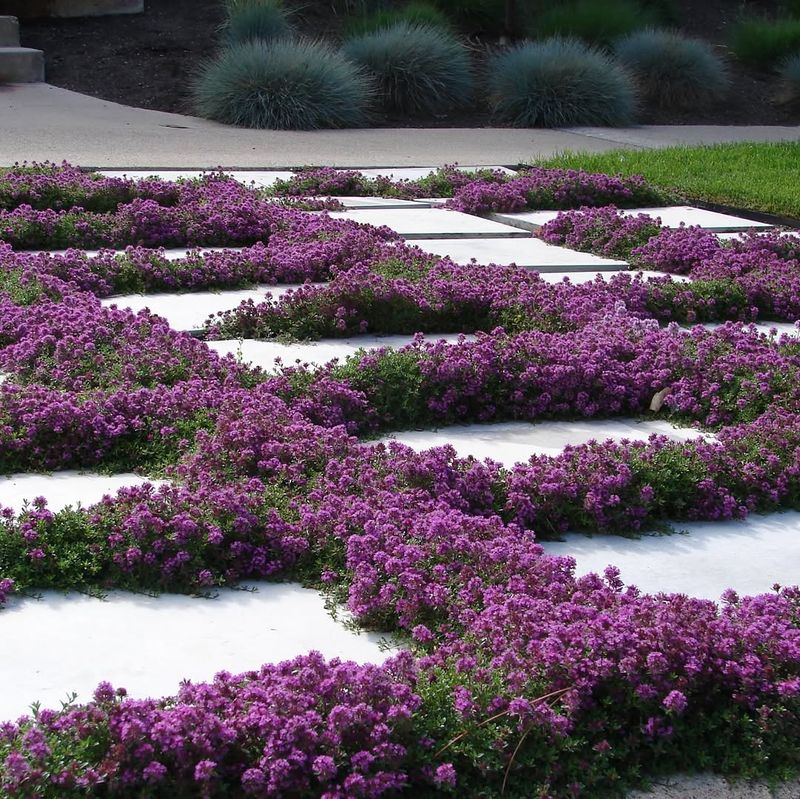
There is something almost magical about a plant that smells amazing, looks beautiful, and fights weeds all at the same time. Creeping thyme does exactly that.
This aromatic herb forms a thick, low-growing mat only two to three inches tall, spreading outward to fill every gap in your garden.
In California, creeping thyme thrives in full sun and handles drought conditions well once its roots are established. It is a fantastic choice for replacing sections of lawn or filling in spaces between pavers.
Tiny purple, pink, or white flowers bloom in late spring and early summer, drawing in bees and butterflies by the dozens.
Because it grows so densely, weed seeds struggle to find bare soil to land on. Even if a seed does land, the thick mat of thyme shades it out before it can sprout.
Creeping thyme is also tough enough to handle light foot traffic, which makes it practical as well as pretty. For California gardeners who want a fragrant, pollinator-friendly, weed-blocking ground cover, this plant checks every single box.
Your California Garden Changes Every Week. Your Plan Should Too.
Gardening in California changes quickly throughout the season. Every Friday you’ll receive a simple weekly plan showing exactly what to plant, prune, fertilize, harvest, and protect so you never miss the right timing.
It is especially useful in hot, dry areas where other plants might struggle to survive.
3. Yarrow
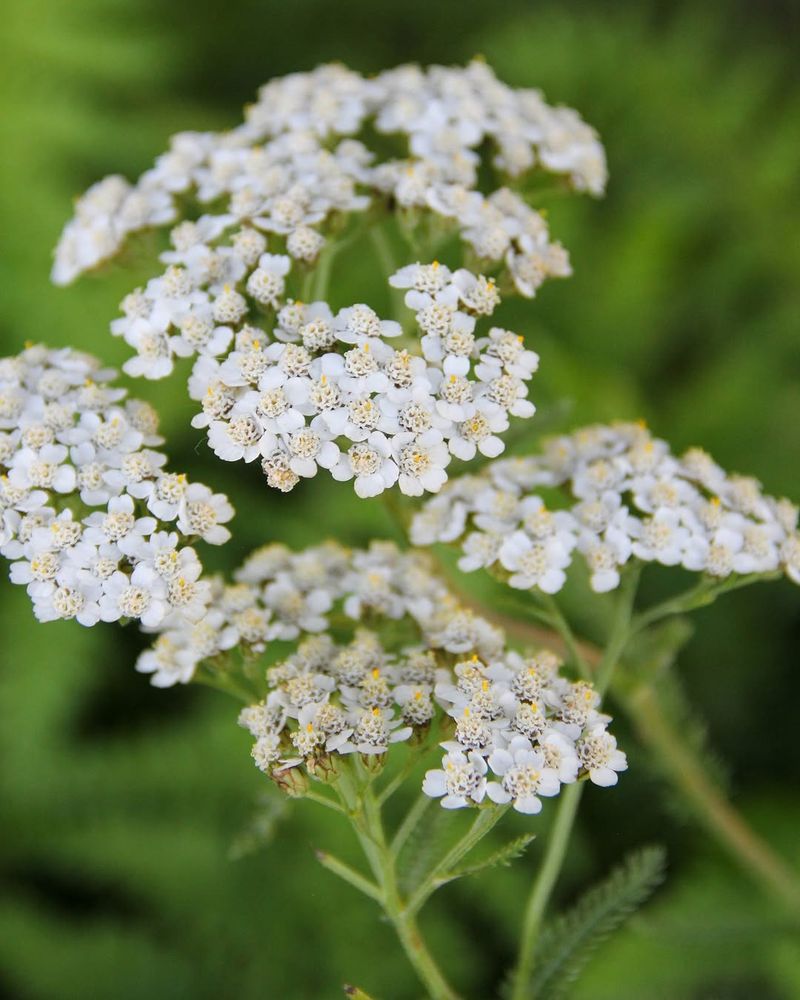
Yarrow has been growing wild across California hillsides for centuries, and there is a good reason it has lasted so long. This tough native perennial is built to survive heat, drought, and poor soil, all while spreading its feathery, fern-like foliage into a dense, weed-blocking layer.
Growing twelve to eighteen inches tall, yarrow creates enough shade at ground level to crowd out most weeds before they get started. It blooms from late spring through fall, producing flat clusters of flowers in white, yellow, or pink.
Those blooms are a magnet for butterflies, bees, and other beneficial insects that California gardens need.
One of the best things about yarrow is how little it asks for in return. Once established in your California garden, it needs minimal water, even during the driest summer months.
It spreads gradually through underground runners, slowly filling bare spots and leaving less room for weeds to move in. It works beautifully in garden borders, meadow-style plantings, and even on slopes where erosion can be a problem.
If you want a plant that is truly built for California’s climate and does serious weed-suppressing work, yarrow is a reliable, low-effort choice worth every bit of garden space it takes up.
4. Point Reyes Ceanothus
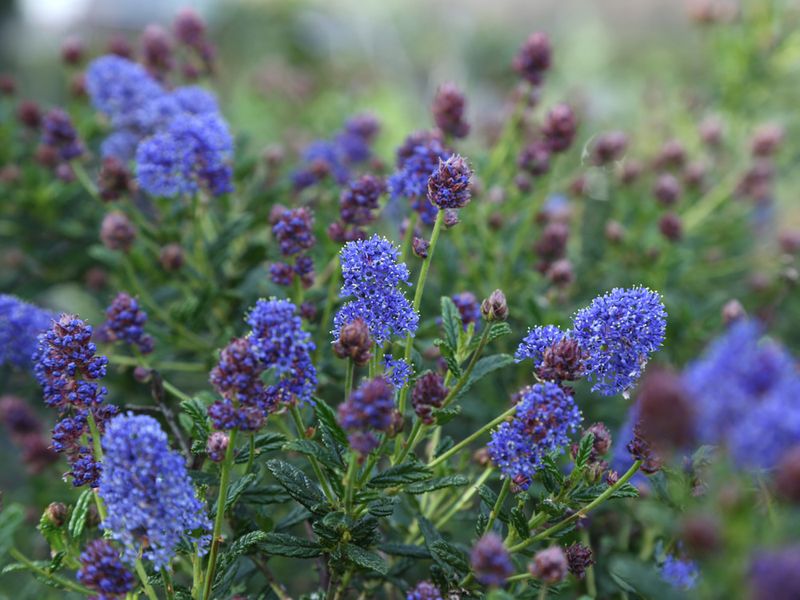
Named after the famous Point Reyes National Seashore in Marin County, this California native is as tough as the rugged coastline it comes from. Point Reyes Ceanothus is a low-growing, spreading shrub that hugs the ground and crowds out weeds with impressive determination.
It can spread six to ten feet wide while staying only one to two feet tall.
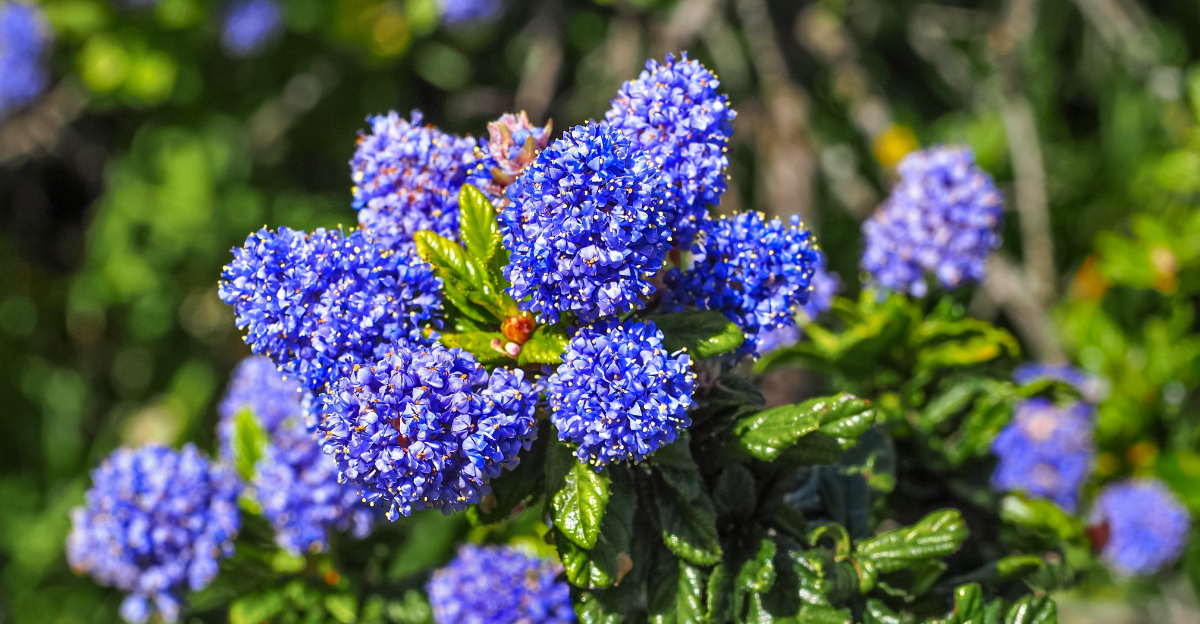
Every spring, it bursts into a breathtaking display of bright blue flowers that cover the entire plant. Those blooms are not just beautiful.
They also attract native bees and other pollinators that are so important to California’s ecosystems. After flowering season, the dense, dark green foliage continues doing its weed-suppressing job all year long.
This plant is extremely drought-tolerant once established, which makes it a natural fit for California’s dry summers. It prefers full sun and well-draining soil, and it actually does better in lean soil than in rich, amended beds.
Avoid overwatering, especially in summer, since this plant is adapted to California’s dry season. It works wonderfully on slopes, in native plant gardens, and along driveways where you want low-maintenance beauty that handles itself.
Few plants offer this much visual impact with this little ongoing care needed.
5. Emerald Carpet Manzanita
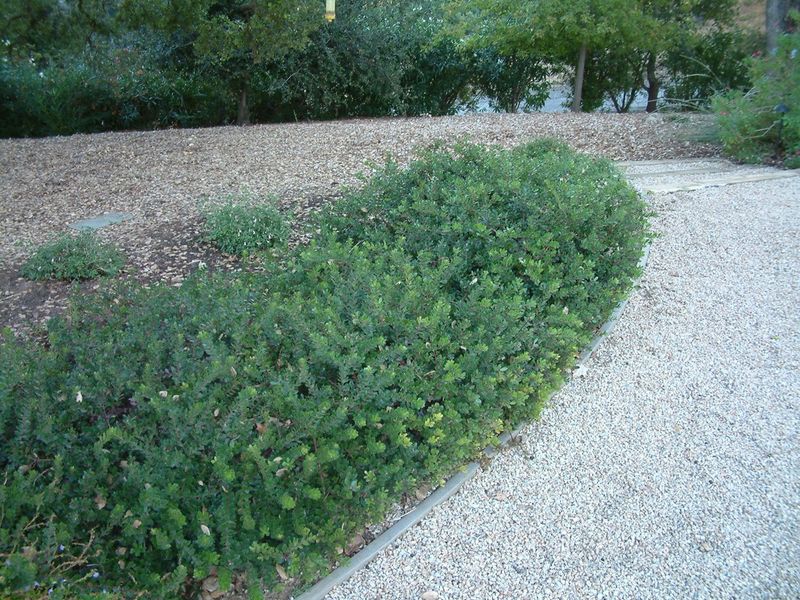
If you have ever tried to grow something on a dry, sunny California slope and failed, Emerald Carpet Manzanita might be exactly what you have been missing. This evergreen ground cover spreads wide and low, forming a thick, glossy carpet that is nearly impossible for weeds to push through.
Arctostaphylos ‘Emerald Carpet’ grows only about one foot tall but spreads four to six feet wide over time. Its small, oval, bright green leaves stay attractive all year, and in late winter or early spring, tiny pink or white bell-shaped flowers appear.
Those delicate blooms attract hummingbirds, which is always a welcome sight in any California garden.
This manzanita variety is highly drought-tolerant, making it one of the best low-water ground covers available for California’s Mediterranean climate. It thrives in full sun and prefers well-drained, slightly acidic soil.
Once established, it needs very little supplemental watering and almost no pruning. It is also fire-resistant to some degree, which is an important consideration for many California gardeners in wildfire-prone areas.
Plant it on slopes, along pathways, or in any spot where you want reliable, year-round weed suppression without constant upkeep. It truly earns its place in the garden.
6. California Fescue
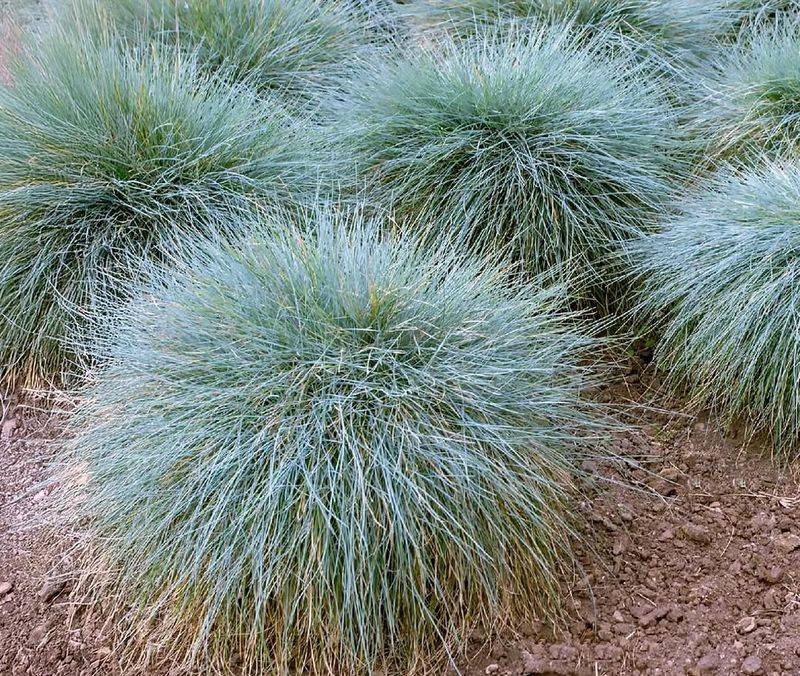
Not all weed-suppressing plants need to crawl along the ground. California fescue proves that a clumping ornamental grass can hold its own against weeds just as well as any spreading ground cover.
Its dense, arching clumps of blue-green foliage create a thick canopy at the base that shades out weed seeds effectively.
Festuca californica is a true California native, naturally found in the shaded understories of oak woodlands and mixed forests throughout the state. That background makes it perfectly suited to gardens with partial shade, a growing condition where many other weed-suppressing plants struggle to perform.
It grows two to three feet tall and wide, forming graceful mounds that look beautiful in naturalistic garden designs.
California fescue is also impressively drought-tolerant once established, going semi-dormant in summer to conserve water, just as it would in the wild. It pairs wonderfully with other California natives like yarrow, ceanothus, and woodland perennials.
Plant it in groups for maximum weed coverage, since the dense clumps leave very little bare soil exposed. Unlike many ornamental grasses, it is not invasive, so you can use it freely without worrying about it taking over your garden.
For shaded California spots, it is genuinely one of the best choices available.
7. Seaside Daisy
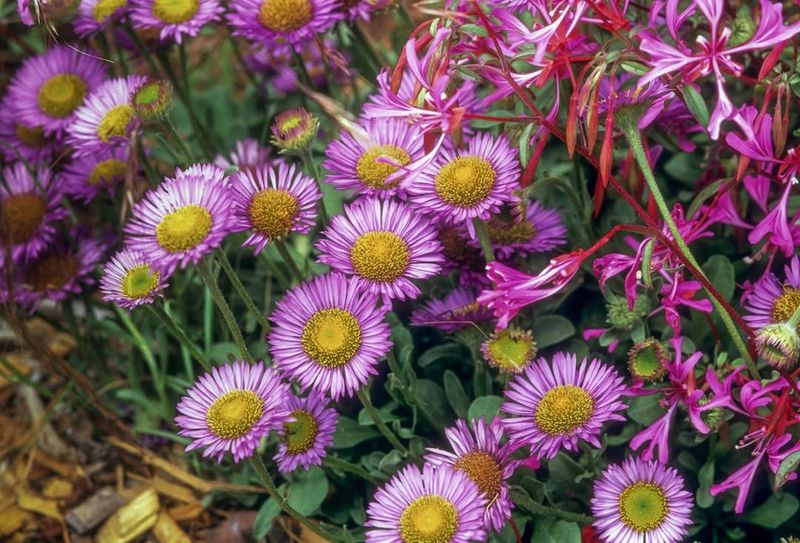
Walk along almost any sunny California coastal garden and you are likely to spot the cheerful purple blooms of seaside daisy. Erigeron glaucus is a California native that brings color, charm, and serious weed-suppressing power all in one compact package.
It grows only six to twelve inches tall but spreads outward into a dense, leafy mat.
What makes seaside daisy so special is how long it blooms. In California’s mild coastal climate, it can produce its lavender-purple, yellow-centered flowers almost year-round.
That continuous bloom is a huge draw for bees and butterflies, making it as wildlife-friendly as it is weed-resistant. The thick foliage between bloom cycles keeps the ground covered and shaded, leaving little opportunity for weeds to establish.
Seaside daisy thrives in full sun to light shade and handles both coastal salt spray and moderate drought with ease. It is a perfect fit for garden borders, pathway edges, rock gardens, and any spot in a California yard where you want low-growing color without a lot of effort.
It does appreciate occasional deep watering during the hottest months but is otherwise very self-sufficient. Deadheading spent flowers encourages more blooms, though even without pruning, this plant keeps on giving all season long.
8. Carmel Creeper
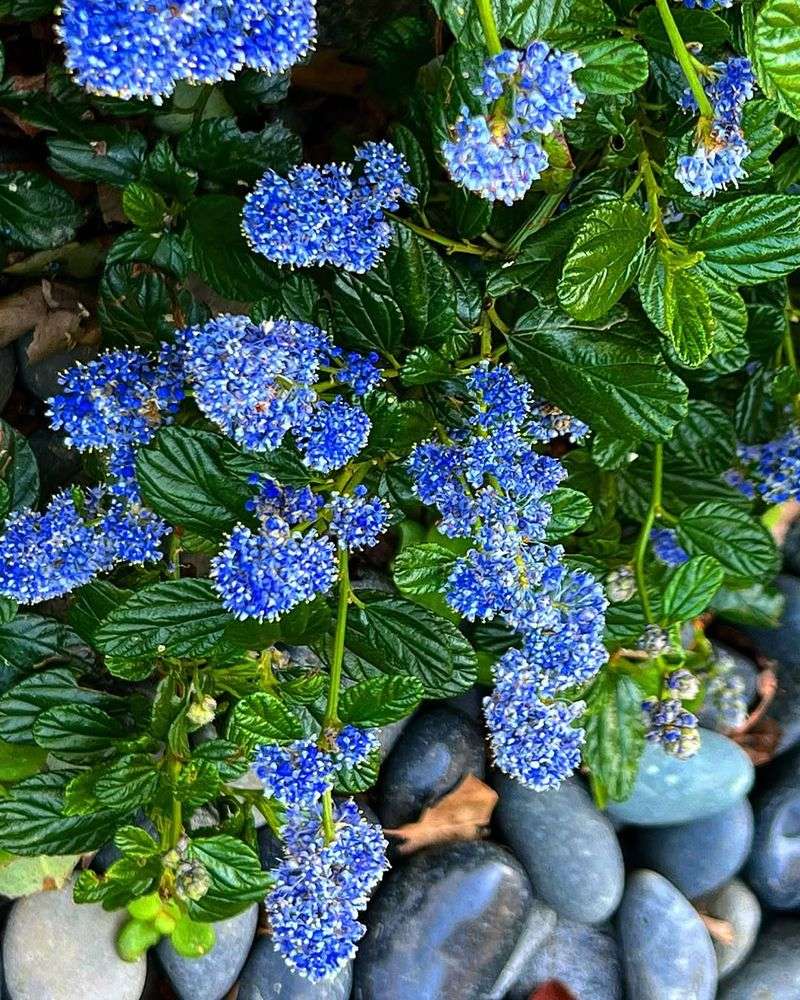
Few plants capture the spirit of California’s rugged coastline quite like Carmel Creeper. Named for the stunning Carmel region of the Central Coast, this low-spreading ceanothus variety is a powerhouse when it comes to covering ground and smothering weeds.
It spreads up to fifteen feet wide while staying only two to three feet tall.
Ceanothus griseus horizontalis explodes with vibrant blue-purple flower clusters every spring, creating a show that stops people in their tracks. The blooms are rich in nectar and absolutely irresistible to native bees.
Once the flowers fade, the dense, glossy green foliage takes over and keeps doing the weed-blocking work through every season.
Carmel Creeper is built for California’s climate. It loves full sun, tolerates poor, rocky soil, and once established, it barely needs supplemental water during summer.
It is especially effective on slopes and hillsides, where it helps prevent erosion while keeping weeds at bay. Avoid planting it in heavy clay or areas with poor drainage, as it prefers conditions similar to its native coastal habitat.
For California gardeners who want a native plant with bold seasonal color, serious spreading power, and minimal care requirements, Carmel Creeper is an outstanding choice that rarely disappoints.
9. Beach Strawberry
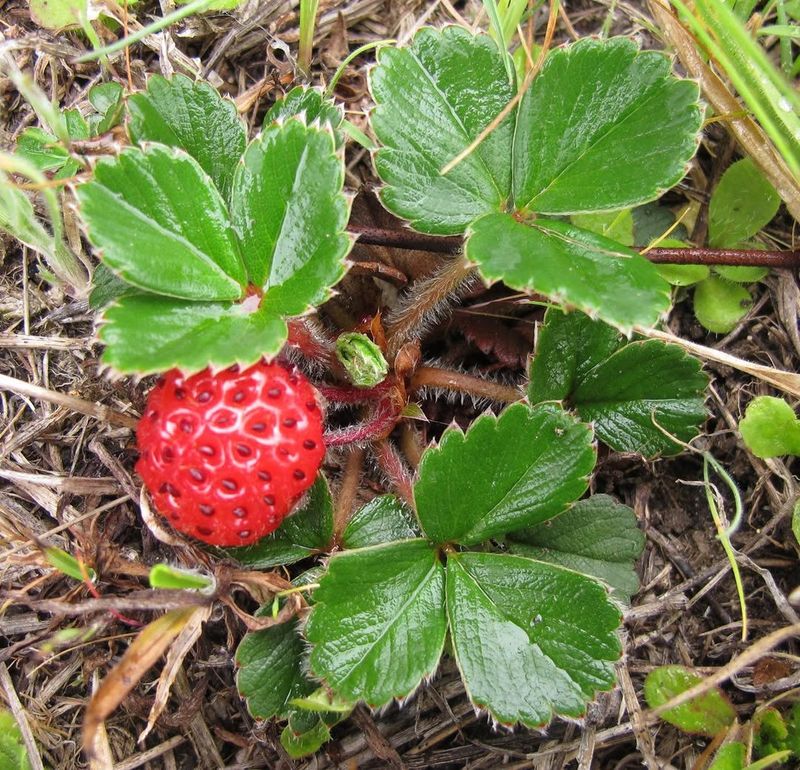
Sweet, low-growing, and surprisingly tough, beach strawberry is one of California’s most charming native ground covers. Fragaria chiloensis spreads through runners, just like a regular garden strawberry, creating a thick, interlocking mat of foliage that weeds simply cannot push through.
It grows four to six inches tall and fills in bare spots quickly and reliably.
Along California’s coast, beach strawberry grows naturally on dunes and bluffs, which tells you a lot about how adaptable it is. It handles salt spray, sandy soil, and wind with ease.
Inland California gardens can also grow it successfully as long as there is enough moisture during the hottest months. White flowers appear in spring, followed by small, edible red strawberries that birds and wildlife love.
The dense mat of bright green, trifoliate leaves stays attractive through most of the year, providing consistent ground coverage that keeps weed seeds from finding a foothold. Beach strawberry tolerates full sun near the coast but appreciates some afternoon shade in hotter inland areas.
It pairs well with other California natives and works beautifully as a lawn alternative in smaller spaces.
For gardeners looking for a functional, wildlife-friendly, weed-suppressing ground cover with genuine California roots, beach strawberry is a wonderful and rewarding option to plant.