6 Things Smart Pennsylvania Gardeners Should Do Before March Ends
March in Pennsylvania has a way of sneaking by. One minute you are brushing off the last bit of snow, and the next the days are noticeably longer and the soil is finally workable.
It is a short window, but it matters more than many people realize. What you do before the month wraps up can shape how your garden performs for the rest of the season.
Smart gardeners treat late March like a head start. They take advantage of cooler temperatures to prep soil, check tools, and give plants the attention they need before spring growth kicks into high gear.
A little effort now can prevent bigger problems once everything starts growing fast.
Waiting too long often means playing catch up when weeds are already sprouting and schedules get busy. Staying ahead of the season keeps your yard healthier and easier to manage.
A few thoughtful moves before March ends can make your Pennsylvania garden feel organized and ready for the months ahead.
1. Clean Up Garden Beds (But Don’t Rush Too Early)
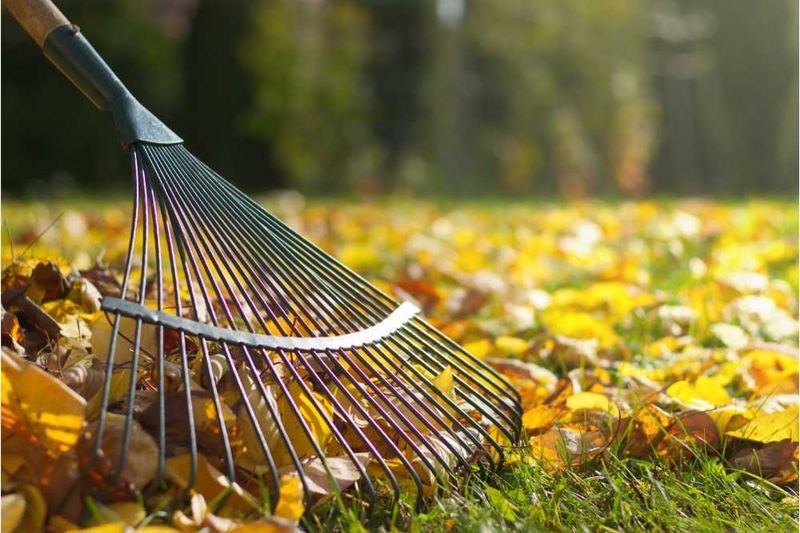
There is something deeply satisfying about raking back the first layer of winter debris and spotting fresh green shoots pushing up from the soil below. March is when Pennsylvania gardeners get that feeling, but timing your cleanup is everything.
Move too fast, and you risk disturbing overwintering insects that are still sheltering under leaf litter.
Wait until the soil in your garden beds feels workable, not squishy. When you step on it and it holds its shape without smearing or sticking to your boots, that is your green light.
Waterlogged soil compacts easily under foot traffic, and that compression can damage the root structure of plants trying to emerge.
Start by removing matted leaves that have clumped together over winter. These wet, dense mats trap moisture against plant crowns and can encourage fungal disease to take hold.
Cutting back dry perennial stems at this stage also improves air circulation throughout the bed, which helps reduce pest pressure as temperatures climb.
Pennsylvania gardeners dealing with heavy clay soils, common across many central and western parts of the state, should be especially careful about working beds too early.
Clay holds water longer than sandy or loamy soils, so it stays soggy well into March in some years. Be patient and let the soil dry a bit before digging in.
Clearing your beds now also gives you a chance to spot early weed seedlings before they establish deep roots.
A quick pass with a hand tool at this stage saves hours of weeding later in the season. Small effort now means a cleaner, healthier garden all spring long.
2. Prune Summer-Flowering Shrubs
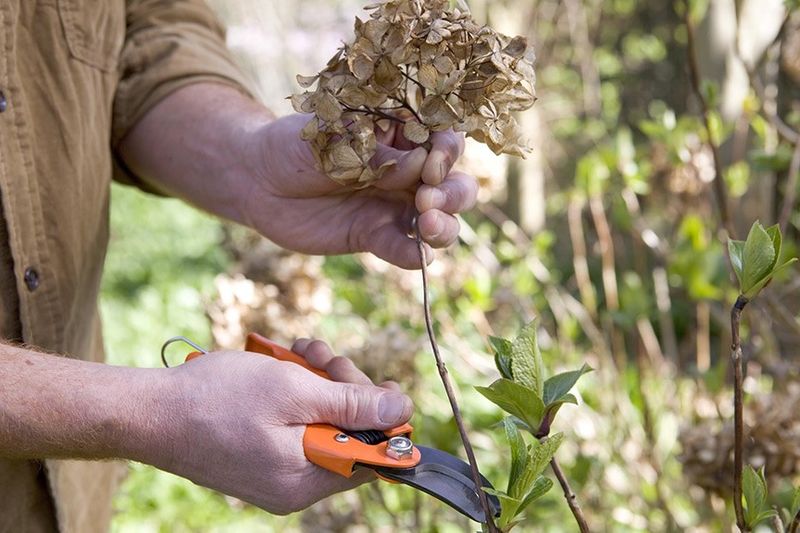
Most gardeners know they should prune, but figuring out exactly when trips a lot of people up. Prune at the wrong time and you can accidentally remove the very buds that would have given you a stunning summer display.
Late March in Pennsylvania hits that sweet spot, right before vigorous new growth kicks in but after the harshest winter weather has passed.
Your Pennsylvania Garden Changes Every Week. Your Plan Should Too.
Gardening in Pennsylvania changes quickly throughout the season. Every Friday you’ll receive a simple weekly plan showing exactly what to plant, prune, fertilize, harvest, and protect so you never miss the right timing.
Summer-flowering shrubs are your best candidates right now. These are plants that bloom on new wood, meaning the growth they put out this spring is what will carry their flowers.
Pruning them in late March encourages the plant to push out strong, healthy new growth packed with bloom potential.
Panicle hydrangeas and smooth hydrangeas are excellent examples. Both are popular across Pennsylvania landscapes and both benefit from a hard cutback in late March.
You can reduce panicle hydrangeas by about one-third, and smooth hydrangeas like Annabelle can be cut back close to the ground. Do not be shy about it.
Butterfly bush, summer-blooming spirea, and ornamental grasses round out your pruning list for this month. Ornamental grasses in particular need attention before new green shoots emerge from the base.
Once those shoots appear, cutting back becomes much trickier without accidentally snipping the fresh growth.
Use clean, sharp pruning shears for every cut. Dull blades tear rather than cut cleanly, which creates rough wounds that take longer to heal.
Wiping your blades with rubbing alcohol between shrubs also helps prevent spreading any lingering fungal spores from plant to plant across your Pennsylvania garden.
3. Start Cool-Season Vegetables
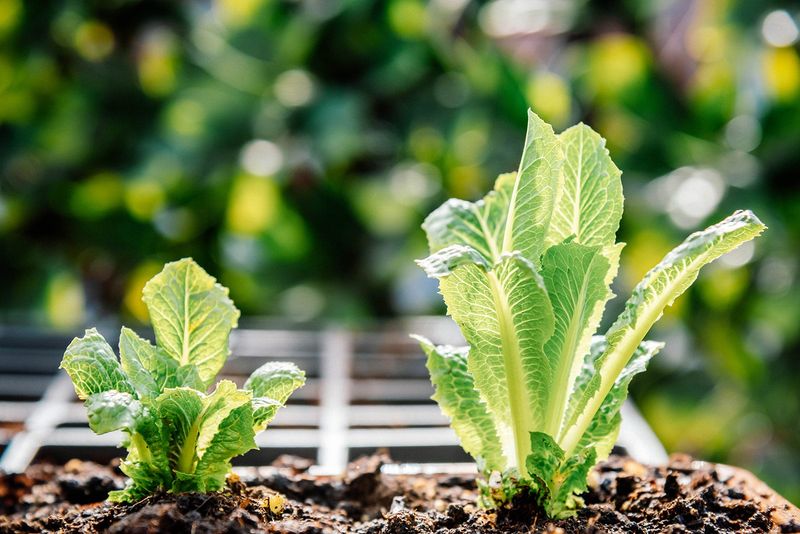
Here is a fact that surprises many new Pennsylvania gardeners: you do not have to wait until May to grow food. Plenty of cold-hardy vegetables actually prefer cooler temperatures and can handle a light frost without skipping a beat.
Getting these crops in the ground by mid-to-late March means you could be harvesting fresh greens by late April or early May.
Soil temperature is the key factor. Once the ground reaches around 40 to 50 degrees Fahrenheit, crops like spinach, lettuce, radishes, peas, and onions can germinate reliably.
In most parts of Pennsylvania, soil temps hit that range somewhere between mid and late March, though northern counties may run a week or two behind southern ones.
Spinach is one of the most forgiving cool-season crops you can grow. It germinates in cold soil, tolerates frost, and grows quickly enough to give you multiple harvests before summer heat sets in.
Lettuce behaves similarly and comes in dozens of varieties worth experimenting with in your Pennsylvania garden.
Peas deserve a special mention because they actually need cold weather to thrive. Gardeners often say to plant peas when you hear the first robin singing, which in Pennsylvania usually lines up perfectly with late March.
Push them into the soil about an inch deep and give them something to climb. If a hard frost is predicted after planting, cover your rows with lightweight frost cloth or row covers.
These inexpensive tools trap heat close to the soil and can protect tender seedlings from temperatures several degrees below freezing. Keep a set on hand throughout the spring season.
4. Divide Overcrowded Perennials
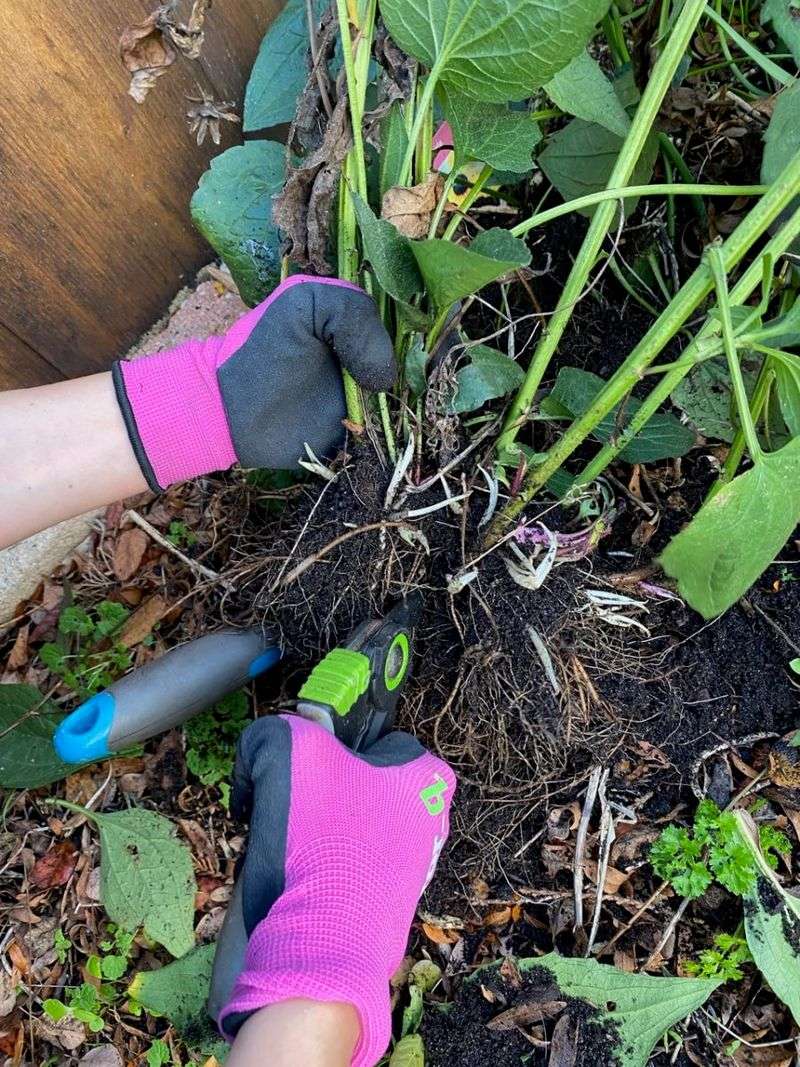
Perennials are workhorses of the Pennsylvania garden, coming back year after year without much fuss. But even the toughest perennials start to run out of steam when they get too crowded.
Clumps that once bloomed vigorously may produce fewer flowers, develop bare patches in the center, or simply look tired and overgrown. That is your sign to divide.
Early spring is the ideal time for division because the plants are just waking up. Growth is minimal, stress is low, and the cooler temperatures give divided sections time to establish new roots before summer heat arrives.
Waiting until fall or midsummer to divide puts far more strain on the plant. Hostas are probably the most commonly divided perennial in Pennsylvania gardens, and for good reason. They multiply fast and respond beautifully to being split apart.
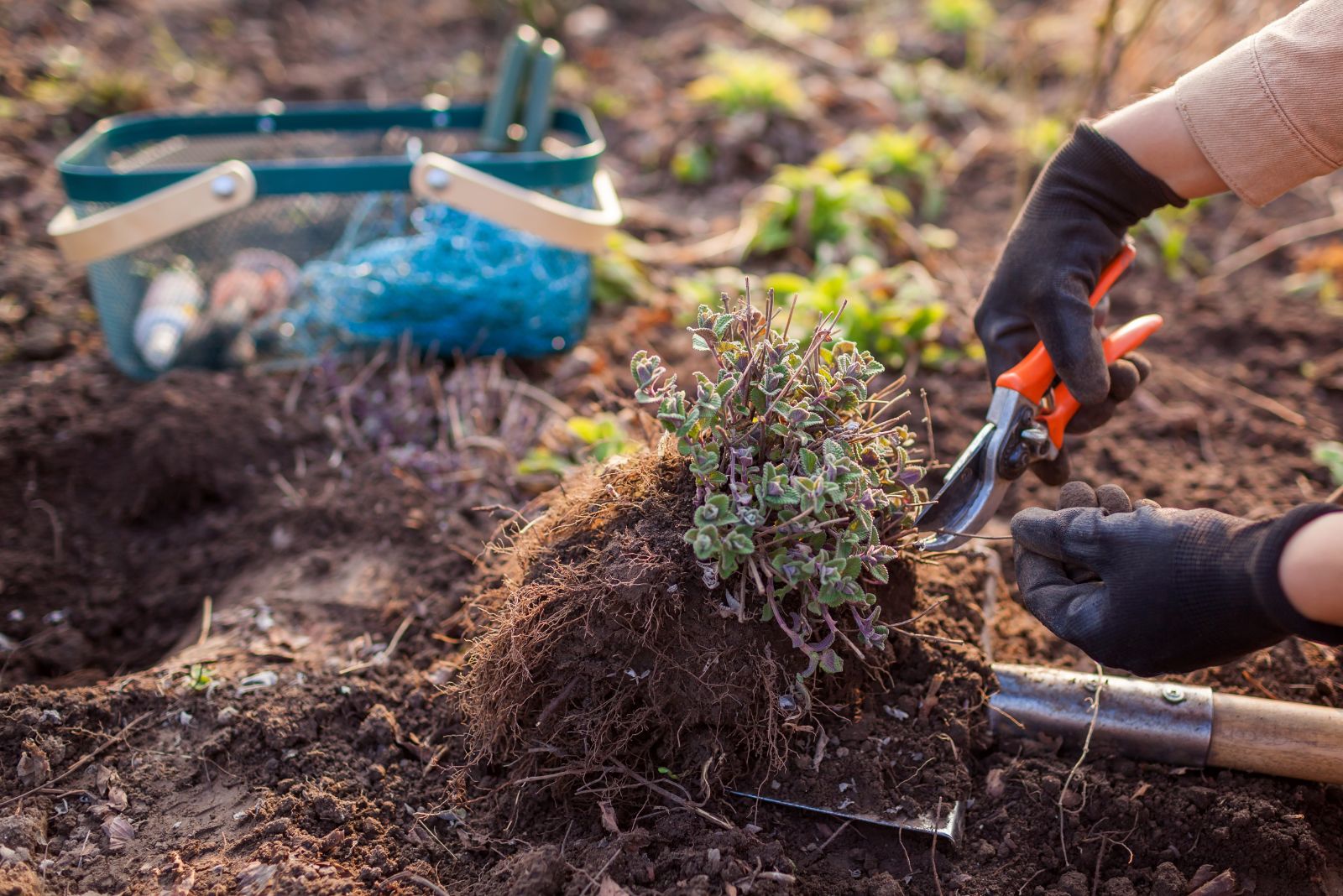
Use a sharp spade to slice straight through the crown, then replant each section at the same depth it was growing before. Water thoroughly after replanting.
Daylilies, black-eyed Susans, and ornamental grasses are three other top candidates for spring division. Daylilies in particular can form incredibly dense clumps that are nearly impossible to divide by hand.
A garden fork or two forks placed back-to-back and levered apart works well for breaking up stubborn root masses.
One rule applies to all of these: only divide when the soil is workable and not waterlogged. Soggy soil makes a mess, sticks to roots, and creates conditions where new transplants struggle to settle in.
Give the ground a few dry days before you start digging, and your divisions will establish much more successfully.
5. Test And Amend Soil
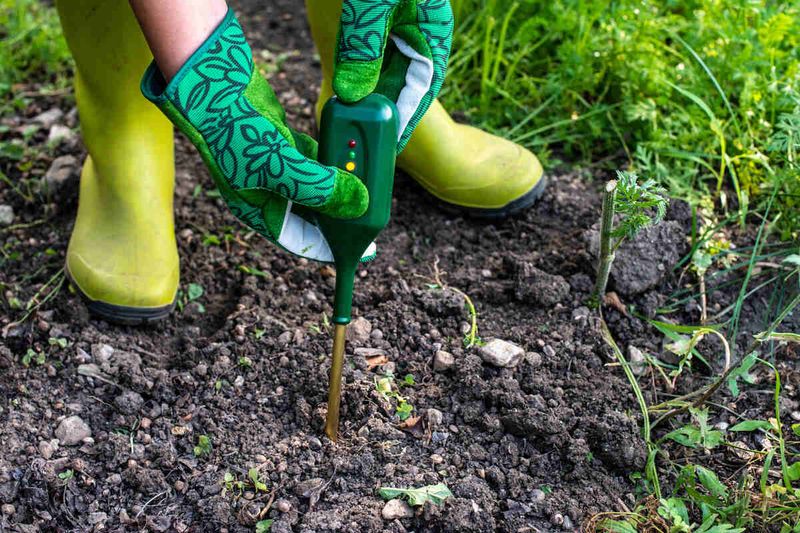
Ask any experienced Pennsylvania gardener what their single best habit is, and soil testing will come up repeatedly. It sounds technical, but the process is actually pretty simple.
Knowing exactly what your soil needs before planting season begins means you stop guessing and start growing with confidence.
Pennsylvania soils are notoriously variable. Clay-heavy soils are common across much of the central and western parts of the state.
Acidic conditions are widespread, especially in areas near forests or where heavy rainfall leaches nutrients over time. Without a soil test, you might be adding fertilizer that your soil does not need, or missing something critical that your plants are starving for.
Penn State Extension offers soil testing services that are affordable and easy to use. You collect small samples from several spots in your garden, mix them together, and mail the sample in.
Results typically come back with specific recommendations for lime, nitrogen, phosphorus, and potassium based on what you want to grow.
If your results show that your soil is too acidic, which is common in Pennsylvania, adding agricultural lime can bring the pH up toward the neutral range most vegetables and flowering perennials prefer.
Lime takes several weeks to fully affect pH, which is exactly why testing in March gives you enough time to act before planting season hits full swing.
Beyond pH, adding a few inches of finished compost to your beds improves soil structure no matter what type you are working with.
Compost loosens clay, adds water retention to sandy soils, and feeds the microbial life that makes nutrients available to plant roots. It is the one amendment almost every Pennsylvania garden benefits from every single year.
6. Inspect Trees And Shrubs For Winter Damage
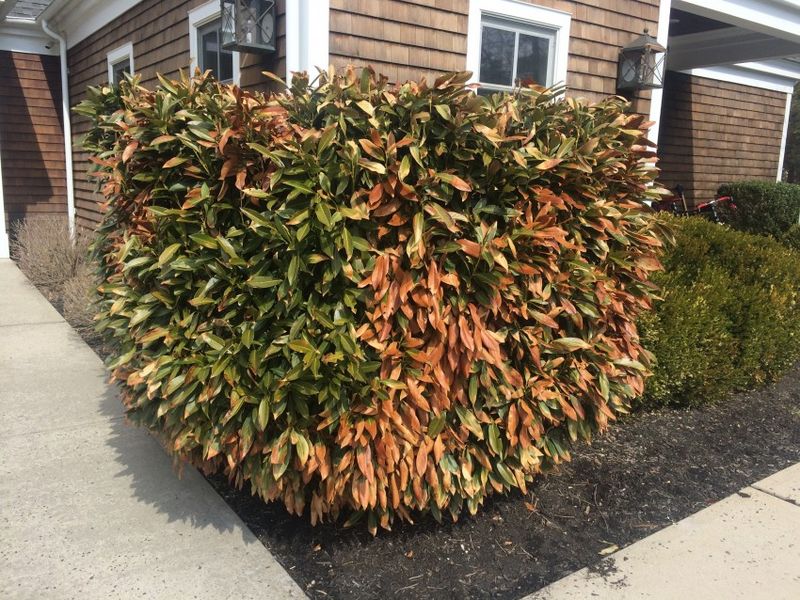
Winter in Pennsylvania is not gentle. Ice storms, heavy snowfall, and freezing temperatures can leave trees and shrubs looking rough by the time March rolls around.
Walking your property with a careful eye before active spring growth begins is one of the most valuable things you can do for the long-term health of your landscape.
Start with a visual scan of all your trees and large shrubs. Look for broken or hanging branches, which can be hazardous and also serve as entry points for insects and disease.
Cracked or split bark is another red flag. Bark splitting often happens when temperatures swing dramatically between warm days and cold nights, a pattern that is very familiar to anyone who has spent a winter in Pennsylvania.
Voles are a common problem in Pennsylvania landscapes, especially in areas with heavy mulch or thick ground cover that gives them shelter over winter. Check the base of trees and shrubs for chewing damage around the lower trunk.
Vole damage looks like irregular gnaw marks circling the base of the plant, and it can seriously disrupt the movement of water and nutrients if it goes deep enough.
While you are checking the base, look for mulch that has been piled too high against trunks over winter.
Mulch volcanoes, those big mounded piles of mulch pushed right up against the bark, trap moisture and create conditions where rot and pests thrive. Pull mulch back so it sits a few inches away from the trunk.
Pruning damaged wood before active growth begins gives the plant its best chance to seal over the wound cleanly. Late March in Pennsylvania is the right time for this task, before energy is redirected into pushing out new leaves and shoots.