7 Spring Lawn Care Tips For Pennsylvania Homeowners
After a long Pennsylvania winter, the lawn can look a little rough around the edges. Maybe the grass has thinned out, bare patches are showing, or the whole yard just looks tired and dull.
That is pretty normal this time of year, but it also means spring is the moment when everything starts to turn around.
As temperatures warm up and the grass begins growing again, a little attention can make a big difference in how the lawn looks heading into the rest of the season.
The tricky part is that spring lawn care is not just about making things greener as fast as possible. Doing too much too soon can create problems just as easily as doing nothing at all.
Pennsylvania homeowners usually get the best results when they focus on the basics at the right time, whether that means cleaning up winter debris, mowing properly, dealing with thin spots, or giving the lawn what it actually needs instead of guessing.
A few smart moves in spring can lead to thicker growth, better color, and a yard that feels a lot more inviting once warm weather fully settles in.
1. Start With A Spring Cleanup
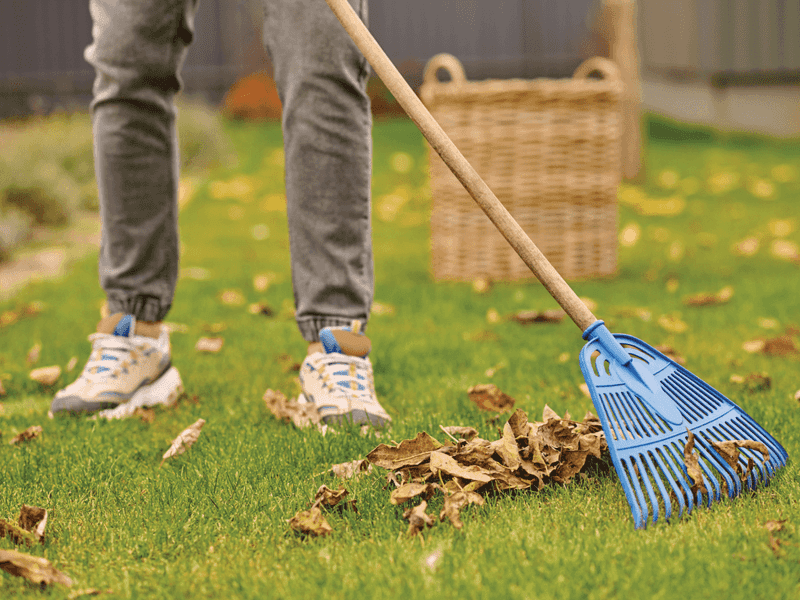
After a long Pennsylvania winter, your lawn has likely collected a lot of unwanted stuff. Leaves, broken sticks, dry grass clumps, and other debris pile up over the cold months.
Before you do anything else this spring, give your lawn a good cleanup. Start by raking the entire lawn thoroughly. Use a leaf rake to pull up matted leaves and dry grass.
This layer of debris, sometimes called thatch, blocks sunlight from reaching the soil. Without sunlight, your grass cannot grow the way it should.
Matted leaves can also trap moisture and create the perfect conditions for mold and lawn disease. In Pennsylvania, where spring can bring heavy rain and humidity, this is a real problem.
Removing that layer early protects your grass before it even starts growing. Walk your yard and pick up any large sticks or branches that fell during winter storms. These can damage your mower blades if you miss them.
Check along fence lines and garden beds, too, since debris tends to collect in those spots. Once your yard is clear, you will notice your lawn looks a little rough. That is completely normal.
The goal right now is just to let air, water, and sunlight reach the soil again. A clean lawn surface allows grass to breathe and grow upward instead of struggling under a pile of old leaves.
Cleanup might not be the most glamorous task, but it is the foundation of every great Pennsylvania lawn. Get this step right, and everything else becomes easier.
2. Test Your Soil Before Doing Anything Else
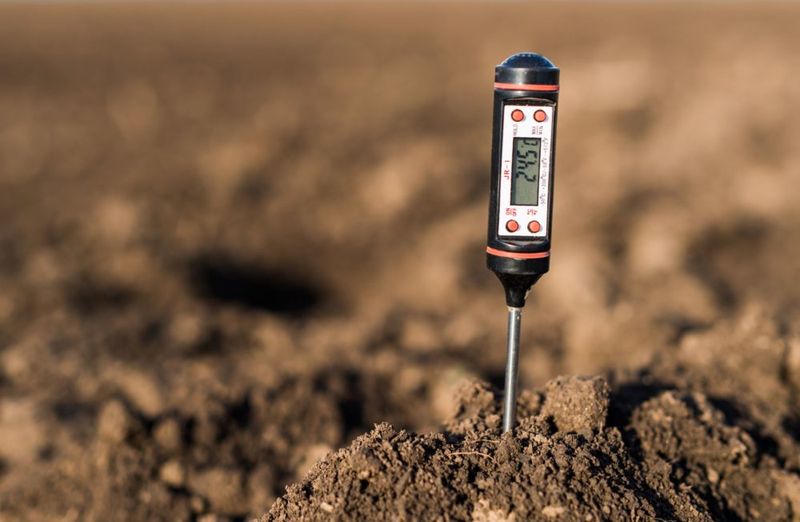
Most people skip this step, and that is a big mistake. Testing your soil before you fertilize or treat your lawn saves you time, money, and frustration.
You cannot fix a problem you do not understand, and a soil test tells you exactly what your lawn is working with.
Your Pennsylvania Garden Changes Every Week. Your Plan Should Too.
Gardening in Pennsylvania changes quickly throughout the season. Every Friday you’ll receive a simple weekly plan showing exactly what to plant, prune, fertilize, harvest, and protect so you never miss the right timing.
Pennsylvania soils tend to be naturally acidic. When soil pH drops too low, grass struggles to absorb nutrients even if you fertilize regularly.
The fertilizer just sits there without doing much good. A soil test reveals your pH level and tells you which nutrients are low.
You can pick up an inexpensive soil test kit at most garden centers or hardware stores across Pennsylvania. Penn State Extension also offers professional soil testing services, and many local cooperative extensions can walk you through the results.
It is worth the small investment. If your soil is too acidic, adding lime is usually the fix. Lime raises the pH and makes nutrients more available to your grass roots.
Most cool-season lawns in Pennsylvania thrive at a pH between 6.0 and 7.0. Staying in that range makes a huge difference in how your grass looks and grows.
The best time to collect soil samples is early spring, right after the ground thaws. Take samples from several spots around your yard and mix them together for the most accurate reading.
Wait for your results before buying fertilizer or amendments. Knowing your soil gives you a clear plan. Without that information, you are just guessing, and guessing gets expensive fast.
3. Apply A Pre-Emergent Herbicide Early
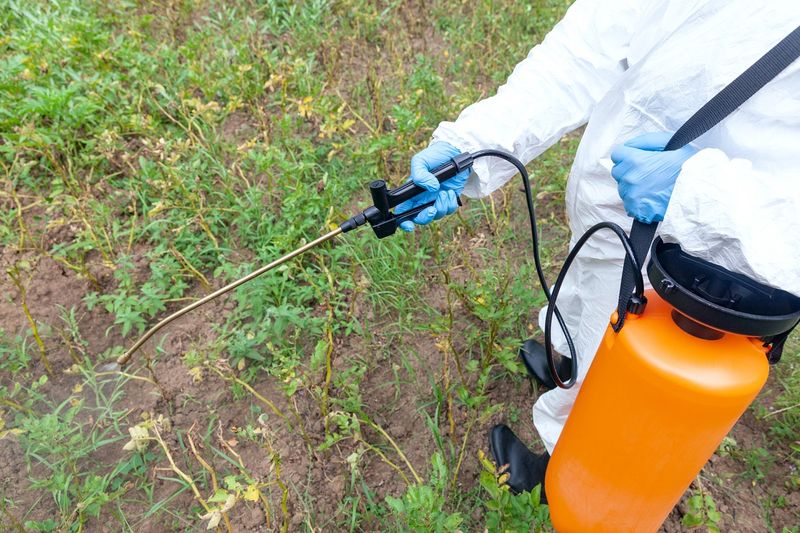
Crabgrass is one of the most frustrating weeds a Pennsylvania homeowner can deal with. Once it sprouts and spreads, it takes over fast.
The good news is that you can stop it before it even gets started by using a pre-emergent herbicide in early spring.
Pre-emergent herbicides work by creating a chemical barrier in the soil that prevents weed seeds from germinating. They do not affect grass that is already growing, only seeds that are trying to sprout.
That makes them safe to use on an established lawn. Timing is everything with this product. In Pennsylvania, the window for applying pre-emergent is usually between late March and mid-April.
A helpful trick is to watch for forsythia bushes to bloom. When those bright yellow flowers appear, it is time to apply. Soil temperature should be around 50 to 55 degrees Fahrenheit for best results.
Apply the herbicide using a broadcast spreader for even coverage. Follow the label directions carefully, and water it in lightly afterward if rain is not expected within a day or two. Skipping the watering step reduces how well the product works.
One important thing to remember is that pre-emergent herbicides can also interfere with grass seed germination. If you plan to overseed thin areas this spring, you will need to choose between the two or use a product labeled as safe for overseeding.
Read labels before buying. Getting ahead of weeds early is much easier than fighting them all summer long. A small effort in April saves a lot of headaches by July.
4. Fertilize At The Right Time
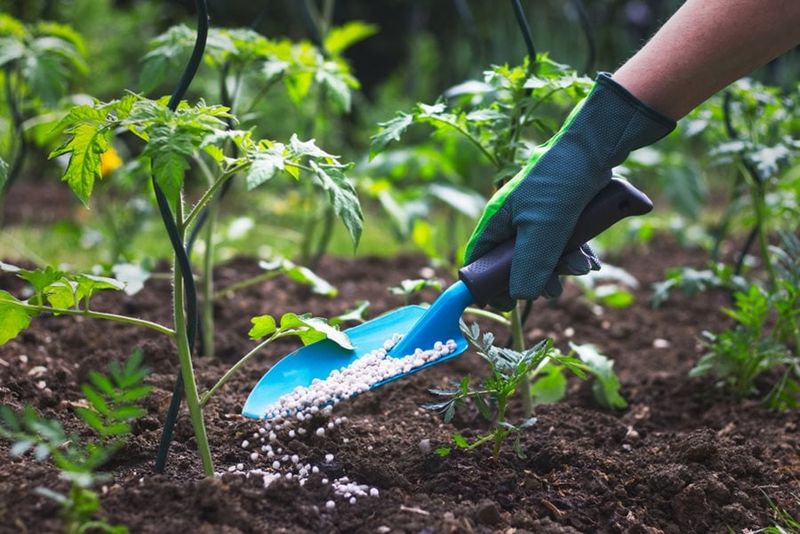
Fertilizing your lawn feels like a simple task, but doing it at the wrong time can actually cause more harm than good. Spring fertilization should be light and well-timed, especially for cool-season grasses that are common across Pennsylvania.
Cool-season grasses like tall fescue and Kentucky bluegrass grow best in fall and early spring. Their root systems are most active during those cooler months.
Applying a heavy dose of nitrogen fertilizer in late spring pushes too much leafy growth right before summer heat arrives. That extra growth stresses the grass and makes it more vulnerable to drought and disease.
The best approach for spring is to apply a light, balanced fertilizer once your lawn has greened up and is actively growing. Look for a product with a moderate nitrogen level and some phosphorus to support root development.
Slow-release formulas are a great option because they feed the lawn gradually without causing a sudden flush of weak growth.
In Pennsylvania, aim to fertilize in late April or early May. Avoid fertilizing during a heat wave or when the ground is dry, since nutrients move better when the soil has some moisture.
Always follow the product label for application rates and do not over-apply.
Remember that the most important fertilizer application for cool-season lawns happens in the fall, not spring. Think of spring fertilization as a light boost to get things going, not the main feeding of the year.
A little fertilizer at the right moment goes a long way toward a lush, healthy Pennsylvania lawn all season long.
5. Overseed Thin Or Bare Spots
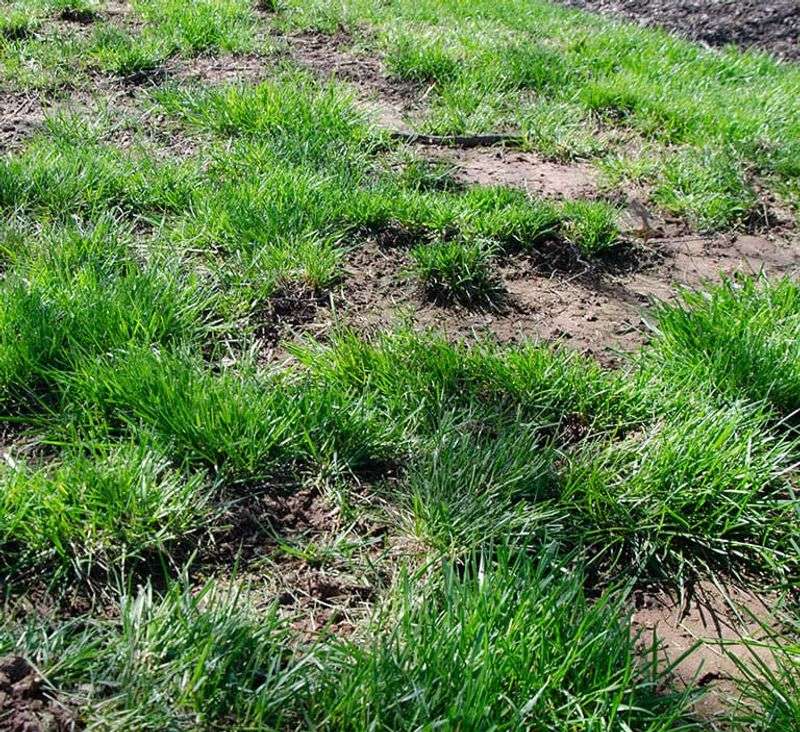
Bare patches and thin spots are not just an eyesore. They are an open invitation for weeds to move in.
Wherever grass is missing, weeds are more than happy to take over. Overseeding those areas in spring is one of the best ways to fight back and improve your lawn’s overall look.
Spring is a good time to overseed in Pennsylvania, though fall is actually the ideal season for cool-season grasses. If your lawn has significant bare areas, do not wait until fall to address them.
Getting grass established now means better coverage going into summer. Start by lightly raking or scratching the bare soil to loosen the top layer. This gives the seed better contact with the soil, which is essential for germination.
Spread the seed evenly over the area using a hand spreader or broadcast spreader. Press the seed gently into the soil by walking over it or using a lawn roller.
Choose a grass seed mix that matches what you already have in your lawn. For most Pennsylvania homeowners, a blend of tall fescue or Kentucky bluegrass works well. Read the label to make sure the mix is suited for your sun and shade conditions.
Keep the seeded areas moist until the new grass is at least two inches tall. This might mean watering lightly once or twice a day during dry spells.
Avoid heavy foot traffic on newly seeded patches so the young grass can get established without being trampled.
Patience pays off here. In a few weeks, those bare spots will fill in beautifully, and your lawn will look fuller and healthier across the board.
6. Mow Properly From The Very First Cut
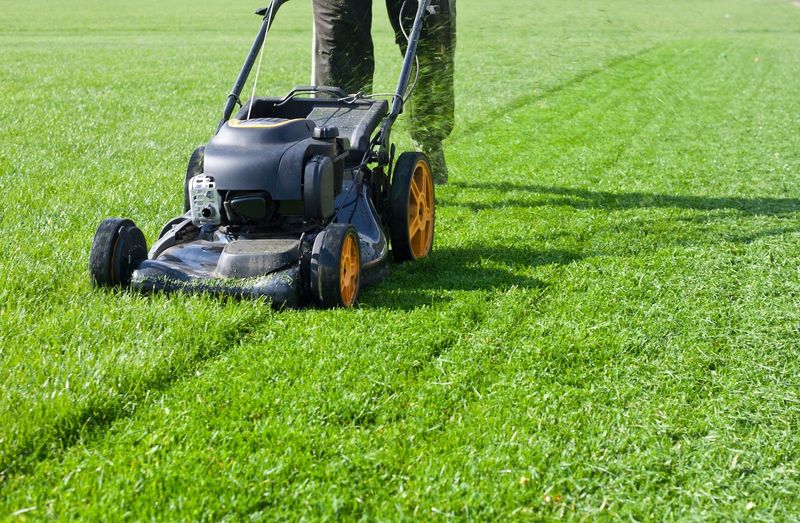
Your first mow of the season sets the tone for the rest of the year. Many homeowners make the mistake of cutting their grass too short right out of the gate, thinking it will reduce how often they need to mow.
In reality, cutting too low weakens your lawn and makes it harder for grass to compete with weeds.
For Pennsylvania lawns with cool-season grasses, aim to keep your mowing height at around three inches. Taller grass blades shade the soil, which helps keep moisture in and prevents weed seeds from getting the sunlight they need to germinate.
It also encourages deeper root growth, which makes the lawn more drought-resistant during summer.
Wait until your grass has reached about four inches before making that first cut. Mowing too early, before the grass has had a chance to establish some spring growth, can stress the roots.
Once you start mowing regularly, follow the one-third rule: never cut off more than one-third of the grass blade in a single mow.
Make sure your mower blades are sharp before the season begins. Dull blades tear the grass instead of cutting it cleanly, which leaves the tips brown and ragged.
A clean cut heals faster and keeps the lawn looking neat. Sharpening your blades once or twice a season makes a noticeable difference.
Mow when the grass is dry whenever possible. Wet grass clumps together and can clog your mower deck, leaving uneven patches behind.
Proper mowing habits throughout spring build a stronger, thicker lawn that handles the heat of a Pennsylvania summer much better.
7. Water Smart, Not Often
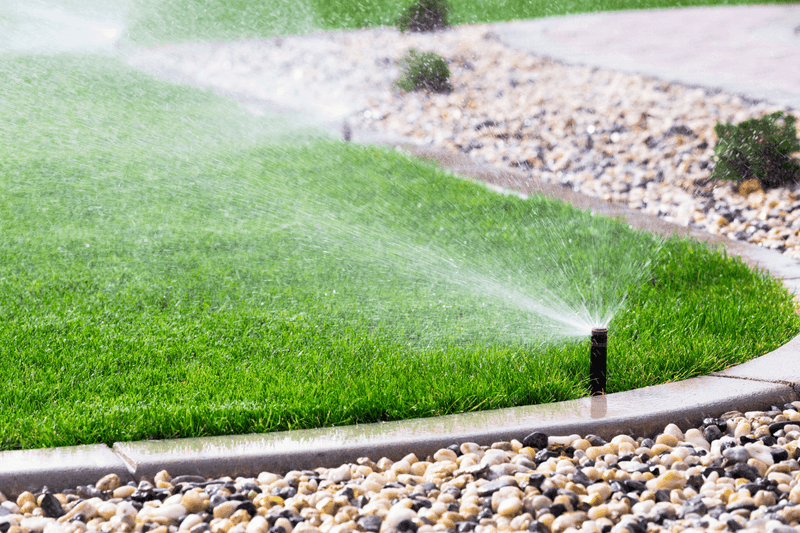
Spring in Pennsylvania usually brings plenty of rain, which means your lawn often gets all the water it needs without any help from you.
Overwatering is actually one of the most common lawn care mistakes homeowners make this time of year, and it causes more problems than it solves.
When you water too frequently, grass roots have no reason to grow deep into the soil. They stay shallow because water is always right at the surface.
Shallow roots mean your lawn will struggle badly once summer heat and dryness arrive. Deep, infrequent watering trains roots to grow downward in search of moisture, which builds a much stronger lawn overall.
Check the soil before turning on your sprinklers. Stick a screwdriver or your finger about two inches into the ground.
If the soil still feels moist, hold off on watering. If it feels dry, it is time to water. This simple check takes about five seconds and can save you from overwatering all season.
When you do water, aim for about one inch per week, including rainfall. Water deeply and slowly so it soaks into the soil rather than running off.
Early morning is the best time to water because the grass has time to dry before nightfall. Wet grass sitting overnight is more prone to fungal issues, which Pennsylvania’s humid spring weather can make worse.
Avoid watering during the heat of the afternoon. Much of the water evaporates before it even reaches the roots, which wastes water and does little for your lawn.
Smart watering habits in spring set your Pennsylvania lawn up to handle summer with strength and resilience.