10 Plants That Will Fill Your Pennsylvania Garden With Butterflies
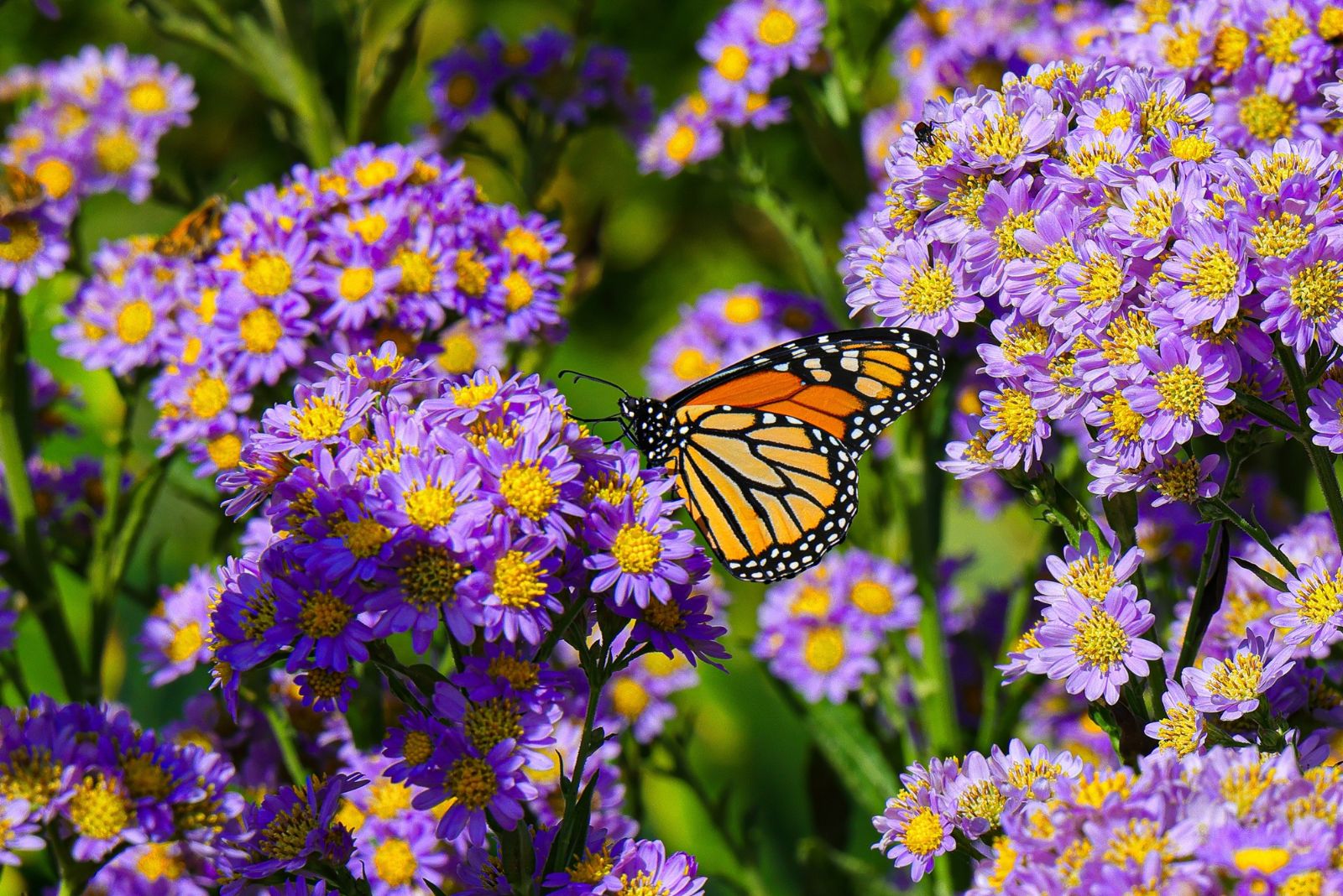
Few things make a Pennsylvania garden feel more magical than watching butterflies float from flower to flower on a warm afternoon. Their bright wings and gentle movement instantly bring color and energy to any outdoor space.
If your yard feels a little quiet, the right plant choices can change that faster than you might expect.
Butterflies are drawn to specific flowers that offer plenty of nectar and safe spots to rest. When you plant varieties that meet their needs, your garden becomes more than just a pretty backdrop.
It turns into a lively habitat that supports these beautiful visitors throughout the growing season. From early spring blooms to late summer favorites, certain plants keep butterflies coming back again and again.
Choosing the right mix also adds layers of color and texture to your landscape. With thoughtful planning, your Pennsylvania garden can feel vibrant, welcoming, and full of movement from the first warm days of the year until fall arrives.
1. Butterfly Weed (Asclepias Tuberosa)
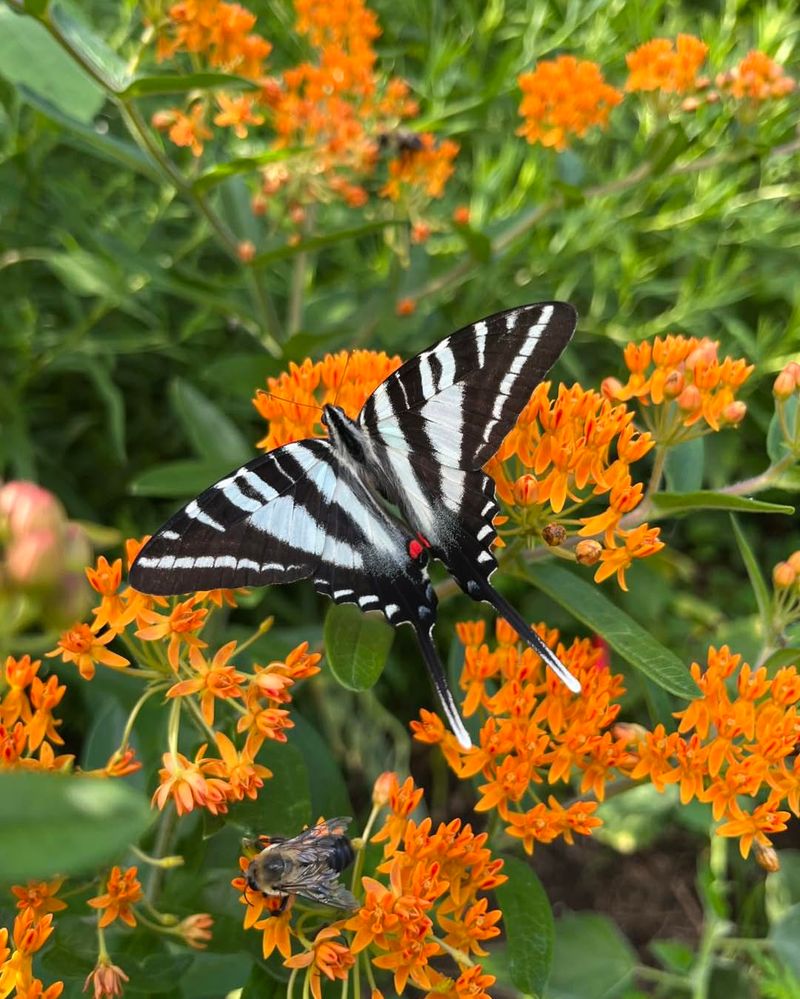
Few plants earn their name quite like Butterfly Weed. This fiery orange wildflower is one of the most reliable butterfly attractors you can grow in Pennsylvania, and it looks stunning doing it.
Monarch caterpillars depend on it as a host plant, meaning female monarchs lay their eggs right on its leaves.
Butterfly Weed blooms from June through August, so your garden stays lively all summer long. It loves full sun and well-drained soil, making it a great fit for dry or sandy spots where other plants struggle. Once established, it handles drought like a champ.
Native to Pennsylvania, this plant supports not just monarchs but also swallowtails and fritillaries looking for a quick nectar snack. Plant it in clusters of three or more for the biggest visual impact and to attract the most butterflies.
It pairs beautifully with purple coneflower and black-eyed Susans for a wildflower-style garden bed. Gardeners across the state love it because it comes back every year without much fuss, spreading slowly to fill in bare spots over time.
2. Common Milkweed (Asclepias Syriaca)
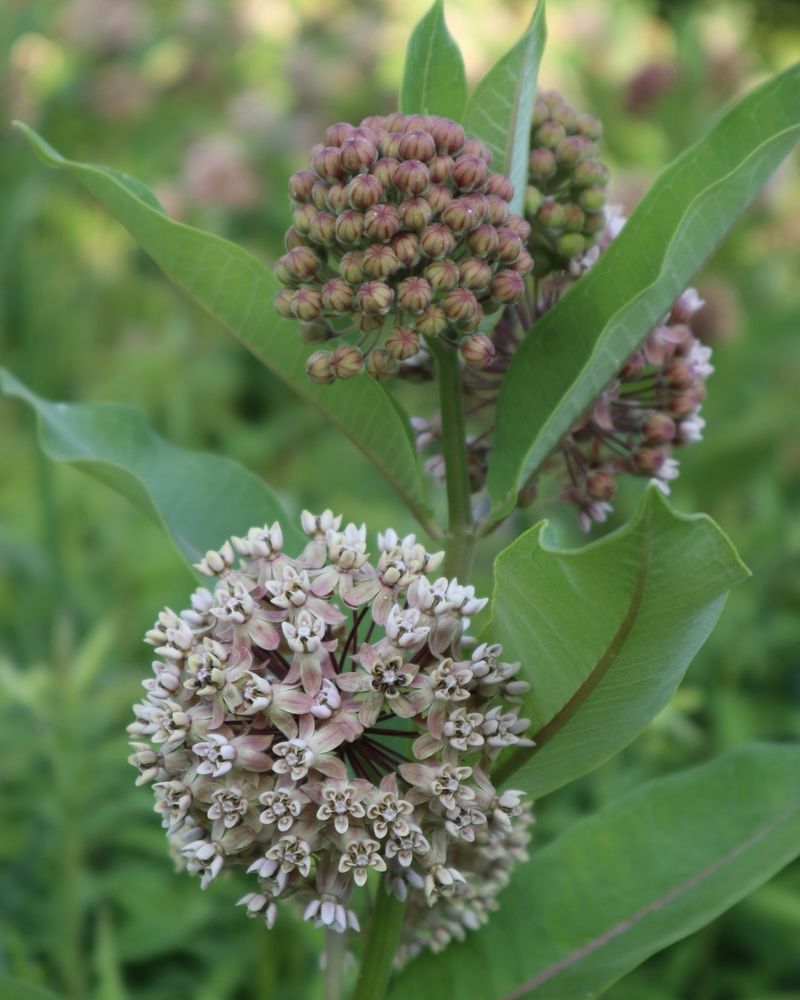
If monarch butterflies had a favorite plant, Common Milkweed would win every time. This native Pennsylvania wildflower is absolutely essential for monarch survival.
Without milkweed, monarch caterpillars simply cannot complete their life cycle, which makes growing it one of the most meaningful things a gardener can do.
The blooms are surprisingly beautiful and incredibly fragrant. Clusters of dusty pink flowers fill the air with a sweet scent from June through August, attracting not just monarchs but also swallowtails, fritillaries, and bumblebees.
Walking past a patch in full bloom is a sensory treat you will not forget.
Common Milkweed spreads naturally through underground rhizomes, so give it a little room to roam. It grows statewide in Pennsylvania and adapts well to roadsides, meadows, and garden borders.
Full sun and average soil are all it really needs to thrive. If you have a larger yard, consider letting a small patch grow freely at the garden’s edge.
You will be rewarded with a living butterfly nursery right outside your window, and you will be helping one of America’s most beloved insects survive season after season.
Your Pennsylvania Garden Changes Every Week. Your Plan Should Too.
Gardening in Pennsylvania changes quickly throughout the season. Every Friday you’ll receive a simple weekly plan showing exactly what to plant, prune, fertilize, harvest, and protect so you never miss the right timing.
3. Purple Coneflower (Echinacea Purpurea)
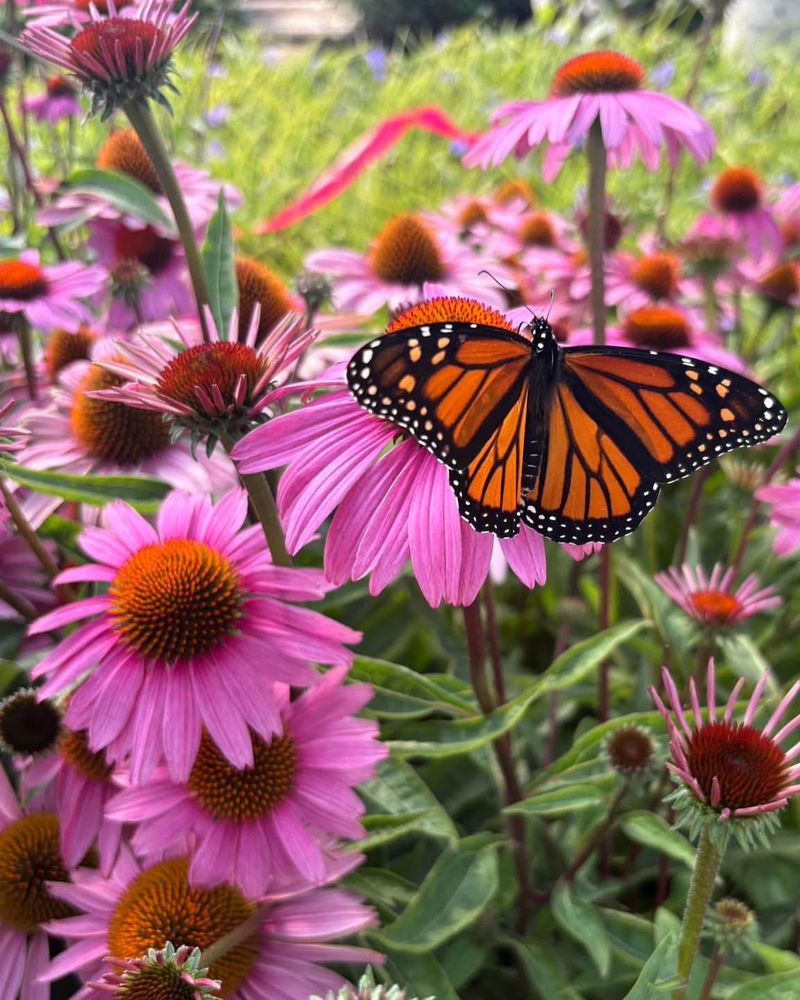
Purple Coneflower might just be the most hardworking plant in any Pennsylvania garden. Its bold pink-purple petals and spiky orange centers make it instantly recognizable, and butterflies absolutely flock to it.
Swallowtails and fritillaries are especially fond of its wide, flat blooms, which act like a landing pad for hungry visitors.
Blooming from midsummer into early fall, Purple Coneflower fills that important gap when many spring flowers have faded. It is also incredibly tough.
Once established, it handles drought well and keeps coming back year after year with almost zero maintenance required. That makes it a favorite among beginner and experienced Pennsylvania gardeners alike.
Native to the state, this plant also feeds goldfinches in fall when the seed heads dry out, so the garden benefits continue long after the blooms fade. Plant it in full sun with well-drained soil for the best results.
It mixes wonderfully with Black-Eyed Susans and Wild Bergamot to create a pollinator paradise.
Fun fact: Echinacea has long been used in herbal remedies, which means this plant has been beloved by both butterflies and humans for centuries. A true garden overachiever.
4. Wild Bergamot (Monarda Fistulosa)
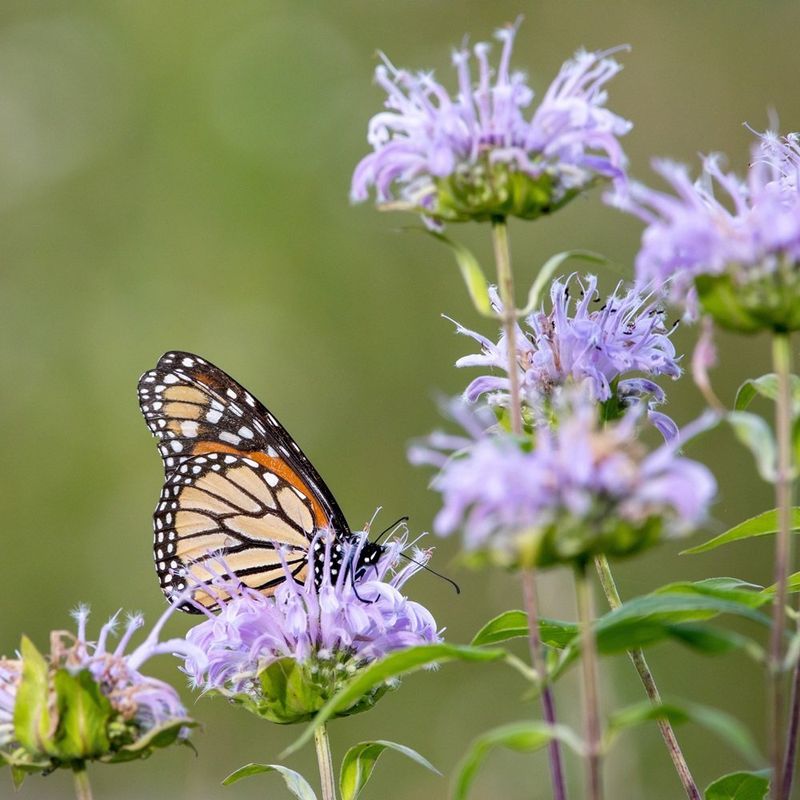
Wild Bergamot is one of those plants that pulls double duty in a Pennsylvania garden. It attracts butterflies and hummingbirds at the same time, making your outdoor space feel alive with movement and color from June through August.
The lavender-purple blooms are cheerful and unusual, with a shaggy look that stands out in any garden bed.
Native to Pennsylvania, Wild Bergamot belongs to the mint family, and you can actually smell that connection when you brush against the leaves.
The fragrance is pleasant and herby, which also helps deter deer from snacking on your garden. That is a huge bonus for gardeners in rural and suburban parts of the state.
It grows well in full sun to partial shade and tolerates a range of soil types, which makes it very flexible for different yard conditions across Pennsylvania. Plant it alongside Black-Eyed Susans or Blazing Star for a vibrant, layered look.
Butterflies like swallowtails, skippers, and fritillaries are regular visitors. Wild Bergamot also self-seeds gently, meaning you may find new plants popping up nearby each spring.
It is a low-effort, high-reward addition to any butterfly-friendly garden in the Keystone State.
5. Black-Eyed Susan (Rudbeckia Hirta)
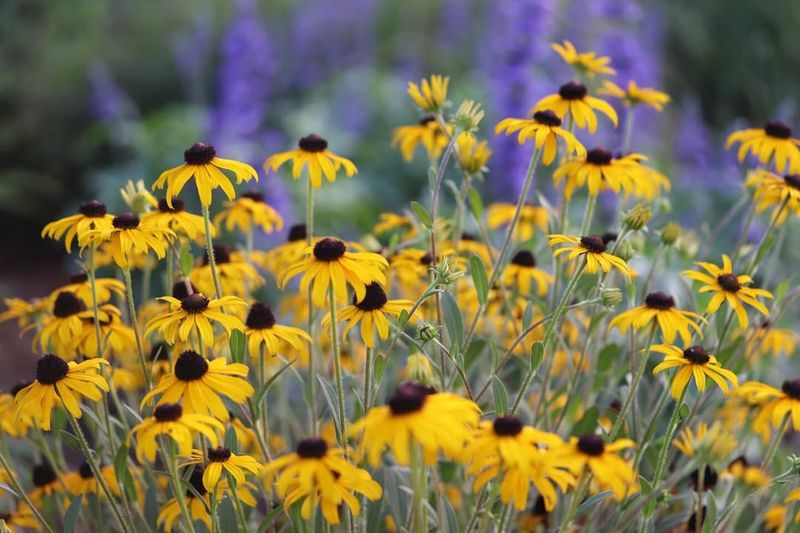
Cheerful, golden, and nearly impossible to mess up, Black-Eyed Susan is a classic Pennsylvania wildflower that butterflies absolutely love.
Those bright yellow petals surrounding a dark brown center are iconic, and they light up a garden from early summer all the way into fall. Few native plants offer such a long bloom season.
As a nectar source, Black-Eyed Susan is excellent. Skippers, fritillaries, and painted ladies are among the many butterfly species that regularly stop by for a meal.
The plant is also incredibly adaptable, growing in clay, loam, or sandy soil, in full sun or light shade, making it one of the most versatile choices for gardeners across Pennsylvania.
Black-Eyed Susan is native to Pennsylvania and reseeds itself freely, so one small patch can grow into a big, beautiful colony over time. It pairs naturally with Purple Coneflower and Wild Bergamot to create a classic meadow look that never goes out of style.
Pollinators of all kinds, from bees to beetles to butterflies, visit regularly throughout the season. If you are just starting a butterfly garden in Pennsylvania, this is one of the first plants you should reach for at the nursery.
6. New England Aster (Symphyotrichum Novae-Angliae)
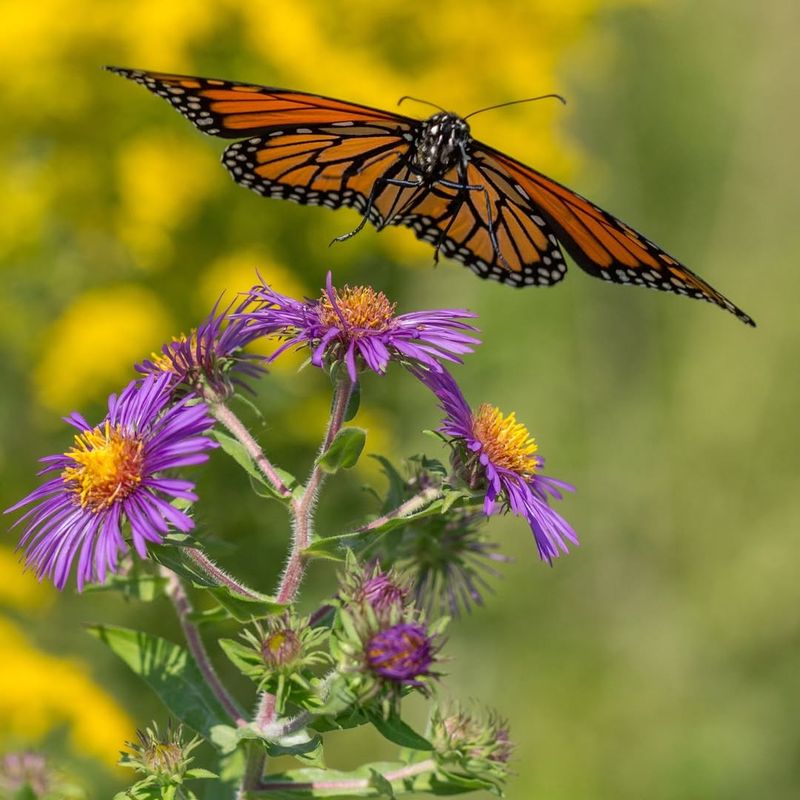
When most summer flowers have faded and the garden starts to look a little tired, New England Aster steps in and saves the day.
This stunning native plant bursts into bloom in late summer and keeps going well into fall, providing a critical nectar source right when migrating monarchs need it most. The bright purple flowers with yellow centers are absolutely gorgeous.
Pennsylvania gardeners who grow New England Aster often describe it as one of their most rewarding plants. Watching dozens of butterflies swarm the blooms on a warm September afternoon is something you have to see to believe.
Painted ladies, monarchs, skippers, and sulphurs all visit regularly during the fall migration season.
This plant grows natively across Pennsylvania and thrives in full sun with average to moist soil. It can get quite tall, up to five feet, so plant it toward the back of a garden bed where it can show off without blocking shorter plants.
Cutting it back by half in early summer keeps it bushy and full rather than leggy. New England Aster is also a host plant for Pearl Crescent butterflies, making it one of the most butterfly-friendly plants you can add to a Pennsylvania garden this season.
7. Goldenrod (Solidago Canadensis)
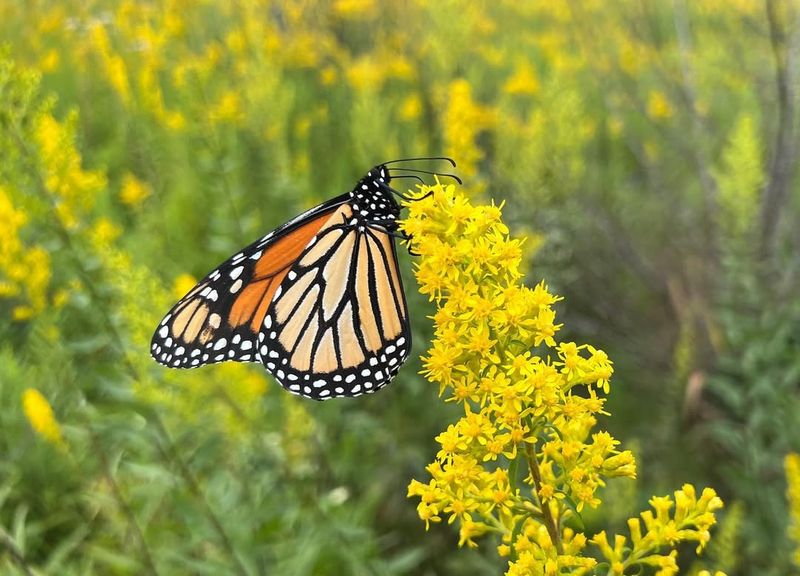
Goldenrod gets a bad reputation it does not deserve. Many people blame it for fall allergies, but the real culprit is ragweed, which blooms at the same time.
Goldenrod’s pollen is too heavy and sticky to float through the air. Butterflies carry it from flower to flower, which is exactly how this plant likes it.
As a nectar source, Goldenrod is one of the most generous plants in Pennsylvania. Its arching plumes of golden yellow flowers are loaded with nectar from late summer into fall, feeding monarchs, fritillaries, sulphurs, skippers, and dozens of other butterfly species.
Scientists have recorded over 100 insect species visiting Goldenrod in a single season.
Native and widespread across Pennsylvania, Goldenrod grows in fields, roadsides, and garden borders without much help at all. It spreads through rhizomes, so plant it where it has room to expand or use a root barrier to keep it in check.
Full sun brings out the best blooms, though it tolerates light shade too. Goldenrod also supports caterpillars of several moth species, making it a powerhouse for wildlife overall.
If you want to do something genuinely great for Pennsylvania butterflies, plant goldenrod and let it shine.
8. Joe-Pye Weed (Eutrochium Purpureum)
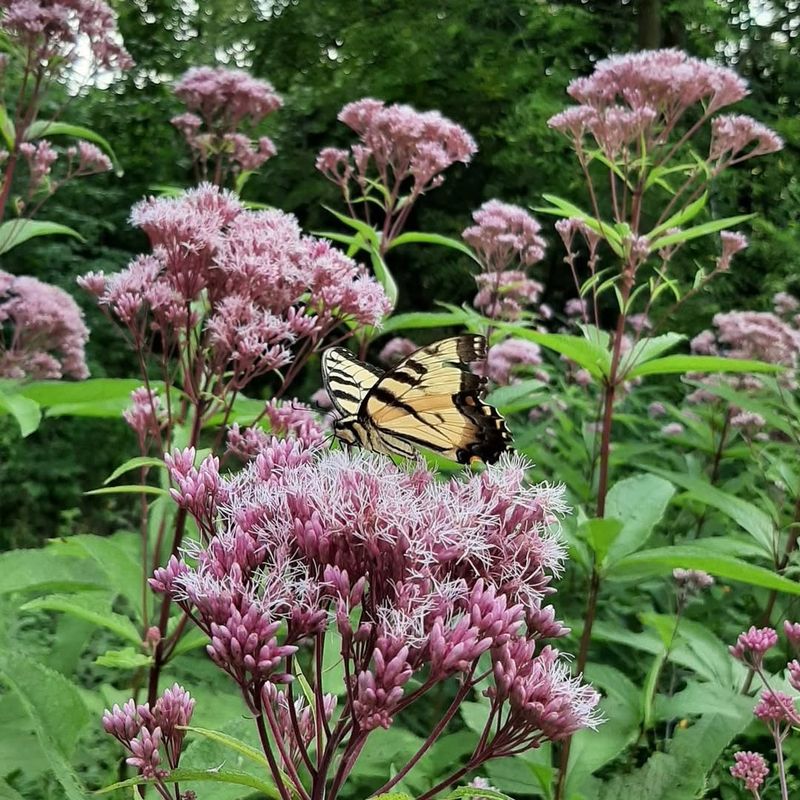
Standing up to seven feet tall with massive clusters of mauve-pink flowers, Joe-Pye Weed is impossible to ignore. And butterflies agree.
During midsummer and into early fall, this Pennsylvania native becomes one of the busiest spots in the garden. Swallowtails in particular seem drawn to it like a magnet, sometimes gathering in groups of ten or more on a single plant.
Joe-Pye Weed earned its name from a Native American healer who reportedly used it as a remedy for various ailments, giving this plant a rich and interesting history.
Today, gardeners across Pennsylvania grow it for its wildlife value and its impressive height, which adds vertical drama to any planting.
It prefers moist soil and does especially well near rain gardens, pond edges, or low-lying areas where water collects after a storm. Partial shade to full sun both work well.
Plant it at the back of a border or as a standalone specimen where its size becomes a feature rather than a problem.
Joe-Pye Weed pairs beautifully with New England Aster and Goldenrod for a layered late-season garden that keeps butterflies visiting well into autumn across the Keystone State.
9. Blazing Star (Liatris Spicata)
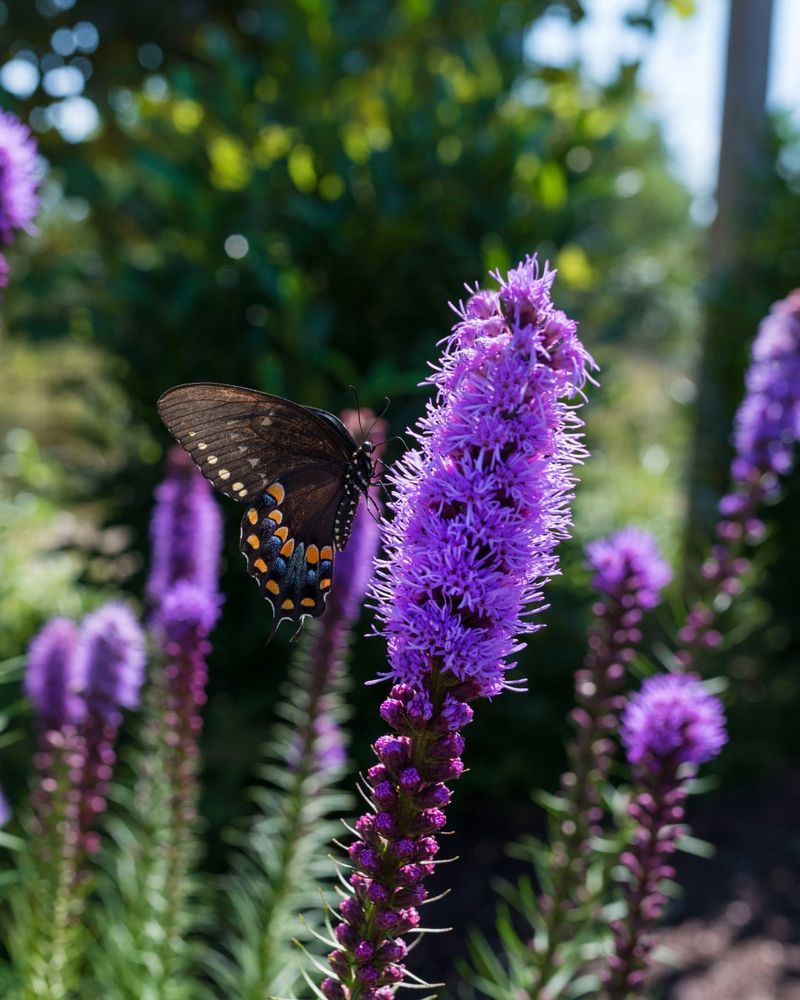
Tall, bold, and eye-catching, Blazing Star is the exclamation point of the butterfly garden. Its upright spikes of magenta-purple flowers bloom from the top down, which is unusual and makes them fascinating to watch.
Monarchs and swallowtails are especially attracted to Blazing Star, and you will often see them clinging to the flower spikes in a way that feels almost theatrical.
Blazing Star blooms in mid to late summer, right in the heart of butterfly season in Pennsylvania.
It thrives in full sun and well-drained soil, making it a natural fit for raised beds, borders, and open meadow-style plantings. It also holds up well in heat and handles dry spells without complaint once it is settled in.
Native to Pennsylvania, this plant grows from a corm, which is similar to a bulb, and comes back reliably each year. It works beautifully when planted in groups of five or more, creating a striking vertical display that butterflies cannot resist.
Goldfinches also love the seed heads in fall, so the garden keeps giving long after bloom season ends. If you want a plant that delivers drama and wildlife value in equal measure, Blazing Star belongs in your Pennsylvania garden without question.
10. Woodland Phlox (Phlox Divaricata)
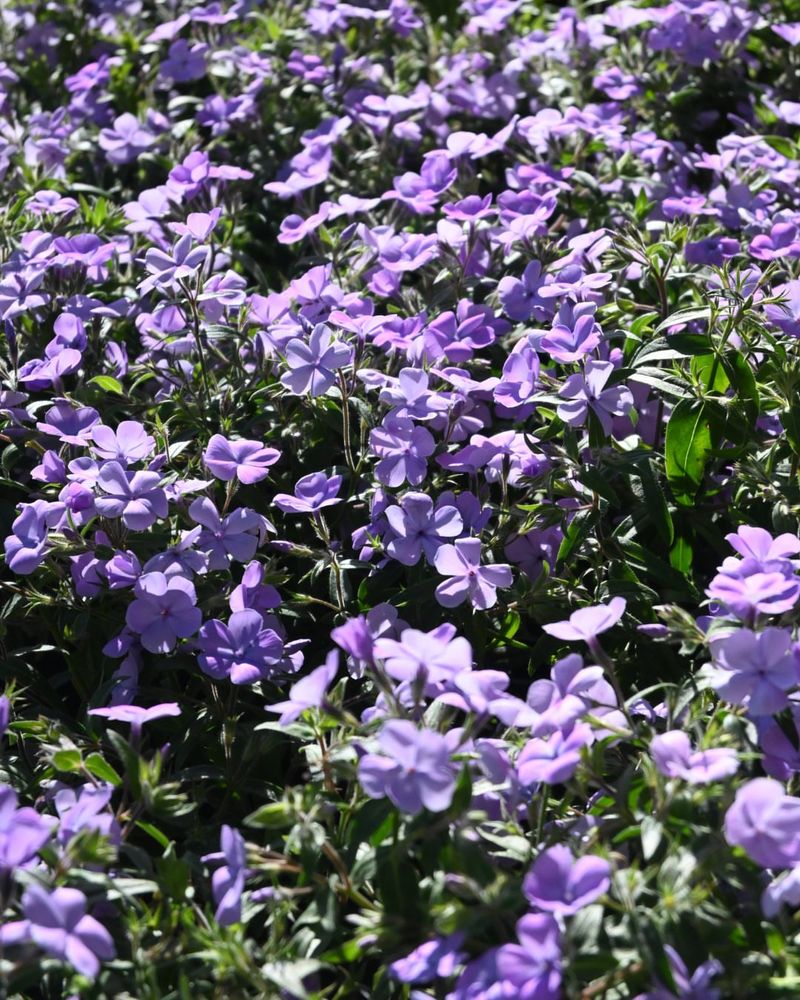
Spring in Pennsylvania would not be the same without Woodland Phlox. While most butterfly plants wait until summer to bloom, this lovely native wildflower puts on its show in early spring, offering nectar to butterflies that have just emerged from winter dormancy.
That timing makes it genuinely important for early-season species like the Eastern Tiger Swallowtail and Spring Azure.
The flowers are soft lavender-blue and carried in airy clusters just above the foliage. They have a light, sweet fragrance that makes a shaded garden corner feel magical on a warm April morning.
Woodland Phlox spreads gently to form low ground-cover mats that look beautiful under trees and along shaded pathways.
Unlike most butterfly plants that demand full sun, Woodland Phlox actually prefers part shade, which makes it perfect for the shadier corners of Pennsylvania yards where other plants struggle to perform.
It grows naturally in woodland edges and forest floors across the state, so it is well adapted to local conditions.
Pair it with ferns, wild ginger, or Virginia bluebells for a stunning spring woodland scene. Plant it where you can enjoy the fragrance up close, and you will look forward to its cheerful spring return every single year.