8 March Garden Tasks You Shouldn’t Skip In Tucson, Arizona
March moves quickly in Tucson, Arizona, and the window between mild days and rising heat can close before you realize it.
What gets done now shapes how the rest of the growing season unfolds, especially in a climate where temperatures climb fast and dry soil becomes harder to manage. Small delays in early spring often turn into bigger setbacks by late April.
This is the month to prepare beds before intense sun settles in, adjust watering before demand spikes, and get warm season crops established while nights are still comfortable.
It is also the right time to clean up winter damage, feed active growth, and set up protection for the heat ahead.
Taking care of key garden tasks in March keeps your Tucson, Arizona yard ahead of the weather instead of reacting to it.
1. Prep Garden Beds Before The Heat Sets In
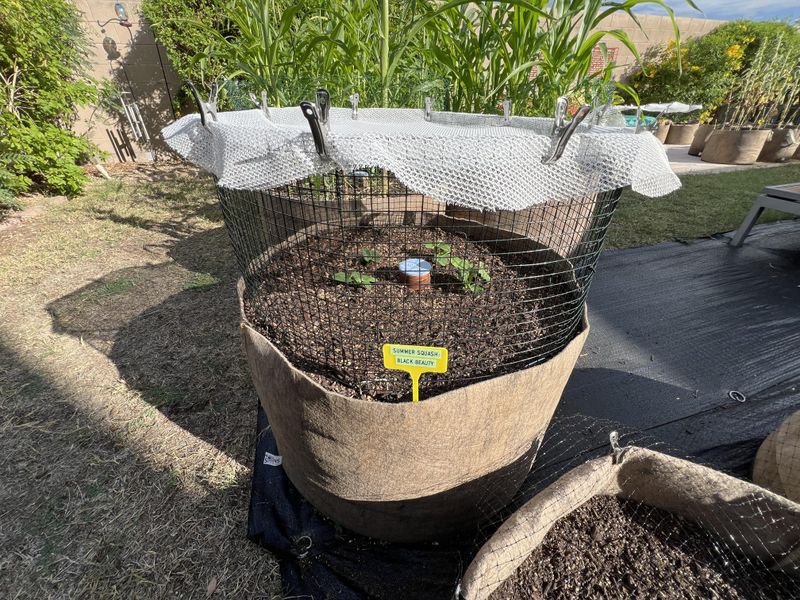
March in Tucson gives you a narrow window where the soil is workable without feeling like you’re shoveling concrete baked by the sun. Use it.
Get into your beds early in the month and start breaking up compacted soil with a fork or tiller before temperatures climb past the comfortable zone.
Work in a generous layer of compost, at least two to three inches, and mix it down about six to eight inches deep.
Tucson’s native soil tends to be alkaline and low in organic matter, so feeding it before you plant makes a real difference in how well your vegetables and flowers actually perform.
After amending, add a layer of mulch on top. Straw, wood chips, or shredded bark all work well here in the Sonoran Desert.
Mulch slows moisture loss significantly, which matters a lot once the dry heat of late spring kicks in. Prepping now also gives the compost time to settle and integrate before roots start pushing into it.
Skipping this step usually means struggling with poor germination and weak plants later when you have far less energy to fix things. A well-prepped bed sets the tone for everything else in your Tucson garden this season.
You will also want to water the bed lightly after mixing in compost to help it settle and activate microbial activity before planting.
Taking a few extra minutes now to smooth and level the surface makes direct sowing easier and helps irrigation distribute water more evenly once growth begins.
2. Finish Pruning Roses And Deciduous Trees Now
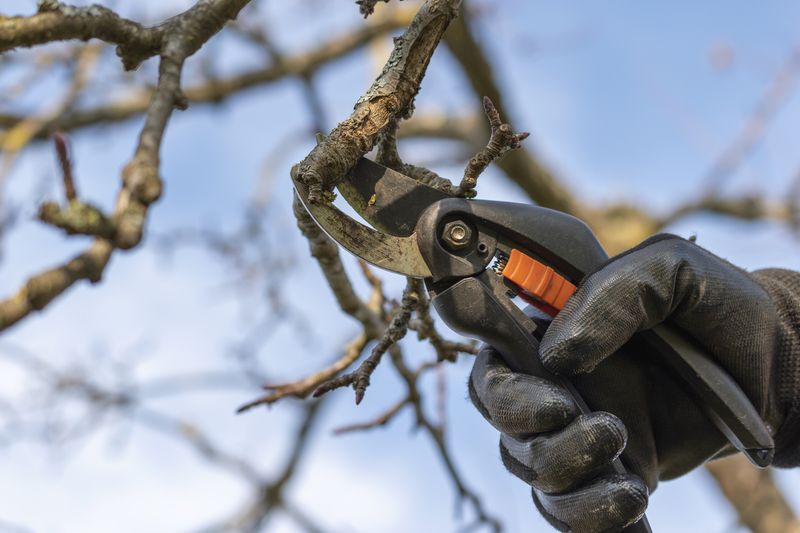
Roses in Tucson need pruning in late winter to early spring, and if you haven’t done it yet, March is your last reasonable shot before new growth gets too far along. Cut canes back by about one-third to one-half, removing any damaged or crossing branches first.
Angle your cuts just above an outward-facing bud.
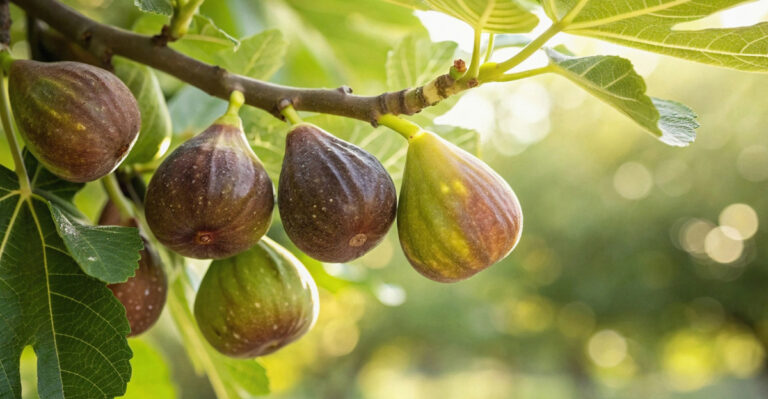
Deciduous trees like desert willow, Mexican elderberry, or fruit trees also benefit from a cleanup prune now. Look for broken limbs, crowded interior branches, or anything rubbing against another branch.
Removing those problem areas improves airflow and reduces the chance of fungal issues during the monsoon season that comes later in summer.
Your Arizona Garden Changes Every Week. Your Plan Should Too.
Gardening in Arizona changes quickly throughout the season. Every Friday you’ll receive a simple weekly plan showing exactly what to plant, prune, fertilize, harvest, and protect so you never miss the right timing.
Sharp, clean tools make a big difference. Dull blades tear plant tissue instead of cutting it cleanly, and that creates entry points for pests and disease.
Wipe your blades with rubbing alcohol between plants if you notice any signs of disease. Tucson gardeners who finish pruning before mid-March tend to get stronger spring flushes on their roses and better fruit set on their trees.
Once temperatures rise and growth accelerates, pruning becomes much harder to do correctly without setting your plants back. Finish this task now and let the plants do the rest.
Watch the weather forecast and avoid pruning right before an unexpected cold snap, since tender new growth can be damaged if temperatures dip suddenly.
Clearing away all pruned debris from the ground also reduces hiding spots for pests and helps keep the area around your plants clean going into the warmer months.
3. Plant Warm Season Vegetables While Soil Is Warming
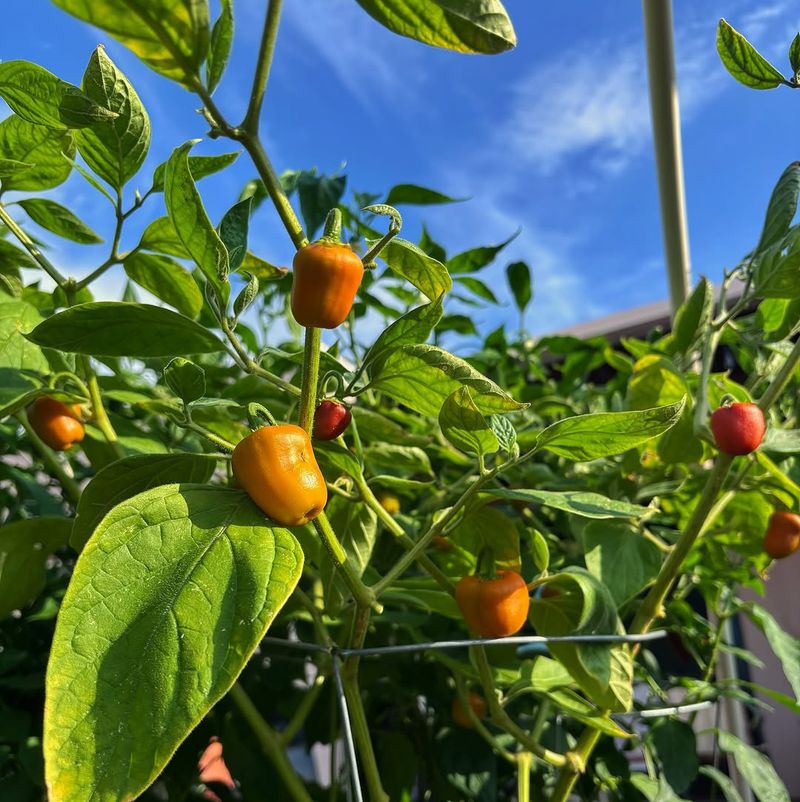
Warm season vegetables love the exact conditions Tucson offers in March: warm days, cool nights, and soil that’s starting to heat up at the surface. Tomatoes, peppers, squash, cucumbers, and beans are all fair game this month.
Get transplants in the ground early in March to give roots time to establish before the intense heat of May and June arrives.
Soil temperature matters more than air temperature when it comes to germination. Aim for at least 60 degrees Fahrenheit in the top few inches before direct seeding beans or squash.
A simple soil thermometer from any garden center in Tucson will save you a lot of guessing. If you’re planting tomatoes, go with heat-tolerant varieties bred for desert climates.
Cherry types and paste varieties often outperform large slicing tomatoes in our intense summer conditions.
Space plants generously and water them in well at transplant time. Root disturbance is stressful, so handle seedlings carefully and try to transplant in the late afternoon when the sun isn’t beating down directly.
Add a layer of mulch around each plant immediately after planting. Tucson’s dry air pulls moisture out of the soil fast, and young transplants can’t handle that stress while they’re still getting settled in their new home.
4. Feed Citrus At The Right March Window
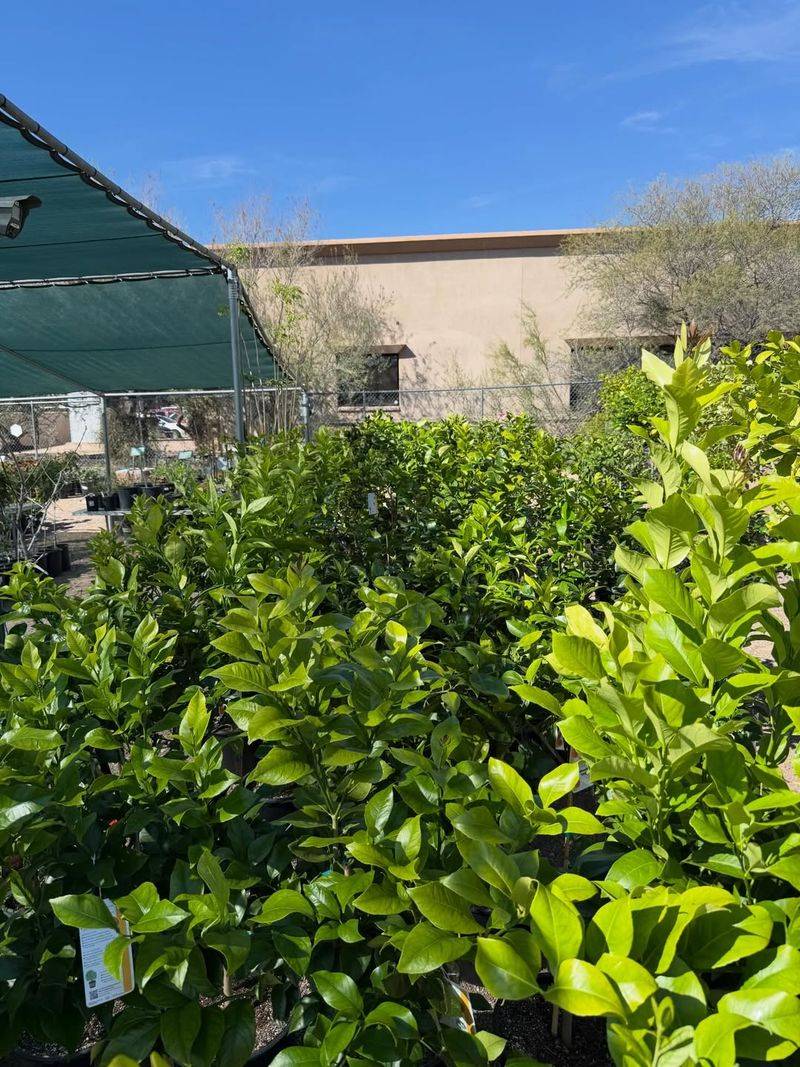
Citrus trees in Tucson need three feedings per year, and the first one happens in February or March. If you missed February, don’t skip March.
Getting nitrogen into the root zone before the spring flush of growth kicks in is critical for fruit set and healthy canopy development through the growing season.
Use a fertilizer formulated specifically for citrus, one that includes nitrogen, phosphorus, potassium, and micronutrients like iron, manganese, and zinc. Tucson’s alkaline soil tends to lock up iron, which causes that telltale yellowing between leaf veins called chlorosis.
A good citrus blend addresses this directly. Broadcast granules evenly under the canopy out to the drip line, then water deeply immediately after applying.
Avoid piling fertilizer against the trunk. It doesn’t help and can cause bark damage over time.
Also, skip the fertilizer if your tree is stressed, showing signs of overwatering, or if you’ve just transplanted it. Newly planted citrus in Tucson needs a full season to settle in before heavy feeding.
March-fed trees typically push out a strong, healthy spring flush with better flower retention than trees that get fed late. Timing matters more than the brand you choose, so mark your calendar now for the next application around June.
Apply fertilizer when the soil is already slightly moist, not bone dry, so nutrients move into the root zone more evenly instead of sitting on the surface.
Rake any excess granules off hard surfaces like gravel or patios after spreading to prevent runoff and keep salts from building up around the tree.
5. Add Heat Tolerant Flowers For Early Color
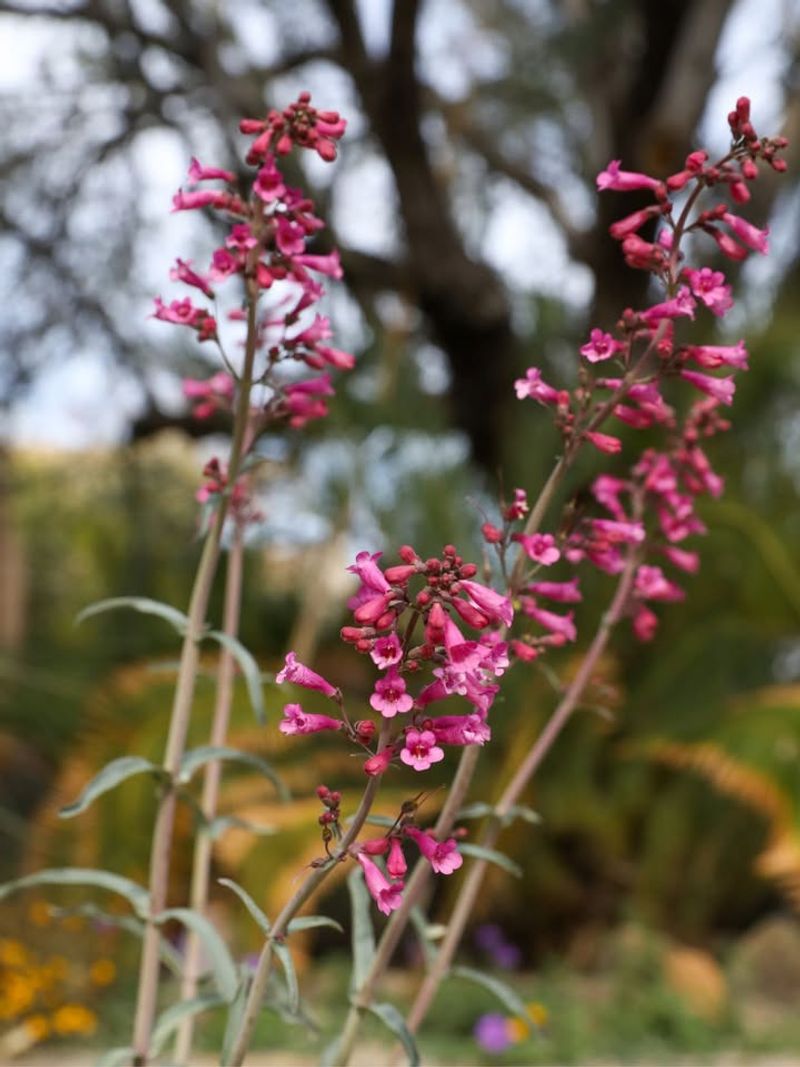
Color in a Tucson garden doesn’t have to disappear the moment summer arrives. Planting the right flowers in March means you’ll have blooms carrying you through spring and well into the brutal heat of July and August.
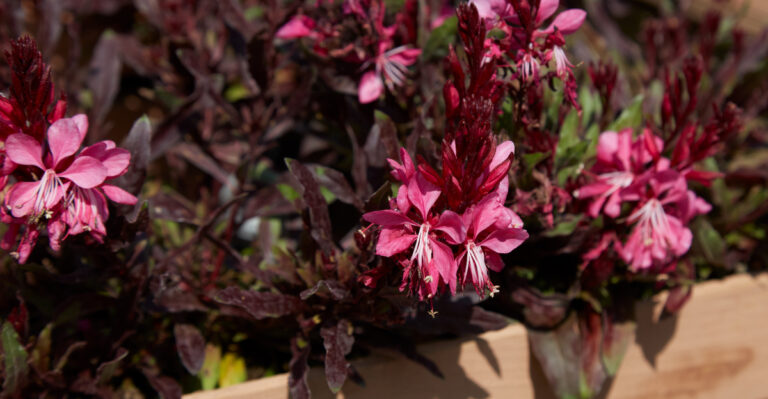
Lantana, globe amaranth, gaillardia, and desert marigold are all excellent choices that genuinely thrive in our conditions.
Start with transplants rather than seeds if you want fast color. Nurseries around Tucson are well stocked in March with heat-adapted varieties that have already been grown in local conditions.
Look for plants with strong stems and healthy root systems, not the ones that look like they’ve been sitting on the shelf for weeks. Avoid anything rootbound or showing signs of nutrient deficiency.
Plant in spots that get full sun for at least six hours a day. Most heat-tolerant flowering plants struggle in shade and become leggy and sparse.
Water newly planted flowers every other day for the first two weeks, then back off gradually as roots establish. Deadheading spent blooms on plants like gaillardia and lantana encourages continued flowering through the season.
Tucson gardeners often overlook flowers in favor of vegetables, but a mix of both makes the outdoor space far more enjoyable and also attracts pollinators that help your vegetable garden produce better yields.
6. Check And Adjust Drip Irrigation Systems
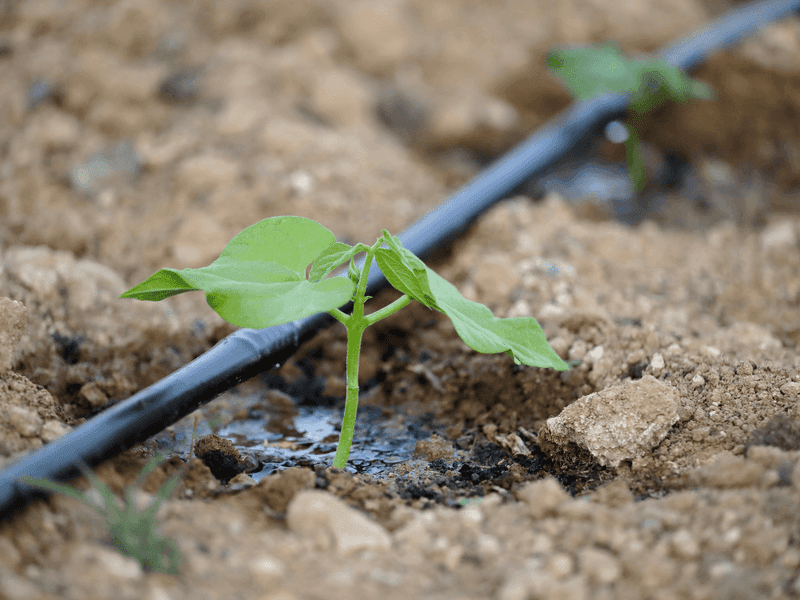
Before temperatures start climbing in Tucson, March is the perfect time to walk every inch of your drip system and make sure everything is working the way it should. Emitters clog, lines shift, and connections loosen over winter.
A quick check now prevents you from finding out the hard way that a plant wasn’t getting water during a heat wave in May.
Turn the system on manually and watch each emitter. Look for ones that aren’t dripping, are spraying sideways, or have come loose from the line entirely.
Replace any clogged emitters, they’re inexpensive and simple to swap out. Also look for any tubing that has cracked or been chewed through by rodents, which happens regularly in the Sonoran Desert landscape.
Adjust your irrigation schedule for the warming temperatures. What worked in January won’t be enough by late March.
Most plants in Tucson need more frequent watering as days lengthen and heat builds. Deep, infrequent watering is better than shallow daily sprinkles for establishing deep root systems.
If your controller has a seasonal adjustment percentage setting, bump it up gradually through the month. A well-tuned drip system is one of the most valuable tools a Tucson gardener has, and March is the best time to make sure yours is ready for the season ahead.
7. Watch For Aphids And Whiteflies On New Growth
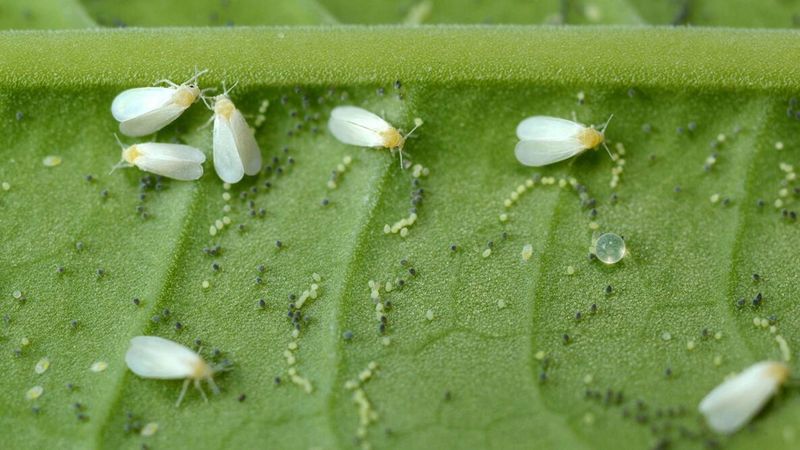
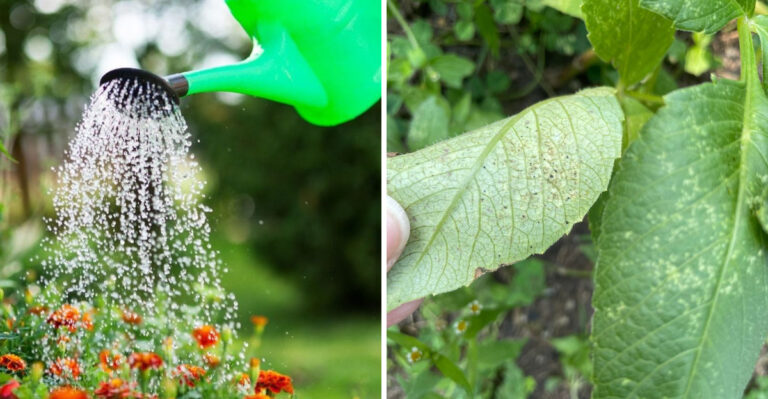
New growth is soft, tender, and absolutely irresistible to aphids and whiteflies. Both pests show up early in Tucson, often in March when plants are putting out their first flush of fresh leaves and flower buds.
Catching them early makes all the difference between a quick fix and a full-blown infestation that spreads to neighboring plants.
Aphids cluster on the undersides of leaves and along new stems. Whiteflies look like tiny white specks that scatter when you brush the plant.
Check your citrus, roses, vegetables, and flowering plants at least twice a week during March. A strong blast of water from a hose knocks aphids off effectively and doesn’t require any chemicals at all.
For heavier infestations, insecticidal soap spray works well and is safe around kids and pets. Mix it according to the label and spray in the early morning or evening to avoid burning leaves in the Tucson sun.
Neem oil is another solid option that disrupts pest life cycles without wiping out beneficial insects. Encourage natural predators by avoiding broad-spectrum pesticides.
Ladybugs and lacewings are common in Tucson and will patrol your garden naturally if you give them the chance. Staying observant through March is your best protection against pest pressure that can escalate quickly as the weather warms.
8. Cut Back Frost Damaged Growth Before Spring Surge
Tucson does get frost, and plants like bougainvillea, lantana, salvia, and Texas sage often come through winter looking rough. Brown, mushy stems and shriveled leaves are signs of cold damage, not permanent loss.
March is the right time to clean up that damage and let the plant redirect energy into healthy new growth.
Wait until you’re confident frost season has passed before cutting back heavily. In Tucson, the last frost date is typically around mid-February, but late cold snaps can happen in early March.
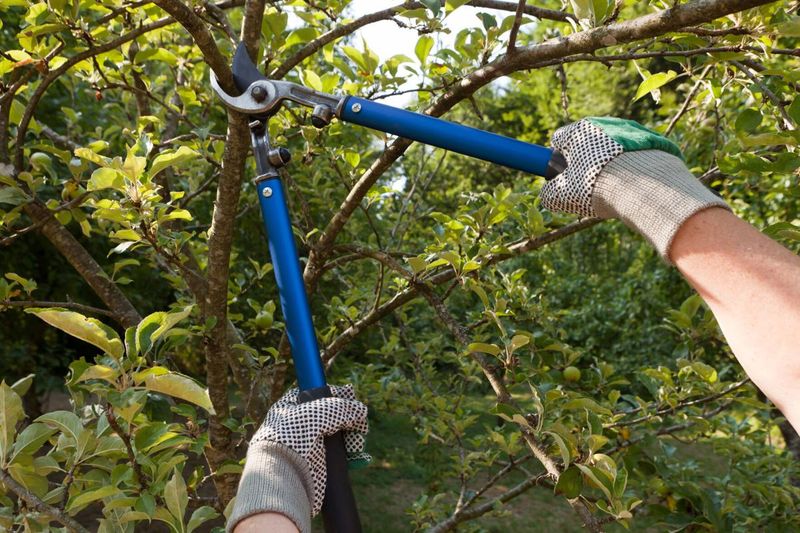
Once you’re in the clear, use clean pruning shears to remove damaged stems back to where you see green, healthy tissue. Don’t be afraid to cut fairly hard on cold-hardy shrubs like lantana or salvia, they respond well to aggressive pruning.
After cutting, scratch the surface of remaining stems lightly with your fingernail. Green underneath means the tissue is alive and will push new growth.
Brown or hollow means you need to cut lower. Remove all the debris from around the base of the plant to reduce the chance of fungal problems as moisture increases.
A light feeding after pruning gives the plant a boost as it starts pushing new shoots. Tucson gardens that get this cleanup done in March look dramatically different by April, with fresh, full regrowth that makes the whole yard feel renewed.