The 10 Best Set-And-Forget Shrubs For Georgia Front Yards This Season
Front yards in Georgia don’t stay low-maintenance on their own. Between humid summers, heavy rain, clay soil, and the occasional cold snap, plants either adapt fast or struggle hard.
That’s why the right shrub makes all the difference.
Set-and-forget shrubs aren’t truly “plant it and walk away,” but they come close. Once established, they handle heat, bounce back after pruning, and keep their shape without constant attention.
They give structure, color, and curb appeal without turning into a weekly chore.
If you want a front yard that looks polished without demanding your time every weekend, these reliable shrubs are built to thrive in Georgia’s conditions.
1. Yaupon Holly Handles Heat, Drought, And Poor Soil With Ease
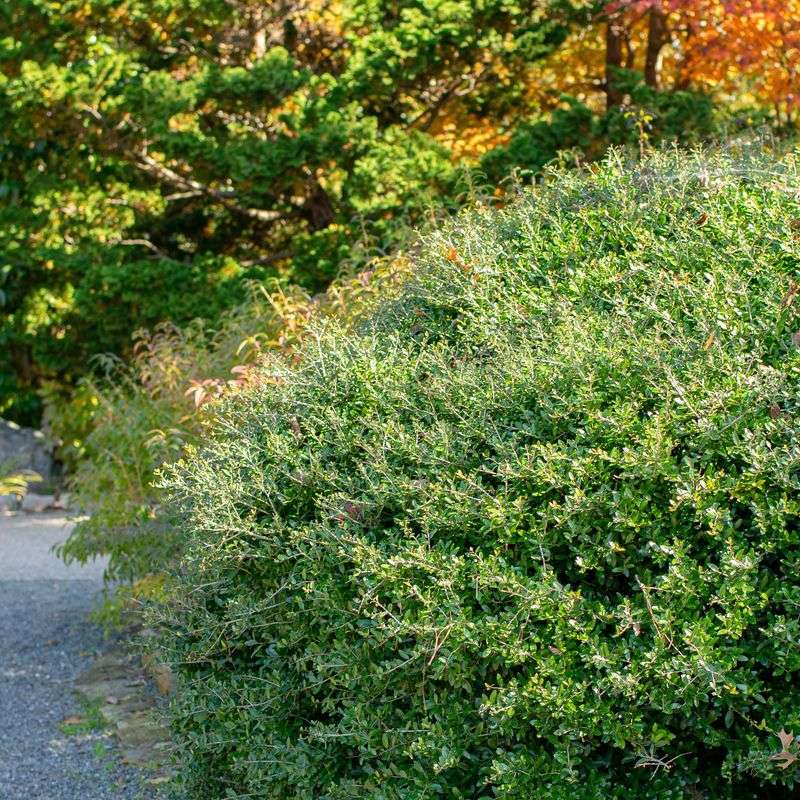
Yaupon Holly might just be the toughest shrub growing in Georgia right now. Native to the southeastern United States, this plant has been thriving in the region long before anyone thought to landscape with it.
It laughs at drought, shrugs off poor soil, and keeps on growing even when summer temperatures climb past 95 degrees.
Homeowners across Georgia love Yaupon Holly because it asks for almost nothing. Once established, it rarely needs watering beyond normal rainfall.
It handles clay soil surprisingly well, which is great news for anyone dealing with Georgia’s notoriously heavy ground.
The plant comes in several sizes, from compact dwarf varieties to taller screening types, so you can find one that fits your front yard perfectly. Female plants produce bright red berries in fall and winter that attract birds and add seasonal color.
Yaupon Holly also resists most pests and diseases without any spraying needed.
Pruning is optional with this one. You can shape it neatly or let it grow naturally, and it looks good either way.
For Georgia gardeners who want a reliable, no-fuss shrub that performs season after season, Yaupon Holly is an easy first choice.
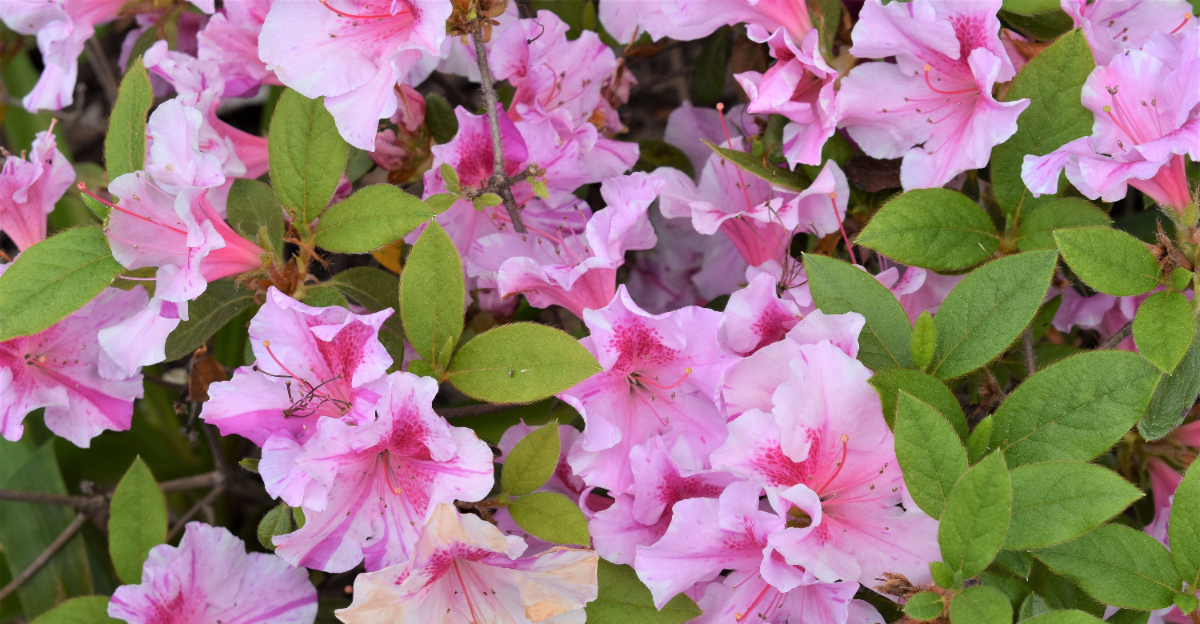
2. Encore Azalea Reblooming Color Without Constant Pruning
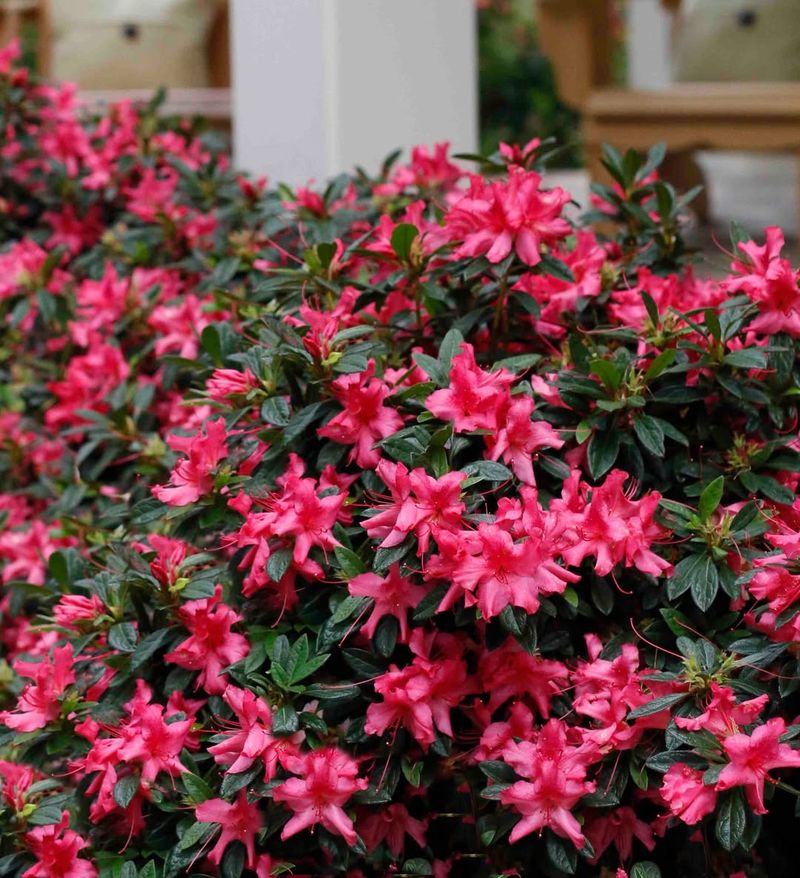
Most azaleas bloom once in spring and then spend the rest of the year just sitting there looking green.
Encore Azaleas decided to do things differently.
These reblooming beauties put on a show in spring, take a short break, and then come back with fresh blooms in summer and fall.
For Georgia front yards, that kind of extended color is a real treat.
Neighbors will wonder how your yard always looks so lively while theirs fades by June.
Encore Azaleas come in dozens of colors, from soft white to deep coral, giving you plenty of options to match your home’s style.
Planting them is straightforward. Choose a spot with morning sun and afternoon shade, which is easy to find in most Georgia yards thanks to the tree canopy many homes already have.
Amend the soil with a little compost at planting time, water regularly for the first season, and then mostly leave them alone.
Pruning is only needed right after the spring bloom if you want to shape them. Because they rebloom on new growth, heavy pruning later in the season can cut off future flowers.
Your Georgia Garden Changes Every Week. Your Plan Should Too.
Gardening in Georgia changes quickly throughout the season. Every Friday you’ll receive a simple weekly plan showing exactly what to plant, prune, fertilize, harvest, and protect so you never miss the right timing.
With minimal effort, Encore Azaleas deliver color that lasts from March through November in Georgia.
3. Wax Myrtle Grows Fast And Stays Tough In Humid Conditions
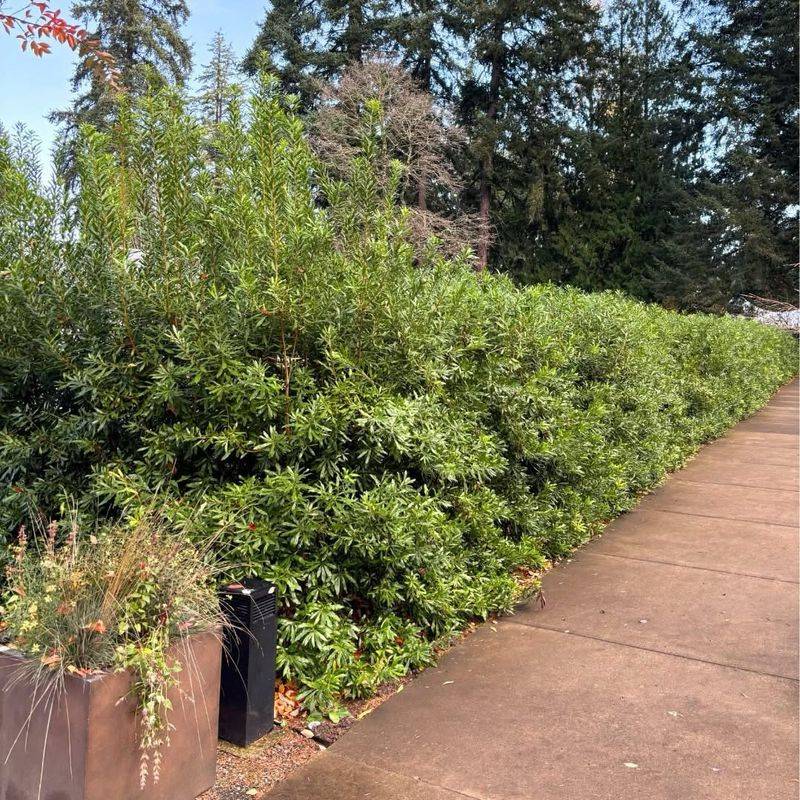
If you need a shrub that grows fast and handles Georgia humidity without complaint, Wax Myrtle is your answer. This native southeastern plant can put on several feet of growth in a single season under good conditions.
Many Georgia homeowners use it as a quick privacy screen along front property lines or to block street noise.
Wax Myrtle is incredibly adaptable. It tolerates wet, boggy soil just as well as it handles drier conditions, making it useful across a wide range of Georgia landscapes.
It also handles salt spray, which makes it popular in coastal areas around Savannah and Brunswick.
The silvery-green foliage has a pleasant aromatic scent when brushed or pruned. Small waxy berries appear in fall and attract dozens of bird species, turning your front yard into a little wildlife haven.
The plant stays semi-evergreen through most Georgia winters, only dropping some leaves during unusually cold snaps.
Maintenance is refreshingly light. An occasional trim keeps it from getting too large, but it tolerates hard pruning without any long-term damage.
Wax Myrtle is one of those shrubs that rewards you with fast, dependable growth while asking for almost nothing in return, a rare combination in any landscape.
4. Dwarf Gardenia Brings Fragrance Without Heavy Maintenance
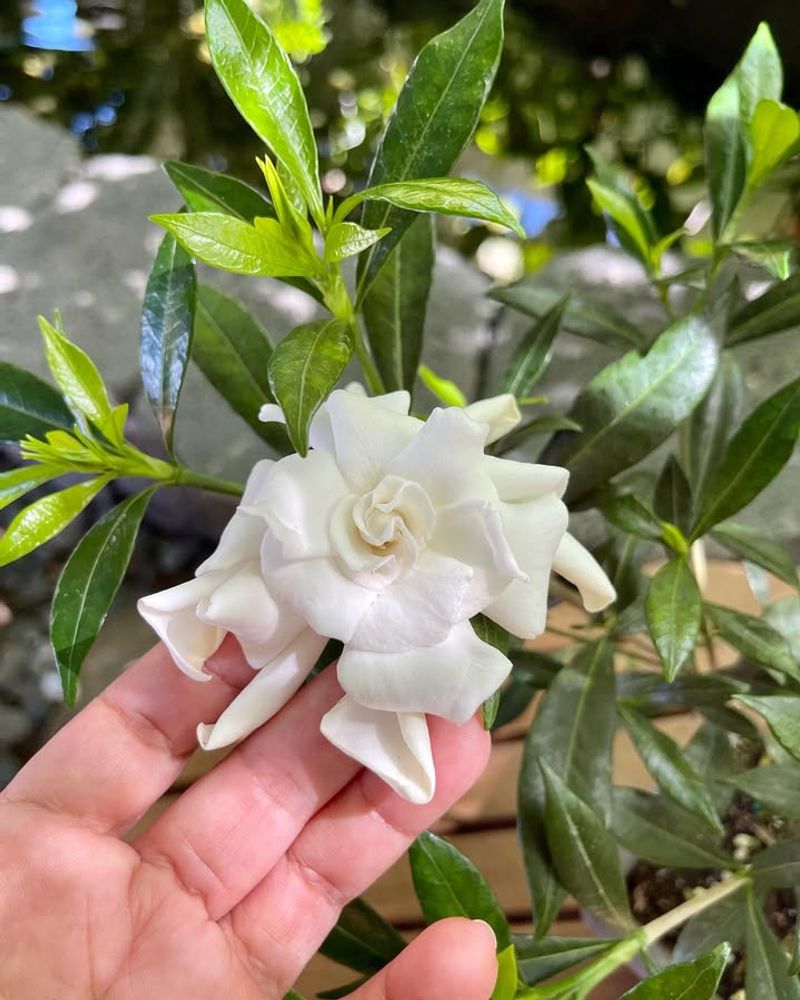
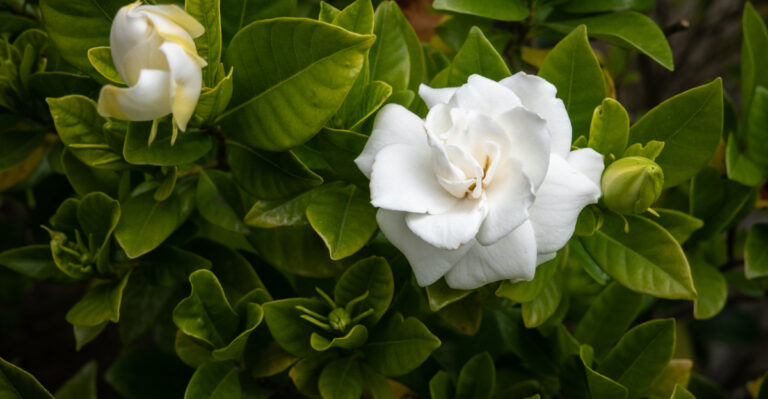
Few plants can match the Dwarf Gardenia when it comes to pure sensory impact. Those creamy white flowers carry one of the most beloved fragrances in all of gardening, and in a warm Georgia summer, that scent drifts across your entire front yard.
Visitors will notice it before they even reach your front door.
Unlike full-sized gardenias, which can grow unwieldy and demand constant attention, dwarf varieties like Radicans or Kleim’s Hardy stay compact and manageable.
They typically reach only one to two feet tall and spread slowly, making them perfect for front yard borders or foundation plantings.
They also tend to be more cold-hardy than their larger relatives, handling Georgia’s occasional winter freezes with less drama.
Plant your Dwarf Gardenia in a spot with morning sun and afternoon shade. Gardenias prefer acidic, well-drained soil, so mixing in some peat moss or pine bark at planting time gives them a strong start.
Once established, they need minimal watering and only light fertilizing in spring.
Blooms appear in late spring and often continue through early summer. Some varieties rebloom lightly in fall.
For Georgia front yards where fragrance and elegance matter, the Dwarf Gardenia delivers both without turning into a high-maintenance headache.
5. Loropetalum Keeps Its Rich Foliage Through Georgia Summers
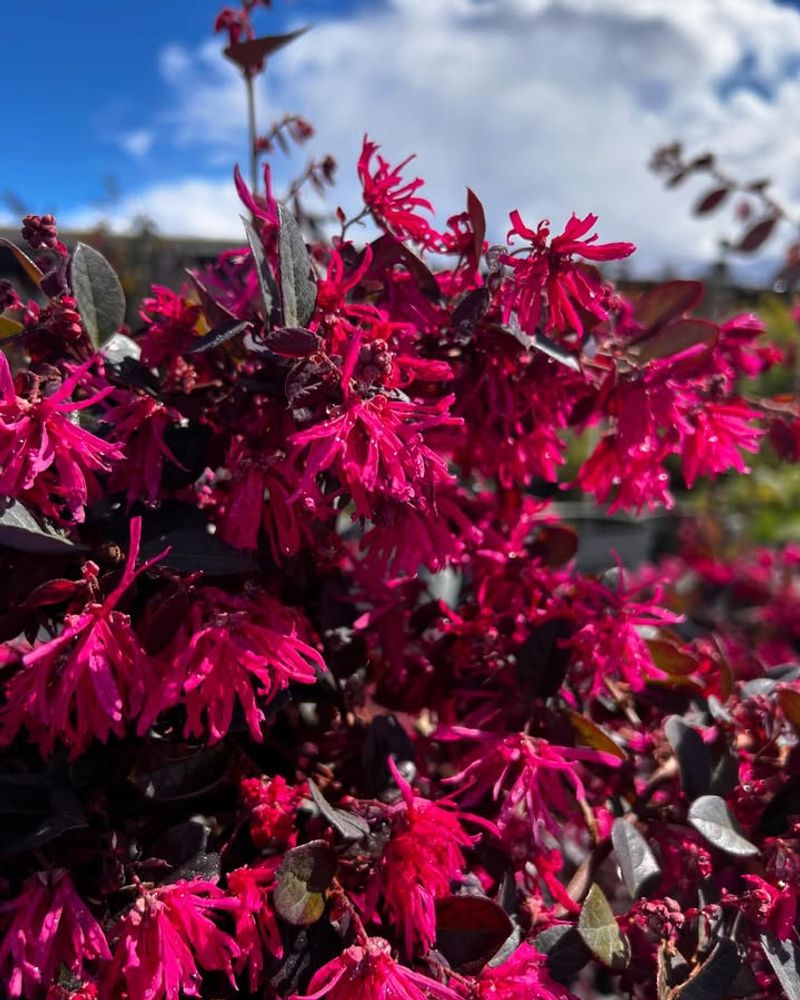
Loropetalum is one of those shrubs that makes people stop their cars and ask what it is. Also called Chinese Fringe Flower, it sports deep burgundy or purple foliage that holds its rich color through even the hottest Georgia summers.
In spring, it bursts into a display of wispy pink or white fringe-like flowers that cover the entire plant.
Georgia gardeners have embraced Loropetalum enthusiastically over the past two decades, and it is easy to see why. It tolerates heat and humidity without skipping a beat.
The plant grows in a range of soil types, including the red clay that frustrates so many Georgia homeowners.
Varieties range from compact two-foot mounds to large eight-foot specimens, so there is a Loropetalum for every front yard situation.
Smaller types work beautifully as border plants or mass plantings, while larger ones make striking focal points or privacy screens.
Care requirements are minimal once established. Loropetalum needs occasional watering during extreme drought and light pruning after the spring bloom to keep its shape.
It rarely struggles with serious pest or disease problems in Georgia conditions. For a shrub that delivers bold, year-round color with very little effort, Loropetalum is one of the best choices available in the Southeast.
6. Dwarf Burford Holly Stays Compact And Easy To Shape
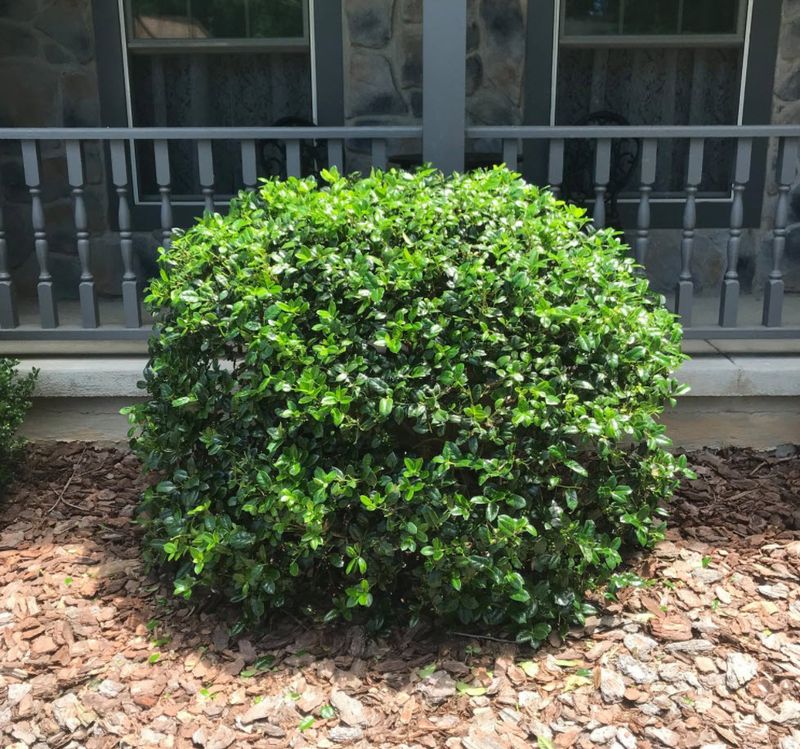
There is a reason Dwarf Burford Holly shows up in front yards all across Georgia. This shrub is practically bulletproof, handling heat, humidity, drought, and occasional neglect without losing its good looks.
It grows slowly and stays naturally compact, which means you spend far less time pruning than you would with faster-growing alternatives.
The glossy, dark green leaves look sharp year-round, giving your front yard a polished appearance even in the middle of winter.
In fall and early winter, female plants produce clusters of bright red berries that add a festive splash of color right when most other plants are looking tired.
Dwarf Burford Holly works especially well as a foundation planting along the front of a Georgia home. It pairs nicely with lighter-colored siding or brick, creating a clean, classic look that never goes out of style.
Plant it in full sun to partial shade and give it well-drained soil for the best results.
Once established, this shrub needs very little water and almost no fertilizer to stay healthy. An occasional light shaping once or twice a year keeps it looking tidy.
For Georgia homeowners who want a dependable, low-maintenance evergreen that looks great in every season, Dwarf Burford Holly is a rock-solid choice.
7. Oakleaf Hydrangea Thrives In Shade With Minimal Care
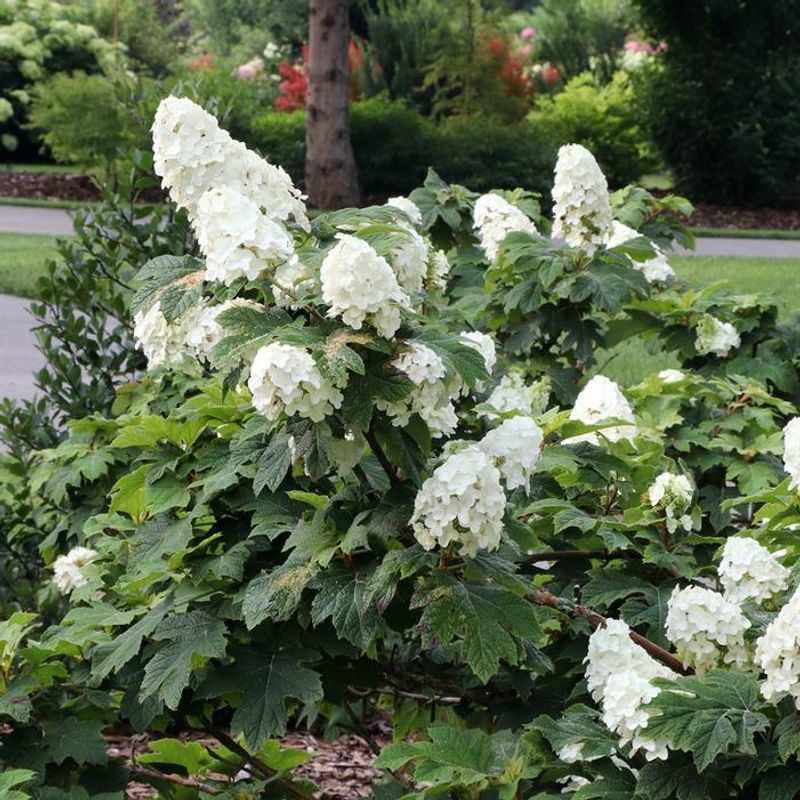
Shady front yards in Georgia can be tricky to landscape well, but Oakleaf Hydrangea was practically made for the job.
This native southeastern shrub produces enormous cone-shaped flower clusters in summer, starting white and gradually turning dusty rose and papery tan as the season progresses.
Those dried blooms hang on through fall and winter, giving you months of visual interest.
Beyond the flowers, Oakleaf Hydrangea offers an impressive fall foliage display. The large, deeply lobed leaves turn shades of burgundy, orange, and red before dropping, which is a rare bonus for a flowering shrub.
The exfoliating bark adds winter texture that catches the eye even after the leaves are gone.
Growing it is genuinely easy in Georgia conditions. Plant it in partial to full shade with moist, well-drained soil and give it regular water through the first season.
After that, it handles Georgia summers with minimal irrigation, especially if planted under a tree canopy that provides some natural shade and moisture retention.
Pruning is rarely needed since the shrub has a naturally attractive shape. If you do prune, do it right after flowering to avoid removing next year’s buds.
Oakleaf Hydrangea is a standout choice for Georgia homeowners looking to bring life to a challenging shady front yard.
8. Abelia Blooms For Months And Tolerates Heat Well
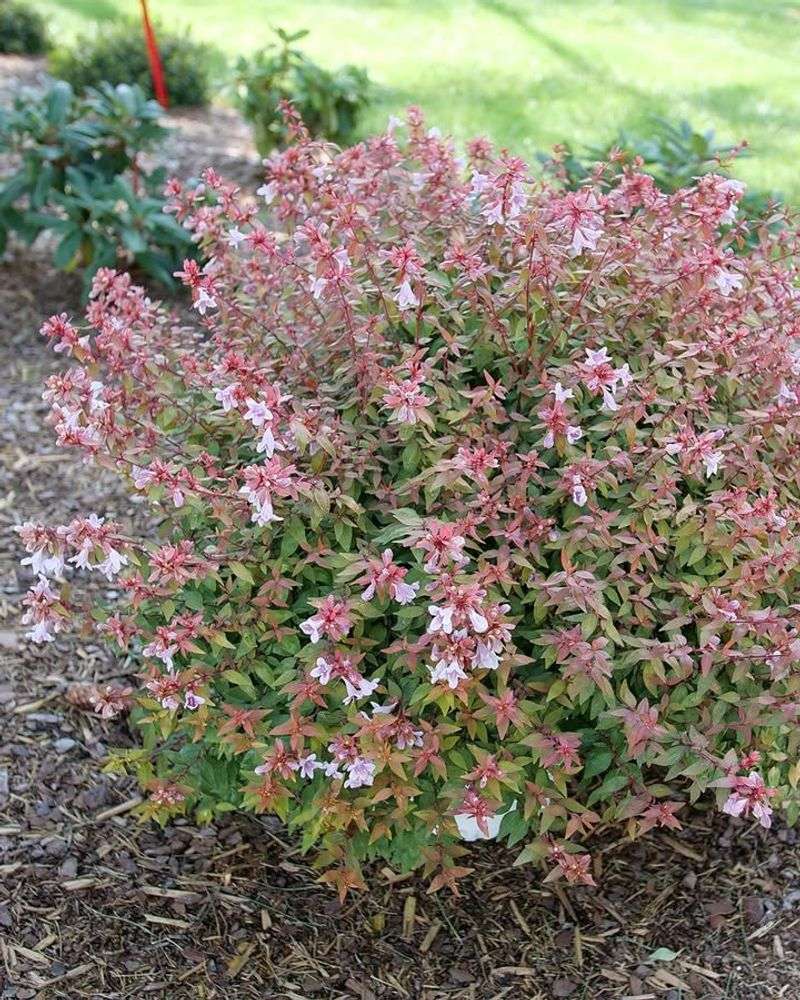
Abelia is one of those shrubs that quietly earns your admiration over an entire growing season.
While showier plants burn out by midsummer, Abelia keeps producing its small, tubular flowers in shades of white and soft pink from late spring all the way through the first frost.
In Georgia, that can mean five or six months of continuous bloom.
Pollinators absolutely love Abelia. Bees, butterflies, and hummingbirds visit the flowers regularly, turning your Georgia front yard into a lively, buzzing garden scene.
The foliage is attractive too, with glossy leaves that take on bronzy-purple tones in fall, extending the visual interest well beyond the bloom season.
Abelia handles Georgia heat and humidity with impressive resilience. It grows in full sun to partial shade and adapts to a range of soil types, including clay.
Drought tolerance improves significantly once the plant is established, usually after the first full growing season.
Pruning is flexible with Abelia. You can trim it lightly to maintain a tidy shape, or let it grow into a graceful, arching form that looks beautiful in naturalistic landscapes.
Either way, it requires very little intervention to look its best. For Georgia front yards that need reliable, long-blooming color with minimal fuss, Abelia consistently delivers.
9. Distylium Resists Disease And Handles Clay Soil
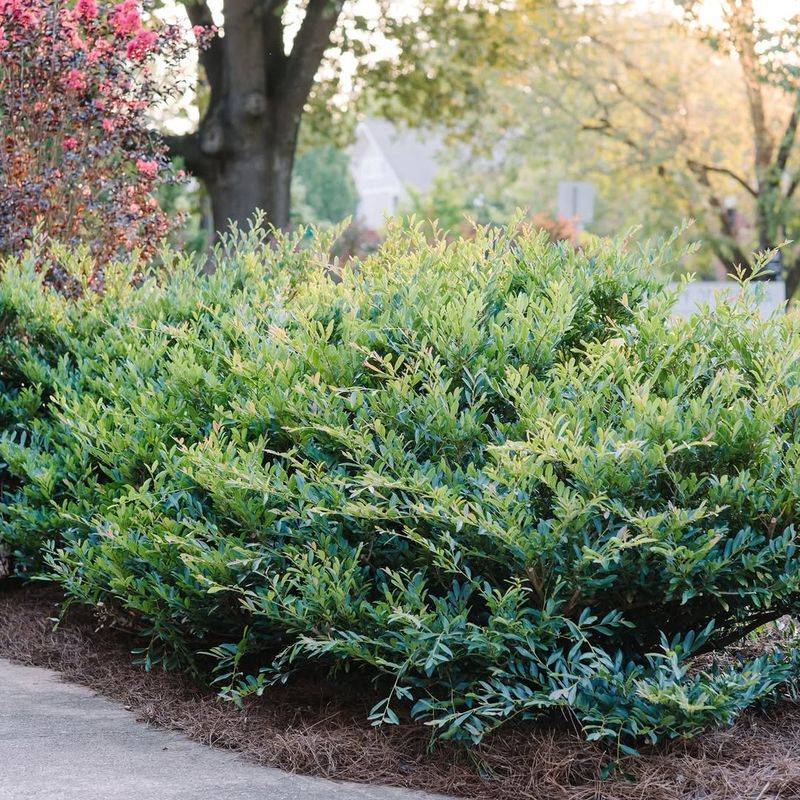
Distylium is the kind of shrub that landscape professionals recommend when someone wants absolutely no drama from their front yard plantings.
This evergreen relative of Witch Hazel is virtually disease-free, rarely bothered by insects, and handles Georgia clay soil far better than most ornamental shrubs on the market.
The foliage is dense, dark green, and glossy, providing a rich, polished look year-round.
In late winter and early spring, small but charming red flowers appear along the stems, offering a subtle burst of color right when you are most tired of the dull winter landscape.
It is not a flashy bloomer, but those early flowers are a welcome surprise.
Georgia gardeners dealing with heavy, compacted clay soils will appreciate how well Distylium adapts. Unlike plants that sulk and struggle in poor drainage conditions, Distylium just gets on with growing.
It also tolerates heat and humidity without developing the leaf spot or powdery mildew problems that plague other shrubs in the Southeast.
Sizes range from low-spreading ground cover types to upright varieties reaching four to five feet. Minimal pruning is needed to maintain shape, and the plant rarely needs supplemental fertilizer once established.
For low-effort, high-reliability landscaping in Georgia, Distylium is a smart, underappreciated choice worth adding to any front yard.
10. Anise Shrub Performs Reliably In Shady Front Yards
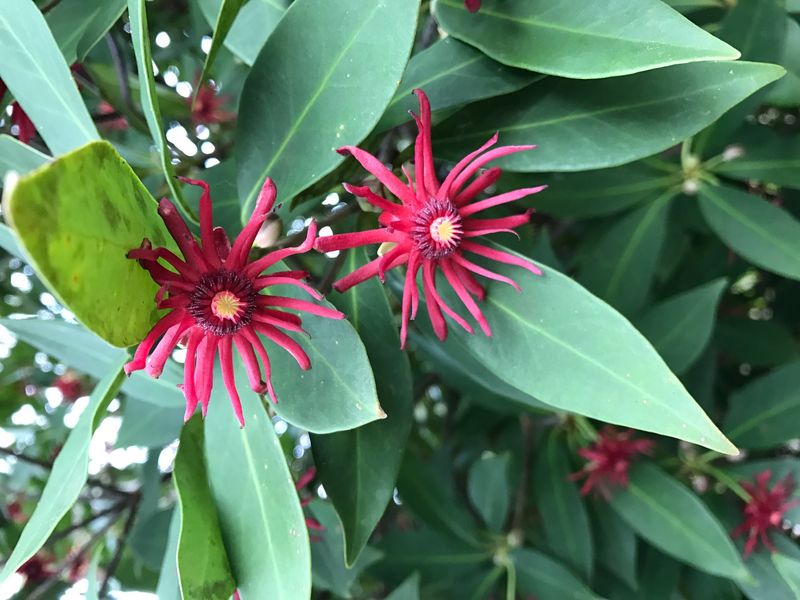
Florida Anise might be the most underrated shade shrub in all of Georgia gardening.
While everyone else is struggling to find something that actually thrives under a big oak or in the shadow of a deep porch, Florida Anise just grows happily without complaint.
Crush a leaf between your fingers and you will get a pleasant anise-like scent that explains its common name.
This native southeastern shrub produces unusual, star-shaped maroon flowers in early spring that are small but genuinely interesting up close.
The dark, glossy foliage stays attractive all year long, making it a reliable evergreen anchor in challenging shady spots.
In Georgia, where mature trees create deep shade in many front yards, that kind of dependability is worth a lot.
Florida Anise grows at a moderate pace, eventually reaching six to ten feet if left unpruned. Regular light trimming keeps it at whatever height you prefer without stressing the plant.
It prefers moist, acidic soil, which matches well with the conditions found under pine and oak trees common throughout Georgia.
Deer tend to avoid it, which is a significant bonus for Georgia homeowners in suburban and rural areas where deer browsing can ruin a landscape overnight.
With its combination of shade tolerance, evergreen foliage, and low care needs, Florida Anise is a standout performer for Georgia front yards that see limited sunlight.