7 Herbs Georgia Gardeners Can Plant In May And How To Keep Them Full
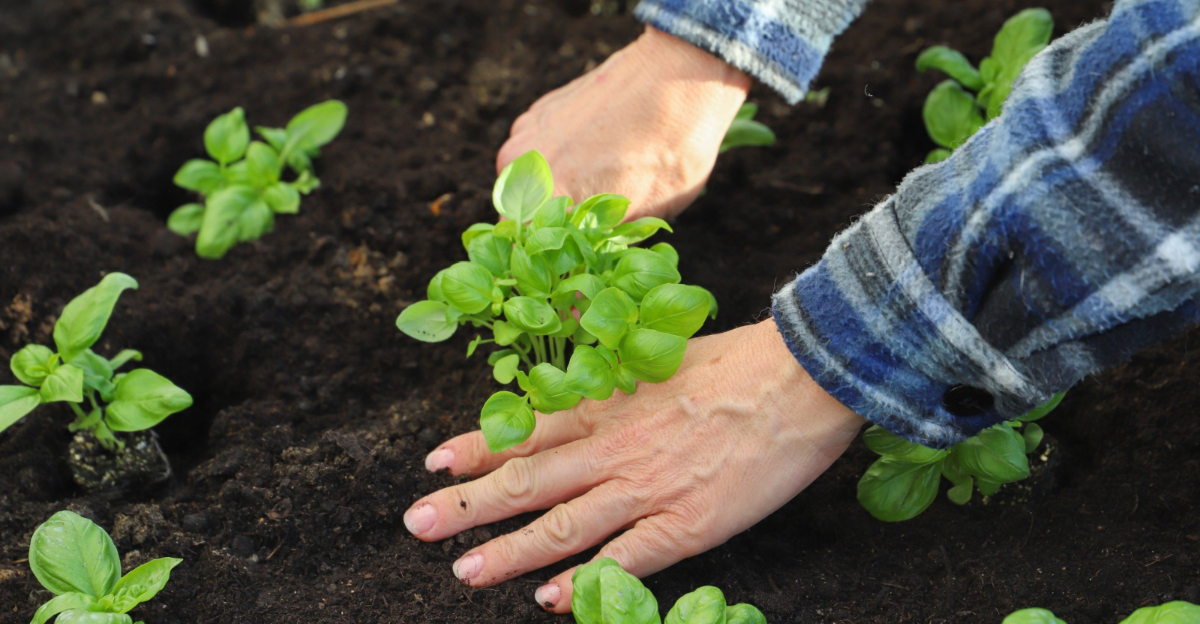
May is the month when herb gardens in Georgia start acting like they own the place. Basil shoots up overnight, mint tries to escape its container for the fifth time, and every sunny corner suddenly feels like a good spot for another pot of herbs.
It is hard not to get carried away once fresh green growth starts filling patios and garden beds. One small herb plant somehow turns into a whole collection before summer even arrives.
Warm temperatures and longer days give herbs a strong push this time of year, especially in Georgia gardens that get plenty of sunshine.
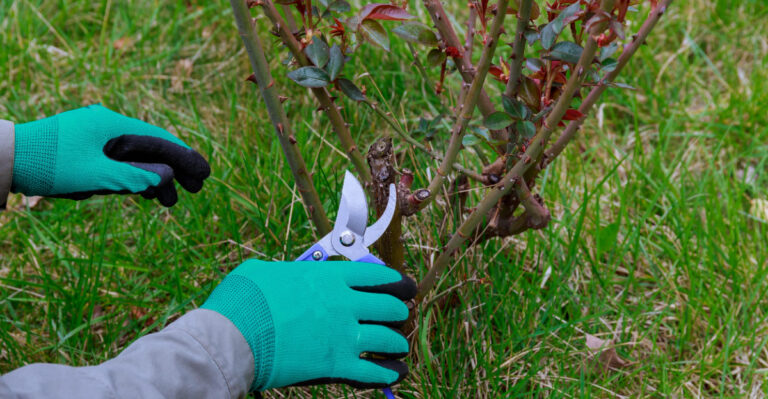
The fun part is that many herbs respond really well to regular picking and light trimming, which means the more you use them, the fuller they often become.
Fresh herbs for dinner and a better-looking garden? That is a pretty good deal.
1. Basil Grows Full With Regular Pinching
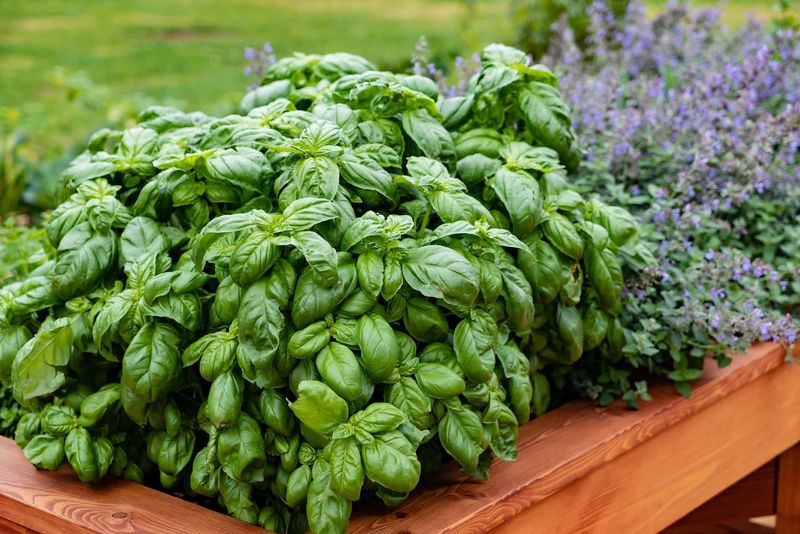
Few herbs respond to attention the way basil does, and in Georgia’s warm May sunshine, a well-pinched basil plant can become one of the most rewarding things in a home garden. Basil loves heat, and Georgia delivers plenty of it by mid-spring.
Planting basil in a spot that gets at least six to eight hours of direct sun each day gives it the energy it needs to push out new growth quickly.
The key to keeping basil full is pinching. As soon as the plant develops several sets of leaves, pinch off the top growth just above a leaf node.
This signals the plant to branch out rather than grow tall and leggy. Doing this every week or two keeps the plant bushy and productive throughout the season.
Watch for flower buds and remove them as soon as they appear. Once basil begins to flower, leaf production tends to slow down and the flavor can shift.
Gardeners in Georgia often find that container-grown basil on a sunny porch or raised bed with good drainage performs especially well in May.
Use well-draining potting mix if growing in containers, and water consistently without letting roots sit in soggy soil.
Basil grown this way can supply fresh leaves for the kitchen all summer long.
2. Tarragon Benefits From Room To Spread
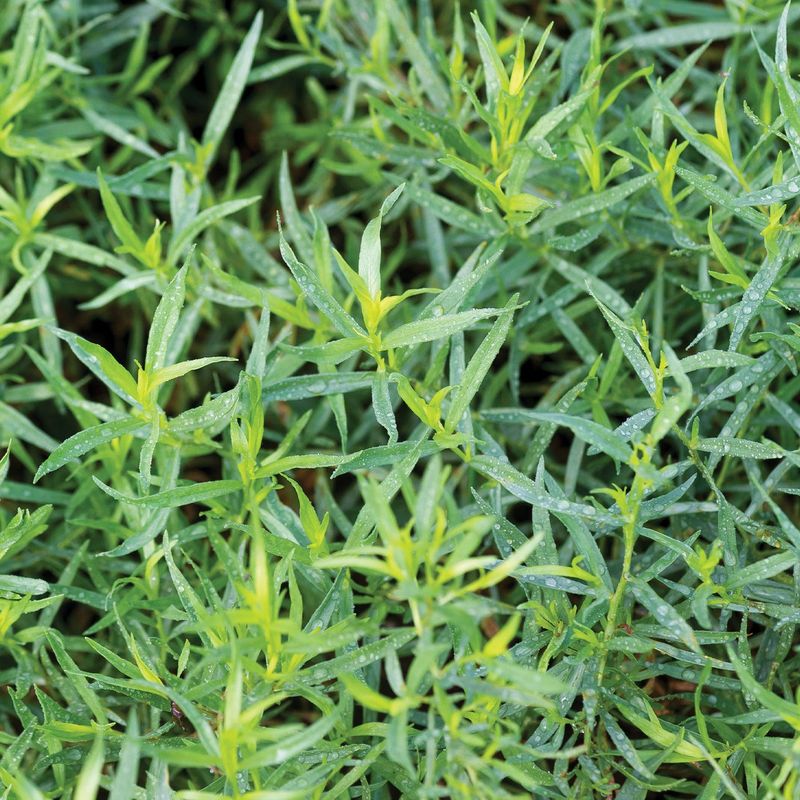
French tarragon has a subtle, anise-like flavor that many Georgia home cooks appreciate, and May is a fine time to get it established in a garden bed or a roomy container.
Unlike some herbs that thrive in tight quarters, tarragon genuinely benefits from space.
Crowding it can slow air circulation and make the plant more vulnerable to moisture-related problems during Georgia’s humid summer months.
Planting tarragon in a spot with full sun and well-draining soil gives it the best foundation. Sandy loam or raised beds amended with compost tend to work well.
If you are growing it in a container, choose a wide pot rather than a deep one, since tarragon spreads outward more than it grows tall. Make sure the pot has drainage holes and avoid overwatering, especially as temperatures climb.
Your Georgia Garden Changes Every Week. Your Plan Should Too.
Gardening in Georgia changes quickly throughout the season. Every Friday you’ll receive a simple weekly plan showing exactly what to plant, prune, fertilize, harvest, and protect so you never miss the right timing.
To encourage fuller growth, trim back the tips of the stems regularly. Harvesting the top few inches of growth every couple of weeks encourages the plant to branch and fill in.
French tarragon does not produce viable seeds, so Georgia gardeners typically start with transplants or divisions rather than seeds.
One established plant can provide a steady supply of fresh leaves for seasoning chicken, fish, and vinaigrettes throughout the growing season.
Keeping the bed or container weeded and the soil lightly moist will help tarragon stay healthy and productive well into summer.
3. Dill Needs Space For Tall Leafy Growth
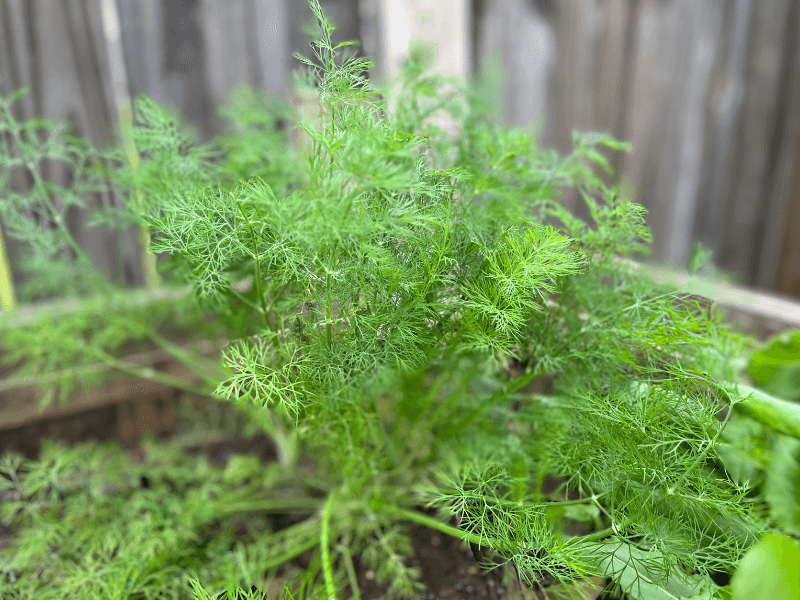
Dill is one of those herbs that rewards gardeners who give it a little elbow room. In Georgia, May planting conditions suit dill well because the soil is warm enough to support fast germination and the days are long enough to fuel upward growth.
Dill can reach two to four feet tall when it has space, and those feathery fronds are both beautiful and useful in the kitchen.
Sow dill seeds directly into the garden bed or a deep container, since dill develops a taproot that does not transplant easily. Choose a location with full sun and loose, well-draining soil.
Thin seedlings to about twelve inches apart once they are a few inches tall. Crowded dill plants tend to compete for nutrients and may not develop the full, leafy canopy that makes harvesting worthwhile.
Harvesting dill regularly helps delay flowering and keeps the plant producing fresh foliage longer. Snip fronds from the outer portions of the plant and avoid cutting back more than one-third at a time.
Once dill flowers and sets seed, leaf production winds down, so removing flower heads early can extend the harvest window. Georgia gardeners growing dill near tomatoes or cucumbers often notice it attracts beneficial insects to the garden as well.
Succession planting every few weeks through early summer can keep a steady supply of fresh dill coming all season long.
4. Mint Stays Fuller With Frequent Cutting
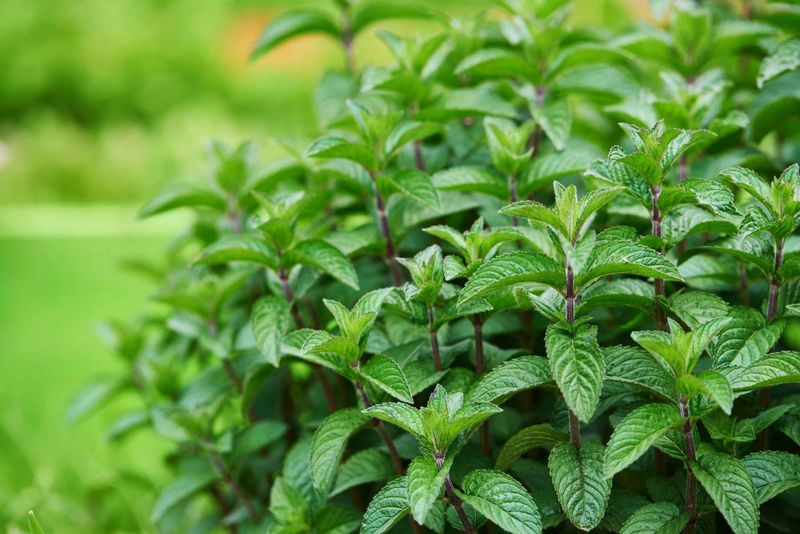
Mint is one of the most energetic herbs a Georgia gardener can grow, and it tends to take off quickly once May temperatures settle in. The challenge with mint is not getting it to grow but keeping it from spreading into places it should not go.
Planting mint in a container is one of the most practical approaches for Georgia patios, porches, and small garden spaces because it naturally limits the plant’s spreading roots.
Regular cutting is the best way to keep mint full and bushy rather than long and straggly. Snipping stems back by about one-third every week or two encourages the plant to branch from lower nodes and fill out.
Mint responds well to this kind of frequent harvesting and often looks fuller after a trim than it did before. Use the cuttings in teas, salads, or cocktails so nothing goes to waste.
Mint prefers consistent moisture and does well in partial to full sun in Georgia gardens. During the hottest parts of summer, a little afternoon shade can help prevent the leaves from wilting or scorching.
Choose a container with drainage holes and use a quality potting mix to avoid waterlogged roots. If mint begins to look thin or crowded after a season, dividing the root ball and repotting can refresh the plant significantly.
A little care each week goes a long way toward keeping mint lush and productive in Georgia gardens through the summer months.
5. Chives Grow Fresh With Regular Snipping
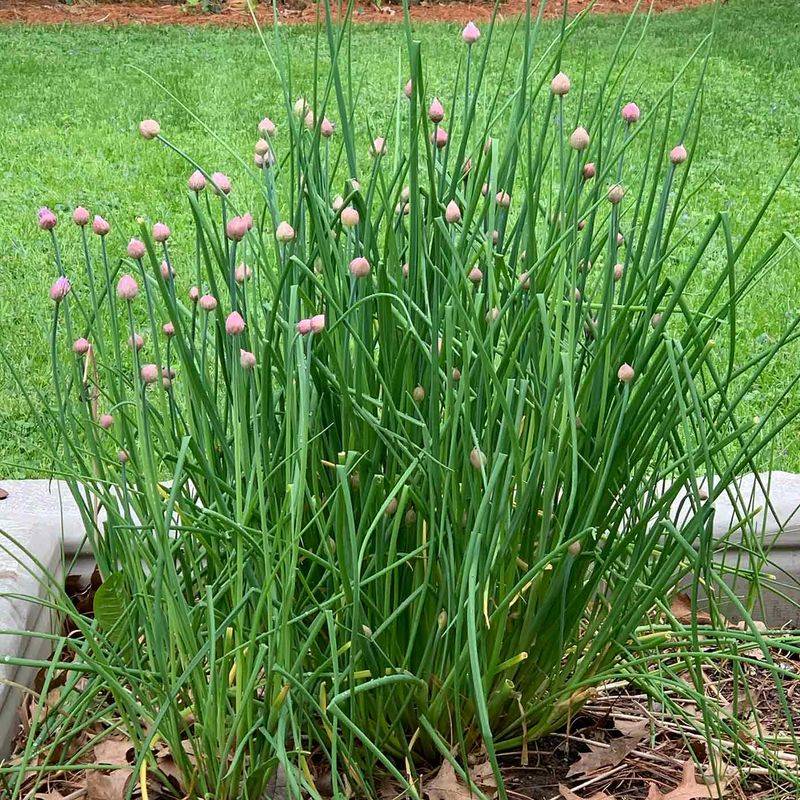
Chives are one of the easiest herbs Georgia gardeners can grow in May, and they have a way of rewarding consistent attention with steady, fresh new growth.
These slender, grass-like plants form tidy clumps that look attractive in garden beds, raised beds, and containers alike.
Their mild onion flavor makes them a popular addition to eggs, soups, baked potatoes, and fresh dips.
Snipping chives regularly is exactly what keeps them growing well. When you cut the leaves down to about two inches above the soil level, the plant responds by pushing out fresh new growth from the base.
Waiting too long between harvests can cause the older leaves to become tough and hollow, so frequent snipping actually improves both the plant’s appearance and the quality of the harvest.
Chives prefer full sun but can manage with four to six hours of light in Georgia gardens. They grow well in containers with good drainage and appreciate consistent watering without sitting in wet soil.
If chives produce their pretty purple flowers in spring, you can leave a few for pollinators or snip them off to redirect the plant’s energy back into leaf production. The flowers are edible and make a mild, attractive garnish.
Dividing chive clumps every two to three years helps keep them vigorous and prevents overcrowding. For Georgia gardeners who want a low-maintenance herb that keeps producing, chives are a reliable and rewarding choice all season long.
6. Sage Keeps Shape With Light Harvesting
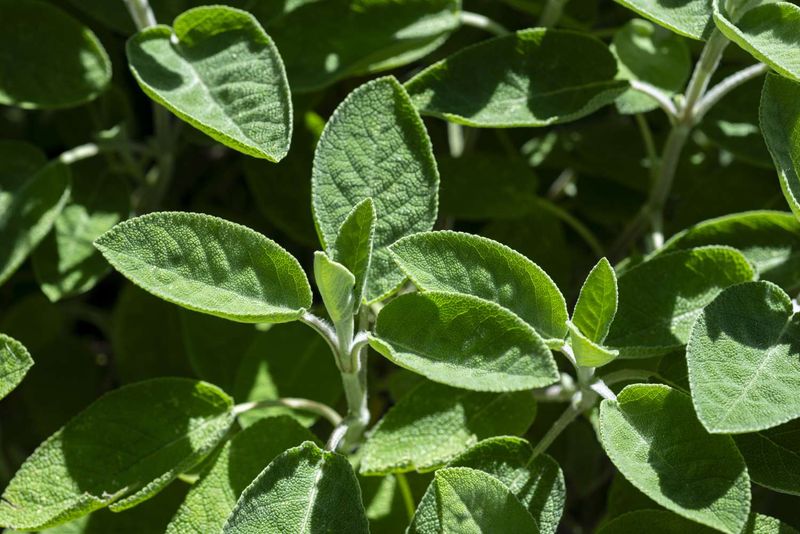
Sage brings a woodsy, earthy fragrance to Georgia gardens and holds up well through the warm months when other herbs start to struggle.
It is a perennial in much of Georgia, meaning a plant established in May can come back year after year with the right care.
Sage grows into a small, shrubby plant with soft, textured leaves that range from silvery green to deep green depending on the variety.
Light, regular harvesting is the approach that keeps sage looking full and shapely rather than overgrown or woody. Snipping just the tips of the branches, a few inches at a time, encourages the plant to branch out and fill in naturally.
Avoid cutting back into the woody lower stems too aggressively, since sage can be slow to recover from heavy pruning, especially during the heat of a Georgia summer.
Sage does best in full sun with excellent drainage. It is more sensitive to wet roots than many herbs, so raised beds or containers with drainage holes work especially well in Georgia’s sometimes rainy spring season.
Sandy or loamy soil amended with a little compost gives sage the loose, airy environment it prefers. Water deeply but infrequently, allowing the soil to dry out somewhat between waterings.
Sage planted in May in a sunny Georgia bed can develop into a robust, productive plant by midsummer, ready to season roasted meats, stuffings, and herb butters straight from the garden.
7. Thyme Fills Out With Sun And Good Drainage
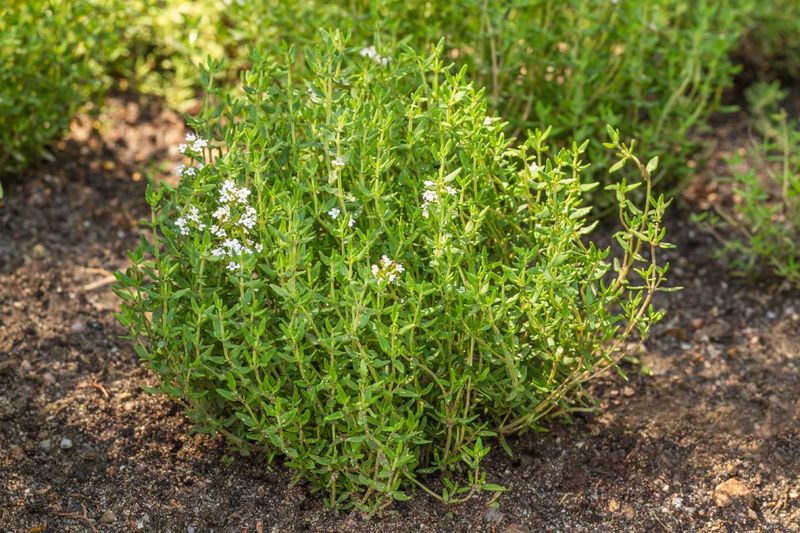
Thyme is a compact, low-growing herb that genuinely thrives when it has two things working in its favor: plenty of sun and soil that drains well.
In Georgia, May offers both, making it a good month to get thyme established in a garden bed, a rock garden border, or a container on a sunny porch.
Thyme tends to spread outward as it grows, forming a dense, fragrant mat of tiny leaves that stays relatively tidy with a little attention.
Encouraging thyme to fill out comes down to letting it get plenty of direct light and trimming it back lightly after the main flush of spring growth. Snipping the tips of the stems by about one-third helps the plant branch and become denser over time.
Avoid cutting into the older, woodier parts of the stems, since thyme regenerates best from green, flexible growth rather than from hardened wood.
Drainage matters more for thyme than almost any other herb on this list. Sitting in wet or compacted soil can quickly weaken the plant, especially during Georgia’s humid summer months.
Raised beds with a gritty, well-amended mix or containers filled with a fast-draining potting blend give thyme the best chance to thrive. Water only when the top inch of soil feels dry to the touch.
Thyme grown with these conditions in Georgia gardens tends to stay low, spreading, and productive, offering fresh leaves for roasting vegetables, seasoning meats, and flavoring soups all season long.