8 Vegetables To Plant In Containers This March For Early Harvests In Georgia
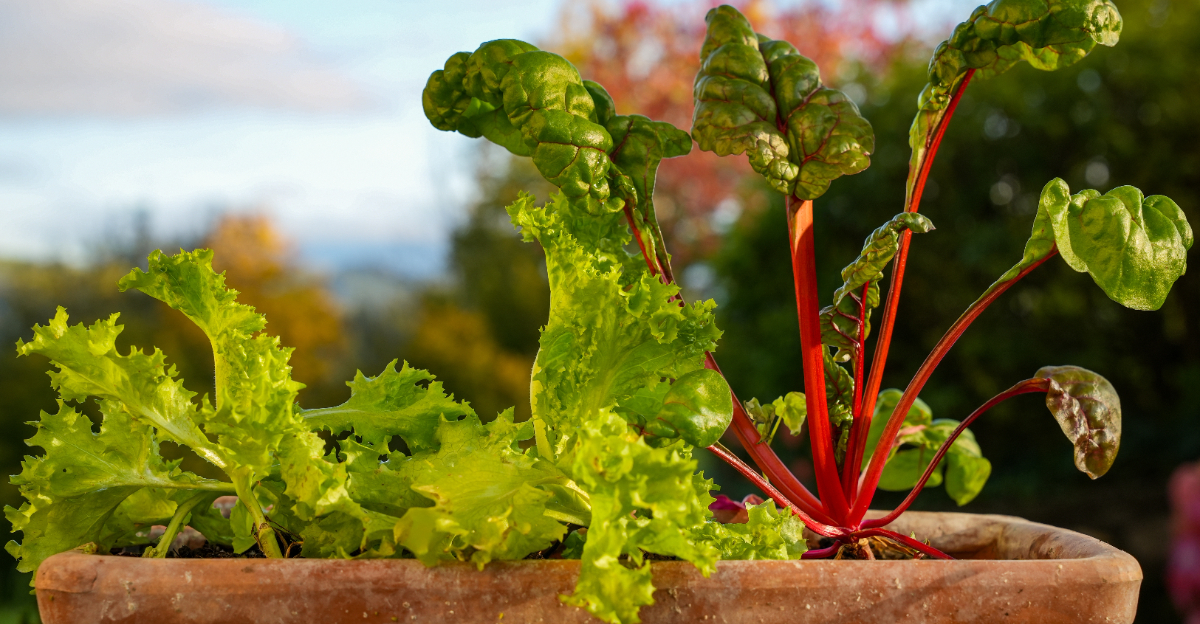
March is when Georgia’s growing season starts to feel real, and containers give vegetables a faster start than most garden beds. Because pots warm up quickly, seeds germinate sooner and transplants settle in faster than they often do in the ground.
That extra warmth can shave weeks off your wait for a harvest.
Planting in containers also gives you more control during Georgia’s unpredictable early spring weather. If nights turn chilly or heavy rain rolls through, pots can be moved or protected with little effort.
The key is choosing vegetables that grow quickly and handle cool evenings without slowing down. Start them in March, and early harvests become much more realistic and rewarding.
1. Lettuce Grows Fast In Cool March Temperatures
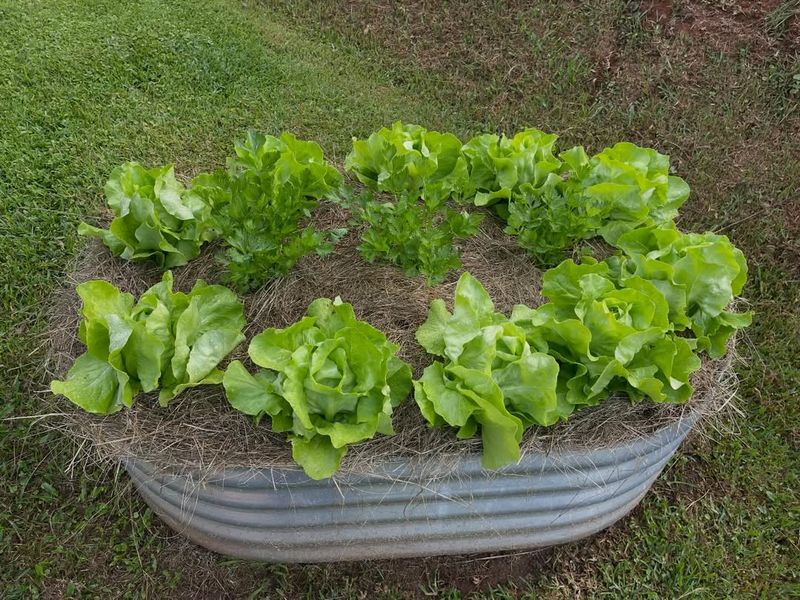
Cut a leaf of lettuce three weeks after planting and you will understand why so many Georgia gardeners start here.
Lettuce is one of the fastest-responding vegetables you can grow in a container, and March gives it exactly what it wants — cool air, mild sun, and soil that is not yet baked by summer heat.
Choose a wide, shallow pot at least eight inches deep and fill it with a quality potting mix that drains well. Scatter seeds lightly across the surface, press them in gently, and keep the soil moist but never soggy.
Leaf varieties like Black Seeded Simpson or Buttercrunch tend to perform especially well in Georgia containers during early spring.
Lettuce does not love sitting in full afternoon sun, so place your pot where it gets morning light and some shade after noon. On warmer March days in Georgia, that small adjustment can add weeks to your harvest window before the plant bolts.
Snip outer leaves as they grow and the plant keeps producing, giving you multiple cuts from a single container. It is genuinely one of the most rewarding vegetables to start this time of year.
If a late cold snap is forecast, slide containers closer to the house or cover them overnight to protect tender seedlings from unexpected frost.
Succession sow every 10 to 14 days through March to keep a steady supply coming before true spring heat shortens the season.
2. Spinach Handles Late Frost And Produces Quickly
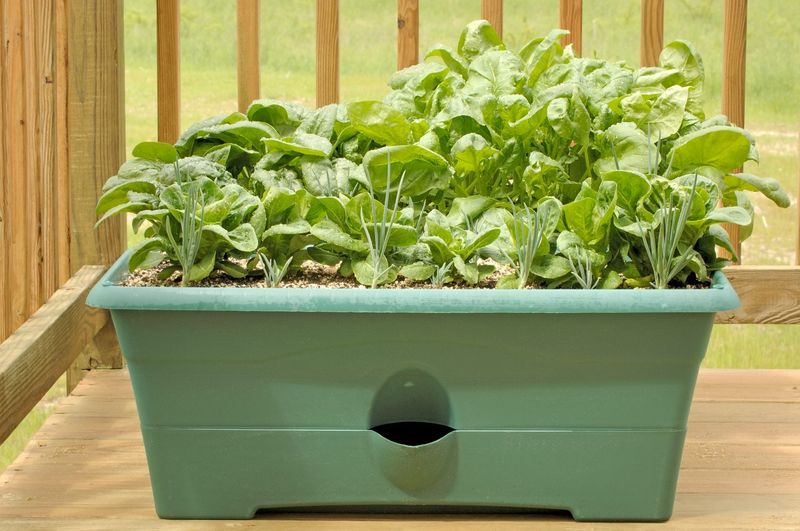
Spinach is one of the toughest cool-season vegetables you can drop into a pot, and it does not flinch when Georgia throws a surprise cold night at you in early March. While other plants sulk after a light frost, spinach keeps right on growing.
That kind of reliability is hard to find in a vegetable that also tastes this good fresh.
Plant seeds about half an inch deep in a container that is at least six inches deep, using a loose, well-draining potting mix. Space seeds two to three inches apart so each plant has room to spread its leaves without crowding.
Savoy-type spinach like Bloomsdale tends to hold up especially well in Georgia’s unpredictable early spring weather.
Water consistently but do not let water pool at the bottom of the pot. Spinach roots are not very deep, but they do not like sitting in wet soil for long periods.
Your Georgia Garden Changes Every Week. Your Plan Should Too.
Gardening in Georgia changes quickly throughout the season. Every Friday you’ll receive a simple weekly plan showing exactly what to plant, prune, fertilize, harvest, and protect so you never miss the right timing.
Harvest leaves when they are about three to four inches long for the best flavor. Baby spinach from a home container tastes noticeably better than anything from a bag at the store.
Starting in March in Georgia puts you ahead of the heat and sets you up for a solid harvest before April ends.
Place the container where it gets full morning sun and a bit of afternoon shade to slow bolting as temperatures begin to rise later in the month.
Feed lightly with a balanced liquid fertilizer once seedlings are established to encourage steady leaf production without pushing weak, overly tender growth.
3. Radishes Mature In About A Month In Mild Soil
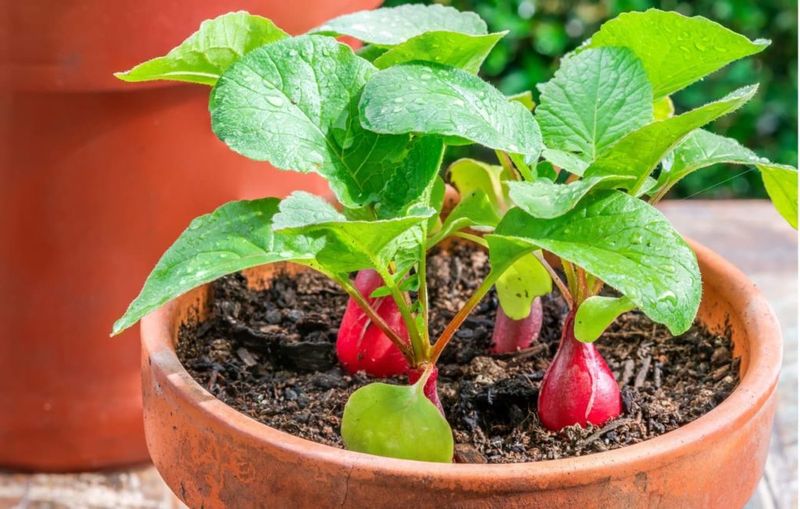
Few vegetables reward impatience the way radishes do. Plant them in early March in Georgia and you could be pulling them out of the pot in as little as 25 days.
That quick turnaround makes them a great first win for anyone just getting into container gardening, and they fit right in with other cool-season crops in the same space.
Radishes need a pot that is at least six inches deep, though eight inches gives the roots more room to swell properly. Use a light, loose potting mix because compacted soil makes radishes grow weird shapes instead of nice round bulbs.
Sow seeds directly about half an inch deep and one inch apart, then thin them out once seedlings appear so roots are not competing for space.
Cherry Belle and French Breakfast are two varieties that do especially well in Georgia’s mild March conditions. Keep the soil evenly moist because inconsistent watering causes radishes to crack or turn pithy inside.
Set your containers in a spot with at least six hours of sunlight daily. Radishes are also a smart crop to succession-plant every ten days throughout March and into early April, so you have a steady supply instead of one big burst.
Pull them on time — leaving them too long in the pot makes them sharp and woody.
4. Green Onions Thrive In Shallow Containers Early In The Season
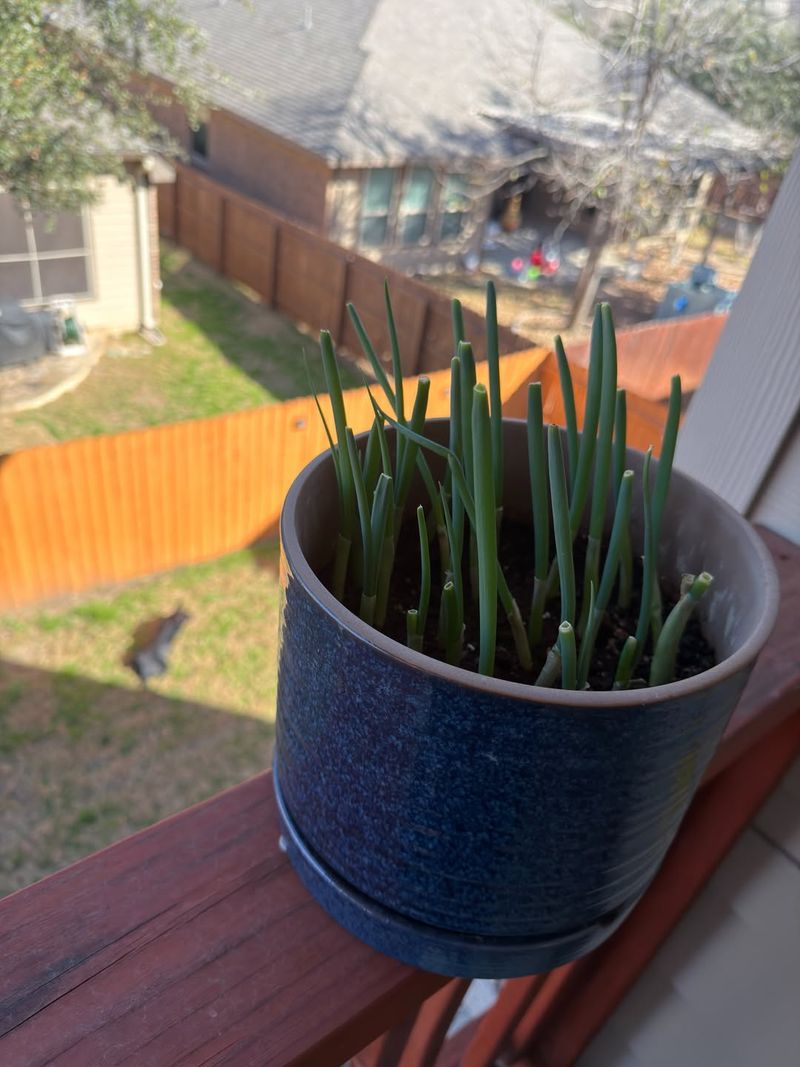
Green onions are one of those vegetables that almost seem unfair to grow — they ask for almost nothing and give back every single week.
A shallow pot, some decent potting mix, and regular watering are about all they need to produce a steady stream of fresh scallions through March and beyond in Georgia.
Any container that is four to six inches deep works fine for green onions. You can even repurpose old window boxes or deep trays that have good drainage holes.
Plant sets or seeds about an inch apart, cover lightly with soil, and water them in. They germinate quickly in Georgia’s mild March temperatures and start showing green growth within a week or two.
Place the container in a sunny spot, though green onions are more forgiving about light than most vegetables. Snip the tops when they reach six to eight inches tall and the plant sends up new growth right behind the cut.
That regrowth cycle can go on for weeks, making one pot of green onions surprisingly productive. White Lisbon and Evergreen Bunching are reliable varieties for early spring in Georgia.
If you are new to container growing, starting with green onions builds confidence fast. They are forgiving, fast, and useful in the kitchen almost every day.
5. Carrots Develop Well In Deep Pots With Loose Soil
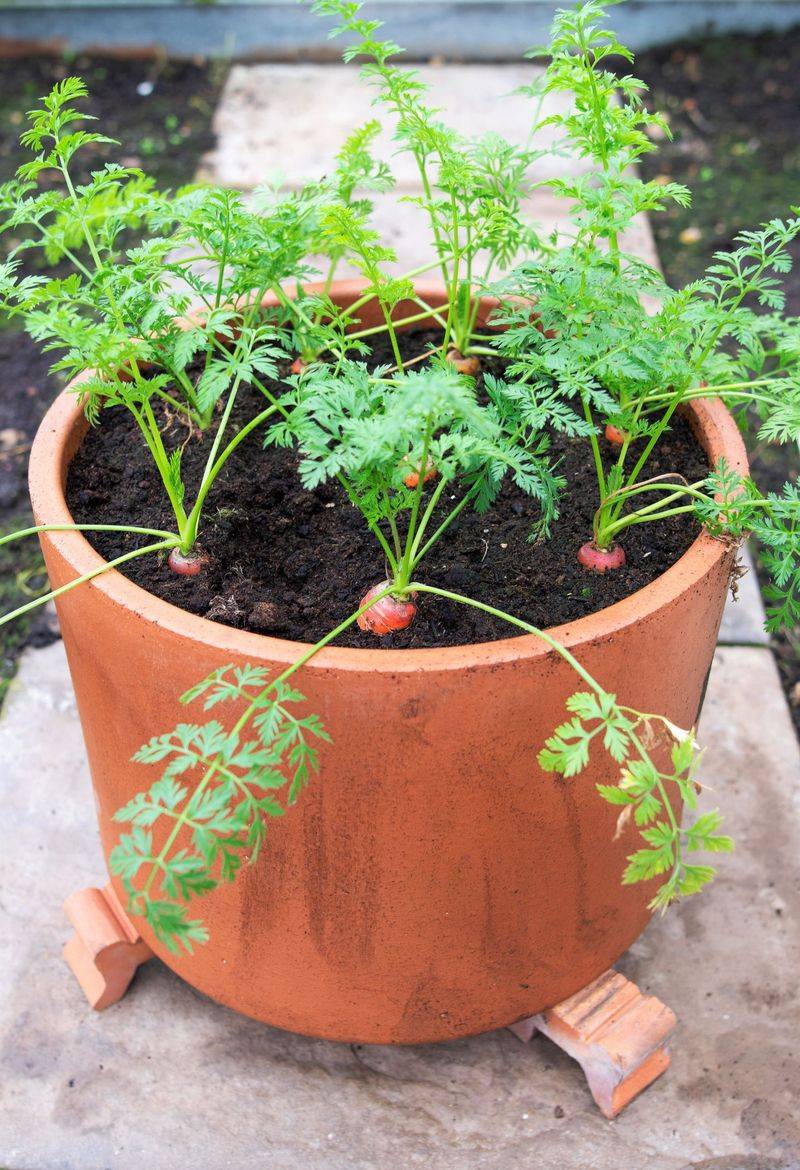
Carrots in containers sound tricky until you realize the main rule is simple — go deep. Most carrot failures in pots come from shallow containers or packed soil, not from the plant itself.
Get those two things right in March in Georgia and you are well on your way to pulling your own homegrown carrots by late spring.
Use a pot that is at least twelve inches deep, and fill it with a light, fluffy potting mix that has no big chunks or clumps. Avoid garden soil entirely — it compresses too much in a pot and causes carrots to fork or stunt.
Danvers Half Long and Chantenay varieties are good choices because they stay on the shorter side, which suits container depth better than long Imperator types.
Sow seeds thinly across the surface and cover with just a thin layer of soil — barely a quarter inch. Carrot seeds are small and need light to germinate well.
Keep the soil consistently moist during the first two weeks until seedlings emerge, then thin them to about two inches apart. Once established in Georgia’s cool March weather, carrot tops grow steadily and the roots quietly develop below.
Do not rush the harvest. Give them at least 60 to 70 days and taste-test by pulling one before clearing the whole pot.
6. Bush Peas Produce Before Late Spring Heat Arrives
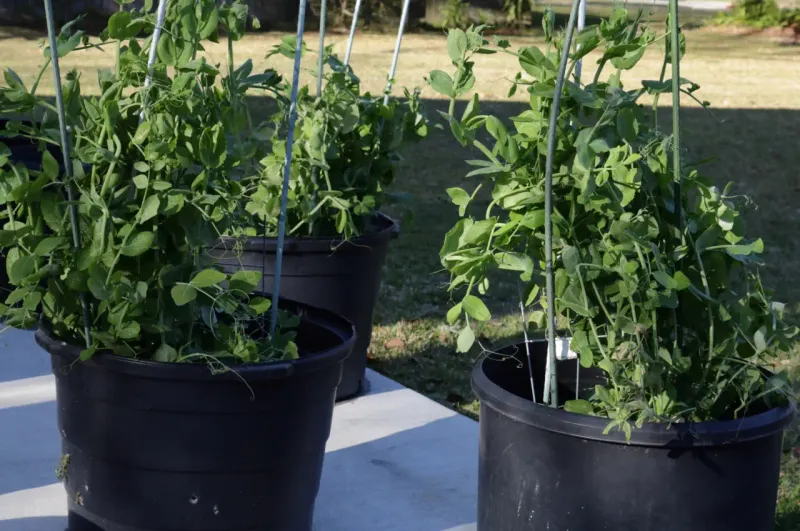
There is a small window in Georgia where peas actually thrive, and March sits right in the middle of it. Once the heat of late spring rolls in, peas slow down fast.
Planting bush varieties in containers this month takes full advantage of that window without needing a trellis or a lot of space.
Bush peas stay compact, usually topping out around two feet, which makes them well-suited to a large pot or a deep planter box. Use a container that is at least ten inches deep and fill it with a rich, well-draining potting mix.
Sow seeds about an inch deep and two inches apart. Peas fix their own nitrogen from the air, so you do not need to go heavy on fertilizer — a balanced mix at planting is usually enough.
Place the container where it gets full sun for most of the day. In Georgia, March sun is warm but not brutal, which is exactly what peas prefer.
Water regularly and keep an eye out for aphids, which love young pea shoots. Bush Blue Lake and Sugar Ann are two varieties worth trying in Georgia containers this time of year.
Harvest pods when they are plump but before they get overly thick. Fresh peas straight from the pod taste completely different from anything frozen or canned.
7. Beets Grow Strong Roots In Wide Containers
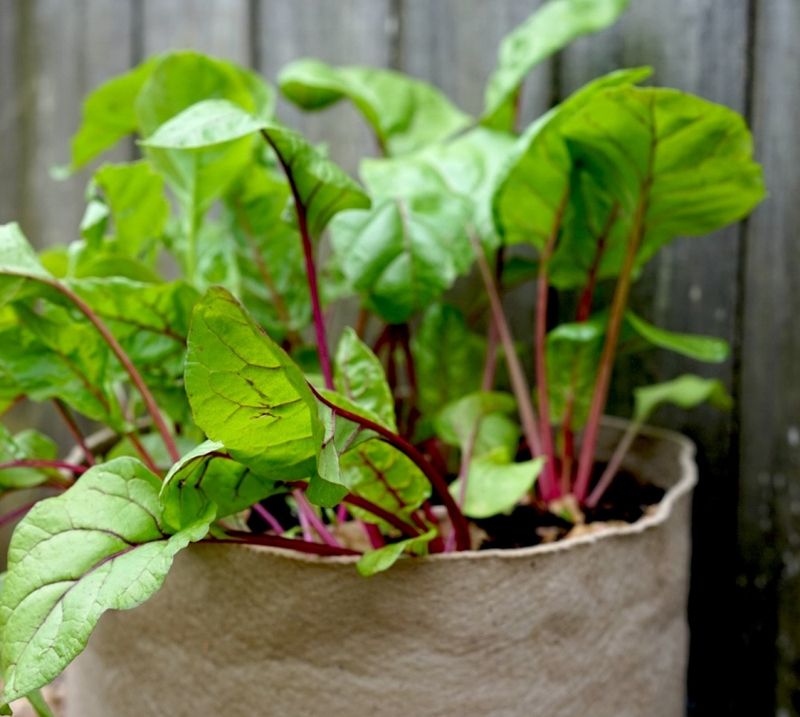
Beets pull double duty in a container garden — you get the root and you get the greens, both edible, both good.
Not many vegetables give you two harvests from one plant, and in Georgia’s mild March conditions, beets settle into wide containers and start producing steady growth within a few weeks of planting.
Width matters more than depth with beets. Choose a container that is at least twelve inches wide and eight to ten inches deep.
A wide pot lets you space plants properly, which is what drives good root development. Sow seeds about half an inch deep and three inches apart.
Beet seeds are actually clusters, so thin seedlings early — one strong plant per cluster gives you bigger roots.
Detroit Dark Red and Red Ace are reliable choices for Georgia container gardening in early spring. They handle cool nights without slowing down much and size up nicely by late April or early May.
Water the container evenly and avoid letting it dry out completely between waterings, as inconsistent moisture leads to tough, woody roots. Beet greens can be harvested young and used like spinach in salads or sauteed quickly in a pan.
If you are short on container space in Georgia this March, beets are one of the smartest crops to prioritize because you genuinely get more out of them than most other options.
8. Swiss Chard Tolerates Cool Nights And Warms Up Fast
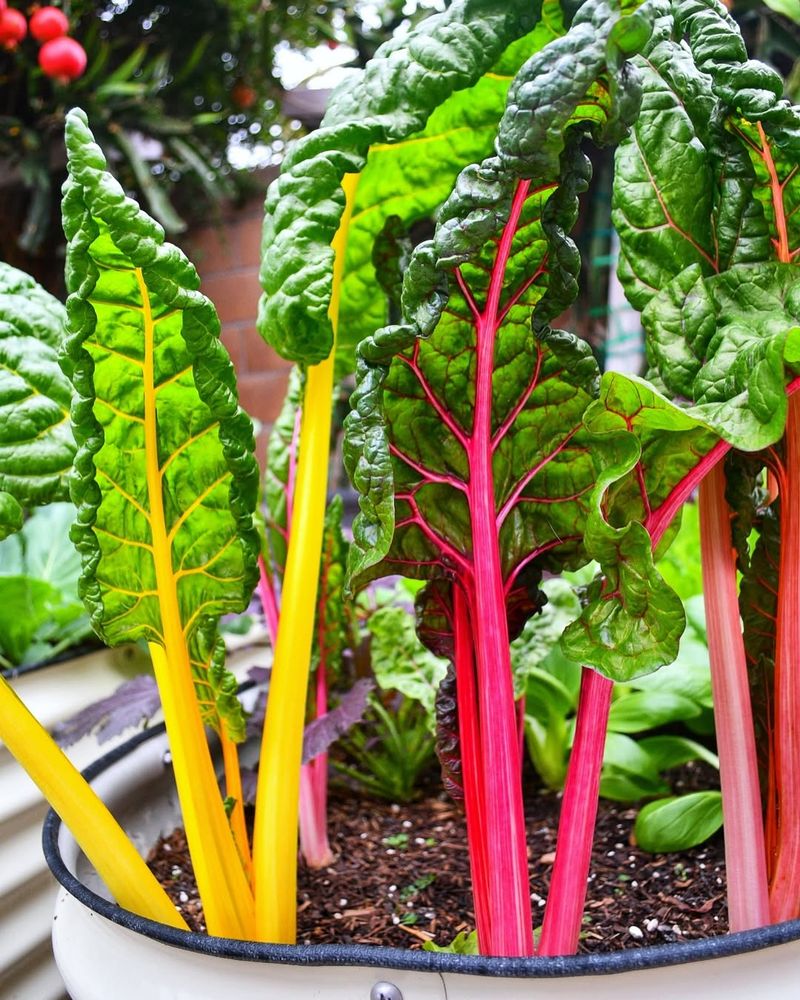
Swiss chard does something most cool-season vegetables cannot — it keeps going when the temperature climbs.
Plant it in a container in early March in Georgia and it will carry you through cool nights, warm afternoons, and right into the edge of summer without much complaint.
That kind of range is genuinely useful when Georgia weather swings unpredictably in spring.
Use a pot that is at least ten inches deep and twelve inches wide. Swiss chard has a moderate root system that needs room to anchor, especially as the plant grows tall and leafy.
Fill the container with a nutrient-rich potting mix and plant seeds about half an inch deep, spacing them four inches apart. Thin seedlings once they are a few inches tall so each plant has room to spread.
Rainbow chard varieties like Bright Lights add visual interest to a porch or patio while also being productive. Harvest outer leaves regularly to keep the center of the plant pushing out new growth.
In Georgia, where spring can shift to warm weather quickly, Swiss chard holds its quality longer than lettuce or spinach under rising temperatures.
Water deeply a few times per week rather than shallow daily watering — deeper moisture encourages stronger root development.
A single container of Swiss chard planted in March can produce fresh greens well into May or even June across much of Georgia.