9 Native Deciduous Trees That Thrive In Georgia Gardens
Planting a tree is a long-term decision, especially in Georgia where heat, humidity, clay soil, and sudden storms test everything you put in the ground.
The wrong choice can struggle for years, but the right native deciduous tree settles in, grows steadily, and becomes a natural part of the landscape.
These trees are not high-maintenance showpieces that need constant adjustment. They are species that already understand Georgia’s seasons, from warm, fast-moving springs to heavy summer air and cooler winter stretches.
They leaf out, provide dependable shade, and drop their leaves right on schedule.
If you want trees that look good and grow with confidence instead of constant correction, native deciduous options are often the smartest place to start.
1. Downy Serviceberry Takes Off Early With White Spring Blooms
Before most trees even think about leafing out, Downy Serviceberry is already putting on a show. Clusters of bright white blossoms appear in late winter to early spring, sometimes while there’s still a chill in the Georgia air.
It’s one of the earliest bloomers in the native plant world, and that early display is genuinely hard to beat.
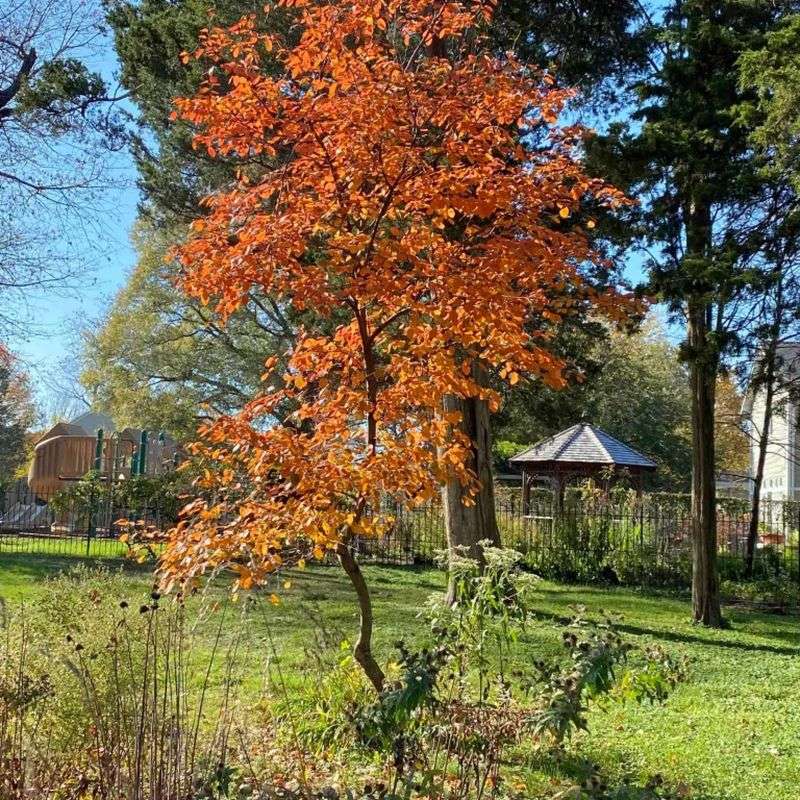
Reaching about 15 to 25 feet tall, it fits comfortably in smaller yards without crowding out everything else. Fall color runs from yellow to deep orange-red, so you get two distinct seasons of visual interest from one tree.
Birds go after the small reddish-purple berries in summer, which makes it a lively spot in the garden.
Plant it in a spot with morning sun and some afternoon shade, especially in the warmer parts of Georgia. It handles average soil well but appreciates decent drainage.
Mulching around the base helps keep moisture consistent through hot Georgia summers. Pairing it near a patio or walkway lets you enjoy those early spring blooms up close without having to walk far.
Prune lightly right after flowering if you need to shape it, since heavy winter pruning can reduce the next season’s blooms.
As a Georgia native, it also supports early pollinators, giving bees an important nectar source when very few other trees are in flower.
2. Florida Maple Brings Reliable Fall Color To Georgia Landscapes
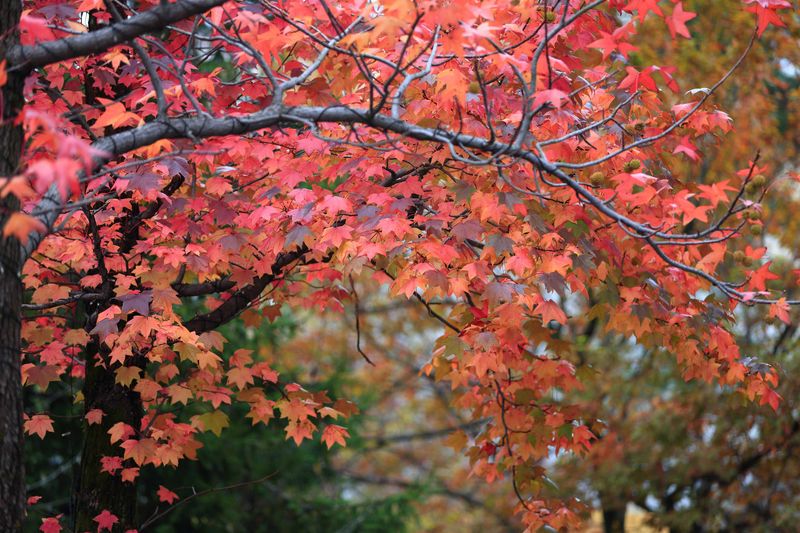
Georgia gardeners in the southern half of the state often struggle to find a maple that actually delivers fall color in the heat. Florida Maple solves that problem.
It’s a smaller, tougher cousin of Sugar Maple, and it handles Georgia’s long, warm seasons without skipping a beat.
Expect the tree to top out around 25 to 40 feet, which is manageable for most residential lots. Come October and November, the leaves shift into shades of yellow, orange, and burnt red — a real payoff after a long growing season.
It’s one of the few trees in Georgia that delivers this kind of color in the lower piedmont and coastal regions.
Full sun to partial shade works well for Florida Maple, and it’s surprisingly adaptable to different soil types, including the sandy loam found across much of south Georgia.
Your Georgia Garden Changes Every Week. Your Plan Should Too.
Gardening in Georgia changes quickly throughout the season. Every Friday you’ll receive a simple weekly plan showing exactly what to plant, prune, fertilize, harvest, and protect so you never miss the right timing.
Water it regularly during its first couple of growing seasons to help the root system get a strong foothold.
Once it’s settled in, it handles dry spells better than most people expect. For homeowners wanting bold fall color without importing a northern tree species, this one earns its spot in the yard.
3. Allegheny Serviceberry Grows Fast In Woodland Settings
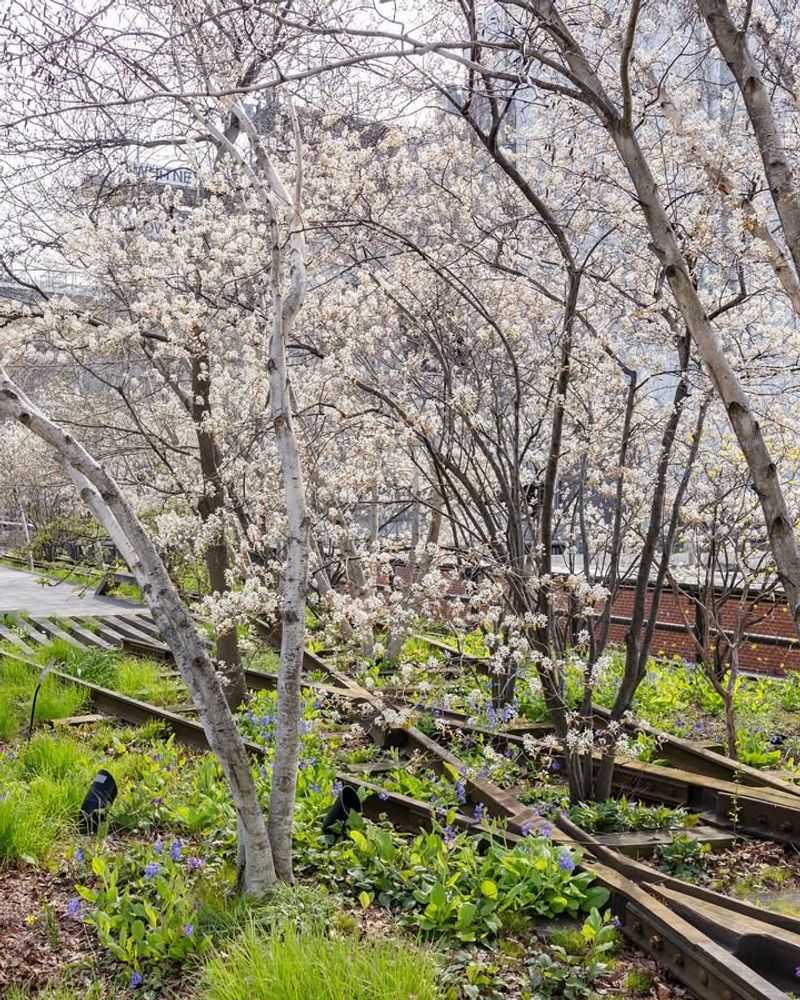
Speed matters when you’re planting a new yard or trying to fill in a bare corner fast. Allegheny Serviceberry grows noticeably quicker than most native understory trees, putting on meaningful height in just a few seasons.
If you’ve got a shady or semi-shaded spot in your Georgia garden, this tree fills it with purpose.
It can reach 20 to 40 feet tall and develops a naturally upright, multi-stemmed form that looks elegant without any pruning. White flower clusters arrive in early spring before the leaves fully open, and the show is brief but striking.
In fall, the foliage turns shades of orange and red that rival more popular ornamental trees.
Woodland edges and naturalized areas across north and central Georgia suit it well. It prefers slightly acidic, well-drained soil — which is exactly what much of the Georgia piedmont offers.
Deer will browse young growth, so some protection may be worth it in rural areas. Birds rely heavily on the small berries that follow the spring flowers, making this tree a functional part of any wildlife-friendly planting.
It rewards patience with a form that gets more beautiful every single year.
Give it enough room from the start, since mature width can spread 15 to 25 feet and crowd nearby plantings if space is tight.
Once established, it handles typical Georgia rainfall well, but a deep soak during extended summer dry spells helps young trees settle in faster and develop stronger root systems.
4. Canadian Serviceberry Handles Moist Georgia Soils
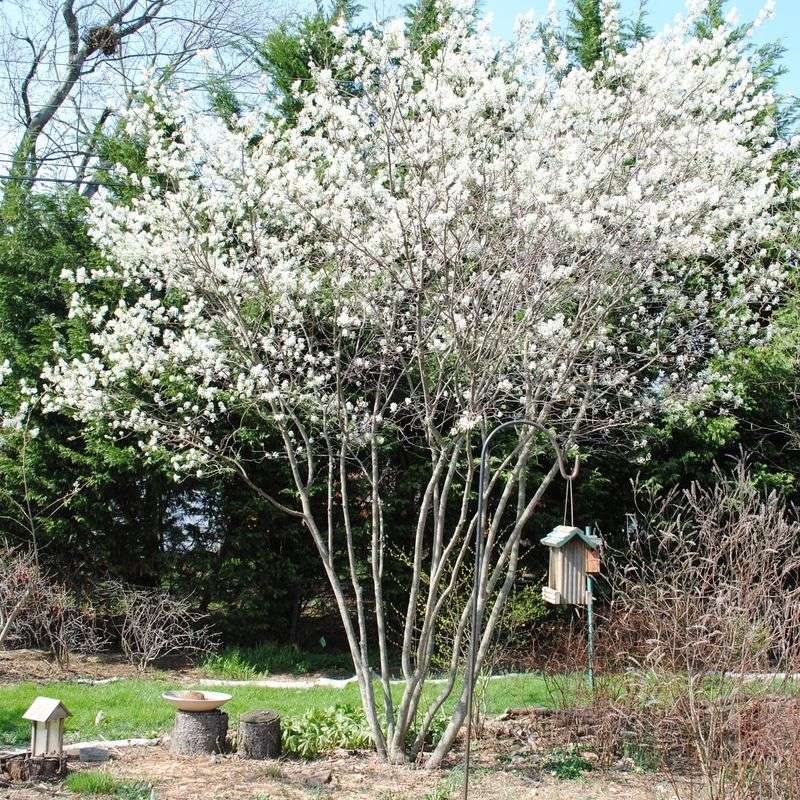
Wet spots in the yard don’t have to stay empty or turn into mud problems. Canadian Serviceberry actually prefers consistently moist soil, making it a smart choice for low-lying areas, rain gardens, or spots near downspouts in Georgia yards.
Most trees struggle in those conditions — this one settles right in.
It typically grows 15 to 25 feet tall with a rounded, multi-stemmed habit that looks natural and relaxed. White flowers pop in early spring, followed by small berries that ripen from red to deep purple by early summer.
Robins, cedar waxwings, and other Georgia songbirds find those berries fast.
Fall color is a pleasant mix of orange and red, giving the tree a second moment of interest after a full growing season. Canadian Serviceberry works well planted in groups along a fence line or property edge where drainage is slow.
It tolerates clay-heavy soil better than most native trees, which is a genuine advantage for gardeners dealing with Georgia’s notoriously heavy red clay.
Pair it with native ferns or river oats underneath to create a layered planting that looks intentional and supports local wildlife at the same time.
5. Sweet Birch Thrives In North Georgia Gardens
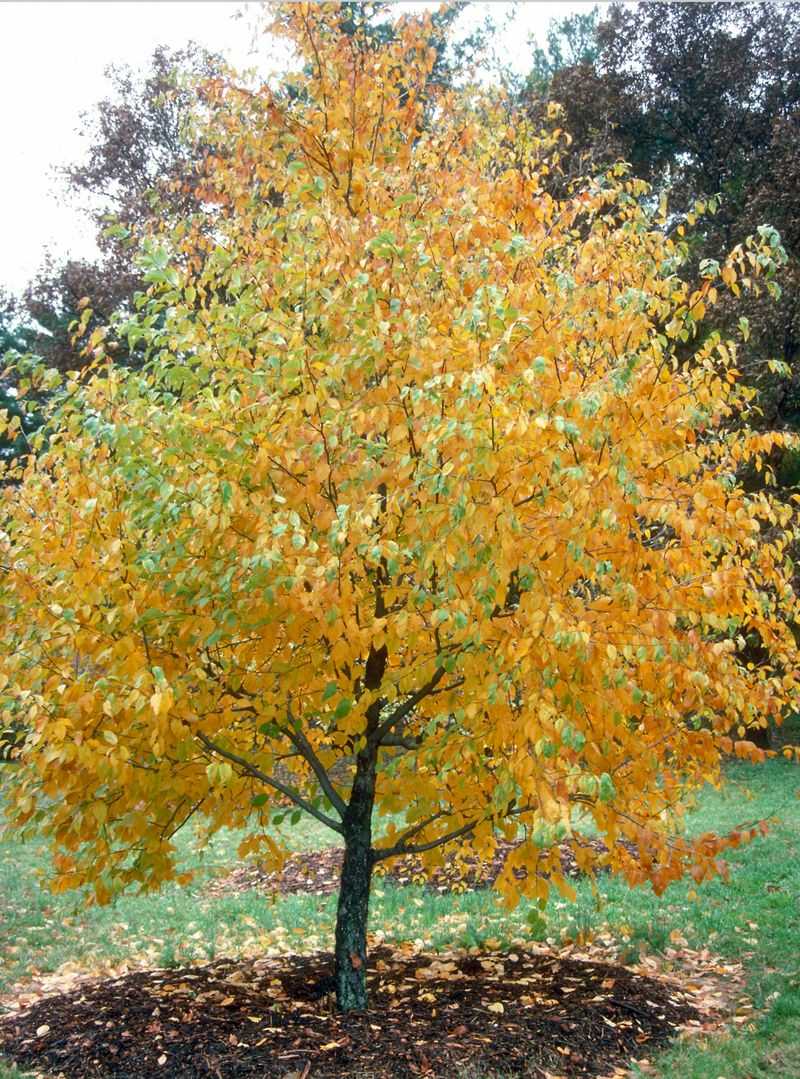
Up in the north Georgia mountains, Sweet Birch is right at home. It’s a tree that loves cooler temps, higher elevations, and the kind of rich, well-drained soil found in the foothills around Blue Ridge and Ellijay.
Gardeners in the Atlanta area and further north have had great results with it too, especially on north-facing slopes where summer heat doesn’t pound the soil as hard.
Dark, almost black bark gives Sweet Birch a distinctive look year-round. Young branches smell like wintergreen when scratched — a fun detail that surprises first-time growers.
It grows to about 40 to 55 feet tall, eventually forming a graceful canopy with fine-textured yellow fall foliage.
It does best in consistently moist, slightly acidic soil and does not handle drought or compacted ground well, so site selection matters. Avoid planting it in open, exposed locations with full afternoon sun in warmer Georgia zones.
A spot with filtered light and some natural leaf litter on the ground mimics its forest habitat and keeps it healthy. For north Georgia homeowners looking for a tree with real presence and a bit of personality, Sweet Birch is worth every bit of the effort.
6. Eastern Redbud Flowers Before Leaves Even Appear
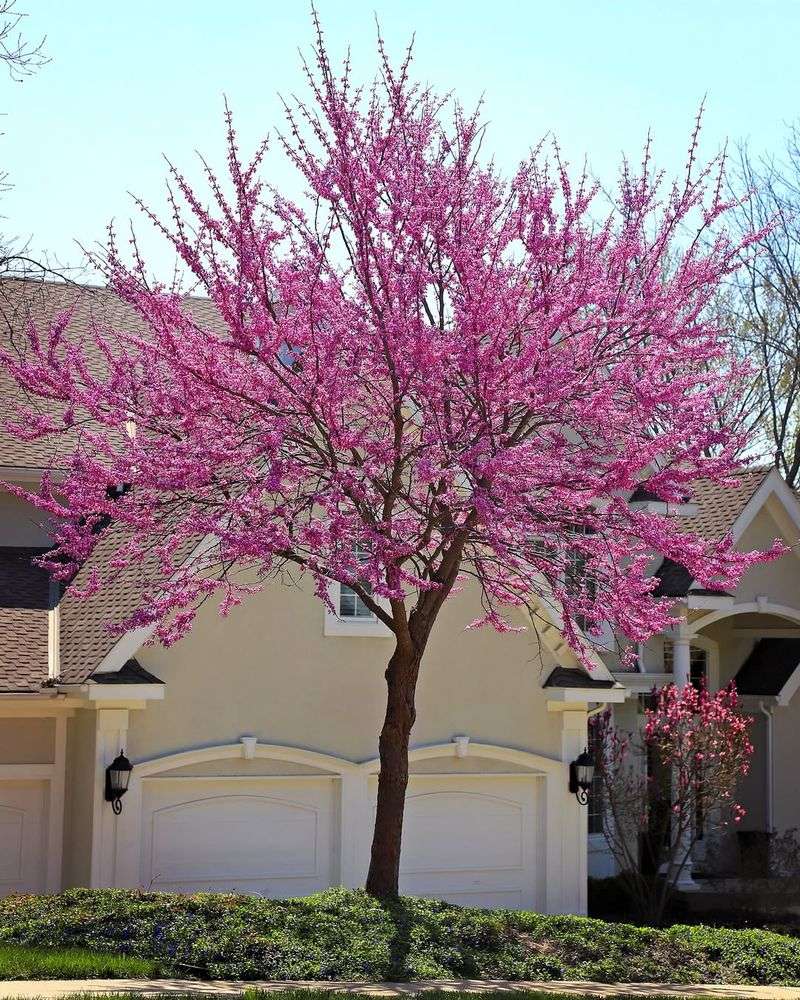
Pink blossoms covering bare branches in late February or early March — that’s Eastern Redbud doing its thing. No leaves, just flowers, straight up the branches and even along the trunk.
It’s one of the most dramatic early-spring moments in any Georgia garden, and it stops people in their tracks every single year.
Eastern Redbud tops out around 20 to 30 feet with a wide, spreading canopy that provides decent shade by midsummer. Heart-shaped leaves emerge after the flowers fade, turning a clean yellow in fall.
It’s a tree that earns attention in three separate seasons without any help from the gardener.
Across Georgia, from Atlanta down to Macon and beyond, Eastern Redbud grows in a wide range of conditions. It tolerates clay soil, handles partial shade, and adapts to both dry and moderately moist spots.
Planting near a dark fence or evergreen background makes the spring bloom pop even harder visually. Pollinators swarm the flowers early in the season when other food sources are still scarce, so it pulls real ecological weight in the yard.
Few trees deliver this much impact in a small footprint.
Young trees benefit from consistent watering during their first year, especially through Georgia’s first hot summer after planting.
Prune only to remove damaged or crossing branches right after flowering, since heavy winter cuts can reduce the intensity of the next spring’s bloom.
7. Blackgum Delivers Strong Structure And Brilliant Fall Color
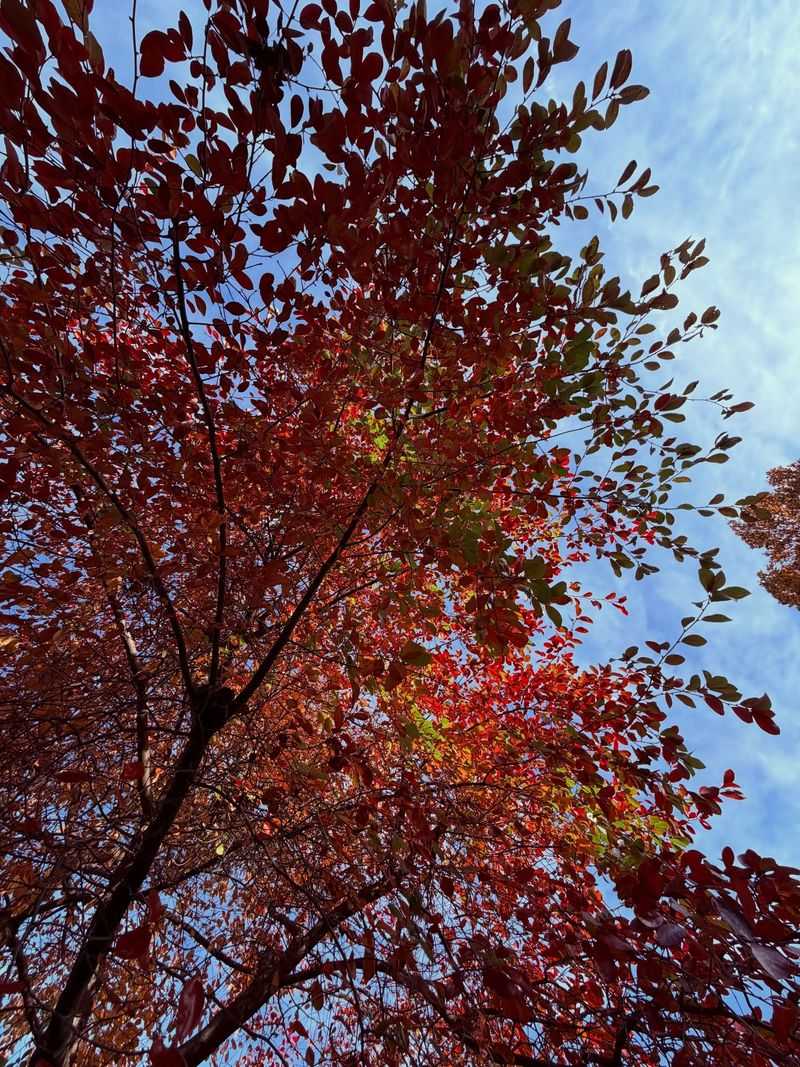
Blackgum might be the most underused native tree in Georgia.
Ask any experienced local gardener and they’ll tell you the fall color on this tree is flat-out spectacular — deep scarlet, glossy red, sometimes a hint of orange, all arriving before most other trees even start to turn.
It’s the kind of color that makes neighbors stop and ask what tree that is.
Beyond fall, Blackgum has a strong horizontal branching structure that looks sculptural in winter. It grows 30 to 50 feet tall and develops a slightly irregular crown as it matures, which adds character rather than looking messy.
Wildlife benefits are real too — small blue-black fruits feed birds from late summer through fall.
Across Georgia’s piedmont and upper coastal plain, Blackgum grows naturally in moist lowlands and well-drained upland sites alike. It adapts well to average garden soils but is not fond of compaction or heavily disturbed ground.
Give it room to develop its natural form without heavy pruning. Planting it where afternoon light hits the canopy in autumn turns those red leaves almost translucent.
For anyone serious about fall color in a Georgia yard, Blackgum belongs near the top of the list.
8. River Birch Handles Georgia’s Heat And Clay Soil
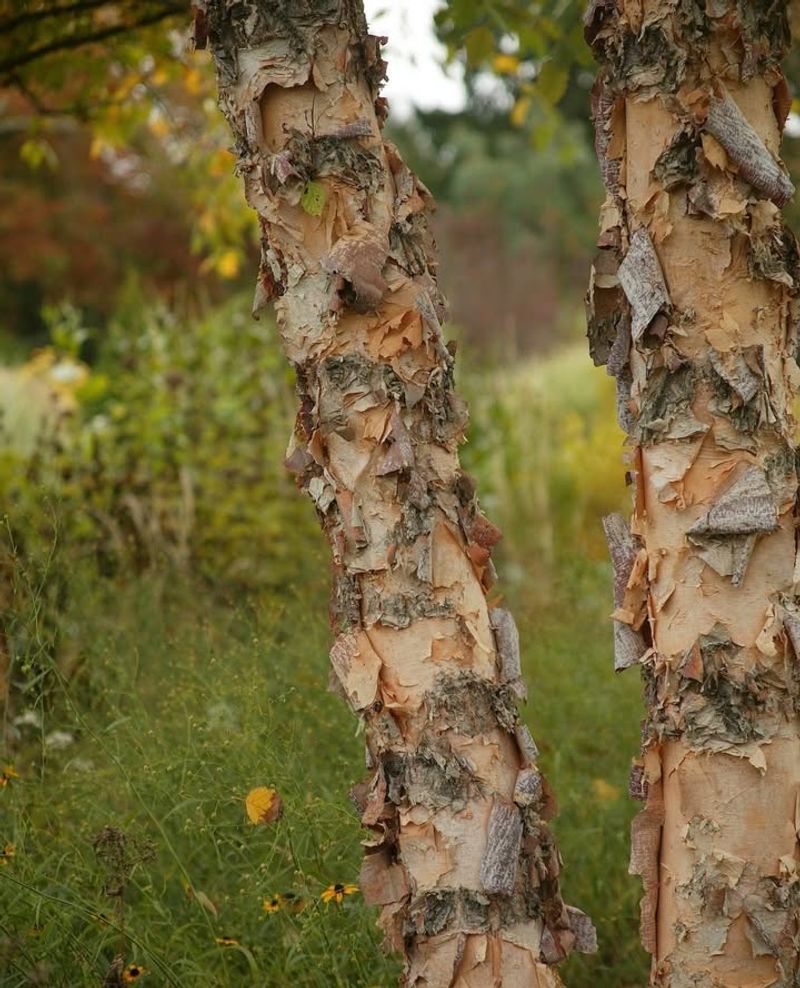
Few trees handle the combination of Georgia heat, clay soil, and occasional flooding as well as River Birch. It’s the kind of tree that belongs in yards where drainage is inconsistent and other trees have failed.
The peeling, cinnamon-colored bark is eye-catching year-round, even when the tree is bare in winter.
River Birch grows fast — sometimes two feet or more per year under good conditions. It reaches 40 to 70 feet tall at maturity, though most garden specimens stay in the 30 to 40-foot range.
Multi-stemmed forms are especially attractive and create a grove-like effect when two or three are planted together.
Across Georgia, from the mountain foothills down through the piedmont, this tree performs consistently. It thrives in full sun and handles wet periods that would stress most other species.
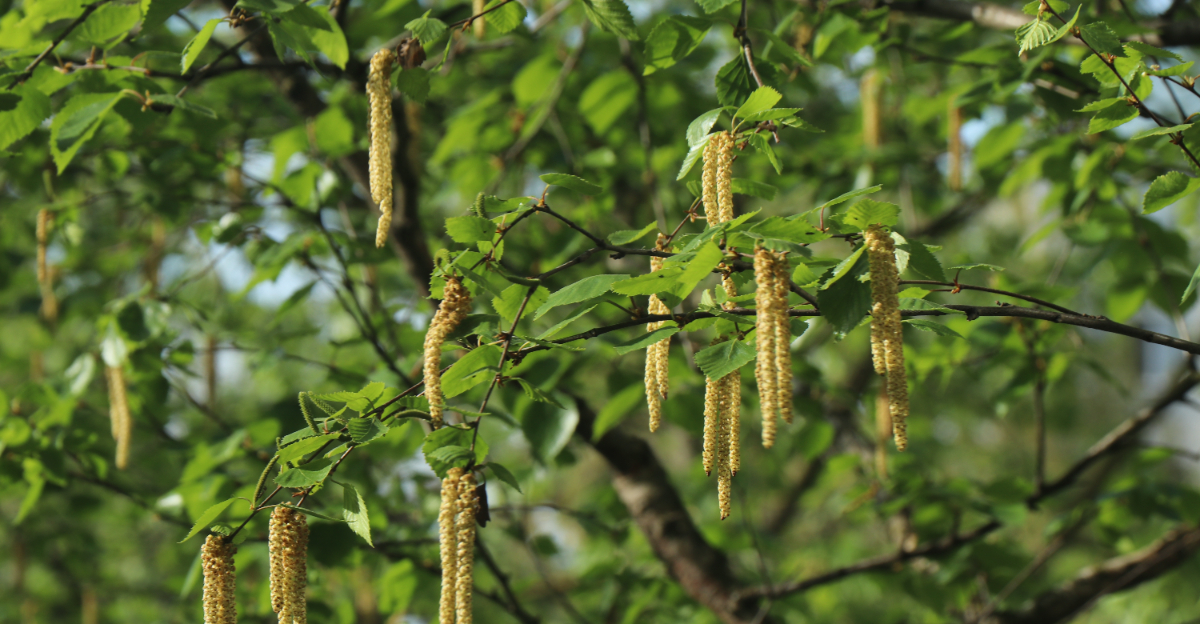
Catkins appear in early spring and add a subtle textural detail before the leaves unfold. Aphids sometimes cluster on new growth, but natural predators usually handle the population without any intervention needed.
For homeowners dealing with soggy corners or heavy red clay in their Georgia yard, River Birch is genuinely one of the most reliable trees available in the native plant palette.
9. American Hornbeam Adds Native Strength To Shaded Areas
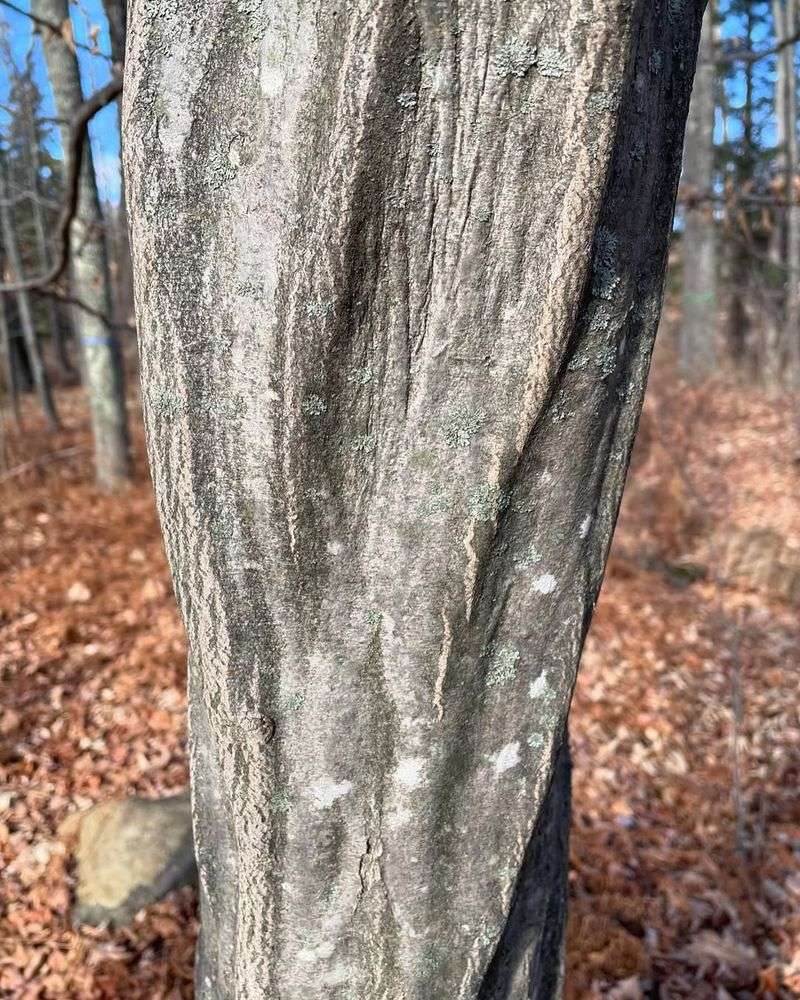
Shady spots in a Georgia yard can feel like a design problem, but American Hornbeam turns them into an opportunity.
Known informally as musclewood for its smooth, sinewy gray bark that looks like flexed muscle, this tree brings real visual texture to areas where most plants struggle to perform.
It’s a slow grower, but what it builds over time is worth it.
Typically reaching 20 to 35 feet, it stays small enough for tight spaces under a canopy or along a shaded fence line. Fall color shifts to yellow, orange, and sometimes red — not flashy, but genuinely warm and pleasant.
Seeds and catkins feed a variety of birds and small mammals through fall and into winter.
American Hornbeam grows naturally along stream banks and in forest understories across Georgia, which tells you exactly what it needs: moisture, shade, and acidic soil. It handles heavy clay reasonably well as long as drainage isn’t completely blocked.
Root disturbance during planting should be minimized — give it a wide, shallow hole and backfill carefully.
For Georgia gardeners building a layered native planting under larger oaks or pines, American Hornbeam fills the middle story with structure, wildlife value, and steady quiet beauty.