8 Border Plants That Thrive In Georgia Yards With Little Care
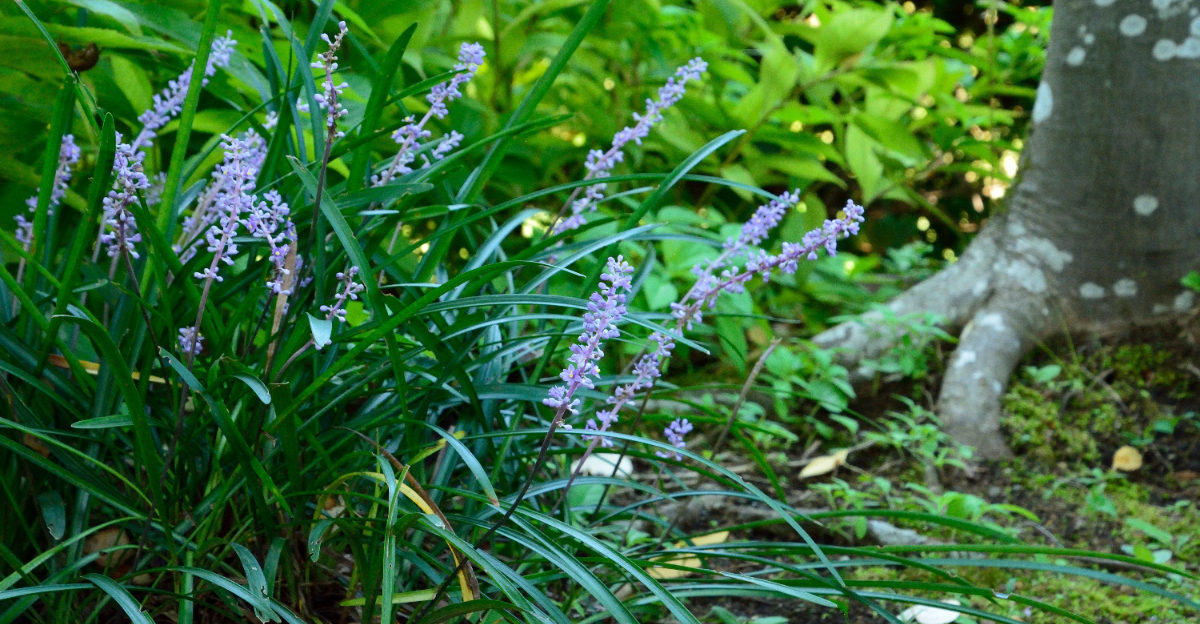
Edges of a garden can make or break how the whole space looks, and in Georgia those border areas often need more attention than expected. Plants can thin out, lose shape, or struggle to keep a clean line once heat and humidity settle in.
A strong border does more than fill space. It frames the yard, keeps everything looking organized, and holds that structure without constant trimming or replacement.
Some plants handle those conditions far better than others. They stay full, keep their shape, and continue to look good even when care stays minimal.
Choosing the right border plants can turn a high maintenance edge into something that holds steady and keeps the entire yard looking put together through the season.
1. Daylilies Grow Strong With Very Little Care
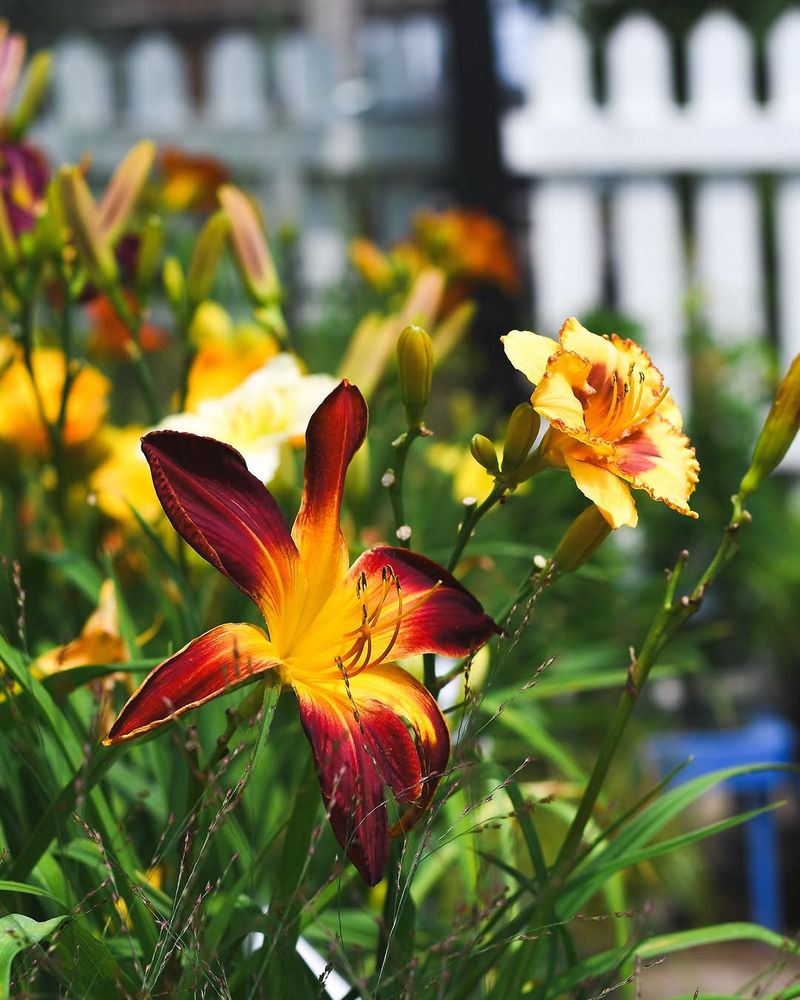
Daylilies have been growing in Southern yards for generations, and there is a practical reason for that. They spread on their own, come back every spring, and bloom reliably through some of the hottest weeks of the year.
A clump planted in the right spot will look better five years from now than it does today.
Full sun is where they perform best in Georgia, though they can tolerate a few hours of afternoon shade without much trouble. The blooms only last a single day each, but a healthy clump produces so many buds that the show continues for several weeks straight.
Orange, yellow, red, and peach are all common colors, and mixing varieties gives a border more visual range.
Watering during dry spells in the first summer helps roots get established. After that, daylilies are remarkably self-sufficient and rarely need supplemental irrigation except during extended drought.
Dividing crowded clumps every few years keeps them blooming well — when they get too thick, flower production tends to drop off noticeably. Late fall is a good time to cut back the foliage in Georgia yards so the beds look clean heading into winter.
Deer occasionally browse on them, so if deer pressure is high in your area, planting near the house or using a repellent spray during peak seasons can help protect new growth.
2. Liriope Handles Shade And Dry Soil Easily
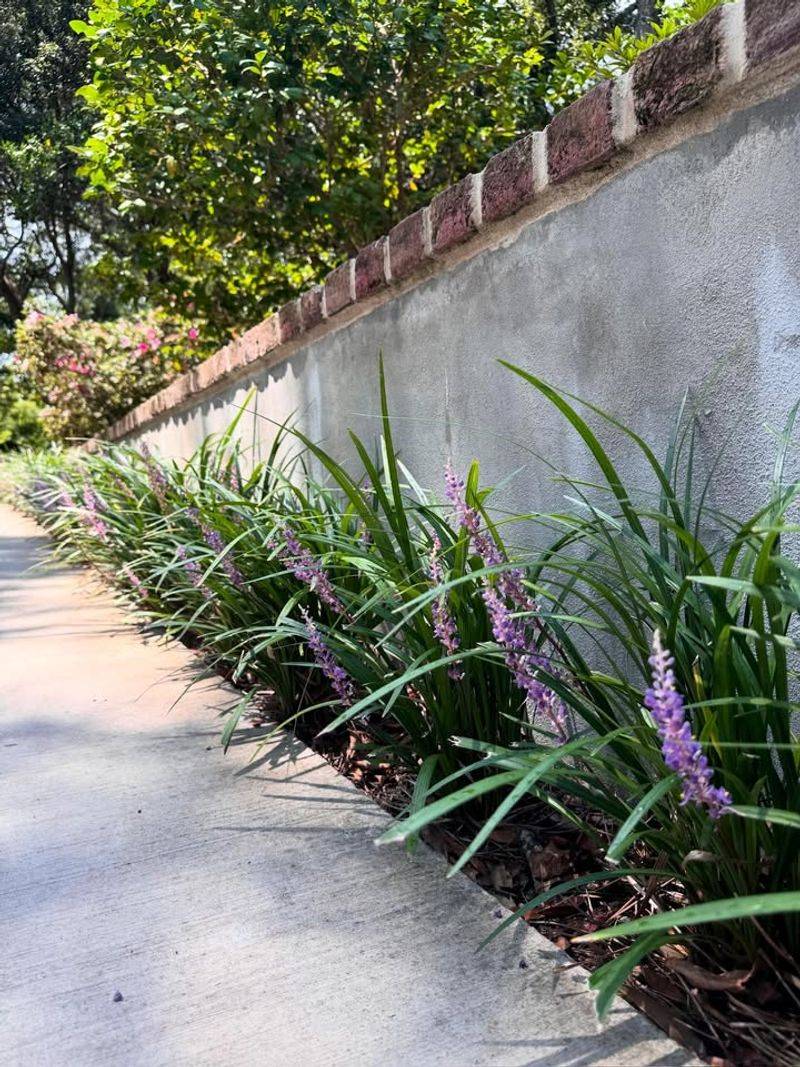
Liriope is one of those plants that just keeps going no matter what you throw at it. Dry stretches in August, deep shade under oak trees, compacted red clay — it handles all of it without looking rough.
In Georgia yards where other plants give up under big trees, liriope fills in and holds its ground.
Purple flower spikes appear in late summer, usually around August or September, rising up above the dark green foliage. They are not flashy, but they add a clean, finished look to shaded borders that can otherwise feel bare.
After the flowers fade, small dark berries follow and birds will occasionally pick them off.
Spacing plants about a foot apart gives them room to spread slowly over a couple of seasons. A light trim in late winter before new growth starts keeps the clumps looking tidy without a lot of effort.
Your Georgia Garden Changes Every Week. Your Plan Should Too.
Gardening in Georgia changes quickly throughout the season. Every Friday you’ll receive a simple weekly plan showing exactly what to plant, prune, fertilize, harvest, and protect so you never miss the right timing.
You can use a string trimmer set low to cut back older foliage before spring flushes out. Liriope rarely needs fertilizer in Georgia — the soil usually has enough nutrients to keep it going.
It also holds slopes and edges well, making it useful anywhere you need a border that stays in place. Few plants in the Southeast are this dependable along shaded walkways and foundation edges.
3. Black Eyed Susan Brings Color With Minimal Effort
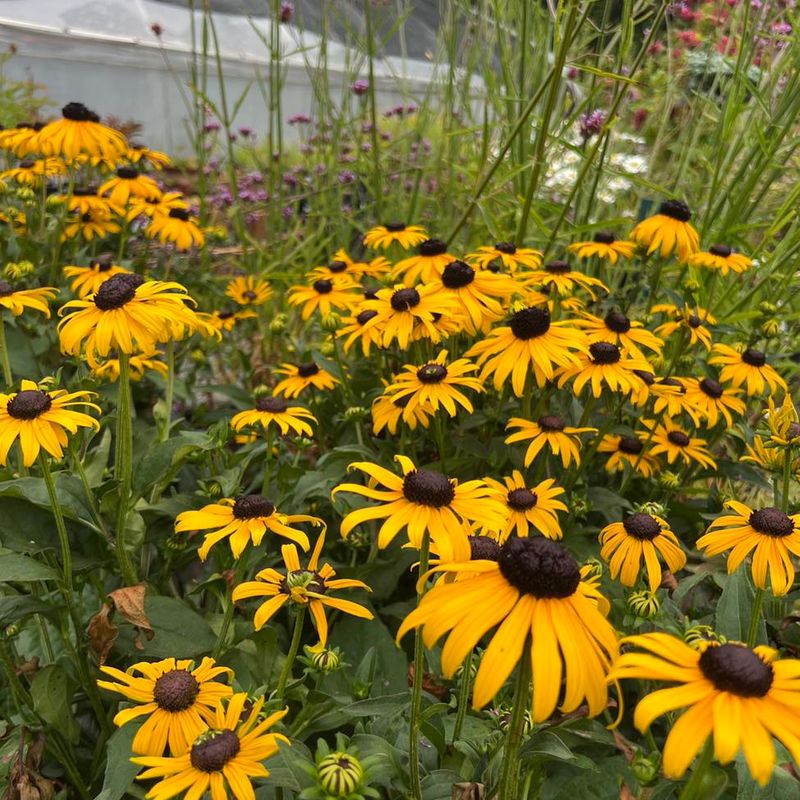
Few wildflowers make a border pop in summer the way black-eyed Susans do. Those golden-yellow petals surrounding a dark chocolate center are hard to miss, and they bloom from June well into September across most of Georgia.
Pollinators absolutely work these flowers — bees, butterflies, and skippers show up in steady numbers throughout the bloom season.
Sandy or average soil actually suits them better than rich, heavily amended beds. Too much nitrogen and they push lots of leafy growth but fewer flowers.
Planting them in a spot with good drainage and at least six hours of direct sun is the main thing that sets them up for a strong season.
Black-eyed Susans are technically short-lived perennials, but they self-seed reliably enough that a planting tends to persist and even expand over time.
Letting some seed heads stay on the plants through fall and winter encourages natural reseeding and also gives birds a food source when not much else is available.
Deadheading spent blooms during peak season extends flowering noticeably. In Georgia’s Piedmont and coastal plain regions, these plants handle summer heat without much stress.
They mix well with coneflowers and coreopsis in a sunny border, creating a layered look that stays colorful for months. Starting from transplants rather than seed gives you faster results in the first season.
4. Coneflower Thrives In Heat And Poor Soil
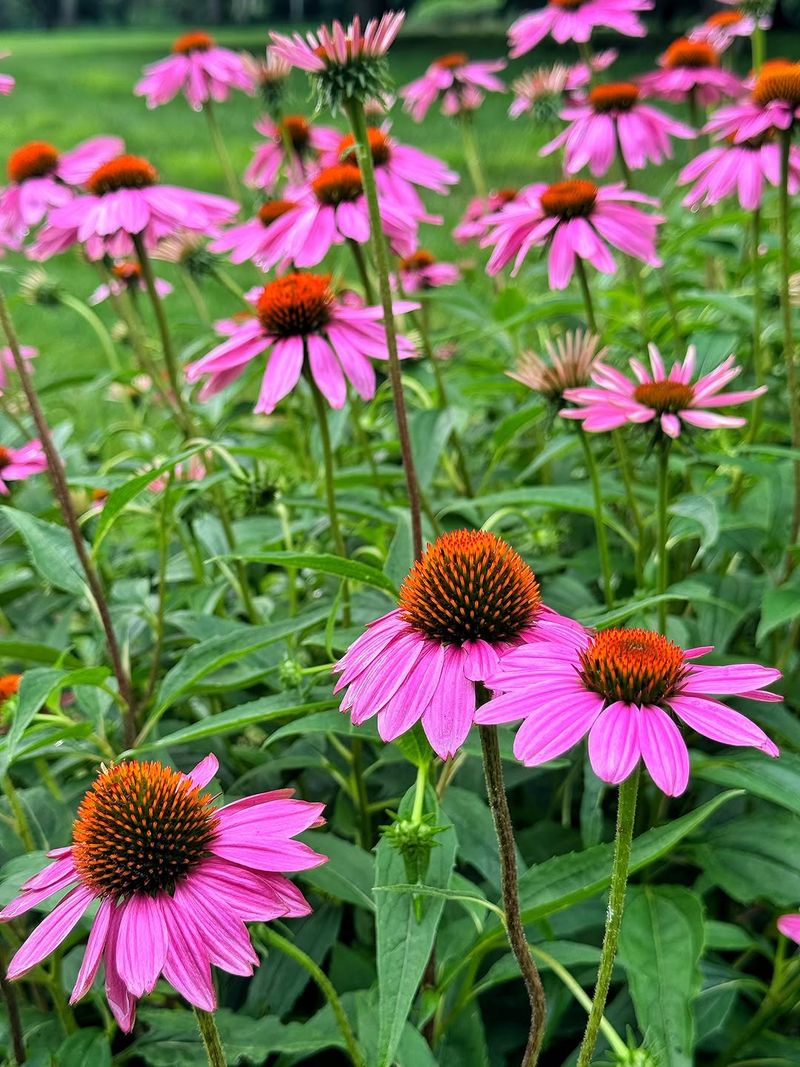
Purple coneflower is one of the toughest perennials you can put in a Georgia border. It handles heat, handles drought, and handles soil that most other flowering plants would struggle in.
Rocky ground, red clay with poor drainage, full afternoon sun — coneflowers manage it all without looking battered.
Blooms appear from late June through August, with rosy-purple petals surrounding a spiky, cone-shaped center that turns deep orange as it matures.
The color holds up well even during the hottest stretches of summer, which is not something every flowering plant can claim.
Butterflies and native bees are frequent visitors, and goldfinches will pick at the seed heads once fall arrives.
Coneflowers spread gradually over the years, both by root division and by self-seeding nearby. If you want to keep the planting tidy, remove spent blooms before seeds drop.
If you want it to naturalize and spread, leave the seed heads standing through winter — birds benefit and you get new plants at no cost. Dividing clumps every three to four years keeps them productive and prevents overcrowding.
A little compost worked into the planting hole at the start gives roots a boost, but heavy fertilizing is not necessary and can actually reduce flowering.
In Georgia, these plants are a reliable anchor for mixed perennial borders that need color through the hottest part of the year.
5. Coreopsis Blooms Reliably Without Much Attention
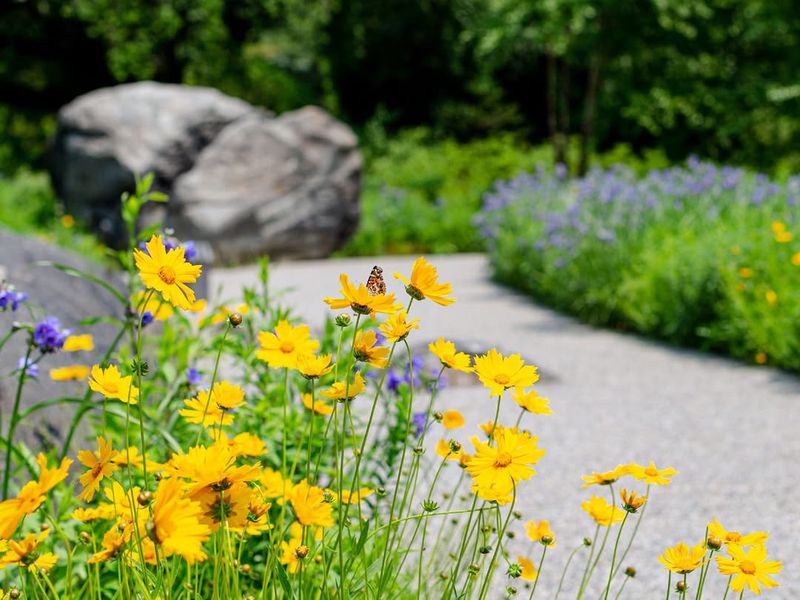
Coreopsis puts out more flowers per square foot than almost anything else you can plant in a sunny Georgia border. The cheerful yellow blooms just keep coming from late spring through summer, and the plant stays compact and tidy without much intervention.
It does not spread aggressively or flop over the way some perennials do.
Well-drained soil matters more than soil richness with coreopsis. Wet feet during Georgia’s rainy spring periods can cause crown rot, so raised beds or slopes with good drainage are ideal spots.
Once the soil drains well and sun exposure is strong, these plants ask for very little else.
Shearing the whole plant back by about a third after the first big flush of blooms encourages a second round of flowering later in summer. It takes maybe five minutes with a pair of hand shears and makes a real difference in how long the plant stays attractive.
In Georgia’s hotter southern counties, some afternoon shade can extend the blooming period slightly. Threadleaf varieties like Zagreb or Moonbeam tend to handle summer heat better than coarser-leafed types and hold their shape well through August.
Coreopsis also works nicely at the front of a border because it stays low — usually under two feet — and does not block shorter plants behind it. Pollinators visit the flowers regularly, which adds extra life to the garden during peak season.
6. Salvia Handles Heat And Drought Well
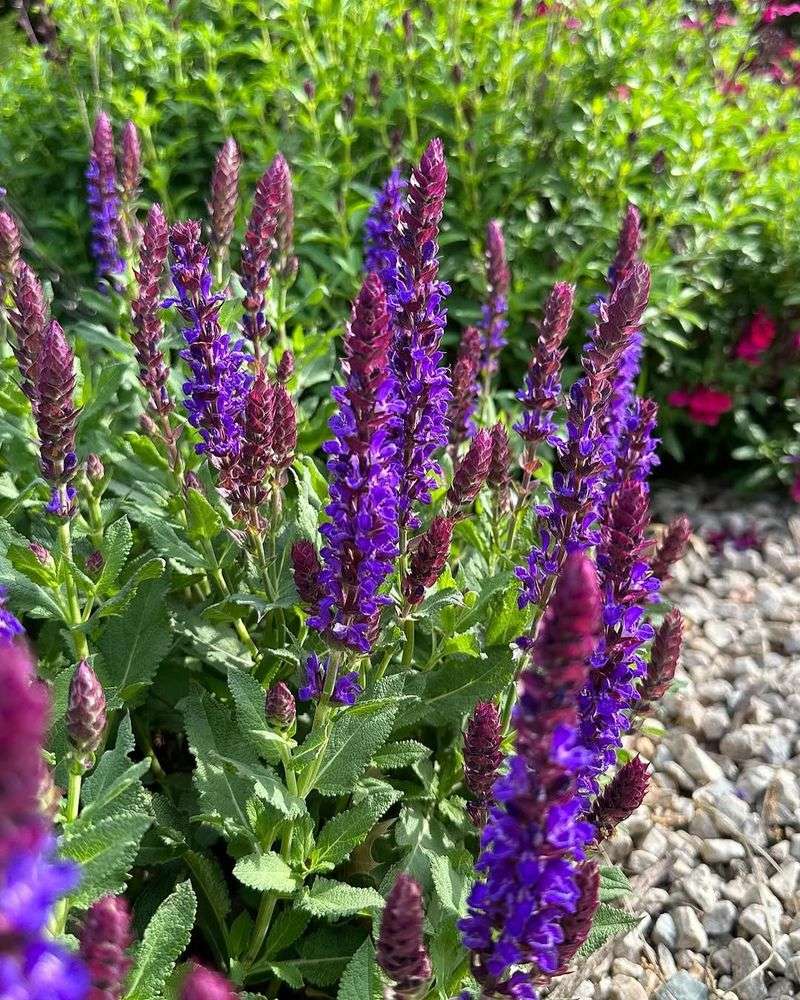
Salvia is one of those plants that looks like it belongs in a professionally managed garden but requires almost none of the work that implies.
Tall spikes of purple or blue flowers rise above the foliage and hold their color well even through stretches of dry, hot weather that are common across Georgia from July onward.
Hummingbirds are drawn to salvia flowers, and bees work the blooms steadily throughout the season. Planting it where you can see it from a window or patio makes those visits easy to enjoy.
Full sun and soil that does not stay soggy after rain are the two conditions that matter most for strong performance.
Cutting salvia back hard after the first bloom cycle often triggers a second flush of flowers later in summer. Some Georgia gardeners cut it back by half in mid-July and see new blooms by late August.
It does not always rebloom as heavily as the first round, but even a partial second flush extends the season noticeably.
Salvia nemorosa and its cultivars tend to be shorter-lived perennials in the Deep South compared to cooler climates, so some plants may need replacing after two or three years.
Keeping a few extra plants started from divisions or cuttings ensures you always have replacements ready. Mulching around the base in summer helps retain soil moisture during dry spells and keeps roots cooler on the hottest days.
7. Gaura Thrives In Heat With Little Water
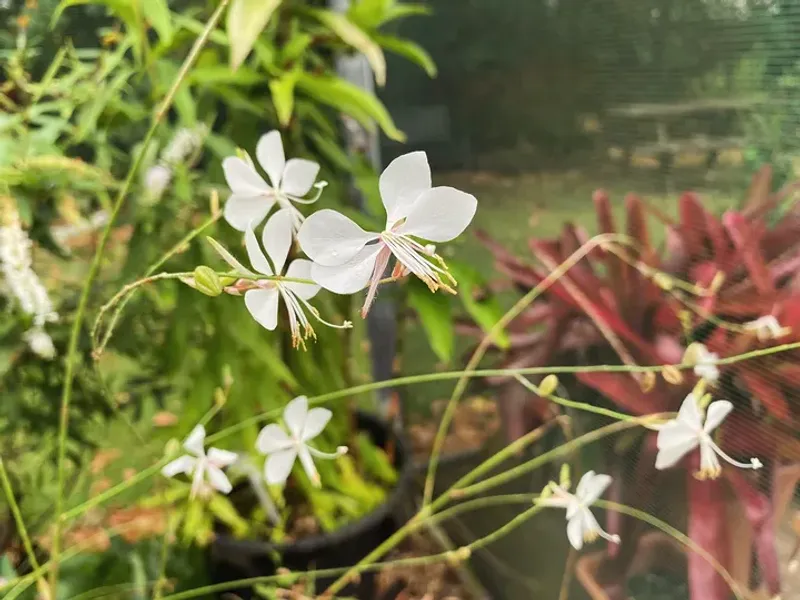
Gaura has a look unlike most other border plants — tall, wiry stems carry small white or pale pink flowers that flutter in the slightest breeze, giving the planting a light, airy feel that heavier perennials cannot replicate.
It blooms for months at a stretch and holds up through Georgia’s summer heat without much fuss.
Sandy or gravelly soil suits gaura well, and it genuinely performs better in lean conditions than in rich, heavily watered beds. Overwatering or poorly drained soil is the main thing that causes problems with this plant.
In Georgia’s red clay areas, working in some coarse sand or planting on a slight slope improves drainage enough to make a real difference.
Gaura grows two to four feet tall and works well in the middle or back of a border where its height adds visual interest without blocking shorter plants. Cutting it back by a third in midsummer refreshes the plant and often extends the bloom season into fall.
In northern Georgia, gaura reliably returns each spring. In the warmer, southern parts of the state, it sometimes behaves more like a biennial and may need replanting every couple of years.
It self-seeds moderately, so some new plants tend to appear on their own near the original planting. Butterflies and small native bees visit the flowers regularly, adding movement and life to the border through the hottest part of the season.
8. Muhly Grass Adds Texture With Minimal Care
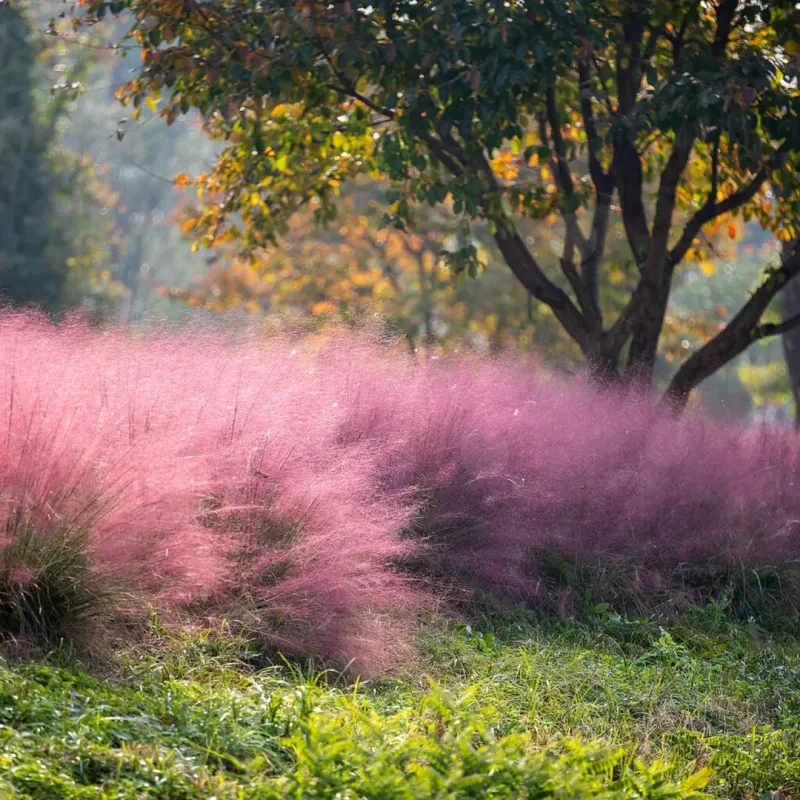
Nothing in a fall Georgia border turns heads quite like muhly grass in full bloom. From late September through November, the plants erupt in a haze of pink-purple, feathery plumes that catch the light and shift with the wind.
It is a dramatic seasonal display that requires almost no effort to achieve.
During the rest of the growing season, muhly grass stays as a tidy, dark green clump of fine-textured foliage. It is not particularly showy until fall, but it holds its form cleanly and does not spread into neighboring plants or flop over in summer rain.
That steady, quiet presence through spring and summer makes the fall color burst feel even more striking by contrast.
Full sun and well-drained soil are the main requirements. Muhly grass handles Georgia’s summer heat and humidity without stress, and it tolerates drought better than most ornamental grasses once its roots are settled in.
Cutting the whole clump back to about four to six inches in late winter before new growth starts keeps it looking fresh season after season. Dividing older clumps every four or five years is optional but can reinvigorate plants that start to look thin in the center.
Muhly grass works particularly well planted in groups of three or more — the massed effect of the fall plumes is far more impressive than a single plant alone. It pairs naturally with coneflower, black-eyed Susan, and coreopsis in a Georgia perennial border.