The 9 Best Native Oregon Plants That Naturally Suppress Weeds
If you are tired of constantly pulling weeds, Oregon’s native plants might be your new secret weapon. The right species do more than look beautiful.
They spread, shade the soil, and crowd out unwanted growth in a way that feels almost effortless once they are established.
Weeds thrive in bare, disturbed soil. Many native plants evolved to fill space quickly, forming dense root systems and leafy canopies that leave very little room for invaders to take hold.
As a bonus, these plants are already adapted to Oregon’s rainy winters and dry summers, which means they tend to require less water and fuss than many ornamental imports.
Instead of battling weeds all season long, you can design a landscape that does some of the work for you. With thoughtful plant choices, your garden can become fuller, more resilient, and far less dependent on constant weeding.
1. Cascade Oregon Grape (Mahonia nervosa)
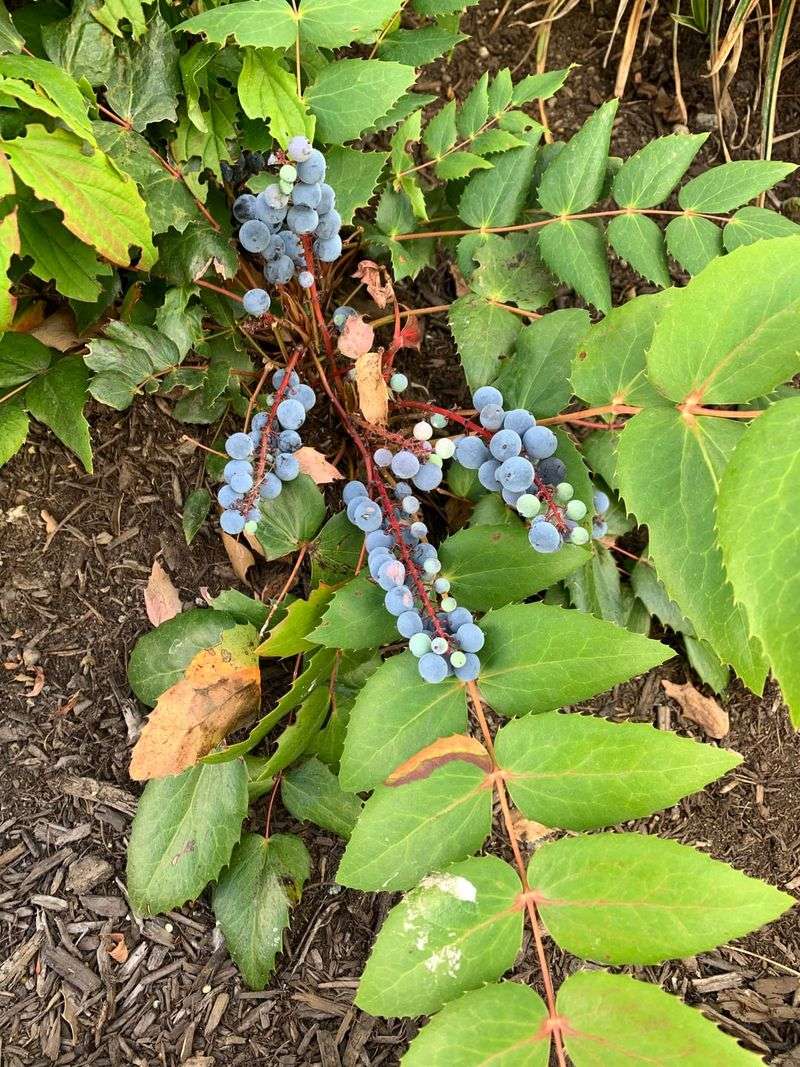
Walk through almost any shaded forest in western Oregon and you will likely spot this tough, low-growing plant hugging the ground beneath towering conifers. Cascade Oregon Grape is a native evergreen shrub that stays relatively short, usually reaching about two feet tall.
Its glossy, dark green leaves look a lot like holly, which makes it both ornamental and functional in a home garden.
What makes this plant such a fantastic weed suppressor is how densely it grows. Once established, it forms a thick mat that blocks sunlight from reaching the soil below.
Weeds simply cannot get the light they need to sprout and grow. It spreads slowly but steadily through underground stems called rhizomes, eventually covering large areas with very little help from you.
Cascade Oregon Grape also produces cheerful yellow flowers in spring, followed by clusters of blue-purple berries that birds absolutely love. It thrives in shade and dry conditions, which makes it perfect for those tricky spots under trees where grass refuses to grow.
Plant it in well-drained soil with some organic matter mixed in. Water it regularly during its first season, and after that, it can handle Oregon’s dry summers with minimal irrigation.
It truly earns its spot in any Pacific Northwest garden.
2. Beach Strawberry (Fragaria chiloensis)
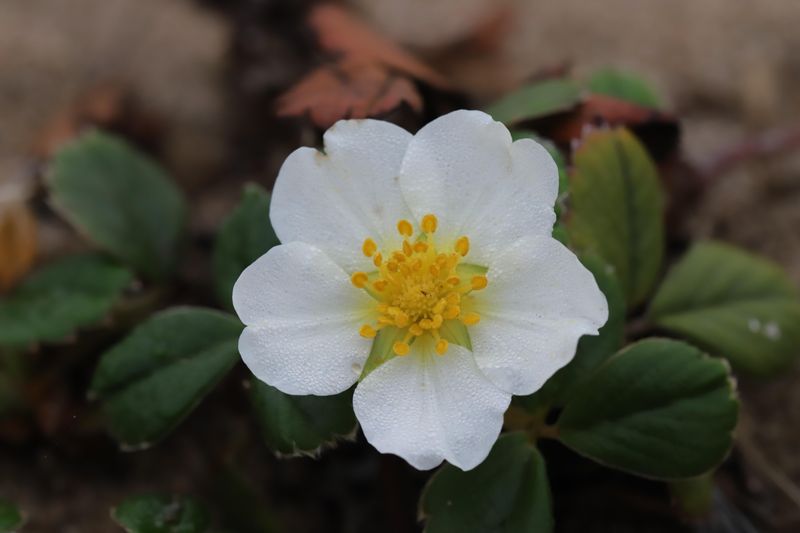
Few native plants are as charming and hardworking as Beach Strawberry. Native to the Oregon coast and found naturally along sandy beaches and coastal bluffs, this low-growing plant sends out runners that spread quickly across the ground.
Those runners root wherever they touch soil, creating a dense, weed-smothering carpet that is both beautiful and practical.
Beach Strawberry grows only about three to six inches tall, which makes it an ideal ground cover for open, sunny spots in your yard. Its dark, glossy leaves stay green through most of the year.
In spring, small white flowers appear, followed by tiny but tasty red strawberries that wildlife enjoy. The dense mat it forms leaves almost no room for weeds to sneak through.
One of the best things about this plant is how well it handles foot traffic. It can bounce back after being stepped on, which makes it a smart choice for pathways or areas where kids and pets play.
Your Oregon Garden Changes Every Week. Your Plan Should Too.
Gardening in Oregon changes quickly throughout the season. Every Friday you’ll receive a simple weekly plan showing exactly what to plant, prune, fertilize, harvest, and protect so you never miss the right timing.
Plant it in full sun and well-drained soil for the best results. Along the Oregon coast and in western Oregon valleys, it performs especially well.
Water it during the first growing season, and once it is established, it becomes surprisingly drought-tolerant and nearly maintenance-free.
3. Salal (Gaultheria shallon)
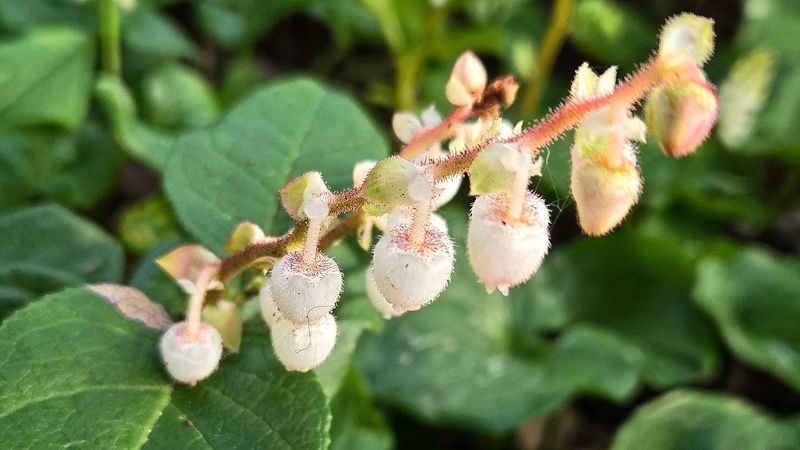
If you have ever hiked through a dense Oregon forest, you have definitely brushed past Salal. It is one of the most common native shrubs in the Pacific Northwest, and for good reason.
Salal is incredibly tough, adaptable, and forms such a thick canopy of leathery leaves that weeds simply cannot compete beneath it.
Salal can grow anywhere from one foot to eight feet tall depending on the conditions. In shady spots it tends to stay shorter and spread more horizontally, creating a lush, weed-blocking ground cover.
In sunnier areas it grows taller and bushier. Either way, its large, waxy leaves overlap generously, shutting out light and preventing weed seeds from germinating in the soil below.
Beyond weed control, Salal is a standout ornamental plant. It produces delicate pink or white bell-shaped flowers in late spring, which are followed by dark purple berries that birds and other wildlife eagerly snack on.
Indigenous communities in Oregon have used Salal berries as a food source for centuries. Plant Salal in partial to full shade with moist, acidic soil for best results.
It is remarkably low-maintenance once established and can handle Oregon’s rainy winters and dry summers without much fuss. It is a true Pacific Northwest workhorse.
4. Common Yarrow (Achillea millefolium)
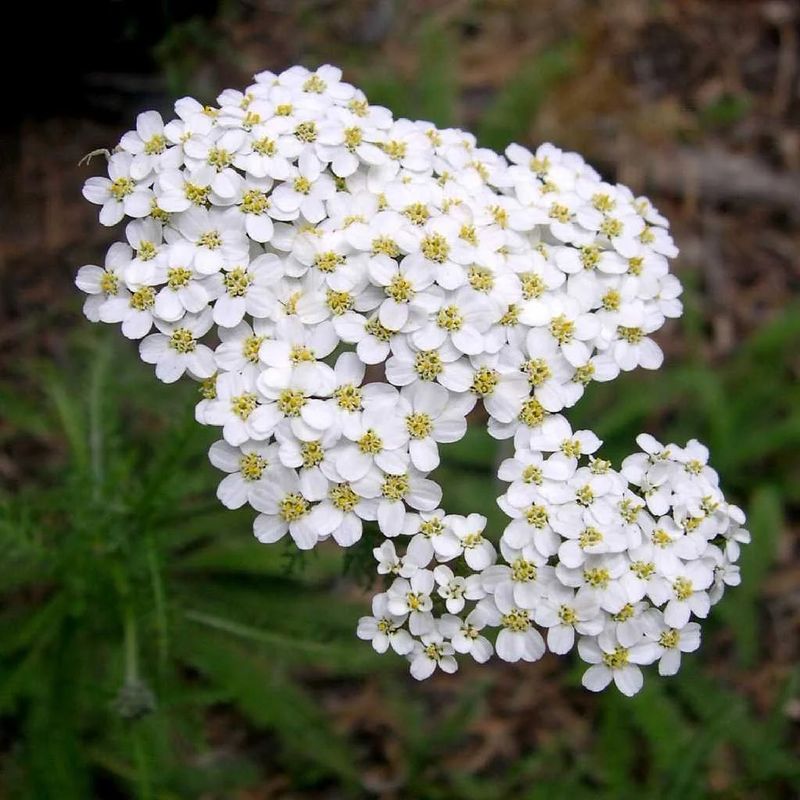
Ancient soldiers reportedly packed yarrow leaves into wounds to slow bleeding, and this plant has been valued for thousands of years across cultures worldwide.
Common Yarrow is native to Oregon and thrives in sunny, open areas like meadows, roadsides, and dry hillsides.
Its feathery, fern-like leaves form a dense, low mat that crowds out weeds before they ever get a foothold.
Yarrow spreads both by seed and through underground roots called rhizomes. This dual spreading strategy makes it one of the most effective weed suppressors among native Oregon plants.
Once a patch of yarrow is established, it fills in quickly and leaves very little bare soil for weeds to colonize.
The flat-topped clusters of tiny white or pale pink flowers attract pollinators like bees and butterflies, adding life and color to your garden from late spring through summer.
Another reason gardeners across Oregon love yarrow is its toughness. It handles poor soil, drought, and full sun without complaint.
It even tolerates some foot traffic, making it useful along paths or in open lawn areas where you want to reduce mowing. Plant it in well-drained soil and give it a bit of space to spread.
Within a couple of seasons, it will reward you with a beautiful, weed-resistant patch that practically takes care of itself.
5. Common Snowberry (Symphoricarpos albus)
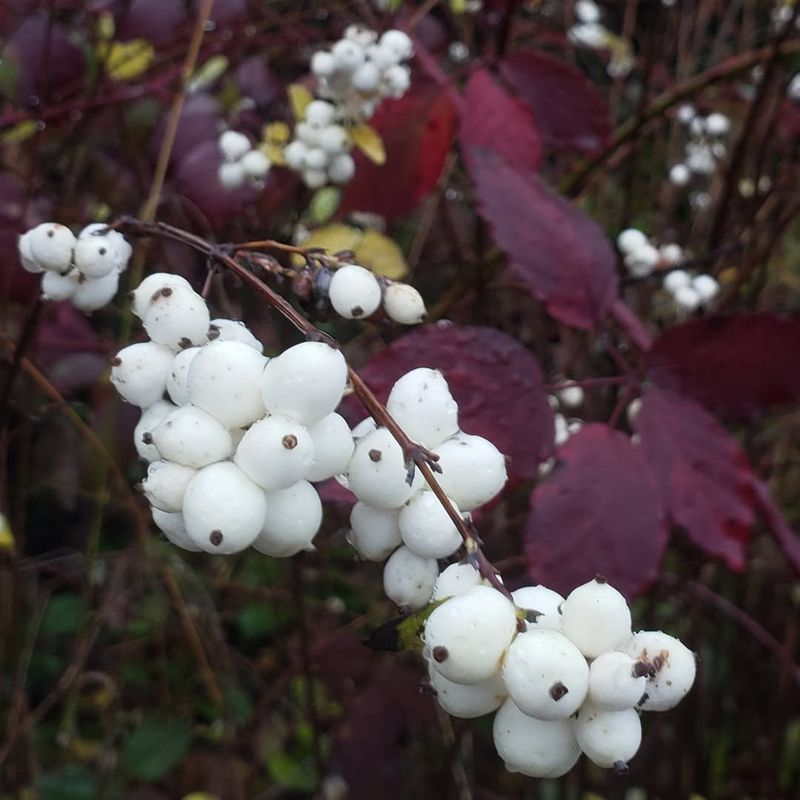
There is something almost magical about a shrub that produces clusters of bright white berries so perfectly round they look like little snowballs.
Common Snowberry is a native Oregon shrub that brings that whimsical charm while quietly doing serious work in the garden.
It is a spreader by nature, sending out underground suckers that gradually expand its footprint and create a dense thicket that weeds struggle to penetrate.
Snowberry grows well in a wide range of conditions. It tolerates shade, full sun, dry soil, and even clay-heavy ground that many other plants refuse to grow in.
This adaptability makes it one of the most versatile weed-suppressing native plants in Oregon. Once established, it forms a shrubby mass that shades the soil heavily, blocking weed growth naturally without any chemicals or extra effort on your part.
The plant reaches about three to six feet tall and produces small pink flowers in early summer that pollinators visit regularly. The white berries that follow are a favorite food source for birds through fall and winter.
While the berries are not safe for people to eat, they add beautiful visual interest to the landscape. Snowberry works especially well along fence lines, woodland edges, or slopes where erosion and weeds tend to be ongoing challenges in the Pacific Northwest.
6. Fringecup (Tellima grandiflora)
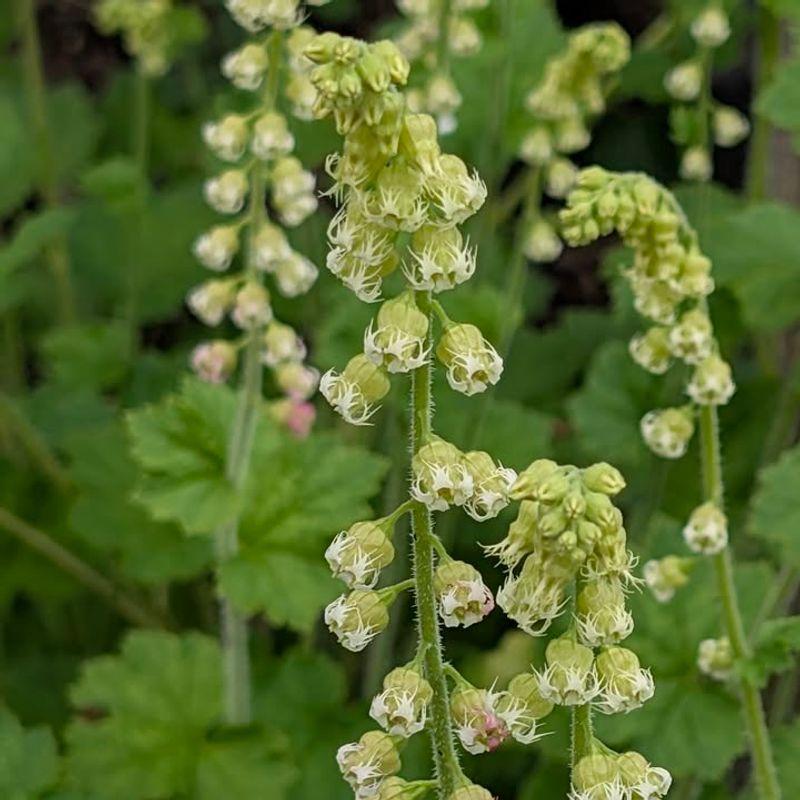
Not every weed-suppressing plant needs to be big and bold. Fringecup proves that sometimes the most effective garden helpers are the quiet, elegant ones.
Native to moist forests and stream banks across Oregon, this perennial forms wide, leafy rosettes that hug the ground and cover soil beautifully. Those low-growing rosettes are what make Fringecup such a reliable weed blocker in shaded garden spots.
The leaves are heart-shaped with scalloped edges and a slightly fuzzy texture. They stay green through most of the year in Oregon’s mild climate, which means they are blocking weeds and covering bare soil even during the cooler months.
In spring, tall slender flower spikes rise above the foliage, decorated with delicate fringed flowers that start white and gradually turn pink as they age. It is a subtle but genuinely lovely display.
Fringecup self-seeds freely, which means it slowly naturalizes and fills in areas over time with very little effort from you. It works beautifully under trees, along shaded pathways, or in moist woodland garden beds.
Plant it in rich, moist soil with partial to full shade for the best performance. It pairs especially well with other native Oregon forest plants like Salal and Western Sword Fern.
Gardeners who give it the right conditions are often surprised by how quickly it transforms a weedy, bare patch into a lush, green carpet.
7. Western Sword Fern (Polystichum munitum)
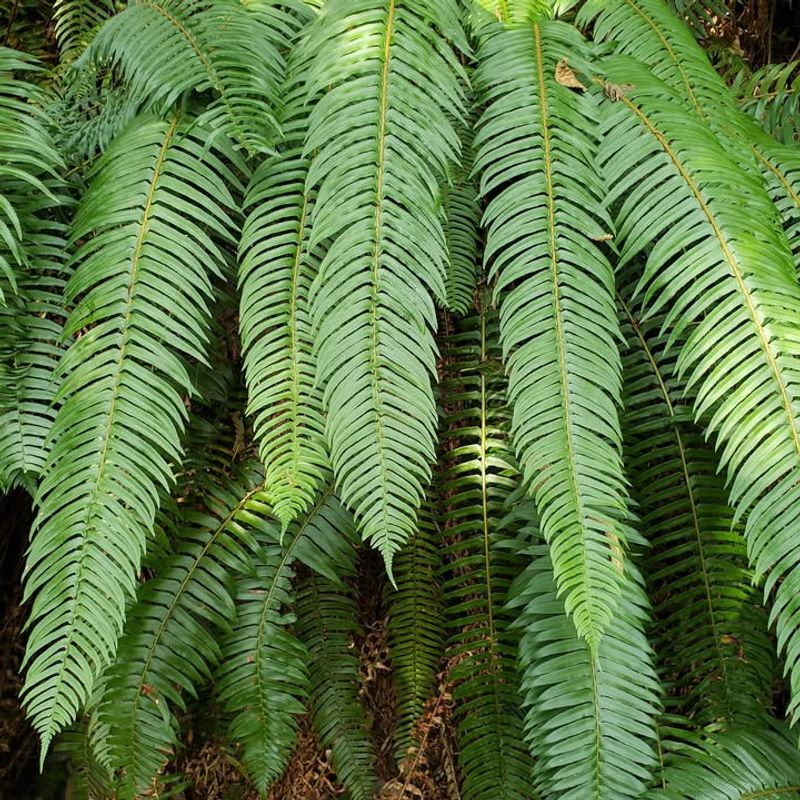
Ask any experienced Pacific Northwest gardener which native plant is the ultimate low-maintenance workhorse, and Western Sword Fern will almost always come up.
This iconic fern is found throughout forests across Oregon, and its large, arching fronds create one of the most effective natural weed barriers you can find.
Each plant can produce fronds up to four feet long, creating a wide, shady canopy at ground level that weeds simply cannot grow beneath.
Western Sword Fern is evergreen, meaning it keeps its bold, dark green fronds all year long. Even in the middle of Oregon’s rainy winters, this plant stays lush and full.
That year-round coverage is a huge advantage over seasonal plants that leave bare soil exposed during off-months when weeds love to move in and take over.
It thrives in deep to partial shade and prefers moist, well-drained soil with plenty of organic matter. Once established, it is remarkably drought-tolerant for a fern, handling Oregon’s dry summers better than most.
It spreads slowly through underground rhizomes, gradually expanding into larger clumps over the years. Plant several together for faster coverage.
Western Sword Fern looks stunning paired with native shrubs like Salal or Snowberry. It is a foundational plant for any Pacific Northwest native garden aiming to reduce weeding and maintenance over the long term.
8. Twinberry Honeysuckle (Lonicera involucrata)
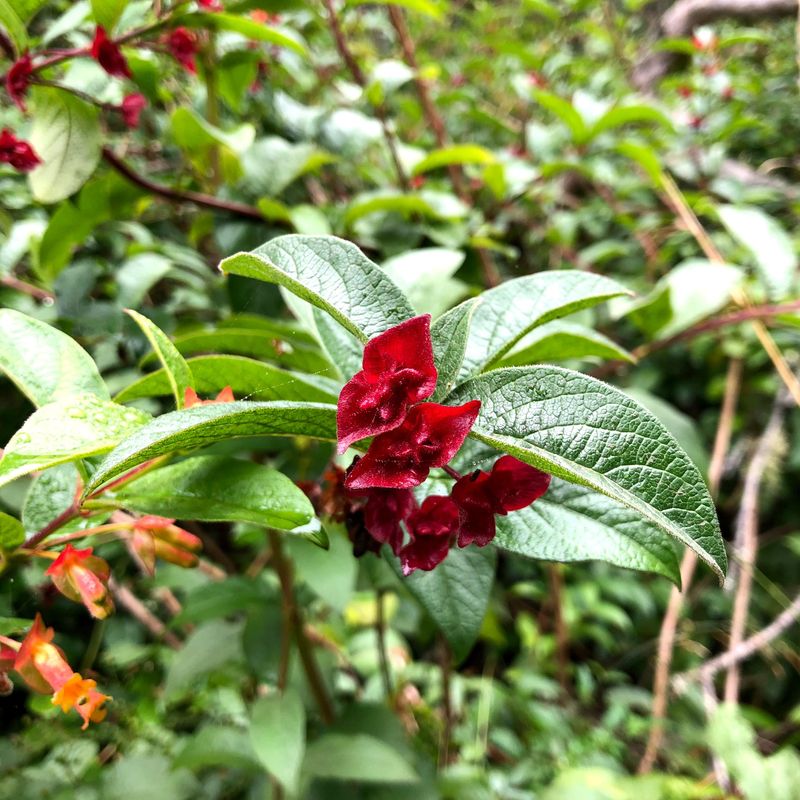
Hummingbirds go absolutely wild for this plant. Twinberry Honeysuckle is a native Oregon shrub that produces pairs of bright yellow tubular flowers surrounded by deep reddish-purple bracts.
Those flowers are irresistible to hummingbirds and butterflies, making this plant a wildlife magnet. But beyond its appeal to pollinators, Twinberry Honeysuckle is also a serious weed suppressor in wet or moist garden areas.
This shrub can grow four to ten feet tall and spreads outward through suckering, gradually forming a dense thicket. That thicket shades the ground heavily, making it very difficult for weeds to establish.
It is especially effective in wet spots, streamside areas, or low-lying parts of your yard that stay moist much of the year. In Oregon, those kinds of spots are common, and finding a native plant that thrives there while also blocking weeds is a real win.
The glossy black twin berries that follow the flowers are a favorite of many bird species, adding another layer of wildlife value. Plant Twinberry Honeysuckle in full sun to partial shade with consistently moist soil.
It grows vigorously once established and needs very little care. Pruning it lightly after flowering helps maintain a tidy shape.
Along Oregon’s river corridors and rain-heavy western valleys, this shrub performs exceptionally well and brings both beauty and practical function to the landscape.
9. Slough Sedge (Carex obnupta)
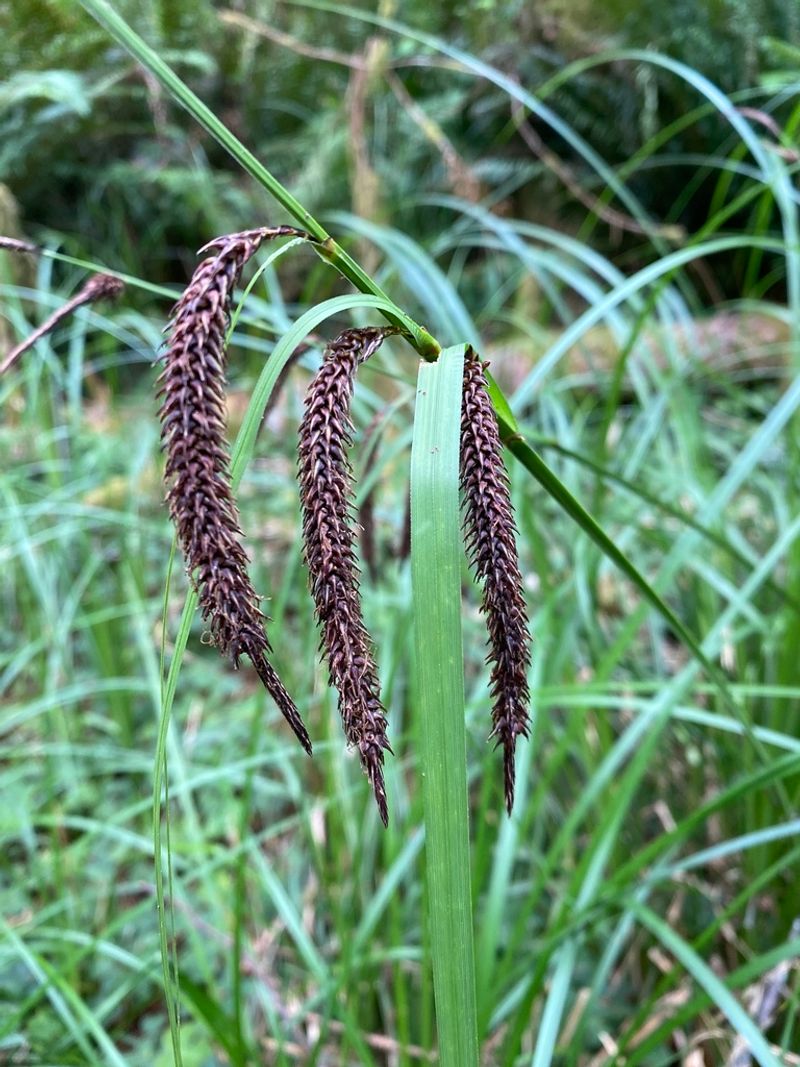
Wet, boggy areas in Oregon can be some of the hardest spots to manage in a garden. Invasive weeds like reed canary grass love those conditions and can take over fast.
Slough Sedge is a native Oregon plant that fights back. It is a robust, clump-forming sedge that grows naturally along streams, marshes, and wet meadows throughout the state, and it is one of the best plants you can use to reclaim a soggy, weed-invaded area.
Slough Sedge grows two to four feet tall with long, arching dark green leaves that form dense, overlapping clumps. Those clumps spread steadily over time, filling in wet areas and shading out competing weeds.
The plant is incredibly tough and can even handle occasional flooding. Once it gets established in a wet spot, it creates a stable, weed-resistant plant community that holds soil in place and prevents erosion along stream banks and pond edges.
Beyond weed control, Slough Sedge plays an important ecological role in Oregon’s riparian areas. It provides habitat and nesting material for birds and shelter for amphibians and small mammals.
Plant it in full sun to partial shade in consistently wet or saturated soil. It pairs well with native plants like Twinberry Honeysuckle and Common Snowberry in rain gardens or bioswales.
For challenging wet spots in your Oregon yard, Slough Sedge is genuinely one of the smartest choices you can make.