These Are The 10 Florida Heirloom Vegetables (And Why They Belong In Your Garden)
Florida gardens are full of possibilities, but some vegetables deserve a special place in your beds. These are not ordinary plants; they are heirlooms, time-tested varieties that have thrived in Florida’s heat, humidity, and unpredictable seasons for generations.
From vibrant, flavorful tomatoes to resilient beans and leafy greens, these vegetables carry history, taste, and hardiness that modern hybrids cannot match. Planting heirlooms is not just about nostalgia.
They bring richer flavor, unique textures, and the satisfaction of preserving a living piece of gardening heritage.
Give your garden a touch of Florida’s culinary history with vegetables that promise color, flavor, and character all season long.
1. Everglades Tomato Thrives In Florida Heat
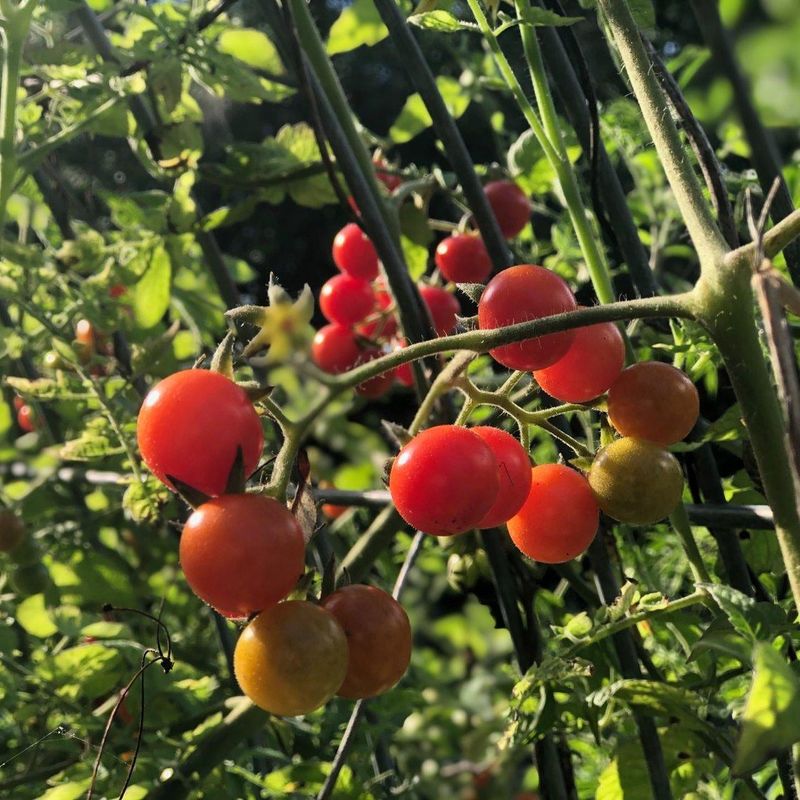
Hot summers that send most tomato plants into a tailspin are no match for the mighty Everglades tomato. This wild relative of the common garden tomato produces clusters of tiny, cherry-sized fruits bursting with a sweet, concentrated flavor that store-bought tomatoes simply cannot match.
Native to South Florida, this heirloom has adapted over centuries to handle intense heat and humidity without skipping a beat.
Unlike larger tomato varieties that struggle when temperatures climb above 90 degrees, the Everglades tomato continues setting fruit all summer long. It is naturally resistant to many of the fungal diseases and pests that plague Florida gardens, which means less time troubleshooting and more time harvesting.
Plants grow vigorously and can spread several feet wide, so give them plenty of room to roam.
Gardeners often train them along fences or let them sprawl freely as a ground cover. The fruits ripen quickly and can be eaten fresh off the vine, tossed into salads, or roasted for a bold sauce.
If you want a low-maintenance, high-reward tomato that truly belongs in a Florida garden, this heritage gem deserves a permanent spot in your planting plan.
2. Datil Pepper Adds Flavor To Florida Gardens
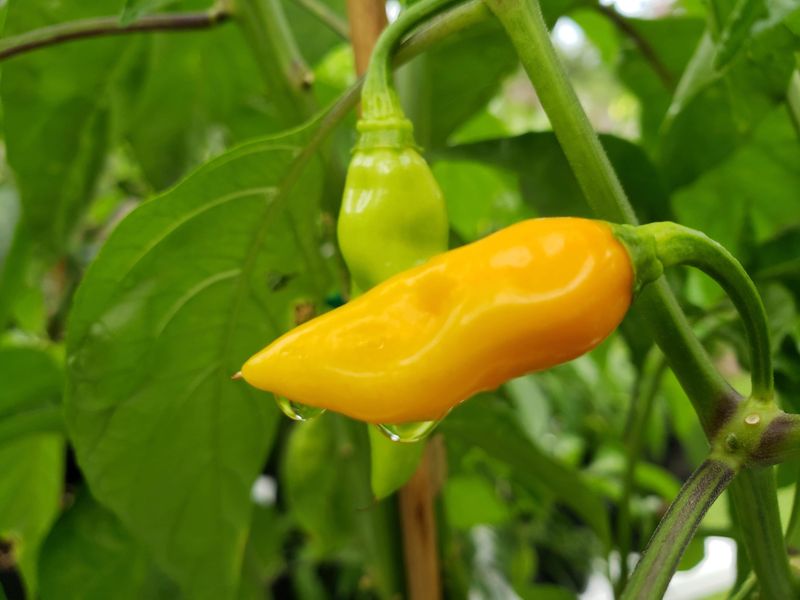
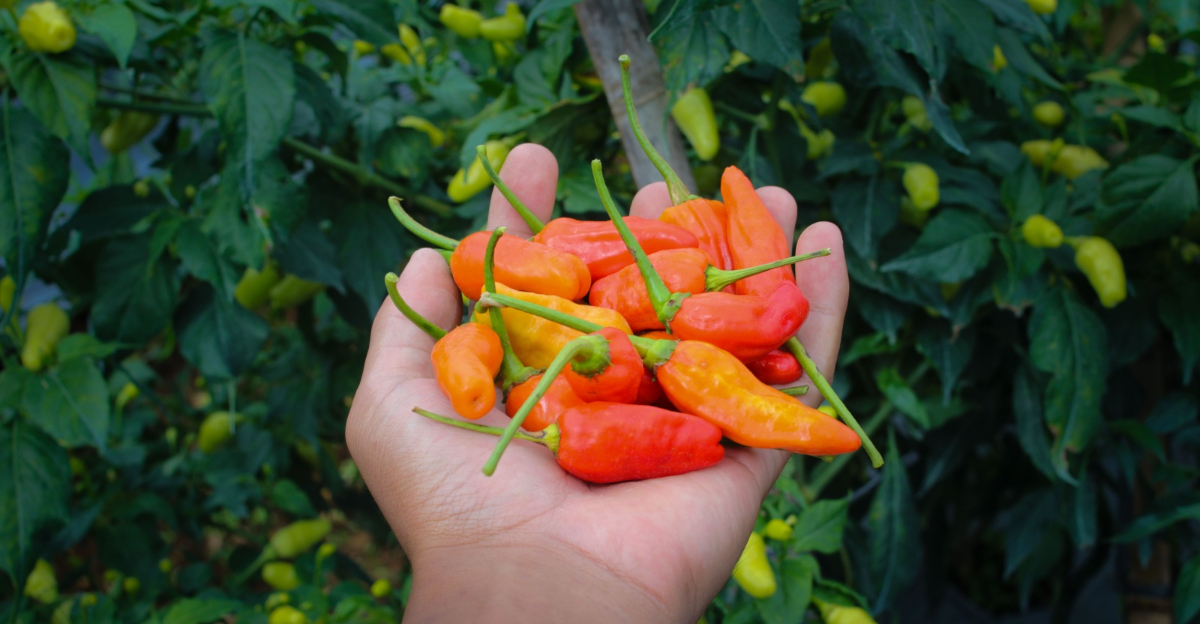
Few peppers carry as much history and hometown pride as the Datil pepper, a fiery little fruit that has been growing in St. Augustine, Florida, for well over 300 years. Legend suggests it was brought to Florida by Minorcan settlers in the 1700s, and it has been a cornerstone of northeastern Florida cooking ever since.
The flavor is what sets it apart – fruity and sweet upfront, followed by a serious kick of heat that rivals habaneros.
Growing Datil peppers in Florida is surprisingly straightforward. They love full sun and warm weather, making them perfectly at home in the state’s long summers.
Plant them in well-draining soil, water consistently, and expect a generous harvest from late summer through fall. These peppers are prolific producers, often rewarding gardeners with hundreds of fruits per plant throughout the season.
Beyond the garden, Datil peppers shine in the kitchen. They are used in hot sauces, marinades, salsas, and seafood dishes that reflect Florida’s coastal culinary traditions.
Saving seeds from the best plants each year is easy and helps preserve a piece of Florida’s irreplaceable food heritage. Growing this pepper is both a delicious hobby and a meaningful act of cultural preservation.
Your Florida Garden Changes Every Week. Your Plan Should Too.
Gardening in Florida changes quickly throughout the season. Every Friday you’ll receive a simple weekly plan showing exactly what to plant, prune, fertilize, harvest, and protect so you never miss the right timing.
3. Seminole Pumpkin Grows Strong In Florida Soil
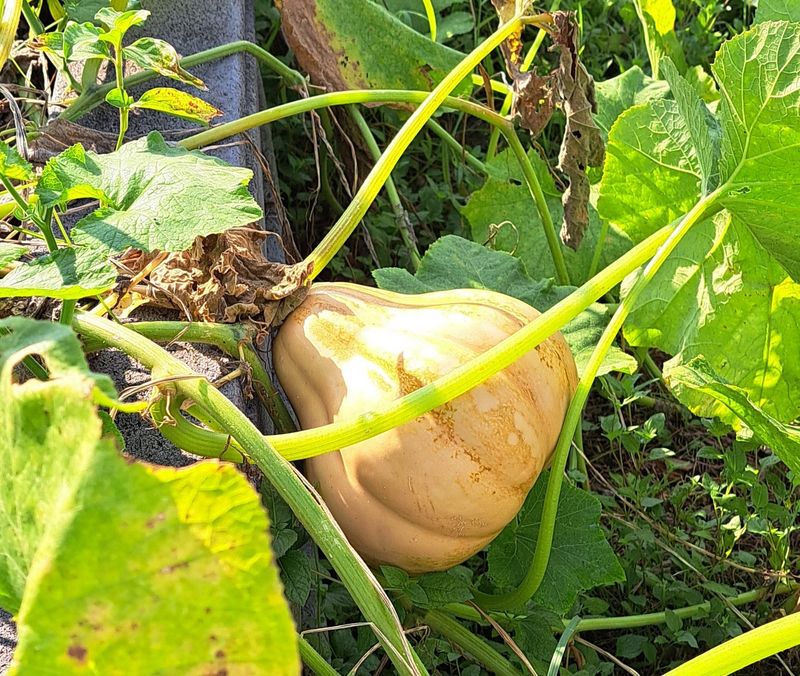
Long before Florida was a state, the Seminole people were cultivating a remarkable squash that could thrive in the sandy, nutrient-poor soils where other vegetables struggled. The Seminole pumpkin is one of the most historically significant heirlooms in Florida’s agricultural story, and its reputation as a tough, productive plant has only grown over the centuries.
Shaped somewhat like a butternut squash, it produces medium-to-large fruits with a smooth tan skin and a rich, sweet orange flesh inside.
What makes this pumpkin extraordinary for Florida gardeners is its drought tolerance. Once established, the vines can handle extended dry spells that would stress most other squash varieties.
The plants also resist many squash vine borers and diseases, giving them a clear advantage in Florida’s challenging summer garden. Vines can grow 20 feet or longer, so plan for plenty of space or train them up a sturdy trellis.
Harvest typically happens in late summer or early fall, and the fruits store remarkably well for months without refrigeration. In the kitchen, Seminole pumpkin works beautifully in soups, pies, roasted dishes, and even breads.
Growing this heirloom honors a deep Florida tradition while delivering one of the most reliable and flavorful harvests you can enjoy all season long.
4. Contender Beans Deliver Reliable Yields
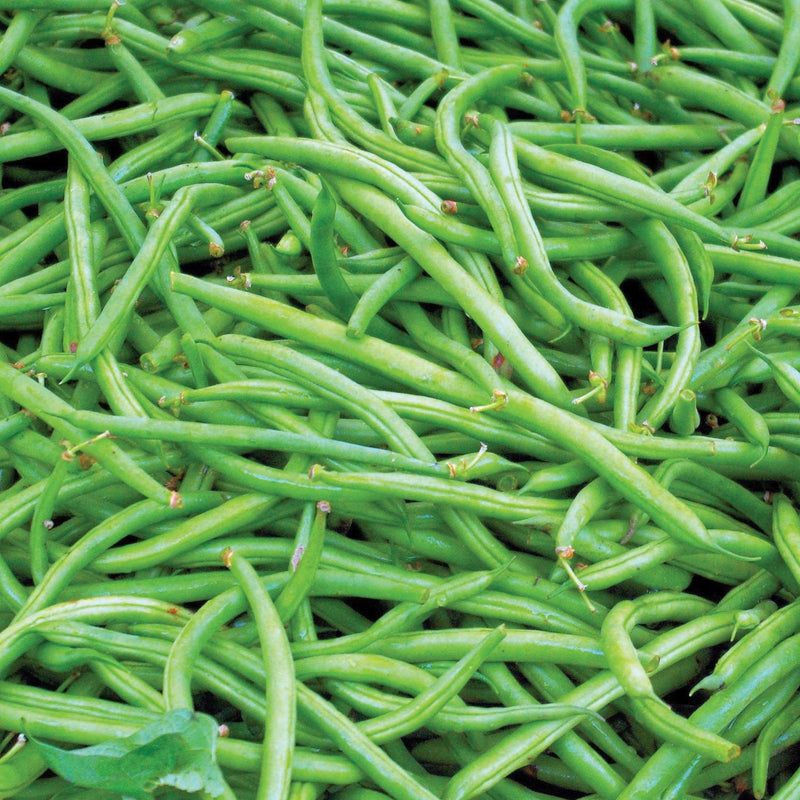
Gardeners across the South have counted on Contender beans for decades, and Florida growers have especially good reasons to love them. Introduced in the 1940s, this bush bean variety was bred specifically to handle warm, humid conditions, making it one of the most dependable choices for Florida’s challenging summers.
Unlike pole beans that require trellising, Contender beans grow as compact bushes that are easy to manage in raised beds, container gardens, or traditional rows.
One of the biggest advantages of growing Contender beans in Florida is their speed. From planting to harvest, you can expect fresh beans in as little as 48 to 55 days.
That quick turnaround makes it possible to squeeze in multiple plantings throughout Florida’s extended growing season, which stretches from early spring through late fall in many parts of the state. Each plant produces a generous crop of straight, tender pods packed with crisp, mild flavor.
Plant seeds directly in the ground after the last cold snap, spacing them about four inches apart in full sun. Keep the soil consistently moist but not waterlogged, and watch the plants take off.
Harvest pods when they are firm and about four to six inches long for the best texture and taste. Contender beans freeze beautifully, making it easy to enjoy your Florida harvest long after the season ends.
5. Clemson Spineless Okra Loves Florida Summers
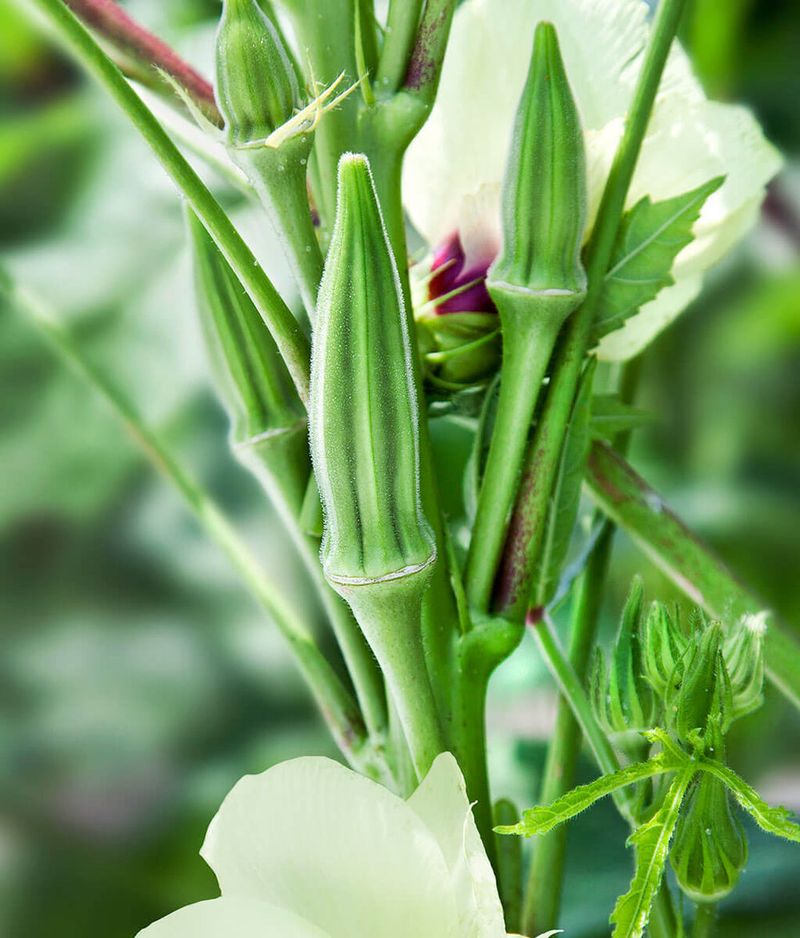
Ask any experienced Florida gardener which vegetable never lets them down during the brutal summer months, and Clemson Spineless okra will almost always make the list. Developed in the 1930s and awarded the All-America Selections prize in 1939, this heirloom variety was designed to produce abundantly in exactly the kind of hot, humid weather that Florida delivers in abundance.
The plants grow tall and sturdy, often reaching six feet or more, and they keep producing beautiful green pods all the way through the warmest months of the year.
As the name suggests, the pods on this variety lack the irritating spines found on older okra types, which makes harvesting a much more pleasant experience. Pods should be picked when they are two to four inches long for the most tender texture.
If you let them grow too large, they become tough and fibrous, so check plants every day or two during peak season. Consistent harvesting actually encourages the plant to produce more pods, keeping your yields high all summer.
Okra thrives in Florida’s sandy loam soils with full sun and regular watering. Start seeds directly in the ground once temperatures stay above 65 degrees.
Clemson Spineless okra works wonderfully in gumbo, stir-fries, pickled dishes, and Southern-style fried preparations that make the most of its unique texture and mild, grassy flavor.
6. Southern Peas Grow Well In Florida’s Warm Climate
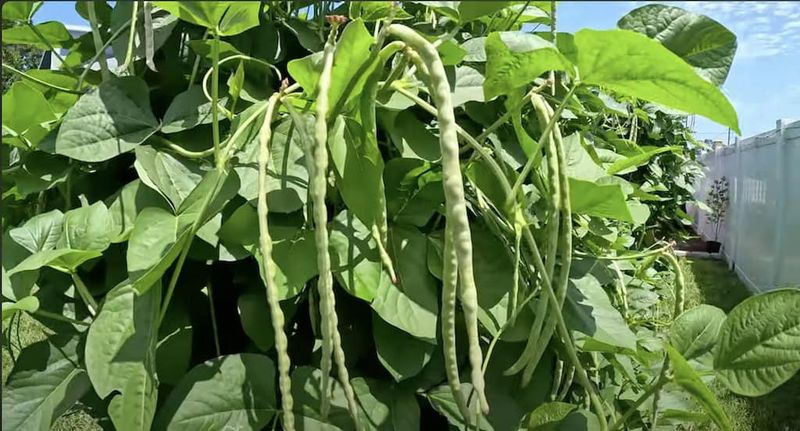
Few vegetables are as deeply rooted in Southern food culture as the Southern pea, and Florida’s warm climate is practically tailor-made for growing them. Varieties like Whippoorwill and Florida Conch have been cultivated in the region for generations, prized for their ability to produce hearty yields even when rainfall is scarce and temperatures soar.
These are not your typical garden peas; Southern peas are actually closer to cowpeas, and they bring a rich, earthy flavor to the table that is entirely their own.
One of the most impressive qualities of Southern peas is what they do for your garden soil. As legumes, they fix atmospheric nitrogen directly into the ground, naturally enriching the soil and reducing the need for synthetic fertilizers.
This makes them an excellent choice for Florida gardeners who want to build healthier beds over time. Planting Southern peas in a rotation with heavier feeders like tomatoes or corn is a smart, sustainable strategy.
Sow seeds directly into warm soil after the last cold snap, spacing plants about six inches apart in full sun. They tolerate drought remarkably well once established, requiring minimal intervention during dry spells.
Harvest pods when they feel plump but before they dry out completely for the freshest flavor. Florida Conch peas in particular are a local treasure worth celebrating in any home garden.
7. Feaster Mustard Greens Provide Flavorful Harvests
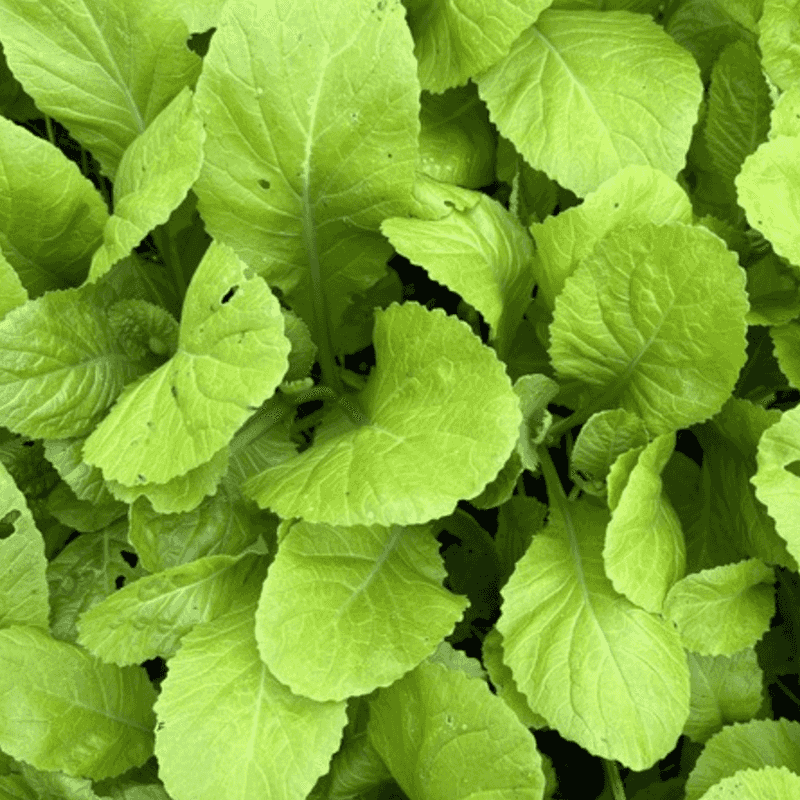
Bold, peppery, and packed with nutrition, mustard greens have been a staple of Southern cooking for centuries, and Feaster mustard greens are among the finest heirloom varieties you can grow in Florida. These broad-leafed beauties shine during Florida’s cooler fall and winter months, when mild temperatures bring out their best flavor and the plants grow with impressive vigor.
In South Florida, the season can stretch well into spring, giving gardeners an exceptionally long window to enjoy fresh harvests.
The flavor of Feaster mustard greens is assertive and satisfying, slightly spicy when eaten raw and mellowing beautifully when cooked low and slow with a bit of smoked meat or broth in classic Southern fashion. Young leaves make a fantastic addition to salads and sandwiches, while mature leaves hold up wonderfully in soups, stews, and sauteed side dishes.
Nutritionally, they are powerhouses, loaded with vitamins A, C, and K, along with calcium and folate.
Planting is simple and rewarding. Sow seeds directly into prepared garden beds in early fall, spacing plants about eight to ten inches apart.
Keep soil consistently moist and watch the plants respond with rapid, lush growth. Harvest outer leaves regularly to encourage continuous new growth from the center of each plant.
Feaster mustard greens are one of those rare vegetables that reward both beginner and experienced Florida gardeners equally well.
8. Black Beauty Eggplant Is Perfect For Florida Gardens
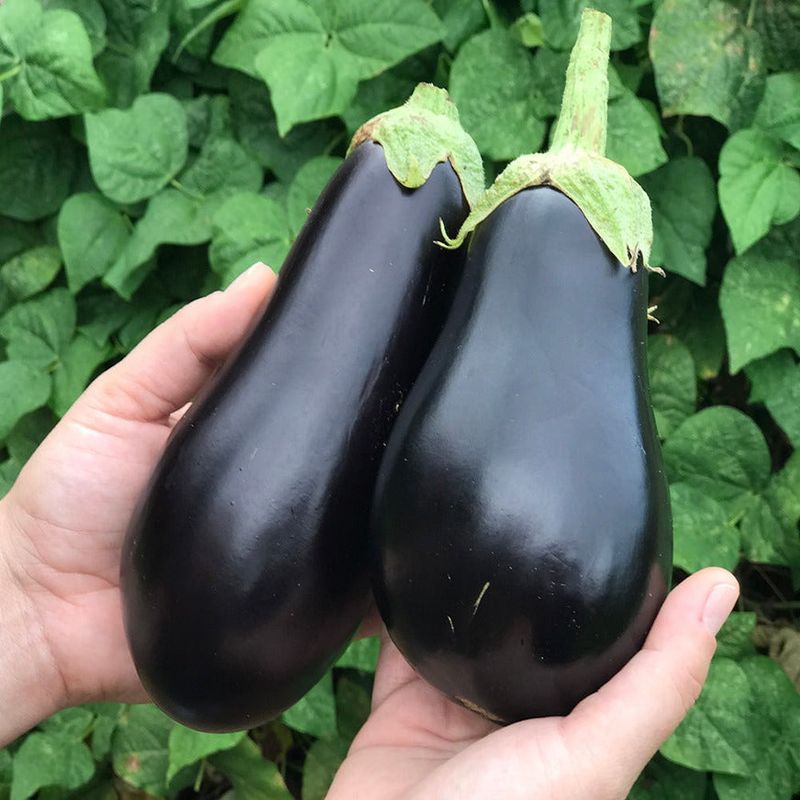
Glossy, deep purple, and satisfyingly plump, the Black Beauty eggplant is a classic heirloom that has been winning over American gardeners since the early 1900s. Florida’s hot summers and long frost-free seasons are practically ideal for this variety, which needs warm soil, full sun, and consistent heat to reach its full potential.
While northern gardeners often struggle to get a good eggplant harvest before frost sets in, Florida growers can enjoy a long, productive season that stretches through much of the year.
Black Beauty plants are sturdy and relatively compact, typically reaching two to three feet tall. They produce large, oval fruits with a smooth, shiny skin and a creamy white flesh inside that has a mild, slightly sweet flavor when cooked properly.
The key to great eggplant is harvesting at the right time; pick fruits when they are fully colored and the skin still has a bright sheen. Waiting too long results in bitter, seedy flesh that is far less enjoyable.
Grow Black Beauty in raised beds or large containers filled with rich, well-draining soil amended with compost. Water deeply and consistently, and apply a balanced fertilizer every few weeks during the growing season.
Florida’s humidity can encourage fungal issues, so water at the base of plants and ensure good airflow between them. Roasted, grilled, or layered into a classic eggplant parmesan, this heirloom never disappoints.
9. Collard Greens Thrive In Florida’s Mild Winters
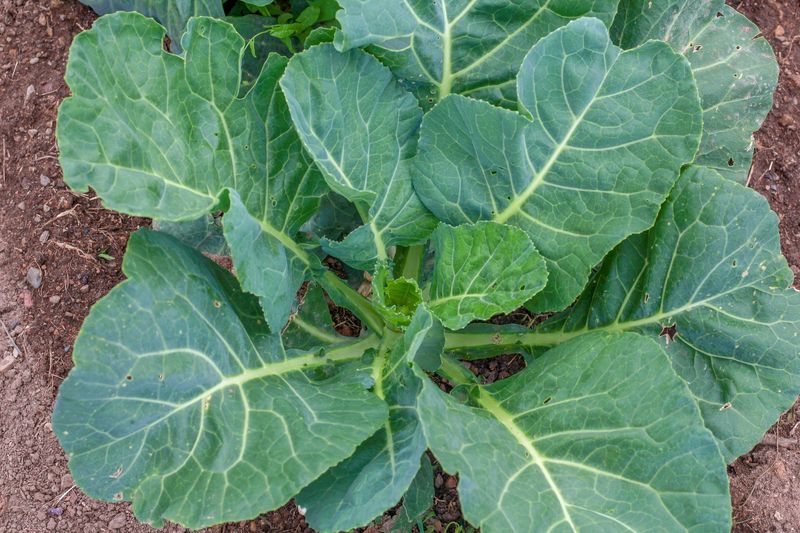
When the rest of the country is buried under snow and frozen ground, Florida gardeners are out harvesting fresh collard greens from their winter beds – and that is one of the most satisfying advantages of gardening in the Sunshine State. Collard greens are a beloved Southern staple with deep roots in Florida’s food culture, and the state’s mild winters provide exactly the cool-but-not-cold temperatures that bring out the vegetable’s best flavor.
A light frost actually sweetens the leaves, making Florida’s occasional cool spells a welcome event for collard lovers.
These plants are remarkably easy to grow and incredibly forgiving for beginner gardeners. They tolerate a wide range of soil conditions, require minimal fertilizing, and bounce back quickly from dry spells.
Plants can grow quite large, reaching three feet tall or more, so give them adequate spacing of about 18 inches between plants to allow for good air circulation and full leaf development. Collard greens are among the most nutritious vegetables you can grow, offering exceptional amounts of vitamins K, A, and C along with significant calcium and fiber.
Start seeds in early fall for a winter harvest, or transplant seedlings into the garden in September or October. Harvest outer leaves as needed throughout the season, leaving the central growth point intact to keep production going.
A single planting of collard greens can provide fresh vegetables for four to six months in Florida’s mild climate, making them extraordinary value for any home gardener.
10. Florida Green Bell Pepper Grows Strong In Our Climate
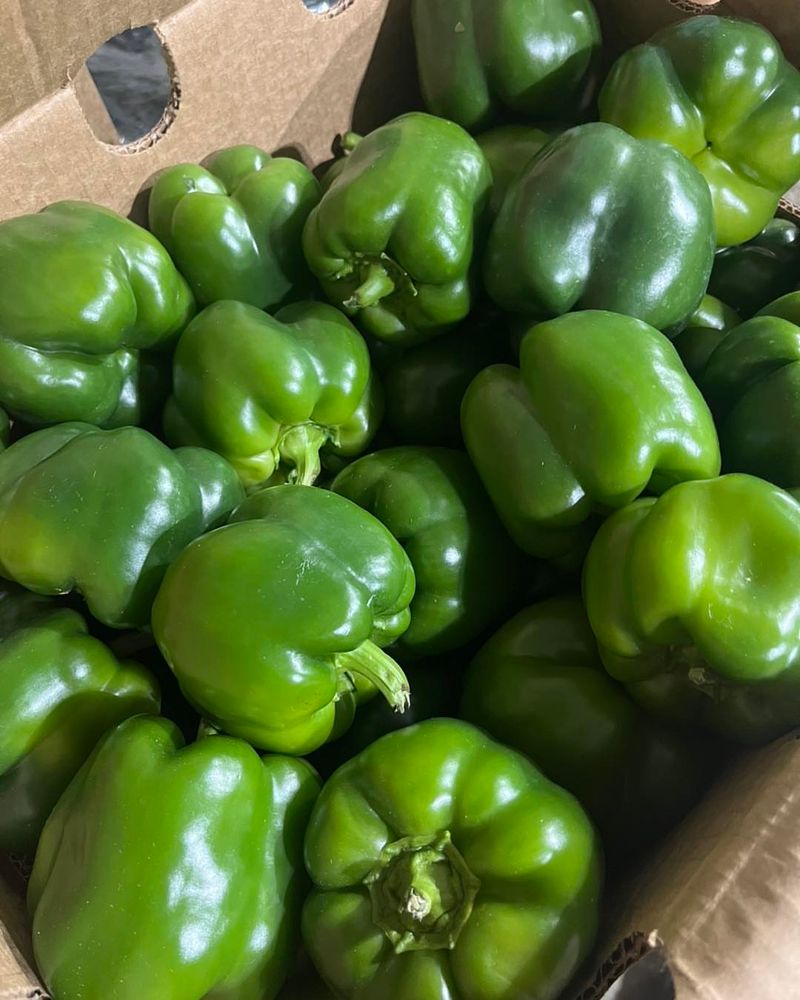
Bell peppers are a kitchen staple in households across America, but growing them successfully in Florida requires choosing the right variety – and the Florida Green Bell pepper was literally developed with this state’s conditions in mind. Bred to withstand high humidity, intense heat, and the occasional tropical downpour, this heirloom variety performs consistently where other bell pepper types might struggle.
It produces thick-walled, blocky green fruits with a crisp texture and that familiar mild, slightly sweet pepper flavor everyone loves.
Florida’s two main growing windows for bell peppers are spring and fall. Summer heat can be too intense for fruit set, so timing your planting correctly makes a significant difference in your harvest.
Start seeds indoors six to eight weeks before your intended transplant date, then move seedlings outside when nighttime temperatures stay reliably above 55 degrees. Rich, well-draining soil with a slightly acidic pH between 6.0 and 6.8 will give your plants the best possible foundation.
Regular feeding with a balanced vegetable fertilizer encourages strong growth and heavy fruit production. Stake plants as they grow taller to prevent wind damage during Florida’s frequent afternoon storms.
Harvest green peppers when they reach full size and feel firm to the touch. If left on the plant longer, they will turn red and develop a sweeter flavor – so you actually get two different vegetables from one plant.
That kind of versatility makes the Florida Green Bell pepper a genuinely smart choice for any home garden.
Remember that Florida’s diverse climates, from the tropical zones in the south to the temperate zones in the north, can affect growing conditions, so be sure to adjust your gardening practices accordingly.
Additionally, always consider your soil type, water availability, and any local pests or diseases that might impact your plants’ growth.