The Hidden Danger Of Cutworms To Michigan’s First Seedlings
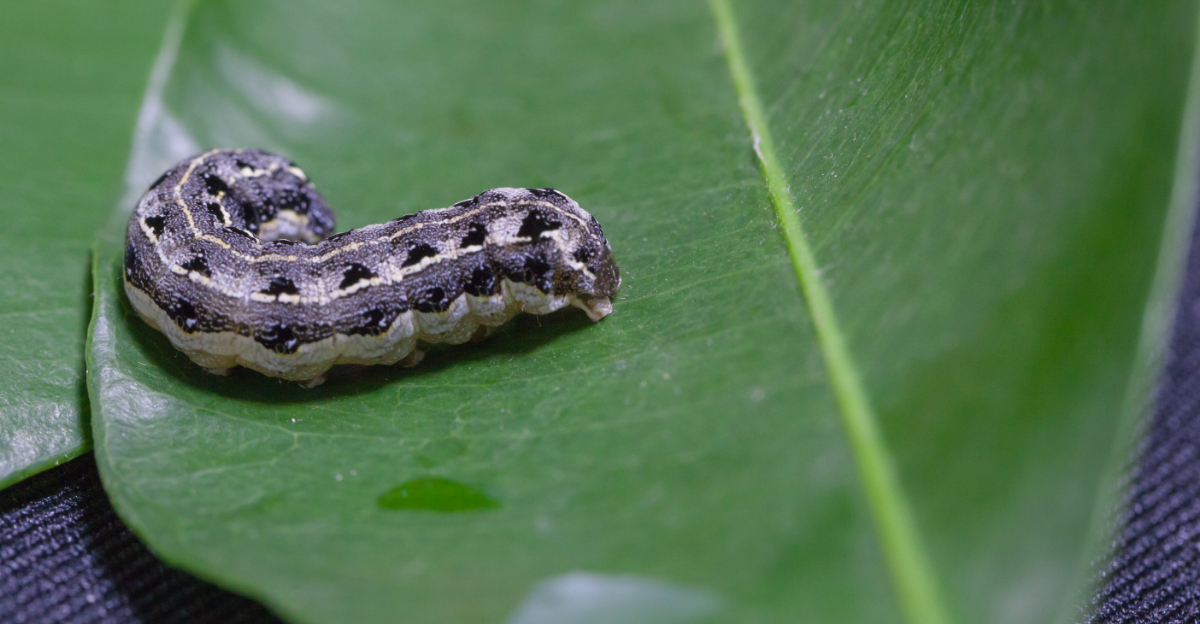
As spring begins to breathe life into your garden, it’s easy to feel excited about the fresh start – but there’s a hidden danger lurking beneath the soil.
Many gardeners, especially those in Michigan, know that the first seedlings of the season can be delicate and need careful attention.
While you’re busy sowing your seeds and tending to your garden, it’s important to keep an eye out for cutworms, those sneaky pests that can wreak havoc on young plants when you least expect it.
Cutworms may not be the first thing you think of when planning for your spring garden, but they’re a real threat, especially early in the season.
These pests hide in the soil and target tender seedlings, often cutting them off at the base overnight.
Understanding how cutworms strike and how to recognize their damage is key to protecting your plants. Stay ahead of these garden villains so your seedlings can grow strong and healthy – with no interruptions along the way.
1. Cutworms Can Sever Seedlings At The Soil Line
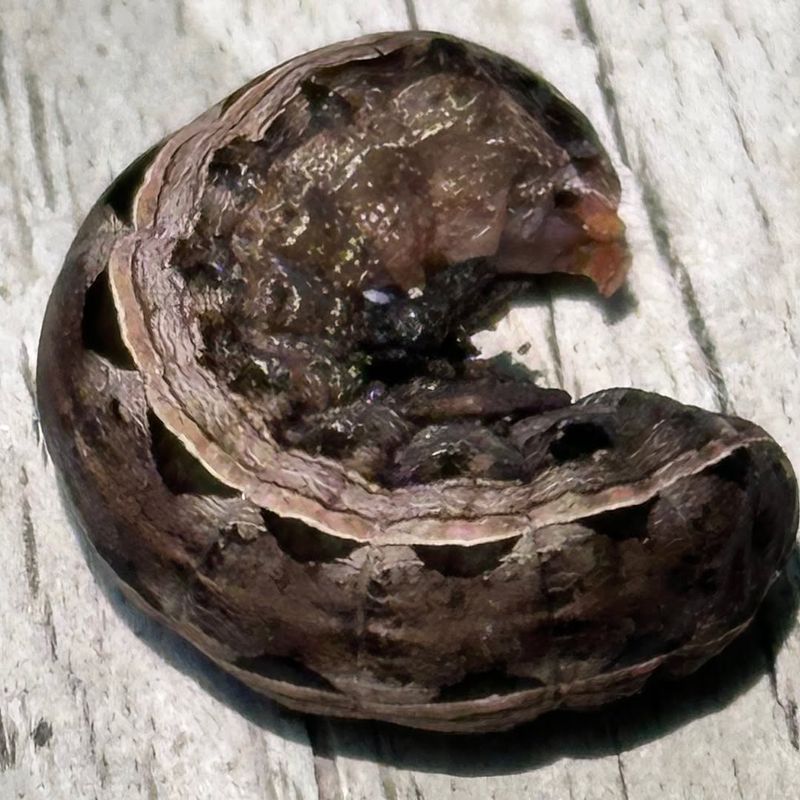
Picture stepping into your Michigan backyard garden on a bright May morning, only to find row after row of your carefully planted seedlings lying flat on the ground. That sinking feeling is something countless Michigan gardeners experience every spring, and cutworms are usually the culprit.
These larvae have a very specific and destructive feeding habit that sets them apart from most other garden pests.
Cutworms chew through the stem of a young plant right at the soil line, essentially cutting the seedling off from its roots. Once that connection is broken, the plant has no way to pull water or nutrients from the soil.
The severed seedling wilts quickly and cannot be saved, which means the gardener must replant and start over.
What makes this damage especially tricky is that it looks clean and sudden. One day your seedlings are standing tall, and the next they are lying flat with no obvious pest in sight.
The cutworm retreats into the soil before sunrise, making it nearly impossible to catch in the act. Tomatoes, peppers, beans, and corn are all common targets in Michigan vegetable gardens.
Checking your garden early in the morning and gently digging around fallen seedlings can help you spot the larvae. They are gray to brown in color, about one to two inches long, and curl into a C-shape when touched.
Catching them early is the best way to protect the rest of your garden from further damage.
2. Nighttime Attacks Leave Seedlings Vulnerable
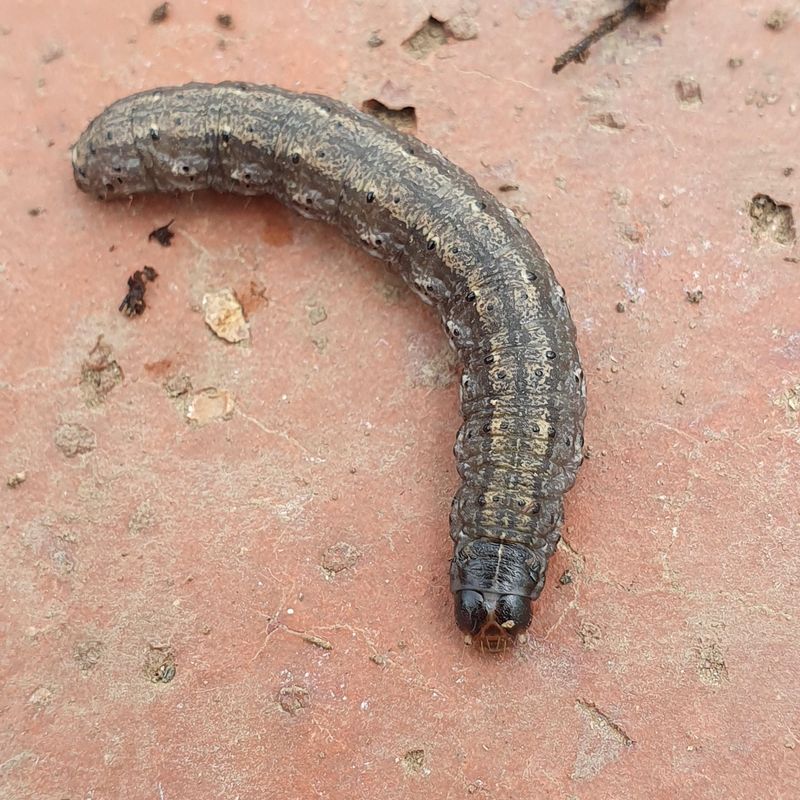
Cutworms are creatures of the night, and that is a big part of what makes them so hard to manage. While Michigan gardeners are asleep, these larvae crawl out from their hiding spots beneath the soil and begin feeding on tender young plants.
By the time the sun comes up, they have already burrowed back underground, leaving behind a trail of wilted and fallen seedlings with no obvious explanation.
This nocturnal behavior gives cutworms a serious advantage. Most common garden pests can be spotted during a regular daytime walkthrough, but cutworms are virtually invisible during daylight hours.
Your Michigan Garden Changes Every Week. Your Plan Should Too.
Gardening in Michigan changes quickly throughout the season. Every Friday you’ll receive a simple weekly plan showing exactly what to plant, prune, fertilize, harvest, and protect so you never miss the right timing.
They are masters at hiding in the top few inches of soil, tucked under debris, clumps of dirt, or plant residue. A gardener could inspect a bed every afternoon and never see a single one.
The timing of nighttime feeding also happens to overlap perfectly with the most vulnerable stage of a plant’s life. Seedlings that have just been transplanted or recently sprouted are at their weakest in the first few weeks.
Their stems are thin, soft, and easy to cut through. A single cutworm can damage multiple plants in one night, moving from seedling to seedling across a garden bed.
Going out to your Michigan garden with a flashlight after dark is one of the most effective ways to catch cutworms in action. Checking around 9 or 10 p.m. during the first warm weeks of spring gives you the best chance of spotting them before they cause widespread destruction across your garden.
3. Weeds Provide Shelter For Destructive Larvae
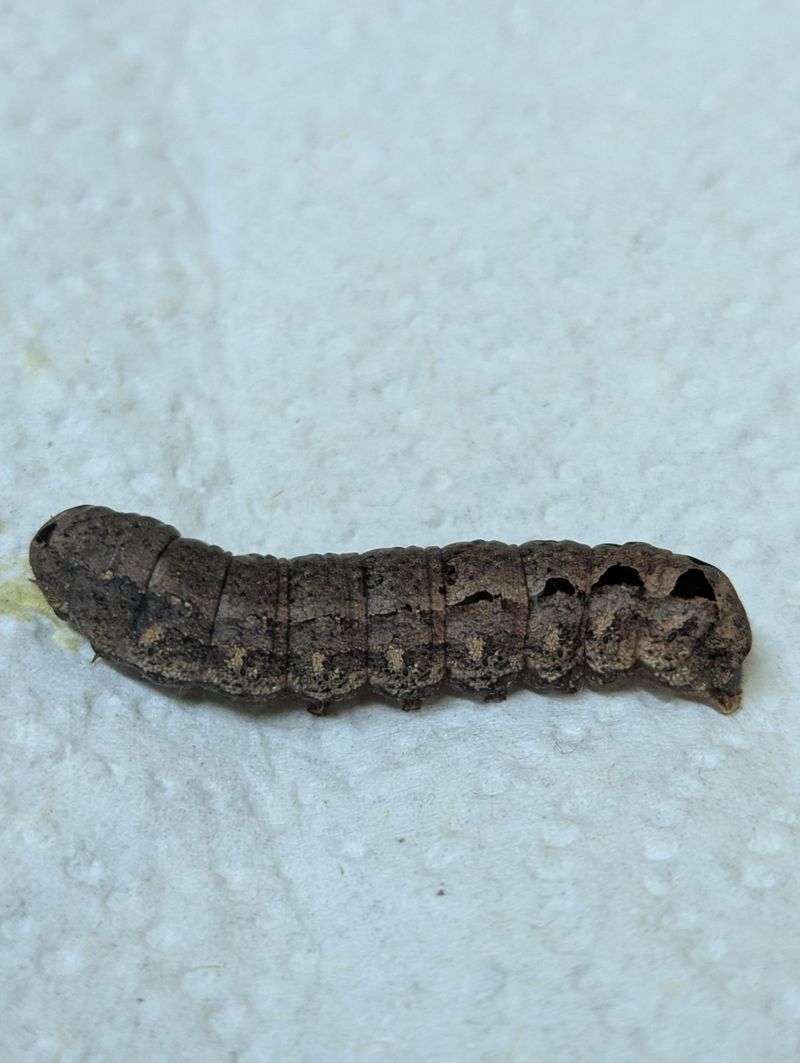
Weeds might seem like a minor annoyance compared to pests, but in a Michigan garden, they can actually be the reason cutworms show up in the first place. Certain low-growing weeds like chickweed, deadnettle, and mustard are prime egg-laying sites for the moths that eventually become cutworms.
When those eggs hatch, the larvae are already living right next to your seedlings, making the damage almost immediate.
Weedy garden beds offer cutworm larvae two things they need most: food and shelter. Dense patches of weeds keep the soil cool and moist underneath, creating the perfect hiding environment for larvae during the day.
The more weeds present when seedlings are planted, the higher the risk that a healthy cutworm population is already living in the soil, ready to feed.
Clearing weeds before planting is one of the most practical and cost-free steps any Michigan gardener can take to reduce cutworm pressure. Tilling the soil in early spring disrupts larvae and pupae hiding in the ground, while also removing the vegetation that moths prefer for laying eggs.
Even removing weeds from the edges and pathways around garden beds can make a meaningful difference.
Staying on top of weed control throughout the growing season also helps. New weed growth can attract egg-laying moths even after planting.
Keeping beds clean and mulched reduces the cozy conditions cutworms rely on, making your Michigan garden a much less welcoming environment for these destructive larvae all season long.
4. Damaged Seedlings May Struggle To Recover
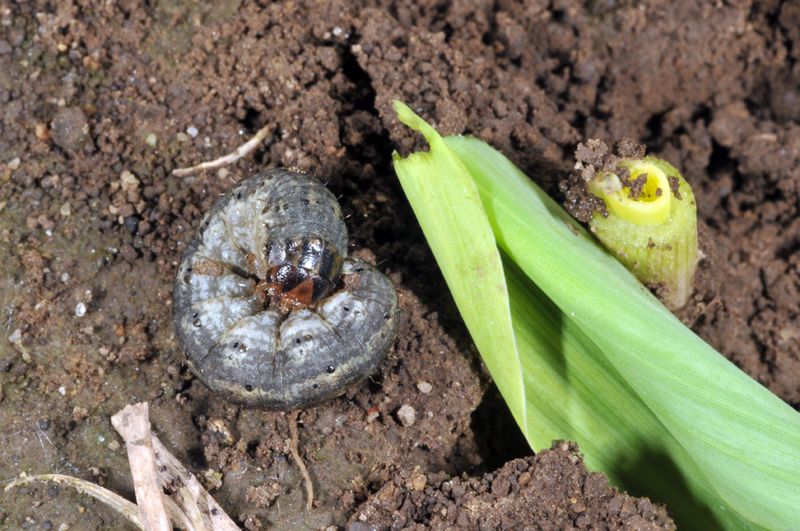
Not every plant a cutworm attacks is completely severed. Sometimes the larvae only partially chew through a stem, leaving the seedling standing but badly weakened.
These partially damaged plants often look droopy and pale, and many Michigan gardeners mistake the symptoms for underwatering or disease rather than pest activity. Recognizing the difference early can save time and effort spent treating the wrong problem.
A seedling that has been partially damaged at the base faces an uphill battle. Even if it survives the initial injury, the wound creates an opening for fungal infections and soil-borne diseases.
The plant may grow slowly, produce poorly, or never fully bounce back to the healthy state it would have reached without the injury. In a short Michigan growing season, lost time early in the season can mean reduced harvests later.
Younger seedlings have less stored energy to draw from when recovering from stem damage. Unlike a mature plant that might regrow after being cut back, a freshly sprouted seedling has very limited reserves.
Once the stem is compromised, the plant often lacks the strength to generate new growth quickly enough to stay competitive with healthy neighboring plants.
Checking for partial damage is just as important as looking for completely fallen plants. Gently press the stem of any drooping seedling at the soil line.
If it feels soft or shows a slight pinch mark, cutworm feeding may be the cause. Acting quickly by adding physical barriers or treating the surrounding soil can help protect the remaining seedlings in your Michigan garden before more are affected.
5. Cutworms Can Devastate Your Vegetable Garden
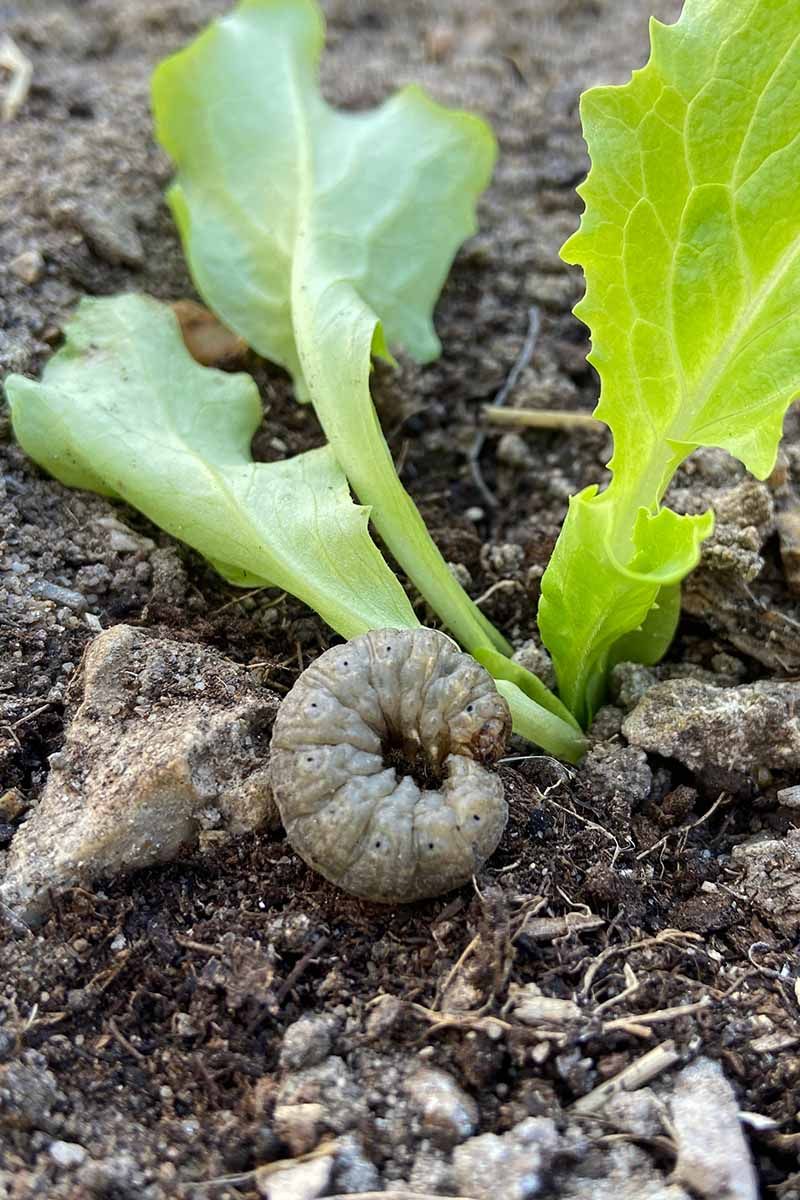
When cutworms move through a vegetable garden unchecked, the results can be truly shocking. A single night of heavy feeding can wipe out an entire row of newly transplanted tomatoes or a freshly seeded patch of beans.
For Michigan gardeners who have spent weeks starting seeds indoors and carefully preparing their beds, losing that much work in one night is incredibly discouraging.
The range of vegetables that cutworms target in Michigan is surprisingly wide. Tomatoes, peppers, cabbage, beans, corn, and even sugar beets are all on the menu.
Because these pests are not picky, a mixed vegetable garden offers them plenty of options, and they will move from one plant type to another without hesitation. That versatility makes them one of the more dangerous early-season threats in the state.
Large vegetable gardens face an even greater challenge because the affected area can be hard to monitor all at once. A gardener might notice damage in one corner and spend time treating that area, only to find new damage appearing in a completely different section a few days later.
Cutworms can be spread across a wide area of soil, making targeted treatment difficult without a thorough inspection.
Starting with healthy, strong transplants rather than very small seedlings gives plants a slightly better chance of withstanding minor feeding. Thicker stems are harder to cut through, and more established root systems allow plants to recover more effectively.
Pairing strong transplants with physical barriers and regular evening checks is a solid strategy for protecting your Michigan vegetable garden from a full-scale cutworm takeover.
6. Unchecked Infestation Can Spread Rapidly
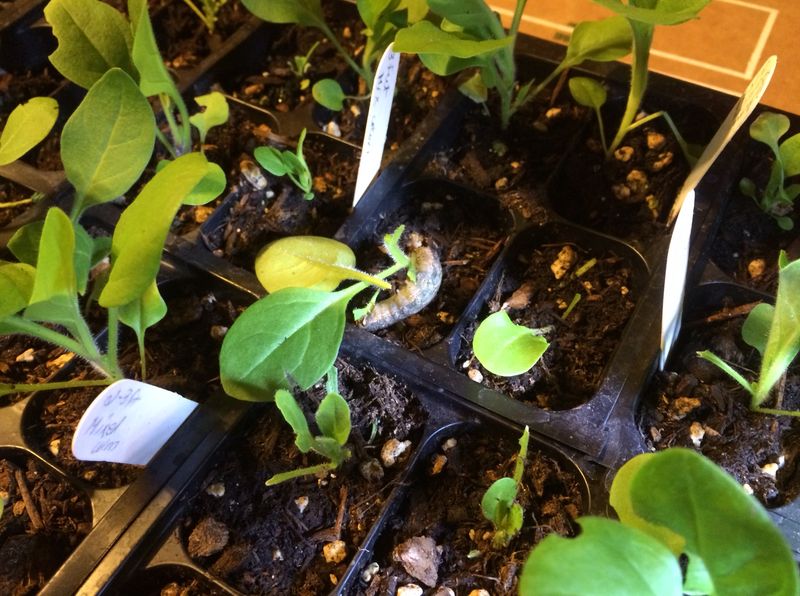
Once established in a Michigan garden, cutworms are not content to stay in one place. A small population that goes unnoticed for just a week can quickly spread, turning into a serious infestation that affects multiple beds, neighboring rows, and even areas beyond the main garden.
The moths that lay cutworm eggs are highly mobile, meaning new eggs can be deposited across a large area in a single season.
Female moths are attracted to gardens with dense weed cover, moist soil, and plenty of plant material to feed on. Once they lay eggs in late summer or early fall, those eggs overwinter in the soil and hatch in spring just as seedlings are going in the ground.
A garden that was lightly infested one year can become heavily infested the next if no preventive steps are taken during the off-season.
Soil that has not been disturbed over winter is especially inviting for overwintering larvae and pupae. Tilling in fall and again in early spring disrupts their life cycle and exposes them to cold temperatures and natural predators like birds.
Encouraging birds to visit your Michigan garden by adding a simple birdbath or feeder nearby can actually help reduce cutworm populations naturally over time.
Staying proactive rather than reactive is the smartest approach to cutworm management. Scouting your garden regularly, keeping records of where damage appears, and acting at the first sign of an infestation prevents the problem from escalating.
A cutworm problem caught early is manageable, but one that spreads across an entire Michigan garden can set back the whole growing season significantly.