How To Save Michigan Plants After A Surprise Late Frost In The First 24 Hours
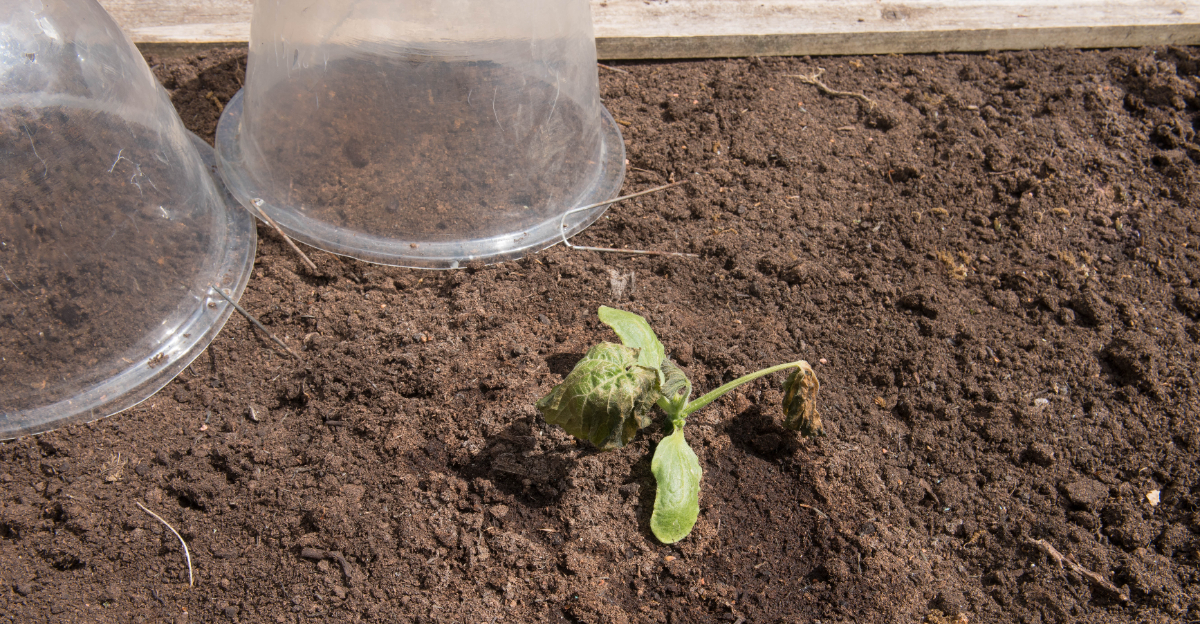
A surprise late frost in Michigan can catch gardeners off guard, especially when plants have already started to leaf out or bloom. One cold night is sometimes all it takes to leave leaves wilted, darkened, or looking stressed by morning.
It can feel like serious damage has been done, but what you do in the first 24 hours can make a big difference. Acting too quickly or the wrong way can sometimes cause more harm than the frost itself.
Many plants still have a chance to recover if they are handled carefully right after the cold passes. Michigan’s unpredictable spring weather makes this a common situation, even for experienced gardeners.
Knowing how to respond during that first day helps you protect what can be saved and support your plants as they begin to bounce back.
1. Wait Until Morning To Assess Damage
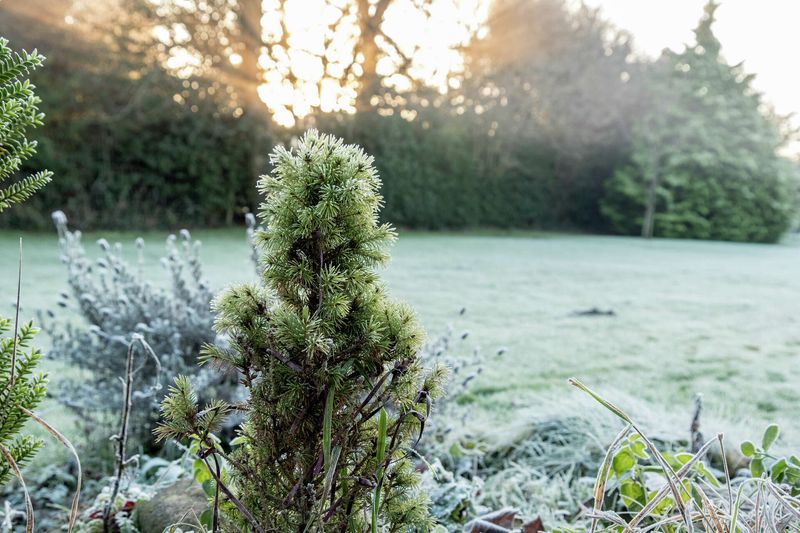
Rushing outside before sunrise after a frost might feel like the right move, but it can actually make things worse. When plants are still frozen, their tissues are fragile and need time to thaw naturally.
Touching or moving them while icy can snap stems and cause more harm than the frost itself.
Michigan mornings after a late frost can be deceptively beautiful, with that sparkly ice coating everything in the garden. But that glitter is hiding stress your plants are quietly dealing with.
Give the sun time to rise and let temperatures climb above freezing before you even step outside to take a close look.
Once things have thawed, usually a couple of hours after sunrise, you can walk through your garden with fresh eyes. You will start to see which plants bounced back on their own and which ones need your help.
Patience in those first few hours is honestly one of the most powerful tools you have as a Michigan gardener, and it costs you nothing but a little time.
2. Look For Blackened Or Wilted Growth
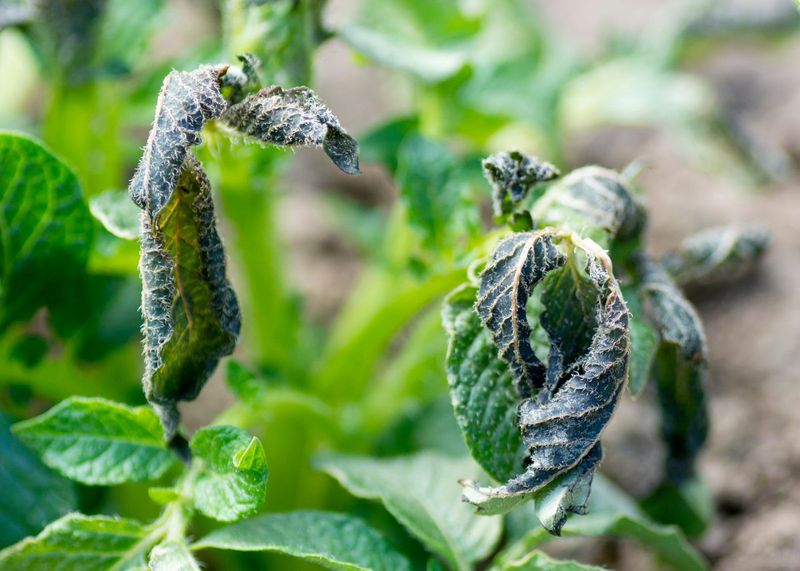
Once the frost has melted and your Michigan garden has warmed up a bit, the real detective work begins. Frost damage shows up in some pretty obvious ways once thawed, most commonly as dark, mushy, or drooping leaves and stems.
Water-soaked patches that turn black or brown are classic signs that cell walls inside the plant tissue were damaged by ice crystals.
Not every dark spot means the whole plant is struggling. Sometimes only the outermost leaves take the hit while the core of the plant stays perfectly healthy underneath.
Gently press a darkened leaf between your fingers, and if it feels slimy or collapses easily, that part of the plant definitely got hit hard by the cold.
Keep a small notebook or use your phone to photograph and track which plants showed damage and how severe it looked. Annuals and tender vegetables like tomatoes and basil are usually the most sensitive in Michigan gardens.
Perennials and established shrubs often look rough on the outside but have enough stored energy in their roots to push through the damage and send up fresh new growth within days.
Your Michigan Garden Changes Every Week. Your Plan Should Too.
Gardening in Michigan changes quickly throughout the season. Every Friday you’ll receive a simple weekly plan showing exactly what to plant, prune, fertilize, harvest, and protect so you never miss the right timing.
3. Do Not Prune Immediately After Frost

Grabbing your pruning shears right after a frost feels like the logical thing to do, but hold off for now. Damaged leaves and stems, even the ones that look pretty bad, actually serve a purpose after a cold snap.
They act like a natural shield, insulating the healthier tissue underneath from additional temperature drops that might still be coming.
Michigan springs are notoriously unpredictable, and another cold night can follow just days after the first frost surprise. Leaving that damaged foliage in place gives your plants a buffer while they start the recovery process from the inside out.
Pruning too early removes that protection and exposes tender new growth to whatever the weather throws next.
Most experienced Michigan gardeners recommend waiting at least five to seven days before making any cuts. By then, you will have a much clearer picture of what tissue is truly beyond saving and what is simply stressed but alive.
New growth often begins emerging from the base or lower nodes of a plant within a week, and that fresh green is your best guide for knowing exactly where to prune. Patience here really pays off in a big way.
4. Water Lightly Once The Soil Thaws
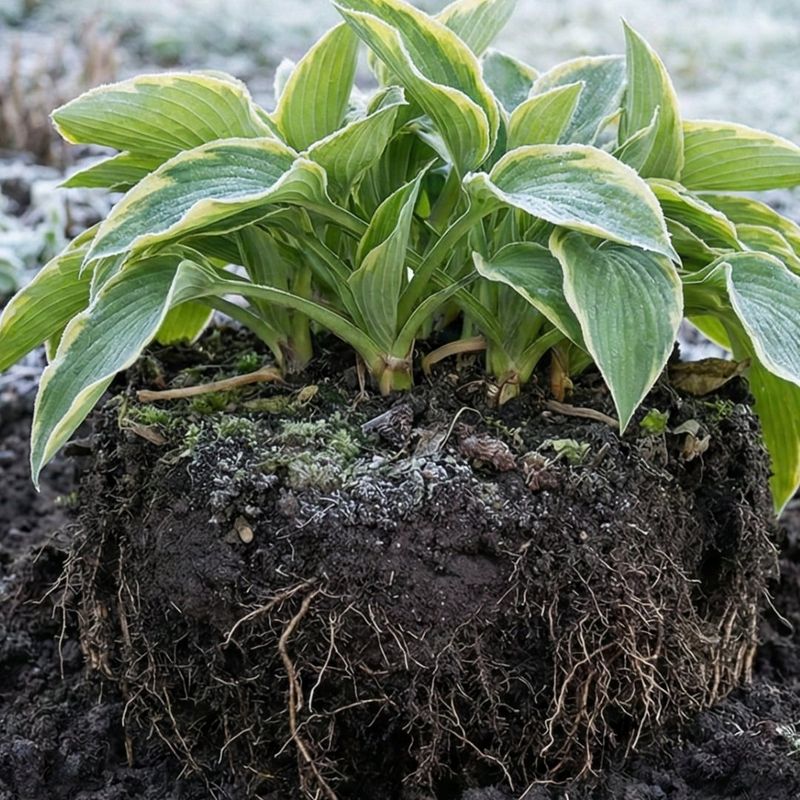
Frost does more than just chill leaves. It can actually pull moisture away from plant roots and leave the soil in a stressed, dehydrated state once temperatures rise.
Giving your plants a light, careful watering after the ground thaws helps them start the rehydration process they need to recover well.
The key word here is light. Soggy soil after a frost can invite root problems, especially if temperatures dip again at night.
You want the soil to feel consistently moist but never waterlogged. A gentle pass with a watering can or a low-pressure hose setting works perfectly for most Michigan garden beds after a frost event.
Moist soil also holds heat better than dry soil, which is a bonus if cooler nights are still in the forecast. Watering in the morning rather than the evening gives the moisture time to soak in before temperatures drop again after sunset.
If your garden beds have good drainage, a moderate watering once the frost has fully melted is usually enough to give your Michigan plants the hydration boost they need to start their recovery strong.
5. Protect Plants From Sun And Wind Right After Frost
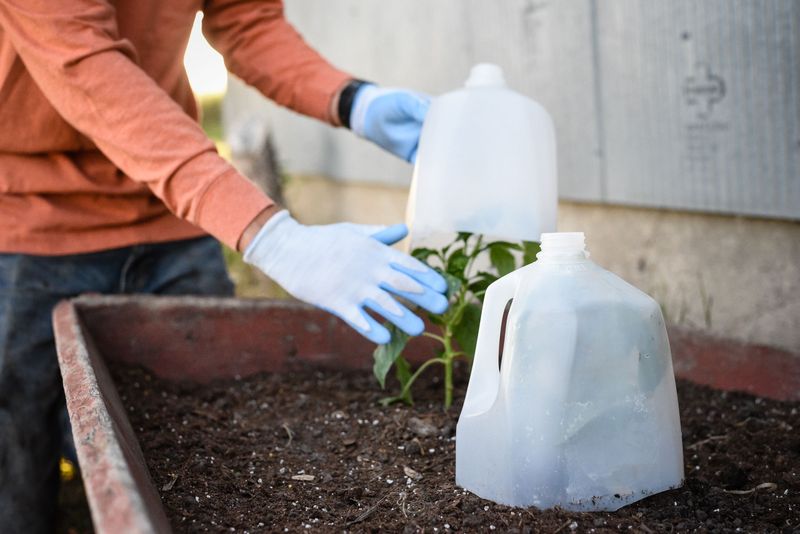
Bright sunshine the morning after a frost sounds like good news for your Michigan garden, but it can actually stress damaged plants even more.
When frozen tissue thaws too quickly under strong sunlight, the sudden temperature shift can cause additional cell damage that the frost alone might not have caused. A little shade goes a long way in those first few hours after a cold night.
Wind is another sneaky problem after a frost. Cold, dry wind pulls moisture from already-stressed leaves faster than plants can absorb water through damaged roots.
Even a light breeze on a frost recovery day can push a struggling plant over the edge when it is already working hard to bounce back.
Setting up a simple shade cloth or even propping up an old bedsheet over vulnerable plants for the first day or two can make a meaningful difference.
Garden centers across Michigan carry lightweight frost cloth that works great for blocking both sun and wind without trapping too much heat underneath.
Remove the covering once temperatures are comfortably warm and the wind has settled down. A little extra care in those first 24 hours can be the reason your plants fully recover instead of continuing to decline.
6. Cover Plants Again If Another Frost Is Coming
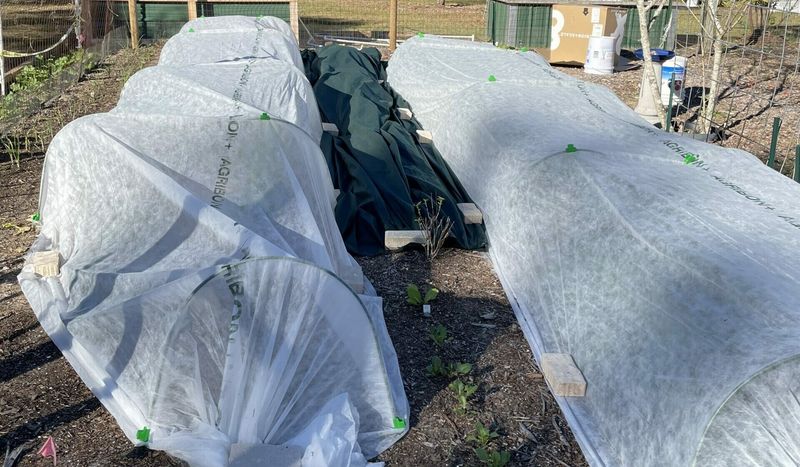
Michigan weather in spring is famous for its twists and turns, and one late frost is sometimes followed by another within just a few days.
After you have already dealt with one cold snap, the last thing your garden needs is a second round of damage before it has had a chance to recover. Keeping an eye on the forecast during this stretch is absolutely essential.
Row covers, old bedsheets, frost cloth, and even lightweight blankets all work well for overnight protection. The goal is to trap the warmth that radiates up from the soil and create a small buffer of warmer air around your plants.
Make sure whatever you use drapes down to the ground on all sides so the warm air stays trapped underneath instead of escaping into the cold night.
One helpful tip from seasoned Michigan gardeners is to set up your covers before sunset rather than waiting until it gets cold. Temperatures can drop faster than expected after dark, and covering plants while there is still some warmth in the air gives them a head start.
Remove the covers the next morning once temperatures rise above freezing so your plants get the airflow and sunlight they need to keep recovering from the original frost event.
7. Check Container Plants First
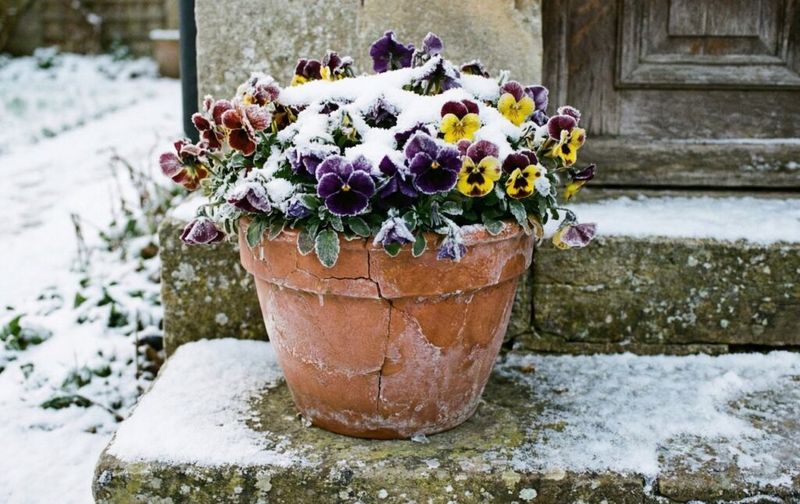
Container plants are always the most vulnerable members of your Michigan garden during a frost, and they deserve your attention first.
Unlike plants growing directly in the ground, potted plants have their roots surrounded by a relatively small amount of soil that freezes much faster when temperatures drop overnight.
That means root damage can happen quickly, even during a mild frost event. Moving containers to a sheltered spot is one of the fastest and most effective things you can do in the first 24 hours.
A garage, covered porch, mudroom, or even a shed provides enough protection to keep root temperatures stable and give your plants a real chance to recover.
Even moving pots just a few feet closer to a building wall can reduce the wind chill they experience overnight.
Check the soil in each container after moving them indoors or to a sheltered area. If the potting mix feels rock solid, let it thaw at room temperature before watering.
Frozen soil cannot absorb water, and pouring water onto it just causes runoff without helping the roots at all. Once thawed, give each container a gentle drink and place it somewhere with indirect light for a day or two while it stabilizes.
Michigan gardeners with lots of containers often make this their very first priority after a frost surprise.
8. Avoid Fertilizing Right Away

After a frost, it is tempting to give your Michigan garden plants a nutrient boost to help them along. The intention is good, but the timing is off.
Fertilizing too soon after frost damage actually encourages soft, tender new growth to push out before the plant has stabilized, and that fresh growth is extremely sensitive to any additional cold snaps that may still be lurking in the Michigan forecast.
Think of it this way: your plant is already working hard just to survive and stabilize after the stress of freezing temperatures. Adding fertilizer at that moment is like asking someone to run a race right after they sprained their ankle.
The body, or in this case the plant, needs rest and basic care before it can handle anything extra.
Wait until you clearly see new, healthy growth emerging from your plants before you even think about feeding them. That new growth is the signal that your plant has successfully moved past the shock phase and is ready to start thriving again.
A balanced, slow-release fertilizer works well at that point for most Michigan garden plants. Starting with a lighter dose than usual is always a smart approach after any kind of stress event, including a surprise late frost.
9. Monitor For New Growth Over The Next Week
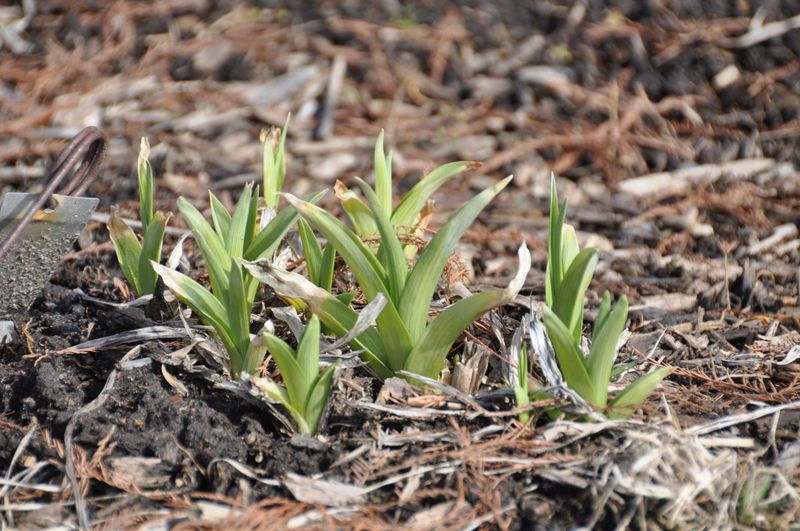
One of the most exciting moments after a late frost in Michigan is spotting the first tiny green shoots pushing through on a plant you were worried about.
New growth is the clearest sign that a plant made it through the cold and is ready to keep growing for the season.
Checking your garden every morning for these small victories makes the whole recovery process feel rewarding.
Some plants bounce back within just three or four days, especially hardy perennials with deep root systems. Others, like certain fruiting plants or tender annuals, may take closer to a week or more to show any signs of new life.
Do not give up on a plant too quickly just because it looks rough on day two or three after the frost hit.
Keep a simple log of which plants showed new growth first and which ones took longer. Over time, this kind of record becomes incredibly useful for planning your Michigan garden each spring.
You will know which varieties are tougher and which ones need extra protection when late frost warnings come through.
Watching new growth emerge after a frost is honestly one of the most satisfying experiences in gardening, and it is a reminder of just how resilient plants can be when given the right care and a little time.
10. Mulch Lightly To Stabilize Soil Temperature
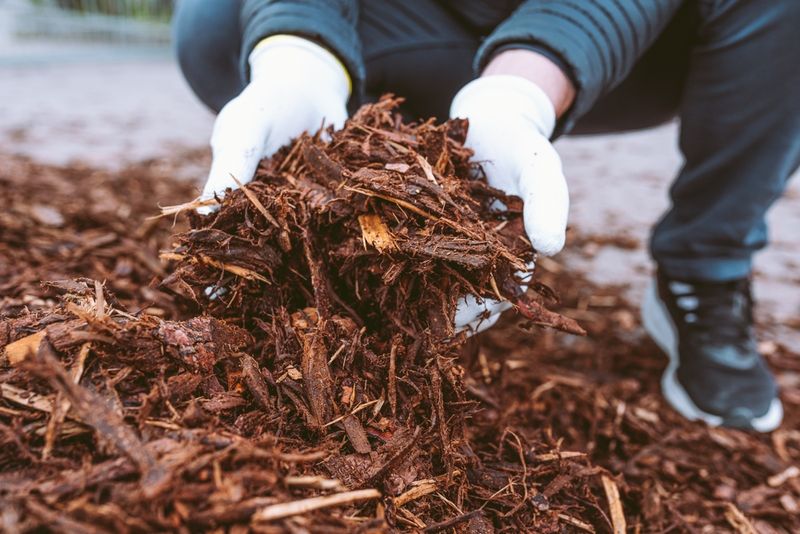
Mulch is one of the most underrated tools in a Michigan gardener’s recovery toolkit after a surprise late frost.
A thin layer of organic mulch spread around the base of your plants helps insulate the soil and keep root zone temperatures more consistent, even when the air above the ground is still unpredictable. Just two to three inches is enough to make a noticeable difference.
Straw, shredded bark, wood chips, and even dried leaves all work well as mulch options after a frost. The goal is to slow down the freeze-thaw cycles that happen when temperatures swing up and down during Michigan spring nights.
Those repeated cycles can heave plant roots right out of the soil, which adds stress on top of the frost damage already affecting your garden.
Spread your mulch carefully around each plant without piling it directly against the stem or trunk. Mulch touching stems can trap moisture and create conditions that encourage rot, which is the last thing a recovering plant needs.
Keep a small gap between the mulch and the base of each plant for good airflow. Applied correctly, a light mulch layer after a late frost gives Michigan garden plants a stable, protected environment where they can focus their energy entirely on recovery and new growth.