Arizona’s Top 7 Year-Round Flowers And Perennial Plants For Yards
If you’ve ever spent time in your Arizona garden, you know how important it is to find plants that can stand up to the desert heat – without needing constant care.
Whether you’ve been tending your yard for years or you’re just getting started, you’ve probably learned the importance of selecting the right plants to keep things colorful year-round.
Arizona’s climate can be tough, but it doesn’t mean your yard has to look dry and dull. There are plenty of flowers and perennials that thrive in the heat and can bloom through every season, offering you beauty and easy maintenance.
If you’re tired of replanting each year, you’re in luck – these plants will keep coming back year after year, filling your yard with vibrant colors and welcoming scents.
Ready to discover the best flowers and plants that will turn your yard into a desert oasis? Keep reading to find the perfect choices for year-round beauty and minimal upkeep!
1. Angelita Daisy Bringing Sunshine To Your Yard All Year
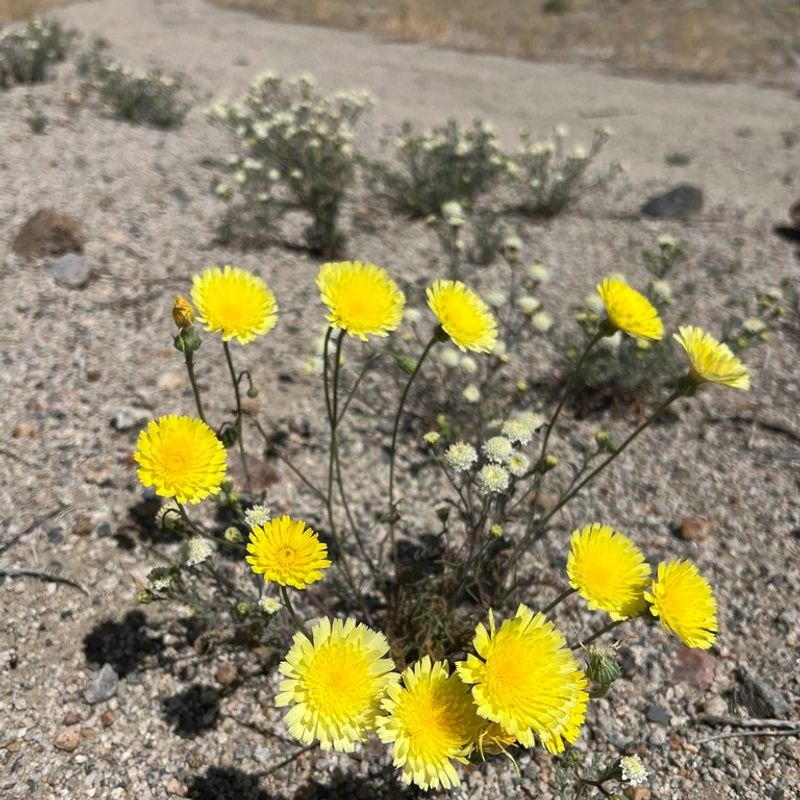
Few plants punch above their weight quite like the Angelita Daisy. This cheerful little perennial sits low to the ground but sends up a constant parade of bright yellow, daisy-like flowers that seem almost too pretty for the harsh Arizona sun.
Formally known as Tetraneuris acaulis, it is a native plant of the southwestern United States and thrives in the exact conditions that many other plants struggle with. It’s a perfect example of nature’s ability to adapt and flourish in challenging environments, making it a must-have for Arizona gardens.
What makes the Angelita Daisy such a standout in Arizona yards is its commitment to blooming. From spring all the way through fall, and even during mild winter stretches, those golden flowers keep showing up, creating a cheerful and vibrant atmosphere.
It loves full sun and well-drained soil, making it a perfect fit for the rocky, sandy ground common across the state. Once established, it needs very little water, which is a huge bonus for Arizona homeowners watching their water bills.
Planting Angelita Daisy along borders, in rock gardens, or as a ground cover creates a naturalized, effortless look that feels right at home in the desert. It reseeds on its own, so over time your patch will fill in and spread without much help from you.
Bees and butterflies are drawn to its blooms, making it a wonderful choice for anyone who wants to support local pollinators and contribute to a healthy, thriving environment.
2. Baja Red Fairy Duster Lighting Up Landscapes With Color
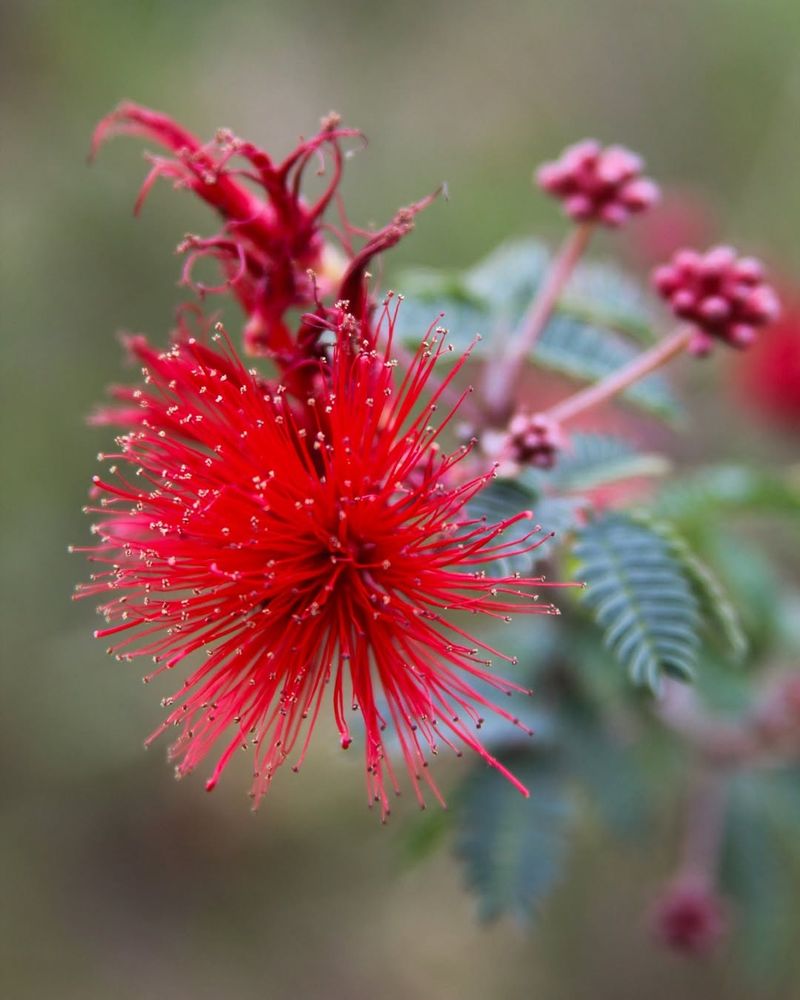
Walk past a Baja Red Fairy Duster in full bloom and it is nearly impossible not to stop and stare. Those bold, feathery red powder-puff flowers look almost tropical, which makes it all the more surprising that this plant thrives in the dry, sun-baked landscapes of Arizona.
Scientifically called Calliandra californica, it is native to Baja California and has found a very happy second home across the Arizona desert.
Your Arizona Garden Changes Every Week. Your Plan Should Too.
Gardening in Arizona changes quickly throughout the season. Every Friday you’ll receive a simple weekly plan showing exactly what to plant, prune, fertilize, harvest, and protect so you never miss the right timing.
Unlike some flowering shrubs that bloom briefly and then go quiet, the Baja Red Fairy Duster is generous with its color. It blooms heavily in spring and fall, but in the warmer parts of Arizona it can push out flowers through much of the year.
The fine-textured, feathery foliage adds softness to any landscape even when the plant is between bloom cycles, so it always earns its place in the yard.
Hummingbirds absolutely love this plant, and if you set one up near a window or patio, you will have a front-row seat to the action. It grows as a rounded shrub, typically reaching about four to five feet tall and wide, making it great for borders, privacy screens, or as a standalone focal point.
Plant it in full sun with well-drained soil and water it occasionally once it gets established. For Arizona homeowners who want year-round color with minimal fuss and serious wildlife appeal, the Baja Red Fairy Duster is one of the most rewarding plants you can add to your yard.
Its striking red blooms not only brighten your landscape but also attract bees, butterflies, and hummingbirds, making it an ideal choice for any garden.
3. Blackfoot Daisy Blooming Through Desert Seasons
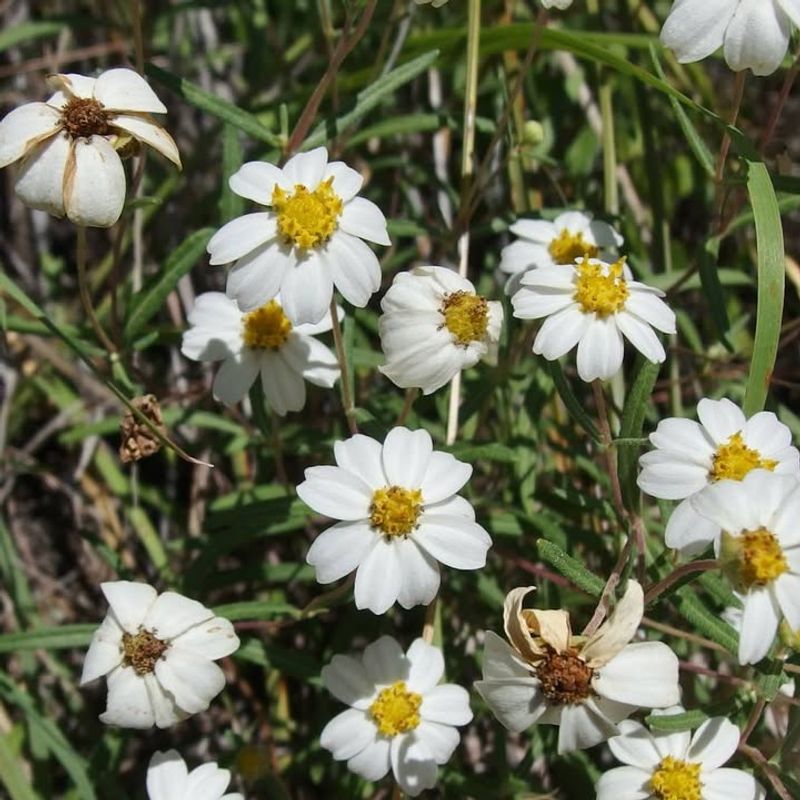
There is something quietly magical about the Blackfoot Daisy. While it does not shout for attention with oversized blooms or wild colors, it wins people over with its steady, reliable charm.
Melampodium leucanthum produces a carpet of small white flowers with sunny yellow centers that bloom from early spring all the way through fall, and sometimes even longer in the warmer parts of Arizona.
Native to the southwestern United States and northern Mexico, the Blackfoot Daisy is built for tough desert conditions. It handles heat, drought, and rocky soils without complaint, making it one of the most dependable perennials for Arizona yards.
Full sun is where it performs best, and it actually prefers soil that drains quickly rather than holding onto moisture. Overwatering is one of the few things that can really set this plant back, so a light hand with the hose goes a long way.
In terms of size, the Blackfoot Daisy stays fairly compact, usually reaching about one foot tall and spreading about two feet wide. That makes it an excellent choice for borders, rock gardens, and the edges of pathways where you want a neat, tidy look with constant color.
A light trim after each big bloom cycle can encourage fresh growth and even more flowers. Bees and butterflies visit regularly, adding extra life to your outdoor space.
For a plant that asks for almost nothing but gives back all season long, the Blackfoot Daisy is a true Arizona yard hero. Its cheerful white blooms will continue to brighten your landscape while thriving in the toughest conditions, making it a must-have for any low-maintenance garden.
4. Parry’s Penstemon Adding Hummingbird-Friendly Blooms
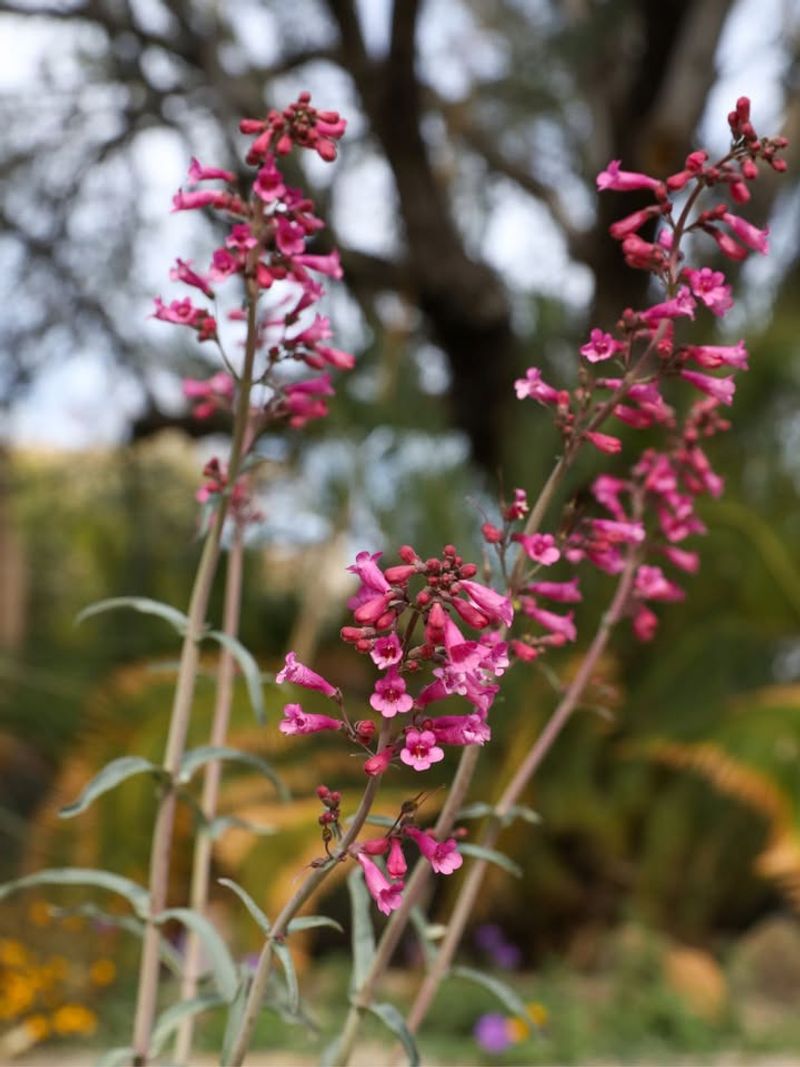
If you have ever wanted to turn your Arizona yard into a hummingbird hotspot, planting Parry’s Penstemon is one of the fastest ways to do it. Those long, tubular pink-red flowers are practically designed for hummingbird beaks, and once these birds discover your plant, they will return again and again throughout the blooming season.
Penstemon parryi is native to southern Arizona and northern Mexico, so it is perfectly adapted to the climate here.
Blooming primarily in late winter through spring, Parry’s Penstemon sends up tall, elegant flower spikes that can reach three to four feet high. The show it puts on during peak bloom is genuinely stunning, with dozens of rosy-pink tubular flowers arranged in graceful clusters along each spike.
Even after the flowers fade, the plant holds its form well and provides interesting texture in the landscape. It grows best in full sun to light shade and prefers well-drained, gravelly or sandy soil that is common across much of Arizona.
One of the best things about Parry’s Penstemon is how little water it needs once established. It is a true desert plant at heart, designed to make the most of seasonal rainfall without needing constant irrigation.
Planting it in groups creates a more dramatic visual impact and gives hummingbirds plenty of options to visit. Bees and butterflies also appreciate the blooms.
For Arizona gardeners who want to create a wildlife-friendly yard while enjoying spectacular seasonal color, Parry’s Penstemon is absolutely worth including in any planting plan.
5. Pink Bower Vine Flowering Nearly Every Month
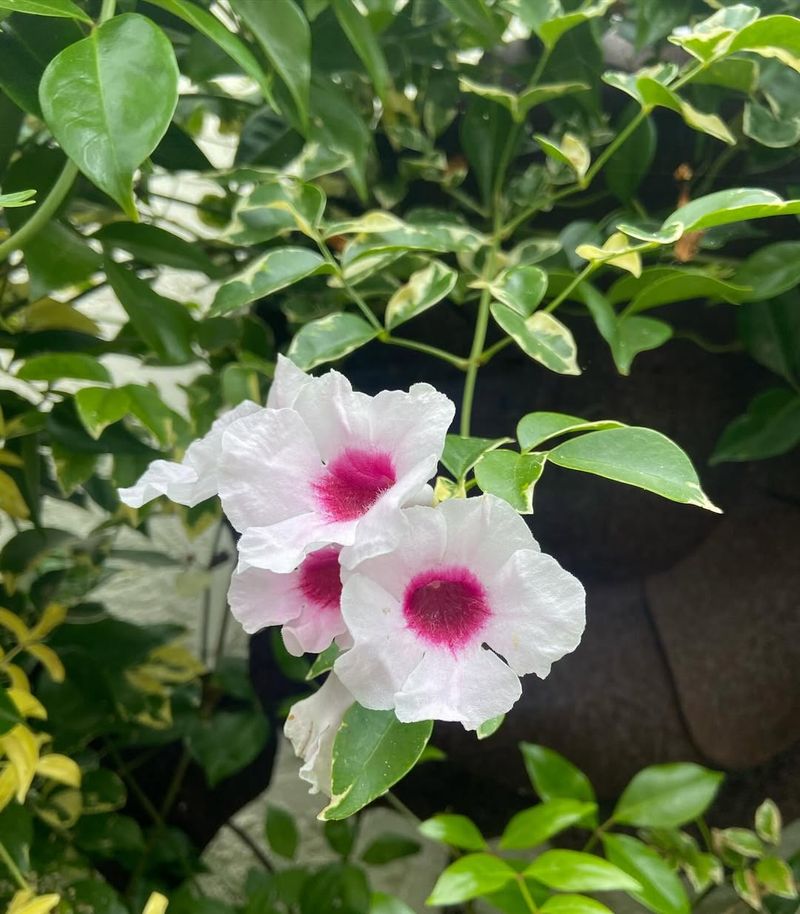
Not many plants in Arizona can honestly claim to bloom nearly every month of the year, but the Pink Bower Vine earns that reputation with ease. Podranea ricasoliana is a vigorous climbing vine that produces clusters of soft pink, trumpet-shaped flowers almost continuously in the warmer months, and even during mild Arizona winters it rarely takes a long break.
For homeowners who want a living curtain of color on a fence, wall, or trellis, this vine is a showstopper.
Originally from South Africa, the Pink Bower Vine has adapted beautifully to the Arizona climate. It loves full sun and handles heat remarkably well, which makes it right at home in the low desert regions around Phoenix and Tucson.
The vine grows quickly, which is great when you want to cover an unsightly wall or create privacy on a patio fast. It can reach up to twenty feet or more if given something to climb, so planting it near a sturdy support structure is a smart move from the start.
Watering needs are moderate compared to some other flowering vines, and once established, it becomes much more drought-tolerant. This makes it an excellent choice for Arizona gardeners looking to conserve water while still enjoying vibrant blooms throughout the year.
Occasional pruning keeps it tidy and actually encourages even heavier blooming. Hummingbirds and butterflies are frequent visitors to the flowers, adding a lively energy to any outdoor area.
The combination of near-constant blooming, fast growth, and wildlife appeal makes the Pink Bower Vine one of the most exciting and versatile plants available to Arizona gardeners looking for year-round color.
6. Baja Ruellia Pumping Purple Color In Warm Weather
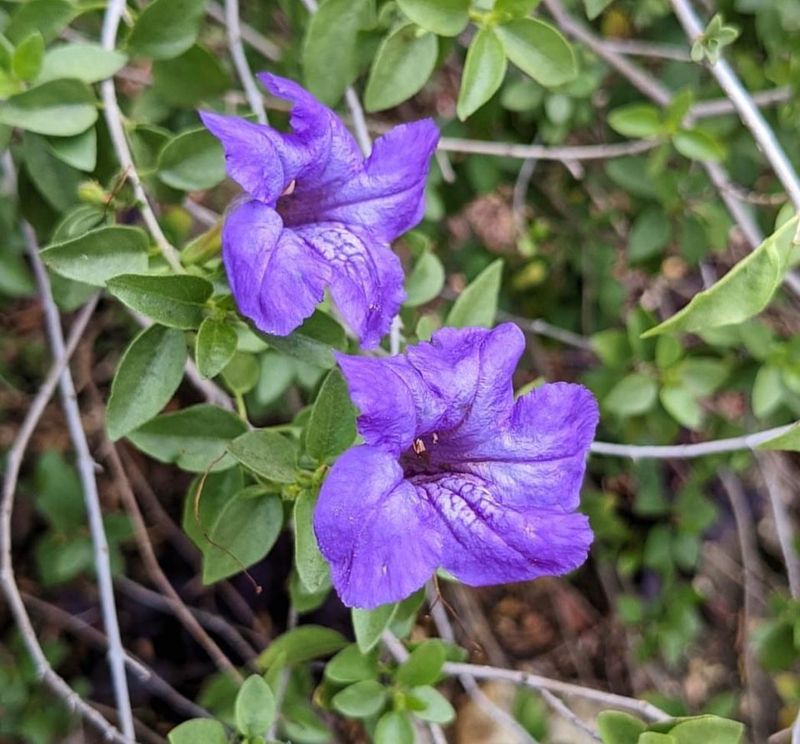
Purple is not always easy to find in the desert landscape, which is exactly why Baja Ruellia stands out so strongly. This plant, also known as Ruellia peninsularis, produces an impressive wave of bright purple, trumpet-shaped flowers that pop against the earthy tones of a typical Arizona yard.
During the warm months, which in Arizona can stretch from spring all the way into late fall, Baja Ruellia is rarely without flowers.
Native to the Baja California peninsula, this shrubby perennial is wonderfully adapted to hot, dry conditions. It thrives in full sun and handles reflected heat from walls and pavement better than many other flowering plants, which is a huge advantage in urban Arizona settings where heat can be intense.
The plant grows to about three to four feet tall and wide, giving it enough presence to serve as a low hedge, a border plant, or a colorful anchor in a mixed desert garden bed.
Water requirements are low once established, making Baja Ruellia a smart choice for water-conscious Arizona homeowners. It does appreciate a bit more moisture during the peak of summer heat to keep the flowers coming strong, but it is forgiving if you miss a watering session here and there.
Pollinators, especially bees and butterflies, flock to the blooms throughout the season. If you want to inject vibrant purple energy into your Arizona landscape without a lot of effort or irrigation, Baja Ruellia is one of the most satisfying and reliable plants you can choose.
7. Cape Honeysuckle Drawing Birds With Bold Blooms
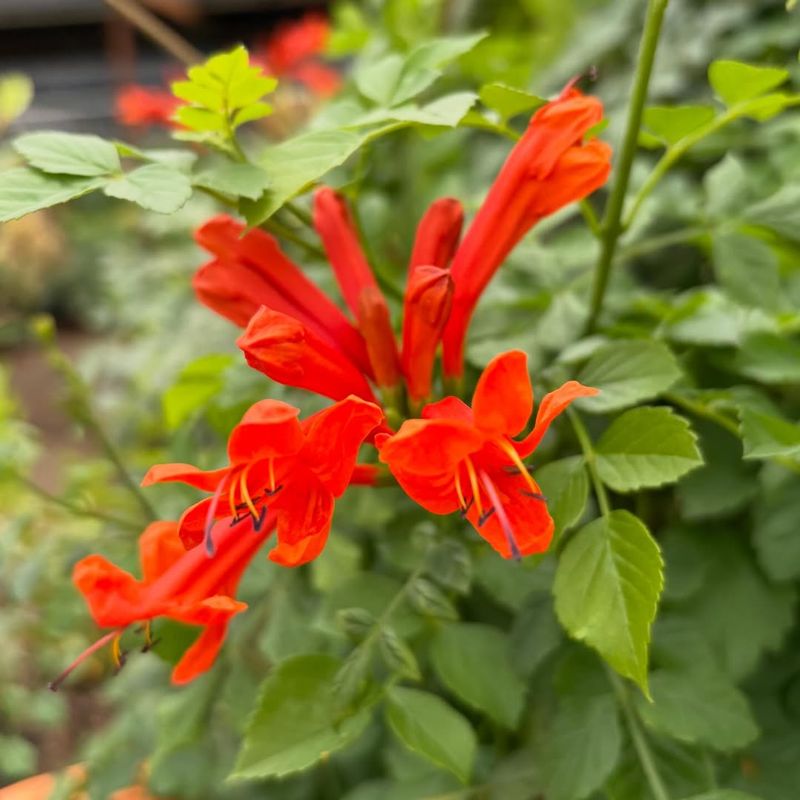
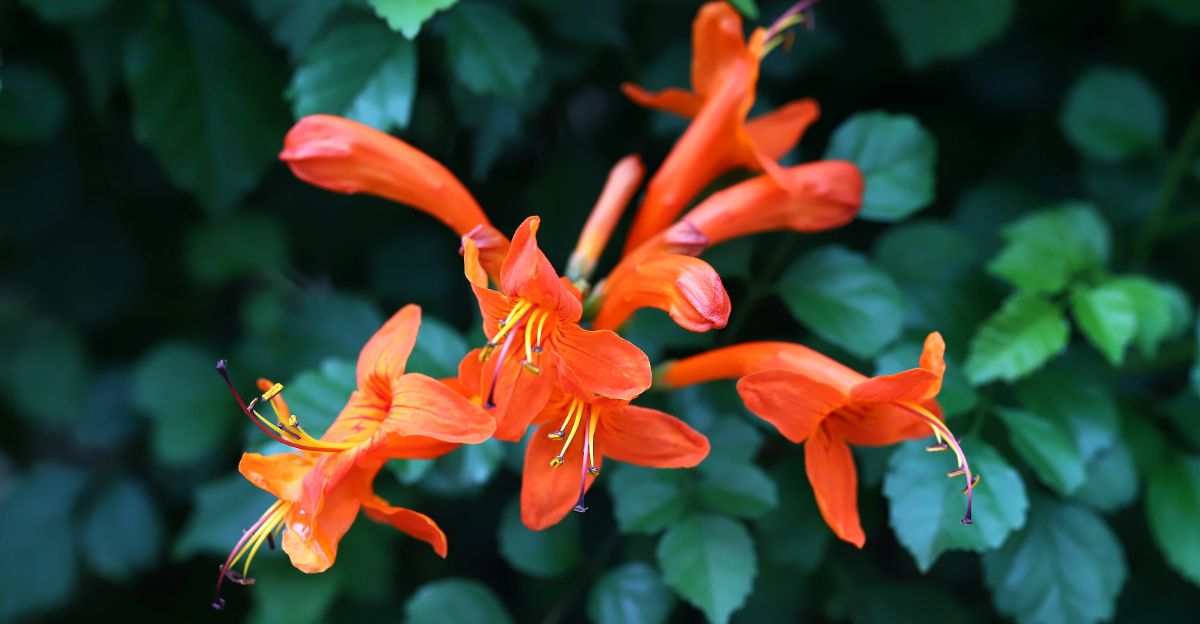
Bold, bright, and buzzing with wildlife activity, Cape Honeysuckle is one of those plants that turns an ordinary Arizona yard into something truly vibrant. Tecoma capensis produces clusters of vivid orange tubular flowers that hummingbirds simply cannot resist.
From fall through spring, and often well beyond that in the warmer parts of Arizona, this plant keeps the color coming and the birds visiting on a regular basis.
Originally from South Africa, Cape Honeysuckle has made itself completely at home across Arizona. It can be grown as a sprawling shrub or trained to climb a fence or trellis, giving homeowners a lot of flexibility with how they use it in the landscape.
In frost-free areas of the state, it stays evergreen and blooms almost year-round, which is a remarkable quality for any ornamental plant. In slightly cooler areas, it may pull back a bit in winter but bounces back reliably once temperatures warm up again.
Full sun brings out the best performance from Cape Honeysuckle, and it handles drought well once it has had time to establish its root system. Occasional deep watering during dry stretches helps it stay lush and flowering at its peak.
Pruning after major bloom cycles keeps the plant tidy and promotes new growth loaded with buds. Orioles, hummingbirds, and butterflies are among the many visitors you can expect once this plant is in bloom.
For Arizona gardeners who love wildlife and bold seasonal color, Cape Honeysuckle delivers on every front with impressive consistency.