What Type Of Mulch Works Best In Arizona As Temperatures Rise In April
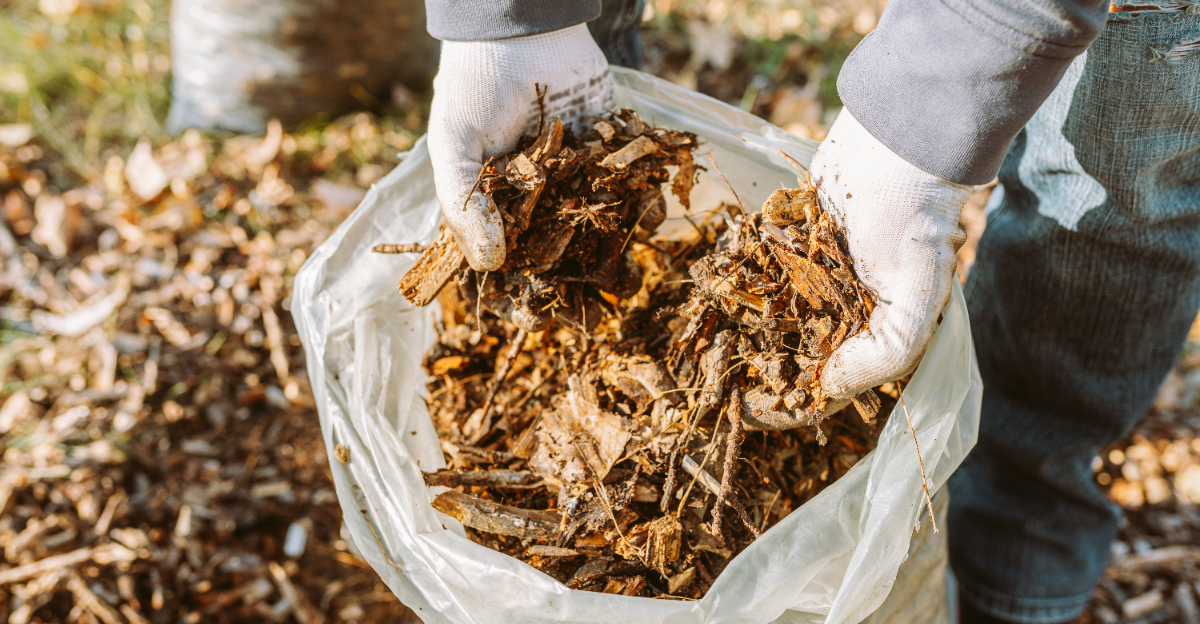
April heat does not ease in slowly in Arizona, it shows up fast and starts pulling moisture out of the soil before most plants can adjust.
What looked fine earlier can dry out quicker than expected, and that shift often catches people off guard. Mulch becomes more important right at this point.
Some types help soil stay cooler and hold moisture longer, while others do very little once temperatures begin to climb. The difference is not always obvious at first, but it shows up once plants start reacting.
This is one of those choices that quietly affects everything underneath. Roots feel it first, then the rest of the plant follows.
Getting that layer right before heat settles in can make a noticeable difference in how well plants handle the weeks ahead.
1. Gravel Mulch Lasts Long And Won’t Break Down Over Time
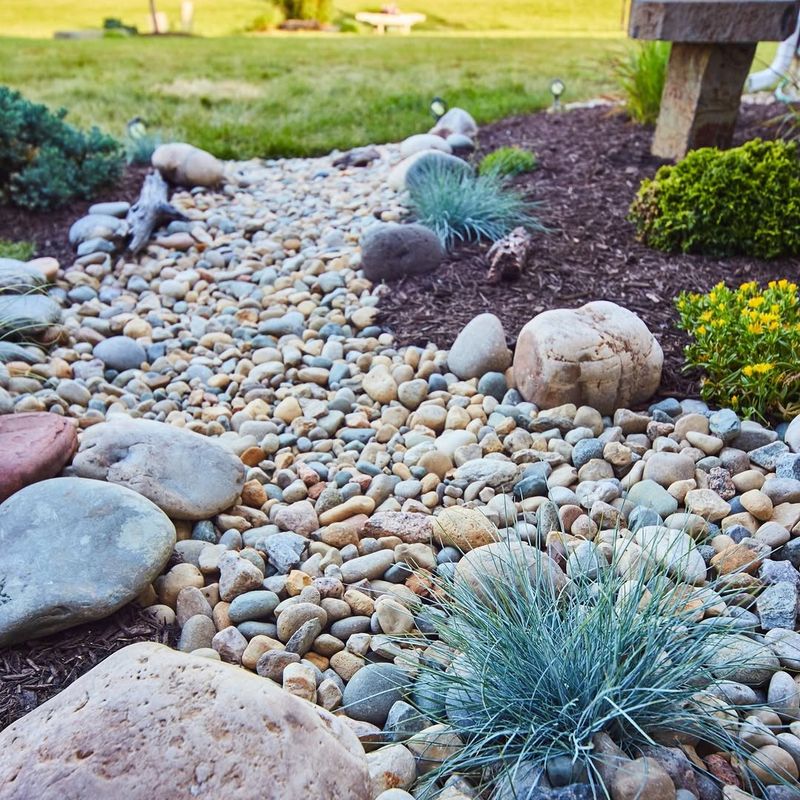
Gravel mulch is probably the most common sight across Arizona yards, and there is a solid reason for that. Unlike wood or bark, gravel does not break down in the sun, does not blow away in monsoon winds, and does not need replacing every season.
Once it is down, it stays put for years with very little attention needed.
In Arizona’s dry April climate, gravel reflects heat rather than absorbing it, which can actually keep surface soil slightly cooler during the hottest parts of the afternoon. Lighter-colored gravel tends to reflect more sunlight than darker stones, so that is worth thinking about depending on where you are placing it.
Dark volcanic rock, on the other hand, absorbs more heat and can raise soil temperature near plant roots.
Gravel works especially well around cacti, succulents, and drought-tolerant desert shrubs that prefer dry, well-drained conditions. It does not improve soil fertility the way organic mulches do, so plants that need nutrient-rich soil may not benefit as much.
If your goal is a clean, low-upkeep landscape that holds up through Arizona’s intense summers, gravel is a practical and reliable option worth considering.
2. Decomposed Granite Keeps Soil Stable And Drains Well
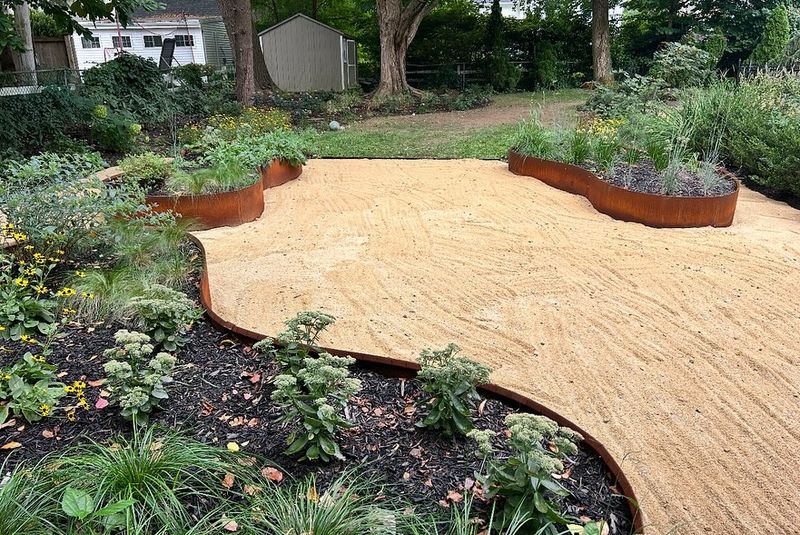
Decomposed granite, often called DG, is basically crushed granite that has broken down into small angular pieces. It packs together more firmly than regular gravel, which makes it great for pathways, driveways, and garden borders throughout Arizona.
Plenty of homeowners in the Phoenix and Tucson areas rely on it as a go-to ground cover for desert-style landscapes.
Drainage is one of DG’s strongest qualities. Arizona soils, particularly in the low desert, can be rocky and compacted, making drainage a real challenge.
Decomposed granite allows rainwater and irrigation to filter down toward roots without pooling on the surface. During April when sporadic storms can drop water quickly, that drainage ability becomes especially useful.
Stability is another practical benefit. Because DG compacts slightly when wet and dries firm, it does not shift around the way loose pea gravel does.
Around raised garden beds or along walkways, this makes it easier to keep things tidy without constant raking or replacing.
Your Arizona Garden Changes Every Week. Your Plan Should Too.
Gardening in Arizona changes quickly throughout the season. Every Friday you’ll receive a simple weekly plan showing exactly what to plant, prune, fertilize, harvest, and protect so you never miss the right timing.
Soil improvement is not something decomposed granite offers, so if you are growing vegetables or flowering plants that need organic matter, DG alone is not going to cut it.
3. Wood Chips Help Soil Hold Moisture Longer
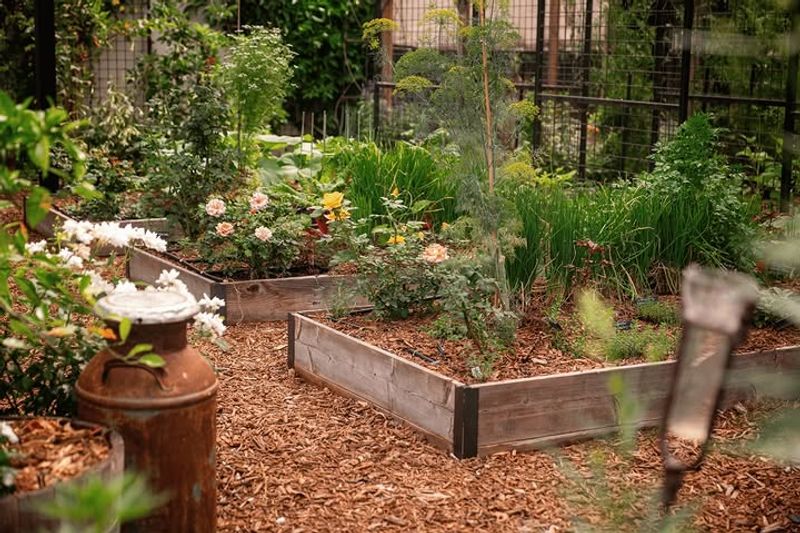
Wood chips are one of the most effective ways to hold moisture in Arizona soil, especially as April temperatures start pushing past 90 degrees in many parts of the state.
When spread in a 3 to 4 inch layer, wood chips act like a slow-release sponge, keeping the ground underneath noticeably cooler and damper than bare soil.
That moisture buffer can reduce how often you need to water by a meaningful amount.
Arborist wood chips, which are the chunky irregular pieces left over from tree trimming, tend to work better in Arizona gardens than finely shredded wood.
Finer mulch can mat together and actually repel water rather than absorbing it, which is the opposite of what you want.
Chunky chips allow air and water to move through more freely while still shading the soil surface.
Another advantage of wood chips is that they slowly break down over time, adding organic matter to Arizona’s typically nutrient-poor desert soils.
That breakdown process feeds soil microbes and gradually improves soil structure, which benefits plant roots over multiple seasons. It is not a fast transformation, but over a year or two the difference becomes noticeable.
4. Bark Mulch Works Better In Shaded Spots
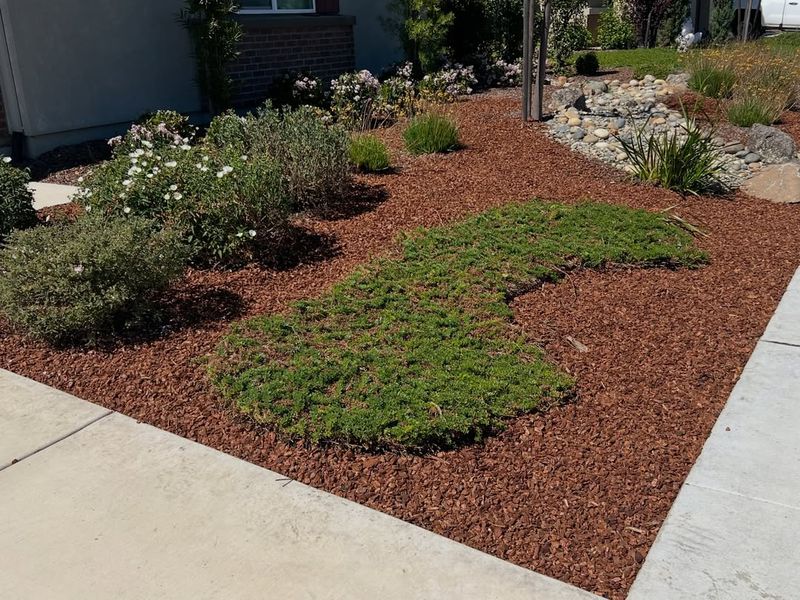
Bark mulch has a place in Arizona landscapes, but it performs better under specific conditions than others.
Shaded garden spots, covered patios with planting beds, or areas under large canopy trees are where bark mulch tends to hold up best.
Out in full direct sun, bark can dry out and break down faster, losing its effectiveness more quickly than in cooler, shaded areas.
Shredded bark, whether pine, cedar, or mixed hardwood, locks together when spread and resists blowing around in the wind. That matters in Arizona, where spring and summer winds can scatter lighter mulches before they even get a chance to do their job.
The interlocking texture of shredded bark helps it stay in place better than many other organic options.
Bark mulch also has a pleasant natural appearance that suits planted garden beds and ornamental areas well. Around flowering shrubs, native plants, or shaded vegetable beds, it creates a clean, finished look while still delivering moisture retention benefits.
A 2 to 3 inch layer is enough to get noticeable results without suffocating plant roots.
Worth knowing: bark mulch does not improve soil as quickly as compost or wood chips, since bark breaks down more slowly. If your Arizona soil is sandy or depleted, mixing in some compost before applying bark mulch on top will give plants a better foundation.
5. Compost Improves Soil But Dries Faster On Top
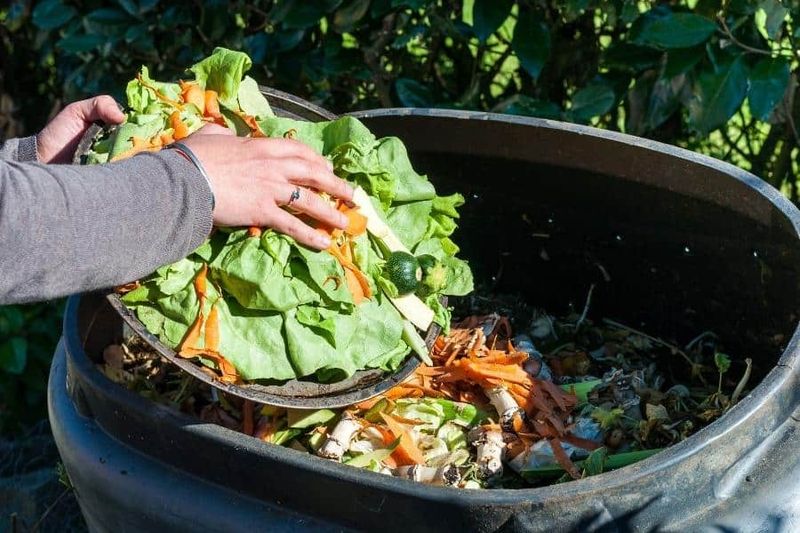
Compost is not your typical mulch, but plenty of Arizona gardeners use it as a top dressing to feed soil while also providing some surface coverage.
Spreading a 1 to 2 inch layer of finished compost across garden beds in April delivers a real boost of organic matter to soil that is often sandy, alkaline, and low in nutrients.
Vegetable gardens and flower beds benefit the most from this approach.
The catch with compost in Arizona is that it dries out on the surface faster than other mulch types. With low humidity and intense sun, a thin layer of compost can look dry and crumbly within a day or two of application.
Covering compost with a layer of wood chips or shredded bark on top can slow that drying process significantly and help it do its job longer.
Compost also improves how Arizona soil absorbs and holds water over time. Repeated applications season after season gradually shift the soil structure, making it less prone to water runoff and more hospitable for plant roots.
That is a slow process, but it builds real results that other mulches simply cannot match.
Finished compost works better than fresh or partially broken-down material. Fresh compost can still be generating heat as it breaks down, which could stress plant roots in an already warm April garden.
6. Organic Mulch Helps Keep Roots Cooler In Heat
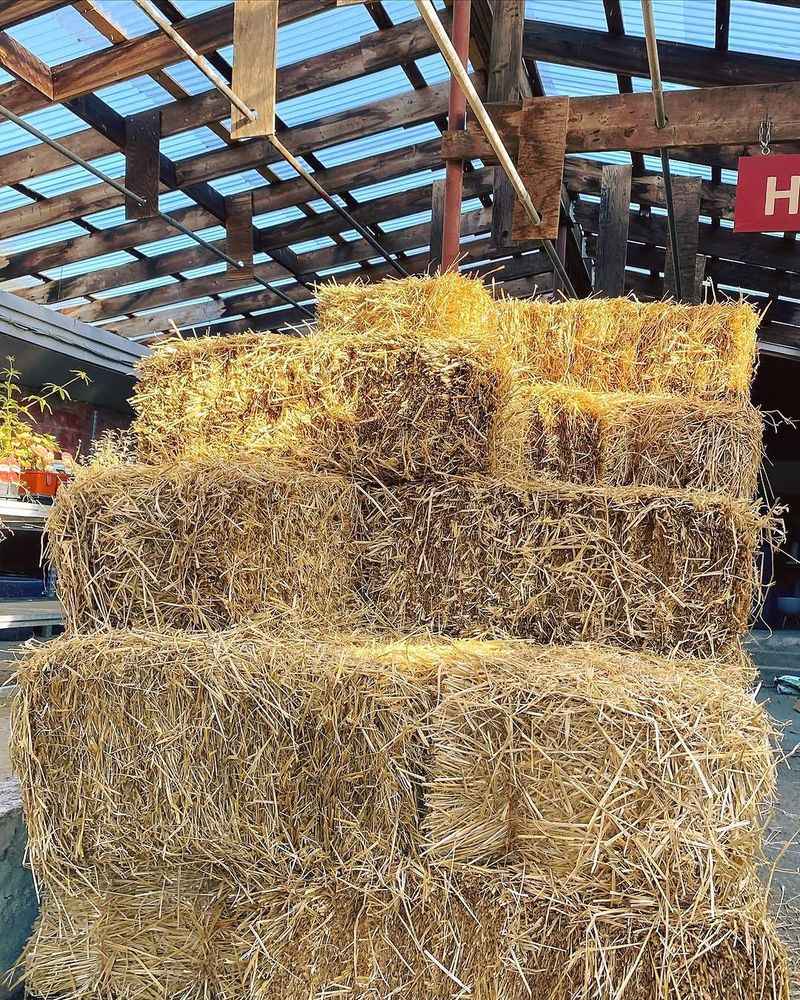
Soil temperature in Arizona can climb fast in April, sometimes reaching levels that stress plant roots well before summer officially arrives.
Organic mulch, whether straw, shredded leaves, or a mix of plant-based materials, creates an insulating layer between the hot air above and the soil below.
That buffer helps roots stay in a more stable temperature range during the day.
A few degrees may not sound like much, but for plants already dealing with Arizona’s dry air and intense UV exposure, that difference can influence how well they manage heat stress over time.
Straw mulch is a practical and affordable organic option that works well in vegetable gardens across Arizona. It breaks down steadily, adds organic matter to the soil, and is easy to move around when you need to replant or rearrange beds.
Shredded leaves, if you have access to them, work similarly and cost nothing if you compost them yourself.
Applying a 3 to 4 inch layer of organic mulch in April, before the real heat arrives in May and June, gives plants a head start.
7. Thick Mulch Layers Help Soil Stay Moist Longer
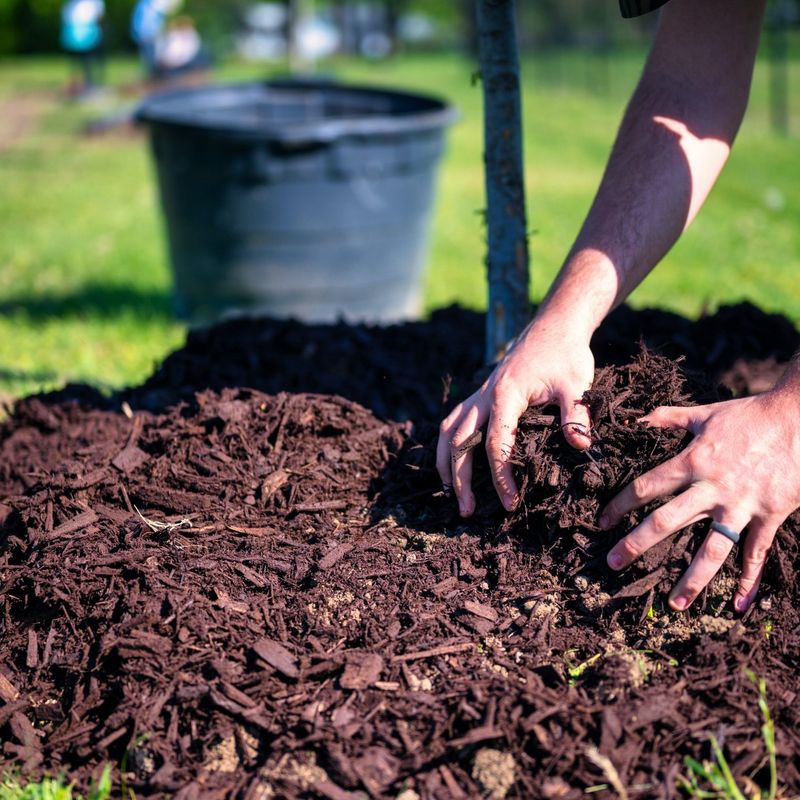
Mulch depth matters more than most Arizona gardeners realize. Spreading just an inch of mulch on top of dry desert soil does very little to slow evaporation.
A 3 to 4 inch layer, on the other hand, creates a meaningful barrier that keeps moisture from escaping too quickly after watering or rainfall.
Moisture loss in Arizona April gardens happens fast.
With relative humidity often sitting below 20 percent and afternoon temperatures regularly hitting the mid-80s or higher in the low desert, bare soil can lose a significant portion of its surface moisture within hours of watering.
A thick mulch layer slows that process down, giving roots more time to absorb water before it disappears.
Going thicker than 4 inches is generally not recommended. Layers that are too deep can reduce oxygen flow to roots and, in irrigated spots, may hold excessive moisture that leads to root problems.
Staying in the 3 to 4 inch range gives you the moisture benefits without creating new issues.
April is genuinely the right time to refresh or build up your mulch depth in Arizona. Waiting until May or June means the soil has already been baking for weeks without protection.
Spreading mulch before the intense heat arrives is a straightforward step that can meaningfully reduce how often you need to run your irrigation system.