Should You Trim Your Hibiscus Before Spring In Florida
In Florida, spring does not knock politely. It flips a switch.
One week your hibiscus looks tired and leggy, the next it has the potential to explode with bold, tropical blooms. That is exactly why so many gardeners reach for the pruners too soon.
Hibiscus can look rough at the end of winter. Sparse branches, uneven growth, fewer flowers.
The urge to cut it back hard feels almost irresistible. But a premature trim can slow growth, reduce blooms, and leave your plant struggling just when it should be powering up for the warm season ahead.
This is not just about shaping a shrub. It is about setting the stage for months of nonstop color.
In Florida’s climate, timing makes the difference between a show stopping hibiscus and a disappointing one. Before you make a single cut, you need to know exactly what your plant is preparing to do next.
1. Prune Just Before Florida’s Spring Growth Burst
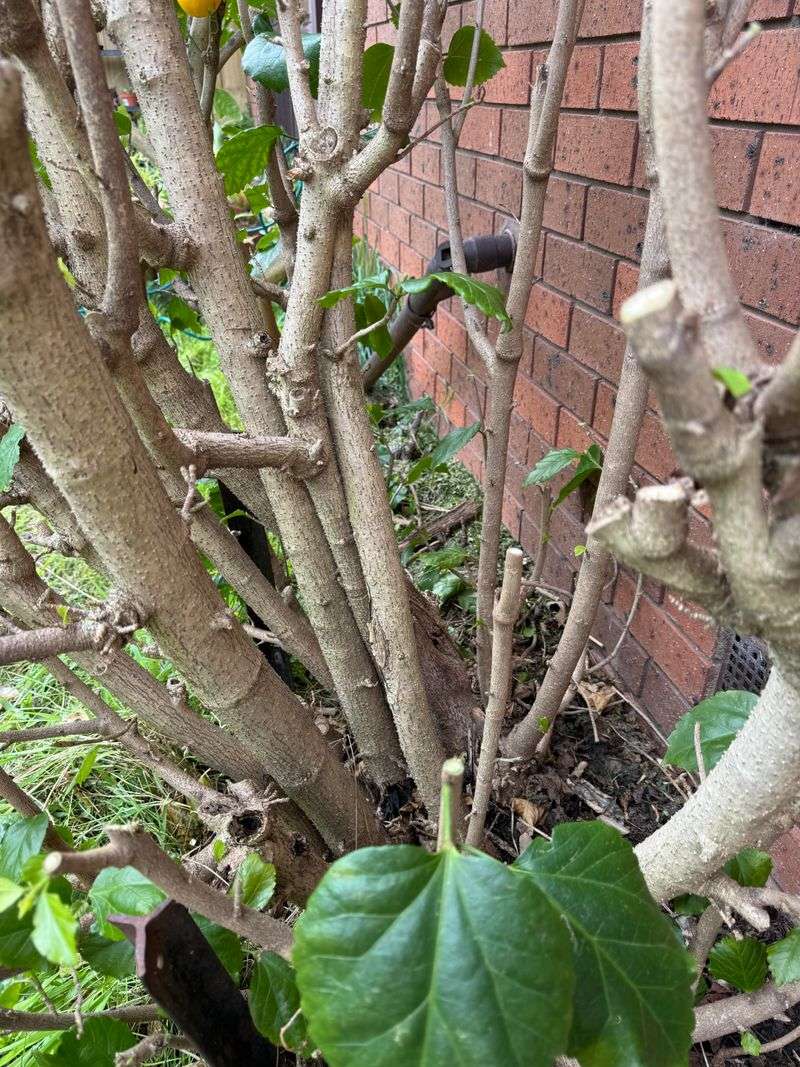
Timing your hibiscus pruning to coincide with the beginning of spring growth gives your plants the best chance to recover quickly and produce abundant blooms. In Florida, this critical window typically falls between late February and early March for most regions.
Your hibiscus naturally wants to push out new growth as temperatures warm and daylight hours increase.
University of Florida IFAS Extension recommends pruning just before this growth surge because the plant’s energy reserves are fully stocked and ready to fuel rapid recovery. When you remove withered wood and shape the plant right before this active period, you’re essentially directing where that stored energy will go.
Fresh cuts heal faster during active growth periods than during dormancy.
Removing damaged or crossing branches at this time prevents the plant from wasting resources on unproductive wood. Instead, all that energy channels into healthy new stems that will produce flowers throughout the growing season.
The key is watching your specific plant for signs of swelling buds or the first hint of new leaf emergence.
Many Florida gardeners mark their calendars for the last week of February as a reminder to inspect their hibiscus plants. This proactive approach ensures you don’t miss the optimal window when your pruning efforts will yield the most dramatic results in bloom production and overall plant vigor.
2. Know North Florida Timing Vs South Florida Timing
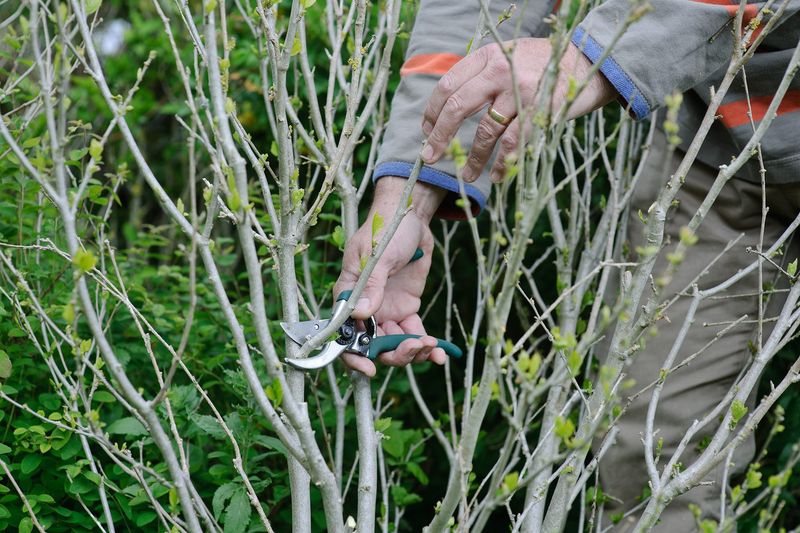
Florida’s diverse climate zones create dramatically different pruning schedules depending on where you garden. North Florida experiences genuine winter cold that can damage or destroy tropical hibiscus, while South Florida gardeners enjoy near-tropical conditions year-round.
This fundamental difference changes everything about pruning strategy and timing.
In North Florida counties like Leon, Duval, and Escambia, wait until all frost danger has passed before major pruning, usually mid-to-late March. Cold snaps can occur through February, and pruning too early stimulates tender new growth that frost will damage.
IFAS research shows that North Florida gardeners often need to remove frost-damaged wood in spring anyway, so waiting makes practical sense.
South Florida gardeners in Miami-Dade, Broward, and Palm Beach counties can prune earlier, often in late January or February. Frost rarely threatens these regions, and hibiscus may never go fully dormant.
Your Florida Garden Changes Every Week. Your Plan Should Too.
Gardening in Florida changes quickly throughout the season. Every Friday you’ll receive a simple weekly plan showing exactly what to plant, prune, fertilize, harvest, and protect so you never miss the right timing.
The warmer climate means spring growth begins earlier, so pruning schedules shift forward by four to six weeks compared to northern counties.
Central Florida falls somewhere between these extremes, with gardeners in Orange, Polk, and Hillsborough counties typically pruning in late February or early March. Checking your USDA hardiness zone and local frost date predictions helps refine your specific timing for optimal results in your exact location.
3. Trim Withered Or Damaged Stems Any Time, But Plan Major Cuts For Late Winter
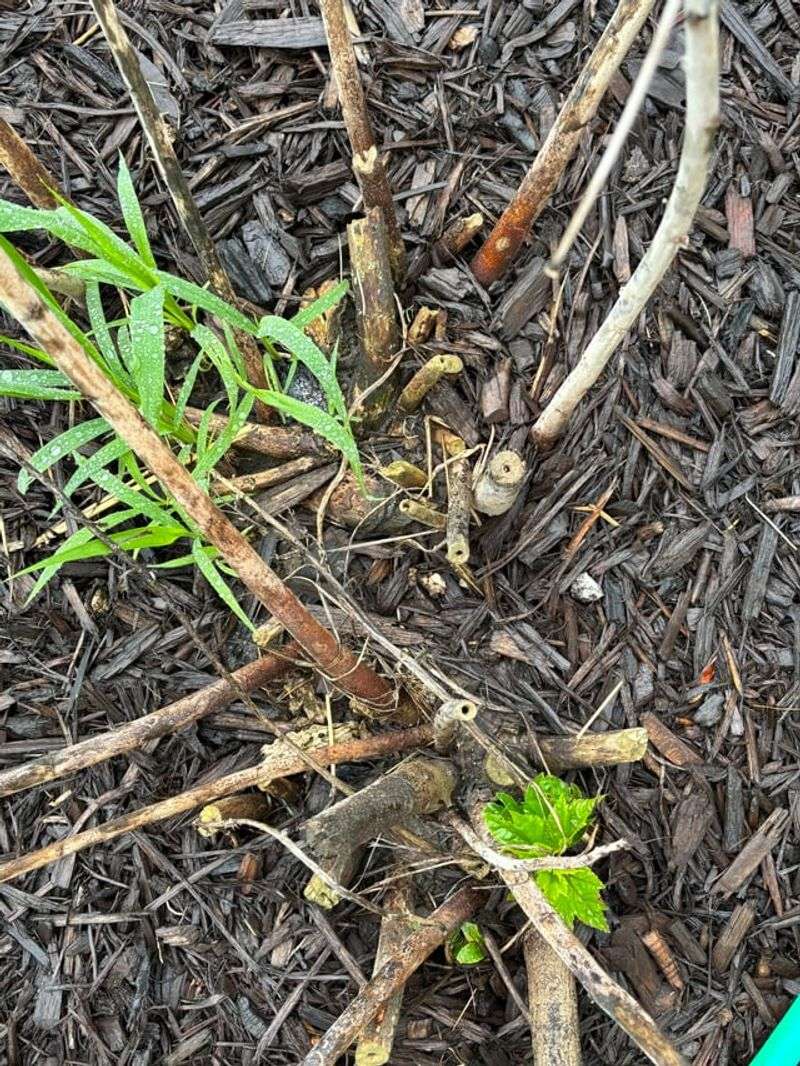
Withered branches don’t magically come back to life, so there’s no benefit to leaving them on your hibiscus plant regardless of the season. Anytime you spot obviously damaged, diseased, or broken stems, grab your pruners and remove them immediately.
This type of maintenance pruning actually protects plant health by eliminating potential disease entry points and pest hiding spots.
However, major structural pruning that reshapes the entire plant or removes significant amounts of living wood should wait until late winter. IFAS guidelines distinguish clearly between these two pruning types because they affect the plant differently.
Removing a few withered twigs in July won’t stress your hibiscus, but cutting back half the canopy during peak bloom season definitely will.
Late winter pruning, typically done in February for most of Florida, allows you to make dramatic changes to plant size and shape without sacrificing the current season’s flowers. The plant has time to generate new flowering wood before the main bloom season begins.
Think of late winter as your opportunity for the big haircut, while summer maintenance involves just tidying up the edges.
Keep your pruning shears sharp and clean year-round so you’re always ready to snip off problem branches whenever they appear. This balanced approach combines responsive care throughout the year with strategic major pruning timed for maximum plant benefit and minimal bloom disruption.
4. Avoid Cutting During Active Growth Periods To Preserve Blooms
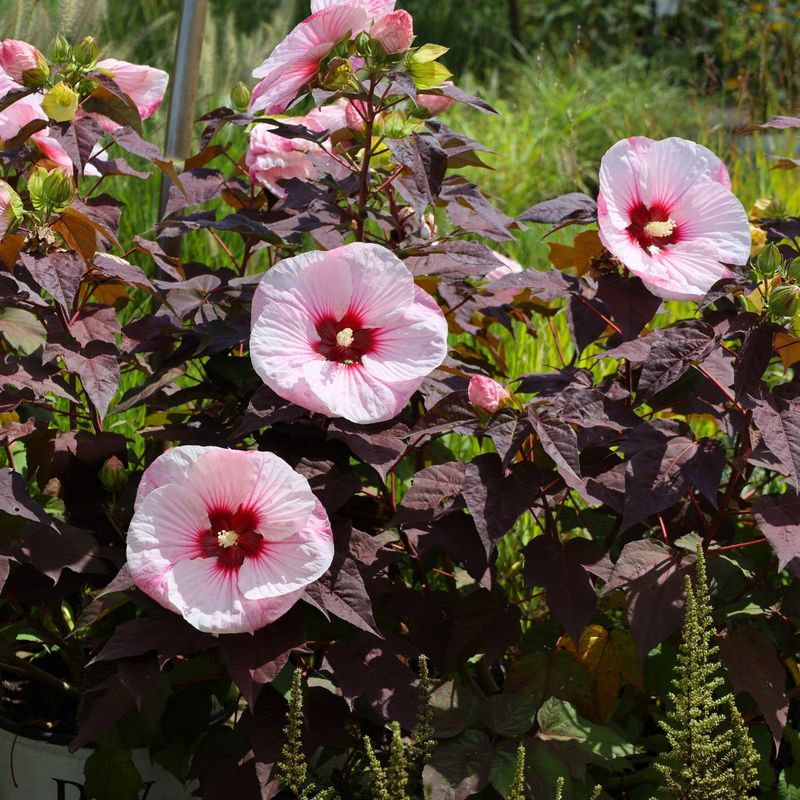
Your hibiscus works incredibly hard during spring and summer to produce those spectacular flowers that make the plant so beloved. Each branch tip develops flower buds in a specific sequence, and cutting branches during this active period removes those developing blooms before you ever get to enjoy them.
That’s why IFAS experts consistently advise against major pruning during the main growing season.
When hibiscus plants are actively growing, they’re channeling energy into flower production rather than wound healing and branch development. Pruning cuts made during this time heal more slowly and may ooze sap excessively.
The plant essentially has to choose between healing wounds and making flowers, which isn’t a choice any gardener wants to force.
Spring through early fall represents peak blooming time for most Florida hibiscus varieties, especially tropical types. Major pruning during these months cuts off branches loaded with flower buds that would have opened within days or weeks.
You’re literally throwing away the blooms you’ve been nurturing all season long.
If your hibiscus absolutely needs some shaping during summer, limit yourself to removing only the most problematic branches and save comprehensive reshaping for late winter. This restraint pays off in continuous flower production throughout the warm months when you want your landscape looking its absolute best for outdoor entertaining and enjoyment.
5. Use Light Maintenance Pruning Through The Summer For Shape And Airflow
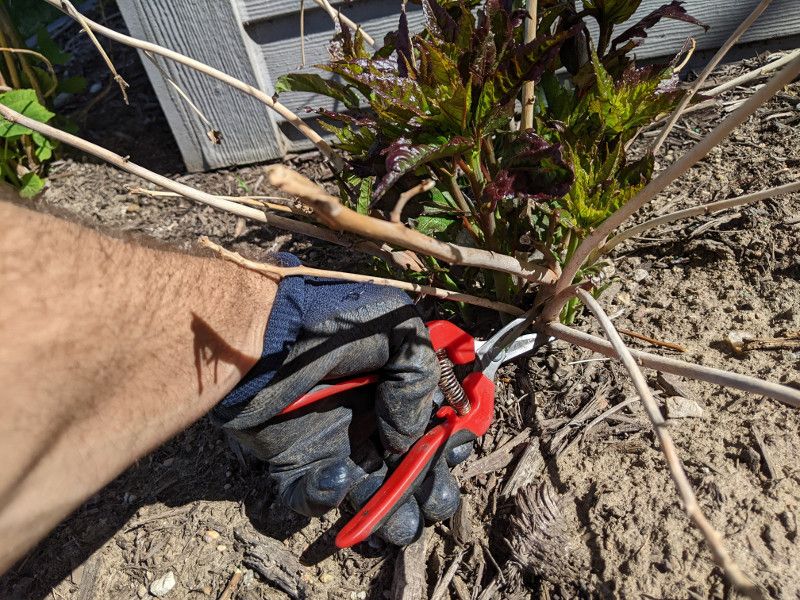
Summer doesn’t mean your pruners need to stay in the shed completely. Strategic light pruning during warm months actually benefits hibiscus health by improving air circulation and maintaining attractive shape.
The key word here is “light” – you’re not reshaping the entire plant, just making minor adjustments that enhance its performance.
Florida’s humid summers create perfect conditions for fungal diseases, and dense hibiscus foliage with poor airflow becomes a disease breeding ground. Selectively thinning interior branches allows air to move through the canopy, keeping leaves drier and reducing black spot, powdery mildew, and other fungal problems.
IFAS research confirms that improved air circulation significantly reduces disease pressure on ornamental plants.
Remove branches that cross and rub against each other, as these friction points create wounds where diseases enter. Take out any obviously weak or spindly growth that’s unlikely to produce quality flowers anyway.
These minor adjustments redirect the plant’s energy toward stronger, more productive branches without sacrificing significant bloom potential.
Limit summer pruning to removing no more than ten to fifteen percent of the plant’s total growth at any one time. This conservative approach maintains the plant’s ability to photosynthesize and produce flowers while still giving you control over shape and health.
Think of it as grooming rather than pruning – small, thoughtful cuts that keep your hibiscus looking polished throughout the growing season.
6. Hold Major Pruning Until After Any Frost Risk Has Passed
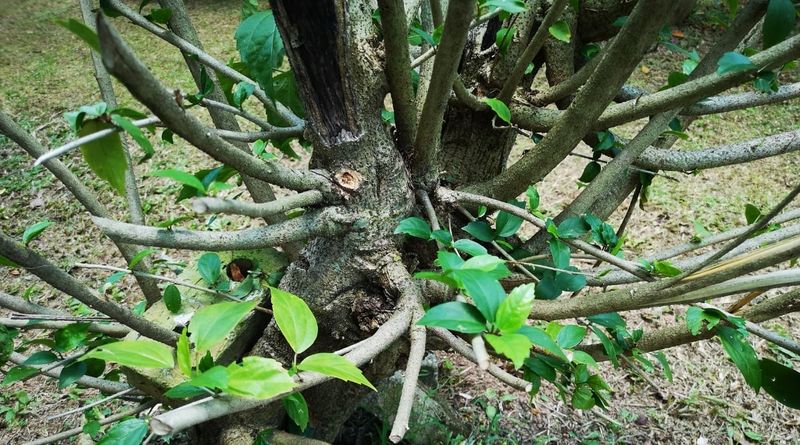
Nothing undoes good pruning intentions faster than an unexpected frost hitting freshly cut hibiscus stems. New growth that emerges after pruning is incredibly tender and vulnerable to cold damage, which is why waiting until frost danger completely passes is non-negotiable in North and Central Florida.
One late-season cold snap can damage or destroy all that fresh growth your pruning was meant to encourage.
North Florida gardeners should consult their county’s average last frost date, typically ranging from mid-February in the warmest parts to late March in the coldest areas. IFAS Extension offices maintain detailed frost date records specific to each county, giving you reliable local data for planning.
Adding a week or two of buffer time beyond the average date provides extra insurance against unusual cold snaps.
Tropical hibiscus is particularly frost-sensitive, with damage occurring at temperatures below 32°F and severe damage or death possible in the upper 20s. Even if the main stems survive, tender new growth stimulated by pruning will almost certainly be damaged by frost.
This damage forces the plant to regenerate that growth again, wasting energy and delaying the productive growing season.
Central Florida gardeners in the transition zone should be especially cautious, as frost risk can extend into early March some years. Watching long-range weather forecasts before scheduling major pruning helps avoid costly mistakes that set your hibiscus back weeks or months in recovery time.
7. Tailor Pruning To Hibiscus Type (Tropical Vs Perennial)
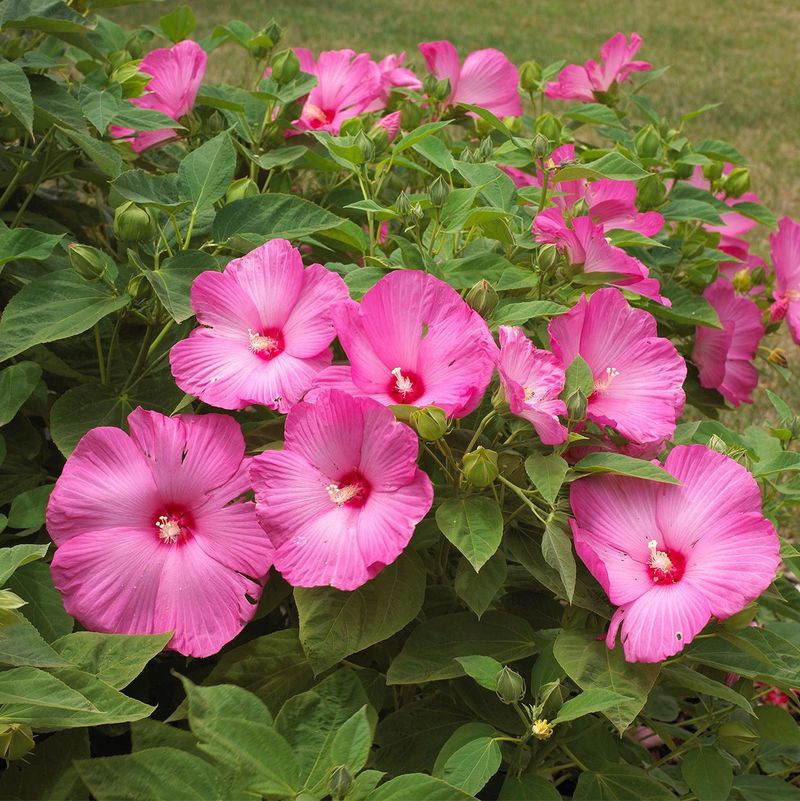
Not all hibiscus plants are created equal, and the type you’re growing dramatically affects your pruning approach and timing. Tropical hibiscus (Hibiscus rosa-sinensis) and perennial hardy hibiscus (Hibiscus moscheutos) have completely different growth habits and cold tolerance, requiring distinct pruning strategies.
Knowing which type fills your garden is essential before you make the first cut.
Tropical hibiscus, the most common type in Florida landscapes, benefits from late winter pruning just before spring growth begins. These evergreen shrubs can grow year-round in frost-free areas and respond beautifully to shaping cuts that promote bushy, compact growth.
IFAS recommends pruning tropical types back by one-third to one-half their size in late winter to encourage vigorous spring growth and abundant flowering.
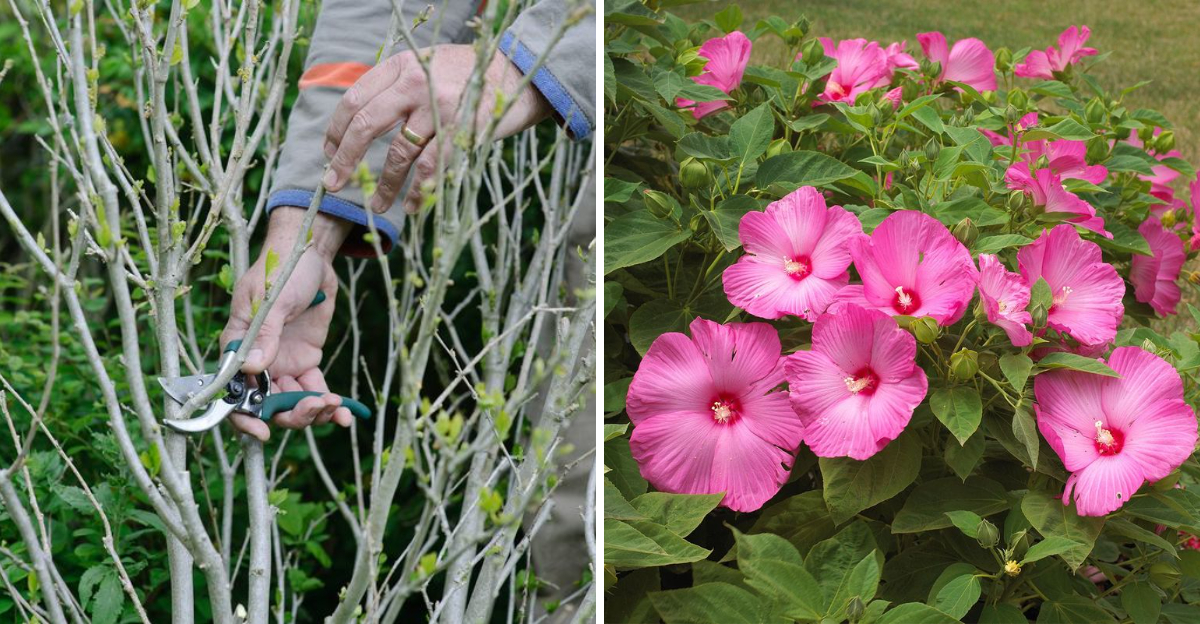
Perennial hardy hibiscus goes completely dormant each winter, even in South Florida, and regrows from the roots in spring. This type needs minimal pruning – simply cut all withered stems to ground level in late winter or early spring once new shoots begin emerging from the soil.
There’s no point in pruning these earlier since the entire top growth is gone anyway.
Some Florida gardeners grow both types without realizing the difference, leading to confusion about proper care. Tropical types have glossy leaves and bloom year-round in warm climates, while perennials have larger, dinner-plate-sized flowers but bloom only in summer and goes dormant in winter regardless of temperature.
8. Pair Pruning With Plant Care Practices For Best Spring Results
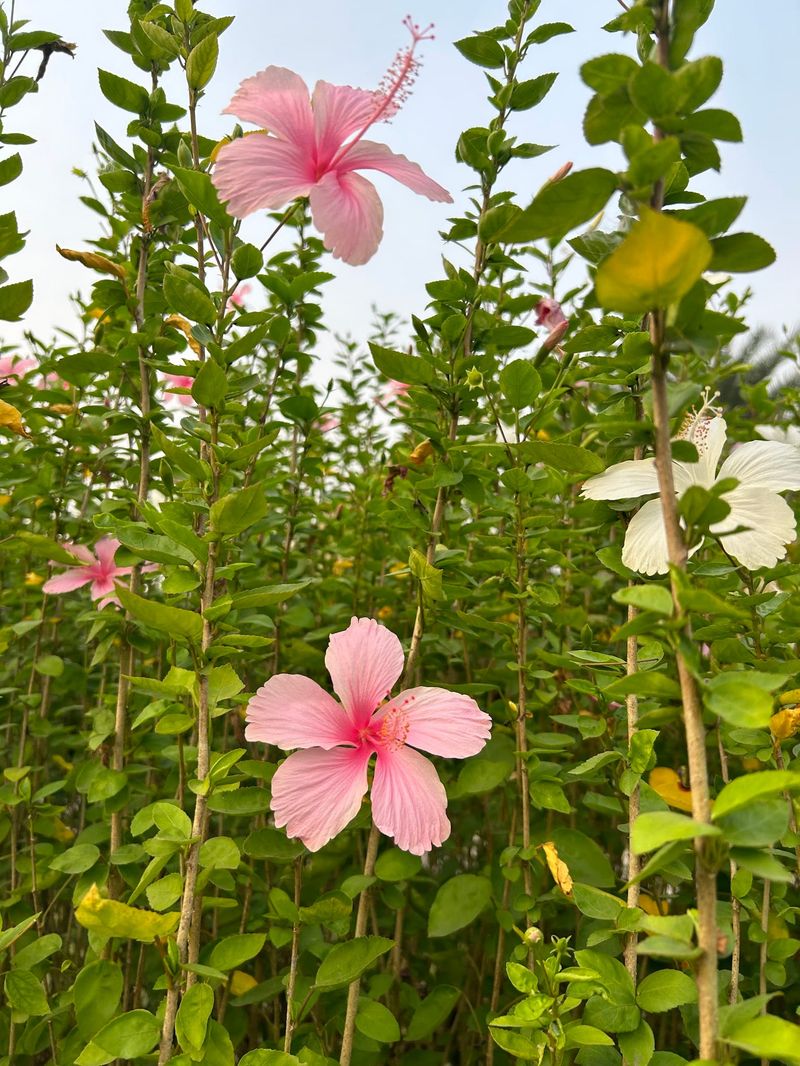
Pruning alone doesn’t guarantee spectacular spring hibiscus performance – it’s just one piece of a comprehensive care puzzle. Combining proper pruning with fertilization, watering, mulching, and pest management creates the conditions for truly outstanding results.
IFAS research consistently shows that integrated care approaches outperform single-practice interventions for ornamental plant health and appearance.
Apply a balanced slow-release fertilizer formulated for hibiscus immediately after your late winter pruning. This timing gives the plant nutrients exactly when it needs them to fuel new growth and flower bud development.
Look for formulations with micronutrients like iron and magnesium, which are often deficient in Florida’s sandy soils and cause yellowing leaves that detract from plant beauty.
Ensure consistent soil moisture during the critical spring growth period following pruning. Newly pruned hibiscus needs reliable water to generate fresh foliage and flowers, but avoid overwatering which promotes root rot in Florida’s humid climate.
A two-to-three-inch layer of organic mulch helps regulate soil moisture and temperature while suppressing weeds that compete for nutrients.
Monitor for common Florida hibiscus pests like aphids, whiteflies, and spider mites, which often attack tender new growth. Catching infestations early prevents them from derailing your carefully planned spring recovery.
This holistic approach treating pruning as part of overall plant health rather than an isolated task produces the lush, flower-covered hibiscus specimens that make Florida gardens famous.