8 Biggest Mistakes North Carolina Gardeners Make After A Frost
Spring in North Carolina can be full of surprises, especially with late frosts that seem to appear out of nowhere.
After a long, cold winter, it’s easy to get excited when warmer temperatures finally arrive, only to be caught off guard by a sudden cold snap.
While it’s natural to want to jump into action immediately, reacting too quickly after a frost can often do more harm than good.
The damage from frost can take a few days to fully show, and in a state with such varied climates, from the mountains to the coast, it’s important to know how to handle the situation in the best way possible.
Understanding the mistakes many gardeners make after a frost and knowing the right time to act can make all the difference in helping your garden recover and thrive.
1. Assuming All Frost Damage Happens Instantly
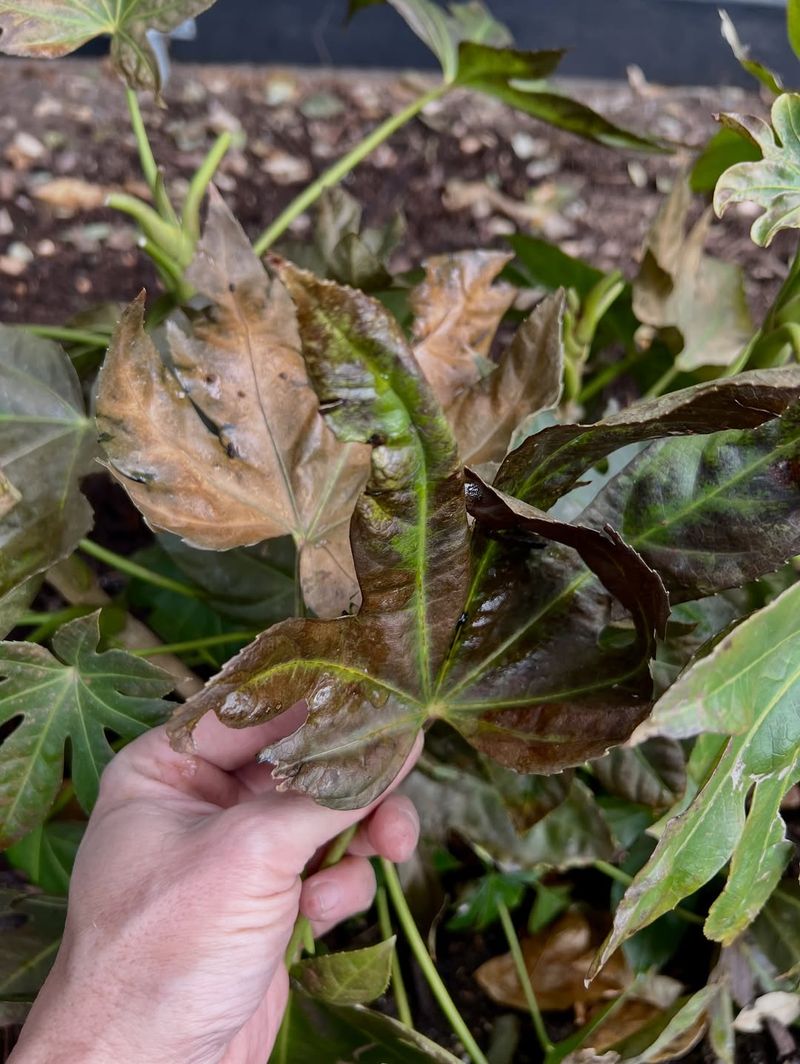
Walking out to the garden the morning after a frost and expecting to see the full picture right away is one of the most common missteps gardeners make. The truth is, frost damage often reveals itself gradually over several days.
Cell damage caused by ice crystals forming inside plant tissue can continue to show up long after temperatures have returned to normal. In North Carolina, late-winter cold snaps can be deceiving.
A plant may look fine at first glance but begin showing blackened or mushy tissue within 48 to 72 hours.
It’s important to remember that plants sometimes need a little time to show how they’ve really been affected. Gardeners who rush to assess and react on day one often misjudge the true extent of the damage.
Patience is genuinely one of the most powerful tools in a post-frost garden. Some plants that look completely lost will push out new growth from the base or below the soil line.
Wait several days, even up to two weeks, before making firm decisions about their condition.
Watching how a plant responds over time gives you a much clearer picture and allows you to decide if any extra care is needed.
2. Pruning Damaged Growth Too Soon
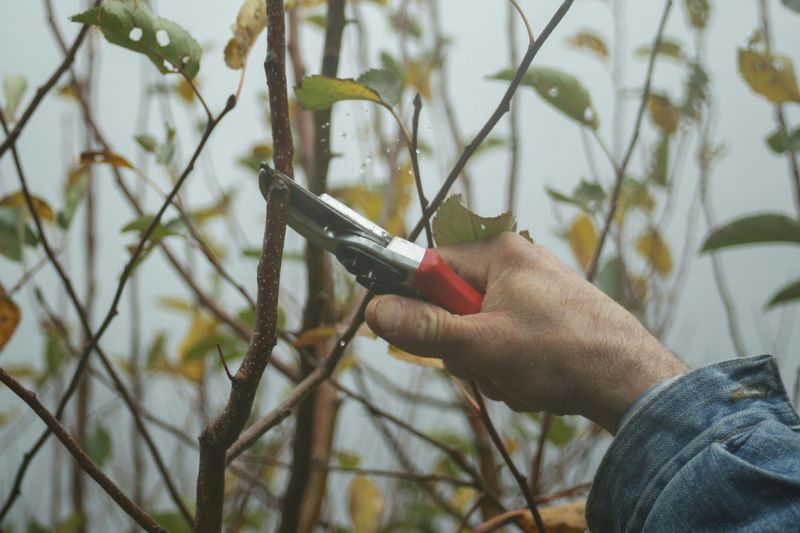
Those blackened, wilted stems after a hard frost can feel almost impossible to leave alone. Every instinct tells you to grab the pruners and clean things up right away.
However, cutting back frost-damaged growth too soon is one of the most widespread post-frost mistakes gardeners across North Carolina make each year. Damaged tissue, as unattractive as it looks, actually serves a protective function.
It acts as a buffer, shielding the healthy tissue underneath from additional cold exposure.
Removing that dead material early leaves vulnerable new growth exposed to the next cold snap. Even though the damaged stems may look unsightly, they’re doing a job.
Waiting until the weather has truly warmed up will ensure that new growth has a better chance to survive future temperature fluctuations.
The general guidance is to wait until daytime temperatures are consistently staying above 50 degrees Fahrenheit for at least 10 days before pruning frost-damaged plants.
Your North Carolina Garden Changes Every Week. Your Plan Should Too.
Gardening in North Carolina changes quickly throughout the season. Every Friday you’ll receive a simple weekly plan showing exactly what to plant, prune, fertilize, harvest, and protect so you never miss the right timing.
For tender perennials and tropical plants commonly grown in warmer parts of North Carolina, waiting until mid-spring is often the safer choice.
Once you do start pruning, look for green tissue beneath the bark as your guide for how far back to go, and always prune conservatively.
3. Watering Irrigated Plants While They Are Still Frozen
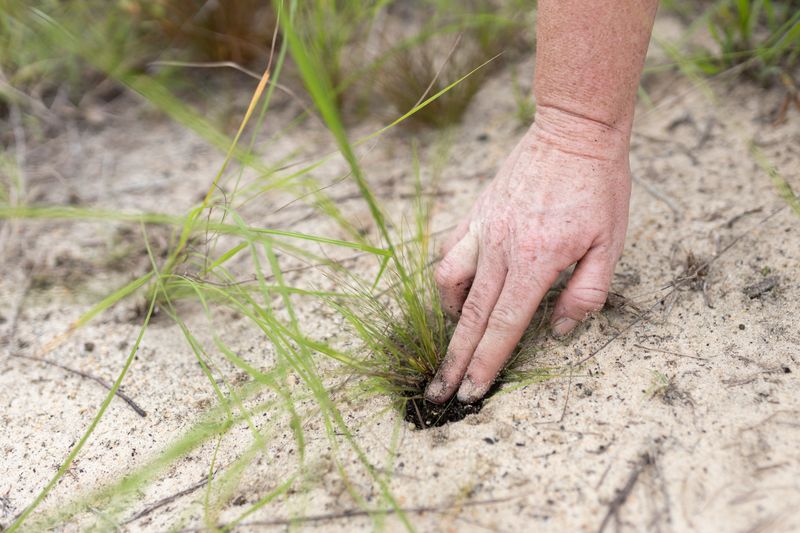
There is a well-known technique of using overhead irrigation to protect plants from frost, where a thin layer of ice forms around the plant and actually insulates it.
However, continuing to water plants that are still frozen solid after a frost event is a different situation entirely – and a potentially harmful one.
Cold soil slows down root respiration significantly.
When temperatures are still at or near freezing, roots cannot absorb water efficiently, and adding more moisture to already cold, saturated soil can promote root rot and fungal issues.
This is especially relevant in North Carolina’s clay-heavy soils, which drain slowly and tend to hold moisture for extended periods during winter months.
Soil that’s still frozen is not going to allow water to be absorbed properly, and overwatering can drown the roots and cause long-term damage.
It’s important to monitor soil moisture and temperature before watering. Before reaching for the hose or turning on the irrigation system, check the soil moisture at a depth of about three inches.
If the soil still feels cold and clumps together easily when squeezed, hold off on watering. Let the ground thaw naturally and allow soil temperatures to begin rising before resuming your normal watering schedule.
Giving plants time to transition out of their frozen state on their own terms supports a much healthier recovery process overall.
4. Fertilizing Immediately After Frost Events
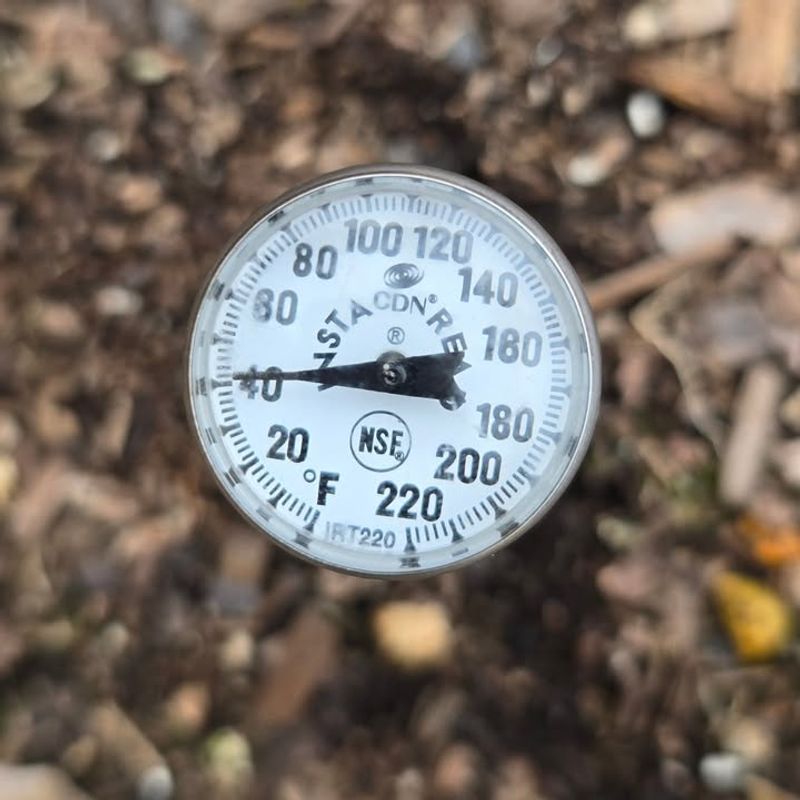
After a damaging frost, the natural impulse is to help plants recover as fast as possible. Reaching for fertilizer feels like a logical way to give plants a boost.
Unfortunately, applying fertilizer too soon after a frost can create more problems than it solves. When soil temperatures are still cold – typically below 55 degrees Fahrenheit – plants are not actively growing and cannot effectively take up nutrients.
Fertilizer applied to cold soil can leach away before roots have a chance to absorb it, contributing to nutrient runoff into local waterways.
In North Carolina, where agricultural runoff is an ongoing environmental concern, this kind of waste matters beyond just your own garden. Over-fertilizing can lead to harmful nutrient pollution and impact local water systems.
Applying nitrogen-heavy fertilizer too early can also stimulate tender new growth during a period when another frost is still possible. That soft, fast-growing tissue is far more vulnerable to cold injury than mature growth.
To avoid these issues, it’s best to wait until soil temperatures have reached at least 55 degrees Fahrenheit for five consecutive days before applying any fertilizer.
Using a soil thermometer to track conditions takes the guesswork out of timing and ensures your fertilizer investment actually benefits your plants.
5. Covering Plants Improperly Without Ventilation
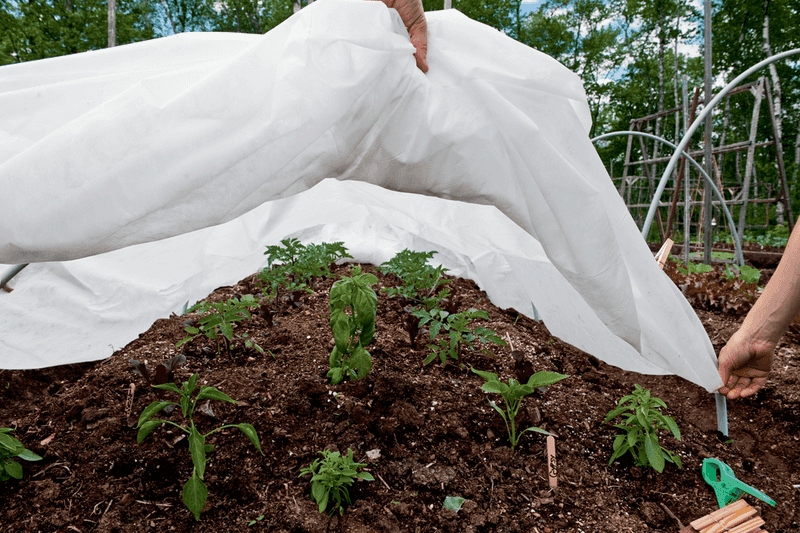
Covering plants before a frost is a smart protective strategy, but how you cover them matters just as much as whether you cover them at all.
Using plastic sheeting directly against plant tissue, or leaving covers on too long after temperatures rise, creates a whole new set of problems that can rival the frost damage itself.
Plastic traps heat but also traps moisture, and when temperatures climb during the day, that combination can cause condensation and overheating.
Plants that survived the frost can end up suffering from fungal disease or heat stress if left under sealed plastic covers for too long.
In North Carolina’s transitional spring weather, daytime temperatures can rise quickly even in February and March, making ventilation a real concern.
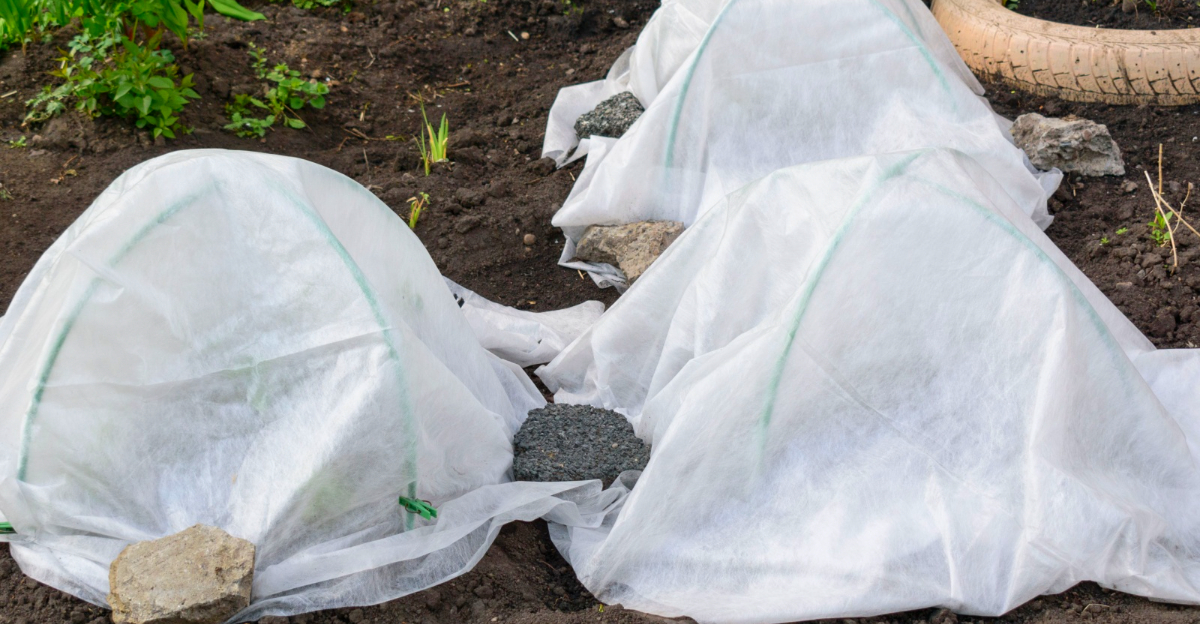
That’s why breathable frost cloth or old bedsheets are far better options than plastic because they allow some air circulation while still providing insulation.
When using any covering material, make sure it drapes over a support structure rather than resting directly on the foliage. This will ensure that the plants have enough space for air circulation and are protected from further cold damage.
Remove covers during the day once temperatures are safely above freezing, and replace them again in the evening if another cold night is expected.
This simple routine can protect plants without creating secondary stress and help them thrive in the long run.
6. Disturbing Soil Around Frosted Plants Too Early
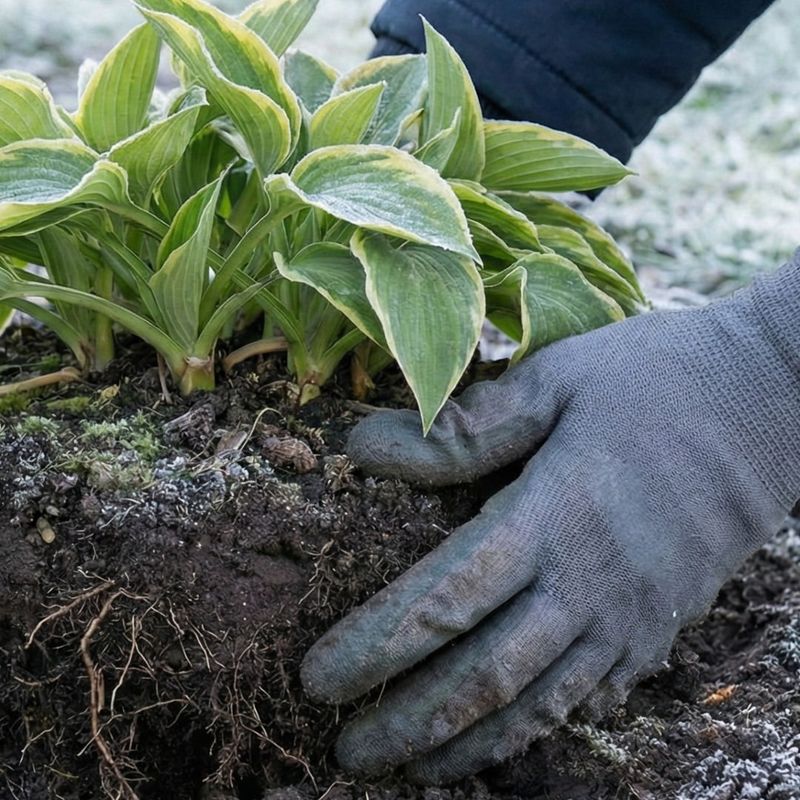
Frost does not just affect what grows above the ground. Below the surface, soil structure changes during freezing events as water in the soil expands and contracts with temperature shifts.
This process, sometimes called frost heaving, can partially lift shallow-rooted plants out of the ground and leave root systems exposed and vulnerable.
Digging, tilling, or even aggressively cultivating soil while it is still cold and frost-affected can compact it, disrupt fragile root systems, and break up the soil structure that plants depend on for stability and nutrient access.
In the mountain regions of North Carolina, where freeze-thaw cycles happen more frequently throughout winter, this is a particularly relevant concern for perennial beds and established shrubs.
Even in the Piedmont and Coastal Plain, frost-heaving can still be an issue in gardens that are prone to colder overnight temperatures.
Waiting until the soil has fully thawed and begun to warm before doing any significant ground work helps preserve the microbial activity that supports healthy plant growth.
If you notice plants that have been partially heaved out of the ground by frost, gently press them back into place rather than digging around them.
Light, careful handling is the right approach until the garden has had time to fully transition out of its winter state and soil conditions have stabilized.
7. Neglecting Mulch After Frosts
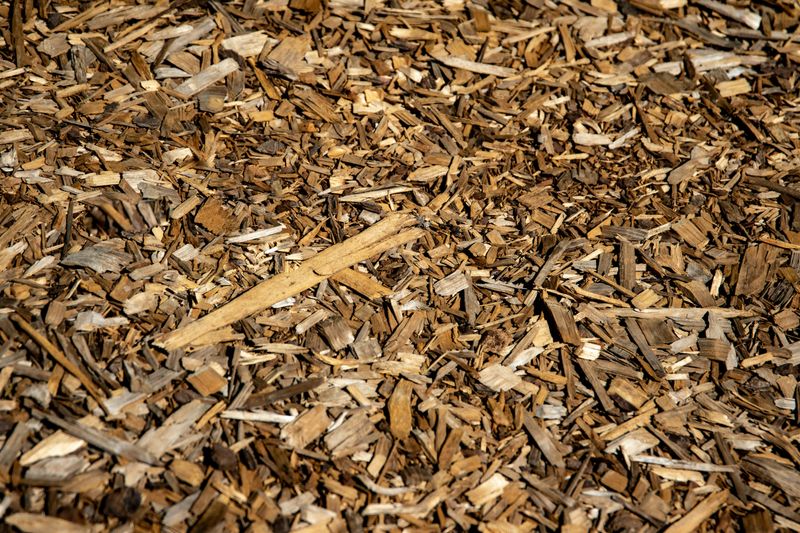
Mulch is one of the most underappreciated tools in a North Carolina gardener’s toolkit, and its value does not end when winter arrives.
After a frost event, many gardeners remove or ignore mulch at a time when it is actually doing some of its most important work.
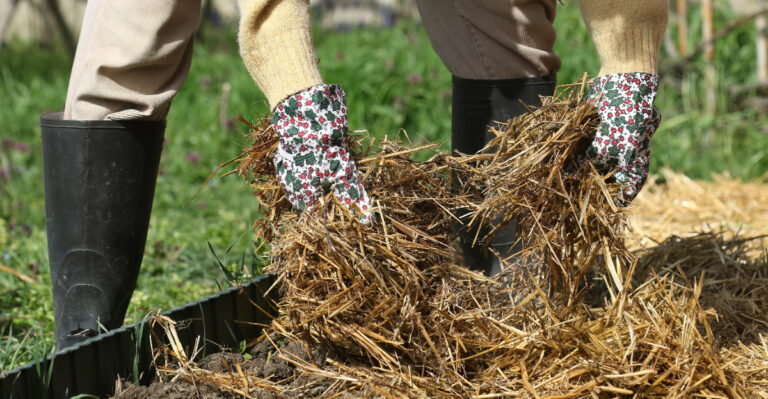
A layer of mulch acts as insulation for the soil, helping to moderate temperature swings between freezing nights and warmer days. Those repeated freeze-thaw cycles are particularly hard on plant roots and soil structure.
Maintaining two to three inches of organic mulch around the base of plants – without piling it directly against stems – can significantly reduce the stress those cycles place on your garden.
In North Carolina, where late frosts can catch gardeners off guard well into April in some regions, keeping mulch in place through early spring is a practical protective measure.
Organic mulches like shredded leaves, pine straw, or wood chips also break down over time and contribute organic matter to the soil, which supports long-term garden health.
If you pulled back your mulch in anticipation of spring planting, consider replacing it after any late frost events until nighttime temperatures are consistently staying above freezing.
This will ensure that your plants stay protected and have the best chance to thrive as spring weather settles in.
8. Failing To Adjust Expectations Based On Microclimates
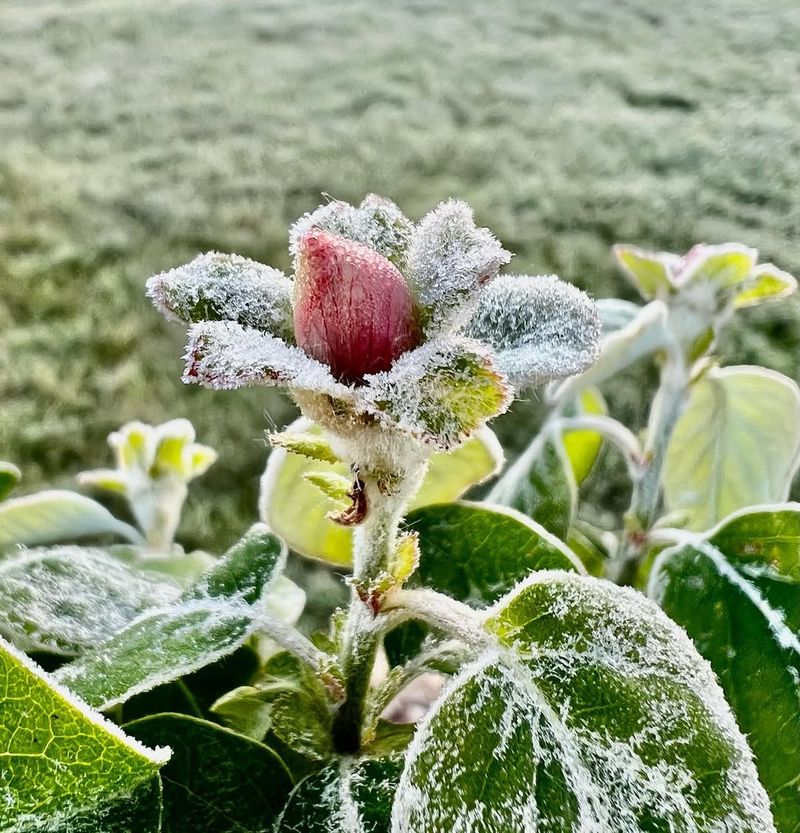
North Carolina is one of the most climatically diverse states in the eastern United States.
The difference in growing conditions between the Outer Banks and the Appalachian highlands is striking, but even within a single backyard, microclimates can create surprisingly different outcomes after a frost event.
Low-lying areas collect cold air, which drains downhill and settles in depressions – a phenomenon known as a frost pocket. Plants growing in these spots experience colder temperatures than those on a slope or near a south-facing wall that absorbs and radiates heat.
Gardeners who treat their entire yard as one uniform growing environment often end up confused when some plants come through a frost unscathed while nearby plants are badly damaged.
Paying attention to how your specific property responds after cold nights helps you make smarter planting decisions over time.
Tender plants benefit from being positioned near structures, fences, or dense evergreens that buffer wind and cold.
Understanding your garden’s unique microclimate patterns, rather than relying solely on regional forecasts, leads to more realistic expectations and better outcomes across North Carolina’s varied landscape.
Taking the time to learn the temperature variations in your yard can guide you in making the best choices for plant placement and frost protection.