How North Carolina Gardeners Are Growing Vegetables In Laundry Baskets
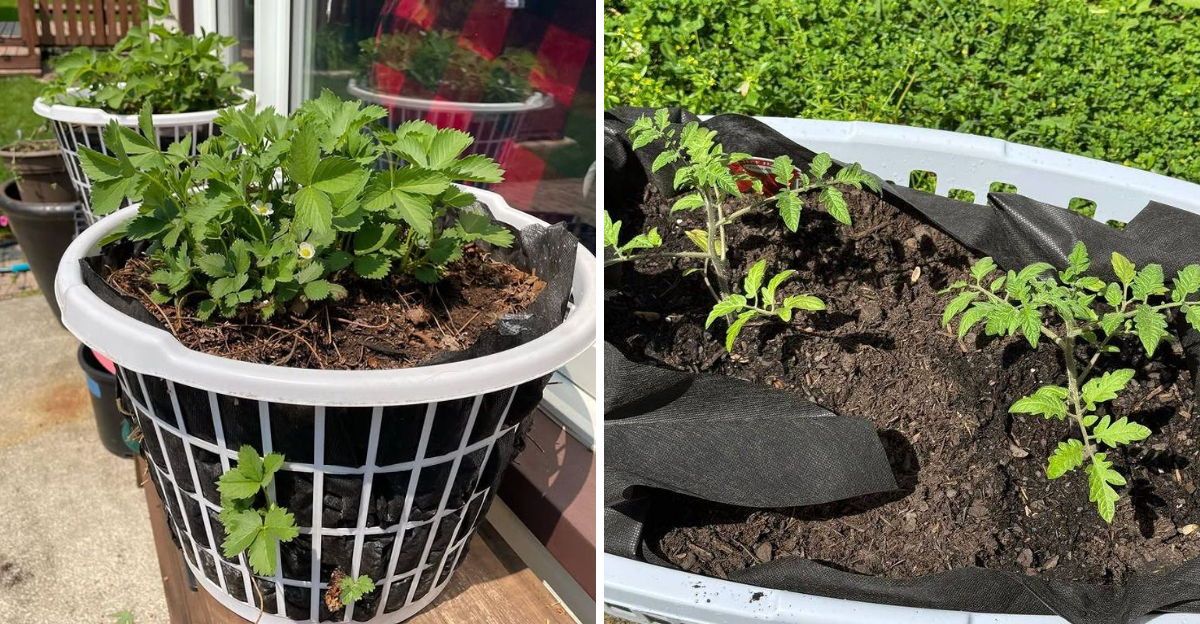
Growing vegetables in laundry baskets might sound unusual, but North Carolina gardeners are starting to see just how effective this simple idea can be.
These baskets create a raised, well drained growing space that works especially well in areas with heavy soil or limited room.
With plenty of holes already built in, they allow water to flow through easily while keeping roots from sitting in soggy conditions. That is a big advantage in North Carolina’s mix of rain and humidity.
Gardeners are also finding that baskets are easy to move, making it simple to adjust sunlight or protect plants when needed. This approach turns an everyday item into a practical garden solution without much cost or effort.
If you are looking for a creative way to grow vegetables in small spaces, this method is quickly becoming a favorite worth trying.
1. Laundry Baskets Work As Instant Containers
Most gardeners spend a lot of money on pots and planters before realizing something much cheaper has been sitting in their laundry room the whole time.
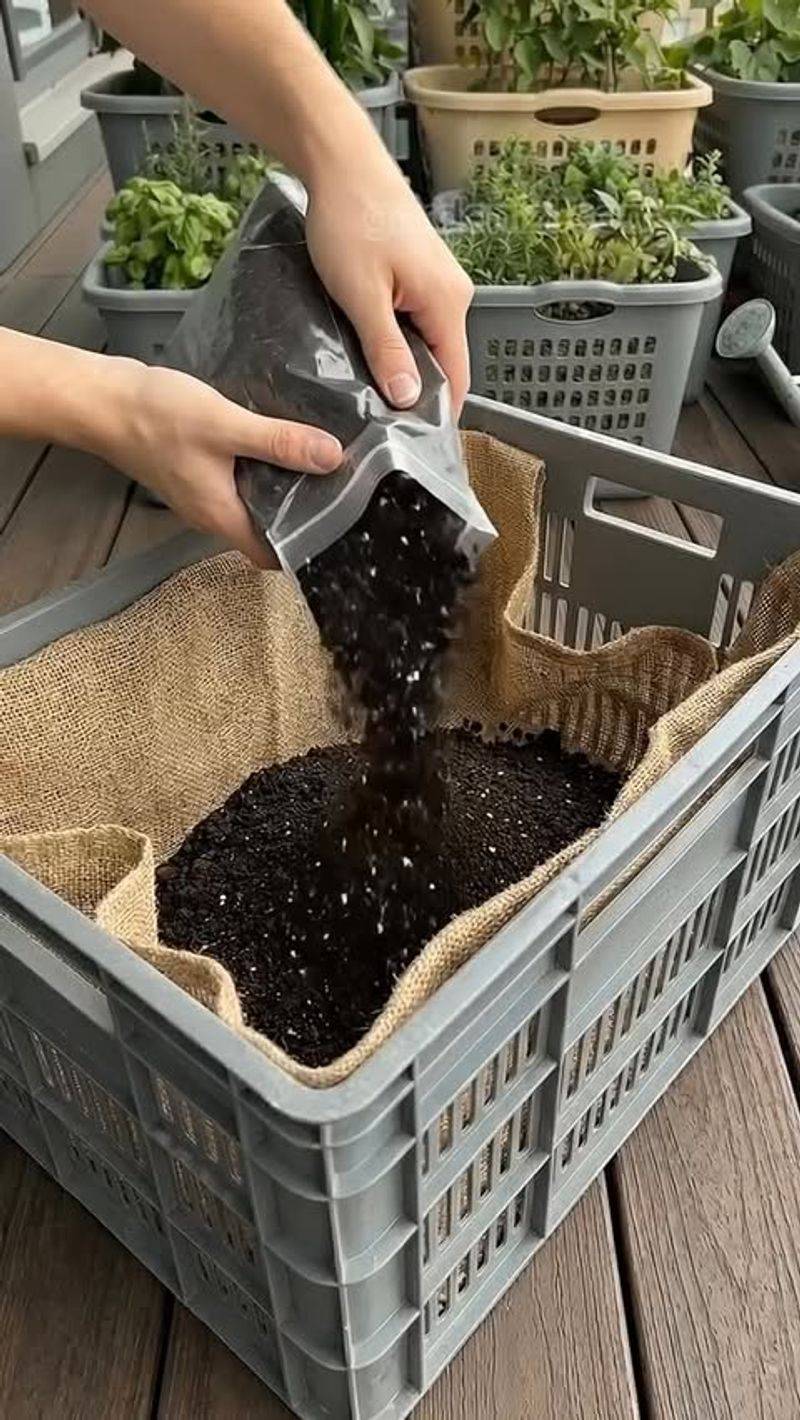
Plastic laundry baskets are already designed with holes along the sides and bottom, which means they naturally drain excess water without any modifications.
That built-in feature alone makes them one of the smartest container gardening tools available right now.
Across North Carolina, gardeners are grabbing spare baskets, filling them with a quality soil mix, and planting vegetables within the same afternoon. The setup is fast, affordable, and surprisingly effective for a wide range of crops.
You skip the hardware store run and the expensive planters entirely, which is a huge win for beginner gardeners on a budget.
Plastic baskets also come in many sizes, so you can match the container to the crop you want to grow. Larger baskets work beautifully for tomatoes and potatoes, while smaller ones are perfect for herbs and compact pepper varieties.
North Carolina gardeners love how simple the whole process feels from start to finish. The moment you fill that basket with rich soil and tuck in your first seedling, you realize this method is genuinely practical and rewarding for any skill level.
2. Skipping The Struggle With Clay Soil
Anyone who has tried to garden in North Carolina knows the frustration of heavy red clay soil. It compacts easily, drains poorly, and can suffocate plant roots before they ever get a real chance to grow.
Laundry basket gardening completely sidesteps that problem by lifting your vegetables above the ground entirely.
When you fill a basket with your own custom soil blend, you control every ingredient that touches your plant roots. A good mix of potting soil, compost, and perlite creates a loose, airy environment that clay soil simply cannot offer on its own.
Your vegetables respond quickly, pushing out strong roots and producing healthy growth right from the start of the season.
This approach is especially popular in the Piedmont region of North Carolina, where clay soil is practically unavoidable in most backyards.
Gardeners in cities like Greensboro and Durham have embraced basket gardening as a reliable workaround that actually delivers results.
Your North Carolina Garden Changes Every Week. Your Plan Should Too.
Gardening in North Carolina changes quickly throughout the season. Every Friday you’ll receive a simple weekly plan showing exactly what to plant, prune, fertilize, harvest, and protect so you never miss the right timing.
You no longer need to spend weekends amending and tilling stubborn ground just to get a few tomato plants growing. Instead, you set your basket wherever you want, fill it right, and focus your energy on caring for your plants rather than fighting the earth beneath them.
It is a genuinely freeing shift in how you approach the whole gardening season.
3. Small Spaces And Patios Become Productive Gardens
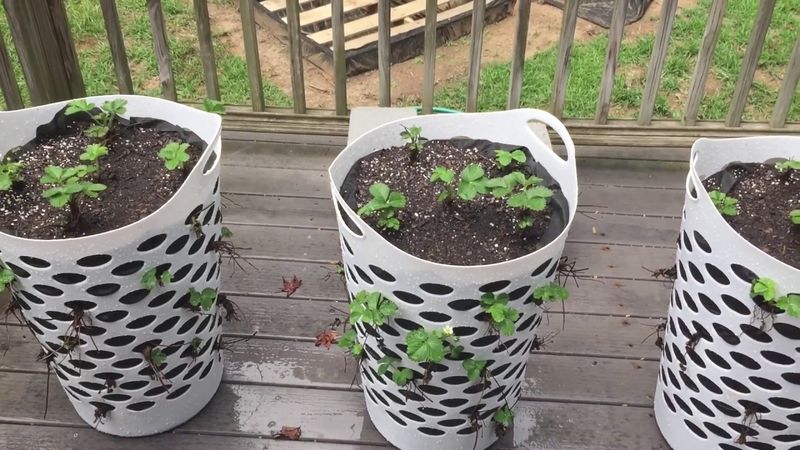
Not everyone in North Carolina has a sprawling backyard to work with, and that is completely fine. Laundry basket gardening transforms even the smallest patio, balcony, or concrete slab into a productive growing space you can be genuinely proud of.
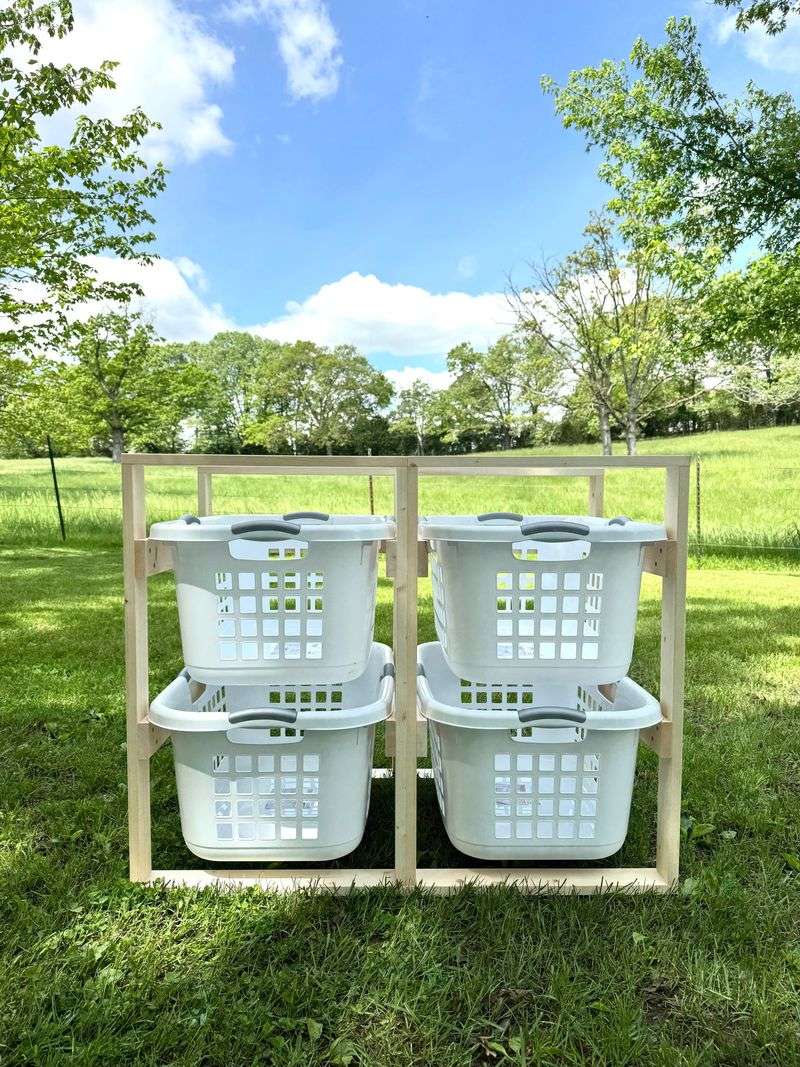
The baskets stack neatly when empty and line up beautifully when full of thriving plants.
Urban gardeners in places like Asheville and Chapel Hill have been especially creative with this method. A sunny apartment balcony can comfortably hold four or five baskets, giving you enough space to grow tomatoes, peppers, lettuce, and fresh herbs all at once.
You do not need acres of land to feed yourself well during the growing season.
Arranging baskets on a patio also makes your garden easy to manage and maintain. Watering, pruning, and harvesting all happen at a comfortable height without bending down into raised beds or kneeling in the dirt.
You can rearrange your entire garden layout in minutes by simply moving baskets around, which is something traditional in-ground gardens can never offer.
Decorating your outdoor space with overflowing baskets of colorful vegetables also adds a charming, lush look that impresses neighbors and visitors alike.
North Carolina summers are warm and long, giving patio basket gardens plenty of sunshine to produce an impressive harvest from a surprisingly compact setup.
4. Drainage Holes Protect Roots From Rot
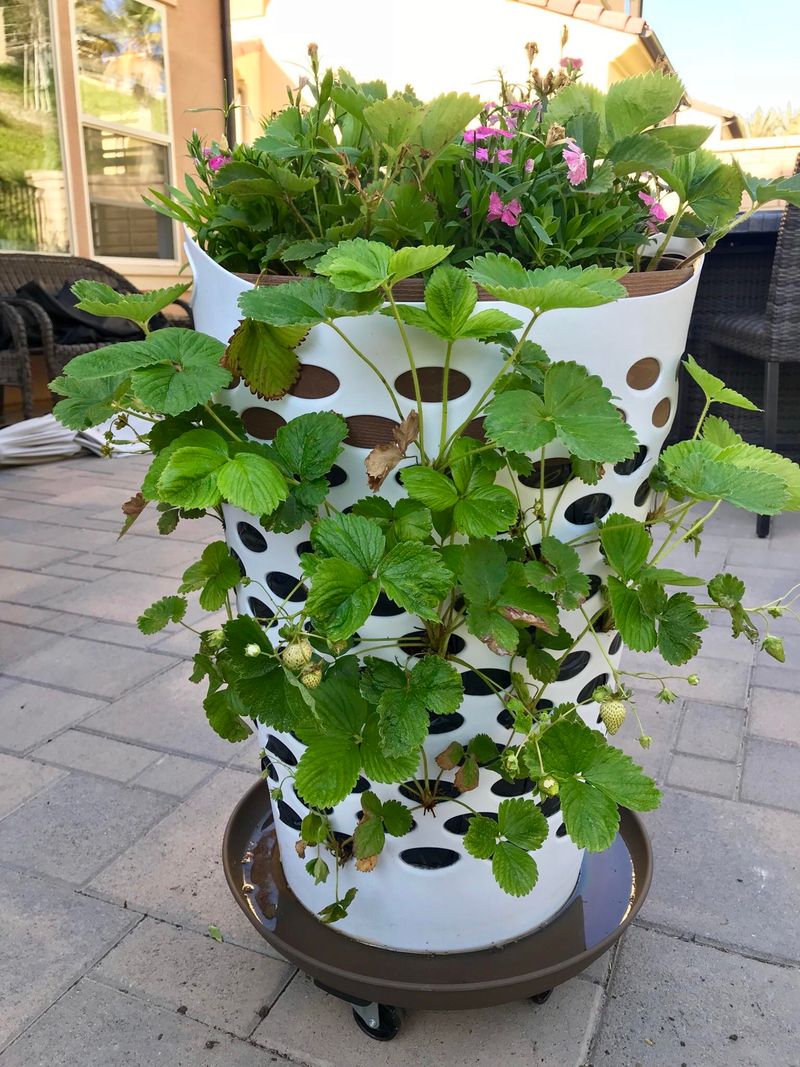
Root rot is one of the most common reasons container vegetables fail, and it almost always comes down to poor drainage. When roots sit in soggy soil for too long, they weaken quickly and the plant struggles to recover.
Laundry baskets solve this problem naturally because water flows freely through the many holes along the sides and base.
North Carolina summers bring humid conditions and occasional heavy rainfall that can overwhelm traditional pots without drainage holes.
A laundry basket handles those downpours with ease, letting excess moisture escape before it causes any harm to your plant roots.
That constant airflow around the root zone also encourages healthier, more vigorous growth throughout the season.
Experienced gardeners in the state often mention drainage as the single biggest advantage of using laundry baskets over standard containers.
Even during stretches of wet spring weather in places like Wilmington or New Bern, basket-grown vegetables stay healthy and productive when other container gardens turn soggy and stall.
You can even line the inside of the basket loosely with landscape fabric to hold soil in place while still allowing full drainage through every hole. That simple trick keeps your soil where it belongs without blocking the airflow your roots depend on.
Good drainage is not glamorous gardening advice, but it genuinely makes the difference between a thriving vegetable garden and a disappointing one.
5. Potatoes And Root Crops Thrive In Baskets
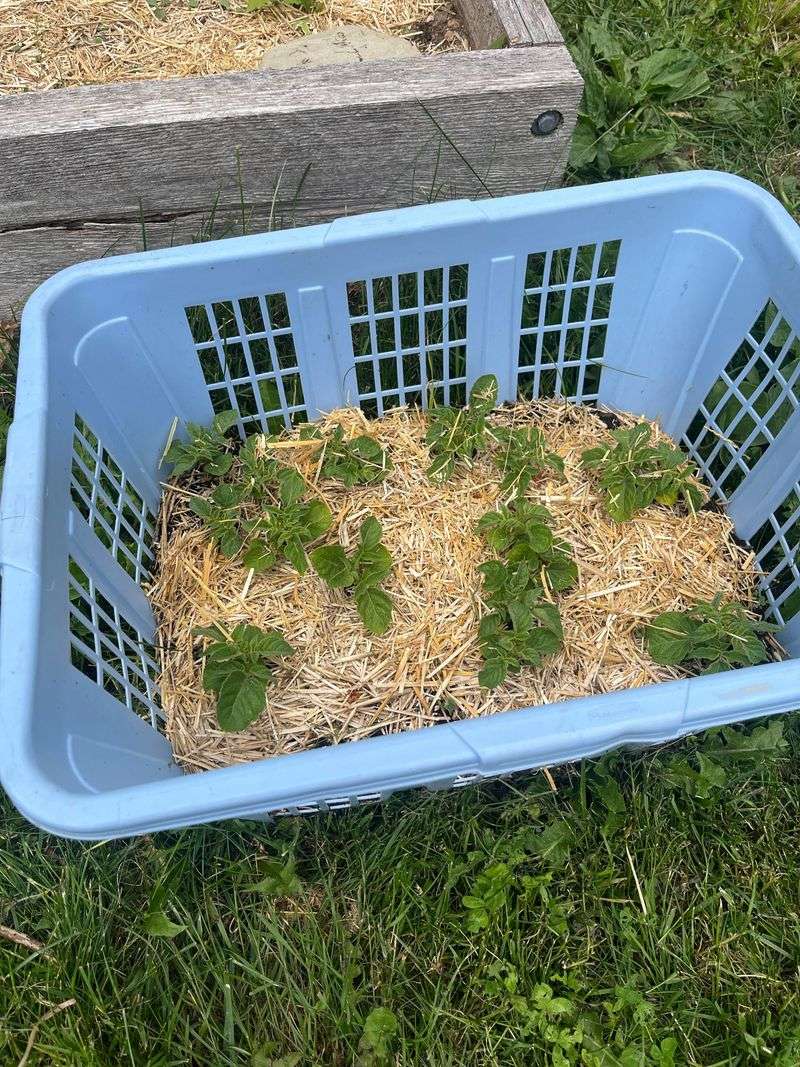
Harvesting potatoes from a traditional garden usually means digging through the ground with a fork, hoping you find every last tuber without slicing one in half. Laundry baskets make the whole process dramatically easier and honestly a lot more fun.
When your potatoes are ready, you simply tip the basket over onto a tarp and collect your harvest in minutes.
North Carolina gardeners have discovered that the loose, well-aerated soil inside a basket is exactly what potato plants need to form large, healthy tubers.
Varieties like Yukon Gold, Red Norland, and Kennebec all perform well in container conditions when given enough depth and consistent moisture.
Starting with a good layer of compost at the bottom gives your seed potatoes a nutritious foundation to build from as the season progresses.
Root crops like onions also adapt well to laundry basket growing when given enough soil depth and proper spacing.
The sides of the basket allow air to circulate around the entire root zone, which promotes even development and reduces the risk of fungal issues in humid North Carolina conditions.
Gardeners in the Sandhills region have been especially enthusiastic about this method because the sandy soil there, while naturally loose, still benefits from the contained growing environment a basket provides.
Watching those tubers tumble out at harvest time never gets old, no matter how many seasons you have been gardening.
6. Layering Soil As Your Plants Grow Taller
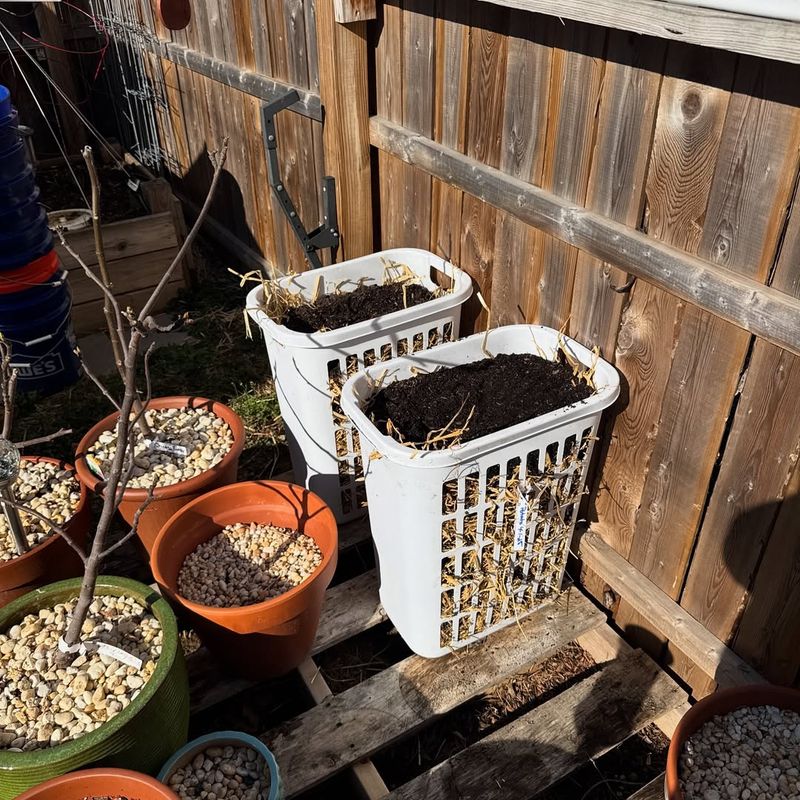
One popular technique among North Carolina basket gardeners involves adding soil gradually as plants grow taller throughout the season.
You start with just a few inches of soil at the bottom, plant your seedlings or seed potatoes, and then add more compost or soil as the stems reach upward.
This keeps the root zone supported and gives the plant a steady supply of fresh organic material.
It is worth understanding what this technique actually does and does not accomplish, especially for potatoes. Adding soil as potato stems grow helps support the plant and can encourage some additional tuber formation along the buried stem.
However, research consistently shows that endlessly hilling potatoes does not multiply your harvest dramatically, so focus on soil quality rather than chasing extreme layering strategies.
For other crops like tomatoes and peppers, the gradual soil addition method works well for stability rather than yield multiplication. As plants in a laundry basket grow taller and heavier, a bit of added soil around the base keeps stems upright and roots anchored firmly.
North Carolina gardeners growing indeterminate tomato varieties especially appreciate this trick during the windy stretches of late spring. The basket holds the added soil securely without spilling, making the process clean and manageable.
Building up your soil layer by layer also gives you a natural opportunity to work in slow-release fertilizer or additional compost right where your plants need it most.
7. Moving Your Garden Wherever The Sun Goes
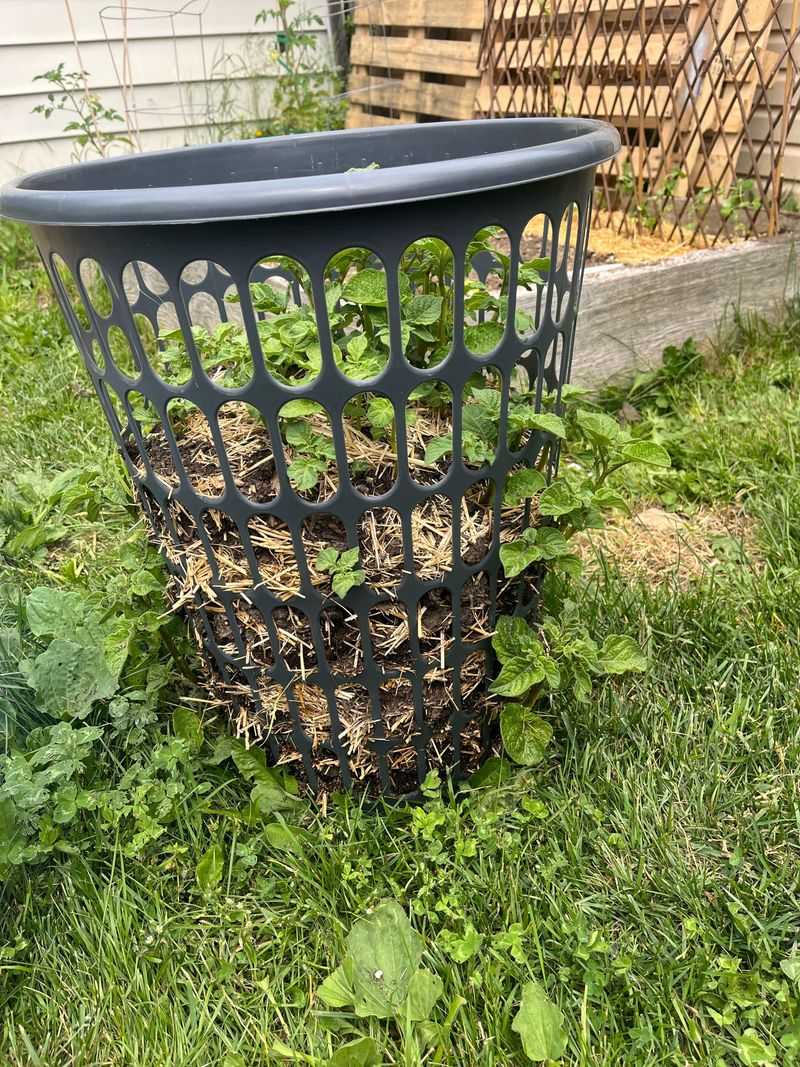
One of the most underrated advantages of laundry basket gardening is the ability to move your plants around freely. Traditional in-ground gardens are fixed in place, meaning if a tree suddenly casts shade over your tomatoes, there is nothing you can do about it.
Baskets give you complete flexibility to chase the best sunlight your yard has to offer throughout the day.
North Carolina spring weather can shift quickly, bringing unexpected cold snaps even after weeks of warm temperatures.
When a late frost threatens your seedlings, you can carry your baskets inside overnight and set them back out the next morning without missing a beat.
That kind of protection is simply not possible with any other gardening method, and it gives basket gardeners a real advantage during the unpredictable shoulder seasons.
Gardeners in mountainous areas like Boone and Blowing Rock, where late frosts are especially common, have found this mobility to be genuinely valuable season after season.
You can also rotate your baskets to give each side of the plant equal sun exposure, which promotes more even fruit production on crops like peppers and tomatoes.
Even heavy baskets can be moved with a simple hand truck or garden cart if needed, making the process manageable for gardeners of all ages.
The freedom to reposition your entire vegetable garden in under an hour is something you quickly come to love and rely on.
8. The Right Soil Mix Makes All The Difference
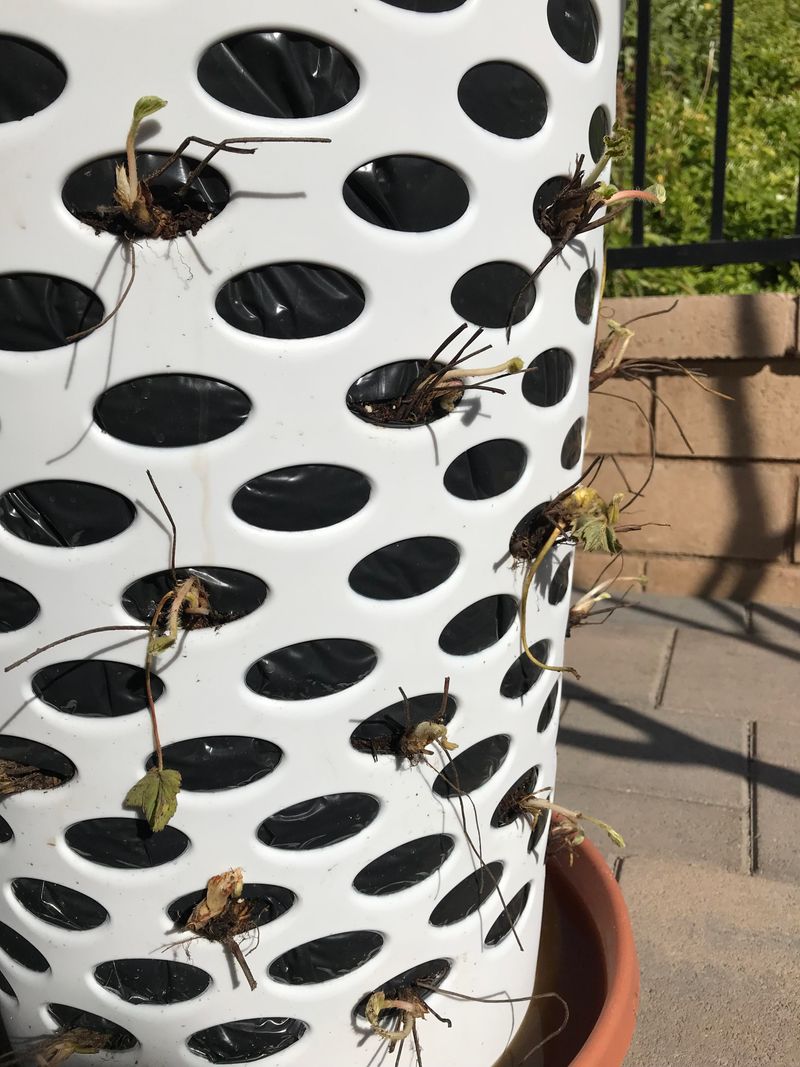
Because laundry baskets have so many drainage holes, they tend to dry out faster than traditional solid-sided pots.
That means the soil mix you choose is especially important for keeping your plants consistently hydrated and well-nourished throughout the growing season.
Getting the blend right from the start saves you a lot of extra watering and worry later on.
Most experienced North Carolina gardeners recommend combining good quality potting soil with generous amounts of finished compost and a moisture-retaining amendment like coconut coir.
This blend drains freely enough to prevent waterlogging while still holding enough moisture to keep roots comfortable between watering sessions.
Adding a small amount of perlite improves aeration further, which vegetable roots genuinely appreciate during the heat of a Carolina summer.
Skipping garden soil from the ground is strongly advised when filling your baskets, especially in North Carolina where native clay soil compacts badly in containers and restricts root growth significantly.
Bagged potting mixes designed for containers are widely available at garden centers across the state and are worth every penny for the results they deliver.
Refreshing your soil mix each season by adding new compost keeps the nutrient levels high and the texture loose and inviting for roots.
A well-built soil mix inside a laundry basket creates the kind of growing environment that helps vegetables reach their full potential without constant intervention or expensive supplements.
9. Tomatoes, Peppers, Herbs, And More Grow Beautifully
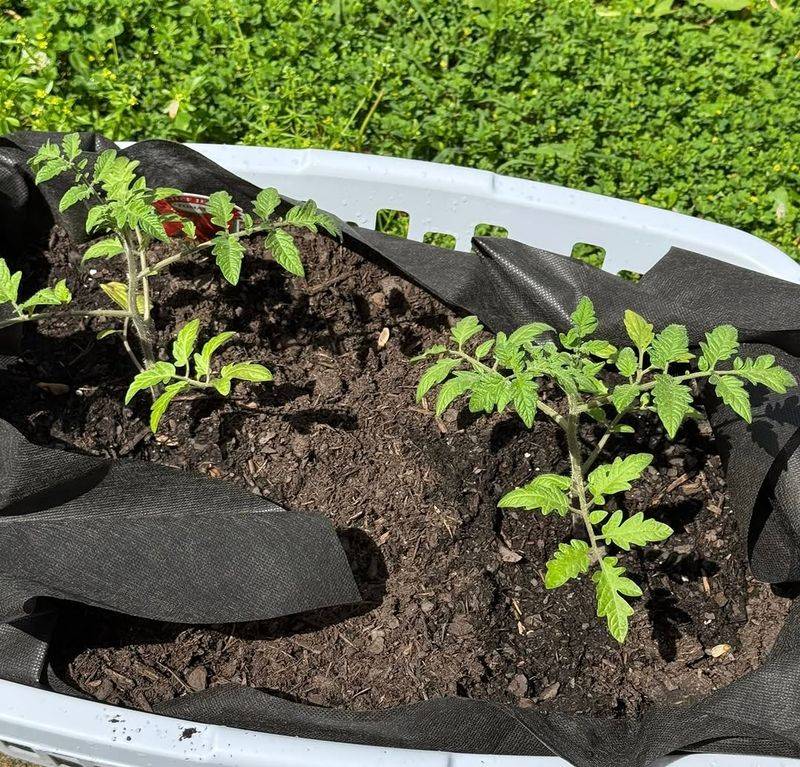
Choosing the right crops for your laundry basket garden sets you up for a genuinely satisfying harvest.
Warm-season vegetables that naturally adapt to container conditions are your best starting point, and North Carolina’s long growing season gives them plenty of time to produce abundantly.
Cherry tomatoes, compact bush peppers, cucumbers, strawberries, and fresh herbs are all excellent choices that consistently perform well in baskets.
Bush-type tomato varieties like Patio, Tumbling Tom, and Celebrity are particularly popular among North Carolina basket gardeners because they stay compact and manageable without needing heavy staking.
Pepper varieties such as Patio Baby and Lunchbox produce generous harvests in the confined space of a basket and love the warm, sunny conditions that most of the state enjoys from May through September.
Herbs like basil, thyme, oregano, and chives practically thrive on neglect and look gorgeous spilling over the sides of a well-placed basket on any porch.
Lettuce and loose-leaf greens are another smart choice for baskets because they grow quickly and can be harvested continuously throughout the cooler months of spring and fall.
Gardeners across North Carolina often run a full rotation, growing greens in early spring, switching to warm-season crops in summer, and returning to greens again in autumn.
That kind of year-round productivity from a simple laundry basket is genuinely exciting and proves just how versatile this creative gardening method can be for anyone willing to try it.
10. A Budget-Friendly Hack That Actually Works
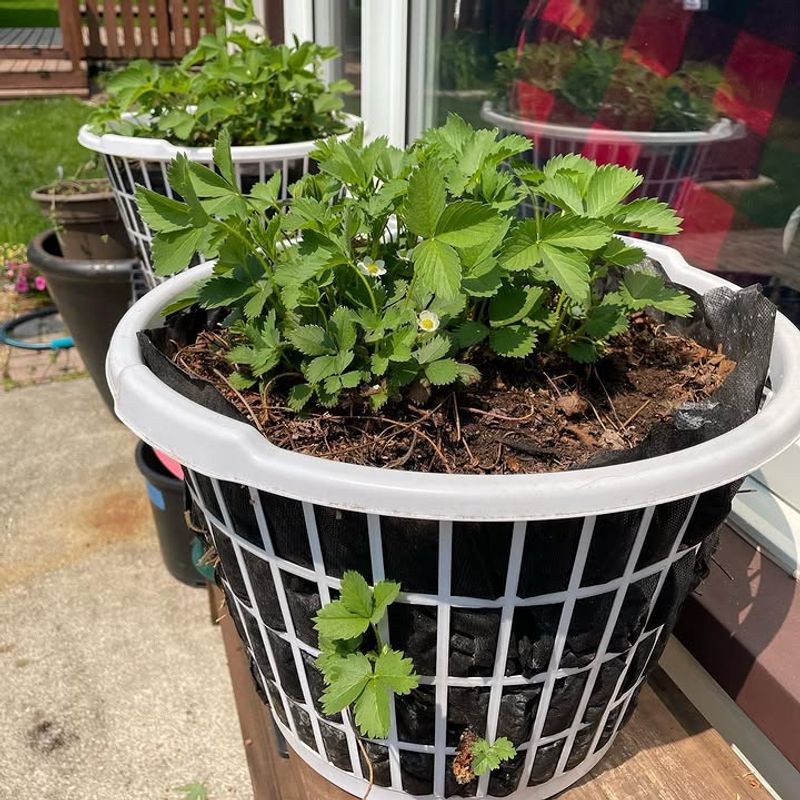
Gardening can get expensive fast once you start pricing out raised bed kits, large ceramic pots, and all the accessories that go with them.
Laundry basket gardening flips that script completely by turning something you probably already own into a fully functional growing container.
An old basket that would otherwise gather dust in a closet becomes a productive part of your vegetable garden for free.
Even if you need to buy baskets new, they typically cost between three and eight dollars each at discount stores, making them far cheaper than any comparable planter on the market.
North Carolina gardeners have shared enthusiastically online how much money they have saved by switching to this method, especially when setting up multiple growing containers at once for a larger harvest.
Buying five baskets costs less than a single large decorative pot at most garden centers.
The durability of plastic laundry baskets also means they hold up well through multiple growing seasons when stored properly during winter. You are not replacing them every year the way you might with cheaper fabric pots that tear and degrade over time.
Rinsing your baskets at the end of each season and storing them stacked in a shed or garage keeps them ready for the next round of planting.
For North Carolina gardeners who want to grow more food without stretching their budget thin, laundry basket gardening delivers honest, practical value that is hard to argue with no matter your experience level.