Michigan Gardeners, Here’s When To Start Tomatoes, Peppers, And Herbs Indoors
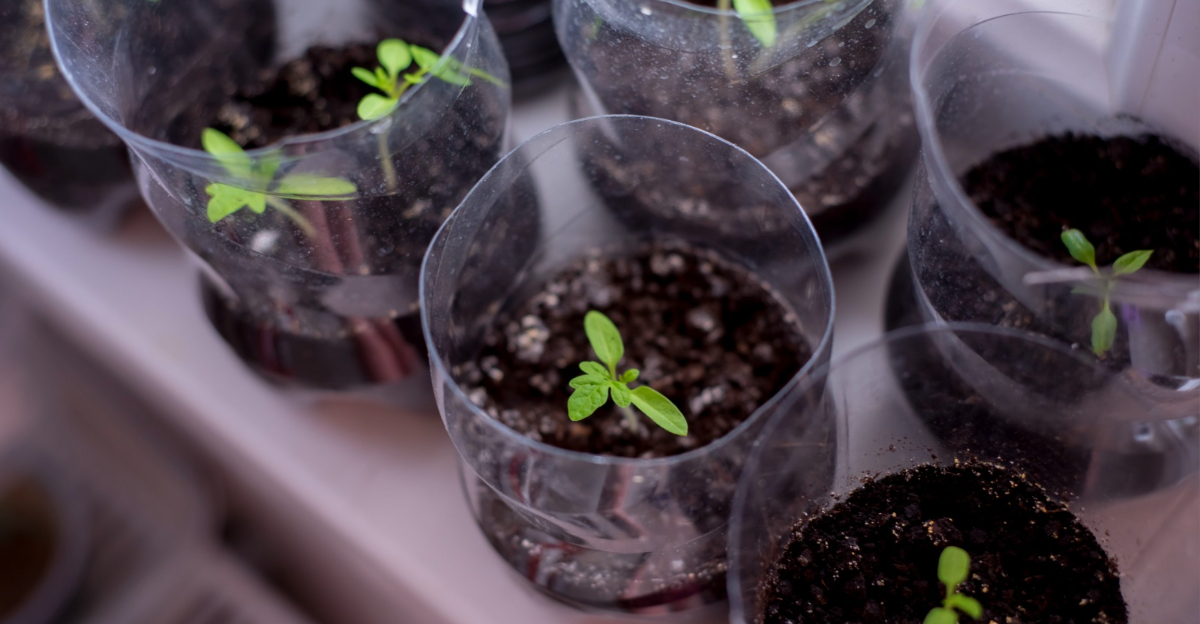
For Michigan gardeners, the excitement of a new growing season begins well before the ground thaws.
Starting tomatoes, peppers, and herbs indoors offers a way to gain a few extra weeks of growth, avoiding Michigan’s unpredictable spring weather.
However, knowing when to begin is crucial. Start too early, and your seedlings may outgrow their space.
Start too late, and you risk cutting your growing season short. With frost dates varying across the state, it’s essential to plan your indoor planting carefully.
Understanding the right time and method for starting seeds indoors can set your garden up for success. Whether you’re a novice or an experienced gardener, proper timing and preparation are key to making sure your plants thrive all season long.
Let’s dive into the steps you need to take to get your tomatoes, peppers, and herbs off to a strong start in Michigan.
1. Understanding Michigan’s Growing Season And Why Timing Matters
Spring in Michigan can feel like a game of chance, with warm, sunny days quickly giving way to surprise frosts that catch even experienced gardeners off guard. Knowing your region’s last frost date is the key to successful indoor seed starting.
Without this knowledge, you risk putting seedlings outside too early and losing weeks of hard work.
Michigan is divided into several growing zones, and the last frost date varies depending on where you live. The southern Lower Peninsula typically sees its last frost between late April and early May.
As you move north into the northern Lower Peninsula, that date shifts to mid-May. In the Upper Peninsula, gardeners may not experience frost-free nights until mid-June.
These differences are crucial because they directly impact when to start seeds indoors. Tomatoes need 6 to 8 weeks of indoor growth before transplanting, while peppers need 8 to 10 weeks.
Herbs like basil and parsley generally require about 6 weeks. By knowing your local last frost date and counting backward, you can create a reliable planting window that ensures your plants are ready when the weather is.
This simple but essential knowledge allows you to confidently plan your entire gardening season, setting you up for success even in Michigan’s unpredictable spring.
2. Seed Starting Basics For Tomatoes, Peppers, And Herbs
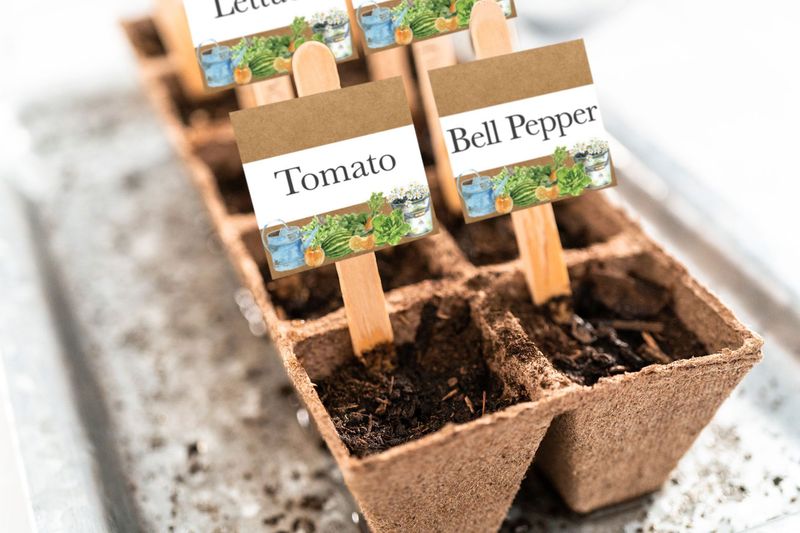
Starting seeds indoors is one of the most exciting moments for any gardener, as the tiny seeds hold so much promise for the upcoming season.
When starting tomatoes, peppers, and herbs, getting the timing just right can set the foundation for a strong, healthy garden.
For tomatoes, aim to start seeds indoors in mid- to late March if you live in the southern Lower Peninsula.
Northern Lower Peninsula gardeners should start their seeds in late March to early April, while Upper Peninsula gardeners should wait until early to mid-April.
Peppers, which take longer to germinate, should be started about two weeks earlier than tomatoes in each region.
While herbs like basil and parsley are slightly more forgiving, starting them about 6 weeks before the last expected frost still gives them a head start that results in healthier plants come planting time.
Your Michigan Garden Changes Every Week. Your Plan Should Too.
Gardening in Michigan changes quickly throughout the season. Every Friday you’ll receive a simple weekly plan showing exactly what to plant, prune, fertilize, harvest, and protect so you never miss the right timing.
When planting, press seeds about a quarter inch deep into moistened seed-starting mix. Maintaining soil temperatures between 65 and 75 degrees Fahrenheit ensures the best conditions for germination.
After planting, covering the trays with a plastic dome traps warmth and moisture, speeding up the germination process. Most seeds will sprout within 7 to 14 days, depending on the plant variety.
However, don’t forget to monitor the temperature regularly, as inconsistent warmth can delay germination. Keeping your seeds in the right conditions will give you strong seedlings, ready for transplanting when the time is right.
3. Choosing The Right Containers And Soil For Indoor Success
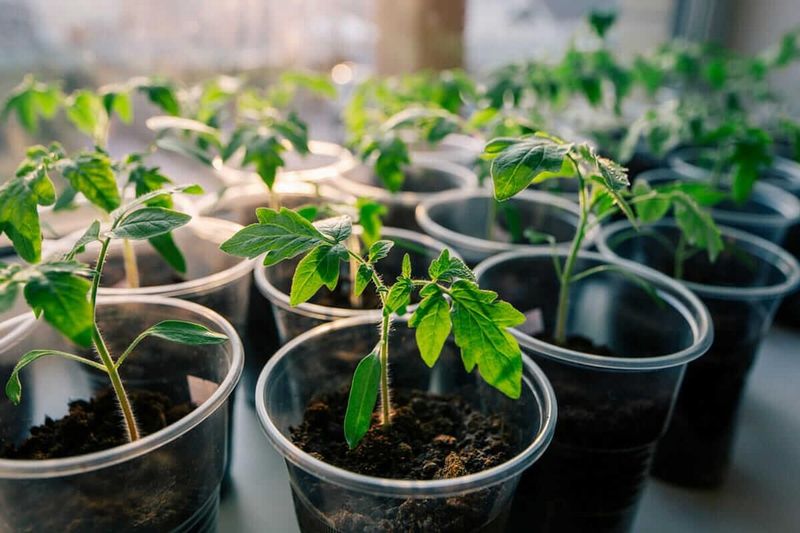
Choosing the right containers and soil for indoor seed starting is crucial for giving your plants the best start. When you walk into a garden center in late winter, shelves full of seed-starting supplies can feel overwhelming.
But the good news is that you don’t need to break the bank on fancy supplies. Simple, inexpensive materials can work just as well.
Small plastic cell trays are a popular option because they are affordable, retain moisture well, and help keep seedlings organized.
Biodegradable peat pots are also a great choice, as they allow you to plant the pots directly into the garden, minimizing transplant shock and root disturbance.
Repurposing household items like yogurt cups or egg cartons can work in a pinch. Just be sure to poke drainage holes in the bottom to prevent water from accumulating and causing root rot.
For soil, it’s important to avoid using standard potting soil, which is too dense for delicate seedlings and can lead to poor root development.
Instead, opt for a fine-textured seed-starting mix that drains well while retaining enough moisture to nourish your plants.
These mixes are typically lightweight, sterile, and free from large chunks that can block delicate roots, creating a perfect environment for seedlings to grow strong and healthy.
4. Creating The Right Light Conditions For Healthy Seedlings
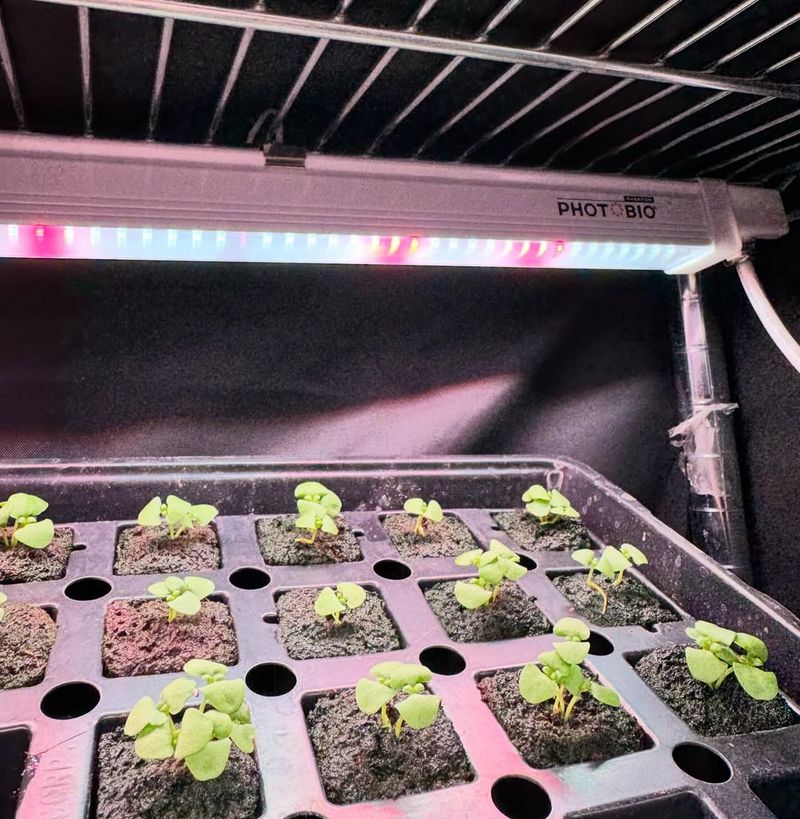
Light is often the most underestimated aspect of indoor seed starting. Seedlings that don’t receive enough light will grow tall and spindly, a condition known as “leggy growth.” These fragile plants will struggle when it’s time to transplant them into the garden.
In Michigan, where winters and early springs are notoriously gray, even a south-facing window can’t always provide the 12 to 16 hours of light that seedlings need to thrive.
That’s where grow lights come in. LED grow lights are energy-efficient and produce the right spectrum for plant growth.
They’re an excellent option for ensuring your seedlings get the light they need, even during cloudy Michigan winters. Fluorescent shop lights can also work well and are often more affordable than specialized grow lights.
Keep the lights positioned 2 to 4 inches above the tops of your seedlings, and adjust as they grow taller.
A timer set for 14 to 16 hours per day will mimic long summer days and encourage your seedlings to grow strong and compact.
Be sure to rotate your trays every couple of days to prevent seedlings from leaning toward the light source.
With the right lighting setup, your seedlings will grow into sturdy, healthy plants that are ready to thrive when planted outdoors.
5. Watering And Humidity Tips For Thriving Seedlings
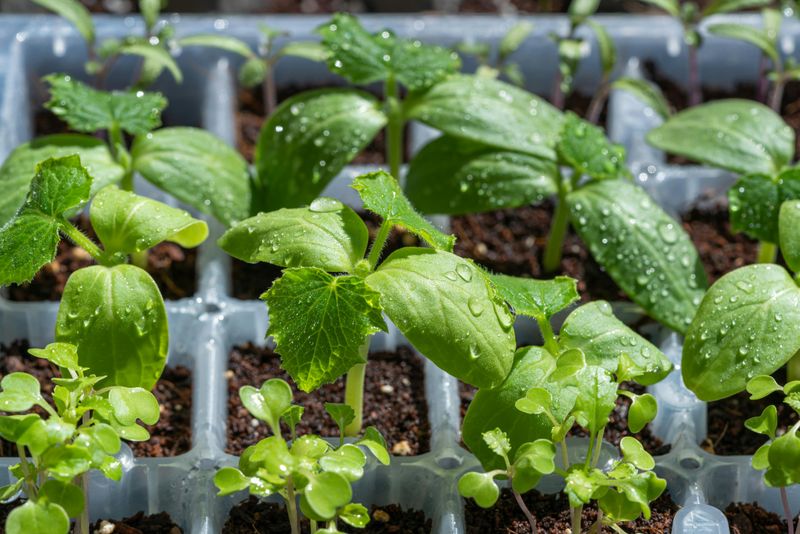
Watering seedlings seems simple, but it’s one of the tasks that trips up many gardeners. Both too much and too little water can cause problems for young plants, and finding the right balance is essential.
The goal is to keep the seed-starting mix consistently moist but not soggy. Overwatering deprives the roots of oxygen and creates a perfect environment for fungal diseases like damping off, which can cause seedlings to collapse.
A great way to water seedlings is from the bottom. Set trays in a shallow dish of water and let the seed-starting mix absorb the moisture for about 20 minutes, then drain the excess water.
This encourages the roots to grow downward toward the moisture, promoting strong root development. Humidity is also critical during germination.
Covering your trays with a clear plastic dome helps maintain moisture and keeps temperatures stable. Once seedlings emerge, remove the dome to allow for better air circulation and to reduce the risk of fungal problems.
Maintaining a humidity level between 50 and 70 percent creates a comfortable environment for most seedlings to grow in.
A small oscillating fan placed nearby can help to circulate air, strengthen stems, and prevent the buildup of moisture that fosters fungal growth.
With the right care, your seedlings will thrive indoors and be well-prepared for the outdoor garden.
6. How To Harden Off Your Indoor Plants Before Moving Outside
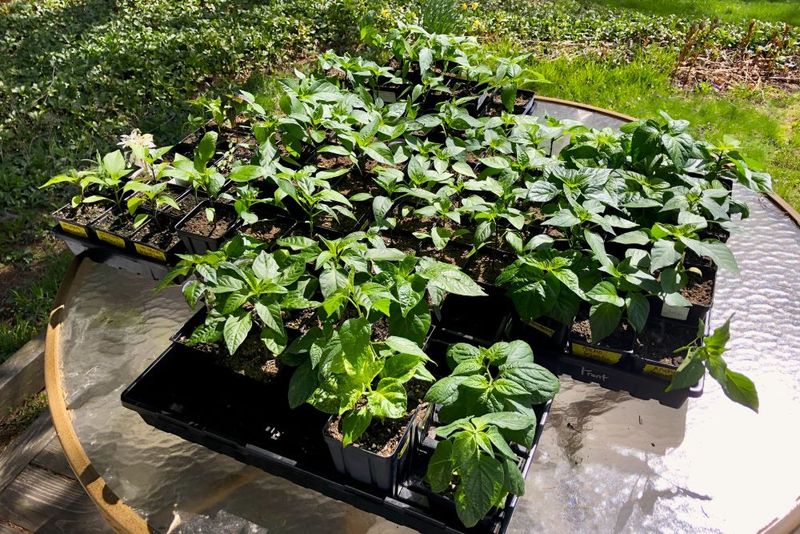
Transitioning your indoor plants to the outdoors can be a shock to their system. Without proper hardening off, seedlings might not survive Michigan’s unpredictable spring weather.
Hardening off is the process of gradually introducing your plants to outdoor conditions, allowing them to acclimate to changes in light, temperature, and wind.
Many gardeners skip this crucial step, only to see their hard-grown seedlings wilt when exposed to the elements.
Start hardening off about 7 to 14 days before you plan to transplant your seedlings. On the first day, place them outside in a sheltered, shady spot for 1 to 2 hours, then bring them back inside.
Over the next few days, gradually increase their outdoor exposure by lengthening their time outside and slowly introducing them to more direct sunlight and wind.
By the end of the hardening period, your plants should be able to tolerate full sun and wind.
Keep a close eye on the weather forecast; if temperatures dip below 50°F, bring your tomatoes and peppers back indoors for the night, as they are sensitive to cold.
Herbs like parsley are more tolerant of cooler temperatures, but basil should be kept indoors until the temperatures consistently stay above 55°F.
7. Signs Your Seedlings Are Ready For Transplanting
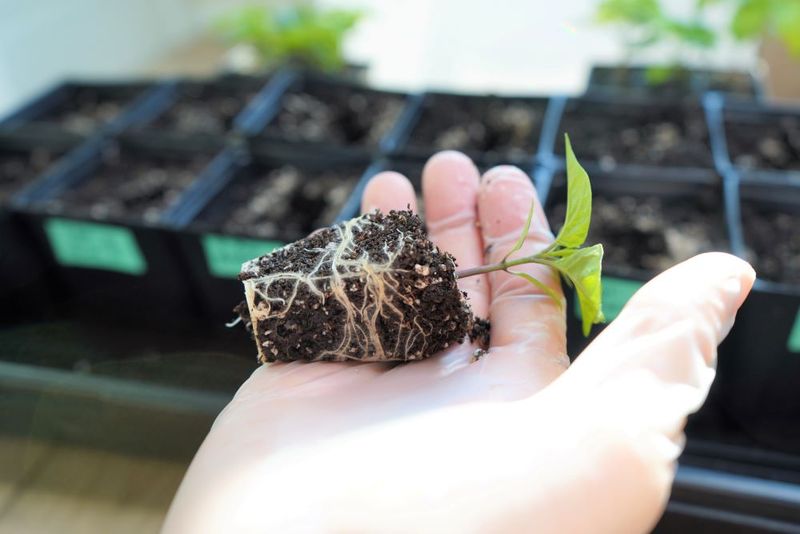
Knowing when to transplant your seedlings is as much about observation as it is about timing. It’s important to recognize that size alone isn’t the best indicator.
A small, fragile seedling will struggle in the garden, while a plant that has outgrown its container may already be stressed.
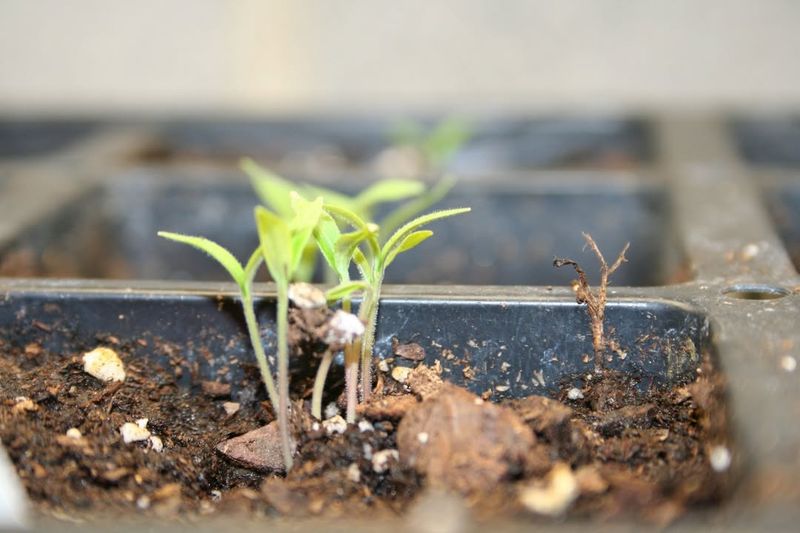
The most reliable sign that a seedling is ready for transplanting is the appearance of two or more sets of true leaves, which are the second and subsequent sets that grow after the initial seed leaves.
At this point, the plant’s root system should be well-developed and able to handle the transition to the garden. Check the bottom of the container for roots peeking through drainage holes, which signals that the plant is ready for more space.
Seedlings should also be stocky and upright, not tall and leggy.
For Michigan gardeners, tomatoes and peppers are typically ready for transplanting after the last frost date has passed and when nighttime temperatures stay consistently above 50°F.
Herbs like parsley, chives, and oregano can usually handle slightly cooler temperatures, so they can go out a bit earlier.
8. Troubleshooting Common Indoor Growing Challenges In Michigan
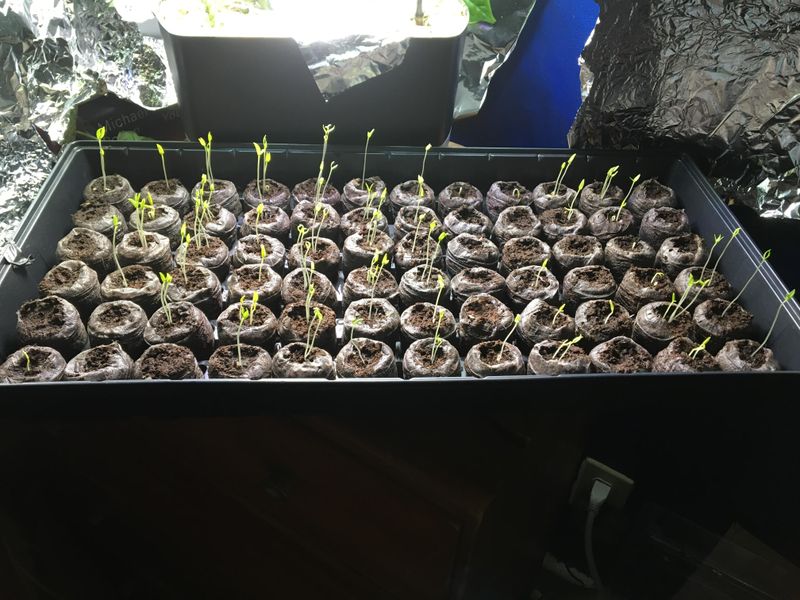
Even experienced gardeners face challenges when starting seeds indoors, and Michigan’s cloudy late-winter weather can exacerbate certain issues. The most common complaint is leggy, spindly seedlings, usually caused by insufficient light.
If you notice this problem, move your plants closer to a grow light or add a second light source. This will usually correct the issue within a week or two.
If stems are already very long, you can plant them deeper when transplanting, especially with tomatoes. Tomatoes have the ability to sprout roots along buried stems, which can help stabilize the plant and improve its overall health.
Yellowing lower leaves are often a sign of overwatering or nutrient deficiencies.
If your seedlings have been in the same mix for over four weeks, consider adding a diluted liquid fertilizer at half the recommended strength to give them a gentle boost.
Mold or white fuzz on the soil surface is usually a sign of poor air circulation. A small fan set on low will help to improve airflow and prevent fungal growth.
Fungus gnats can also be a nuisance, but letting the top inch of soil dry out between waterings will discourage them from laying eggs in your seed-starting mix.