7 Stunning No-Mow Lawn Ideas Using Ground Covers In Pennsylvania
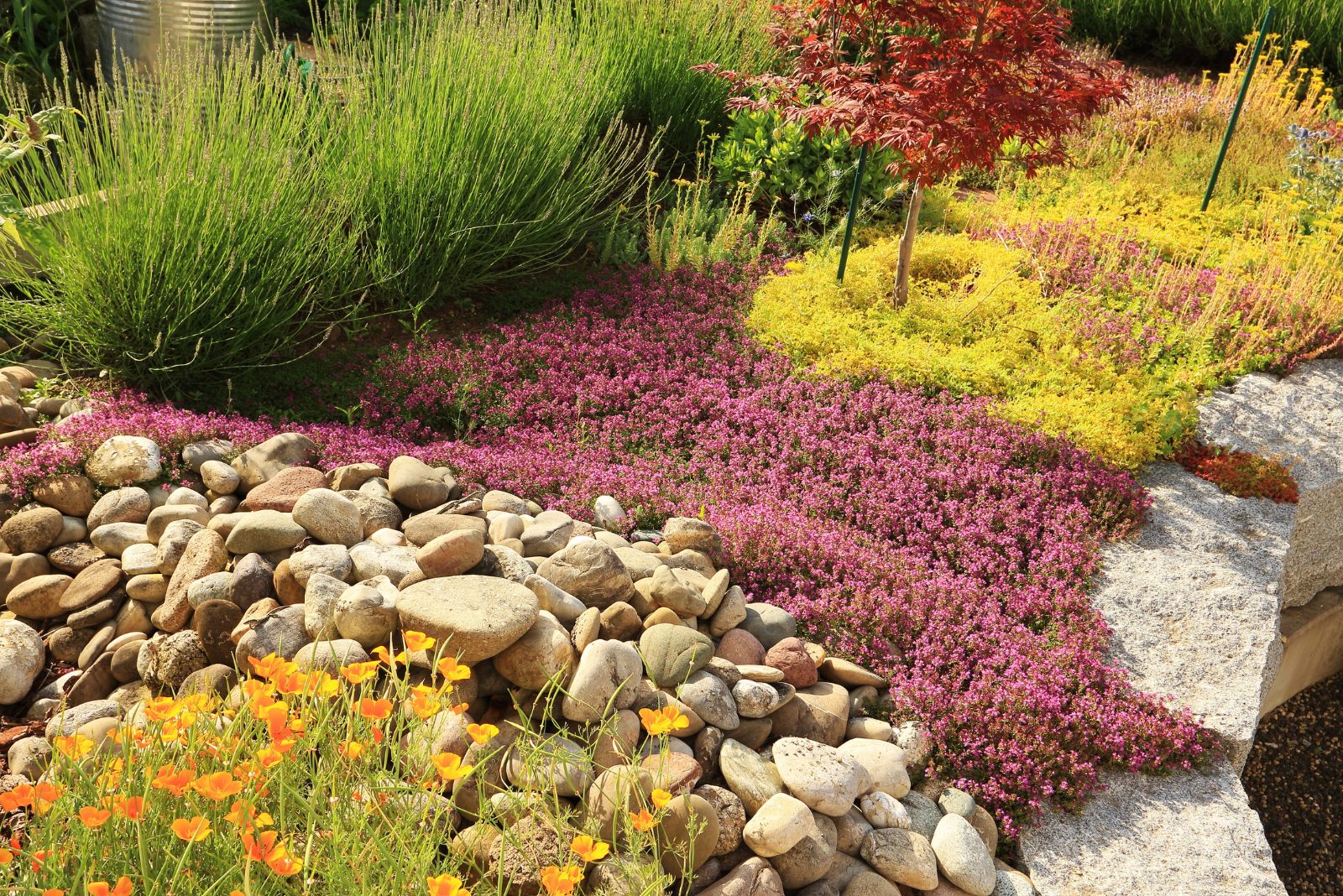
Tired of spending your weekends mowing the lawn under the hot Pennsylvania sun? What if there was a way to keep your yard looking lush and green without all the hassle?
Ground covers might just be the solution you’ve been looking for. These low-maintenance plants not only add beauty to your yard but also give you a natural, no-mow lawn that thrives in the Pennsylvania climate.
Ground covers like creeping thyme, sedum, and clover are tough enough to handle the changing seasons and require far less water and care than traditional grass. They grow quickly, fill in bare spots, and can even help prevent soil erosion.
Plus, they stay green and vibrant with minimal attention, leaving you with more time to enjoy your outdoor space.
By using ground covers, you can create a stunning, eco-friendly lawn that’s as easy to care for as it is beautiful. It’s the perfect way to take the work out of your yard and still keep it looking great.
1. Creeping Thyme (Thymus Serpyllum)
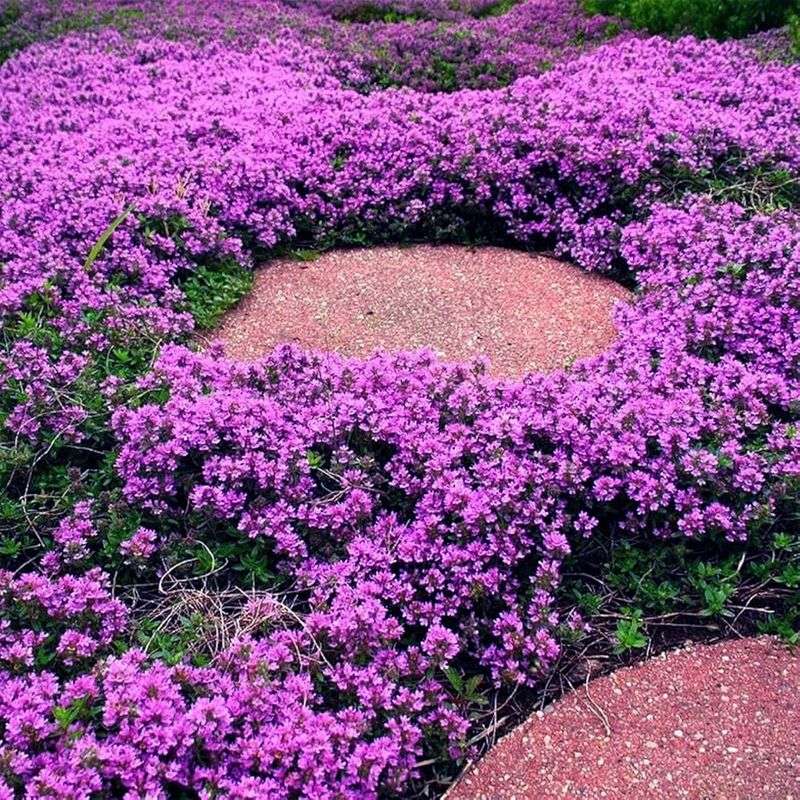
Walk barefoot across a patch of creeping thyme and you will instantly understand why so many Pennsylvania gardeners are obsessed with it.
Every step releases a warm, herby scent that fills the air around you. It is one of the most rewarding plants you can add to your yard.
Creeping thyme grows flat against the ground, forming tight, dense mats that rarely get taller than three inches. That means no mowing, ever.
It thrives in full sun and loves the kind of hot, dry summers that Pennsylvania often delivers, especially in central and western parts of the state.
One of the best things about this plant is its toughness. Once it gets established, it handles drought without any extra watering.
It grows well in poor, rocky, or sandy soil where regular grass often struggles. That makes it a great choice for sloped areas or garden borders where keeping grass alive feels like a losing battle.
Every late spring or early summer, creeping thyme bursts into a sea of tiny purple flowers. Bees, butterflies, and other pollinators absolutely love these blooms. Your yard becomes a mini wildlife habitat without any extra effort on your part.
Planting is simple. Space young plants about twelve inches apart and let them fill in over time.
You can also plant creeping thyme between stepping stones or along walkways. It handles light foot traffic well, making it both practical and beautiful for Pennsylvania gardens of all sizes.
2. Clover (Trifolium Repens)
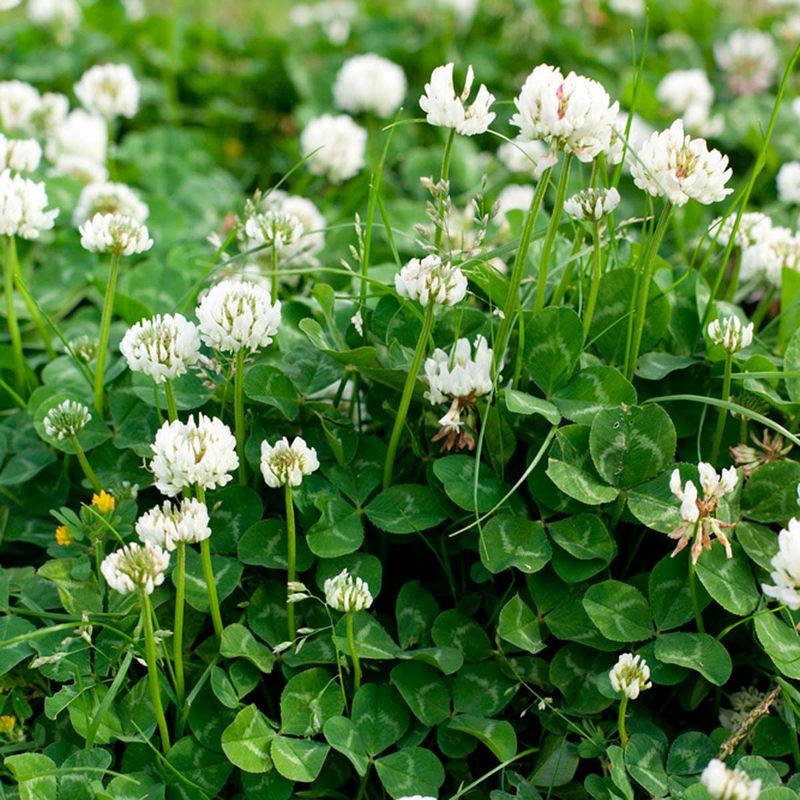
Not long ago, clover was considered a weed. Today, smart Pennsylvania homeowners are planting it on purpose, and for very good reasons.
White clover stays green, spreads naturally, and practically takes care of itself once it gets going in your yard.
Clover has a secret superpower that regular grass simply does not have. It pulls nitrogen directly from the air and stores it in the soil.
That means your lawn feeds itself. You can skip the fertilizer bags and the extra expense that comes with keeping a traditional grass lawn green all season long.
Your Pennsylvania Garden Changes Every Week. Your Plan Should Too.
Gardening in Pennsylvania changes quickly throughout the season. Every Friday you’ll receive a simple weekly plan showing exactly what to plant, prune, fertilize, harvest, and protect so you never miss the right timing.
During dry spells, which are common in Pennsylvania summers, clover stays green while regular grass turns brown and crunchy. It does not need much water at all.
If you live in a sunny spot with well-drained soil, clover will thrive with almost zero input from you after the first season.
White clover grows only four to six inches tall at most, and it rarely needs trimming. Some homeowners mow it just once or twice a year to keep things tidy, but many skip mowing altogether.
The small white flowers it produces are a favorite of honeybees and bumblebees, which are important pollinators for Pennsylvania gardens and farms.
Mixing clover with other low-growing plants creates a meadow-style lawn that looks natural and inviting.
It is soft underfoot, affordable to plant from seed, and a genuinely smart choice for anyone in Pennsylvania looking to simplify their yard care routine significantly.
3. Sweet Woodruff (Galium Odoratum)
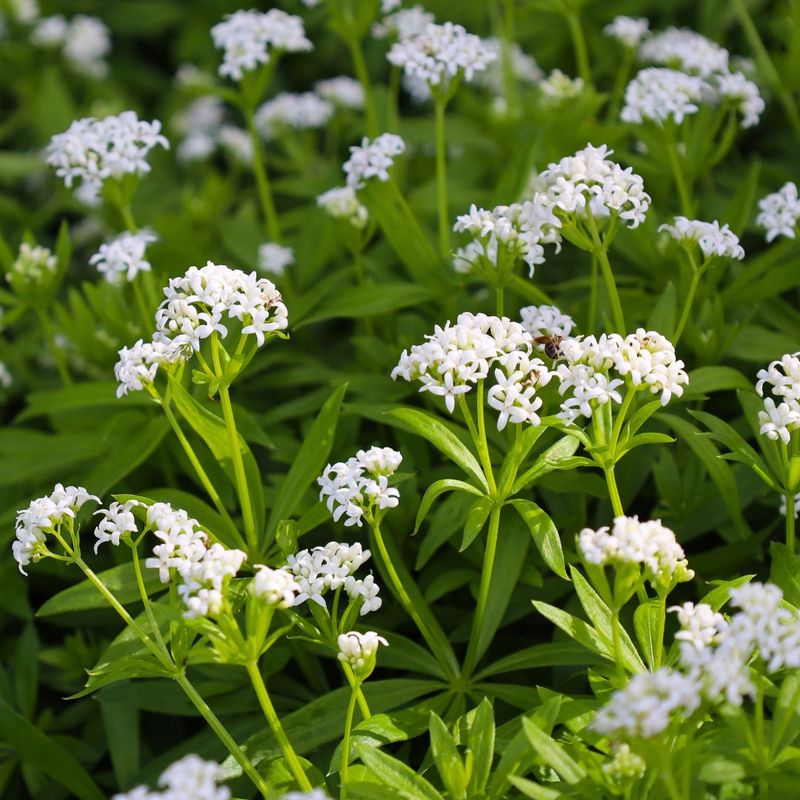
If you have a shady corner of your Pennsylvania yard that nothing seems to want to grow in, sweet woodruff might just be the answer you have been looking for.
It thrives in the low light that other plants avoid, filling in under trees and along shaded garden paths with a rich, carpet-like texture that looks effortlessly beautiful.
Sweet woodruff stays low to the ground, usually reaching only six to eight inches in height. It spreads steadily through underground runners, filling in gaps and crowding out weeds without much help from you.
Once it is established, it is remarkably self-sufficient, which is exactly what a no-mow lawn idea should be.
Here is a fun detail that most people do not know: when you crush the leaves of sweet woodruff, they release a sweet, fresh scent similar to vanilla or freshly cut hay. That fragrance gets even stronger as the leaves dry out.
Historically, people in Europe used dried sweet woodruff to scent their homes and flavor drinks.
In spring, sweet woodruff produces clusters of tiny white star-shaped flowers that brighten up even the darkest garden corners.
Pennsylvania woodland gardens especially benefit from this plant because it mimics the natural forest floor so well. It pairs beautifully with hostas, ferns, and native wildflowers.
Planting sweet woodruff is straightforward. It prefers moist, slightly acidic soil, which is common in many parts of Pennsylvania.
Water it regularly during its first growing season, and after that, it will mostly look after itself without much fuss.
4. Pennsylvania Sedge (Carex pensylvanica)
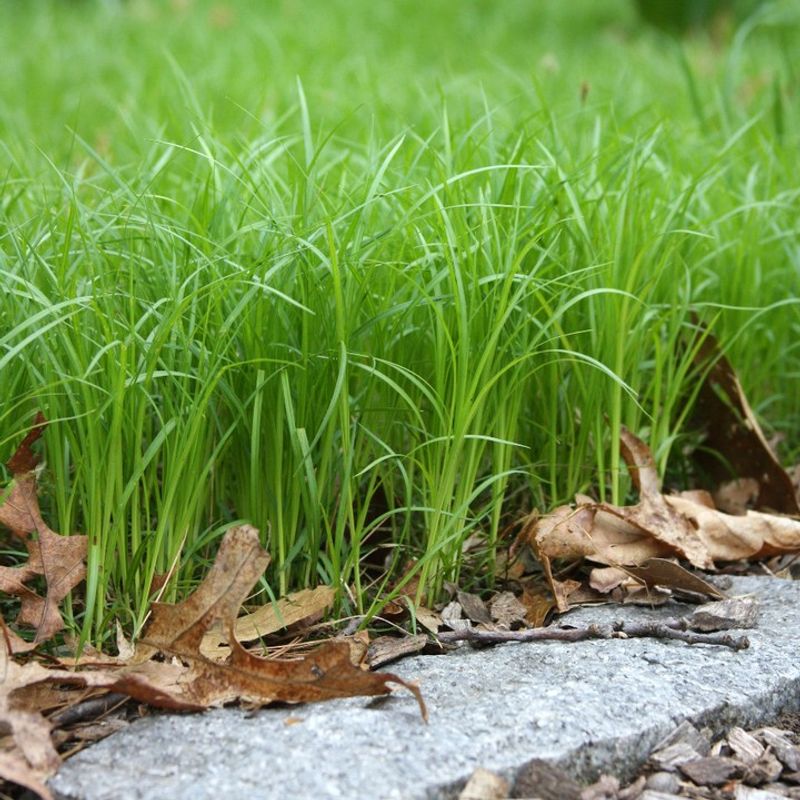
There is something poetic about a plant that carries the name of the state right in its scientific title.
Pennsylvania sedge, or Carex pensylvanica, is a native perennial that has been growing in Pennsylvania forests for thousands of years. It knows this land, and it shows in how well it performs without any extra help.
This plant forms soft, arching clumps of fine, grass-like foliage that give your yard a natural, woodland feel. It stays low, usually between six and twelve inches tall, and spreads slowly through underground rhizomes.
Over time, it creates a flowing, meadow-like carpet that looks both wild and intentional at the same time.
One of the biggest advantages of Pennsylvania sedge is its flexibility. It grows well in full shade, partial shade, and even some sunny spots.
It handles a wide range of soil types, from dry sandy soil to heavier clay soil, which is very common across many Pennsylvania properties. That adaptability makes it one of the most reliable no-mow options available.
Because it is a native plant, Pennsylvania sedge supports local insects, birds, and other wildlife in ways that non-native plants simply cannot match. It provides ground-level habitat and food for small creatures that are part of your local ecosystem.
Choosing native plants is one of the most impactful things a Pennsylvania homeowner can do for the environment.
Maintenance is minimal. A light trim in early spring helps it look fresh as new growth emerges. Otherwise, Pennsylvania sedge takes care of itself season after season, year after year.
5. Creeping Jenny (Lysimachia Nummularia)
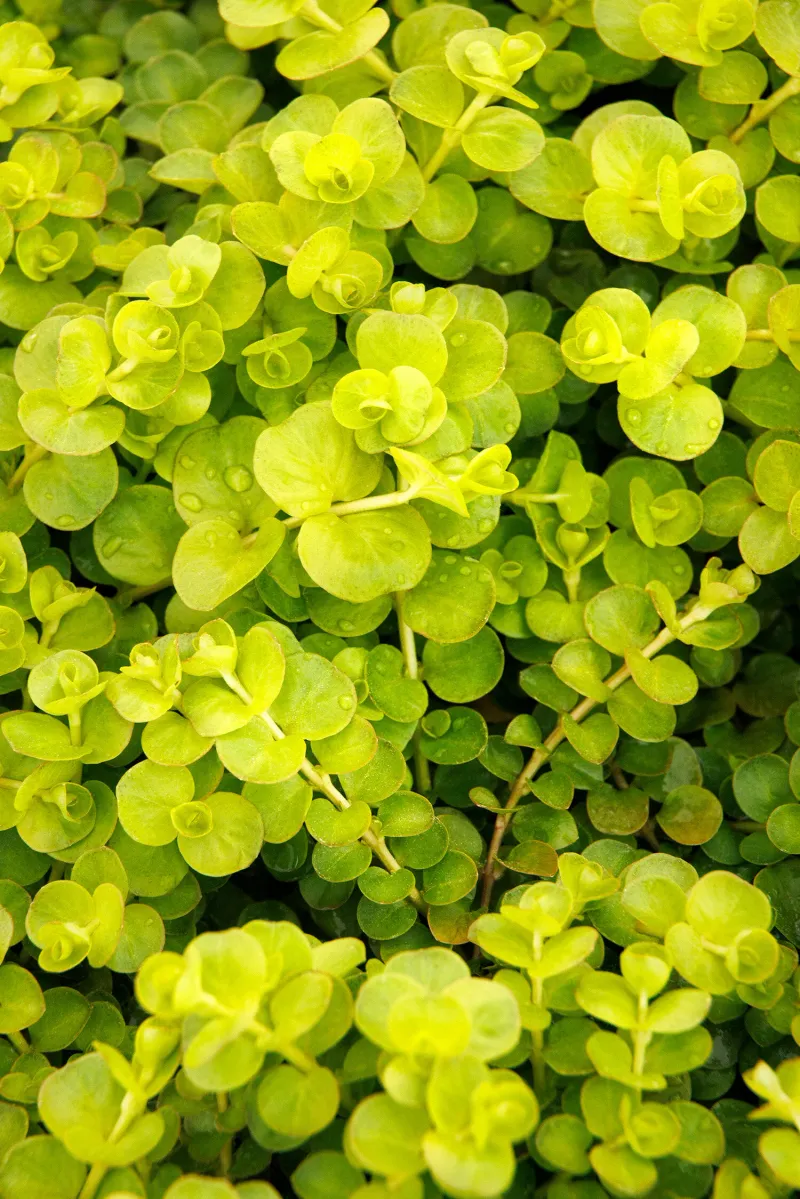
Few plants can match the eye-catching color of creeping Jenny. Its round, coin-sized leaves come in a vivid lime-green or golden-yellow depending on the variety, and they spread in long, trailing stems that hug the ground tightly.
When you want your Pennsylvania yard to look lush and colorful without putting in hours of work, creeping Jenny delivers every time.
This plant spreads quickly, which is both its greatest strength and something to keep in mind when planning where to plant it. It fills in garden borders and shaded spots fast, choking out weeds as it goes.
Along the edges of garden walls or hanging over retaining walls, it creates a dramatic waterfall effect of golden foliage that draws attention from every angle.
Creeping Jenny works in part sun to full shade, making it incredibly versatile across different areas of a Pennsylvania yard.
It does best in moist soil, so spots near downspouts, rain gardens, or low-lying areas are ideal locations. It can even grow near the edges of small garden ponds or water features.
In early summer, creeping Jenny produces small, cheerful yellow flowers that attract bees and other pollinators. The blooms are not flashy, but they add a nice finishing touch to the already colorful foliage.
Combined with its spreading habit, this plant creates a living mulch that keeps the soil cool and moist beneath it.
For Pennsylvania gardeners who want fast results with minimal effort, creeping Jenny is a top-tier choice that rewards patience with a stunning, low-maintenance display all season long.
6. Wild Ginger (Asarum Canadense)
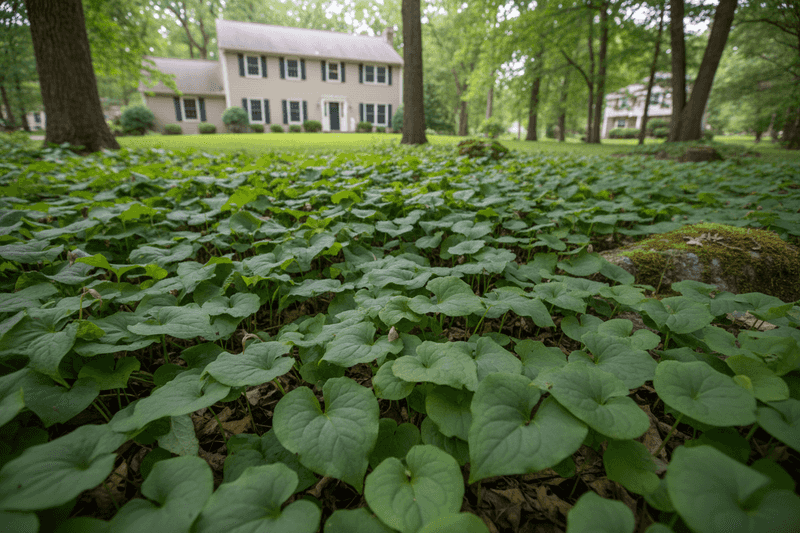
Wild ginger is the kind of plant that experienced Pennsylvania gardeners quietly recommend to each other like a well-kept secret.
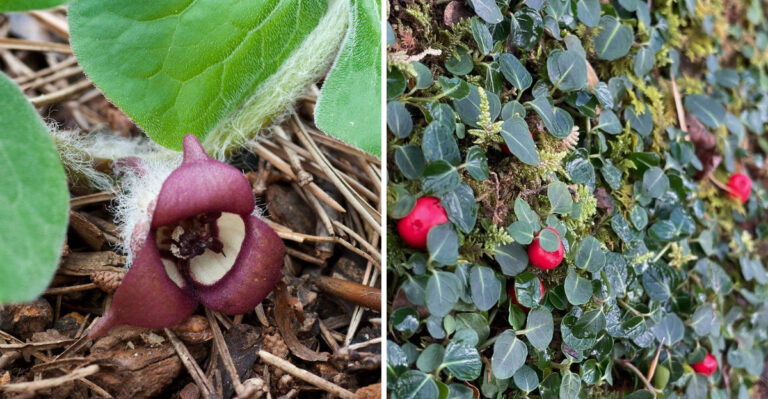
It does not have flashy flowers or bold colors, but what it offers is something more valuable in a shaded garden: a rich, dense, weed-smothering carpet of large, heart-shaped leaves that looks stunning from spring through fall.
As a native plant to eastern North America, wild ginger is perfectly adapted to the conditions found in Pennsylvania woodlands.
It grows naturally on forest floors under deciduous trees, which means it is already programmed to handle the deep shade, cool temperatures, and variable moisture levels that challenge so many other ground covers.
The leaves are broad and dark green, growing about six to eight inches tall. They form a tight, overlapping canopy at ground level that blocks sunlight from reaching weed seeds below.
If you have ever battled weeds under trees or in shaded garden beds, wild ginger is one of the most effective natural solutions available to Pennsylvania homeowners.
Wild ginger does produce flowers, but they are hidden beneath the leaves close to the soil. They are small, brownish-purple, and shaped like tiny jugs.
While not showy, they have a quirky charm that surprises people who take a close look. Ants actually help spread the seeds, which is a fascinating ecological relationship.
Plant wild ginger in moist, rich, well-drained soil in a shaded spot. It spreads slowly but steadily, and once established, it asks for almost nothing in return for years of reliable beauty.
7. Irish Moss (Sagina Subulata)
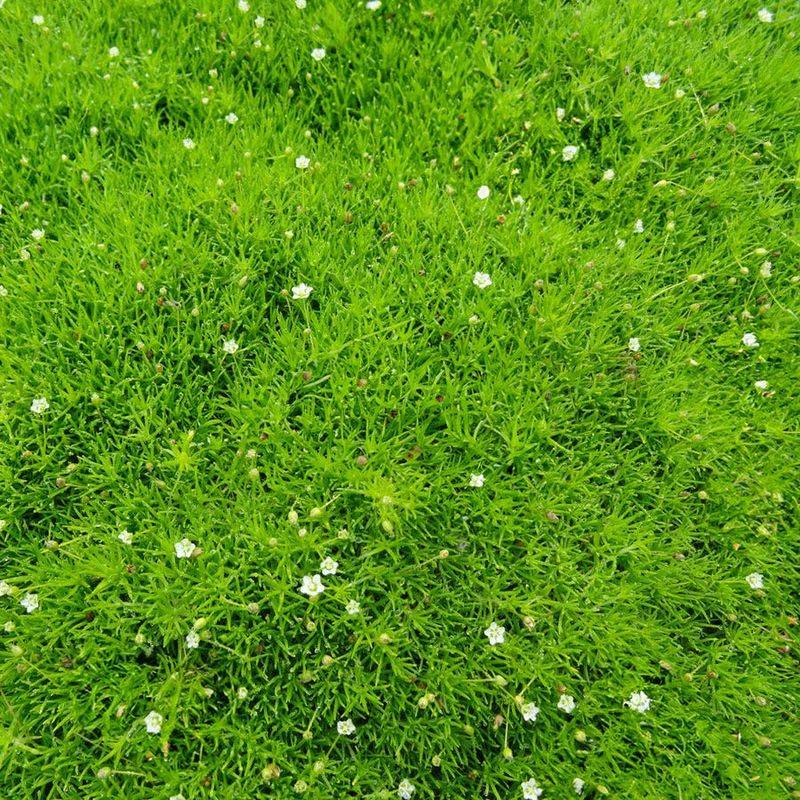
Imagine a ground cover so soft and lush that it looks like a green velvet blanket has been laid across your garden. That is exactly what Irish moss brings to Pennsylvania yards.
It forms a dense, cushion-like mat of tiny, bright green foliage that stays low and tidy without ever needing a mower to touch it.
Despite its name, Irish moss is not a true moss. It is actually a flowering plant that just happens to have a moss-like texture and appearance.
That distinction matters because it means Irish moss is more adaptable than real moss. It handles a bit more sunlight and a wider range of soil conditions, making it a practical choice for many different spots around a Pennsylvania yard.
Pennsylvania’s cool, moist climate is genuinely ideal for Irish moss. It loves the mild springs and autumns that the state experiences, and it handles partial shade beautifully.
Planting it between stepping stones or along garden pathways creates a magical, storybook look that visitors always notice and admire.
In late spring, Irish moss covers itself in tiny white star-shaped flowers that add a delicate, whimsical charm to the ground-level display. The flowers are small, but when the whole mat blooms at once, the effect is genuinely stunning.
Pollinators appreciate the blooms too, making your garden more welcoming to beneficial insects.
Maintenance is about as simple as it gets. Water Irish moss regularly during its first season to help it establish strong roots.
After that, it needs only occasional watering during dry stretches and stays looking beautiful with almost no effort from you at all.