Why Some Michigan Gardeners Use Hoop Houses Instead Of Greenhouses
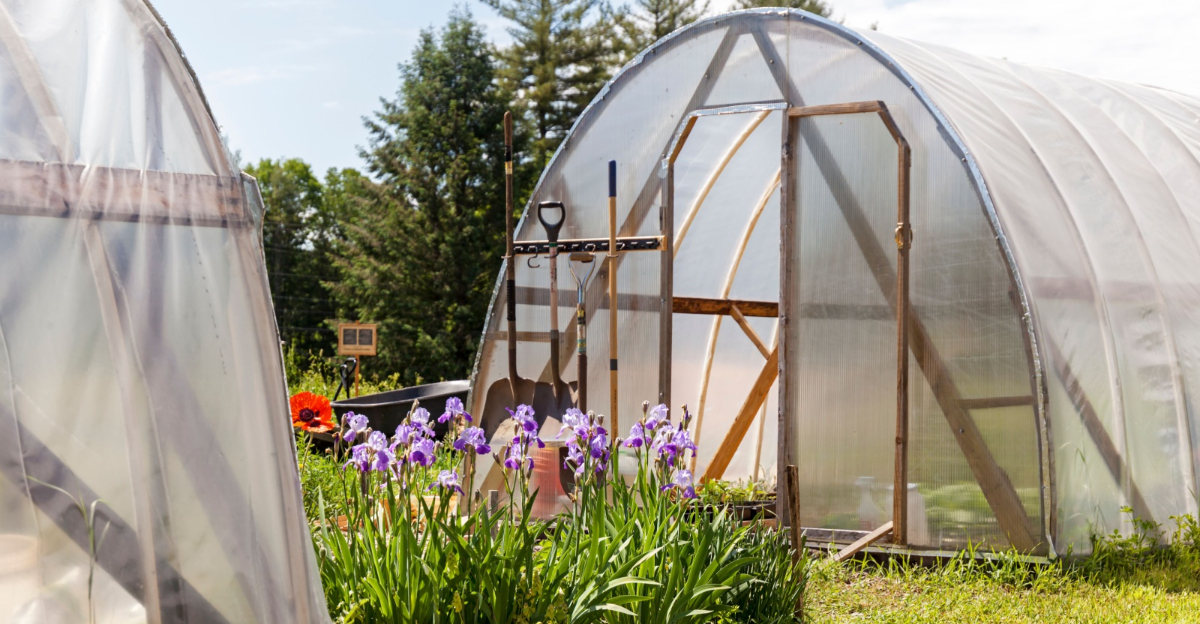
Michigan’s growing season can be unpredictable, with a short window for planting and harvesting. That’s where hoop houses come in.
These simple yet effective structures provide an affordable way to extend the season and shield crops from sudden temperature drops, heavy rain, and early frosts.
Unlike traditional greenhouses, hoop houses are cost efficient, straightforward to assemble, and highly adaptable.
Hobby gardeners and small scale growers alike value the flexibility in size and layout, along with reliable protection through cold snaps and windy stretches.
Across the state, more growers rely on hoop houses to stretch their harvest, start earlier in spring, and keep crops producing later into fall.
The growing number of hoop houses across Michigan gardens shows how practical this solution has become.
1. Hoop Houses Offer Affordable Season Extension For Michigan Gardens
Budget season extension is one of the biggest reasons Michigan gardeners turn to hoop houses year after year.
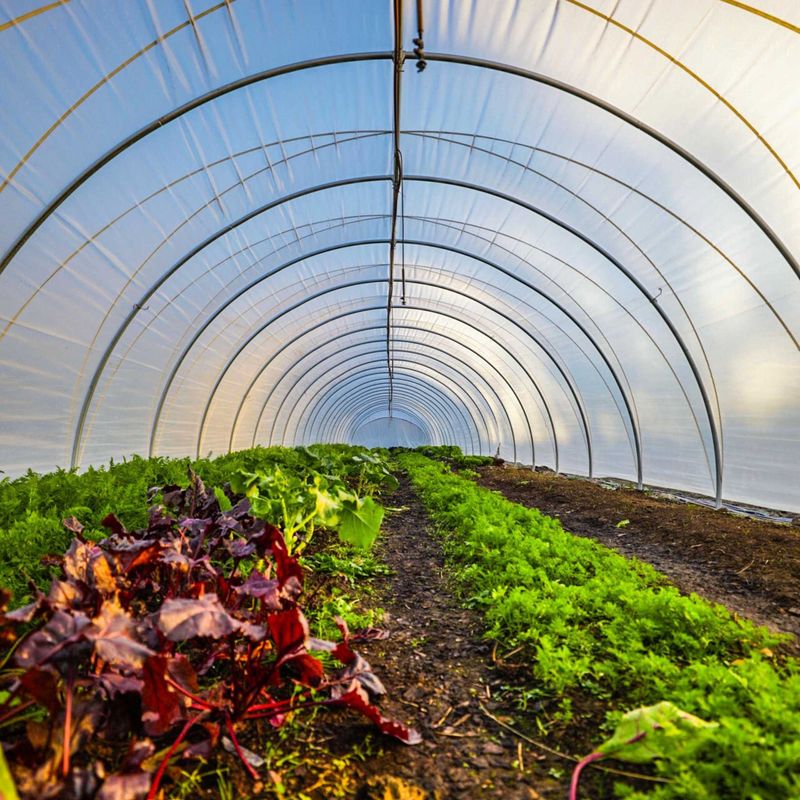
A basic hoop house can cost a fraction of what a traditional greenhouse requires, using simple materials like galvanized metal or PVC pipe and greenhouse-grade polyethylene film.
Even a modest hoop house setup can add four to six weeks to both ends of the growing season.
That extra time matters enormously when your outdoor window is already narrow. Starting tomatoes, peppers, and greens weeks earlier means larger harvests before summer heat peaks.
Late-season crops like kale, spinach, and carrots can keep producing well into November under that protective plastic layer.
Many gardeners report spending less than $500 on a mid-sized hoop house, compared to thousands for a permanent greenhouse structure. The savings on materials, permits, and utility bills add up quickly.
For small-scale growers and hobby gardeners watching their spending, hoop houses deliver real growing-season gains without straining the wallet.
That combination of affordability and effectiveness makes them a go-to choice across Michigan communities.
2. Flexible Design Makes Hoop Houses Ideal For Small And Large Plots
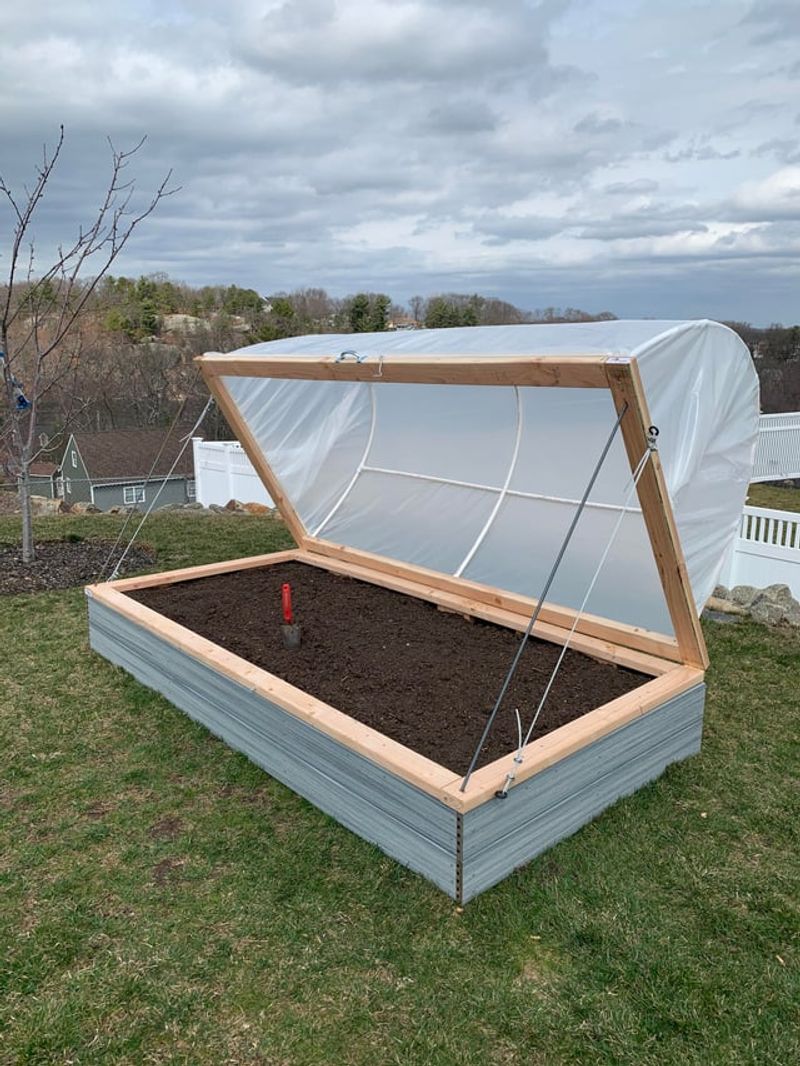
Not every garden fits the same mold, and that is where hoop houses genuinely shine.
Their modular, scalable design means a gardener working with a 10-foot raised bed can build a compact tunnel just as easily as a farm operation stretching a structure across 100 feet of row crops.
The frame bends to match the space rather than forcing the garden to conform to a rigid structure.
Small urban plots in Detroit or Grand Rapids benefit from narrow, low-profile hoop houses that fit between fences and buildings.
Larger rural operations in West Michigan or the Thumb region can scale up with wider hoops and longer runs of plastic sheeting.
The adaptability is one of the features gardeners talk about most when comparing hoop houses to fixed greenhouse buildings.
You can also reconfigure a hoop house relatively easily if your garden layout changes. Moving rows, expanding beds, or switching crops from one season to the next becomes less complicated when your structure is not bolted permanently into a foundation.
That design flexibility appeals to gardeners at every experience level, from beginners to seasoned market growers managing multiple crops at once.
Your Michigan Garden Changes Every Week. Your Plan Should Too.
Gardening in Michigan changes quickly throughout the season. Every Friday you’ll receive a simple weekly plan showing exactly what to plant, prune, fertilize, harvest, and protect so you never miss the right timing.
3. Greenhouse Alternatives That Handle Michigan Winters Without Breaking The Bank
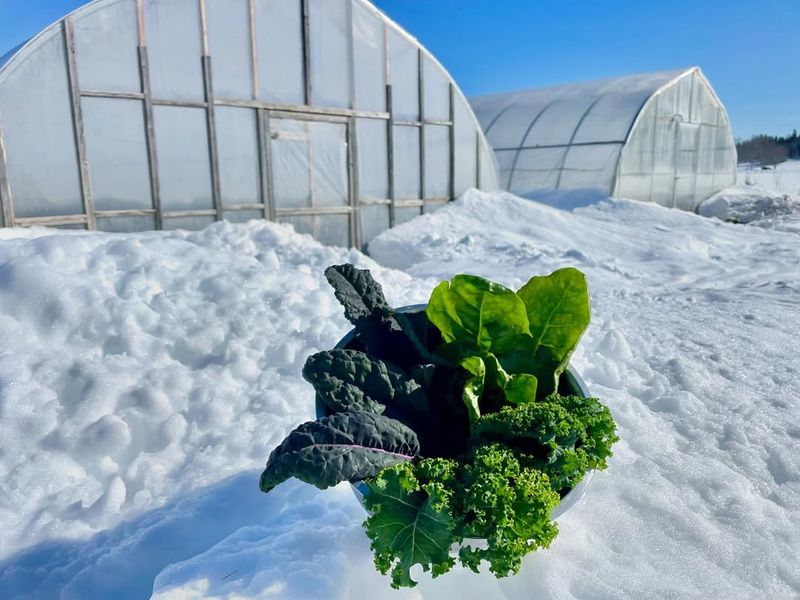
Michigan winters can be brutal, with lake-effect snow, hard freezes, and sustained cold snaps that challenge even well-prepared gardeners.
Many people assume you need a heated, insulated greenhouse to keep plants alive through those conditions, but hoop houses tell a different story.
With the right plastic covering and some added row cover fabric inside, a hoop house can maintain temperatures significantly warmer than the outdoor air.
A single layer of greenhouse polyethylene can raise interior temperatures by 10 to 20 degrees Fahrenheit compared to outside conditions.
Adding a second layer or interior frost cloth bumps that margin even higher, protecting cold-hardy crops like spinach, mache, and arugula through much of winter without any supplemental heat.
The cost difference compared to a heated greenhouse is dramatic. Heating a glass or polycarbonate greenhouse through a Michigan winter requires real energy investment, often hundreds of dollars per month.
A hoop house relies on passive solar gain and good insulation choices instead. For gardeners who want winter greens without a steep utility bill, a well-built hoop house offers a genuinely practical and wallet-friendly path forward.
4. Quick Setup And Tear Down Give Gardeners More Control
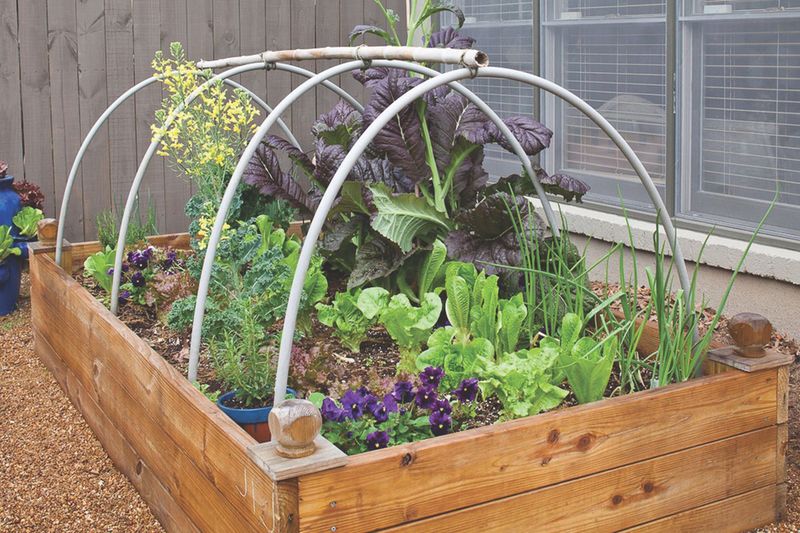
One weekend, a few tools, and the right materials are often all it takes to get a hoop house up and running. That quick setup is a major draw for gardeners who want protection now rather than waiting weeks for a construction project to wrap up.
Many designs use ground stakes, pre-bent hoops, and clip systems that snap plastic sheeting into place without specialized skills or heavy equipment.
Tear-down is equally straightforward. When summer heat arrives and crops no longer need protection, the plastic can be rolled up and stored while the frame stays in place or gets removed for storage.
This ability to adapt the structure seasonally gives gardeners a level of control that a permanent greenhouse simply cannot match.
Rotating the hoop house location from year to year also supports better soil health by preventing disease buildup in one spot.
Pest pressure can decrease when the covered area shifts, which is a practical benefit that greenhouse users tied to a fixed foundation cannot easily replicate.
Michigan gardeners who value flexibility and hands-on control over their growing environment tend to find that quick-assembly hoop houses fit their approach far better than a permanent, hard-to-move structure.
5. Lightweight Structures Let Sunlight Reach Plants Efficiently
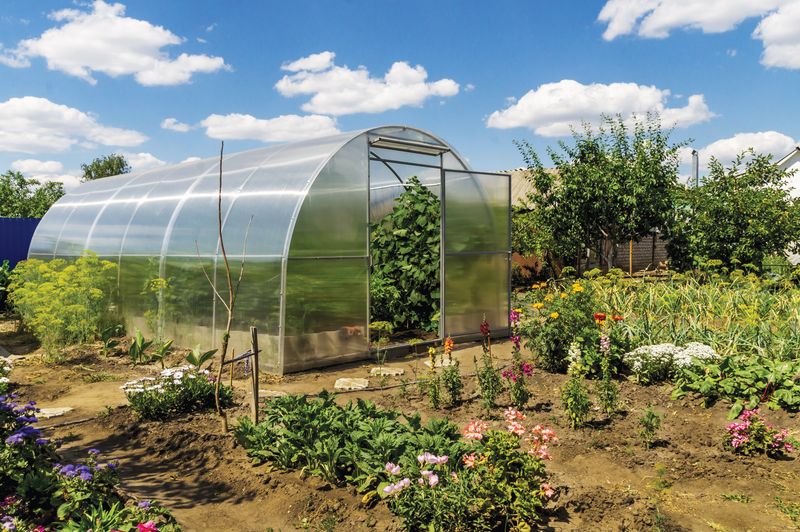
Plants need light just as much as warmth, and this is an area where hoop houses have a real edge over traditional greenhouses.
Clear polyethylene film, the most common hoop house covering, transmits roughly 85 to 90 percent of available sunlight, compared to some polycarbonate panels that filter out more of the spectrum.
That high light transmission supports stronger, more compact plant growth, especially during the lower-light months of early spring and late fall in Michigan.
The lightweight nature of the covering also means the frame itself can be simpler and less expensive. Heavy glass panels require substantial structural support, adding cost and complexity.
A hoop house frame only needs to handle the weight of plastic sheeting and occasional snow load, keeping the whole system lighter and easier to manage.
Gardeners who have grown seedlings in both types of structures often notice that plants in hoop houses tend to be less leggy and pale compared to those grown under thicker glazing materials.
More natural light reaching the leaves means faster photosynthesis and better overall plant health.
For Michigan growers working through cloudy spring days, every bit of available sunlight counts, and hoop houses are built to capture it efficiently.
6. Ventilation Options Keep Plants Healthy Through Temperature Swings
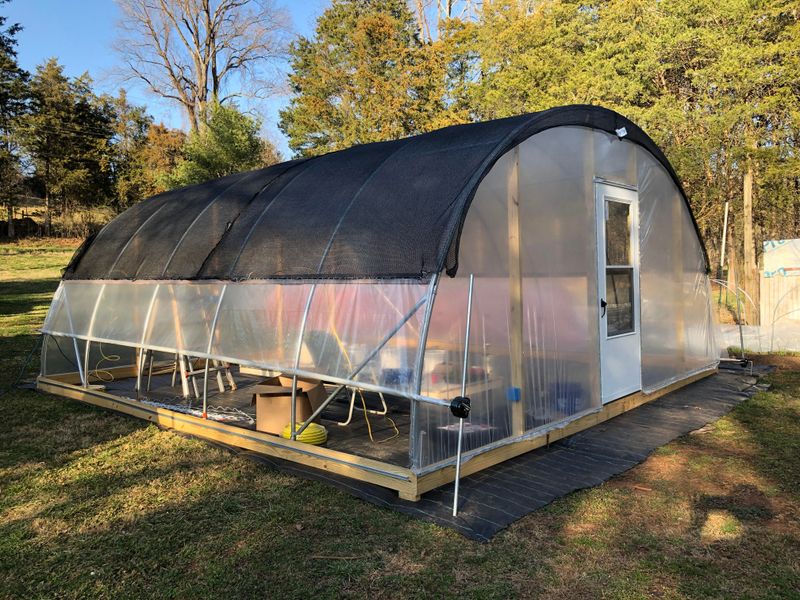
Temperature swings are a fact of life in Michigan, where a cold morning can turn into a surprisingly warm afternoon within hours. Managing that fluctuation inside an enclosed growing space is one of the trickier parts of season extension gardening.
Hoop houses handle this challenge well because their ventilation options are simple, low-cost, and easy to operate without any mechanical systems.
Roll-up sides are the most popular ventilation method for hoop houses. The plastic covering attaches to a bottom rail that can be wound up manually, opening the entire side of the structure to fresh air in minutes.
This approach lets gardeners fine-tune airflow based on daily conditions rather than relying on automated vents or fans that add cost and complexity.
End walls can also be opened or removed entirely on warm days, creating a cross-breeze that keeps interior temperatures from spiking.
Overheating is a genuine concern in any enclosed growing space, and plants stressed by excessive heat become more vulnerable to disease and poor fruit set.
Michigan gardeners who use hoop houses appreciate that managing ventilation feels intuitive rather than technical.
A few minutes of adjustment in the morning can set the structure up for a healthy growing day, no special equipment needed.
7. Customizable Size And Shape Fit Any Garden Layout
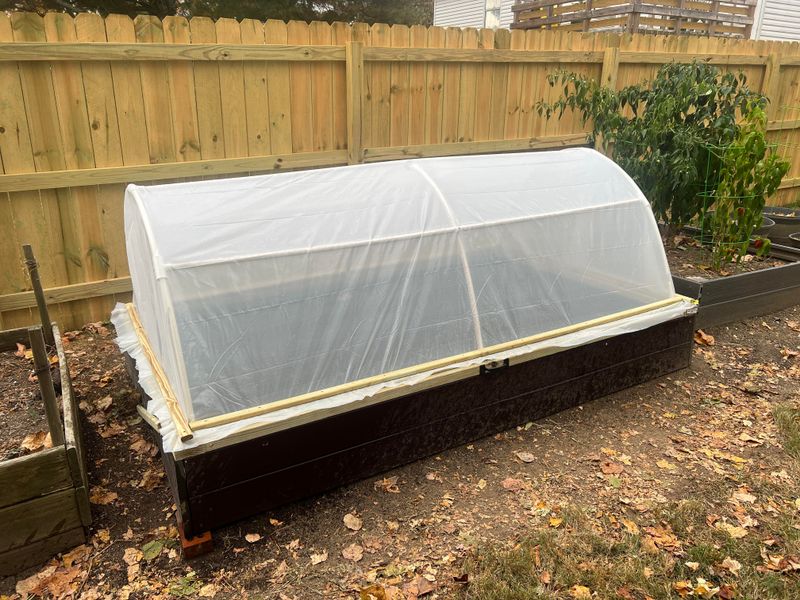
Cookie-cutter solutions rarely work well in gardening, and Michigan plots come in all shapes and sizes. One of the most appealing qualities of a hoop house is that it can be built to match nearly any dimension a gardener needs.
Wider hoops create more headroom for tall crops like tomatoes and cucumbers, while lower, narrower tunnels work well for lettuce, spinach, and root vegetables.
Custom lengths are just as easy to achieve. Adding or removing hoop sections adjusts the total footprint without requiring a complete redesign.
Gardeners working around obstacles like trees, fences, or utility lines can plan their hoop house around those features rather than the other way around.
Shape options go beyond the standard semicircle as well. Gothic-arch hoop houses, which come to a slight point at the top, shed snow more effectively, which matters a great deal during Michigan winters.
Wider Quonset designs maximize interior growing space for larger operations.
Whether a gardener needs a narrow 4-foot tunnel over a single raised bed or a wide 30-foot structure covering multiple rows, the hoop house framework adapts without major engineering challenges.
That kind of customization is rarely available at a comparable price point in traditional greenhouse construction.
8. Durable Materials With Minimal Maintenance Requirements
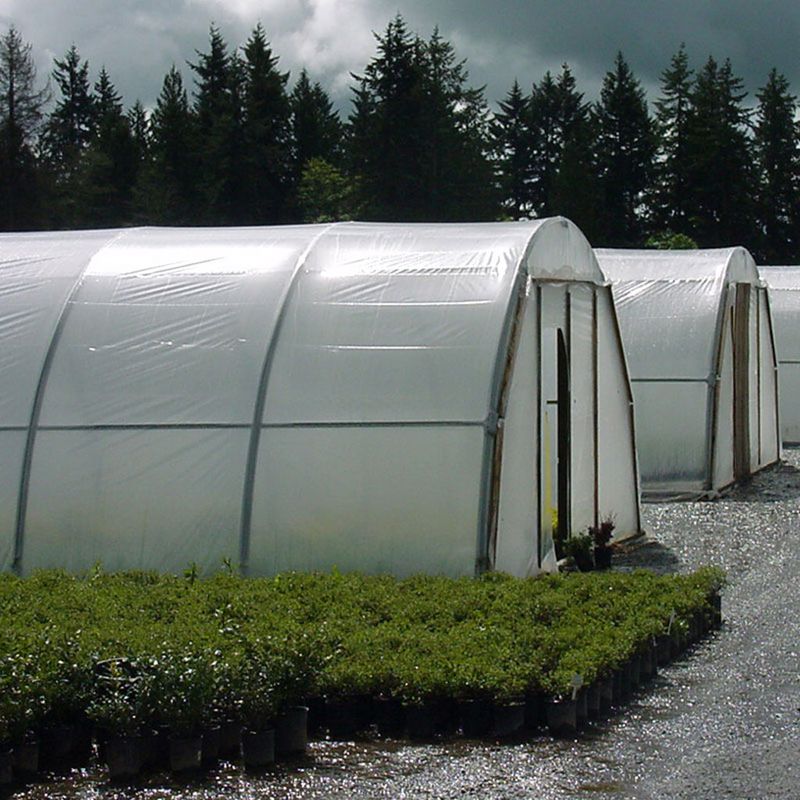
Durability skeptics sometimes assume that a structure made of plastic and metal pipe will not hold up to Michigan weather, but modern hoop house materials tell a more encouraging story.
Galvanized steel conduit and heavy-gauge PVC pipe resist rust and corrosion well when properly installed.
UV-stabilized polyethylene film, rated for four seasons of use, holds up through sun, wind, and snow loads without cracking or degrading quickly.
Maintenance tasks for a hoop house are refreshingly minimal compared to a wood-framed greenhouse. There is no paint to touch up, no glazing seals to replace, and no foundation to inspect for cracks.
The main upkeep involves checking the plastic for tears after storms, tightening any loose clips or fasteners, and replacing the covering every three to five years depending on UV exposure.
Some Michigan gardeners report using the same hoop frame for a decade or more, only replacing the plastic film on schedule.
That long frame lifespan combined with the relatively low cost of replacement plastic makes the ongoing investment quite manageable.
For gardeners who want a reliable structure without dedicating weekends to repairs and upkeep, a well-built hoop house offers a satisfying balance of toughness and low-effort maintenance year after year.
9. Extending Harvests Early And Late In The Michigan Growing Season
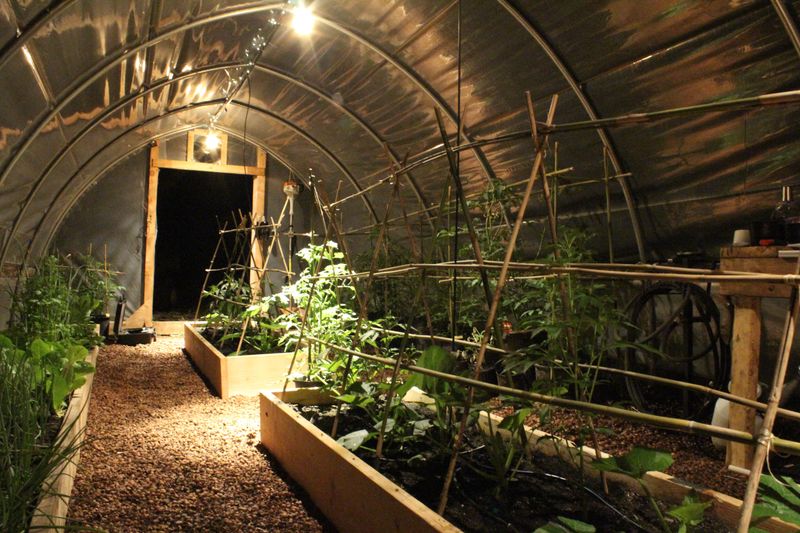
Frost is the enemy of a long harvest, and Michigan gardeners know that feeling of watching a promising crop get cut short by an unexpected cold night.
Hoop houses push back against that limitation by creating a buffer zone where temperatures stay above the frost threshold even when outside conditions drop dangerously low.
That buffer can mean the difference between a tomato plant producing for two more weeks or getting caught by the first hard freeze.
Spring benefits are equally significant. Soil inside a hoop house warms faster than open ground because the plastic traps solar heat and prevents it from radiating away overnight.
Faster soil warming means earlier planting dates for crops like peas, lettuce, brassicas, and even early tomato transplants protected with row covers inside the tunnel.
Hoop houses can reliably extend the harvest window by six to eight weeks when managed well, giving growers more produce per season without expanding their overall garden footprint.
For market gardeners, those extra weeks translate directly into more sales and a longer presence at farmers markets.
For home growers, it means fresher food on the table deeper into autumn and earlier in spring than open-air gardening alone could ever provide.
10. Why Hoop Houses Are Practical For Vegetables, Herbs, And Early Seedlings
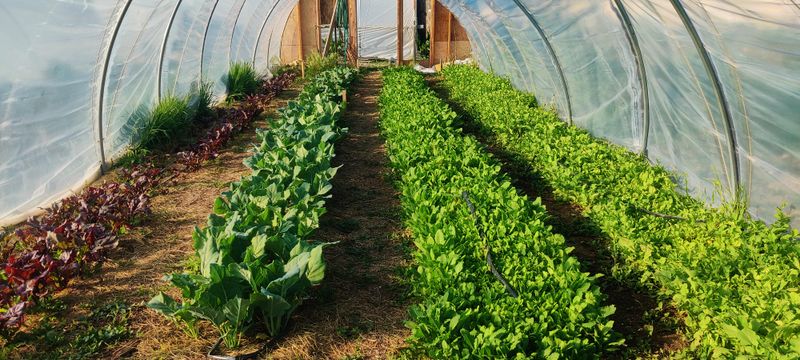
Versatility is one of the strongest arguments for choosing a hoop house over a single-purpose growing structure.
Vegetables, herbs, and seedlings all thrive under hoop house conditions, making the space useful from late winter seed starting all the way through late fall harvest.
Gardeners can shift how they use the space as the season progresses, starting seeds in trays during February and March, then transplanting those seedlings into the ground inside the tunnel as temperatures rise.
Herbs like basil, cilantro, and parsley, which struggle with Michigan cold and wind, grow more reliably inside a hoop house.
The warmer, sheltered environment mimics the conditions those plants prefer without requiring a climate-controlled room or heated greenhouse bay.
Even perennial herbs benefit from the added protection during shoulder seasons.
Tomatoes, peppers, cucumbers, and summer squash all reach their potential more consistently inside a hoop house, where temperatures stay warmer and more stable than in open beds.
Row crops like carrots, beets, and turnips extend their harvest window significantly under plastic.
For gardeners who want one flexible structure that supports a wide range of crops across a long season, a hoop house delivers that utility at a cost and complexity level that a traditional greenhouse rarely matches.