Do This Before Planting Carrots In Michigan For Faster Stronger Growth
Ever feel like you’re playing a losing game of where are the carrots? in your Michigan garden?
Between the crusty spring soil and the unpredictable rains, getting those tiny, stubborn seeds to sprout can feel like a chore.
Many of us end up with patchy rows or a crowded mess of seedlings that are a nightmare to thin. But what if you could skip the frustration for the price of a little cornstarch?
A simple, homemade seed gel is the ultimate garden hack for the Great Lakes State. It locks in moisture and spaces your seeds perfectly, solving your biggest carrot-growing headaches before they even touch the dirt.
Here is how this nearly-free trick can transform your harvest.
1. Homemade Seed Gel Helps Carrots Start Strong In Michigan Soil
Spring soil in Michigan can be unpredictable. One week it is soaked from rain, and the next it has a dry crust sitting on top that makes it tough for tiny carrot seeds to push through.
That thin surface layer can harden quickly when warm winds pick up in April and May, and seeds sitting just a quarter inch down may struggle to reach consistent moisture long enough to sprout well.
A homemade seed gel made from cornstarch and water offers a practical way to work around several of these common Michigan planting challenges.
The gel surrounds each seed with a small amount of moisture and creates a protective coating that keeps the seed from drying out as quickly between waterings.
This can be especially helpful in Michigan gardens where spring weather shifts fast and soil surface conditions change from one day to the next.
The method also makes spacing much easier to manage. Carrot seeds are small enough to scatter unevenly by hand, which often leads to crowded rows that require a lot of thinning later.
Squeezing a gel mixture into a shallow trench gives gardeners more control over where each seed lands. It does not remove the need for thinning entirely, but it can reduce the amount of work involved once seedlings emerge.
2. Combine Cornstarch And Water And Cook Into A Gel
Most kitchen pantries already have everything needed for this method. Plain cornstarch and tap water are the only ingredients required, and the process of turning them into a usable gel takes just a few minutes on the stovetop.
Start with about one tablespoon of cornstarch for each cup of water, though the exact ratio can vary slightly depending on how thick you prefer the final gel to be.
Stir the cornstarch into cold water before applying any heat. Adding it to hot water tends to cause clumping, which makes for an uneven texture that is harder to work with later.
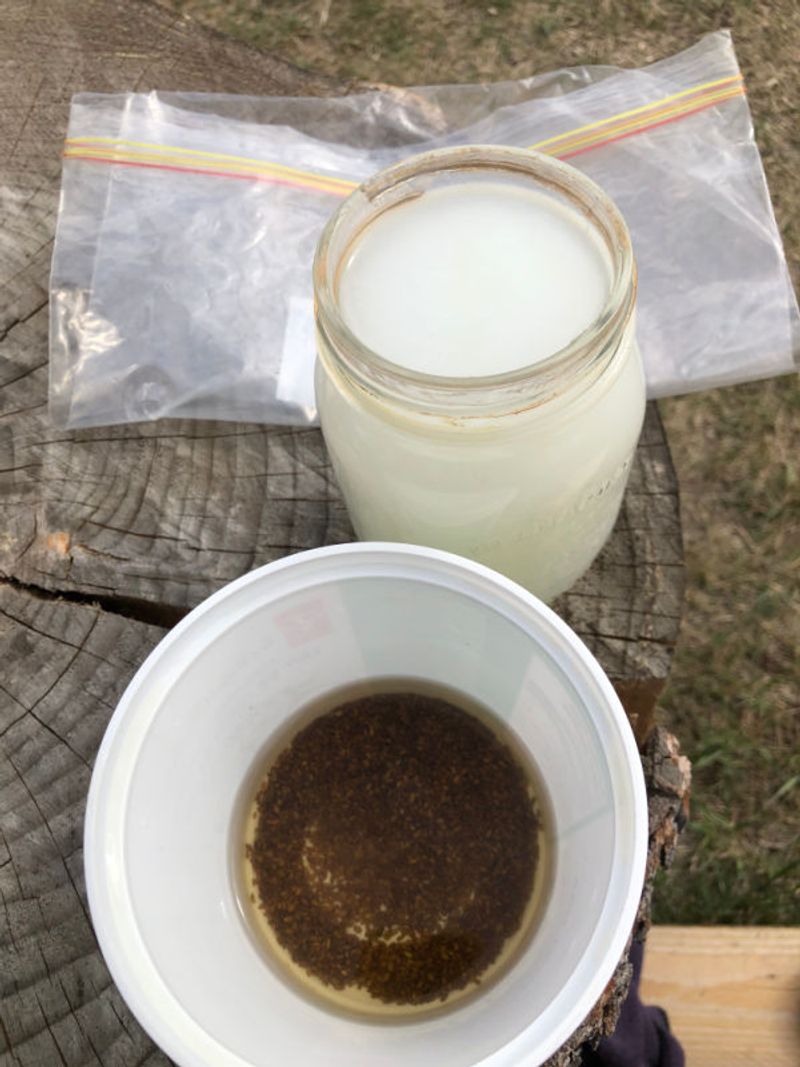
Once the cornstarch is fully dissolved in the cold water, move the pot to a burner set to medium heat and stir consistently as it warms. The mixture will begin to thicken and turn from cloudy white to a clearer, slightly translucent gel as it heats through.
Your Michigan Garden Changes Every Week. Your Plan Should Too.
Gardening in Michigan changes quickly throughout the season. Every Friday you’ll receive a simple weekly plan showing exactly what to plant, prune, fertilize, harvest, and protect so you never miss the right timing.
Pull the pot off the heat as soon as the gel reaches a smooth, pourable consistency.
Overcooking can make it too stiff to squeeze through a bag easily, which matters once you are ready to sow it into a Michigan garden trench.
Let it cool completely at room temperature before moving to the next step. Rushing this part and adding seeds to warm gel can stress the seeds before they even have a chance to begin sprouting.
3. Add Carrot Seeds After The Mixture Fully Cools
Waiting for the gel to reach room temperature before adding seeds is one of the most important parts of this process. Warm gel can create conditions that stress seeds or cause them to begin absorbing moisture unevenly before they are in the ground.
Giving the mixture enough time to cool completely, which may take an hour or more depending on how much you made, helps protect the seeds from unnecessary setbacks right from the start.
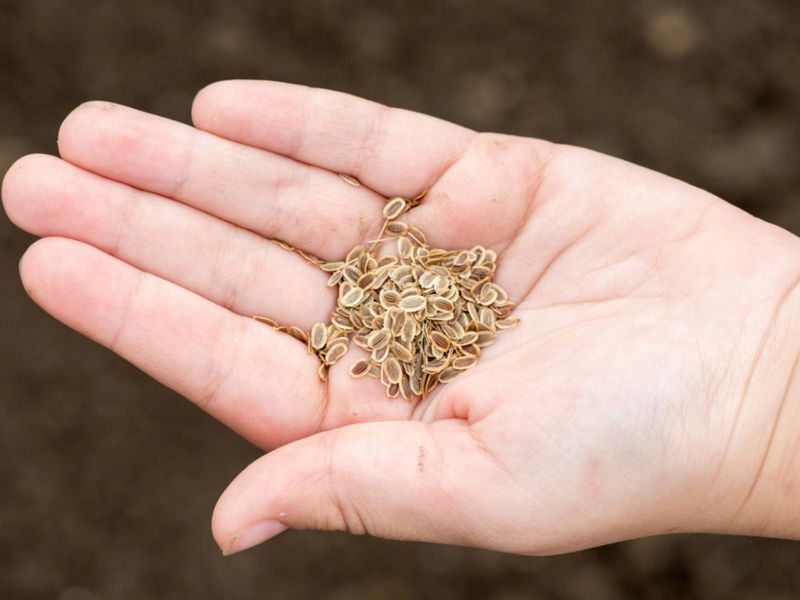
Once the gel is fully cooled, pour or scoop it into a bowl and gently fold in your carrot seeds using a spoon.
The goal is to get the seeds evenly distributed throughout the gel so that when you eventually squeeze it into a garden trench, the seeds are spread at fairly consistent intervals rather than clumped together in one spot.
Even distribution is one of the main advantages of using this method in Michigan gardens where uneven sowing often leads to frustrating patches.
Use fresh seeds from the current season or seeds stored properly from the previous year for the best results. Older seeds that have been stored in warm or humid conditions may have lower sprouting rates regardless of what method is used.
Adding a reasonable quantity of seeds to the gel, rather than overloading it, gives each seed enough space within the mixture and makes the final sowing step much smoother and easier to control.
4. Let The Seed Gel Rest For A Few Days
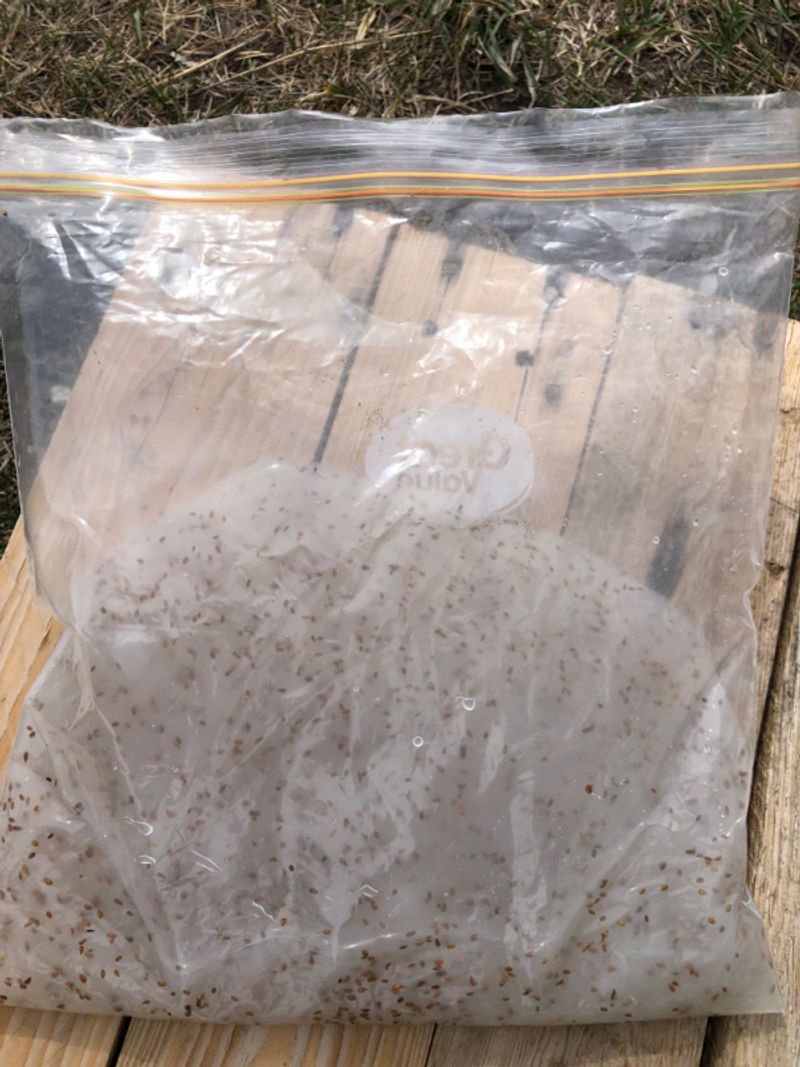
After the seeds are mixed into the cooled gel, transfer the whole mixture into a sealable plastic bag. A standard zip-lock bag works well for this.
Press out as much air as possible before sealing it, then set the bag on a countertop or shelf at room temperature. The mixture should sit undisturbed for roughly three to four days before being used in the garden.
During this resting period, the seeds begin absorbing moisture from the gel at a slow, steady rate. This gentle pre-hydration process can help seeds reach the point where they are ready to sprout a little sooner once they are placed in Michigan soil.
The gel keeps the moisture in contact with each seed without drowning it, which is a balance that can be hard to maintain in outdoor garden beds where surface soil dries and rewets repeatedly.
Check the bag once or twice during the resting period to make sure the gel is still holding its texture and that nothing looks off.
A slight separation of liquid from the gel is normal and can be gently worked back in by pressing the bag lightly.
Room temperatures between 65 and 75 degrees Fahrenheit tend to work well for this stage.
Avoid placing the bag in direct sunlight or near a heat source, as too much warmth during this period can encourage premature sprouting before the seeds reach the garden.
5. Pre-Soaking In Gel Supports Better Sprouting
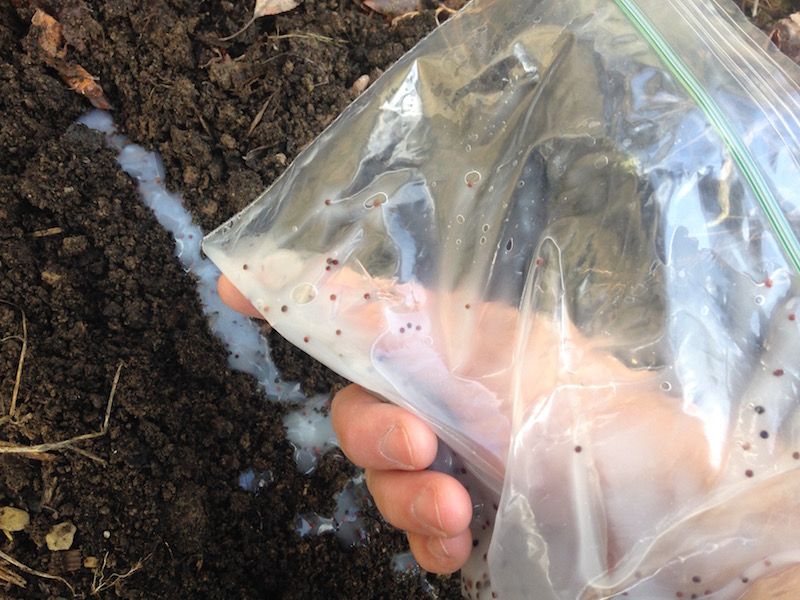
One of the reasons carrot germination in Michigan can feel inconsistent is that the seeds need a sustained period of moisture contact to begin sprouting, and spring garden soil does not always cooperate.
A dry spell of even a few days after sowing can interrupt the process and lead to uneven emergence across a row.
Seeds that started absorbing moisture and then dried out may take significantly longer to recover and resume sprouting.
Holding seeds in a gel for several days before planting gives them a head start on that moisture absorption process. By the time the gel mixture is squeezed into a garden trench, the seeds have already been in consistent contact with water for days.
This can reduce the total time between sowing and visible sprouting, though results will vary depending on soil temperature and garden conditions specific to each Michigan location.
Carrot seeds generally sprout best when soil temperatures are somewhere between 55 and 75 degrees Fahrenheit. Michigan spring soil in April and early May can sit on the cooler end of that range, which naturally slows the process.
Pre-soaking in gel does not change soil temperature, but it can help seeds respond more quickly once conditions in the ground become favorable.
Pairing this method with good soil preparation, including loose and stone-free soil worked to a depth of at least 10 to 12 inches, gives the seeds the best possible environment to continue what the gel started.
6. The Gel Helps Protect Seeds From Drying And Washout
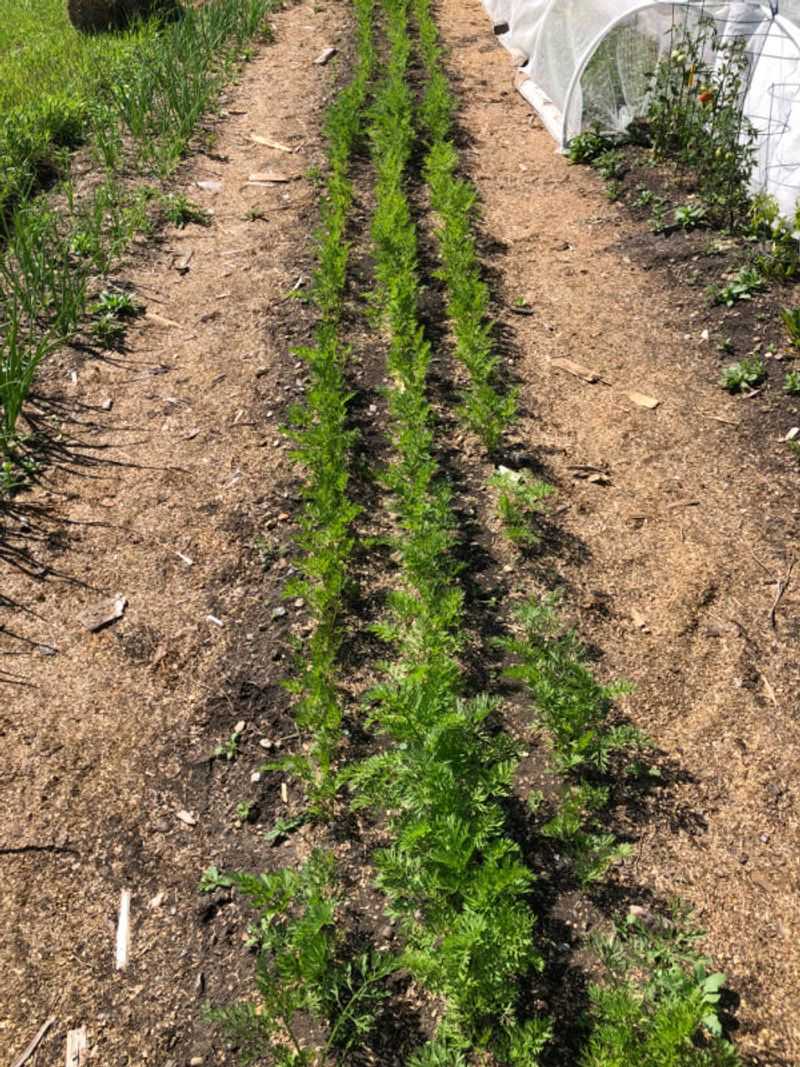
Two of the most common frustrations Michigan carrot growers face in spring are surface drying and seed washout. When the top layer of soil dries between waterings, seeds sitting at a shallow depth of only a quarter inch can lose moisture contact quickly.
On the other end, a heavy spring rain or an overly enthusiastic watering session can shift tiny seeds out of position or wash them to the low end of a row, creating bunched-up clusters rather than even spacing.
The gel acts as a mild buffer against both of these problems. Because the gel itself holds moisture, seeds embedded in it stay in contact with water longer than seeds sown dry into loose soil.
This does not eliminate the need to water regularly, but it can provide a small window of protection during the first few days after sowing when surface conditions are most unpredictable in Michigan gardens.
The weight and cohesion of the gel also help keep seeds more stable in the trench after sowing. A light gel layer settling around the seeds is less likely to shift dramatically under a gentle watering than bare seeds sitting on loose soil.
Once soil is lightly firmed over the trench after sowing, the combination of gel and settled earth gives seeds a more stable starting position.
This added stability is a modest but practical advantage during Michigan springs when rain and temperature swings can be hard to predict.
7. Simple Ingredients Make This A Low Cost Method
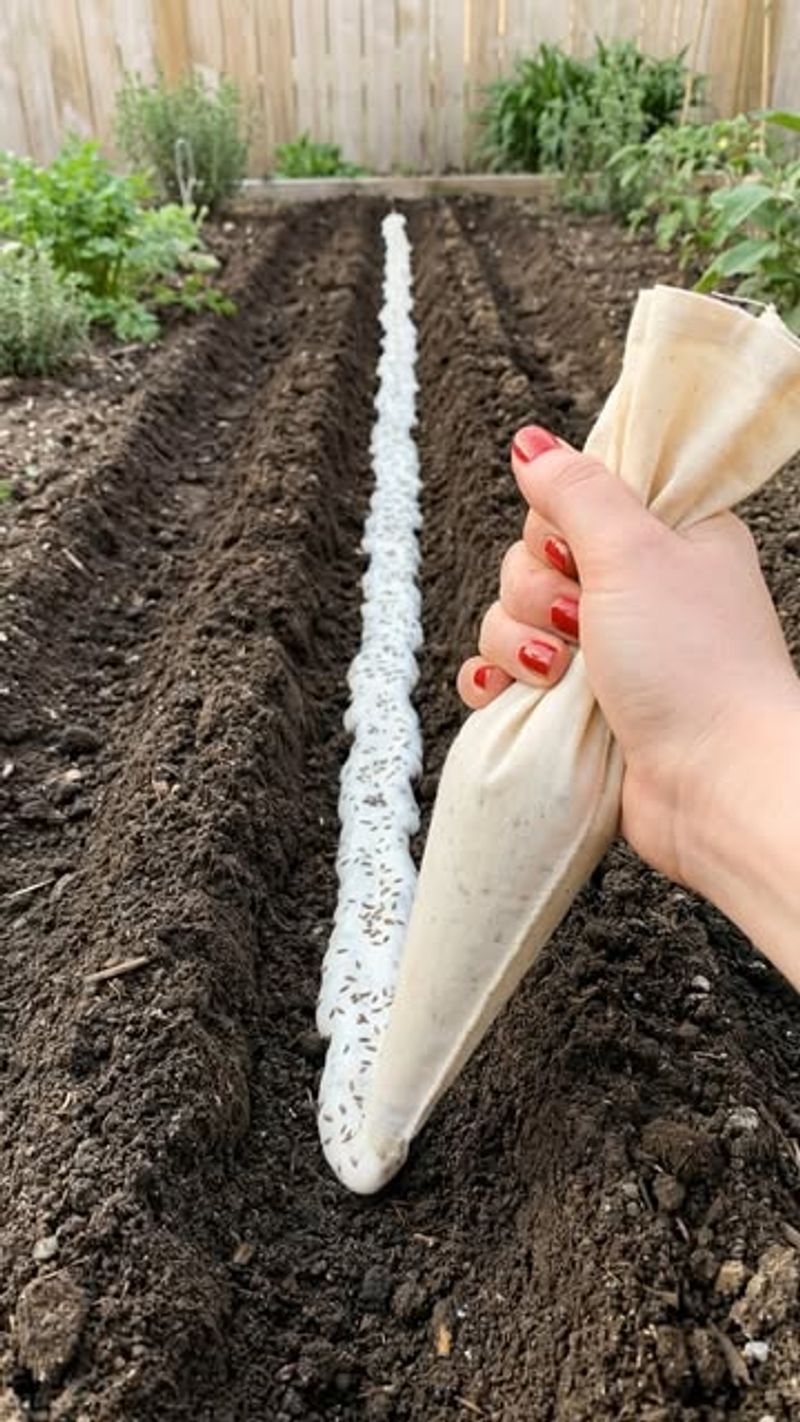
Cornstarch costs very little at any grocery store, and most home gardeners already have a box sitting in the kitchen.
Water and a sealable plastic bag round out the entire supply list, which means the total cost of trying this method is close to nothing for most Michigan households.
There is no need to purchase specialty products, seed-starting trays, or additives to make this approach work.
The simplicity of the method is part of what makes it worth trying for gardeners who are new to growing carrots or who have had trouble with uneven germination in past seasons.
Complex seed-starting setups can feel intimidating, especially for first-time vegetable growers.
A method that relies on ingredients already in the kitchen lowers the barrier to trying something different without a significant investment of money or time.
Beyond the low cost, the method requires very little equipment and no special skills. If the gel turns out too thick or too thin on a first attempt, adjusting the cornstarch-to-water ratio on the next batch is straightforward.
Michigan gardeners who enjoy experimenting with low-tech solutions often find that simple methods like this one fit naturally into a relaxed backyard gardening routine.
The real value is in the practical results – better seed spacing, improved moisture contact, and a slightly more consistent start for carrot rows that Michigan spring conditions can otherwise make unpredictable.