9 Cool-Season Annuals That Thrive When Planted In Oregon This March
March is here, and it’s time to get those gardens ready for some early spring color! Oregon’s cool temperatures make it the perfect time to plant cool-season annuals that thrive in the crisp air and can handle a little frost.
These hardy plants don’t mind the chilly weather and will start blooming long before the heat of summer kicks in.
Not only will they add a vibrant splash to your garden, but they’ll also survive and flourish through those unpredictable spring days.
If you’re ready to dive into gardening this month, these annuals are just the thing to brighten up your space and keep it looking fresh as the season changes. Time to roll up those sleeves, grab your trowel, and get planting!
1. Snapdragons
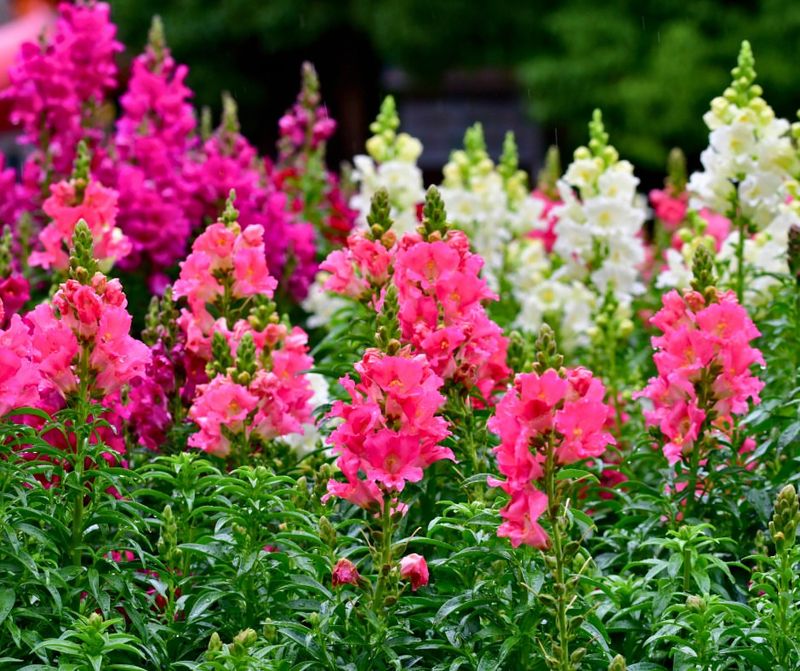
There’s something wonderfully playful about snapdragons. Squeeze the sides of a bloom and the “mouth” opens and closes, which is a trick that has delighted kids and adults alike for centuries.
But beyond the fun factor, snapdragons are serious cool-weather performers that thrive in Oregon’s March conditions.
Snapdragons grow tall and upright, making them a great choice for adding vertical interest to garden beds. They come in a wide range of colors, from creamy white and soft pink to deep burgundy and bright orange.
In Oregon’s mild western valleys, you can plant transplants directly into the ground in March. They’ll establish quickly and start blooming before you know it.
Choose a spot with full sun and well-drained soil for the best results. Snapdragons don’t like sitting in wet soil for long periods, so raised beds or slopes work well in Oregon’s rainy spring.
Pinch the growing tip when plants are young to encourage bushier growth and more blooms. Stake taller varieties if your garden gets wind.
These flowers also make excellent cut flowers for indoor arrangements. Growing snapdragons in Oregon this March means enjoying their bold, cheerful spikes of color all through spring and into early summer.
2. Pansies
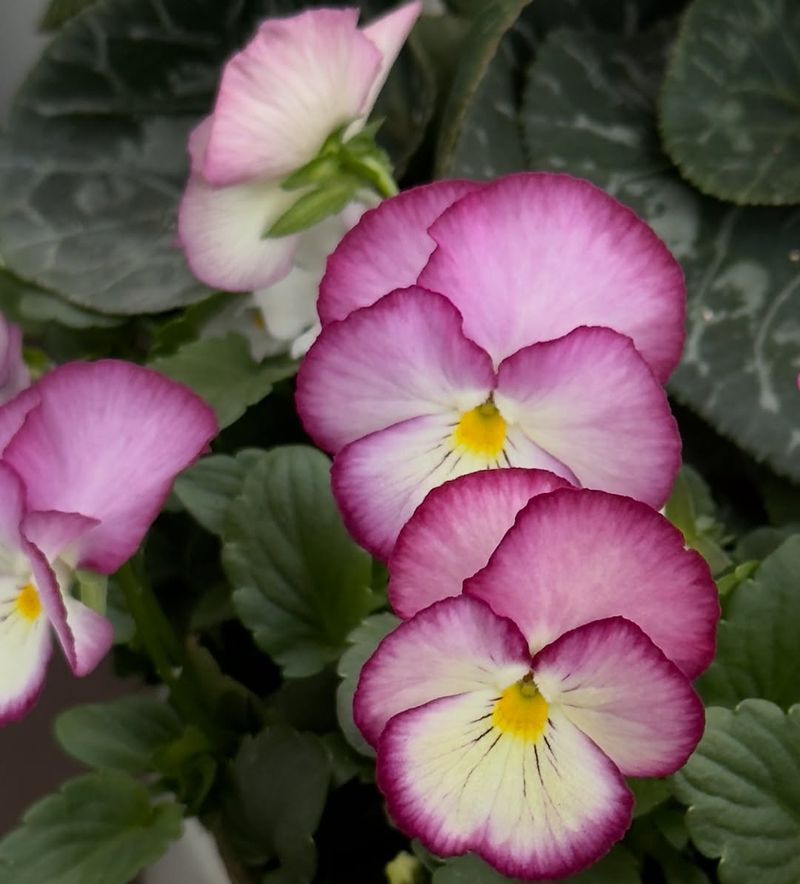
Few flowers say “spring is here” quite like a pot full of bright, cheerful pansies. These little blooms have been a garden favorite for generations, and it’s easy to see why.
Their round, velvety petals come in almost every color you can imagine, from deep purple and sunshine yellow to soft lavender and bold red.
In Oregon, pansies are one of the easiest cool-season annuals to grow. You can plant them outdoors in March because they handle light frosts without any trouble.
Western Oregon’s mild, rainy spring weather is almost tailor-made for them. Even in eastern Oregon, where nights can still get cold, pansies hold up surprisingly well.
Plant pansies in a sunny or partly shady spot with well-draining soil. Mix in some compost before planting to help them settle in fast.
Water them regularly but don’t let the soil get soggy. Deadhead spent blooms by pinching them off to encourage more flowers.
Pansies tend to slow down once summer heat arrives, so enjoy their colorful show while the weather stays cool. They’re a simple, rewarding choice for any Oregon gardener looking to add instant color this March.
Your Oregon Garden Changes Every Week. Your Plan Should Too.
Gardening in Oregon changes quickly throughout the season. Every Friday you’ll receive a simple weekly plan showing exactly what to plant, prune, fertilize, harvest, and protect so you never miss the right timing.
3. Violas
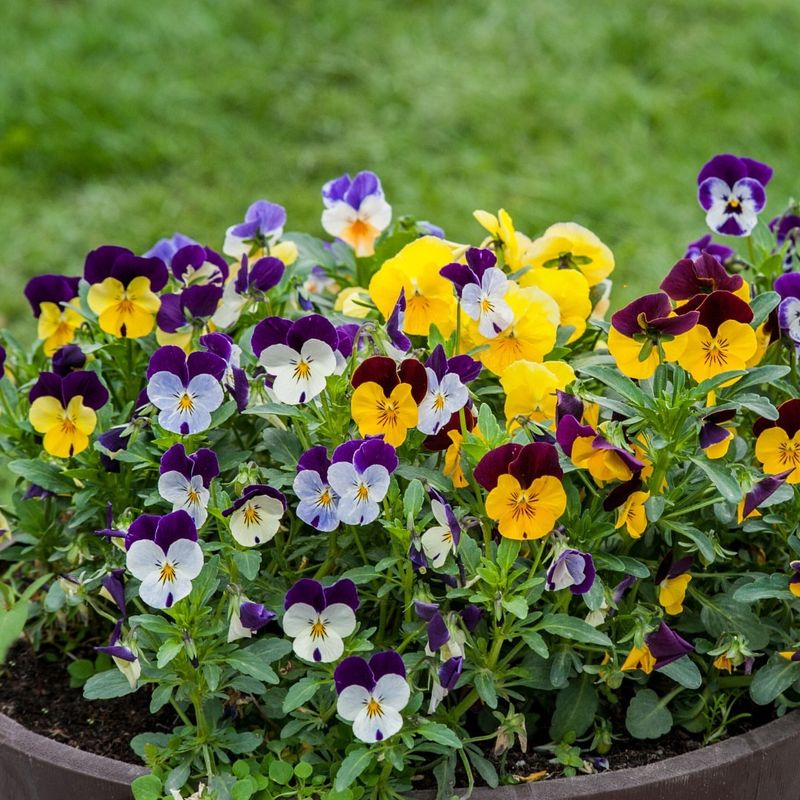
Violas are like pansies’ smaller, wilder cousins. They might be tiny, but they pack a serious punch of color.
These compact little flowers bloom in clusters and spread quickly, making them fantastic for filling in garden borders, window boxes, and containers. Gardeners across Oregon love them because they’re incredibly tough for such dainty-looking plants.
What makes violas stand out is their ability to bloom even during Oregon’s gray, rainy stretches. They don’t need a lot of sunshine to keep going.
Plant them in March and they’ll often bloom right through late spring and into early summer before the heat slows them down. In cooler coastal areas of Oregon, they can sometimes bloom even longer.
Violas grow best in moist, fertile soil with good drainage. A spot with morning sun and afternoon shade works really well for them.
Space plants about six inches apart so they have room to spread out naturally. Like pansies, removing old blooms regularly encourages fresh ones to appear.
Violas also reseed themselves, which means you might find cheerful little volunteers popping up in your garden next year. They’re a low-maintenance, high-reward flower for any Oregon spring garden.
4. Sweet Peas
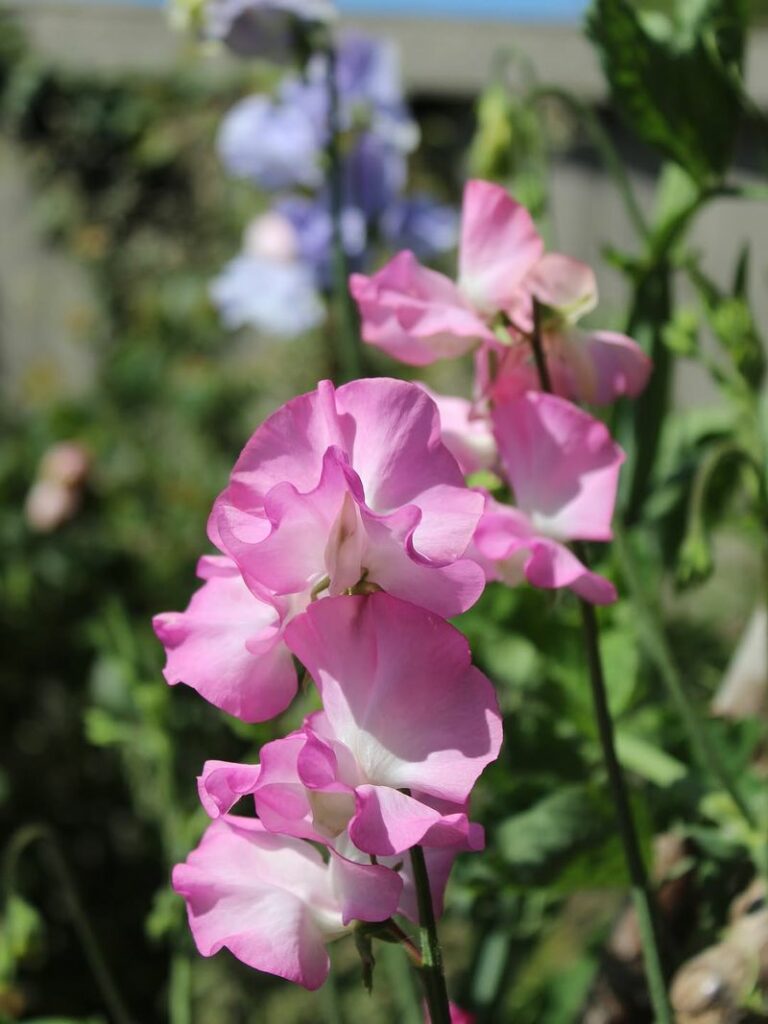
Sweet peas have one of the most intoxicating scents in the entire plant world. Once you smell them, you’ll want to grow them every single year.
These climbing flowers have been beloved in cottage gardens for hundreds of years, and they absolutely shine in Oregon’s cool, moist spring climate.
March is the ideal time to start sweet peas in Oregon. You can sow seeds indoors in deep containers, since their roots grow long and need space.
Soaking seeds overnight before planting helps speed up germination. Once seedlings are a few inches tall and outdoor temperatures are consistently above freezing, you can transplant them outside to a trellis, fence, or other support structure.
Sweet peas love cool weather and actually stop blooming once summer heat kicks in. That’s why getting them started in March in Oregon gives you the longest possible bloom window.
Plant them in rich, well-draining soil and give them plenty of water. Feed them with a balanced fertilizer every couple of weeks once they start climbing.
Pick the flowers often because regular harvesting keeps new blooms coming. Growing sweet peas in Oregon rewards you with weeks of stunning, fragrant color that you simply can’t get from any other spring flower.
5. Primroses
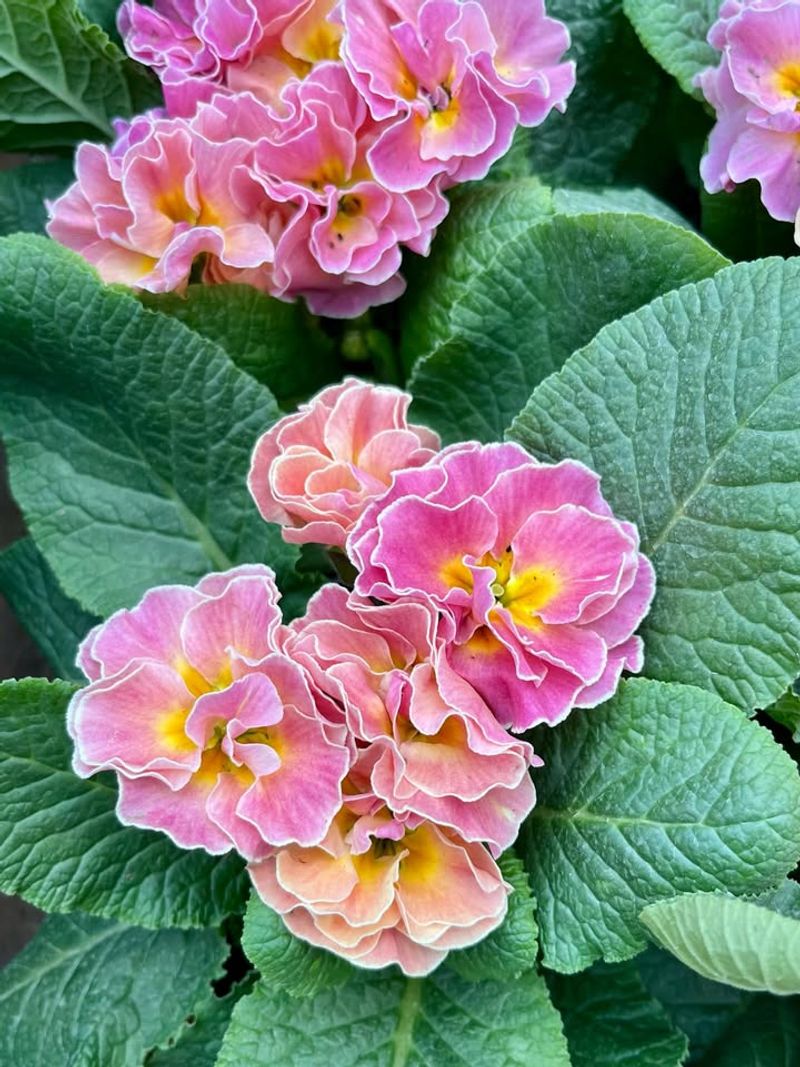
Walk into almost any Oregon nursery in March and you’ll find primroses right near the front door. These cheerful, low-growing flowers are one of the earliest signs that spring has truly arrived.
Their bold clusters of blooms sit close to the ground, making them perfect for edging paths, filling containers, or brightening up shady garden corners.
Primroses are built for cool, damp conditions, which makes them an almost perfect match for Oregon’s early spring weather. They thrive in temperatures between 45 and 65 degrees, and they actually prefer a little shade rather than full sun.
Under large trees or along north-facing garden walls, primroses will bloom happily for weeks.
Plant primroses in moist, humus-rich soil and water them consistently. They don’t like to dry out, but they also don’t want to sit in standing water.
A layer of mulch around the base helps keep moisture levels steady. Primroses are short-lived as annuals, but they put on a brilliant show while conditions are right.
In Oregon’s Willamette Valley and along the coast, they often bloom from late February all the way into May. For a quick, colorful boost to your early spring garden, primroses are hard to beat.
6. Calendula
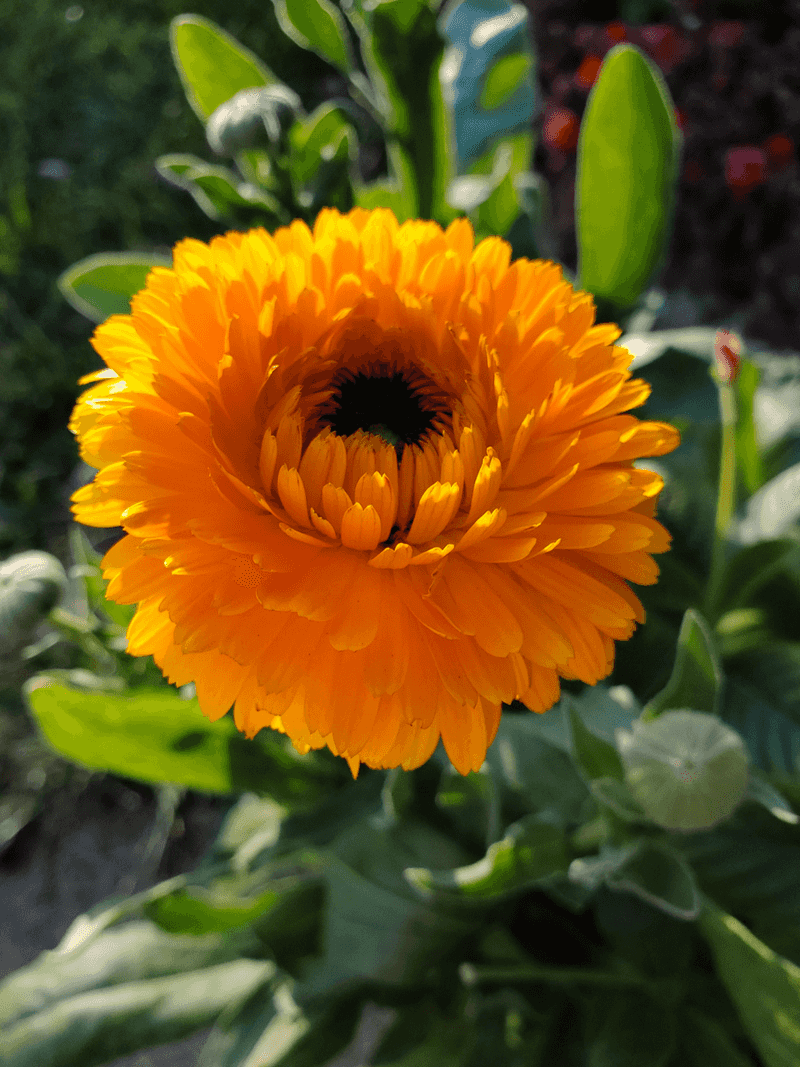
Also called pot marigold, this cheerful annual has been grown in gardens for centuries, valued for its bold golden and orange blooms, its usefulness in herbal remedies, and its incredible ability to bloom for months on end.
In Oregon, calendula can flower from March all the way through November. One of the best things about calendula is how easy it is to grow from seed. Direct sow seeds into your garden bed in March, press them lightly into the soil, and water well.
They germinate fast and grow quickly in Oregon’s cool, moist spring conditions. Full sun is best, but they’ll tolerate a bit of shade and still bloom reliably.
Calendula is also a fantastic companion plant. It attracts beneficial insects like bees and hoverflies, which help pollinate other plants in your garden.
Deer tend to leave it alone, which is a bonus for Oregon gardeners in rural areas. Harvest the flowers regularly to keep new blooms coming.
You can even use the petals in salads or homemade skin care products. Growing calendula in Oregon this March is one of the smartest and most rewarding choices any gardener can make for a long-lasting, colorful spring display.
7. Cornflower (Bachelor’s Button)
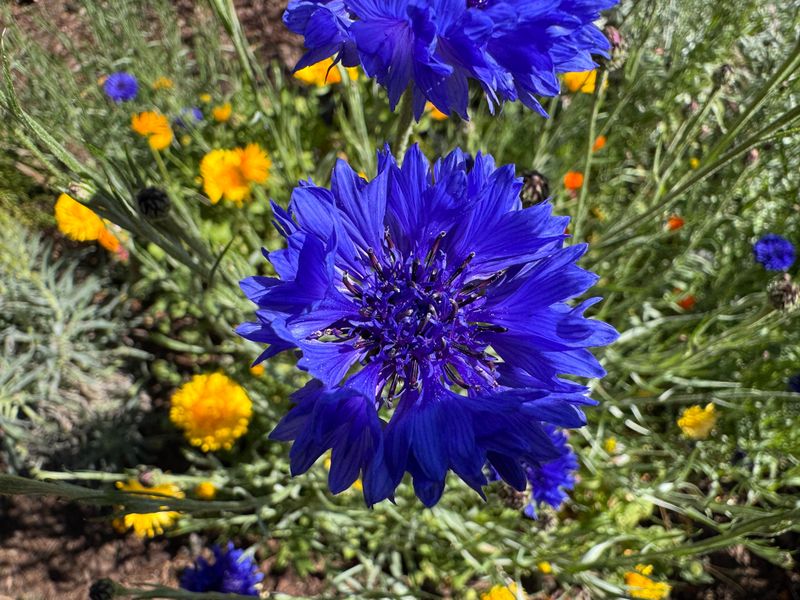
Cornflowers are the kind of flowers that look like they belong in a wildflower meadow. Their electric blue color is almost unreal, and it stands out beautifully against the lush green of an Oregon spring garden.
Also known as Bachelor’s Button, this classic annual has been growing in American gardens for generations.
What makes cornflowers a great pick for Oregon in March is their toughness. They shrug off late frosts and keep on growing through gray, drizzly days without complaining.
Direct sow seeds into prepared garden soil as soon as the ground is workable in early March. They don’t like being transplanted, so sowing directly where you want them to grow is the way to go.
Cornflowers prefer full sun and well-drained soil. They’re not heavy feeders, so you don’t need to fertilize them much.
Thin seedlings to about 12 inches apart once they’re a few inches tall to give each plant room to spread. Deadhead regularly to extend the blooming season well into summer.
Beyond blue, cornflowers also come in pink, white, and burgundy varieties, so you can mix colors for a fun, cottage-garden look. They also attract butterflies and bees, making them a great addition to any Oregon pollinator garden.
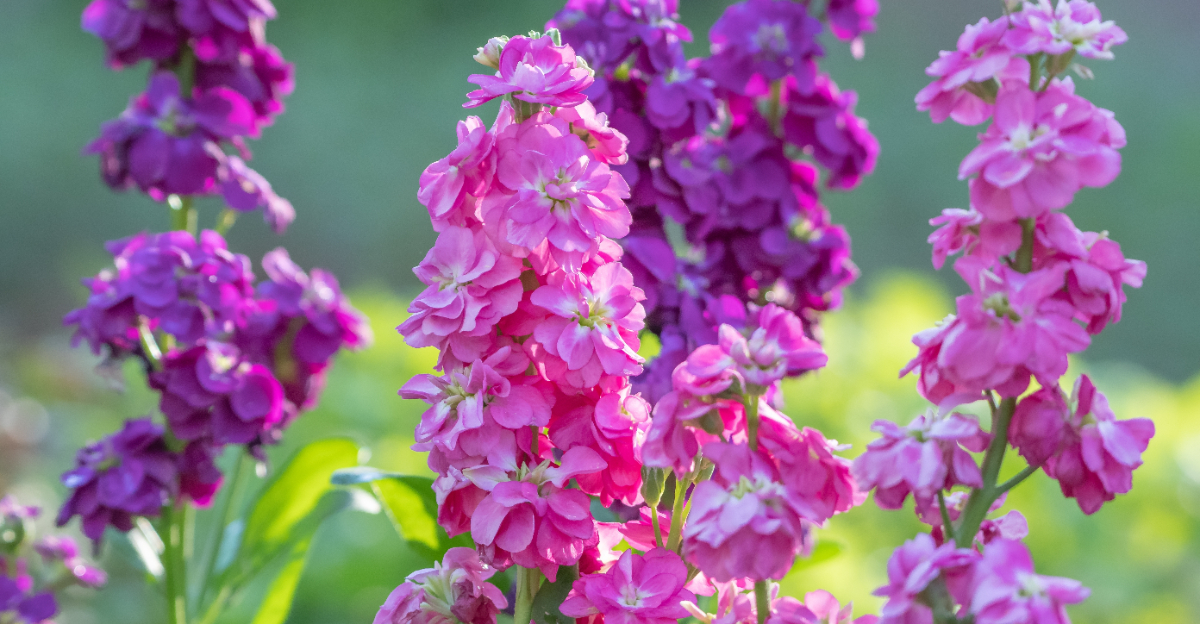
8. Stock
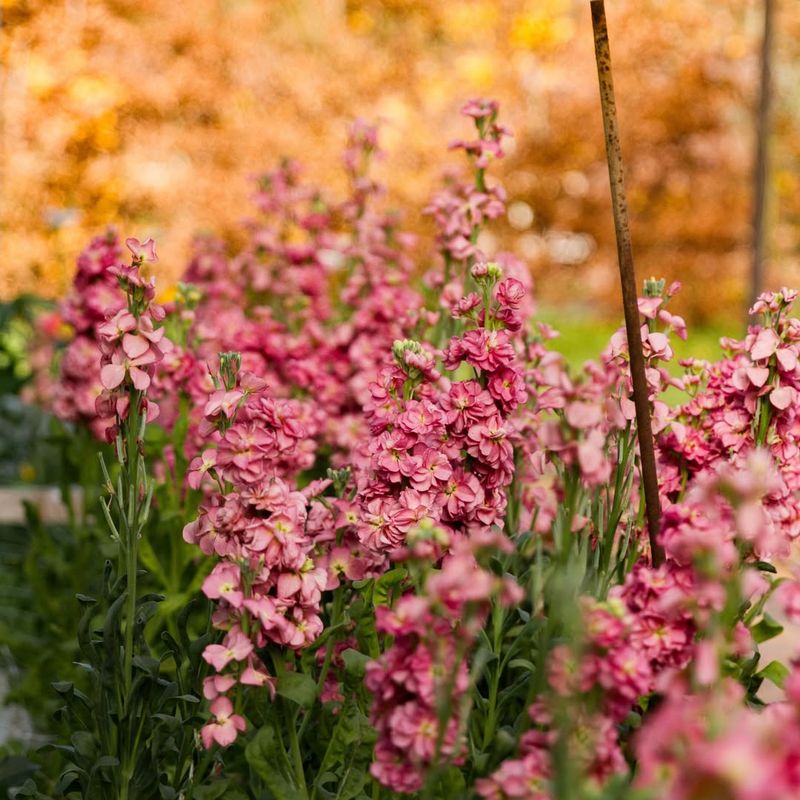
If you’ve ever walked past a garden and stopped in your tracks because of an amazing clove-like fragrance drifting through the air, there’s a good chance stock was responsible. This underrated cool-season annual deserves far more attention than it usually gets.
Stock produces tall, elegant spikes of densely packed flowers in shades of pink, purple, white, and red.
Oregon’s cool, moist March weather suits stock perfectly. It grows best when temperatures stay below 65 degrees, making it a natural fit for the Pacific Northwest spring.
Start transplants outdoors in March in western Oregon, where frosts are lighter and less frequent. In colder parts of the state, start seeds indoors a few weeks earlier and transplant once nighttime lows are consistently above 28 degrees.
Stock prefers full sun and fertile, well-draining soil. Work compost into the planting area before setting out transplants to give them a strong start.
Water regularly but avoid wetting the foliage, since stock can be prone to fungal issues in very wet conditions. These flowers are absolutely stunning in cut arrangements and will fill a room with their sweet scent.
Growing stock in an Oregon spring garden is a sensory experience that goes well beyond just looking pretty.
9. Lobelia
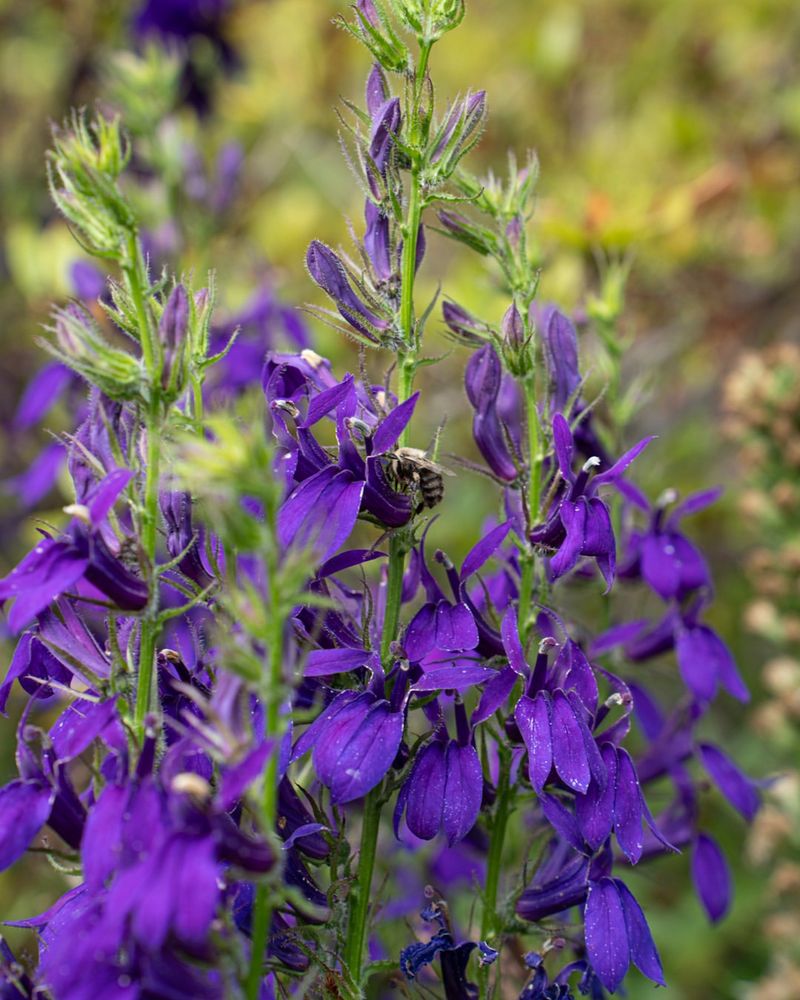
Lobelia might be small, but it creates some of the most intense color in the spring garden. The vivid, true blue of lobelia blooms is genuinely rare in the flower world, and it pairs beautifully with the whites, pinks, and purples of other cool-season annuals.
Gardeners in Oregon use it constantly in hanging baskets, window boxes, and container gardens.
March is a great time to get lobelia started in Oregon. Since seeds are extremely tiny, most gardeners buy transplants from local nurseries rather than starting from seed.
Set transplants out in March in western Oregon once the risk of hard freezes has passed. Lobelia loves cool temperatures and actually fades a bit during summer heat, then often rebounds when fall temperatures drop again.
Plant lobelia in moist, well-drained soil with full sun to partial shade. It does especially well in containers where you can control moisture levels more easily.
Water consistently because lobelia doesn’t handle drought well. Trim plants back by about one-third if they start to look straggly mid-season.
This encourages a fresh flush of blooms. Lobelia also comes in white, rose, and lavender varieties, so you have plenty of options to match your garden’s color scheme. It’s a truly versatile and stunning spring annual for any Oregon garden.