7 Creative Ways Oregon Gardeners Are Reusing Old Flower Pots
What if the secret to your Oregon garden’s next show-stopping feature is currently gathering dust in your garage?
In a state that prides itself on being eco-conscious, we’re sitting on a goldmine of old, cracked, and faded flower pots just waiting for a second act.
Instead of letting those forgotten containers head to the landfill, you can transform them into whimsical art or wildlife-friendly sanctuaries that breathe life into your yard.
Repurposing these “garden ghosts” is the ultimate sustainable move for any Oregonian looking to add character to their outdoor space.
These simple DIY transformations prove that even a chipped terracotta pot can become a masterpiece with a little Pacific Northwest creativity.
1. Turn Old Pots Into Simple Plant Labels
Seasonal cleanups in Oregon gardens often reveal a collection of chipped or cracked pots that seem too far gone to use again.
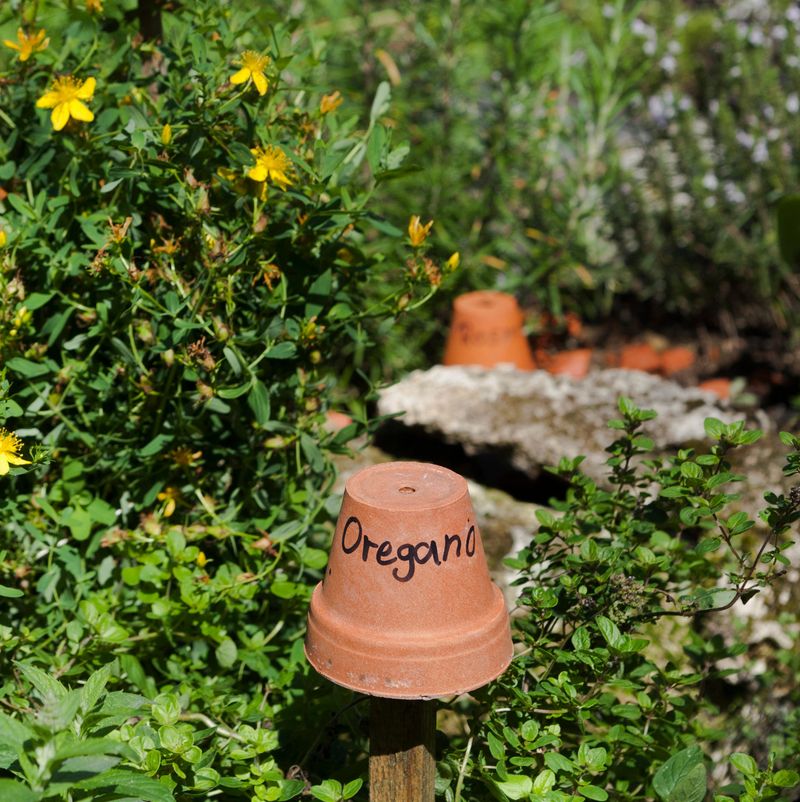
Before you toss them out, consider breaking them down into flat shards and using those pieces as plant markers right in your garden beds.
It is a surprisingly practical idea that costs nothing and adds a rustic, handcrafted look to your outdoor space.
Terracotta pieces work especially well because they are thick enough to write on with a permanent marker or outdoor paint pen. You can scratch plant names into the surface using a nail or a sharp tool if you prefer a more engraved look.
Either way, the labels hold up well through Oregon’s rainy spring seasons when paper tags would fall apart within days.
For a more polished finish, lightly sand the surface of each shard before writing on it. Acrylic paint sealed with a waterproof top coat can survive Oregon’s wet winters without fading too quickly.
Arrange the labels in rows at the front of your planting beds so they are easy to read while crouching down during weeding sessions.
Gardeners who grow a lot of herbs or vegetable starts find this method especially handy when many seedlings look identical early in the growing season.
2. Use A Pot To Make A Small Bird Bath
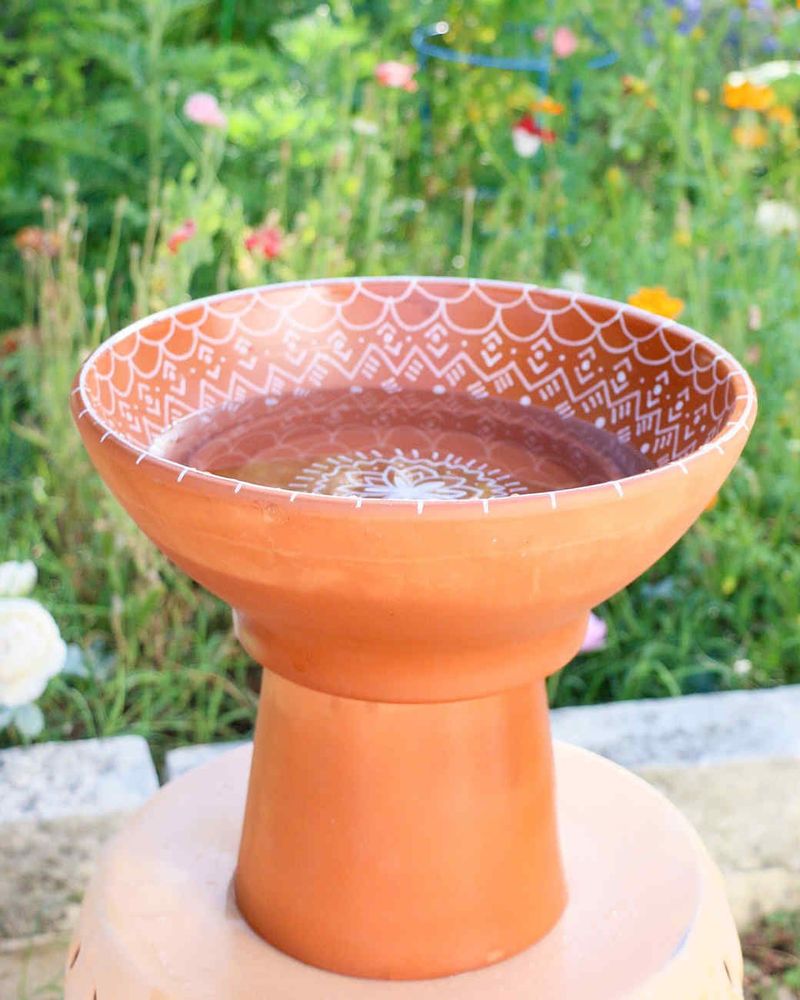
Watching birds splash around in a garden bath is one of those simple pleasures that makes time outdoors feel worthwhile.
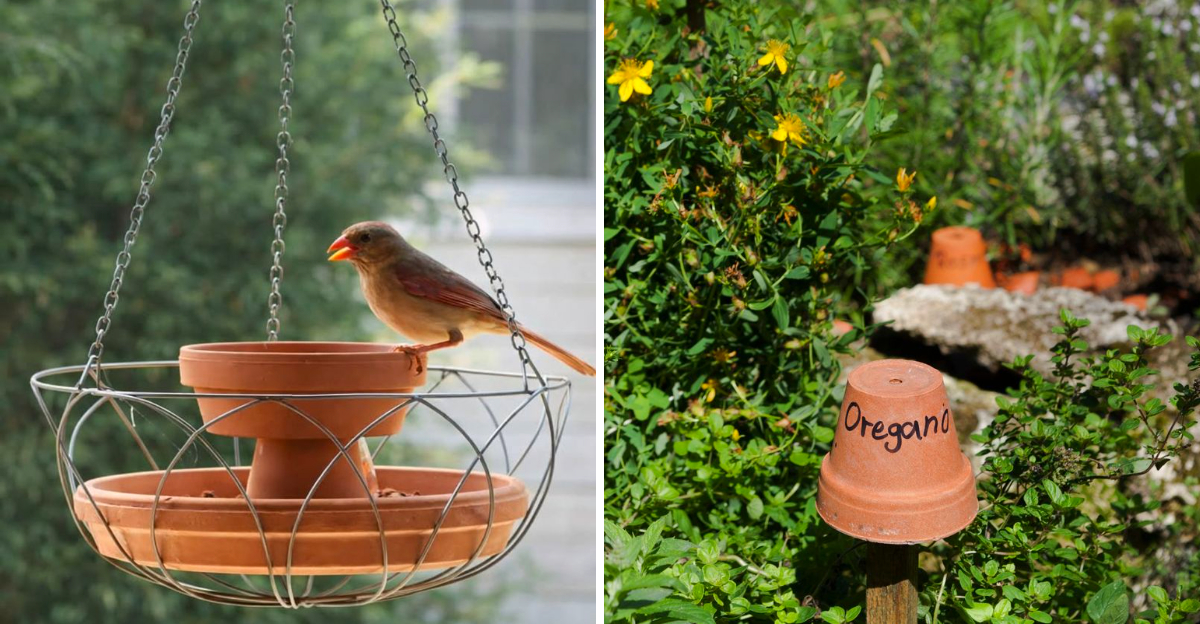
Stacking a couple of old flower pots on top of each other and placing a wide, shallow saucer on top is one of the easiest ways to build a bird bath that actually looks intentional and attractive in your yard.
The base pots provide height, which birds tend to prefer since it gives them a clearer view of the surrounding area while they drink and bathe.
A wide terracotta saucer works well as the basin, though you will want to seal it first with a waterproof sealant to prevent the water from draining out too quickly.
In Oregon, rainfall naturally refills outdoor water features for much of the year, which makes maintenance fairly low-effort.
Place the bird bath in a spot that gets some morning sun so the water stays reasonably warm and algae growth stays manageable.
Your Oregon Garden Changes Every Week. Your Plan Should Too.
Gardening in Oregon changes quickly throughout the season. Every Friday you’ll receive a simple weekly plan showing exactly what to plant, prune, fertilize, harvest, and protect so you never miss the right timing.
Keep it positioned near shrubs or low trees so birds have a quick escape route if they feel startled.
Rinse the basin every few days to keep the water fresh, especially during Oregon’s drier summer months when birds rely more heavily on backyard water sources.
Native species like Oregon juncos and bushtits are frequent visitors to simple setups like this one.
3. Create Unique Garden Art With Broken Pots
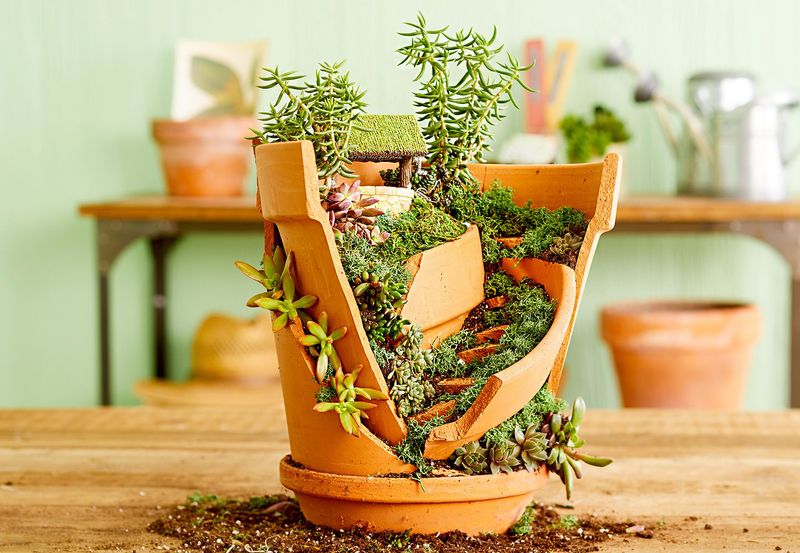
Broken pots are not a gardening failure – they are raw material waiting for a creative idea.
Many Oregon gardeners have started using smashed or cracked containers to build small fairy garden scenes right on the ground, arranging the broken pieces to look like a miniature landscape tumbling out of the pot’s opening.
The setup is simple. Lay the pot on its side, prop the broken lid or a large shard nearby, and use the interior as a tiny stage.
Fill it with small pebbles, a bit of moss, a miniature figurine, and a few low-growing plants like creeping thyme or baby’s tears.
These plants handle Oregon’s cool, damp conditions well and spread naturally to fill small spaces over time.
Beyond fairy gardens, broken pot pieces can be arranged into mosaic stepping stones or pressed into wet mortar to create a patterned garden border.
Painted fragments arranged in a sunburst or floral pattern on a wooden backing can become a colorful wall decoration for a covered patio or garden shed.
Oregon’s outdoor crafting community has embraced this idea at local garden swap events, where broken containers are traded and repurposed together. The results are always one-of-a-kind, and no two arrangements ever look quite the same.
4. Turn Pots Into Cozy Toad Houses
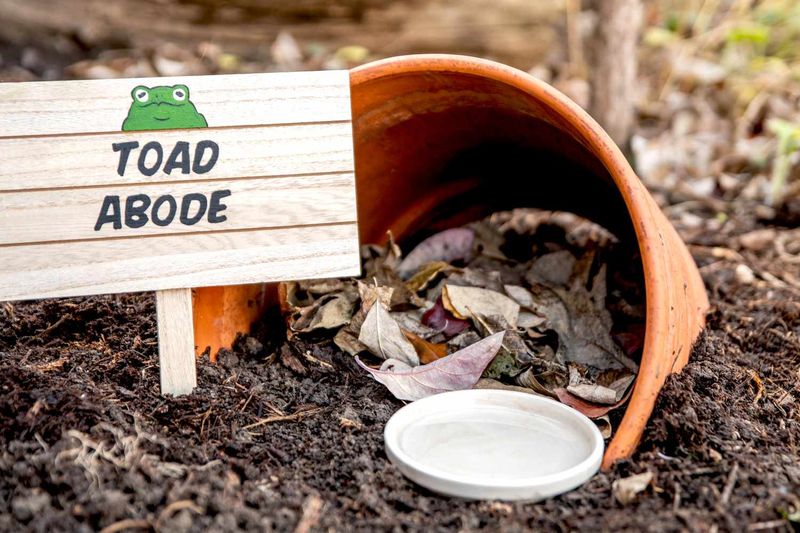
Toads are some of the most helpful residents a garden can have, quietly taking care of slugs, beetles, and other insects that gardeners would rather not deal with by hand.
Giving them a sheltered place to rest encourages them to stick around, and an old terracotta pot is one of the easiest toad houses you can make without any special tools or supplies.
Simply tip a medium-sized pot on its side in a shaded, damp corner of your garden. The opening of the pot serves as the entrance, and the curved interior provides the cool, humid shelter that toads seek out during the warmer parts of the day.
Oregon’s naturally moist climate means these spots stay comfortable for toads through much of the spring and fall without any extra effort on your part.
You can chip a small notch into the rim of the pot to create a slightly larger entrance if needed, or leave it as-is and let the toad squeeze in on its own terms.
Surround the house with a bit of leaf litter, a flat stone, and some low ground cover plants to make the area feel more natural and inviting.
Avoid placing toad houses in spots that receive harsh afternoon sun, since toads prefer cooler microhabitats. Oregon gardeners who add these simple shelters often notice a noticeable drop in slug activity within a single growing season.
5. Craft A Rustic Garden Wreath From Old Pots
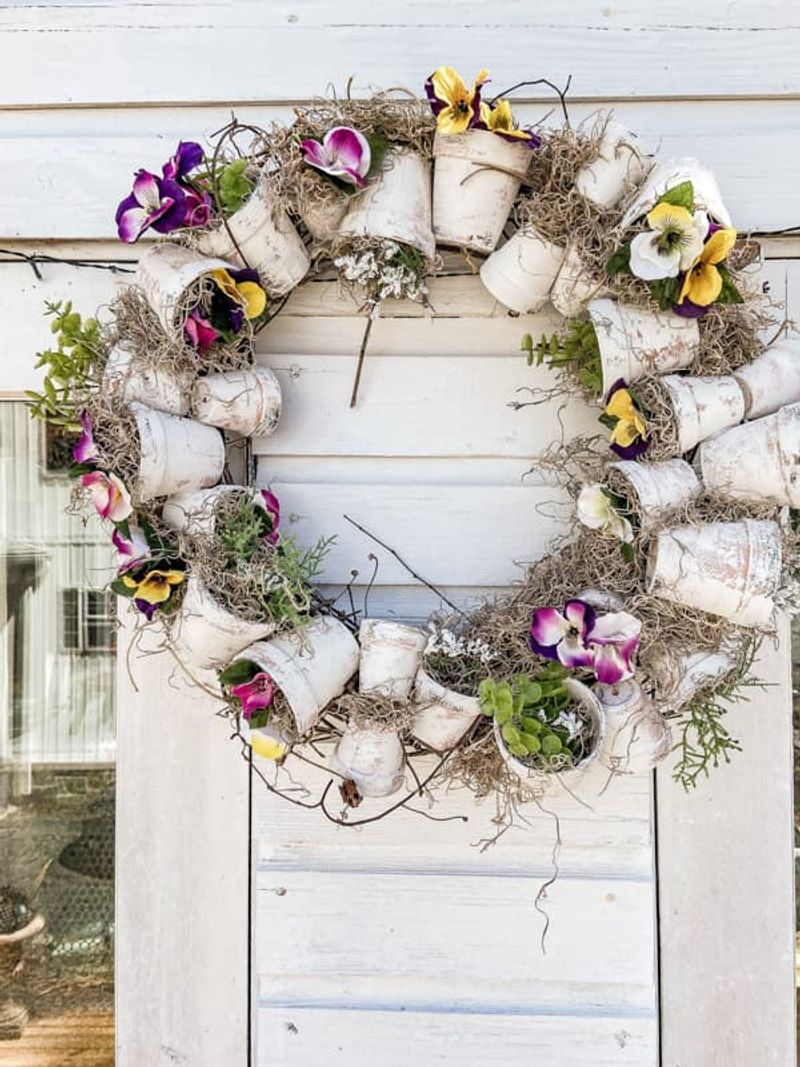
Small terracotta pots that are too tiny for planting anything meaningful can be wired together into a circular wreath that looks wonderful hanging on a garden gate, fence post, or the exterior wall of a potting shed.
This project takes a bit of patience, but the result is a durable outdoor decoration that holds up through Oregon’s variable weather far better than paper or fabric wreaths.
Start by threading sturdy floral wire through the drainage holes of each small pot, linking them rim to rim in a ring shape.
Once the circle is complete, tuck in sprigs of dried lavender, small pine cones, or snippets of preserved eucalyptus between the pots to fill gaps and add texture.
Oregon’s coastal regions and Willamette Valley offer plenty of natural materials to forage for free during autumn walks.
You can also paint the pots before assembling the wreath to give the whole piece a more intentional color palette. Earthy greens, muted blues, and warm terracotta tones all complement Oregon’s natural landscape beautifully.
Seal the finished wreath with a clear outdoor spray to help the materials resist moisture during rainy months. Hang it somewhere with at least partial overhead shelter so it lasts through multiple seasons without needing frequent repairs.
Gardeners often swap these wreaths as gifts at community plant sales and neighborhood garden clubs across the state.
6. Make A Saucer Bird Feeder For Backyard Birds
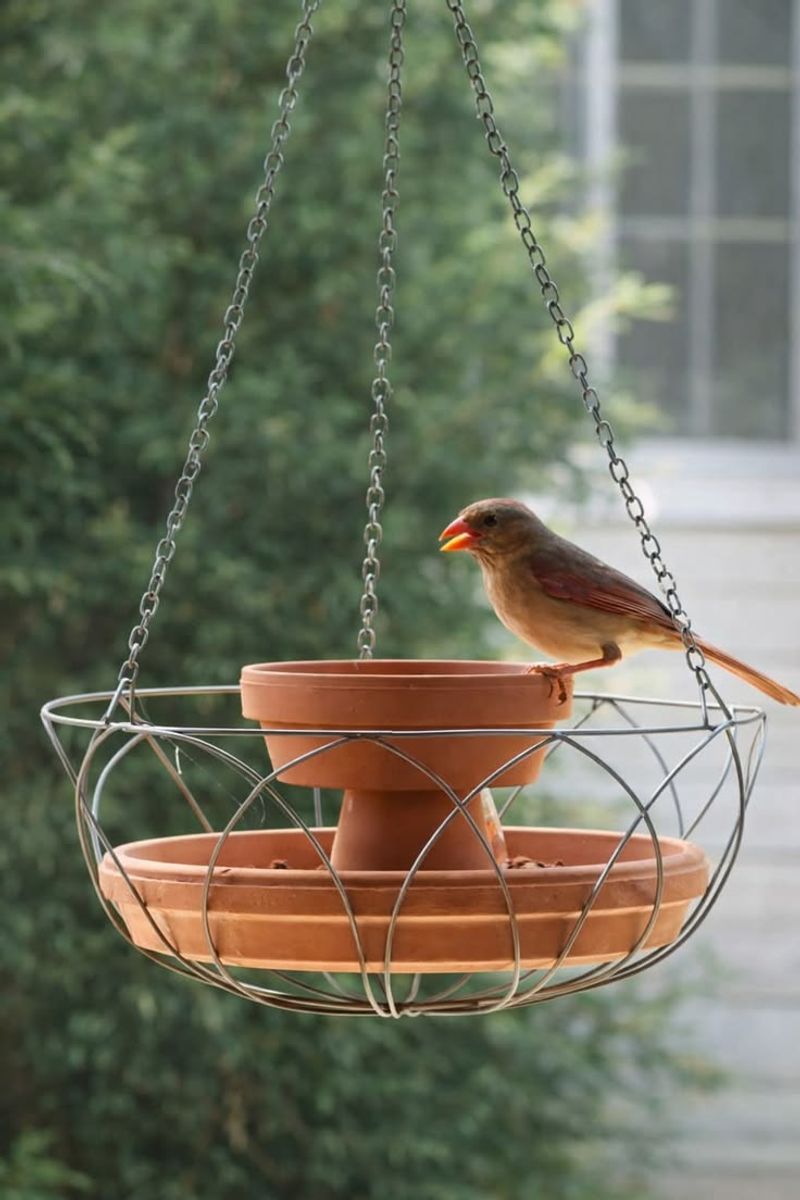
Leftover pot saucers often stack up unused in corners of Oregon garages, but they make surprisingly effective open-tray bird feeders that attract a wide range of backyard species.
Mounting a wide terracotta saucer on top of a wooden post or hanging it from a tree branch with sturdy twine gives local birds an accessible spot to find seeds throughout the year.
Fill the saucer with a mix of black oil sunflower seeds, millet, and cracked corn to attract a variety of species common in Oregon, including dark-eyed juncos, chickadees, and white-crowned sparrows.
Open tray feeders like this one are easy to refill and clean regularly, which matters a lot for bird health.
A quick rinse with warm water every week or two prevents mold from building up, especially during Oregon’s wetter months when moisture collects quickly.
Drill a small hole in the center of the saucer if you want to mount it securely on a threaded post, or leave it as-is for a hanging version. Place the feeder in a spot that is visible from a window so you can enjoy watching the visitors without disturbing them.
Keeping it a reasonable distance from dense shrubs reduces the risk of neighborhood cats using the cover to approach feeding birds.
Oregon’s bird-watching community is enthusiastic, and a simple saucer feeder can attract dozens of different species across a single season.
7. Transform A Pot Into A Mini Pond Feature
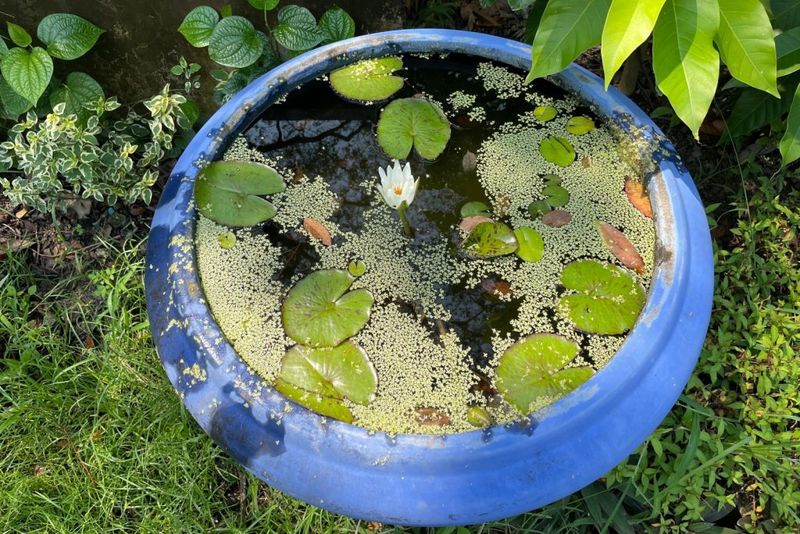
A watertight glazed pot can become a surprisingly effective mini pond that adds movement, reflection, and wildlife interest to any garden corner.
Oregon gardeners with smaller yards especially appreciate this idea because it delivers the charm of a water feature without the expense or effort of digging out a full ground-level pond.
Choose a large glazed ceramic pot without a drainage hole, or seal an existing hole using a waterproof pond plug available at most garden centers.
Fill it with clean water and add a few aquatic plants like miniature water lilies, water lettuce, or dwarf papyrus.
These plants help keep the water balanced and reduce algae by shading the surface.
A small solar-powered fountain pump can add gentle movement, which also helps prevent mosquitoes from breeding in still water – a practical consideration in Oregon’s wet climate.
Position the pot pond in a spot that receives around four to six hours of sunlight daily. Too much direct sun during Oregon’s dry summers can cause excessive algae growth, while too much shade may limit how well aquatic plants thrive.
Add a few smooth river stones around the rim to help small wildlife like frogs and beneficial insects reach the water safely.
Oregon’s native tree frogs are known to discover these small water features quickly, turning a simple repurposed pot into a lively backyard habitat almost on their own.