These Are The Plants You Should Fertilize First In Early March In Georgia
Early March is when many plants in Georgia quietly wake up and start preparing for a new season of growth.
As temperatures begin to rise and daylight stretches a little longer each day, roots become more active beneath the soil and plants start pulling in nutrients again.
This moment is the perfect opportunity to give certain plants a helpful boost before spring growth really takes off.
Fertilizing too late can mean missing the window when plants benefit the most, while a timely feeding helps them grow stronger, produce better blooms, and develop healthier foliage.
A few well-timed applications now can set the tone for the entire season. If early spring plant care is on the mind, these are the plants that respond best to fertilizing first in early March across Georgia gardens.
1. Camellia Benefits From Fertilizing After Winter Blooming Ends
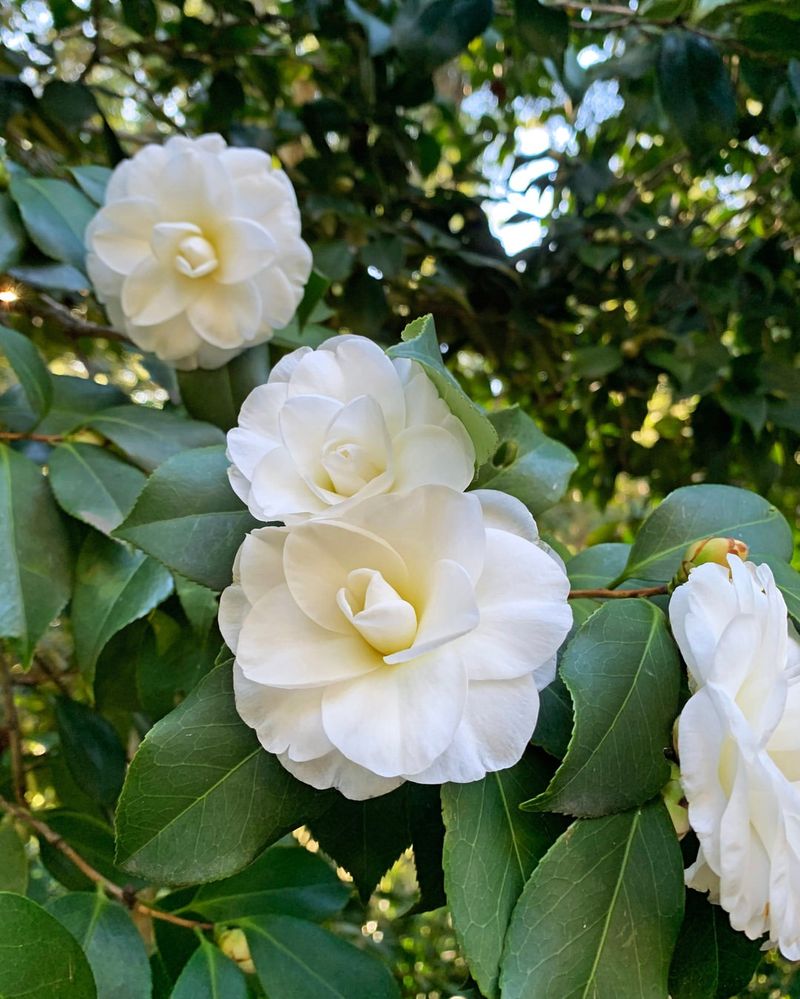
Right after your camellia drops its last bloom, that’s your window. Many Georgia gardeners miss this timing, and their plants spend the whole growing season playing catch-up.
Camellias put a serious amount of energy into flowering through winter, and by the time March arrives, they need to restock.
A balanced slow-release fertilizer works well here — something like a 10-10-10 or an azalea-camellia blend you can pick up at most Georgia garden centers. Spread it evenly around the drip line, not tight against the trunk.
Water it in well after applying, especially if the soil has dried out.
Camellias prefer slightly acidic soil, so if your Georgia yard tends to run neutral or higher, consider mixing in a soil acidifier at the same time. It makes a noticeable difference in how deeply green the foliage gets through summer.
Skip this feeding and you’ll likely see pale leaves and fewer buds forming for next season’s bloom. One well-timed application in early March does more good than multiple late-season feedings combined.
Keep the amount reasonable — camellias don’t need to be pushed hard, just supported.
Keep mulch around the base to help the soil hold moisture and protect the shallow roots as temperatures begin to warm. A simple two- to three-inch layer of pine bark or pine straw works well and fits naturally into most Georgia landscapes.
2. Azalea Responds Well To Early Spring Feeding
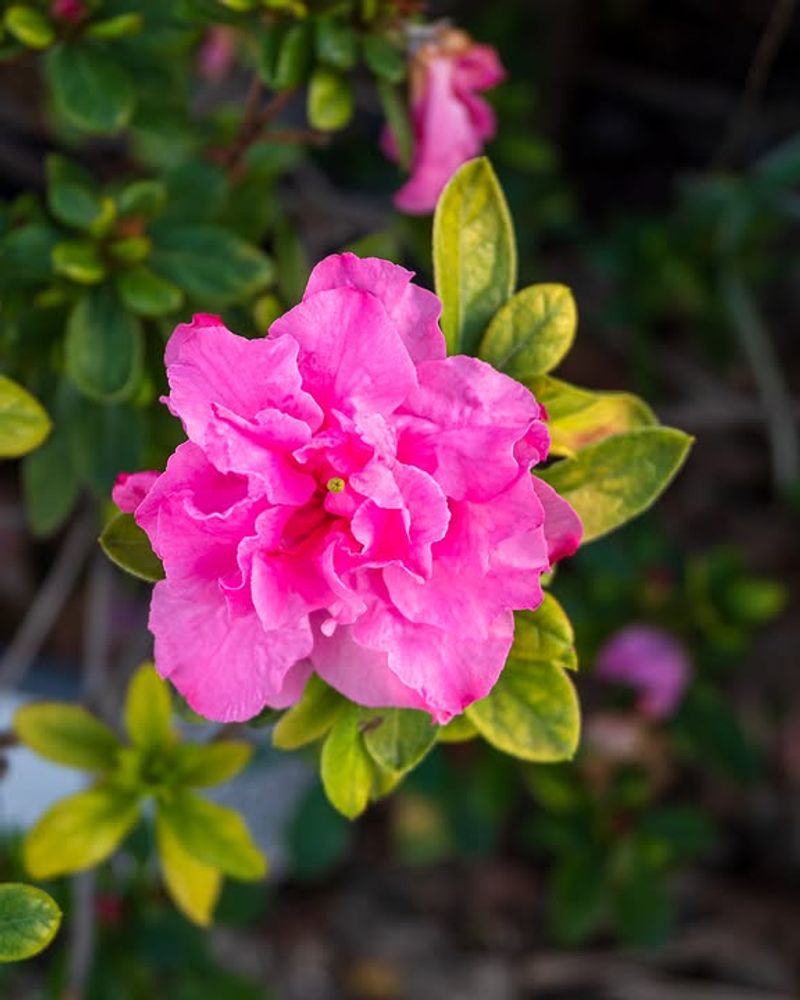
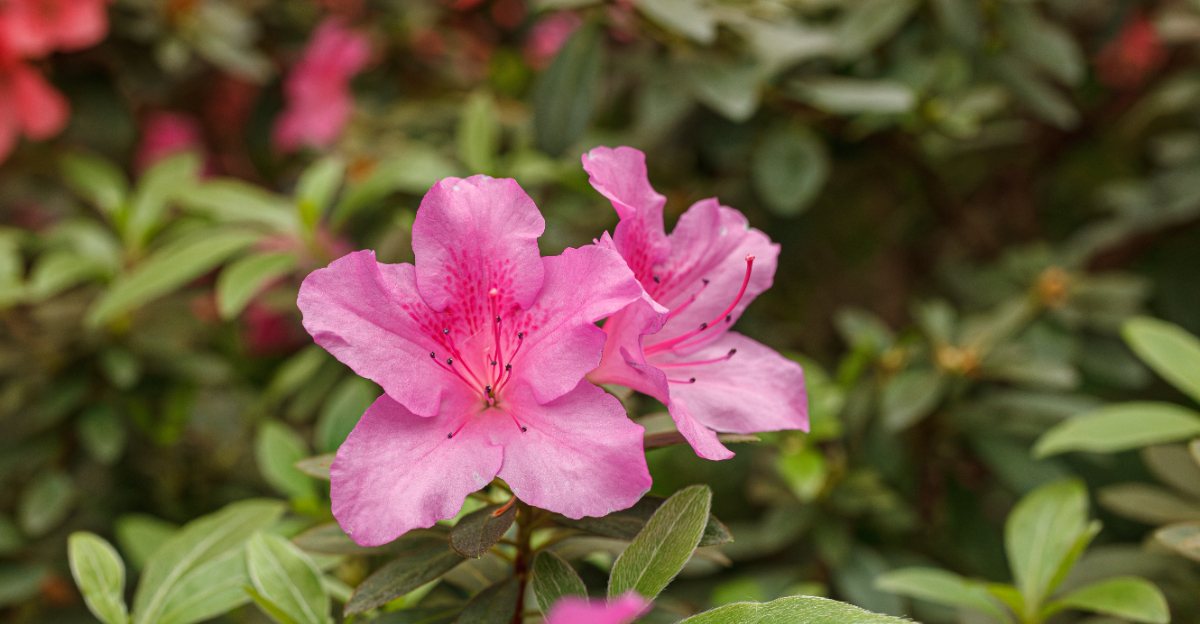
Few plants are as closely tied to Georgia springtime as azaleas. Drive through any neighborhood in Atlanta, Savannah, or Macon in April and you’ll see them everywhere — brilliant pinks, reds, and whites lighting up front yards.
What most people don’t realize is that the feeding you do in early March directly controls how strong that show will be.
Azaleas are shallow-rooted, which means fertilizer placed at the surface actually reaches them quickly. Use an acid-forming fertilizer designed for azaleas and rhododendrons.
Broadcast it lightly around the outer edge of the plant’s canopy, then water thoroughly. Avoid piling fertilizer near the base — it can stress the roots.
Timing matters more than product here. Feed too early when the ground is still cold and the nutrients just sit there.
Your Georgia Garden Changes Every Week. Your Plan Should Too.
Gardening in Georgia changes quickly throughout the season. Every Friday you’ll receive a simple weekly plan showing exactly what to plant, prune, fertilize, harvest, and protect so you never miss the right timing.
Feed after blooming has already started and you’ve missed the peak uptake window. Early March in most parts of Georgia hits that sweet spot — soil temps are rising but buds haven’t fully opened yet.
One feeding now sets the plant up for the whole season. If your azaleas looked sparse or washed-out last spring, a properly timed early March application is usually the fix most people overlook.
A light layer of pine bark mulch helps keep the soil cool and moist as spring temperatures begin to rise. Just keep the mulch a few inches away from the main stems so the base of the plant stays dry and healthy.
3. Roses Grow Stronger When Fertilized As New Growth Starts
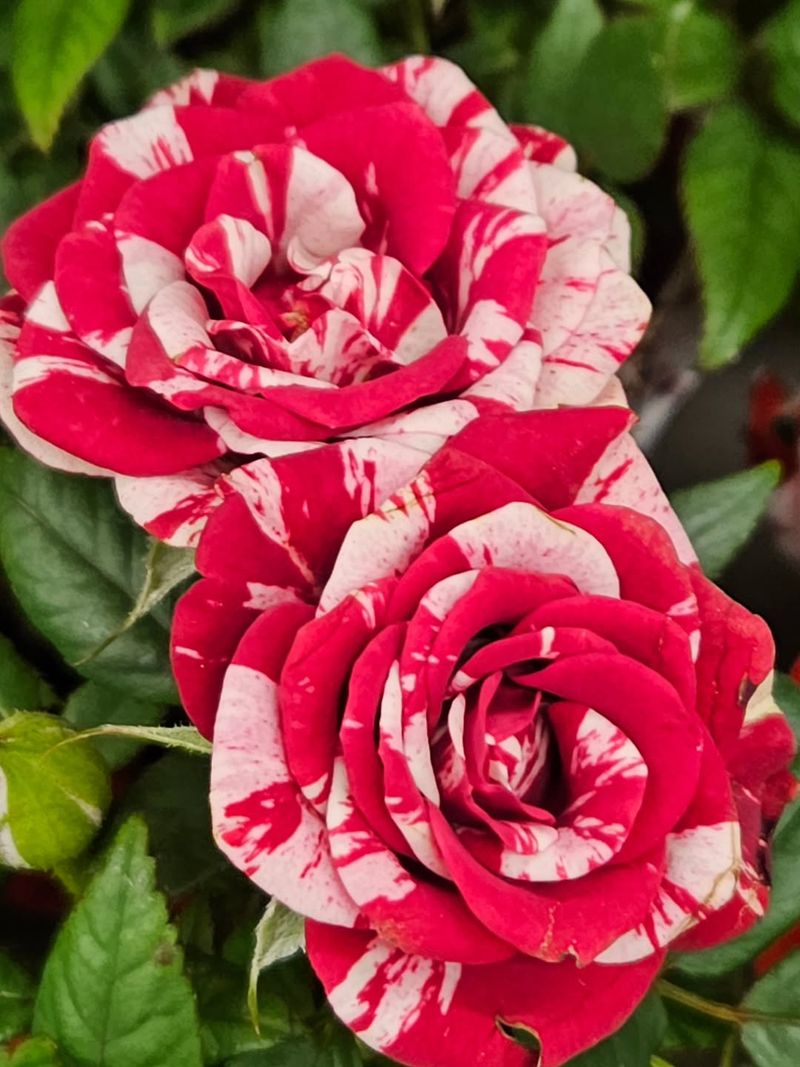
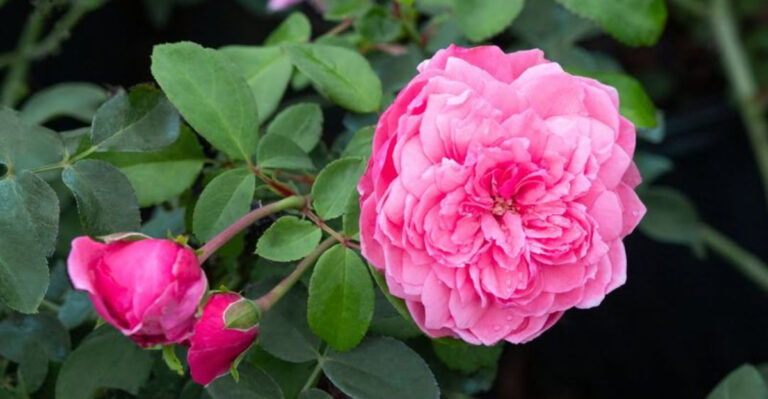
Watch your rose canes closely in late February and early March — the moment you spot those tiny red or green growth buds swelling, it’s go time. Roses in Georgia wake up earlier than most people expect, and that new growth is hungry from the start.
A dedicated rose fertilizer with a higher nitrogen content works best for this first feeding of the season. Granular formulas are easy to apply and feed slowly over several weeks.
Scratch the fertilizer lightly into the top inch of soil around the plant, then water it in. Avoid getting granules directly on the crown of the plant.
Georgia’s warm spring weather means roses can push out a lot of new growth fast, and without adequate nutrition early on, that growth tends to be weak and more susceptible to pests and disease later in the season.
Strong early feeding builds sturdy canes and larger blooms.
For established rose beds across the state, this March feeding is the most important one of the entire year — more so than anything applied in summer.
If you skipped it last year and noticed thin canes or small blooms, adding it back into your routine this spring will show results you can actually see by May.
After feeding, add a two- to three-inch layer of mulch around the base to help the soil hold moisture as temperatures begin to warm. Pine bark or compost works well and keeps the root zone more stable during early spring growth.
4. Hydrangea Benefits From A Light Early Spring Feeding
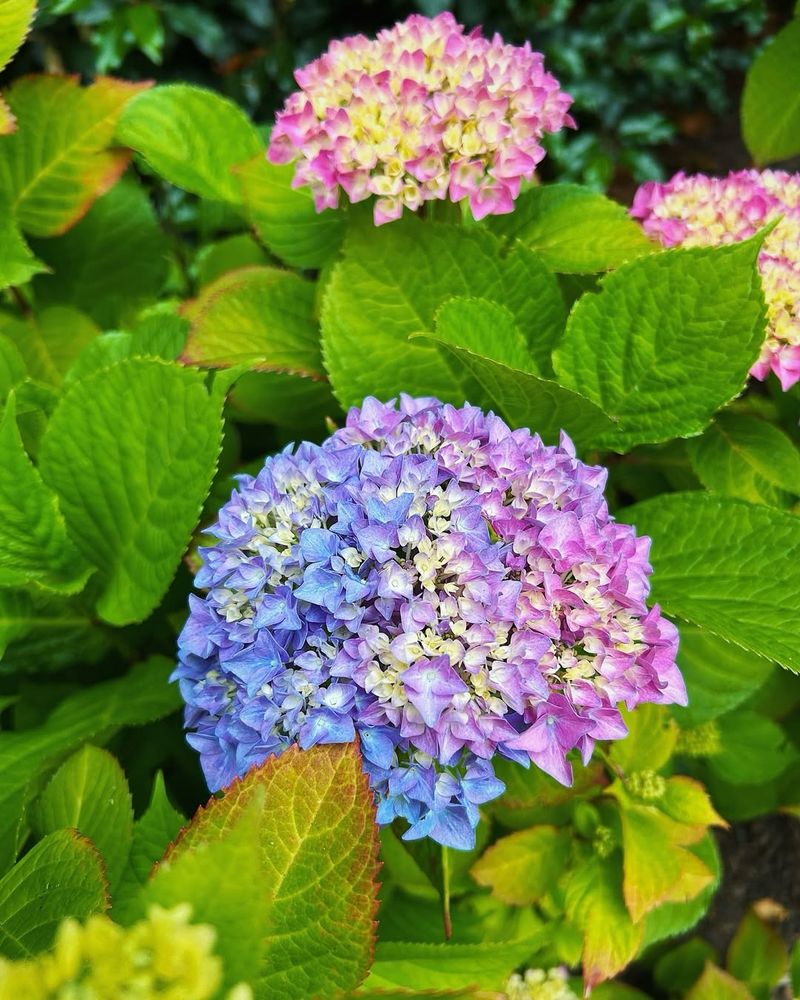
Hydrangeas can be confusing — people aren’t always sure when to prune them, when to water them, or when to feed them.
For fertilizing, early March is the right moment for most varieties growing across Georgia, right as those first small buds begin to appear on the stems.
Keep the feeding light at this stage. A balanced fertilizer like a 10-10-10 applied at half the recommended rate is plenty.
Hydrangeas are sensitive to over-fertilizing, especially early in the season. Too much nitrogen now pushes leafy growth at the expense of flowers, which is the opposite of what you want heading into Georgia’s showy spring.
Bigleaf and oakleaf hydrangeas — both common in Georgia landscapes — respond particularly well to an early March feeding paired with consistent moisture. Smooth hydrangeas are a bit more forgiving but still benefit from the nutrient boost.
Spread the fertilizer under the canopy, water it in, and then leave it alone. You don’t need to feed again until late spring or early summer.
Gardeners in central and north Georgia should watch for late frost after fertilizing, since pushing new growth too fast can make tender buds vulnerable. A little patience and a light hand go a long way with hydrangeas.
Keep the fertilizer a few inches away from the main stems so it doesn’t sit directly on the crown of the plant. Once spring growth gets moving, hydrangeas usually respond quickly with fuller foliage and stronger bud development.
5. Blueberry Bushes Need Fertilizer As Buds Begin To Swell
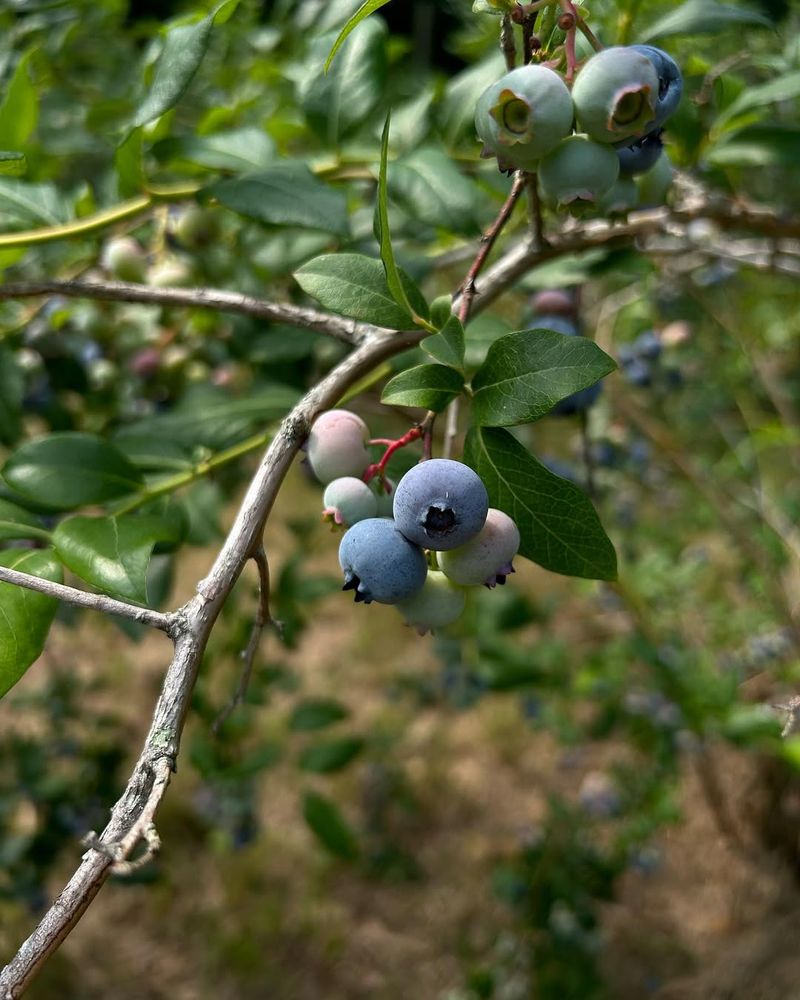
Blueberries are serious about their soil chemistry. Get it wrong and the plants just sit there looking unhappy, producing almost nothing.
Get it right — especially in early March when those buds start to swell — and you’ll have more fruit than you know what to do with come summer.
In Georgia, blueberries need acidic soil, ideally between a pH of 4.5 and 5.5. Ammonium sulfate is the go-to fertilizer for blueberries in this region because it feeds the plant and helps lower soil pH at the same time.
Apply it in a ring around the drip line of each bush, keeping it away from the crown. Don’t overdo it — a little goes a long way, and too much can burn the shallow roots.
Early March timing lines up well with bud swell across most of Georgia, from the blueberry farms in the southern part of the state all the way up to home gardens in the piedmont.
If you haven’t tested your soil pH recently, grab an inexpensive test kit before fertilizing — it tells you exactly where you stand.
Feeding at the wrong pH means the plant can’t absorb what you’re giving it, no matter how much you apply. Timing and soil chemistry together make all the difference.
6. Gardenia Responds Well To An Early Season Nutrient Boost
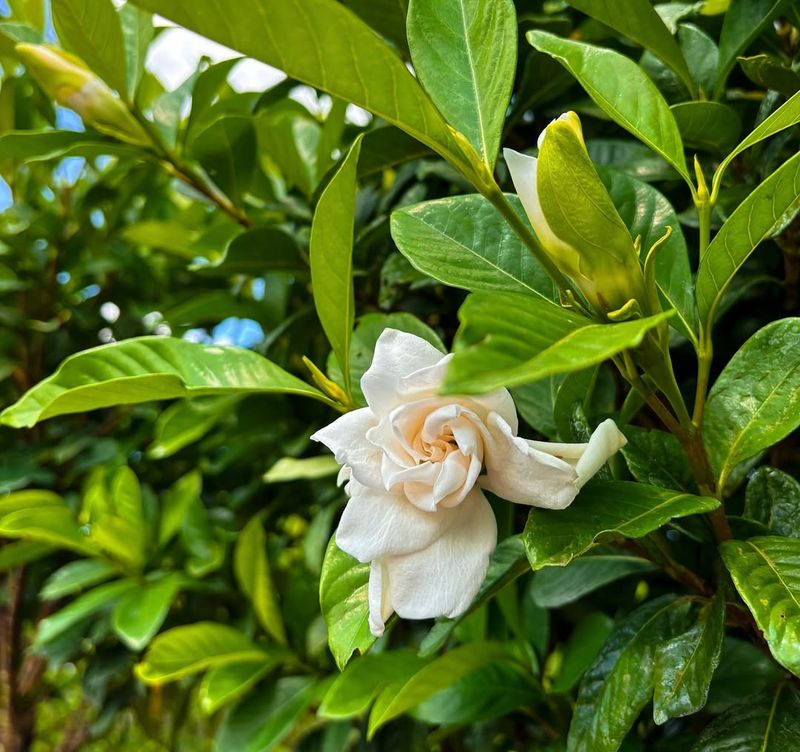
Gardenias are one of those plants that smell incredible when they’re happy and look absolutely miserable when they’re not. Yellow leaves, dropped buds, and weak growth are all signs of a gardenia that didn’t get what it needed early in the season.
Early March in Georgia is the perfect time to change that.
Feed gardenias with an acid-forming fertilizer — the same type used for azaleas works well. Gardenias are heavy feeders compared to a lot of landscape shrubs, and they appreciate consistent nutrition from early spring through midsummer.
The first application in March gets the roots moving and supports the bud development that leads to those fragrant summer blooms Georgia gardeners love so much.
Iron deficiency shows up often in gardenias, especially in Georgia yards with heavier clay soils. If the leaves between the veins are turning yellow while the veins stay green, add a chelated iron supplement alongside your regular fertilizer.
Water the plant deeply after feeding to push nutrients down to the root zone.
Gardenias planted near concrete foundations or driveways can have pH problems due to lime leaching into the soil — check that area specifically if your plant has struggled in past seasons.
A well-fed gardenia in early March will reward you with blooms from late spring well into summer.
7. Peach Trees Benefit From Fertilizing As Spring Growth Begins
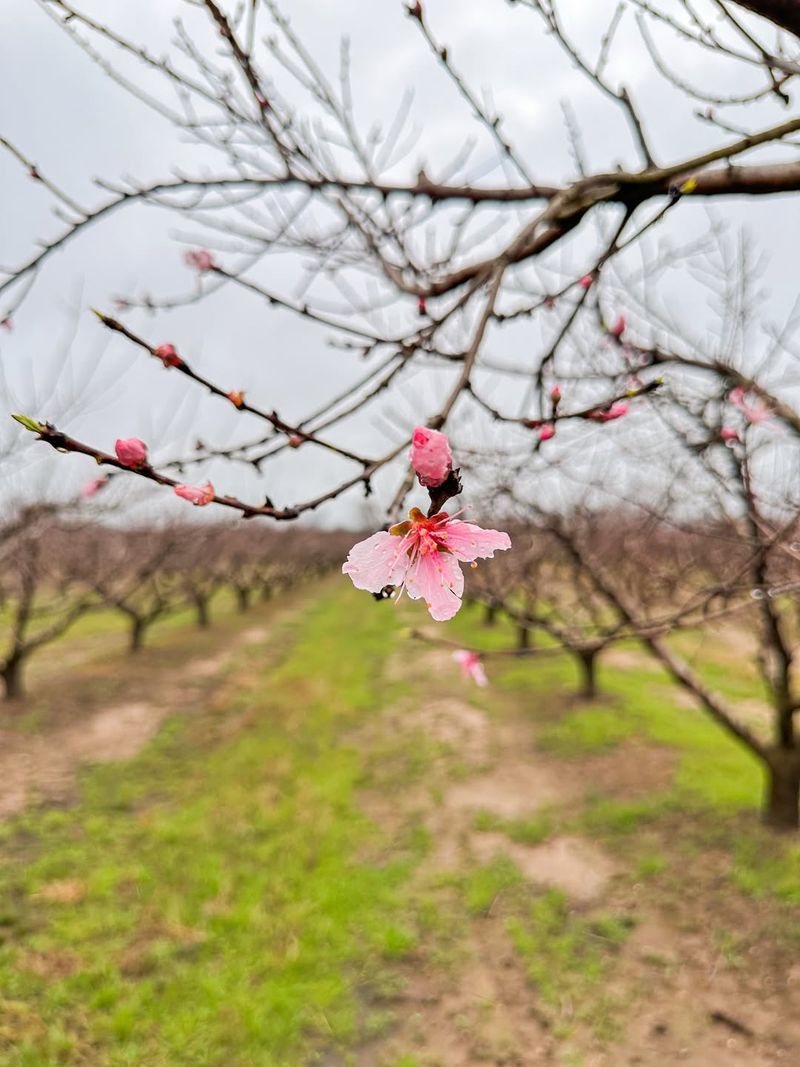
Georgia and peaches go together for good reason — the climate here is genuinely well-suited for growing them. But a productive peach tree doesn’t happen by accident.
Fertilizing at the right moment in early March, just as the tree breaks dormancy and blossoms begin to show, sets the stage for a strong harvest.
For young peach trees — those in their first few years — use a balanced fertilizer and apply it in a wide ring starting about a foot from the trunk and extending out to the drip line.
Older, bearing trees need more nitrogen to support both fruit development and new shoot growth.
A fertilizer with a higher first number, like a 15-5-10, is appropriate for mature trees in most Georgia soils.
Split applications work well for peaches. Put down the first round in early March, then follow up with a second lighter application in late spring after the fruit has set.
Avoid fertilizing after July — late-season nitrogen pushes soft growth that doesn’t harden off well before cooler temperatures arrive.
Peach trees across the Georgia piedmont and north Georgia foothills tend to respond quickly once temperatures stabilize in early spring.
Keep a close eye on new growth after feeding — healthy, deep green leaves and strong shoot extension are exactly what you’re looking for as the season gets going.
8. Daylilies Begin Responding To Fertilizer As Spring Growth Starts
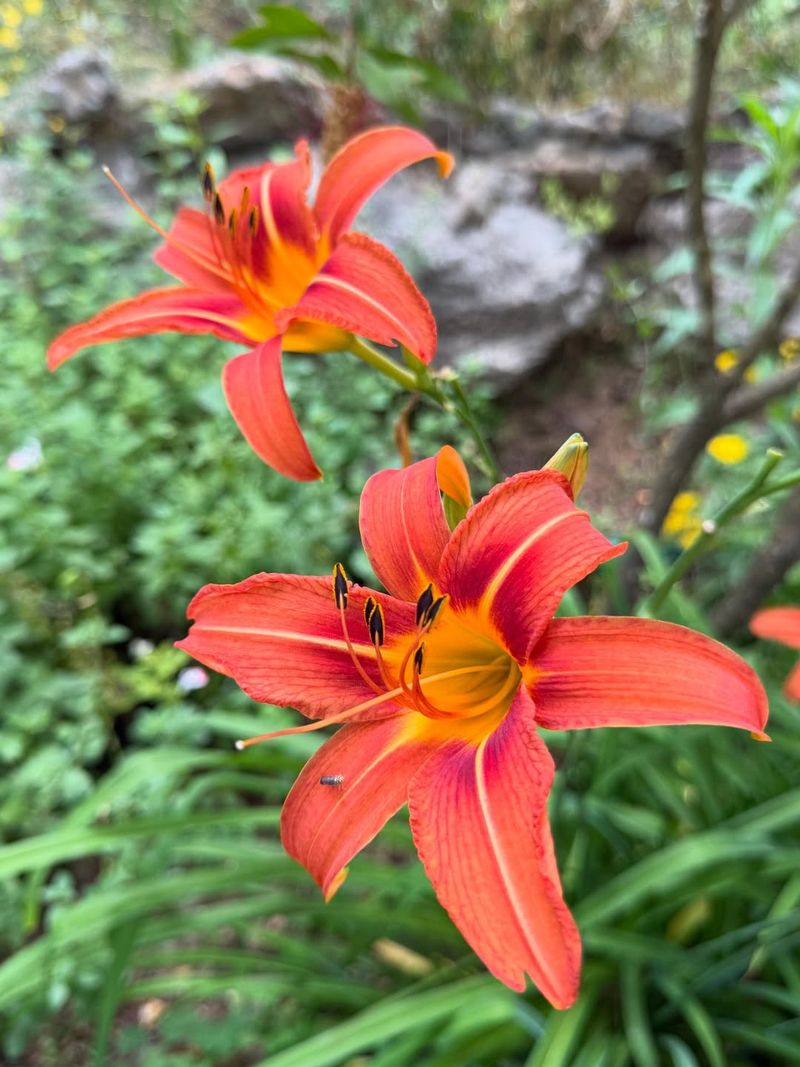
Daylilies are some of the most forgiving plants you can grow in a Georgia garden, but forgiving doesn’t mean they don’t appreciate a little attention.
When those bright green fans of new growth start pushing up through the soil in early March, a timely feeding makes a real difference in bloom count and overall plant health.
A balanced granular fertilizer — 10-10-10 is a solid choice — applied around the emerging clumps gives daylilies the nutrients they need right when their roots start actively pulling from the soil. Scratch it lightly into the surface and water well.
Daylilies have a dense root system that responds quickly once feeding begins and soil temperatures climb.
Across Georgia, daylilies are used heavily in roadside plantings, home borders, and naturalized areas because they handle the summer heat without much fuss.
But gardens that get an early March feeding consistently produce more blooms per stem and hold their color longer into the season.
If your daylily clumps have gotten crowded — thick mats with fewer blooms each year — early March is also a great time to divide and replant before the heat arrives. Feed the new divisions right after replanting to help them settle in quickly.
You’ll notice the difference in bloom quality by June, especially in warmer parts of the state like middle and south Georgia.