9 Hardy Perennials To Plant In March For A Low-Maintenance Georgia Garden
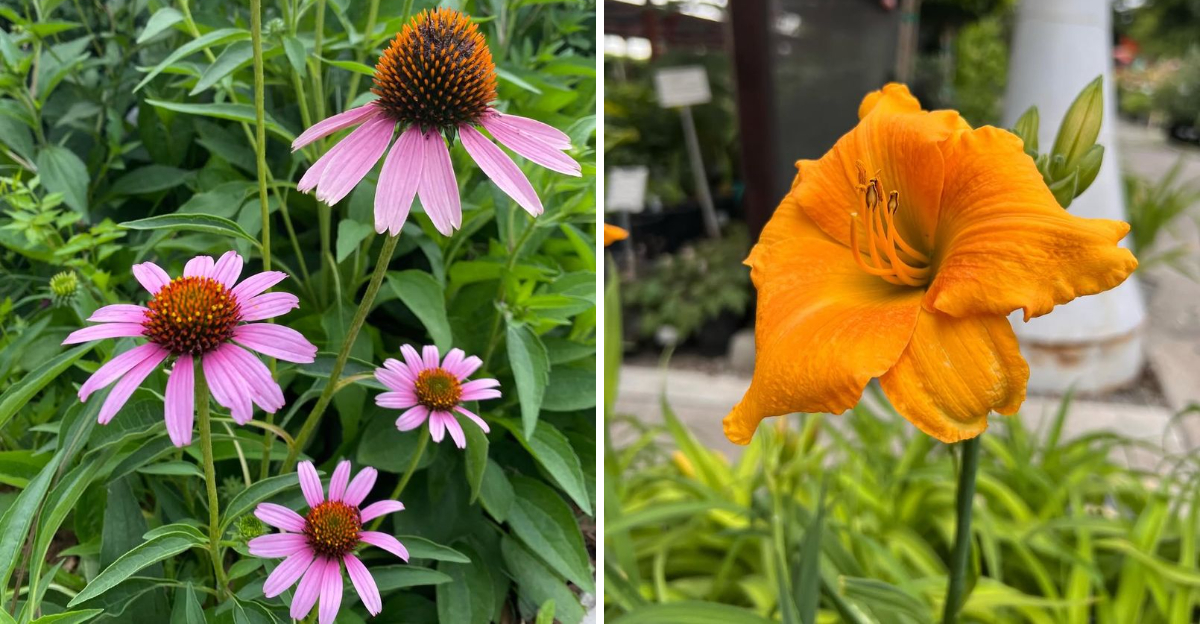
March in Georgia is when the garden begins to shift out of winter, and planting hardy perennials now can make the rest of the season much easier.
The soil is starting to warm, spring moisture is usually reliable, and plants have time to settle in before the stronger summer heat arrives.
Perennials planted this time of year can establish steady roots and return year after year without needing to be replaced. Choosing tougher varieties also means less watering, less fuss, and fewer problems once the weather turns hot.
For a garden that stays full without constant work, early spring is the right moment to get these dependable plants into the ground.
1. Coneflower Handles Heat And Returns Reliably Each Year
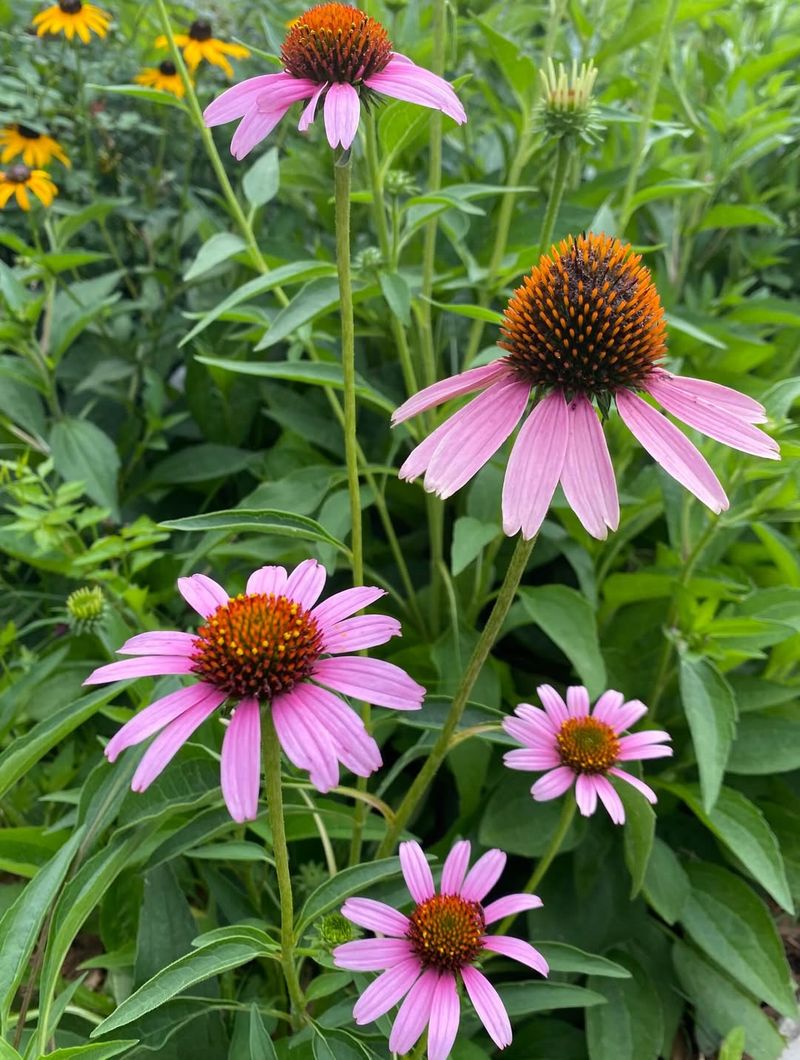
Few plants earn their spot in a Georgia garden quite like coneflower does. Plant it once in March, and you’ll be watching it come back stronger and fuller each summer without doing much of anything special.
Coneflower handles Georgia’s clay soil better than most plants people try to grow here. It doesn’t need rich, amended beds or constant watering once roots are settled.
Even during dry July stretches, it keeps going when other plants are looking rough.
Purple is the classic color, but you can also find orange, yellow, pink, and red varieties at most Georgia garden centers in March. Mixing a few colors together in one bed creates a really striking display without any extra work.
Bees and butterflies absolutely swarm these flowers, which is a bonus if you care about pollinators. Let the seed heads stand through fall and winter, and goldfinches will pick them clean.
That’s free bird watching right in your backyard.
Plant coneflowers about 18 inches apart so they have room to spread. They’ll slowly clump up over the years and you can divide them every three or four seasons to fill other spots in your Georgia garden.
2. Black Eyed Susan Brings Bright Color With Very Little Care
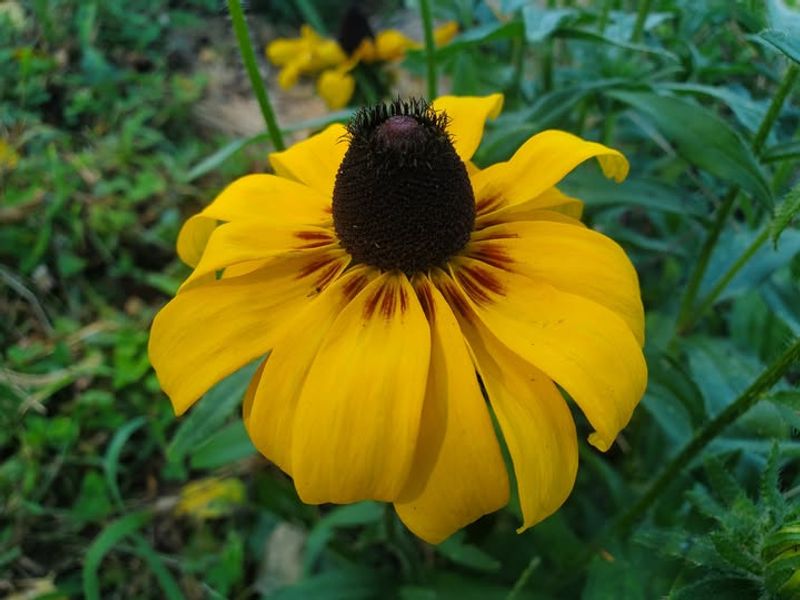
Walk past a patch of Black-Eyed Susans in full bloom and it’s hard not to stop. That bold yellow with the dark center is one of those combinations that just works, no matter what else is growing nearby.
In Georgia, Black-Eyed Susans thrive in full sun and tolerate the kind of dry spells that make gardeners nervous. They don’t need rich soil either.
Sandy or clay-heavy ground in Georgia is perfectly fine for these plants, which makes them ideal for gardeners who don’t want to spend time amending beds every spring.
March is a great time to plant them because the cool soil encourages strong root development before summer heat kicks in. Space them about 18 inches apart and water them in well.
After that, they mostly take care of themselves through the growing season.
One thing people love about Black-Eyed Susans is how they spread naturally over time. A small planting in year one can become a full, cheerful mass of yellow by year three without any extra effort from you.
Your Georgia Garden Changes Every Week. Your Plan Should Too.
Gardening in Georgia changes quickly throughout the season. Every Friday you’ll receive a simple weekly plan showing exactly what to plant, prune, fertilize, harvest, and protect so you never miss the right timing.
They also pair beautifully with coneflowers and ornamental grasses, giving your Georgia garden a relaxed, meadow-style look that stays colorful well into September.
3. Coreopsis Blooms For Months In Sunny Garden Beds
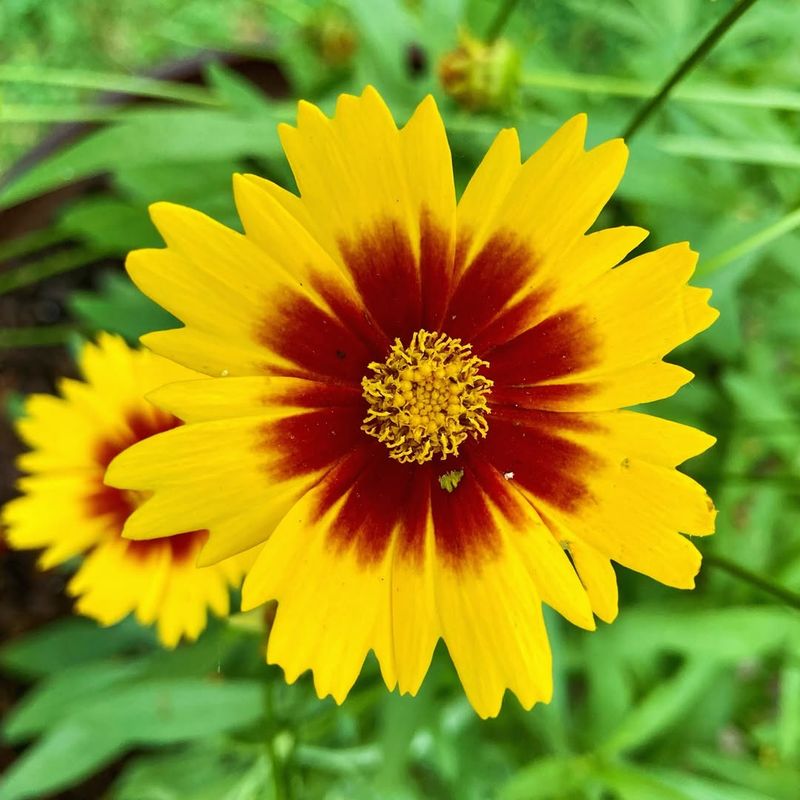
Coreopsis might be the most cheerful plant you can put in a Georgia garden. It blooms for months, not weeks, and it does it without needing any special treatment or extra watering once roots are established.
Plant it in March in a spot that gets full sun, and by late spring you’ll have a non-stop display of small, daisy-like flowers in yellow, gold, or coral.
The blooms keep coming through summer and often stretch into fall, which is longer than almost anything else in the perennial garden.
Georgia summers can be punishing, but Coreopsis handles heat and humidity without skipping a beat. It actually struggles more in shade or soggy soil than in full blazing sun, so plant it where drainage is good and light is plentiful.
Deadheading spent flowers encourages more blooms, but even if you skip it, the plant keeps producing on its own. It’s genuinely forgiving for gardeners who don’t have time to fuss over every bed.
Thread-leaf varieties like ‘Zagreb’ or ‘Moonbeam’ have a soft, feathery texture that contrasts nicely with broader-leaved plants. They’re compact and tidy, which makes them a practical choice for smaller Georgia garden beds.
4. Daylily Grows Easily And Comes Back Strong Every Spring
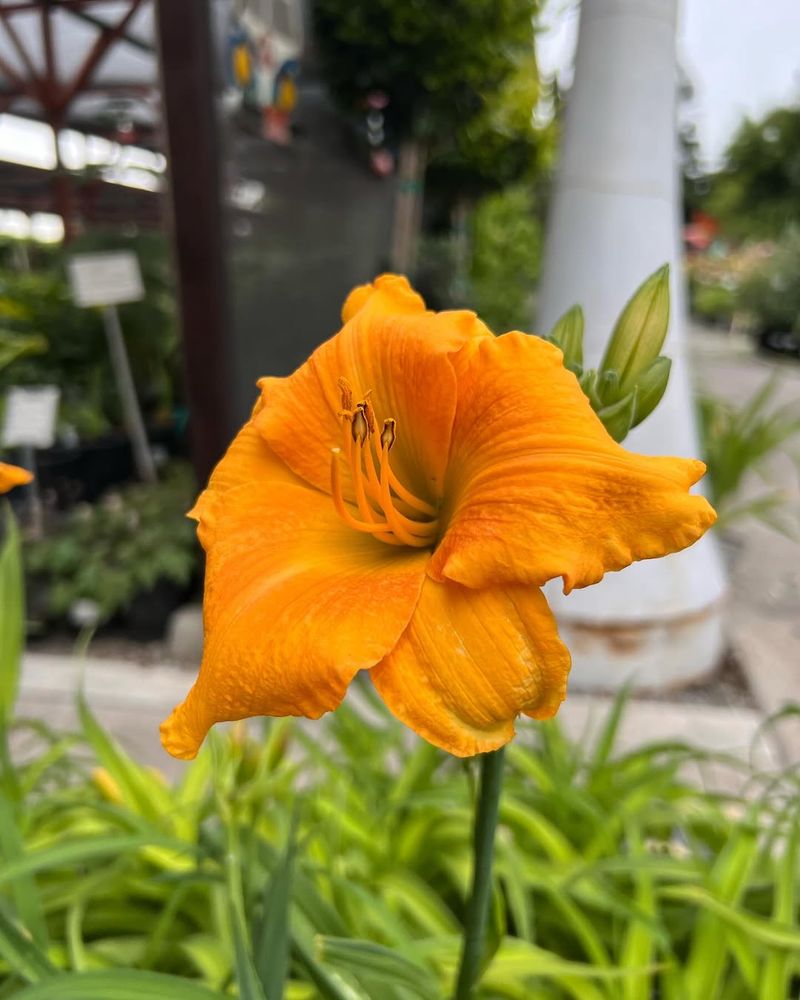
Daylilies are the plant that Georgia gardeners hand off to their neighbors as divisions because they always have too many. That’s a testament to how reliably they grow here year after year.
Plant them in March and they’ll reward you with bold, trumpet-shaped flowers by early summer. Each individual bloom only lasts one day, but a healthy clump produces so many buds that the display goes on for weeks.
Some varieties rebloom in late summer, which is a nice bonus.
Clay soil, sandy soil, slopes, roadside ditches — daylilies grow in all of it across Georgia without complaint. They’re one of the few perennials that actually do well in tough spots where other plants struggle to get a foothold.
Water new plantings regularly through their first season to help roots spread. After that first year, they need very little from you.
Rainfall in most parts of Georgia is usually enough to keep them going through summer.
Dividing clumps every four or five years keeps them blooming at their best. When a clump gets crowded, flower production drops and leaves start to look tired.
A quick division in early spring refreshes the whole planting and gives you free plants to spread around your yard.
5. Salvia Attracts Pollinators And Handles Summer Heat
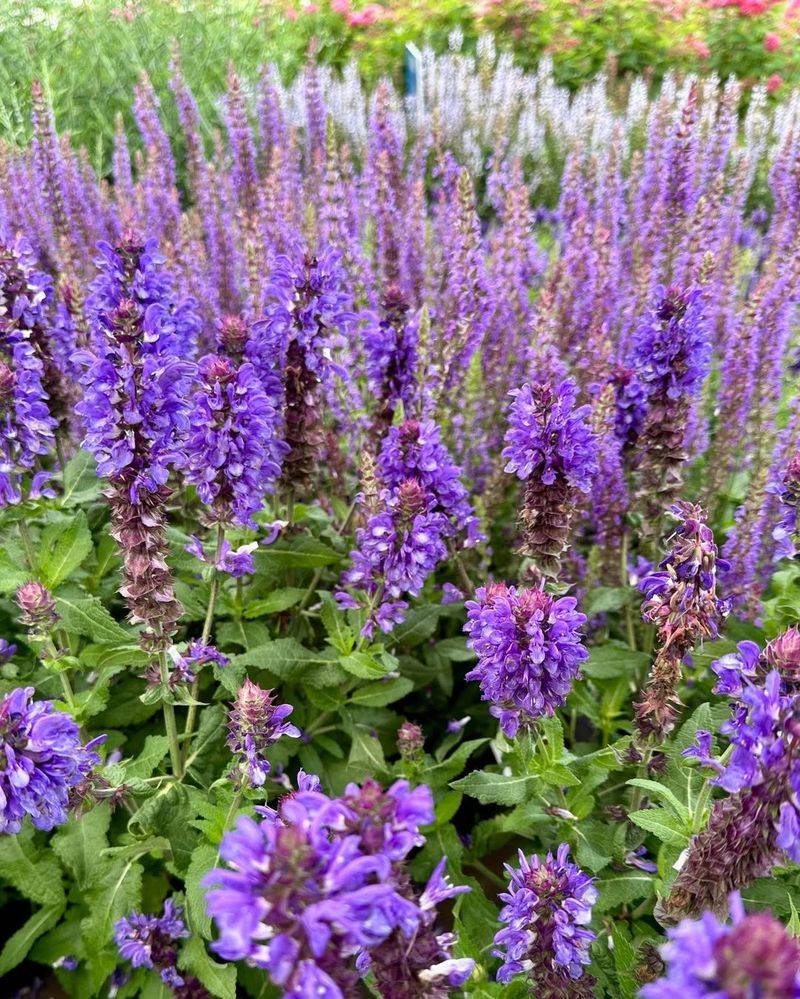
Salvia is one of those plants that looks like it belongs in a fancy garden but requires almost no effort to grow well in Georgia. The tall flower spikes in blue, purple, or red are stunning against summer foliage.
Plant perennial salvia in March in a well-drained, sunny spot and expect it to settle in quickly. It handles Georgia heat better than most flowering perennials, and it doesn’t sulk during dry stretches the way some plants do.
Bees, hummingbirds, and butterflies find these flowers irresistible. During peak bloom in June and July, a single salvia plant can have dozens of pollinators working it at any given time.
If supporting wildlife is part of your garden goals, this plant earns its spot fast.
Cut it back by about a third after the first flush of blooms fades. That trim encourages a second round of flowering in late summer or early fall, which extends the color season significantly in Georgia gardens.
Salvia ‘May Night’ and ‘Caradonna’ are two varieties that perform especially well across Georgia. Both are vigorous, return reliably each spring, and hold their upright form without staking.
They’re solid, unfussy choices for any sunny bed.
6. Yarrow Thrives In Dry Soil And Needs Very Little Attention
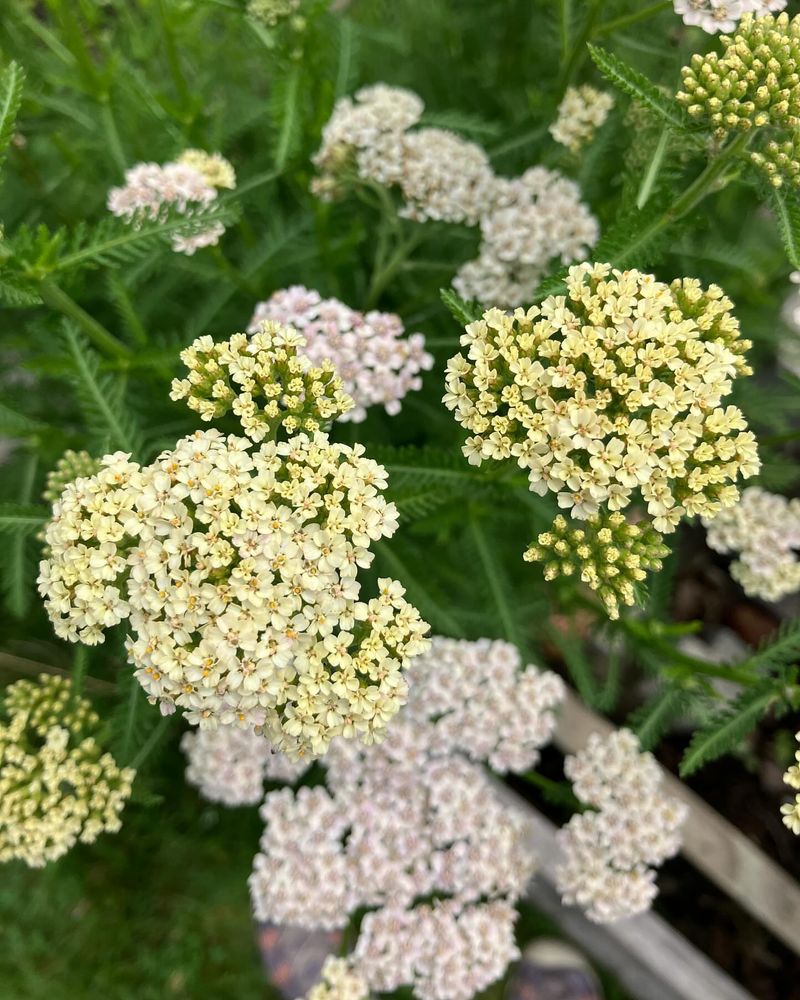
If you have a hot, dry corner of your Georgia yard where nothing seems to want to grow, yarrow is your answer. It actually performs better in lean, dry soil than in rich, moist beds.
Yarrow’s flat-topped flower clusters in yellow, white, pink, or red bloom from late spring through midsummer and attract all kinds of beneficial insects.
The ferny, aromatic foliage looks attractive even when the plant isn’t in bloom, which is more than you can say for a lot of perennials.
Plant it in March in a full-sun location with decent drainage. Avoid heavy clay that holds water because that’s about the only condition yarrow genuinely dislikes.
Sandy or rocky Georgia soil is ideal, and slopes work great too.
Once it’s settled in, yarrow barely needs watering. It spreads gradually by underground runners, filling in gaps in a bed without getting aggressive or taking over.
Dividing clumps every few years keeps growth in check and refreshes the planting.
Cutting flowers for fresh or dried arrangements is a nice bonus.
Yarrow holds its color well when dried, making it popular with Georgia gardeners who enjoy bringing flowers indoors. ‘Moonshine’ and ‘Coronation Gold’ are two dependable varieties worth looking for at local nurseries.
7. Shasta Daisy Produces Classic White Blooms Each Summer
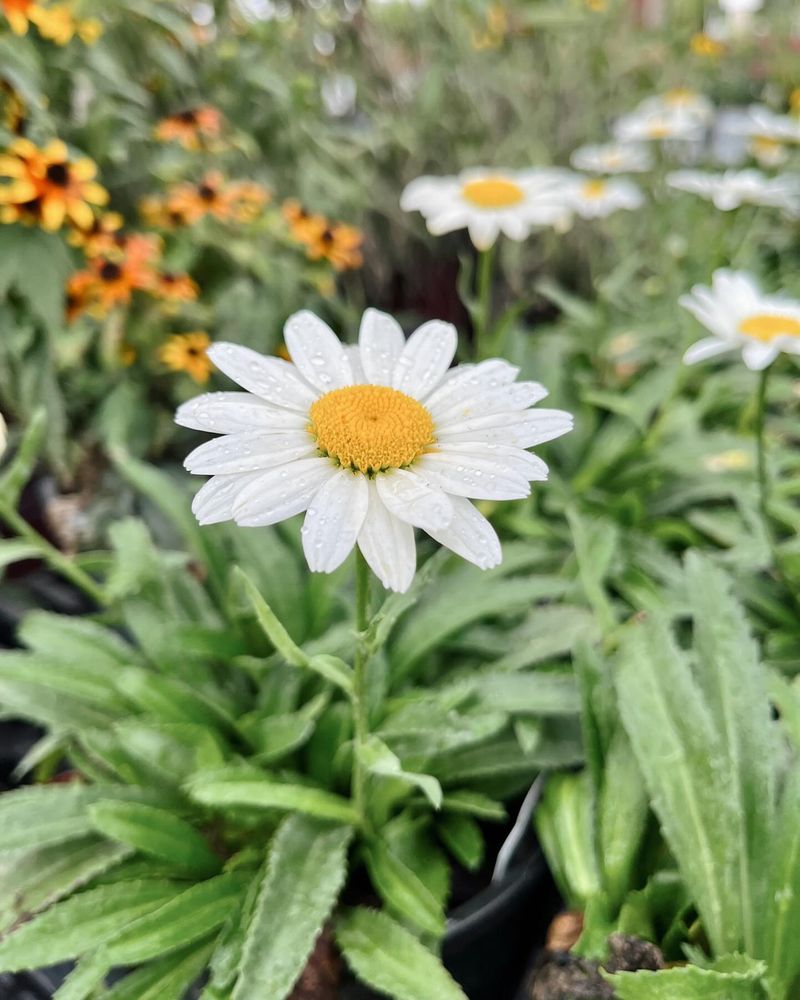
There’s something timeless about Shasta daisies blooming in a summer garden. That crisp white with the cheerful yellow center never feels out of place, no matter what else you’ve got growing nearby.
In Georgia, Shasta daisies bloom heavily from late spring into midsummer, and if you deadhead the spent flowers regularly, they’ll keep pushing out new blooms well into August. It’s a simple habit that pays off with weeks of extra color in the garden.
Plant them in March in a full-sun spot with well-drained soil. They’re not fans of soggy roots, so raised beds or spots with good natural drainage work best across most of Georgia’s heavier clay areas.
A little organic matter worked into the planting hole helps them settle in faster.
Shasta daisies grow in tidy clumps that look neat and organized in a border. They pair well with black-eyed Susans and salvia, creating a classic red, white, and yellow color scheme that looks intentional without requiring much design knowledge.
Divide clumps every two to three years in early spring to keep them vigorous and blooming at their best. Older, crowded clumps tend to bloom less and look a bit ragged.
Fresh divisions planted in March will reward you with stronger growth and more flowers by summer.
8. Phlox Adds Long Lasting Color Through The Growing Season
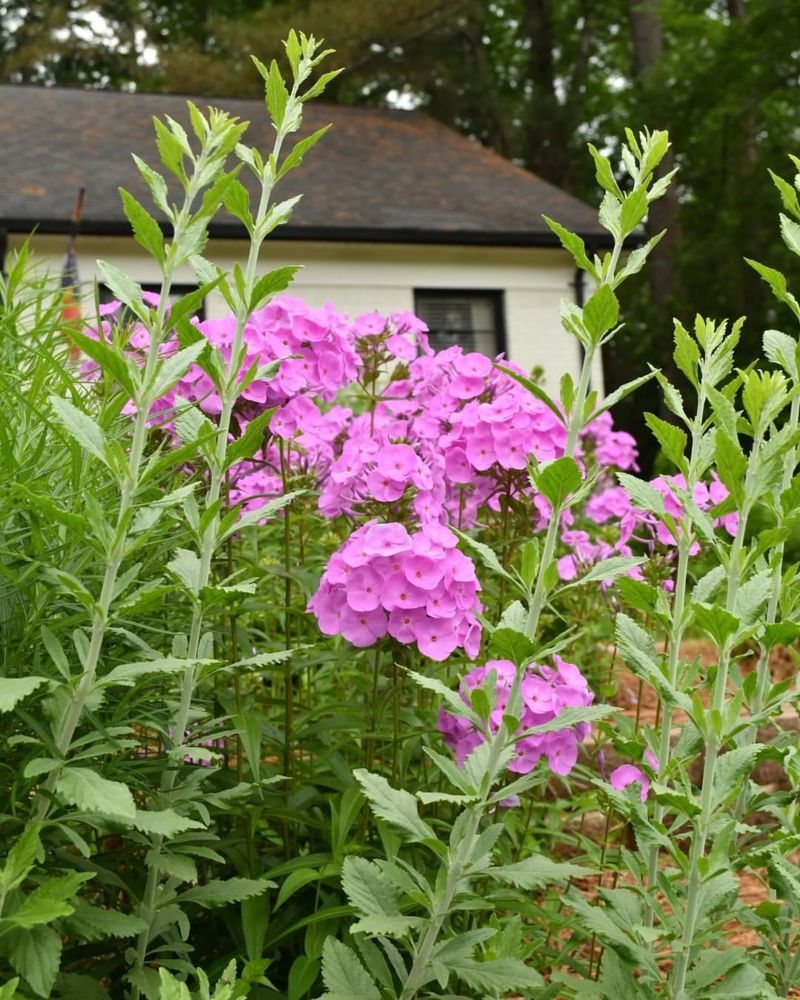
Garden phlox puts on one of the longest and most colorful shows of any perennial you can grow in Georgia. From midsummer into early fall, those big fragrant flower clusters in pink, lavender, red, and white are genuinely hard to beat.
Plant it in March in a spot that gets at least six hours of sun. Phlox does best with good air circulation, so don’t crowd it against a fence or wall.
Spacing plants about 18 to 24 inches apart helps reduce the powdery mildew that can show up in Georgia’s humid summers.
Choosing mildew-resistant varieties like ‘David’ or ‘Robert Poore’ makes a real difference in how the plants look through the season. These selections were bred specifically to handle the kind of humidity Georgia gardeners deal with every summer.
Water phlox at the base rather than overhead to keep foliage dry. That one habit goes a long way toward keeping plants healthy and looking good through the hottest months.
Mulching around the base also helps retain moisture and keep roots cool.
Cut plants back to about six inches after flowering wraps up in fall.
New growth will emerge fresh from the base the following spring, and the clump will slowly expand each year, giving you more color across your Georgia garden beds without buying additional plants.
9. Bee Balm Returns Each Year With Bold Summer Flowers
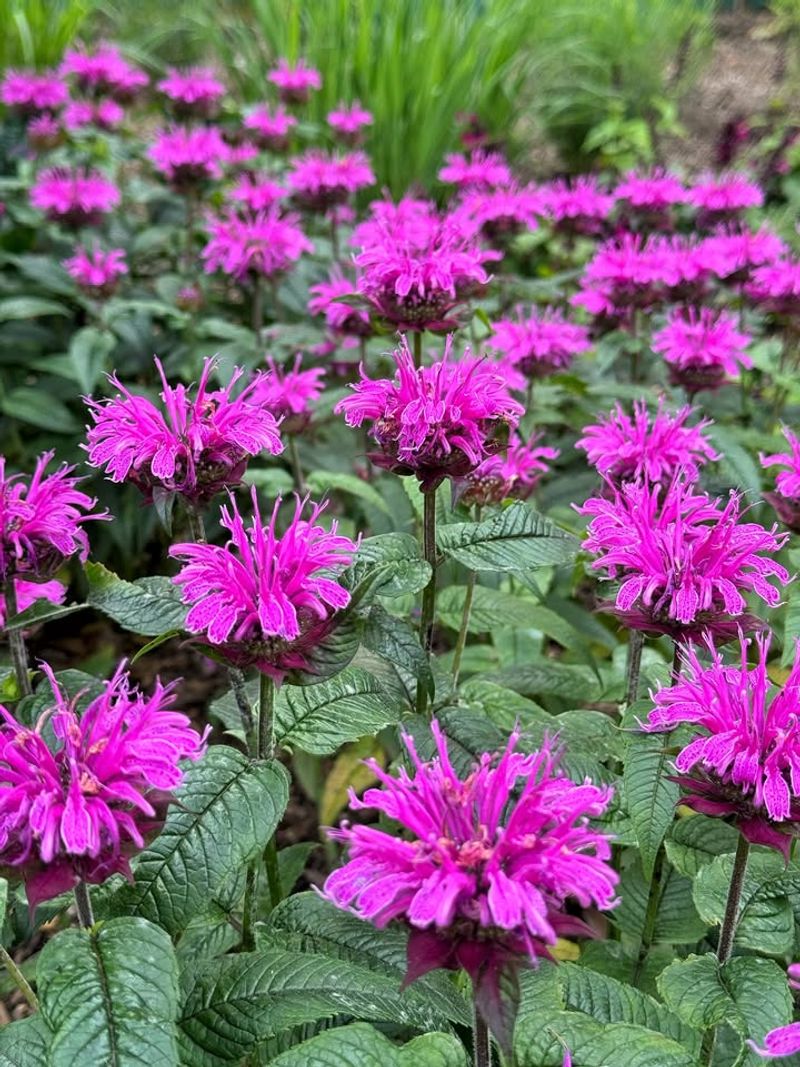
Bee balm is the plant that makes hummingbirds show up like clockwork every summer. Plant it once in March and you’ll have a reliable hummingbird magnet returning to your Georgia garden year after year.
The flowers are wild-looking in the best way — ragged, spiky clusters in red, pink, purple, or white that bloom from midsummer into August. Up close, the blooms have a bold, almost tropical look that stands out in any mixed border or pollinator planting.
Full sun to light shade works well for bee balm across Georgia. It tolerates some afternoon shade, which is actually helpful in the hottest parts of the state where midday sun can be intense.
Rich, moisture-retentive soil encourages the strongest growth and most prolific blooming.
Powdery mildew can appear on foliage in late summer, especially during humid Georgia weather. Choosing resistant varieties like ‘Jacob Cline’ or ‘Raspberry Wine’ reduces that issue significantly.
Both are vigorous growers that return with energy each spring.
Bee balm spreads by underground stems and can expand its footprint over a few seasons. Dividing it every three years or so keeps the planting tidy and encourages fresh, healthy growth from the center of the clump.
It’s a small task that keeps the plant performing at its best season after season.