Why Borage Deserves A Spot In Georgia Gardens This Season
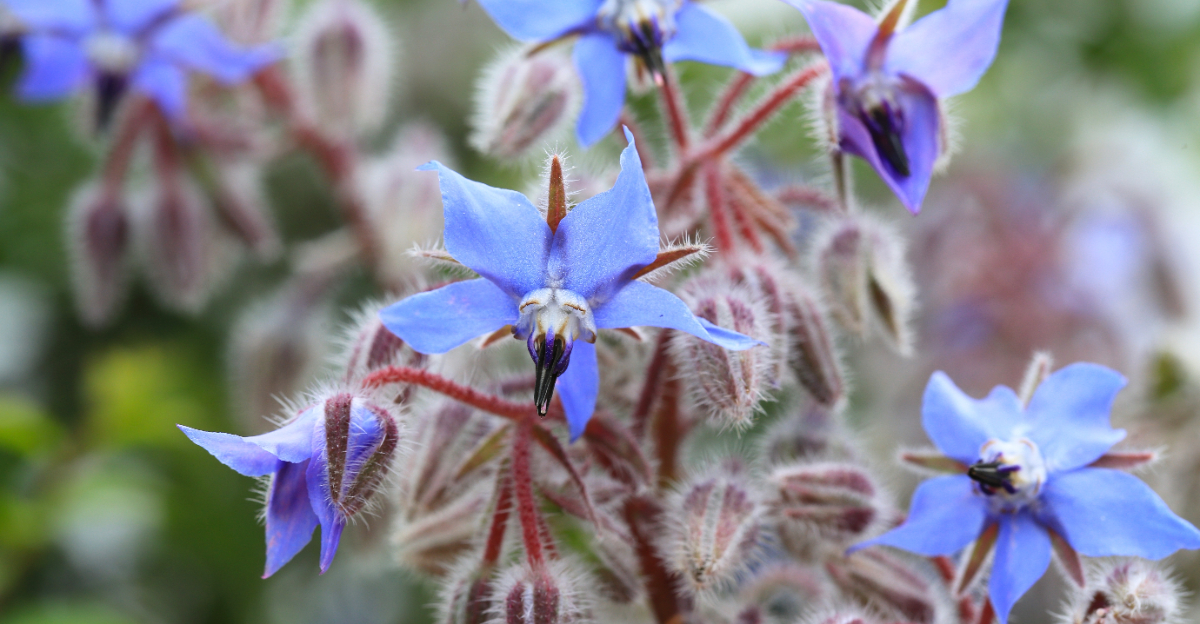
Borage quickly earns attention in Georgia gardens once the season warms up. Bright blue flowers, fast growth, and nonstop pollinator activity make it stand out in vegetable beds and flower borders alike.
Bees are especially drawn to it, which can help nearby crops produce better throughout the season.
Georgia’s spring weather gives borage a strong start, and the plant continues growing well as temperatures rise. It handles heat better than many delicate flowering plants and usually needs very little attention once established.
Many gardeners also like how naturally it fits into mixed gardens. It brings color, attracts beneficial insects, and keeps producing flowers for weeks without constant care.
1. Pollinators Gather Around Borage Flowers Quickly
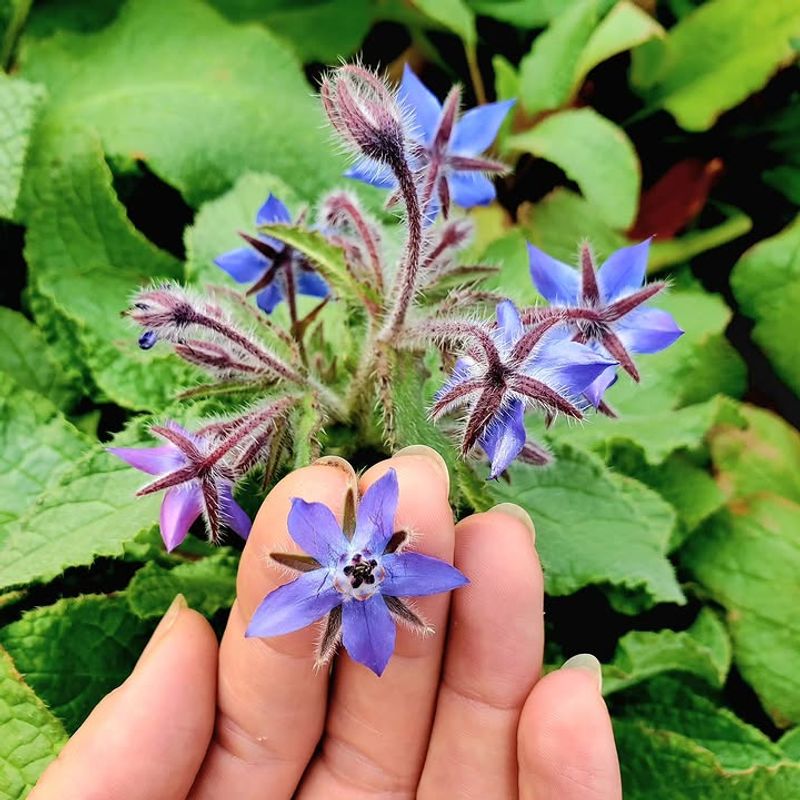
Walk past a borage plant in full bloom and you will notice the buzzing before you even see the flowers. Pollinators zero in on those small blue stars fast, often within days of the first blooms opening.
In Georgia, where the growing season gives insects a long window to work, borage becomes a reliable feeding station from late spring right through the heat of summer.
Bumblebees are especially drawn to the drooping blue blooms because the flower shape makes nectar easy to reach. Butterflies and hoverflies show up too, turning a single borage plant into a small pollinator hub.
Gardeners in Georgia who grow tomatoes, squash, or cucumbers nearby often report better fruit set when borage is planted close by, likely because more pollinators are visiting the whole bed.
Borage flowers continuously rather than blooming all at once and stopping. New buds keep forming as older flowers drop, which means the pollinator activity stays steady for weeks rather than just a few days.
That steady bloom cycle is especially useful in mid-summer when some other flowering plants slow down in the Georgia heat.
2. Both The Leaves And Flowers Have Garden Uses
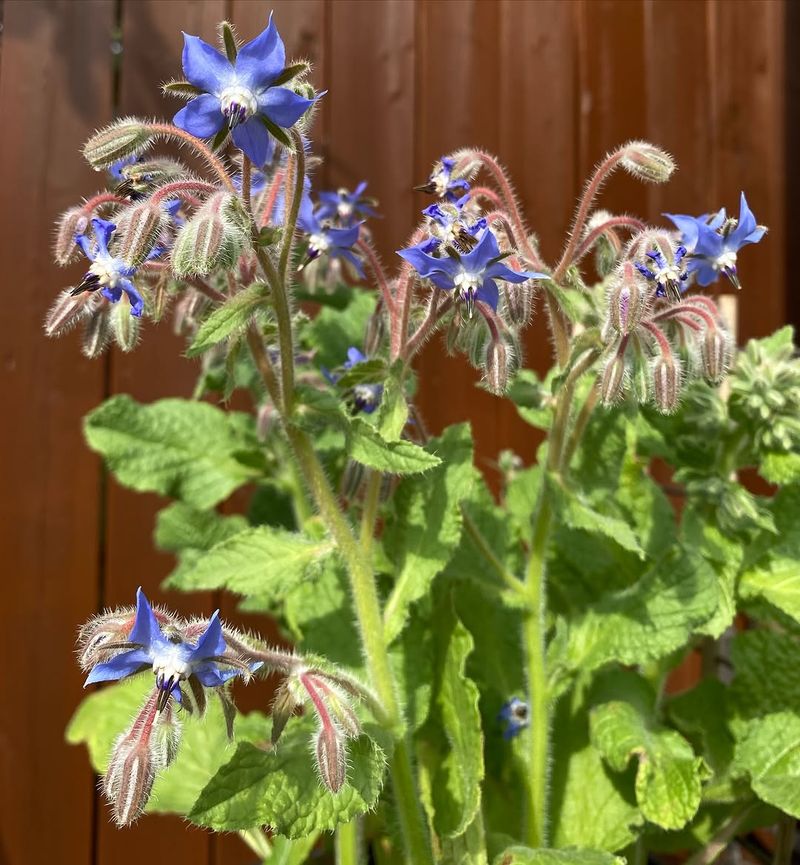
Most plants earn their space in a garden by doing one job well. Borage does at least two without being asked.
Both the leaves and the flowers are usable, which makes it one of the more practical herbs you can grow in a Georgia garden this season.
Young borage leaves have a mild cucumber-like flavor that works well in salads, cold drinks, or as a fresh garnish. They are best picked when small and tender because older leaves develop coarse hairs that feel rough in your mouth.
In Georgia, where spring and early summer bring steady warmth, borage leaves grow quickly and stay tender if you harvest regularly before the plant focuses its energy on flowering.
The flowers are edible too and are one of the few true blue edible blooms available to home gardeners. Floated on top of a glass of water or lemonade, they look striking and taste lightly sweet.
They can also be frozen into ice cubes for summer drinks, which is a simple trick that always gets attention at outdoor gatherings.
Beyond the kitchen, the leaves and spent flowers can go straight into your compost pile.
3. Bright Blue Blooms Last Through Warm Weather
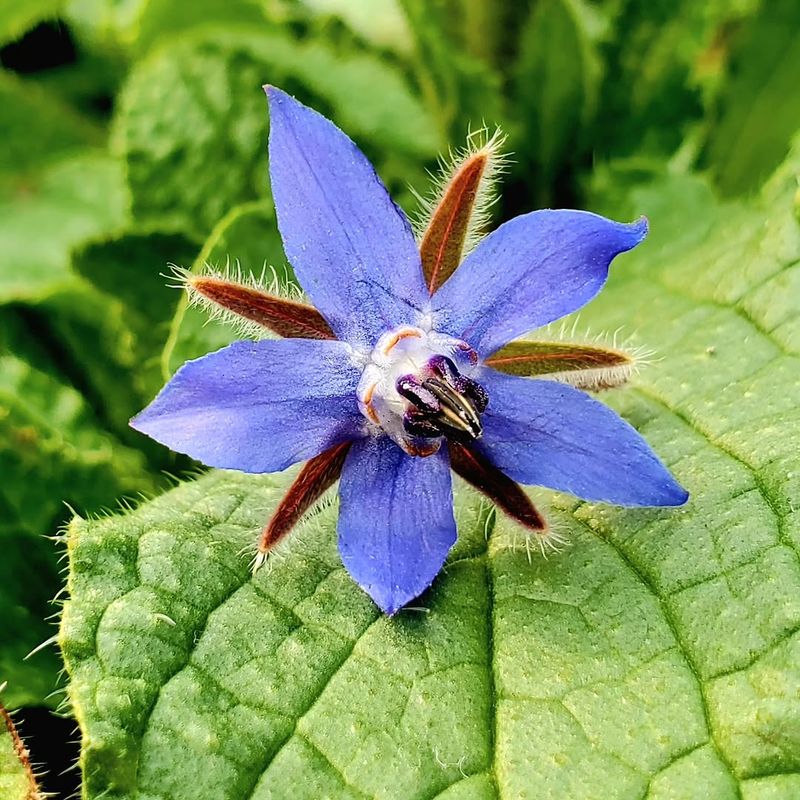
Blue flowers are genuinely rare in the vegetable garden, and borage delivers them in abundance. From late spring through the long Georgia summer, those small star-shaped blooms keep opening on arching stems that reach two to three feet tall.
Your Georgia Garden Changes Every Week. Your Plan Should Too.
Gardening in Georgia changes quickly throughout the season. Every Friday you’ll receive a simple weekly plan showing exactly what to plant, prune, fertilize, harvest, and protect so you never miss the right timing.
Few plants offer that kind of color for that length of time without demanding much in return.
Borage does not shut down when Georgia temperatures climb into the nineties. Where some cool-season flowers bolt and fade fast, borage keeps producing new buds even through the sticky heat of July and August.
The plant does appreciate some afternoon shade during the peak of summer, especially in the hotter parts of the state like Augusta or Columbus, where full sun all day can stress even heat-tolerant plants.
One thing worth knowing is that borage will occasionally produce white or pink blooms instead of blue, though blue is by far the most common. The color comes partly from the soil pH, which is something Georgia gardeners with slightly acidic red clay soils may notice affecting bloom tone.
Most of the time, though, you will get that clear, vivid blue that makes the plant easy to spot from across the yard.
Because the blooms keep coming in waves rather than all at once, the plant looks lively for months rather than peaking and fading quickly.
That extended color is one of the reasons borage fits so well into Georgia gardens, where a long growing season rewards plants that can keep up with the pace from spring planting through late summer harvest.
4. Growing Borage From Seed Is Simple And Fast
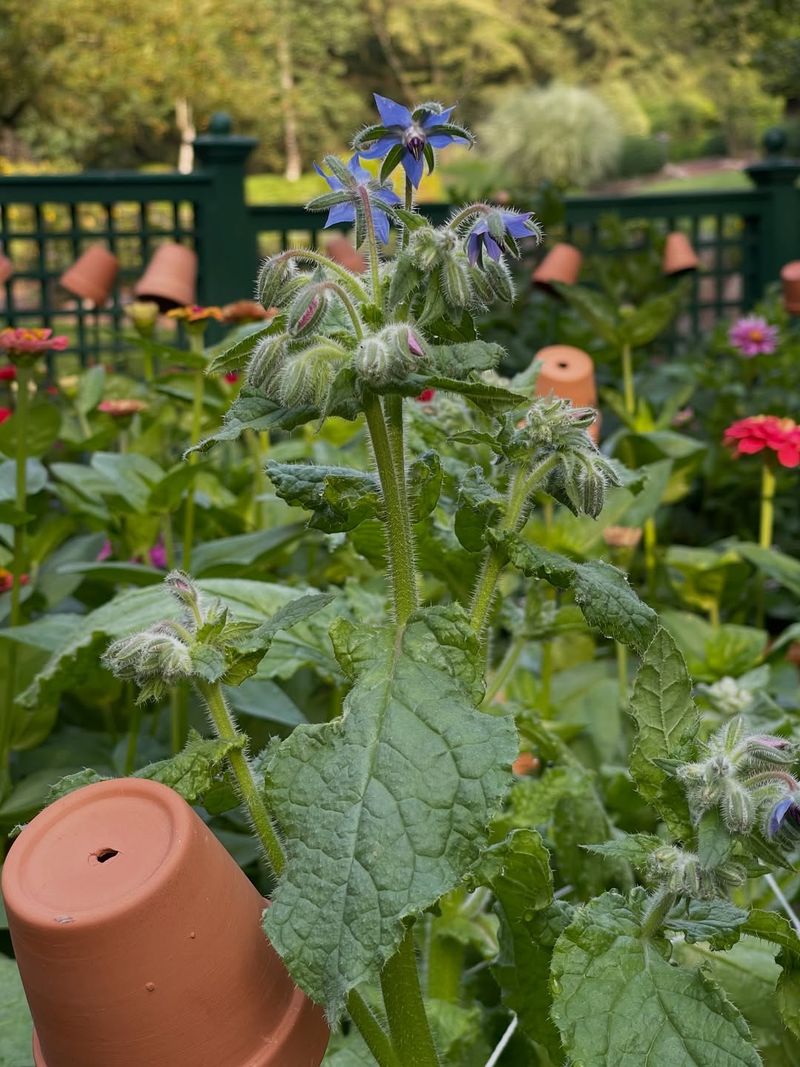
Some herbs take patience, careful coddling, and weeks of uncertainty before you see any sign of life. Borage is the opposite of all that.
Seeds germinate in about a week under normal conditions, and seedlings grow quickly once they get going, making it one of the most satisfying plants to start from scratch in a Georgia garden.
Direct sowing works best because borage develops a taproot early and does not love being transplanted once it gets established.
Press seeds about a quarter inch into the soil after your last frost date, which in most of Georgia falls between mid-March and early April depending on where you live.
Water gently and step back. The seeds do not need much help to get started.
Borage is not picky about soil quality, which is actually a real advantage in Georgia where red clay and sandy soils can make growing certain herbs frustrating. It prefers well-drained ground but tolerates average garden soil without complaint.
Adding a little compost at planting time helps, but it is not strictly necessary for a healthy plant.
5. Bees Are Constantly Drawn To Borage Plants
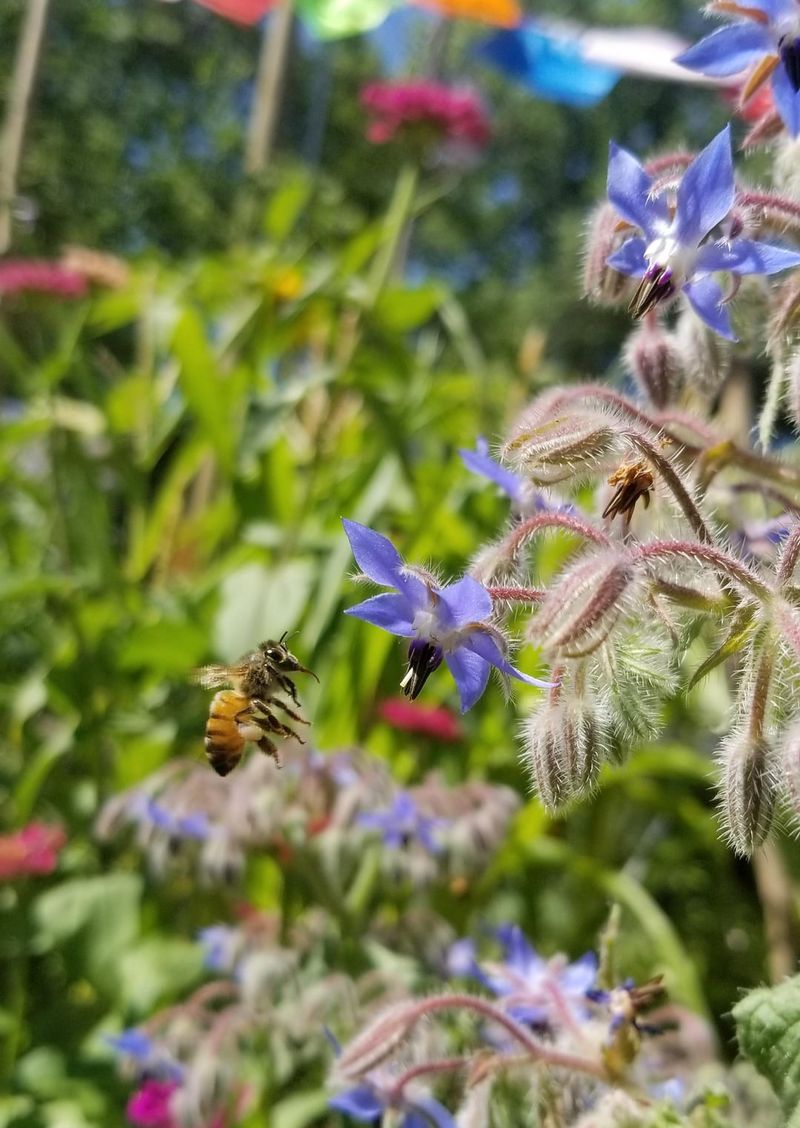
If you have ever wanted more bees in your garden without installing a hive, borage might be the most straightforward answer available.
In Georgia, where native bee populations support a significant portion of local food production, having a plant that attracts and holds bee attention matters. Bees that visit borage do not just stay on the borage.
They move through the entire garden, cross-pollinating tomatoes, peppers, beans, and squash as they travel from bloom to bloom. More bee activity across the whole bed often translates into better yields from fruiting vegetables.
Borage flowers have a slight downward droop that suits bees particularly well. The shape forces bees to hover or cling to the petals while feeding, which covers them in pollen more effectively than flat open flowers do.
That design detail is not coincidence. Borage and bees have a long shared history, and the plant seems almost purpose-built for them.
Georgia gardeners who grow borage near fruit trees during bloom season have also noticed increased bee traffic around the trees.
Placing borage strategically, near blueberry bushes, apple trees, or blackberry canes common in North Georgia, can support pollination across a wider area of your property than just the vegetable bed where the borage is planted.
6. Soil Benefits From Borage As Plants Break Down
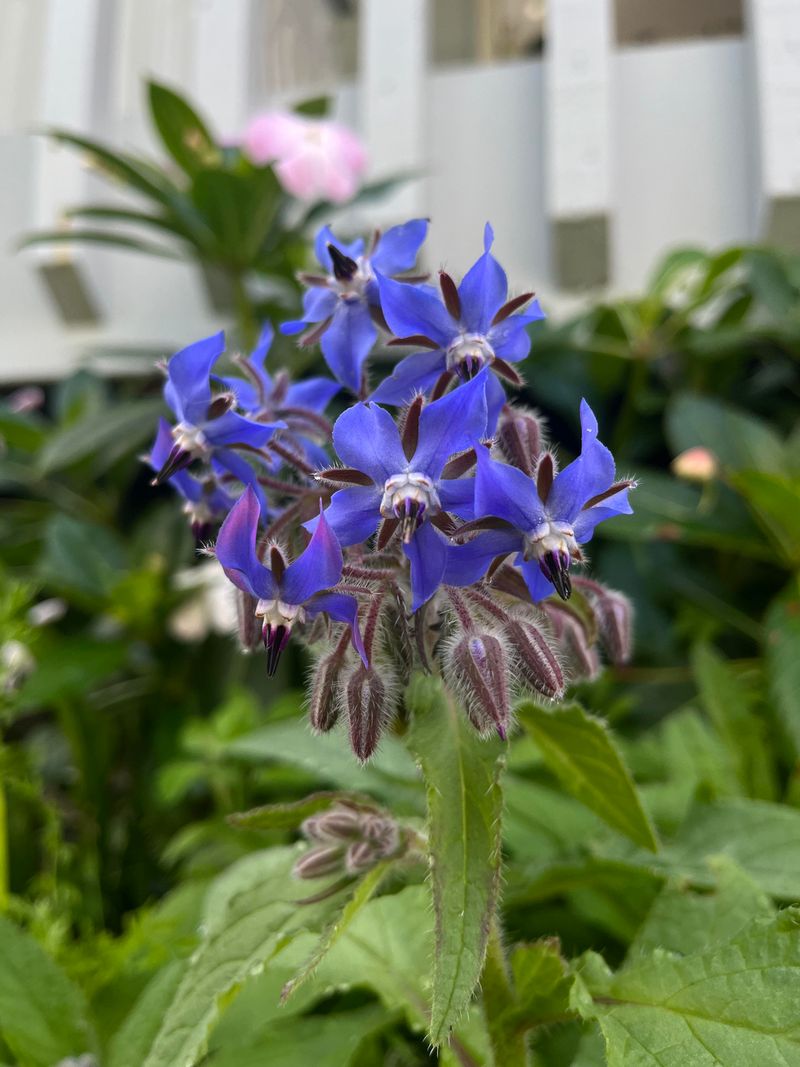
Not every plant gives back to the garden when its growing season ends. Borage does.
As the plant breaks down at the end of summer, it returns organic matter and trace minerals to the soil, including calcium and potassium, which are nutrients that vegetables pull out of the ground in significant amounts over a long Georgia growing season.
Gardeners who practice chop-and-drop composting will find borage particularly cooperative. The stems and leaves are soft enough to break down quickly when cut and left on the soil surface as mulch.
Compared to woody herbs that take months to decompose, borage disappears into the soil relatively fast, especially during the warm, humid conditions that Georgia falls are known for.
Borage also has deep roots that help loosen compacted soil over time. Georgia red clay can become hard and dense, especially in areas with heavy foot traffic or poor drainage.
A borage taproot pushing down through that clay creates small channels that improve water movement and aeration in the surrounding soil. Over multiple seasons, that effect can add up in noticeable ways.
7. Summer Vegetables Grow Well Alongside Borage
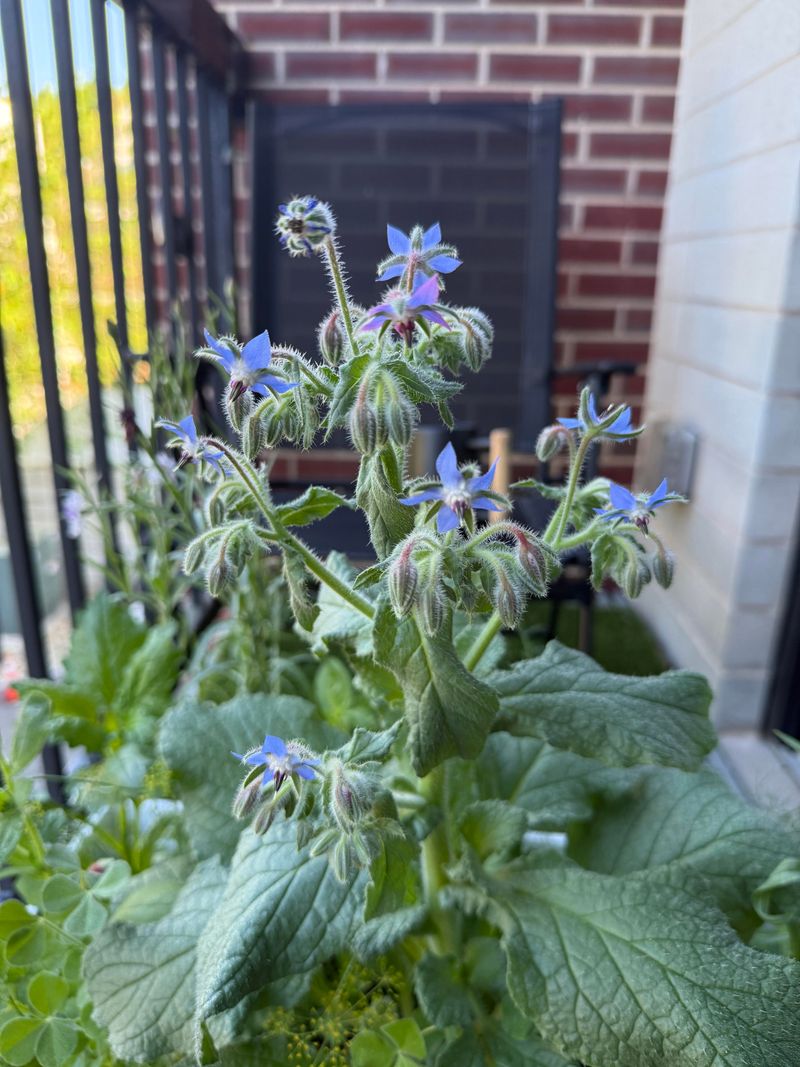
Companion planting gets talked about a lot in gardening circles, and the claims can range from solid science to pure garden folklore. Borage sits closer to the credible end of that spectrum.
Tomatoes, squash, and beans are among the vegetables most commonly planted with borage, and there are practical reasons why the combination works well in Georgia gardens.
Squash is a heavy feeder and a magnet for pests like squash bugs and cucumber beetles. Borage planted nearby attracts predatory insects, including ground beetles and parasitic wasps, that feed on or lay eggs in garden pests.
It does not eliminate pest pressure entirely, but it shifts the balance slightly toward the garden’s favor, which matters in a Georgia summer when pest populations can build fast in the heat.
Tomatoes benefit from the increased bee traffic that borage brings. Better pollination means fewer misshapen fruits and more consistent yields.
Gardeners across the Southeast have grown these two plants side by side for generations, and the combination remains one of the most recommended pairings in companion planting guides for good reason.