8 Ohio Perennials To Cut Back Before New Growth Gets Taller
In Central Ohio, the race against the clock begins the moment the ground thaws. Early March brings a critical window for garden maintenance that most homeowners overlook until it is too late.
While you might be tempted to wait for a warm afternoon in April, waiting actually creates a messy problem for your favorite landscape staples. Some specific perennials require a hard reset right now.
If you wait until the new green shoots mingle with last year’s brittle, brown debris, you face the tedious task of sniping around delicate new growth with surgical precision. Cutting these back to the base today clears the path for a clean, professional-looking emergence.
This simple late-winter chore prevents disease and ensures your garden looks intentional rather than overgrown. Grab your shears and tackle these eight varieties before they start their spring sprint.
1. Cut Back Bee Balm Before Fresh Shoots Stretch
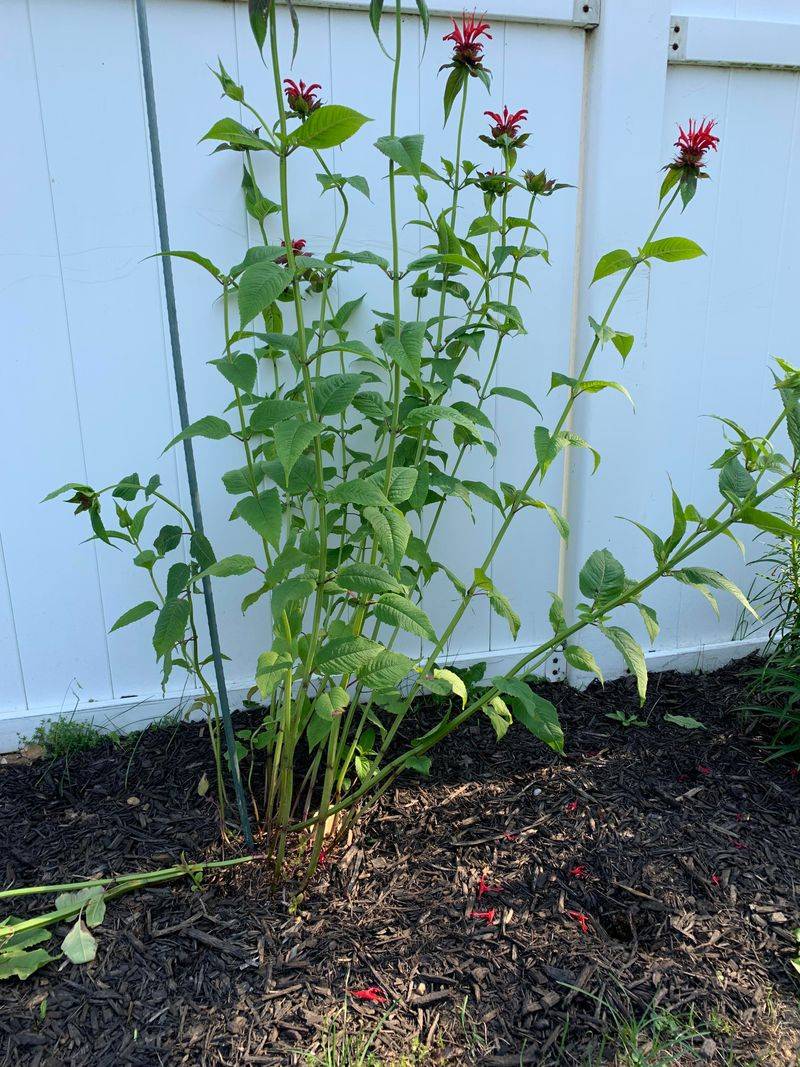
Few plants in an Ohio garden spread as eagerly as bee balm, and that enthusiasm starts underground well before you notice it above the soil. By late February or early March, new red or pink shoots are already pushing up from the roots, and once they start moving, they grow quickly.
Cutting back the old stems now, before those shoots stretch past two or three inches, keeps your pruning work clean and protects the fresh growth you want to encourage.
Last season’s stalks carry powdery mildew spores that overwinter right on the plant tissue. Leaving them standing gives that fungal disease a head start on infecting new foliage the moment humidity rises in late spring.
Removing the old growth entirely, cutting stems down to just above the soil line, breaks that cycle before it starts.
Use sharp bypass pruners or sturdy garden scissors and bag the cut material rather than composting it, since mildew spores can survive a compost pile. Cutting bee balm back hard in early spring also encourages fuller, bushier clumps rather than tall, leggy stems, which means better air circulation and stronger blooms for pollinators all summer long.
2. Trim Garden Phlox While Growth Is Still Low
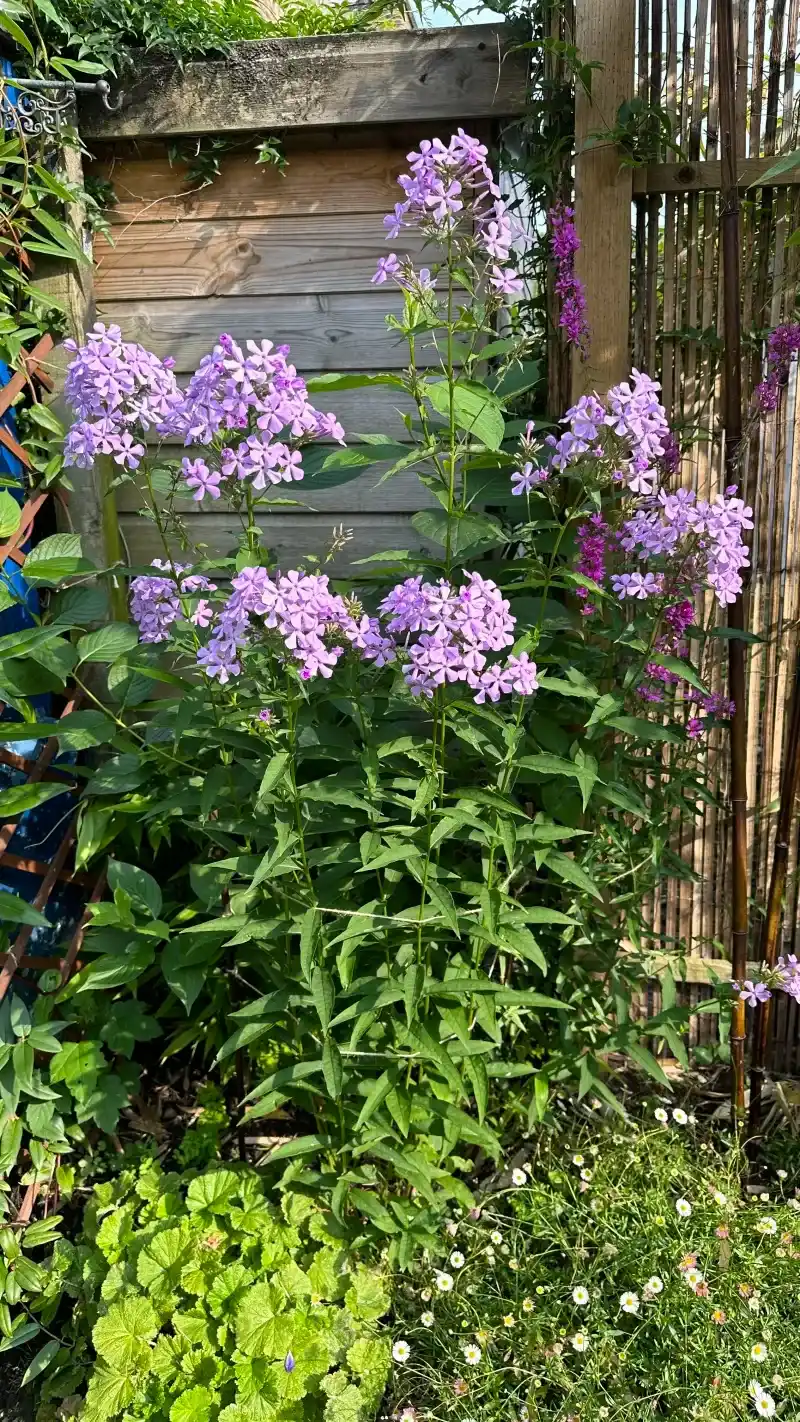
Garden phlox is one of the most rewarding summer perennials in Ohio, but it has a reputation for powdery mildew that can ruin an otherwise beautiful display. The good news is that early spring cleanup gives you real leverage against that problem before it starts.
When new phlox shoots are still short and low to the ground, usually in March across most of Ohio, that is the right moment to remove all of last year’s stems completely.
Cut old stalks down to just above soil level, being careful not to snap or crush the small green shoots clustered at the base. Those basal shoots are your new season’s growth, and they are more delicate than they look.
Clean cuts made with sharp pruners reduce the chance of introducing infection at the wound site.
Removing the old stems improves air movement through the plant as it grows, which is one of the most effective ways to reduce mildew pressure throughout the season. Bag the old debris and discard it rather than leaving it in the garden bed.
Your Ohio Garden Changes Every Week. Your Plan Should Too.
Gardening in Ohio changes quickly throughout the season. Every Friday you’ll receive a simple weekly plan showing exactly what to plant, prune, fertilize, harvest, and protect so you never miss the right timing.
Giving phlox room to breathe from the very beginning of the season pays off significantly by midsummer when the flower clusters open and pollinators arrive in numbers.
3. Shear Back Ornamental Grasses Before Blades Rise
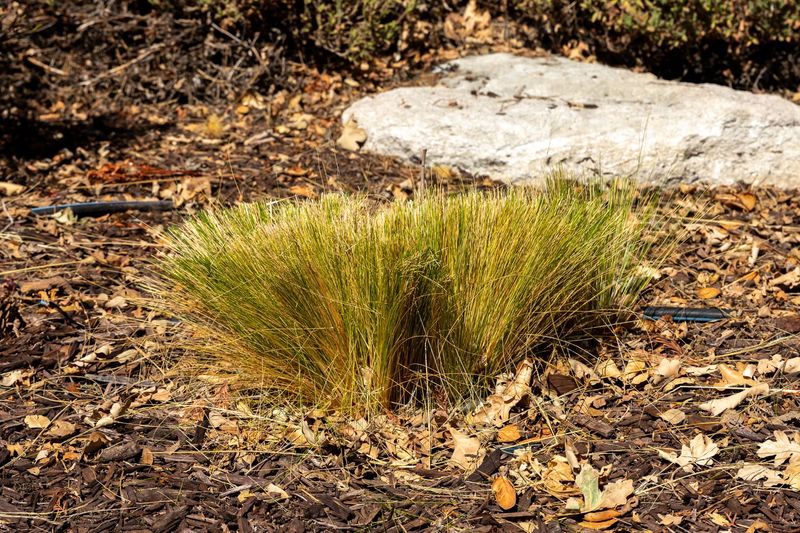
Walk past an ornamental grass clump in late winter and you might wonder if it is worth keeping. The old blades look tan, flattened, and ragged after months of Ohio wind and ice.
But underneath all that tired foliage, new growth is already forming at the crown, and that is exactly why timing matters so much with these plants.
Shearing grasses back before new blades rise more than an inch or two is critical. If you wait until green growth is several inches tall and woven throughout the old foliage, cutting becomes difficult and you risk slicing off the very tips you want to preserve.
Most Ohio gardeners find late February to mid-March works well depending on the winter’s exit, though some years March stretches cold enough to give you extra time.
Cut clumps down to four to six inches above the ground using hedge shears, electric shears, or even a reciprocating saw for large established clumps. Wear gloves and long sleeves since dried grass blades have surprisingly sharp edges.
Bundle the cut material with twine before shearing to make cleanup easier. Once the old growth is cleared away, the new blades emerge cleanly and the plant looks refreshed and intentional rather than neglected throughout the growing season.
4. Prune Sedum Before Rosettes Push Up
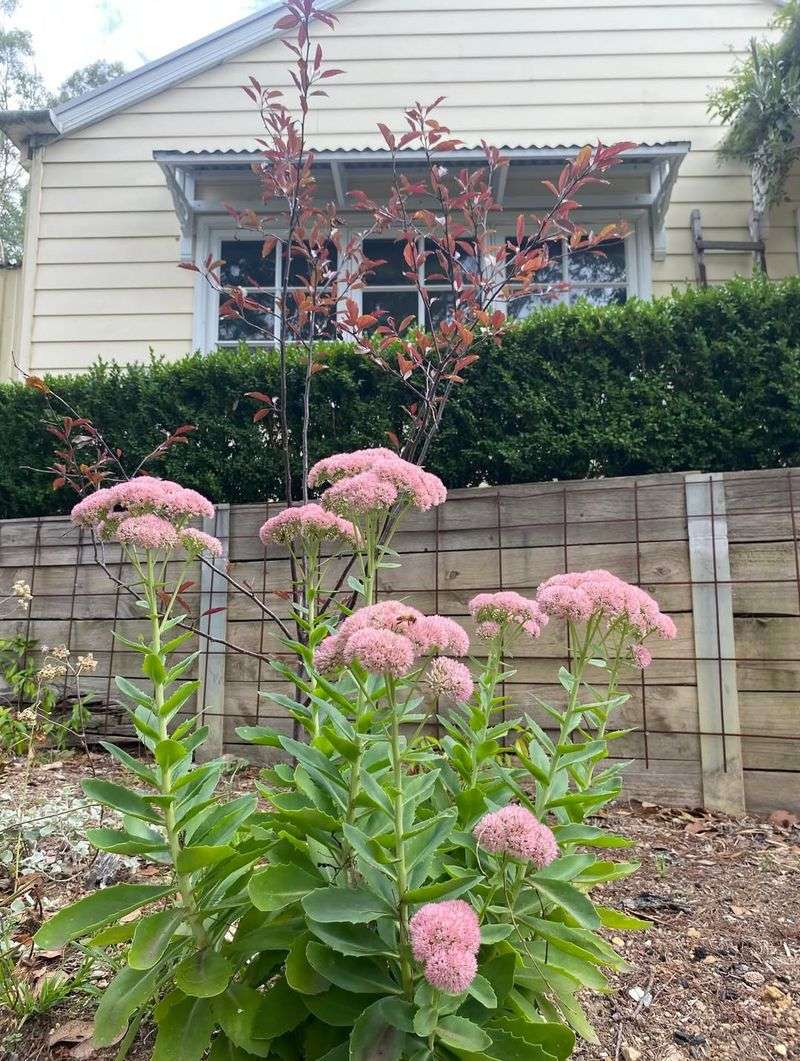
Tall sedum varieties like Autumn Joy are workhorses in Ohio perennial beds, providing structure and late-season color right through frost. By the time early spring arrives, those sturdy old stems are brittle, faded, and ready to come down.
The trick is getting to them before the new rosettes at the base push up far enough to get in the way of your pruning cuts.
Watch for the small, tightly packed green rosettes that form right at the crown of the plant as soil temperatures begin to rise. Once they are visible but still compact and low, usually in early to mid-March across central and northern Ohio, go ahead and remove the old stems.
Cut them off close to the base, leaving the fresh rosettes fully intact. Bypass pruners work well for this job since sedum stems, though dried, can be thicker than expected on mature plants.
Sedum does not need to be cut back to ground level the way some perennials do. Leaving an inch or two of old stem above the crown is fine and actually helps protect the emerging growth on cold nights that still roll through Ohio in March.
Clear away the cut debris and your sedum bed will look tidy and purposeful heading into the growing season.
5. Tidy Daylilies Before New Fans Get Taller
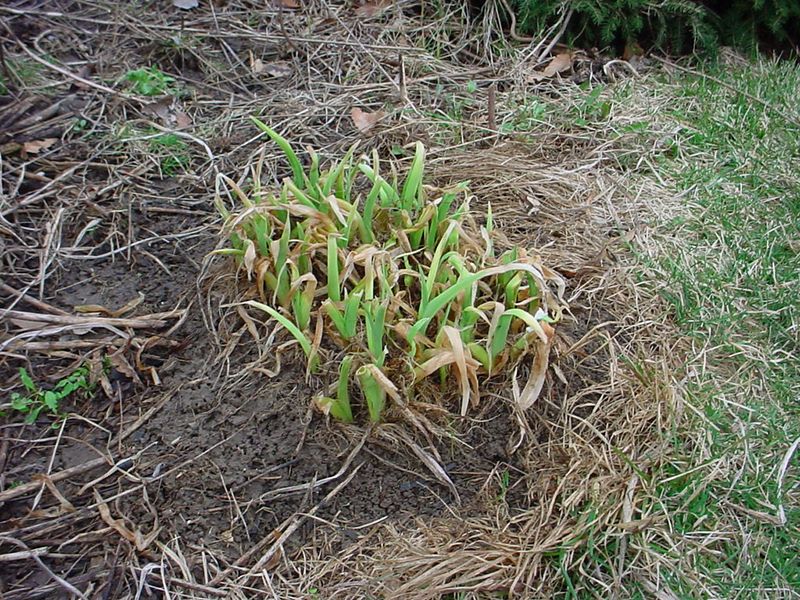
Daylilies are among the toughest plants in the Ohio garden, and they ask for very little in return for months of summer color. But come early spring, those crowded clumps of old, tattered foliage left from the previous season need to go before the new fans get rolling.
Left in place, the old leaves mat down over the crown and create exactly the kind of cool, moist hiding spot that slugs love.
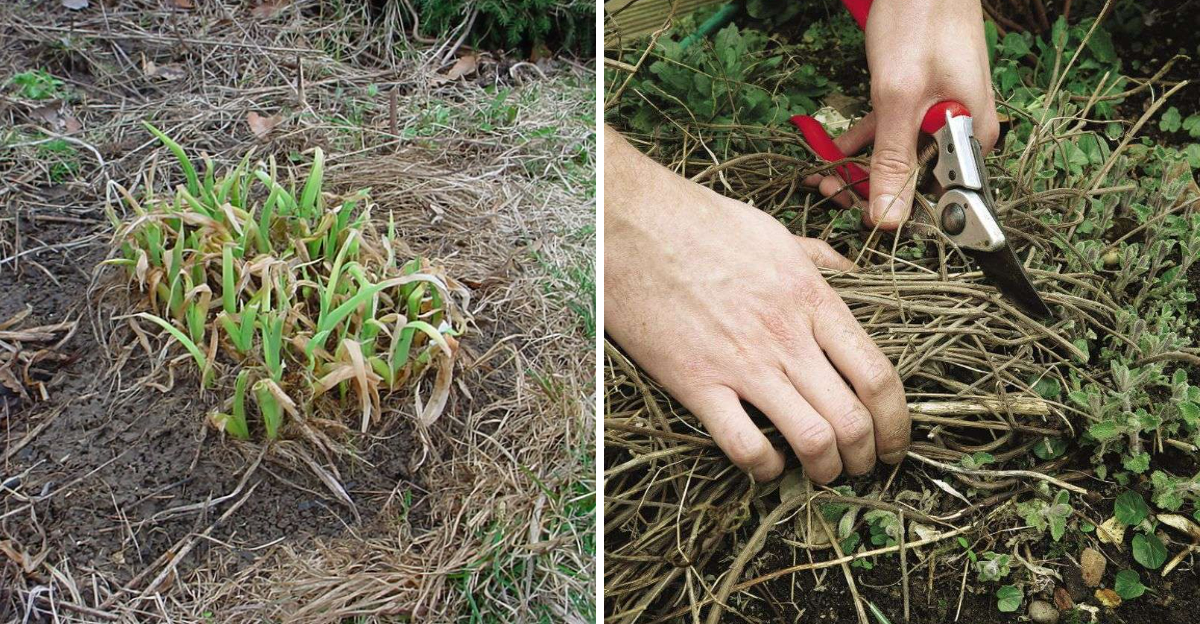
Pull away as much of the old foliage by hand as you can, since a lot of it separates easily from the crown once it is fully dried. Use pruners or scissors to cut back anything that does not pull free cleanly, trimming close to the base without cutting into the crown itself.
The goal is to expose the soil around the plant so sunlight can warm it and the new fans can emerge without obstruction.
In most of Ohio, this work fits neatly into March, before the bright green fans really hit their stride. Daylily fans grow fast once temperatures settle, so checking on them every week or so in late February and early March keeps you ahead of the curve.
A light top-dressing of compost after cleanup gives the emerging growth a nutritional boost right when it needs one most.
6. Reduce Catmint Early For A Fuller Shape
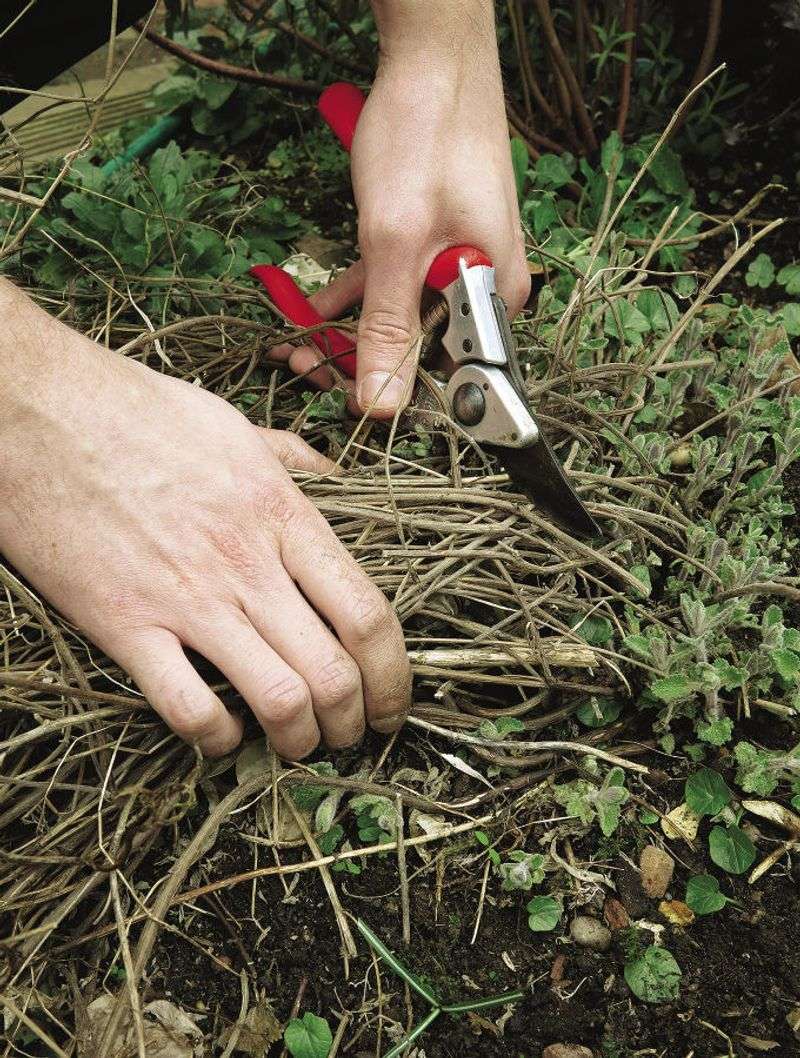
Catmint has a sprawling, relaxed habit that gardeners either love immediately or learn to love over time. By the end of an Ohio winter, though, those sprawling stems look anything but charming.
They are woody, gray, and flopped in every direction. Cutting them back early, before the new soft growth along the stems gets more than an inch or two long, resets the plant and sets it up for a much more compact and floriferous season ahead.
Reduce the plant by cutting stems back to about three to four inches above the ground, or just above where you see the lowest clusters of small new leaves forming. Avoid cutting into bare wood with no green growth at all, since catmint recovers best when there is at least some leaf activity to fuel regrowth.
Sharp bypass pruners make this job quick and clean.
Early pruning of catmint encourages the plant to branch out from low on the stem rather than continuing to grow from the tips of last year’s long, floppy canes. The result is a denser, more rounded mound by the time the lavender-blue flowers open in late spring and early summer.
Bees in Ohio absolutely swarm catmint when it blooms, so getting the plant into the best possible shape early is a gift to your local pollinator community as well.
7. Clean Up Hostas Before Leaves Unfurl
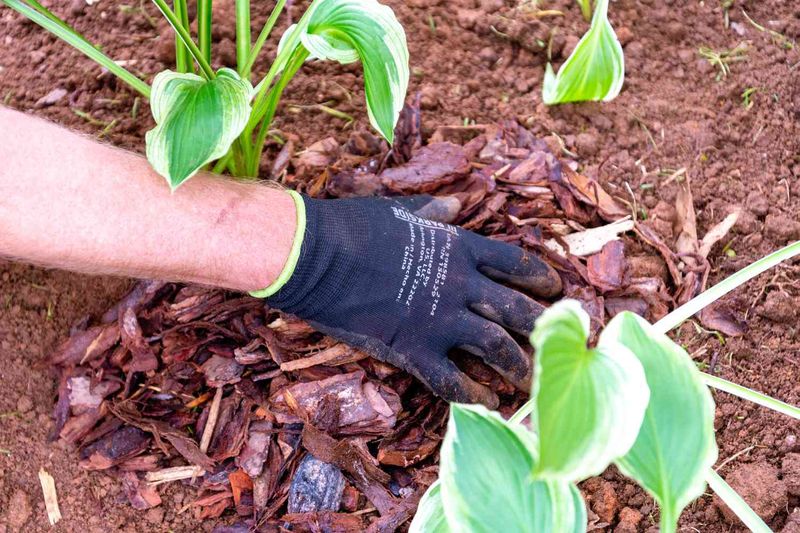
Hostas are among the most forgiving perennials in the Ohio shade garden, but their spring cleanup is genuinely time-sensitive in a way that catches some gardeners off guard. The old foliage from last season, which typically collapses into a soggy brown mat after the first hard freeze, needs to be cleared away before the new shoots unfurl.
Once those pointed, tightly rolled leaves begin to open and expand, working around them without causing damage gets tricky fast.
Pull the old leaves away by hand if possible, since they usually separate from the crown without much resistance after a full winter. Any stubborn remnants can be cut away with pruners held close to the soil.
The goal is a clean crown with nothing blocking the new shoots from emerging freely into the light.
Leaving old hosta foliage in place creates a prime habitat for slugs, which are a persistent pest in Ohio gardens, particularly in wet springs. Removing that shelter early reduces slug pressure before populations build up.
Sprinkling a thin layer of fresh compost around the crown after cleanup feeds the soil as the plant grows. Hostas reward this small investment of early attention by producing lush, full foliage that holds up beautifully all the way through Ohio’s humid summer months.
8. Cut Down Black Eyed Susans Before Stems Elongate

Black-eyed Susans are a staple of Ohio summer gardens, and they earn their place every year with bold yellow flowers that bloom for weeks. But by late winter, last season’s stalks are dark, hollow, and ready to be removed.
The key timing detail most gardeners miss is that new basal growth, the low rosette of leaves that forms at the base of the plant, begins emerging earlier than many people expect.
Once that basal rosette starts to spread outward and upward, it becomes much harder to cut the old stalks without stepping on or crushing the new growth clustered around them. Getting out in late February to mid-March, depending on where in Ohio you garden, and removing the old stems while the basal growth is still tight and low keeps the process clean and damage-free.
Cut old stalks down to about two to three inches above the soil, or lower if the basal rosette is still very compact. Use bypass pruners rather than hedge shears for better control around the emerging foliage.
Note that black-eyed Susans self-seed readily, so clearing away old stalks can also help you manage where new seedlings appear. Leave a few seed heads standing through winter if birds are visiting, then cut the rest before growth accelerates in spring.