7 Plants That Repel Mosquitoes Naturally In Texas Gardens
Summer evenings in Texas are perfect for relaxing outside, but there’s one pesky problem that can ruin the fun – mosquitoes. Luckily, you don’t need harsh chemicals to keep these buzzing intruders at bay.
There are plenty of natural, fragrant plants that not only add beauty to your garden but also work wonders in deterring mosquitoes.
Some of these plants release essential oils or scents that mosquitoes find unpleasant, creating a natural, fragrant barrier. Whether you’re looking to create a cozy outdoor lounge or just want to enjoy a peaceful night on your porch, these plants have your back.
Plus, many of them are low-maintenance, thrive in Texas’ warm climate, and can even be used in cooking or for aromatherapy.
By incorporating mosquito-repelling plants into your Texas garden, you’ll not only enjoy a more pleasant outdoor experience but also make your space more vibrant and functional all year long.
1. Lemon Balm (Melissa Officinalis)
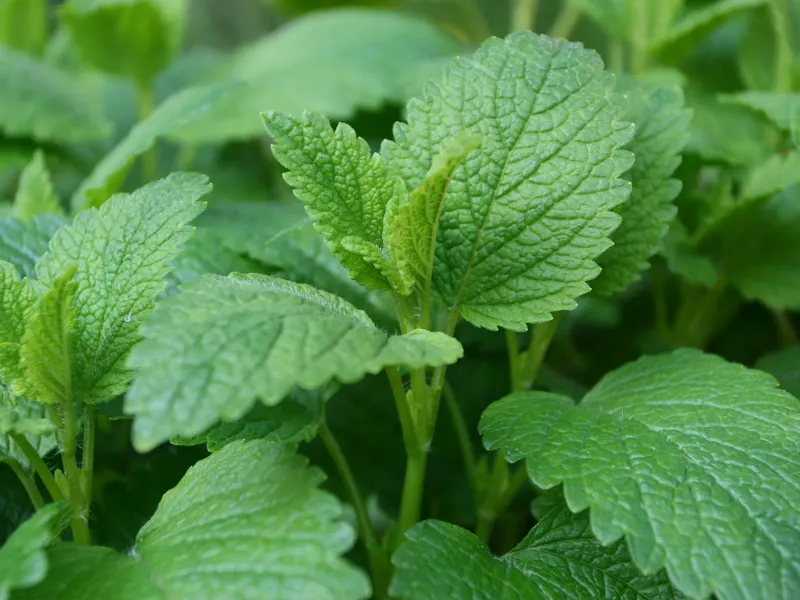
If you have ever brushed against a plant and suddenly smelled fresh lemon, you might have just touched lemon balm. This cheerful herb is part of the mint family, and it is one of the easiest plants you can grow in a Texas garden.
Its secret weapon against mosquitoes is a natural compound called citronellal. That is the same ingredient found in many commercial bug repellents.
When the leaves are crushed or rubbed, they release a strong citrus scent that mosquitoes absolutely cannot stand.
Growing lemon balm in Texas is surprisingly simple. It thrives in full sun to partial shade, which makes it flexible enough to fit almost any spot in your yard.
The plant spreads quickly, so it is a good idea to plant it in a container if you do not want it taking over your garden beds. Texas heat can be intense, but lemon balm handles warm temperatures well as long as it gets regular watering during dry spells.
One of the best bonuses of growing lemon balm is that you can actually use the leaves. They make a wonderfully soothing herbal tea that many people enjoy before bed.
You can also add fresh leaves to lemonade or fruit salads for a bright, citrusy twist. Place a few pots near your patio or outdoor seating area in Texas to create a natural mosquito barrier while also having fresh herbs right at your fingertips. It is a win all around.
2. Citronella Grass (Cymbopogon Nardus)
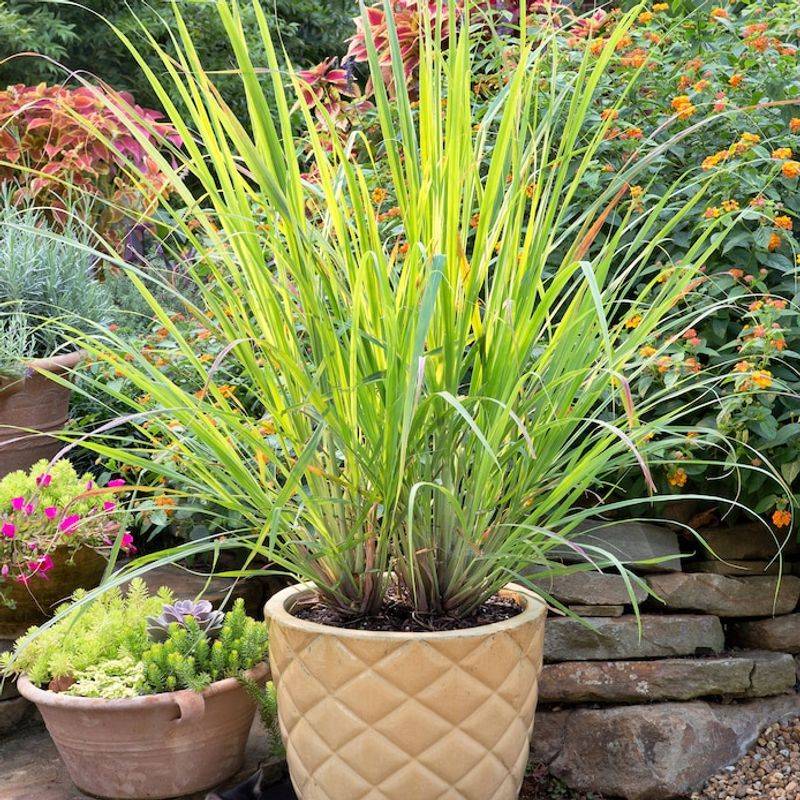
Walk into any garden center in Texas and you will almost certainly spot citronella grass near the pest-control section. That is no accident.
This tall, tropical grass has earned a serious reputation as one of the most powerful natural mosquito repellents around. Its strong citrus scent comes from two key compounds: citronellal and geraniol.
These natural chemicals confuse mosquitoes and interfere with their ability to find a host, which means fewer bugs buzzing around your head during evening cookouts.
Citronella grass loves sunny spots, and Texas has plenty of those. It prefers well-drained soil and does best when planted in a location that gets at least six hours of direct sunlight each day.
Your Texas Garden Changes Every Week. Your Plan Should Too.
Gardening in Texas changes quickly throughout the season. Every Friday you’ll receive a simple weekly plan showing exactly what to plant, prune, fertilize, harvest, and protect so you never miss the right timing.
In cooler parts of Texas, it can be grown in large containers and brought indoors during cold snaps. In warmer southern regions of the state, it may survive year-round outdoors with minimal care.
The plant can grow quite tall, sometimes reaching six feet or more, so give it plenty of room.
You have probably noticed that citronella is used in candles, sprays, and lotions sold at outdoor stores. Growing the actual plant is even more effective because the scent is constant and completely natural.
Place it near your patio, garden entrance, or walkway for the best results. Did you know that many commercial mosquito repellent products list citronella as their main active ingredient?
Having the real plant growing right in your Texas garden is the freshest version of that protection you can get.
3. Marigolds (Tagetes Spp.)
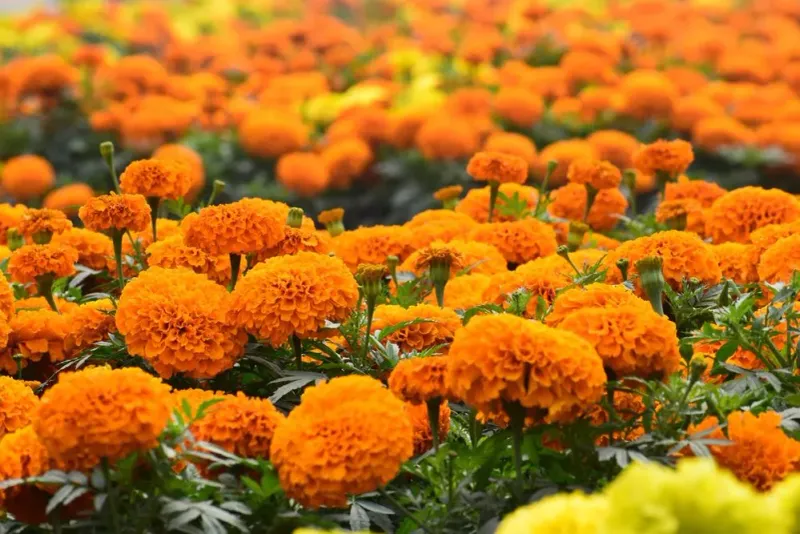
Marigolds are one of those plants that look too pretty to be doing any serious work, but do not let those cheerful orange and yellow blooms fool you. These flowers are hardworking defenders of your Texas garden.
They contain a natural compound called pyrethrum, which is used in many commercial insect repellents.
Mosquitoes, aphids, whiteflies, and a range of other garden pests want nothing to do with marigolds. Simply having them nearby is enough to send bugs looking elsewhere.
One of the best things about growing marigolds in Texas is how easy they are. They thrive in full sun and bloom all summer long, which is perfect for the long, hot Texas growing season.
Plant them in garden beds, along borders, or in containers near your porch or outdoor dining area.
They are low-maintenance and do not require much water once they are established. Even beginner gardeners find marigolds to be reliable and rewarding to grow.
Beyond repelling mosquitoes, marigolds bring serious visual appeal to any outdoor space. Their bold colors brighten up garden beds and attract butterflies and bees, which are beneficial for pollination.
Try planting them alongside vegetables in your Texas garden, because they also protect your food crops from harmful insects. A fun fact worth sharing: marigolds have been used in gardens as natural pest deterrents for centuries, long before chemical pesticides were ever invented.
They are a time-tested, beautiful, and completely natural solution for a more enjoyable Texas garden experience.
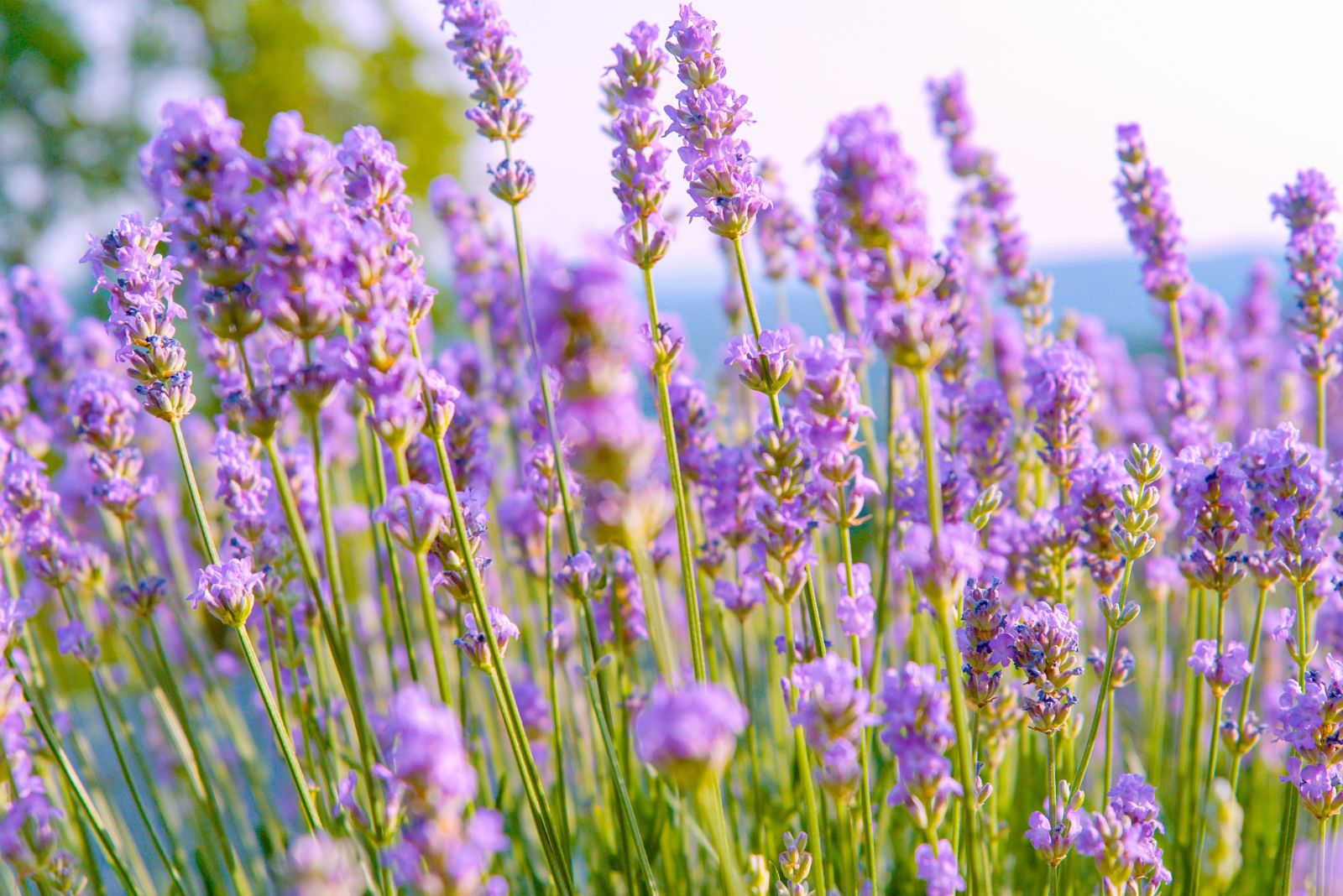
4. Lavender (Lavandula Spp.)
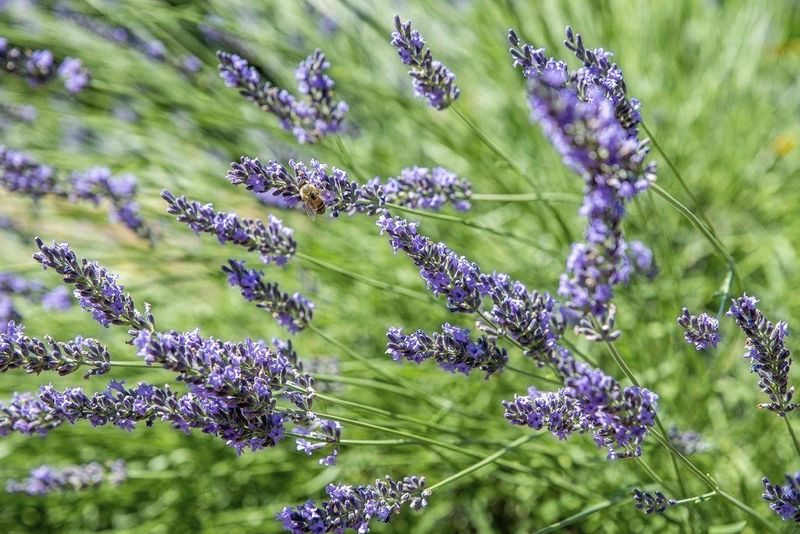
There is something almost magical about lavender. The moment you catch a whiff of its soft, floral scent, it feels instantly calming.
But while humans love the smell of lavender, mosquitoes feel the complete opposite. The essential oils in lavender, particularly linalool and linalyl acetate, are natural deterrents that make mosquitoes want to stay far away.
Planting lavender around your Texas garden creates a fragrant barrier that works around the clock without any effort from you.
Lavender is a fantastic choice for Texas gardens because it is drought-tolerant once established. It thrives in full sun and well-drained soil, which suits the dry, sunny conditions found across much of the state.
In areas like central and west Texas, where summers are long and rainfall is limited, lavender holds up beautifully. It does not like soggy roots, so avoid planting it in areas that collect standing water.
Sandy or rocky soil actually works well for this plant, which is great news for many Texas gardeners.
Beyond keeping mosquitoes away, lavender is a favorite of bees, butterflies, and hummingbirds. Adding it to your garden means supporting local pollinators while also creating a beautiful, fragrant landscape.
The flowers can be cut and dried for use in sachets, homemade soaps, or even baked goods. Place lavender near your outdoor seating area or along pathways to enjoy its calming aroma every time you step outside.
In Texas, where outdoor living is a way of life, lavender is a plant that truly earns its spot in the garden.
5. Basil (Ocimum Basilicum)
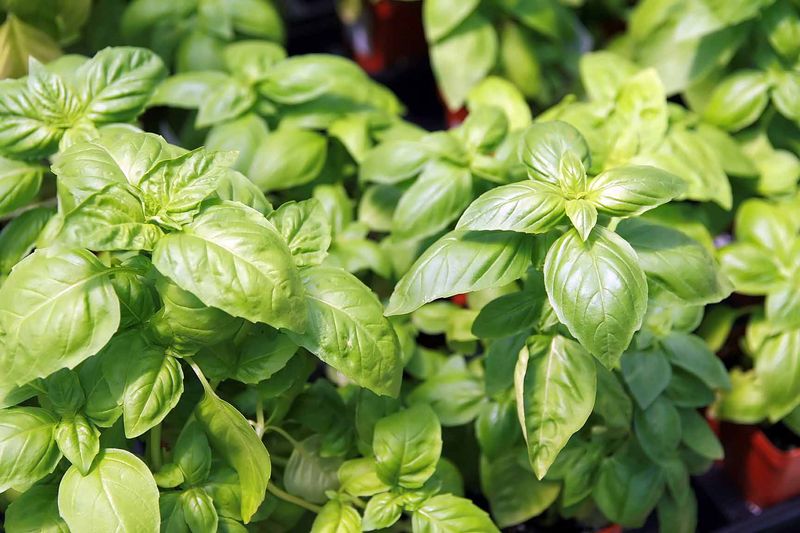
Basil might be best known as a kitchen staple, but this flavorful herb has a surprising talent for keeping mosquitoes away. Unlike many other plants on this list, basil does not need to be crushed or rubbed to release its mosquito-repelling properties.
The plant naturally emits oils into the surrounding air, including eugenol, which mosquitoes and flies find highly unappealing. Simply having basil growing nearby is enough to make a noticeable difference in your outdoor space.
In Texas, basil grows best during the warm months, which conveniently line up with peak mosquito season. It loves full sun and does well in both garden beds and containers.
Potted basil is especially practical because you can move it around your patio or place it near windows and doorways to block insects from coming inside.
Keep the soil consistently moist but not waterlogged, and pinch off any flower buds that appear to encourage the plant to keep producing lush, fragrant leaves throughout the season.
The bonus of growing basil in your Texas garden is obvious to anyone who loves to cook. Fresh basil is a game-changer in pasta dishes, pizzas, salads, and homemade pesto.
You get a natural pest deterrent and a fresh culinary ingredient all in one plant. Try growing several varieties, such as sweet basil, Thai basil, or lemon basil, each with its own unique scent and flavor.
Not only will your garden smell wonderful, but your meals will taste even better knowing the ingredients came straight from your own Texas backyard.
6. Peppermint (Mentha X Piperita)
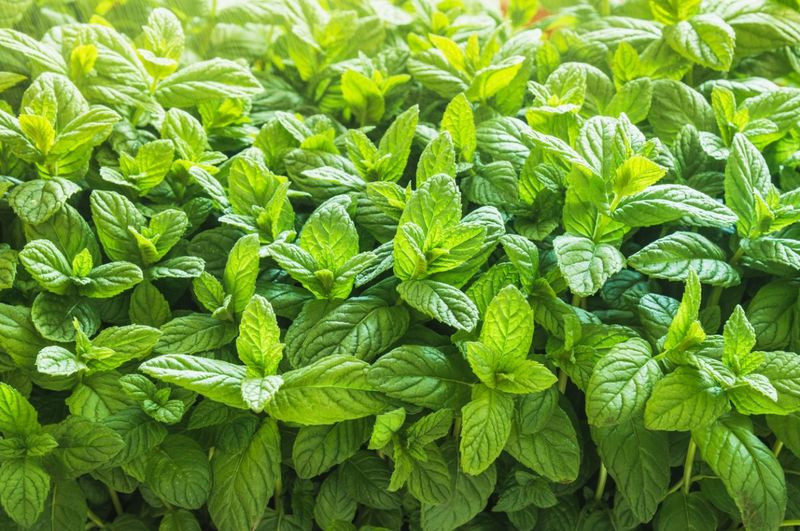
Cool, refreshing, and surprisingly tough, peppermint is one plant that mosquitoes genuinely want to avoid. The secret is menthol, the same compound that gives peppermint its familiar cooling sensation.
Mosquitoes find the strong scent of menthol overwhelming and unappealing, which makes peppermint a natural and effective addition to any Texas garden. The best part?
You barely have to do anything. Just having the plant growing nearby is enough to help keep those buzzing pests at a distance.
Peppermint grows quickly and spreads aggressively, so planting it in containers is usually the smartest move for Texas gardeners. It does well in full sun or partial shade, which gives you flexibility in where you place it around your yard.
Regular watering helps it stay lush and productive, especially during the intense heat of a Texas summer. Trim it back regularly to keep it manageable and to encourage fresh, new growth that is even more fragrant.
If you want an extra boost of protection, try crushing a few leaves and rubbing them on your skin before heading outside. The concentrated menthol oil acts as a short-term natural repellent directly on your body.
You can also extract the oil from peppermint leaves to create a homemade spray for even more potent coverage. Beyond pest control, peppermint is a wonderfully useful herb in the kitchen.
Add fresh leaves to water, smoothies, or desserts for a bright, refreshing flavor. Growing peppermint in your Texas garden means having a fragrant, hardworking plant that delivers far more than just mosquito protection.
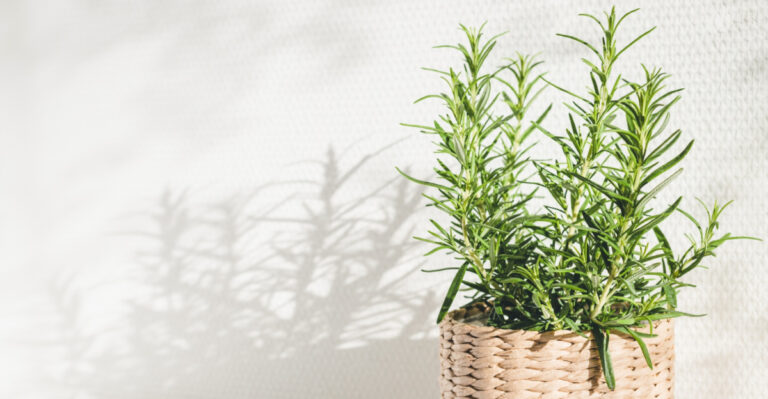
7. Rosemary (Rosmarinus Officinalis)
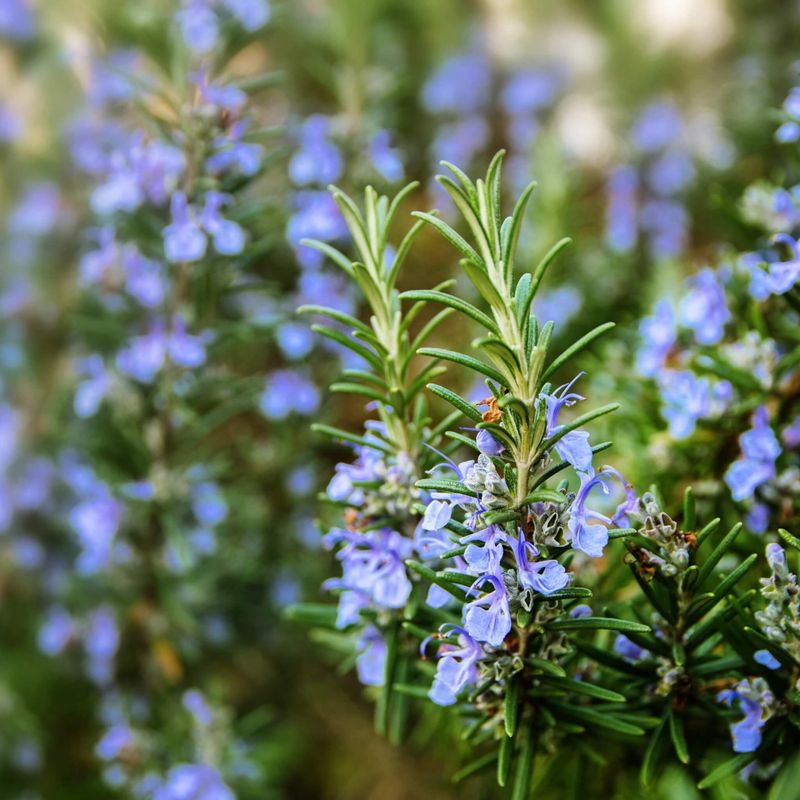
Tough, fragrant, and incredibly useful, rosemary is one of the best plants you can add to a Texas garden. This woody herb produces a strong, piney aroma that mosquitoes and many other flying insects find deeply unpleasant.
The scent comes from natural compounds in the plant’s essential oils, which are constantly released into the air around it. That means rosemary works as a passive mosquito repellent all day long, without any extra effort on your part.
Texas is actually an ideal place to grow rosemary. It thrives in full sun and dry, well-drained soil, which describes much of the Texas landscape perfectly.
Once established, rosemary is extremely drought-tolerant and can handle the intense summer heat that other plants struggle with. You can grow it directly in the ground as a shrub or low hedge, or keep it in containers on your porch or deck.
It is one of the most low-maintenance plants you will find, making it perfect for busy Texas homeowners who want a beautiful and functional garden without a lot of upkeep.
Rosemary also doubles as an outstanding culinary herb. It adds deep, savory flavor to roasted meats, potatoes, breads, and marinades.
Having it growing just steps from your kitchen door is incredibly convenient. Try placing rosemary plants along garden pathways or near outdoor seating areas in your Texas yard to maximize their mosquito-repelling effect.
As a bonus, rosemary is a long-lived perennial that will come back year after year, providing reliable protection and fresh flavor season after season.