Prune These Trees Before Spring Fully Arrives In Pennsylvania
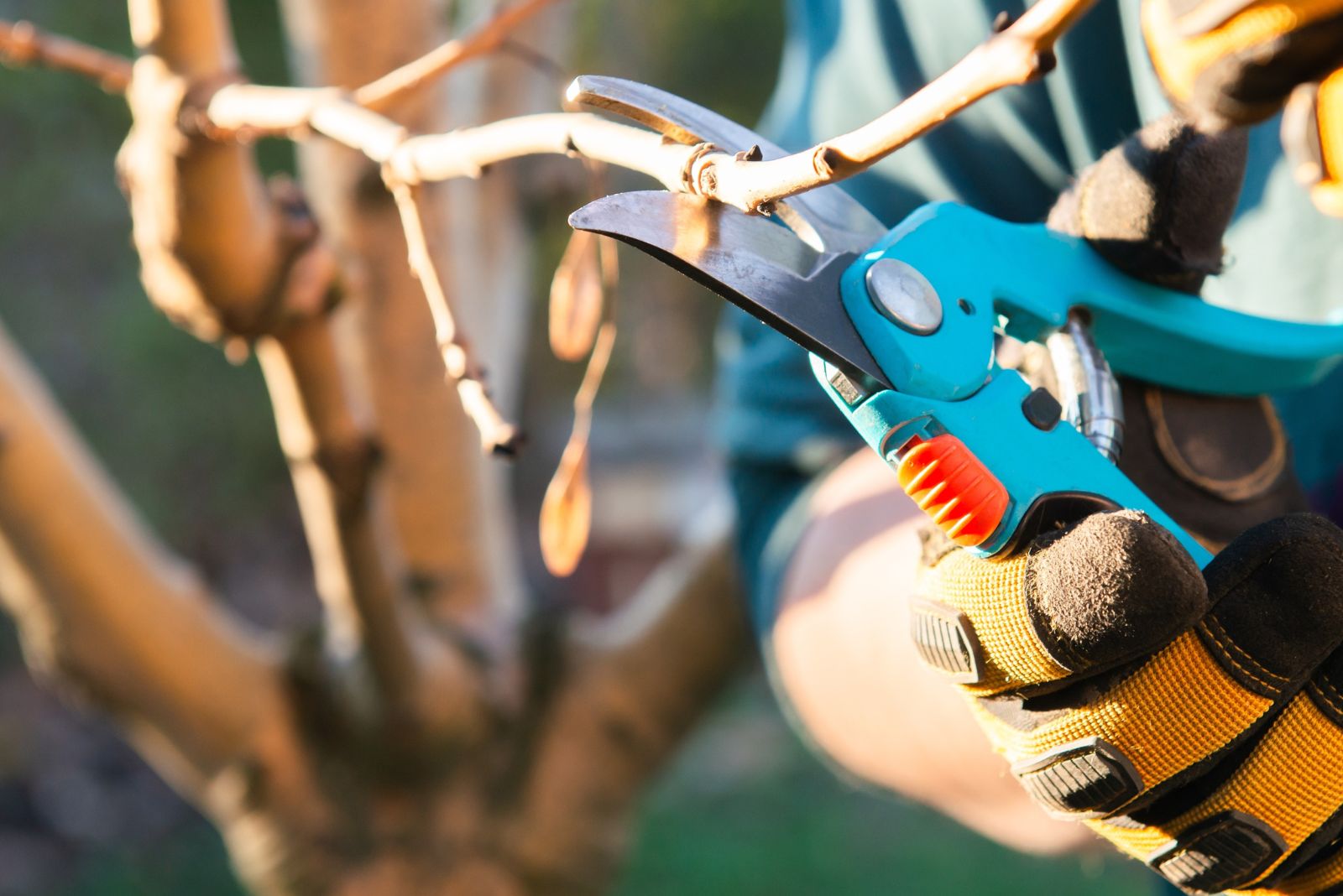
Late winter in Pennsylvania brings a short but valuable window for tree care. While the landscape may still look quiet, many trees are just about ready to wake up for the growing season.
Taking a little time to prune now can make a noticeable difference in how they grow, bloom, and stay healthy throughout the year.
When trees are still mostly dormant, it is easier to see their structure. Bare branches reveal crowded spots, damaged limbs, and areas where growth needs a little guidance.
A careful trim helps shape the tree, improves air circulation, and removes weak wood before new leaves appear.
This simple task also helps trees direct their energy into stronger branches and healthier growth once spring fully arrives.
With the right timing and a few smart cuts, your trees can look better, grow stronger, and stay more resilient through Pennsylvania’s changing seasons.
1. Apple Trees (Malus Domestica)
Few things are more satisfying than biting into a homegrown apple from your own backyard. But getting that kind of harvest takes a little work, and pruning is one of the most important steps.
Apple trees in Pennsylvania benefit greatly from a good trim in late February to early March, right before the buds start to swell.
When you prune an apple tree during this window, you help the tree put its energy into producing fruit rather than feeding too many branches. Start by removing any branches that look dry, damaged, or diseased.
Then look for branches that cross each other or grow toward the center of the tree. Those should come out too, because they block sunlight and reduce airflow.
Good air circulation is key for apple trees. When air can move freely through the canopy, fungal diseases like apple scab have a harder time taking hold.
Pennsylvania summers can be humid, so giving your tree room to breathe in spring sets it up for success through the warmer months.
Try to make your cuts at a slight angle, just above a healthy bud or branch collar. This helps water run off the cut and keeps it from sitting and causing rot.
Sharp, clean tools are a must. Dull blades can tear the bark and leave the tree more open to infection.
Pruning an apple tree does not have to be complicated. Even removing a few bad branches each year makes a real difference.
Pennsylvania growers who stay consistent with late-winter pruning tend to see healthier trees and better harvests season after season.
2. Maple Trees (Acer Spp.)
Maple trees are one of the most common trees found across Pennsylvania, and they are absolutely beautiful in fall. But here is something many homeowners do not know: maples need to be pruned at just the right time or they will bleed sap heavily.
That sap loss will not seriously harm a healthy tree, but it can be messy and stressful to watch.
The best time to prune maples in Pennsylvania is late winter, ideally before mid-March. When the tree is still dormant and temperatures are consistently below freezing at night, sap flow is minimal.
Your Pennsylvania Garden Changes Every Week. Your Plan Should Too.
Gardening in Pennsylvania changes quickly throughout the season. Every Friday you’ll receive a simple weekly plan showing exactly what to plant, prune, fertilize, harvest, and protect so you never miss the right timing.
Once warmer days arrive and the sap starts running, any cuts you make will ooze quite a bit. Getting in early avoids that problem altogether.
Start by looking for any branches that are rubbing against each other. Friction between branches can create wounds that invite pests and fungal problems.
Remove the weaker of the two rubbing branches. Also, look for any branches growing straight down or directly toward the trunk, as these rarely develop well.
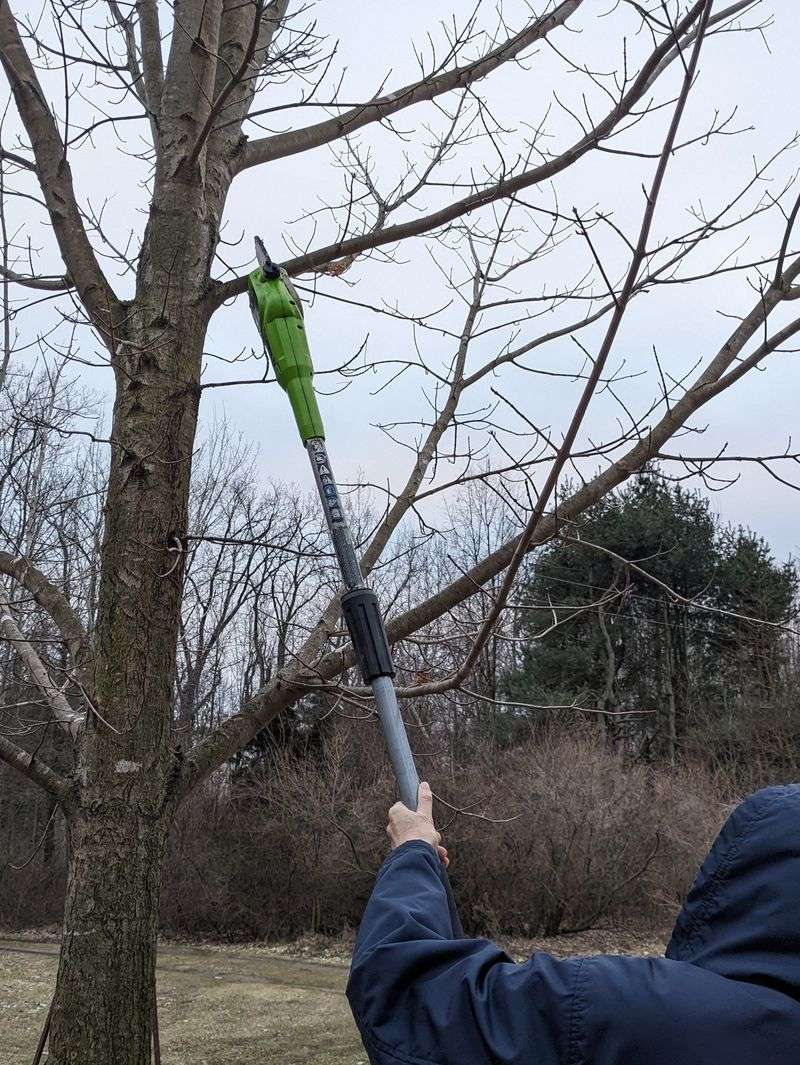
For large maple trees, you may want to call in a certified arborist, especially if branches are near power lines or overhanging your roof. Safety always comes first.
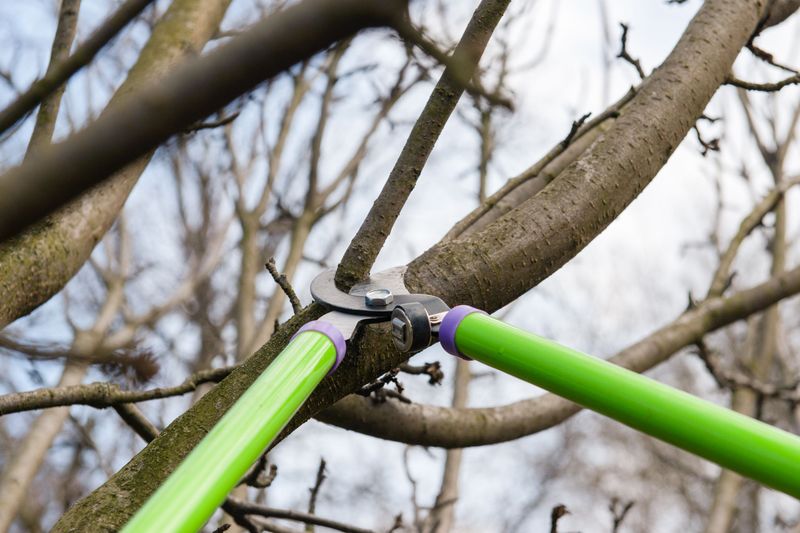
But for smaller ornamental maples, you can handle a lot of the work yourself with a quality pair of pruning shears and loppers.
Maples are resilient trees that respond well to proper care. Giving yours a tidy trim before spring arrives in Pennsylvania means you will spend more time enjoying the shade and less time managing problems down the road.
3. Fruit Trees (Pear, Peach, And Plum)
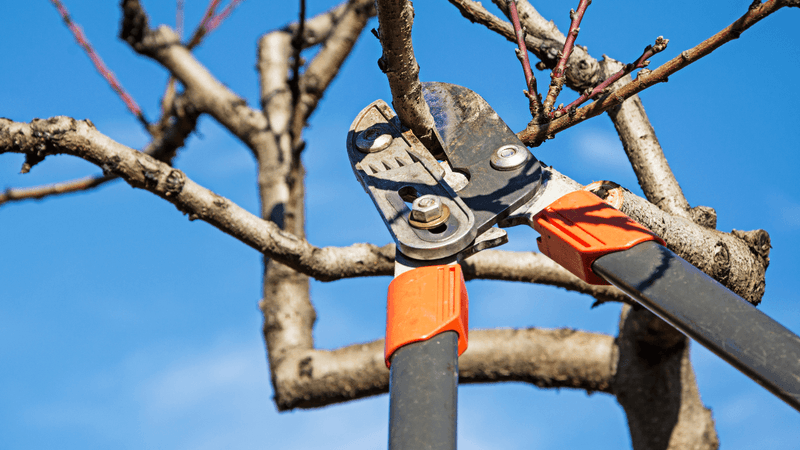
Peach, pear, and plum trees are a joy to grow in Pennsylvania, but they do need regular attention to stay productive. Late winter pruning, right before the buds begin to break in February or early March, is one of the best things you can do for these trees.
When you prune during dormancy, the tree can focus all of its energy on new, healthy growth once spring arrives.
Each of these fruit trees has slightly different needs, but the basics are the same. Remove any branches that look gray, shriveled, or show signs of disease.
For peach trees especially, watch out for branches affected by peach leaf curl or brown rot from the previous season. Getting those out before spring prevents the problem from spreading.
Plum and pear trees tend to grow upright, so pruning helps open up the center and lets more sunlight reach the fruit-bearing branches. A good rule of thumb is to aim for an open vase shape, where light can reach all parts of the tree.
That kind of structure leads to better fruit development and easier harvesting later in the year.
Always use clean, sharp tools when working on fruit trees. Wiping your blades with rubbing alcohol between cuts helps stop the spread of any bacteria or fungal spores from one branch to another. It takes only a few extra seconds but makes a real difference.
Pennsylvania fruit tree growers who commit to late-winter pruning year after year tend to see consistently stronger trees and more reliable harvests. A little effort now goes a long way come summer.
4. Birch Trees (Betula Spp.)
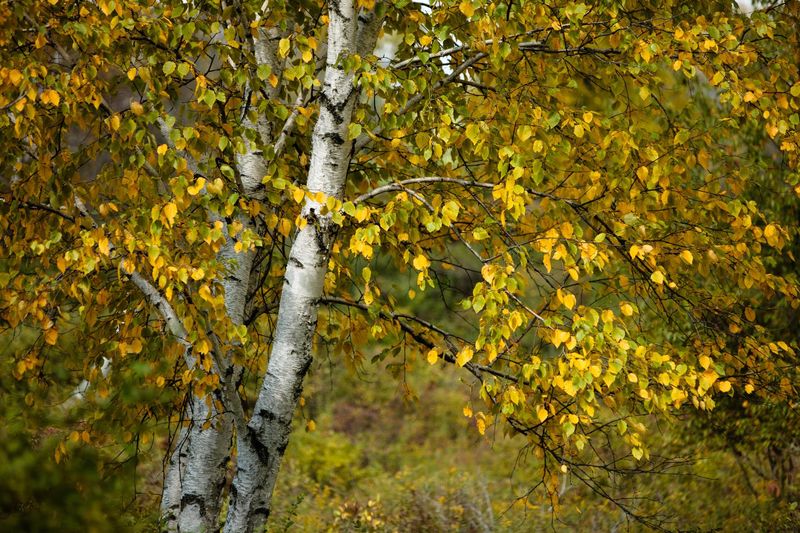
Birch trees have some of the most recognizable bark of any tree in Pennsylvania. That papery white or silver exterior makes them a favorite in landscaped yards and along natural forest edges.
But birch trees are also a little more delicate than they look, and timing your pruning correctly is really important with this species.
The biggest concern with birch trees is sap flow. Like maples, birches are sensitive to early-season cuts.
If you prune too late, the tree will bleed sap from the wound, which can attract insects and weaken the tree over time. Pruning before early March, while the tree is still fully dormant, is the safest approach for Pennsylvania homeowners.
Birch trees are also prone to a few specific pests, including the bronze birch borer. This beetle tends to target stressed or weakened trees.
Keeping your birch healthy through proper pruning and care makes it much harder for these pests to move in. Removing weak, crowded, or crossing branches gives the tree a better chance of staying strong through the growing season.
When pruning birch, try not to remove more than about a quarter of the tree’s canopy in one season. Taking off too much at once can stress the tree and slow its recovery. Focus on the most problematic branches first, and leave the rest for future years if needed.
Birch trees are worth the extra care. With their graceful shape and striking bark, a well-maintained birch can be one of the most eye-catching trees in any Pennsylvania yard. A well-timed winter prune keeps them looking their best.
5. Oak Trees (Quercus Spp.)
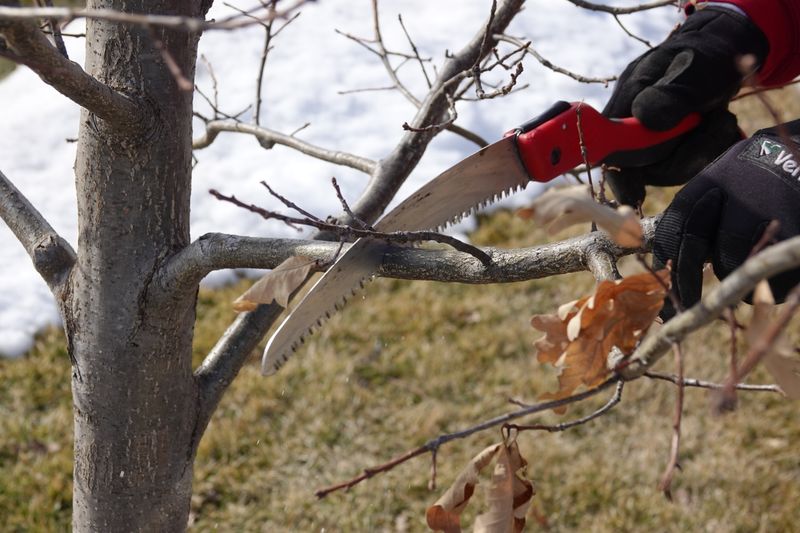
Oak trees are among the most majestic and long-lived trees in Pennsylvania. Walk through almost any neighborhood or woodland in the state and you are likely to spot one.
They provide incredible shade, support wildlife, and can live for hundreds of years. But even tough, sturdy oaks need a little help to stay at their best.
One of the biggest reasons to prune oaks in late winter is to prevent oak wilt. Oak wilt is a serious fungal disease that spreads quickly and can devastate entire trees.
The fungus is often carried by beetles that are attracted to fresh pruning wounds. During warmer months, these beetles are active and looking for entry points.
Pruning between late December and early March, when the beetles are not yet flying, dramatically reduces that risk.
In Pennsylvania, late winter is the ideal window to get your oak pruning done. Focus on removing dry or damaged limbs first.
Then look for branches that are growing inward, rubbing against others, or hanging dangerously low over walkways or structures. Cleaning up these problem areas improves both the safety and appearance of the tree.
For mature oaks with large canopies, hiring a certified arborist is often the smartest move. Large limbs can be unpredictable, and working at height requires the right equipment and training.
Smaller oaks or young trees are more manageable for a careful homeowner with good tools.
After pruning, consider applying a wound sealant to larger cuts on oak trees. While not always necessary for other species, oaks benefit from that extra layer of protection against fungal spores during the early spring season in Pennsylvania.
6. Hornbeam Trees (Carpinus Caroliniana)
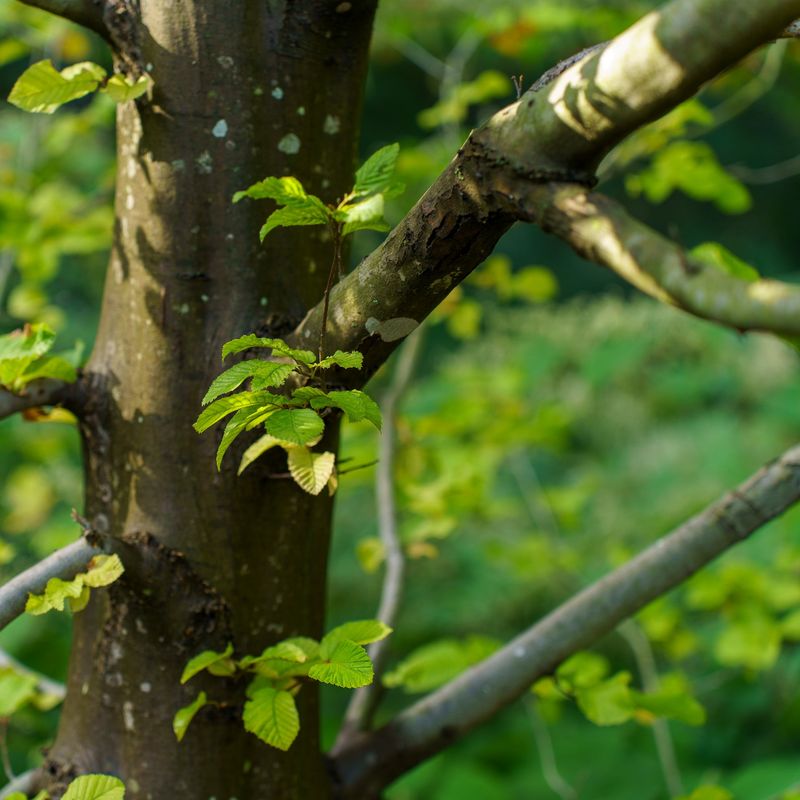
Not everyone knows the hornbeam, but those who do tend to love it. Sometimes called American hornbeam or musclewood, Carpinus caroliniana is a native Pennsylvania tree with a beautifully smooth, rippled trunk that almost looks like flexed muscles.
It is a smaller understory tree, which makes it a great choice for yards where you want shade without an overwhelming canopy.
Late winter is the right time to prune hornbeam trees in Pennsylvania, before the tree wakes up and begins pushing out new leaves. Pruning during dormancy lets you clearly see the tree’s structure.
Without leaves in the way, spotting weak, crossing, or damaged branches is much easier. You can shape the tree thoughtfully rather than guessing what is underneath all that foliage.
Hornbeams are slow-growing trees, which means every branch matters. You do not want to remove more than necessary.
Focus on branches that are clearly weak, broken, or rubbing against stronger ones. Removing these helps redirect the tree’s energy into the branches that will carry it forward through the growing season.
One of the great things about hornbeam trees is that they are native to Pennsylvania and naturally adapted to the local climate. They handle cold winters well and bounce back reliably each spring.
A well-timed prune before spring gives them a cleaner start to the season and helps maintain their naturally attractive shape.
If you have a hornbeam in your yard and have never pruned it, late winter is a great time to start. Even light shaping can make a noticeable difference in how the tree looks and grows throughout the rest of the year in Pennsylvania.