The 10 Best Native Groundcovers To Plant In Pennsylvania Gardens
Bare patches, stubborn weeds, and awkward corners can make even a beautiful Pennsylvania yard feel unfinished.
Many gardeners struggle with slopes that wash out after heavy rain or shady spots where grass refuses to grow.
From cooler mountain areas to sun-baked suburban lots, finding plants that actually work can be a challenge. That is where native groundcovers shine.
These plants are naturally adapted to Pennsylvania’s soils, weather patterns, and wildlife, which means they tend to establish with less fuss while adding lasting beauty.
Even better, they help stabilize soil, fill empty spaces, and support local ecosystems, turning problem areas into purposeful parts of the garden.
1. Pennsylvania Sedge Creates A Soft, Low-Maintenance Ground Layer
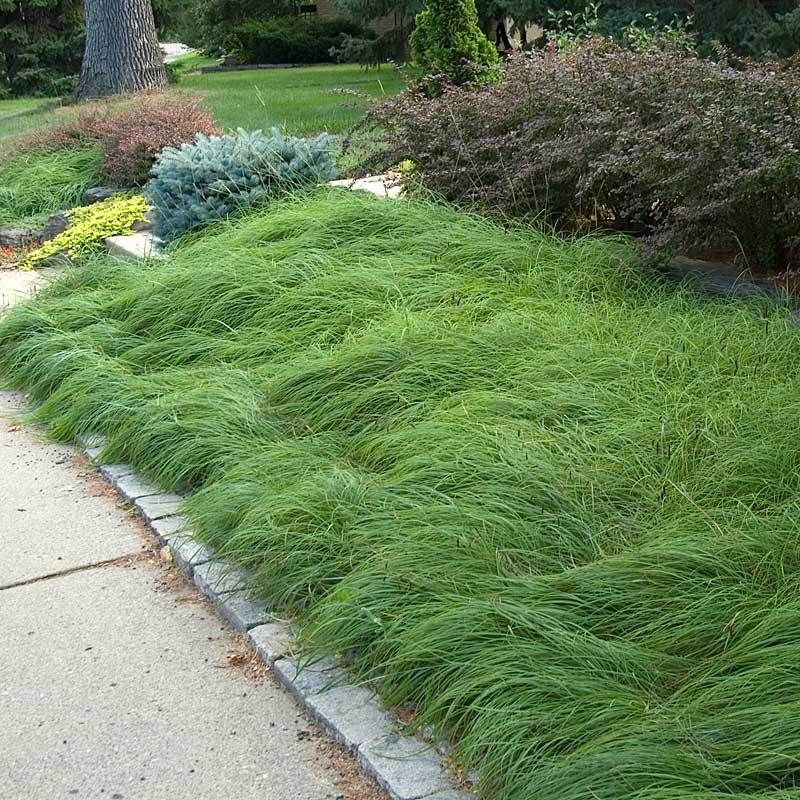
Bare ground under trees is one of the most frustrating problems Pennsylvania homeowners face, and Pennsylvania Sedge offers one of the most practical answers available.
This fine-textured, grass-like plant forms a low, flowing carpet that rarely grows taller than about eight inches.
It handles dry shade with a quiet resilience that most ornamental grasses simply cannot match.
Carex pensylvanica spreads gradually through underground rhizomes, filling in slowly but steadily over a few seasons.
Once established, it needs almost no supplemental watering and requires mowing only once or twice a year if you prefer a neater look.
Many gardeners in Pennsylvania choose to skip mowing entirely and let it develop a soft, meadow-like texture.
It performs best in dry to moderately moist soils beneath established deciduous trees, which are incredibly common across Pennsylvania landscapes.
The plant tolerates heavy root competition from maples and oaks, making it one of the few groundcovers that genuinely thrives in those notoriously difficult spots.
Birds and small mammals also appreciate the shelter it provides during colder months, adding a quiet wildlife benefit to an already low-maintenance planting.
2. Wild Ginger Spreads Gently In Shady Garden Spaces
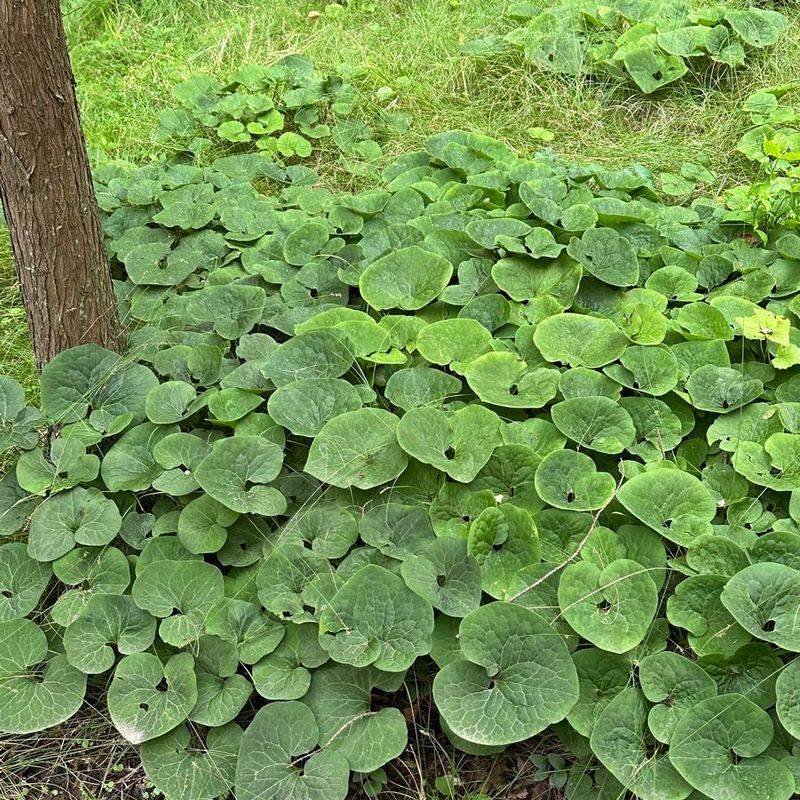
Tucked beneath a canopy of oaks or along the shaded north side of a Pennsylvania home, Wild Ginger creates one of the most lush and inviting ground layers you can grow from a native plant.
Its broad, heart-shaped leaves overlap generously, forming a dense mat that shades out weeds without any chemical help.
The foliage has a rich, deep green color that holds up well through Pennsylvania’s humid summers.
Asarum canadense spreads through a network of shallow rhizomes, moving outward at a slow, unhurried pace that makes it easy to manage in smaller garden beds.
It does not aggressively take over neighboring plants, which makes it a reliable choice for mixed woodland plantings alongside ferns and trilliums.
In spring, it produces small, maroon-colored flowers hidden beneath the leaves that are easy to miss but fascinating up close.
Moist, humus-rich soil suits Wild Ginger best, and it appreciates the kind of loose, leafy soil found in Pennsylvania’s many wooded residential properties. Once established, it is quite drought-tolerant for a shade plant.
Deer tend to leave it alone, which is a meaningful advantage for gardeners in rural and suburban Pennsylvania counties.
Your Pennsylvania Garden Changes Every Week. Your Plan Should Too.
Gardening in Pennsylvania changes quickly throughout the season. Every Friday you’ll receive a simple weekly plan showing exactly what to plant, prune, fertilize, harvest, and protect so you never miss the right timing.
3. Foamflower Adds Texture And Spring Interest In Shade
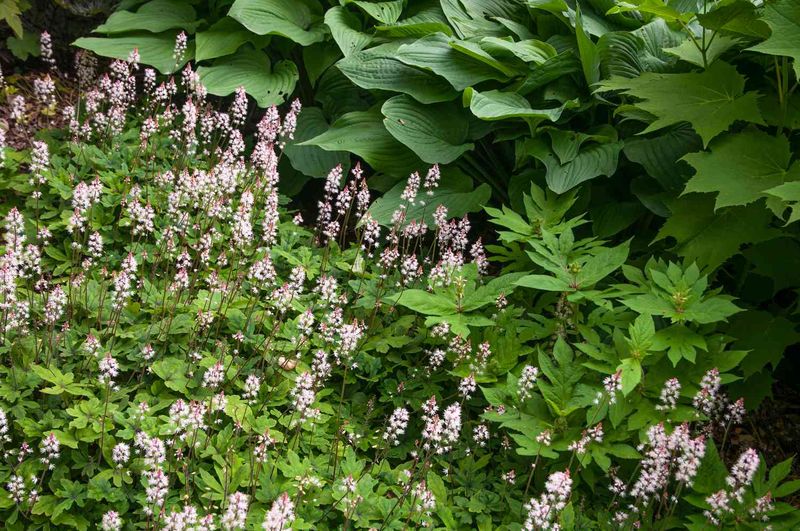
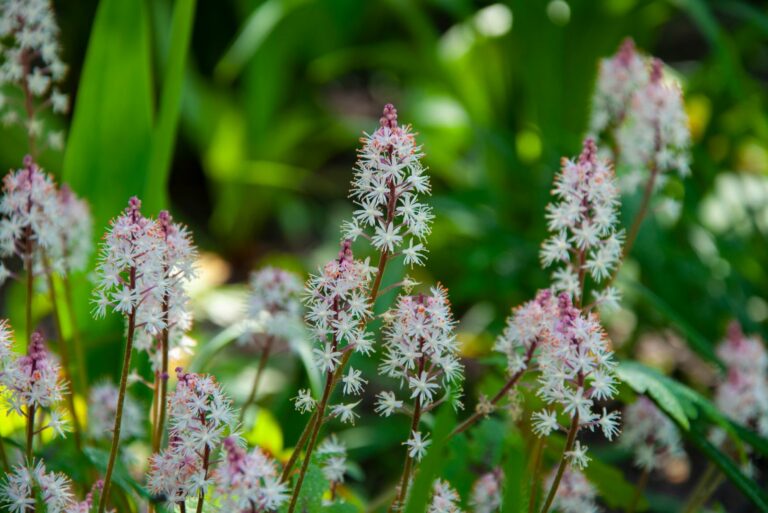
Few native plants put on a spring show quite like Foamflower, which earns its name from the frothy clusters of white blooms that rise above its lobed, maple-like foliage each April and May.
In Pennsylvania’s shaded gardens, this plant brings a welcome burst of light and texture to spaces that can otherwise feel dull during the early growing season.
Pollinators, especially native bees, visit the flowers eagerly before many other plants have even leafed out.
Tiarella cordifolia spreads by stolons, sending out runners that root nearby and gradually fill in a shaded bed over two to three seasons.
The foliage often develops attractive reddish markings along the leaf veins as the season progresses, keeping the plant visually interesting long after the blooms have faded.
It stays relatively low, typically reaching six to twelve inches in height.
Moist, well-drained soil with plenty of organic matter suits Foamflower well, and it thrives in the kind of woodland-edge conditions found throughout much of Pennsylvania.
It works particularly well along shaded pathways, under deciduous shrubs, or at the base of a slope where moisture tends to collect.
Established plants handle brief dry spells reasonably well once their root systems are settled in.
4. Golden Ragwort Fills In Quickly In Moist Areas
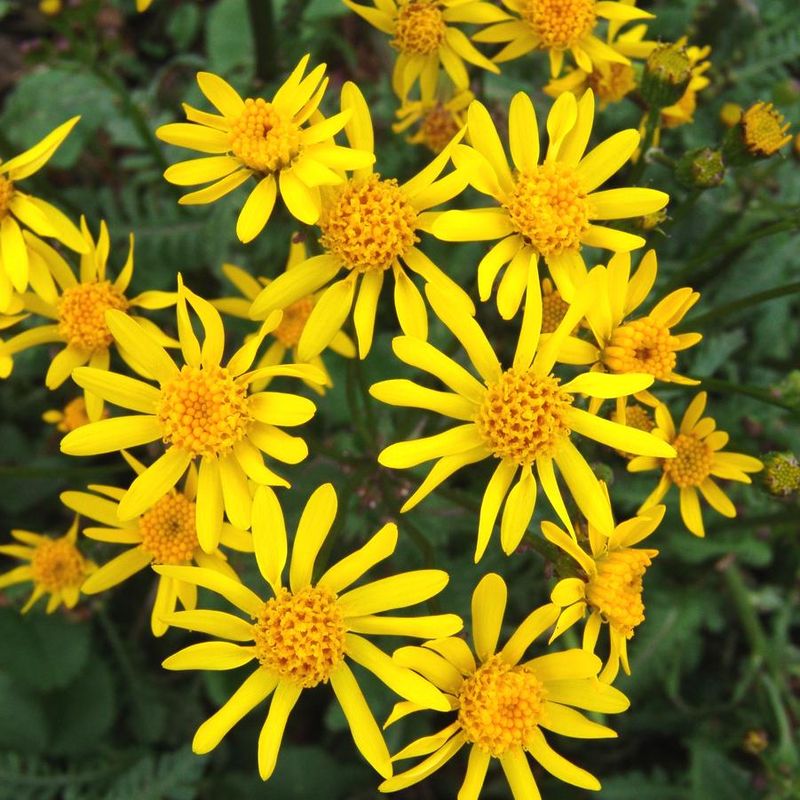
Wet spots and low-lying areas are a common headache for Pennsylvania gardeners, and Golden Ragwort handles those conditions with a cheerful ease that few other native groundcovers can match.
Each spring, it erupts into a sea of bright yellow, daisy-like flowers that sit above a rosette of deep green, heart-shaped leaves.
The display typically lasts several weeks, making it one of the more rewarding native plants for early-season color.
Packera aurea spreads both by seed and by offsets, which means it can colonize a moist area fairly quickly compared to slower-spreading groundcovers.
In Pennsylvania rain gardens, along stream banks, or in low spots that stay soggy after storms, it fills in reliably and helps stabilize soil that might otherwise wash away.
It handles both full sun and part shade, giving gardeners flexibility in placement.
One of its lesser-known qualities is deer resistance, which matters a great deal in many Pennsylvania counties where deer pressure on gardens is significant.
After the flowers fade, the foliage remains attractive and continues to suppress weeds through summer and into fall.
It pairs naturally with other moisture-loving Pennsylvania natives like Blue Flag Iris and Swamp Milkweed for a cohesive, wildlife-friendly planting.
5. Creeping Phlox Covers Sunny Spots With Color
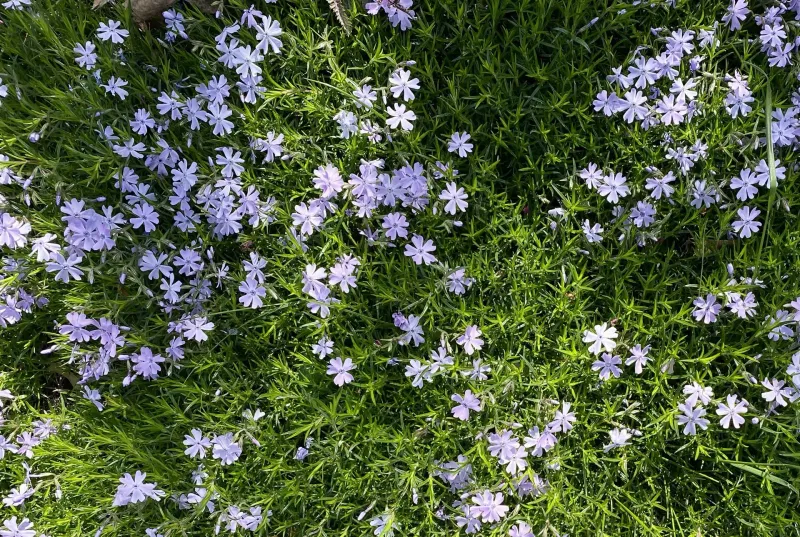
Sunny slopes and rocky outcroppings in Pennsylvania yards can be nearly impossible to maintain with traditional lawn grass, but Creeping Phlox turns those same challenging spots into something genuinely eye-catching.
In mid-spring, it produces such a thick carpet of small, five-petaled flowers in shades of pink, purple, white, and lavender that the foliage underneath nearly disappears from view.
The effect is one of the most dramatic spring displays any groundcover can produce.
Phlox subulata forms a low, dense mat of needle-like evergreen foliage that stays green year-round, providing some visual interest even after the blooms have passed.
It spreads steadily outward from the center, and established plants can reach two feet or more in width over several seasons.
The foliage also helps hold soil on slopes, reducing erosion during Pennsylvania’s heavy spring rains.
Well-drained, slightly lean soil suits Creeping Phlox best, and it can struggle in heavy clay that stays wet through winter. Sandy or rocky soils common in parts of central and western Pennsylvania tend to suit it very well.
Pollinators, particularly butterflies and early native bees, are drawn to the flowers, making it a functional as well as beautiful addition to any sunny Pennsylvania garden edge or border.
6. Wild Strawberry Spreads Fast And Adds Edible Appeal
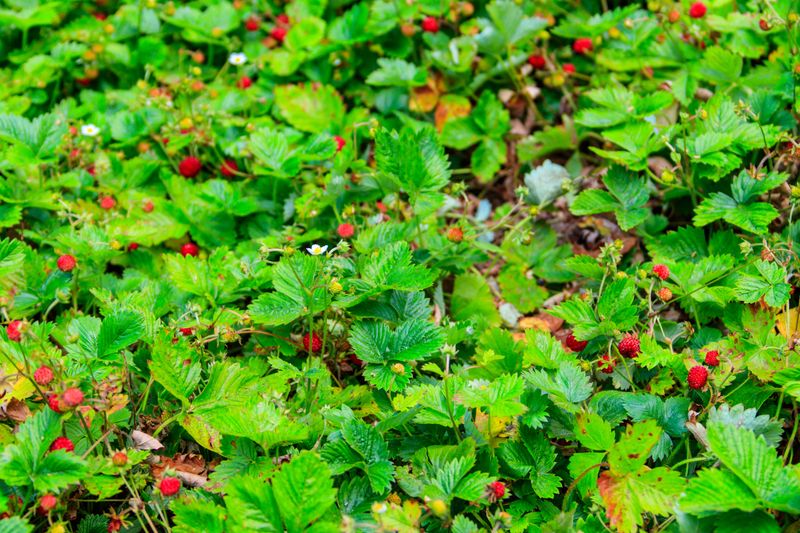
Not many groundcovers offer both weed suppression and a snack straight from the garden, but Wild Strawberry manages to do exactly that.
Fragaria virginiana produces small, intensely sweet red berries in early summer that are noticeably more flavorful than most store-bought strawberries, even if they are much smaller.
Birds, chipmunks, and people all tend to appreciate them equally.
The plant spreads by runners, which root at their tips and send up new plants that quickly fill in bare patches.
In Pennsylvania gardens, it can cover a surprisingly large area within a single growing season under decent conditions, making it a strong choice for gardeners who need results without a long wait.
It works well in both full sun and light shade, adapting to a range of conditions found across the state.
White flowers appear in spring before the berries ripen, attracting native bees and small pollinators at a time when food sources are still limited.
The trifoliate leaves turn attractive shades of red and orange in fall, extending the plant’s seasonal interest well beyond summer.
Wild Strawberry performs well in average to moderately fertile soils and does not demand heavy fertilization or irrigation once its roots are settled into Pennsylvania’s ground.
7. Partridgeberry Forms A Low Evergreen Carpet
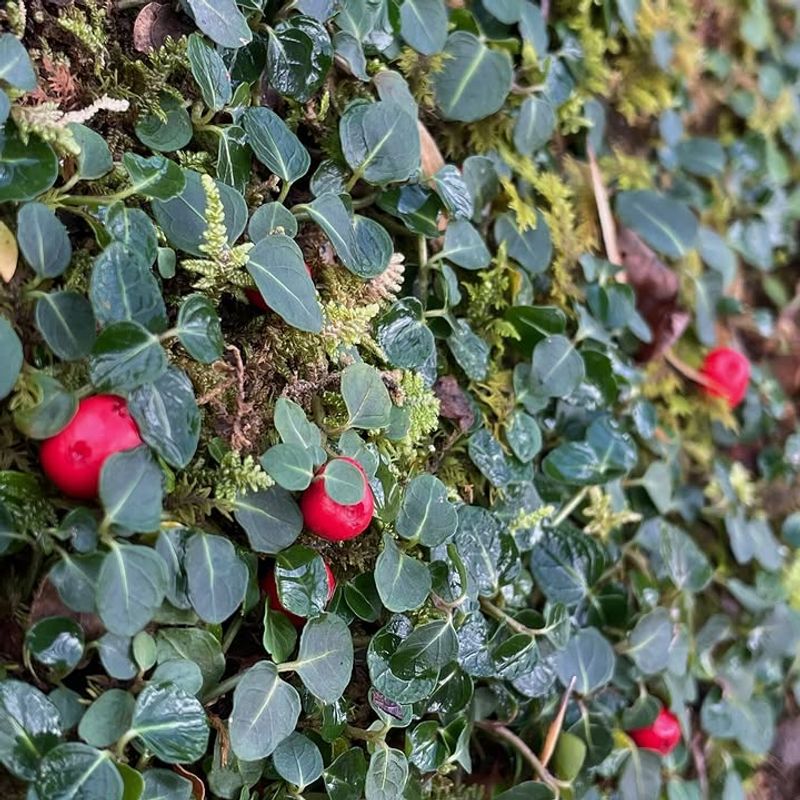
Some plants earn their place in a garden through sheer reliability, and Partridgeberry is exactly that kind of plant.
Mitchella repens stays green through Pennsylvania’s winters, forming a tight, trailing carpet of small, paired, glossy leaves that hug the ground and rarely exceed two inches in height.
In summer, pairs of tiny white, tubular flowers appear, and by fall those flowers develop into bright red berries that persist through winter and into early spring.
The berries are not particularly tasty to humans, but they are an important food source for grouse, wild turkeys, and other woodland birds that forage through Pennsylvania’s forests and wooded suburban areas during the colder months.
The plant spreads slowly by trailing stems that root where they contact moist soil, gradually weaving together into a seamless mat.
Deep shade and acidic, humus-rich soil are where Partridgeberry performs best, making it a strong candidate for planting beneath conifers or in the densely shaded spots under mature oaks and beeches.
It does not compete well with aggressive spreading plants, so it works best in quieter, undisturbed garden corners.
For Pennsylvania gardeners looking for a refined, low-growing evergreen option with genuine wildlife value, few native plants deliver as consistently as this one.
8. Allegheny Spurge Works Well In Woodland Gardens
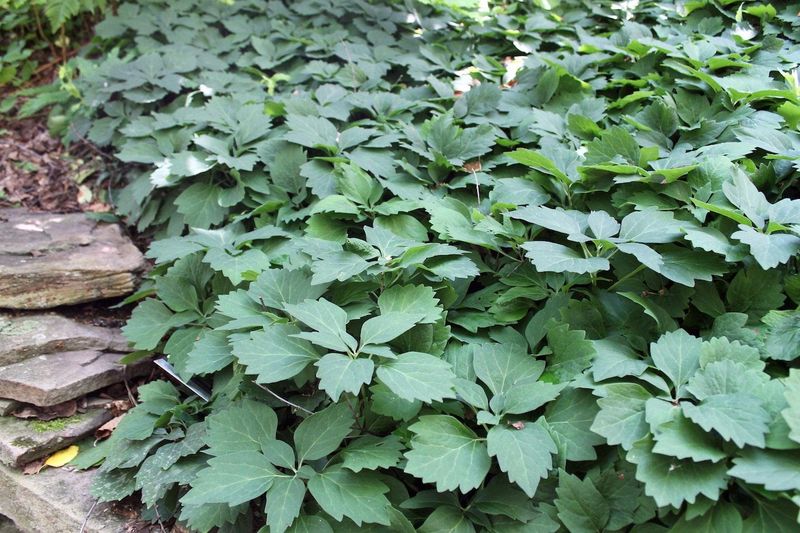
Many Pennsylvania gardeners are familiar with Japanese Pachysandra, the ubiquitous groundcover found in countless suburban beds, but its native cousin offers a quieter, more refined alternative that fits naturally into Pennsylvania’s woodland landscapes.
Allegheny Spurge grows in low, spreading mounds of attractive, mottled leaves that often display silvery or grayish markings over a soft green base.
The foliage has a textured, semi-evergreen quality that adds depth to shaded beds through much of the year.
In early spring, Pachysandra procumbens produces small, fragrant white to pinkish flower spikes that emerge before the new foliage fully unfurls.
The flowers are subtle rather than showy, but they offer early pollen and nectar for native bees emerging from winter.
It spreads more slowly than its Japanese counterpart, which makes it easier to manage in smaller garden spaces.
Deep to partial shade and well-drained, humus-rich soil suit Allegheny Spurge best, and it performs particularly well in the kind of acidic, leafy soil found beneath Pennsylvania’s native oaks, hickories, and tulip poplars.
It is worth noting that deer tend to browse it less heavily than many other groundcovers, which is a practical advantage for Pennsylvania gardeners dealing with high deer populations in suburban and rural settings alike.
9. Green And Gold Brightens Beds With Low-Growing Color
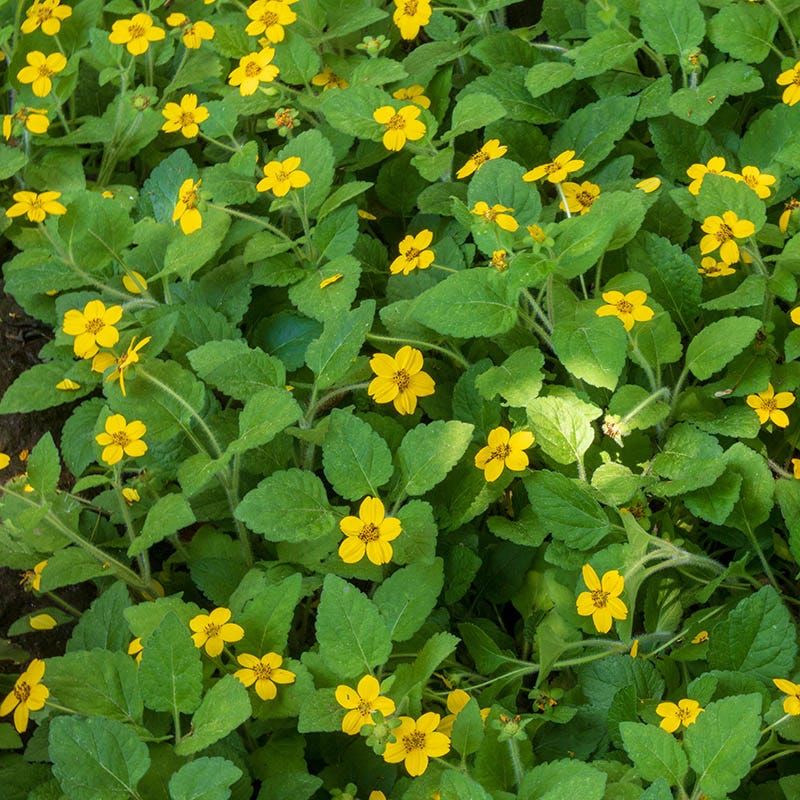
When a garden bed needs color without the commitment of high-maintenance perennials, Green and Gold delivers a cheerful, long-lasting display with surprisingly little effort.
Chrysogonum virginianum produces bright yellow, star-shaped flowers that begin in spring and continue sporadically through summer and into fall, giving it one of the longest bloom windows of any native groundcover suited to Pennsylvania gardens.
The contrast between the vivid yellow blooms and the deep green foliage is genuinely striking.
The plant adapts to a wider range of light conditions than many groundcovers, performing reasonably well in both partial shade and dappled sunlight, which makes it useful in the transitional zones between sunny and shaded areas that are common in Pennsylvania residential yards.
It spreads by stolons and by seed, gradually filling in an area without becoming aggressive or difficult to manage.
Average to moderately moist, well-drained soil works well for Green and Gold, and it tolerates the heavy clay soils found in many parts of Pennsylvania better than some other native groundcovers.
Deer resistance is a notable trait, and the flowers attract small native bees and beneficial insects reliably through the growing season.
For a low-growing option that offers genuine multi-season interest without constant deadheading or fertilizing, this plant is hard to overlook.
10. Wild Stonecrop Handles Dry Shade With Ease
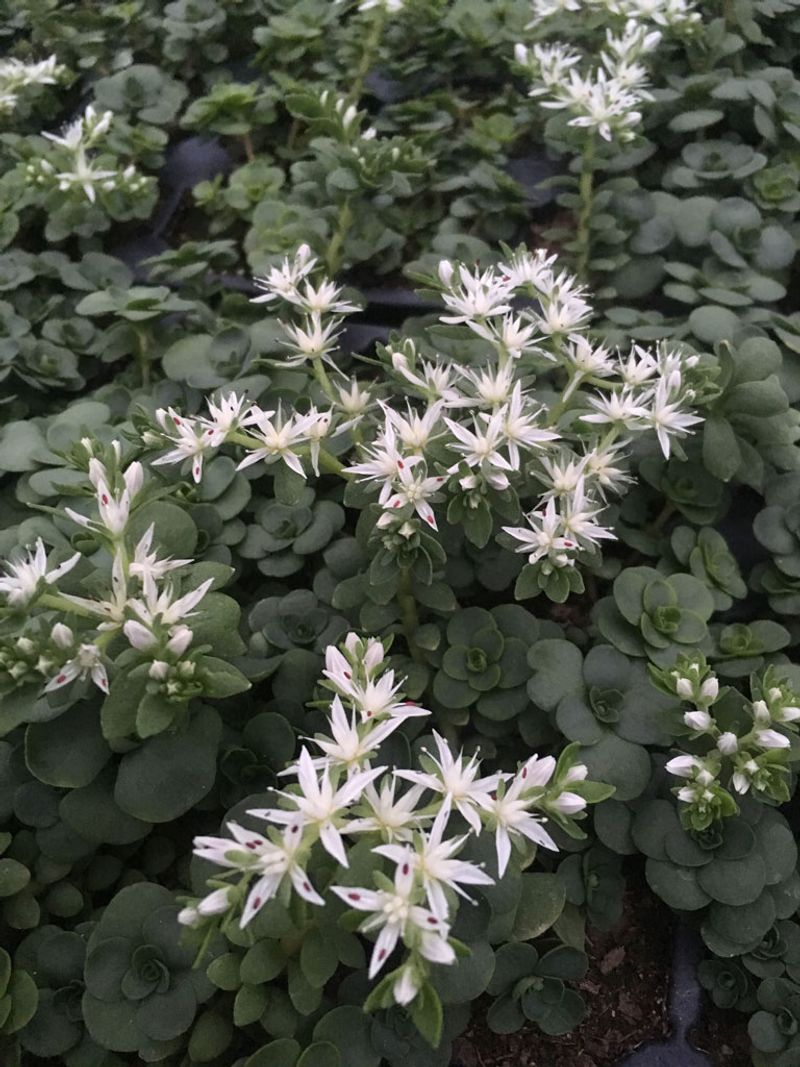
Rocky slopes, dry woodland edges, and the shaded base of retaining walls are spots where most groundcovers quietly give up, but Wild Stonecrop seems almost unbothered by those conditions.
Sedum ternatum is the only stonecrop native to Pennsylvania’s woodlands, and it brings a distinctive, succulent texture to shaded spots that rarely see such a plant.
Its small, rounded leaves are arranged in whorls and have a plump, fleshy appearance that sets it apart visually from most other native groundcovers.
In spring, Wild Stonecrop produces clusters of small, white, star-shaped flowers on upright stems that rise just a few inches above the foliage.
The flowers are visited by small native bees and flies, offering a modest but meaningful pollinator benefit during the spring season.
After blooming, the plant settles back into a flat, spreading mat that continues to suppress weeds through summer.
Dry to moderately moist soil and partial to full shade suit this plant well, and it handles the thin, rocky soils found on Pennsylvania hillsides and along shaded stone walls better than almost any other native option.
It spreads slowly by offsets and does not become invasive or difficult to manage.
For Pennsylvania gardeners frustrated by dry, shaded spots where nothing else seems to survive, Wild Stonecrop offers a genuinely encouraging solution.