Bring Spring Early To Your Texas Garden With These 8 Container Plants
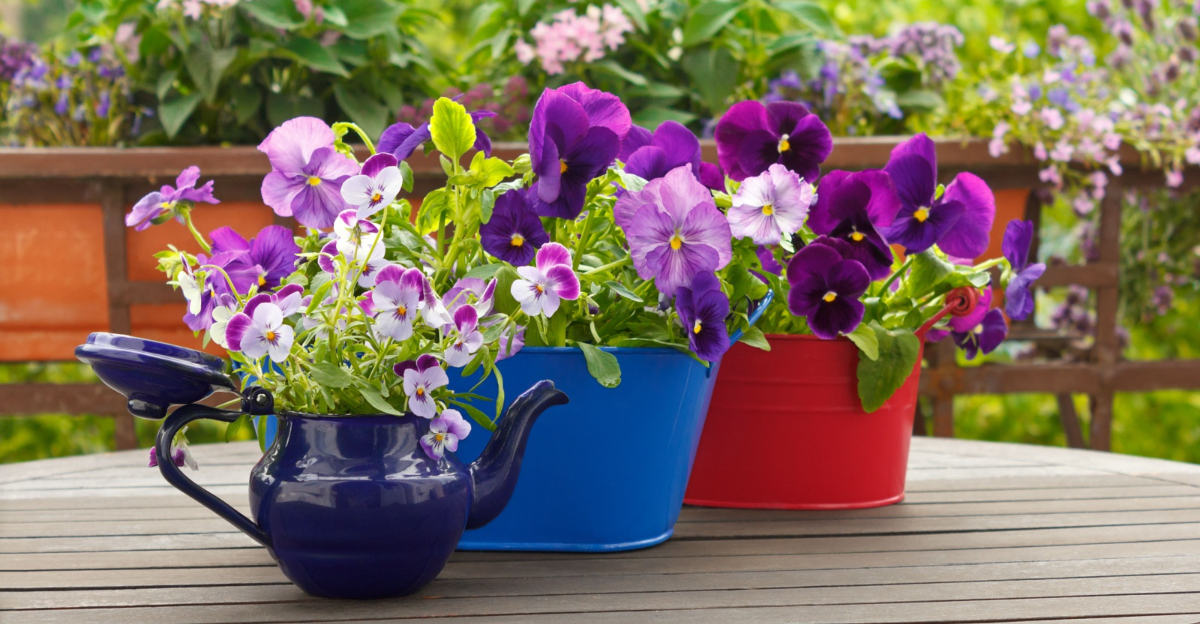
Texas spring does not wait around. One warm week can wake up patios, balconies, and front porches almost overnight.
Containers feel that change first. Soil in pots warms faster than garden beds, which means color, texture, and fresh growth can show up weeks earlier than in the rest of the yard.
That early boost gives container gardeners a head start on the season. A few well chosen plants can brighten outdoor spaces while lawns and flower beds still look half asleep.
Pots also offer freedom when Texas weather changes its mind. A sudden cold snap or harsh afternoon sun becomes much easier to manage when containers can move a few steps closer to shelter or shade.
The right plant choices turn simple containers into early signs of spring across Texas patios and balconies. Some varieties handle shifting temperatures with ease and start the season with color that lasts well into the warmer months.
1. Primroses Bring Bright Early Spring Color To Containers
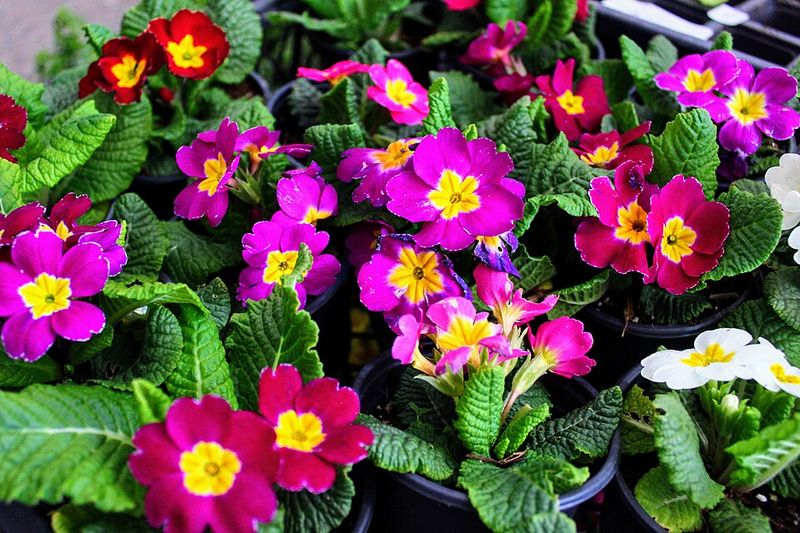
Few flowers shout “spring is here” quite as boldly as primroses. These compact plants offer clusters of blooms in soft pastels and saturated shades of red, pink, yellow, and purple.
In many parts of Texas, primroses can add quick color in late winter through early spring, especially when nights stay cool.
Primroses prefer cooler conditions, so placement matters. Aim for morning sun and afternoon shade, especially in warmer areas where midday sun heats containers fast.
A pot that bakes on a south-facing patio can push blooms to fade sooner, so a bright spot with some protection often works better. Bringing the pot closer to the house or under a covered porch can also help moderate temperature swings.
Use a well-draining potting mix and keep moisture steady without soggy soil. Water at the base to reduce leaf issues, and empty saucers after watering so roots are not sitting in water.
Feed lightly with a balanced fertilizer according to label directions while buds and blooms keep coming.
Once late spring warmth settles in, primroses often slow down, so they pair nicely with a plan to swap in warm-season color later.
2. Pansies Add Vibrant Flowers That Thrive In Texas Spring
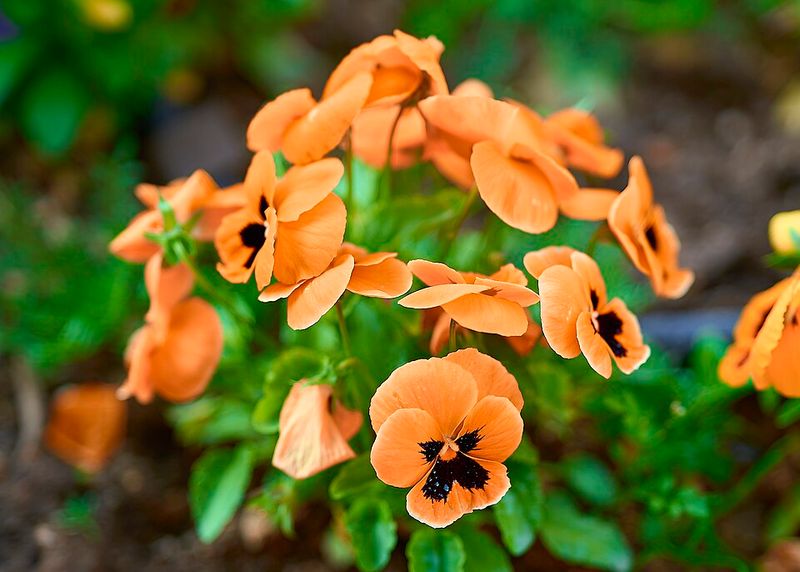
Pansies bring classic cool-season color to containers, with bold face-like blooms and a wide mix of shades. Many Texas gardeners rely on pansies for late winter through spring displays, since they handle cool nights and bounce back after chilly weather.
Their colors show up well from the street, which makes them a fun choice near entryways.
Full sun during cooler weeks supports better bloom, and a bright porch or patio spot often works well. As spring warms up, a little afternoon shade can help extend their good looks, especially in pots that dry quickly.
Good airflow helps too, since crowded pots can stay damp longer after watering.
Keep soil evenly moist, since containers dry out faster on breezy days. Deadheading helps keep flowers coming and keeps the pot looking tidy.
Your Texas Garden Changes Every Week. Your Plan Should Too.
Gardening in Texas changes quickly throughout the season. Every Friday you’ll receive a simple weekly plan showing exactly what to plant, prune, fertilize, harvest, and protect so you never miss the right timing.
A bloom-supporting fertilizer can encourage steady color, but follow label directions and adjust based on how fast the pot dries.
When daytime heat becomes consistent, pansies usually slow down, so having a warm-season backup plant ready can keep the container looking full.
3. Snapdragons Offer Tall Spikes Of Eye-Catching Color
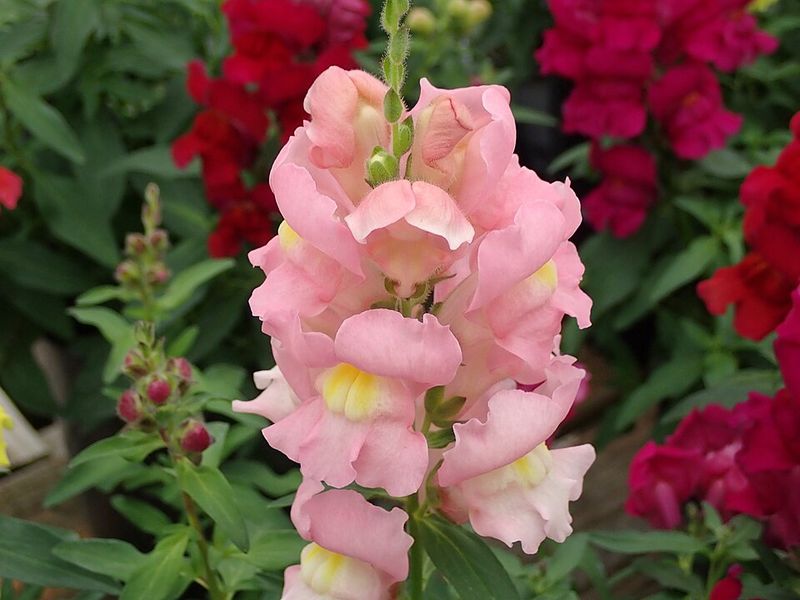
Snapdragons add height that makes a container look designed, not accidental. The bloom spikes pair well with lower, mounding flowers and help a pot read from across the yard.
Kids also tend to notice them, since the blooms have that playful “snap” shape.
Give them sun for best flowering and use a deeper container so roots stay stable as the plant gains height. A heavier pot can help prevent tipping, especially on windy patios.
Pairing snapdragons with trailing plants creates a balanced look, with tall color up top and softer edges below.
Water when the top inch of mix feels dry, then water deeply so the whole root zone gets a drink. Pinch tips early for bushier growth and more flower spikes later.
Feed lightly with a balanced fertilizer as needed, especially after heavy watering that can wash nutrients out.
As temperatures climb later in spring, flowering often tapers, so trimming spent spikes can keep the plant looking neat even as bloom slows.
4. Petunias Fill Pots With Long-Lasting Blossoms
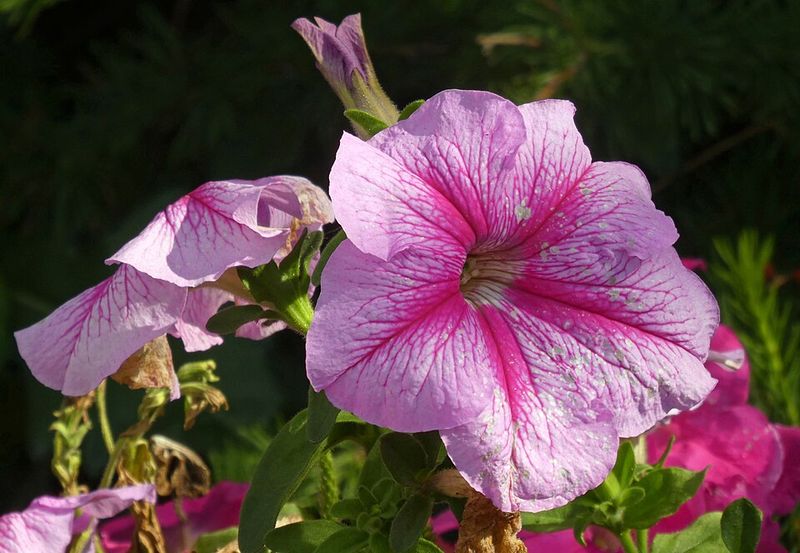
Petunias can carry a container display for weeks, thanks to their steady bloom and wide color range. The trumpet-shaped flowers show up in everything from deep purple to pinks, reds, and whites, so matching them to your patio style is easy.
Many varieties also trail, which makes baskets and tall pots look fuller faster.
Choose a pot with strong drainage and a high-quality potting mix. Sun supports better bloom, but in hotter locations, some afternoon shade can help reduce stress and keep flowers looking fresher.
Heat builds faster in small containers, so larger pots often hold moisture longer and keep roots more stable.
Water thoroughly when the pot dries, since petunias can dry fast during warm, breezy weather. For fertilizer, use a balanced or bloom-supporting option according to label directions, since container plants rely on you for nutrients.
Pinching or trimming back leggy stems encourages fresh growth and more flowers.
Removing faded blooms can improve appearance, and some types also benefit from a light cutback to reset growth when they start looking tired.
5. Violas Provide Delicate Small Flowers For Containers
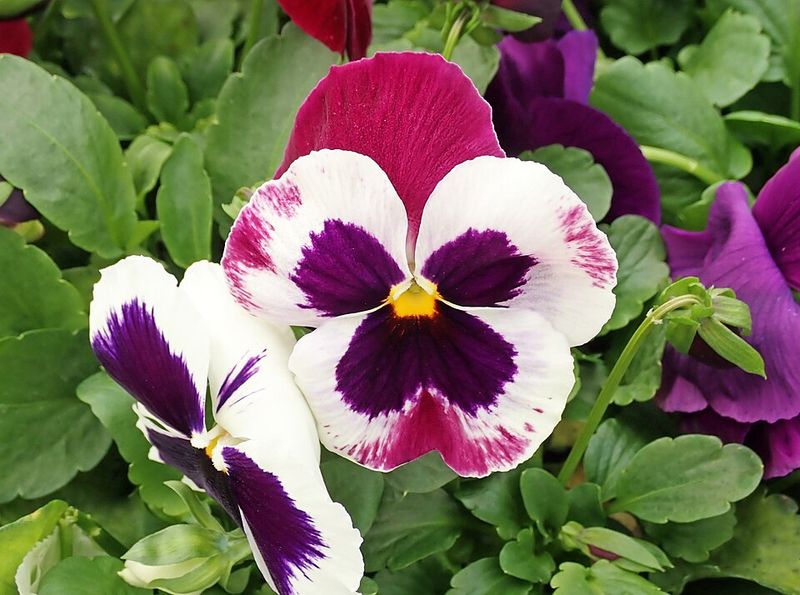
Violas bring lots of blooms in a smaller package, which makes them great filler plants in mixed pots. Their flowers can be dainty, but the color impact adds up quickly when several plants are grouped together.
They also mix well with bulbs, since violas can fill in around taller stems.
Sun to partial shade works, with afternoon shade helpful in warmer areas as spring heat builds. In containers, they often appreciate protection from the hottest part of the day, especially on patios with reflective surfaces like concrete.
A pot that stays evenly cool and drains well can help them keep blooming longer.
Keep the mix evenly moist and well-drained. Regular deadheading encourages more flowers and keeps the pot looking fresh.
Feed lightly as needed, especially after frequent watering that can flush nutrients.
When violas start stretching or blooming slows, a light trim can encourage tidier growth, and moving the pot into brighter shade can help them ride out warmer spells.
6. Calendula Produces Cheerful Yellow And Orange Blooms
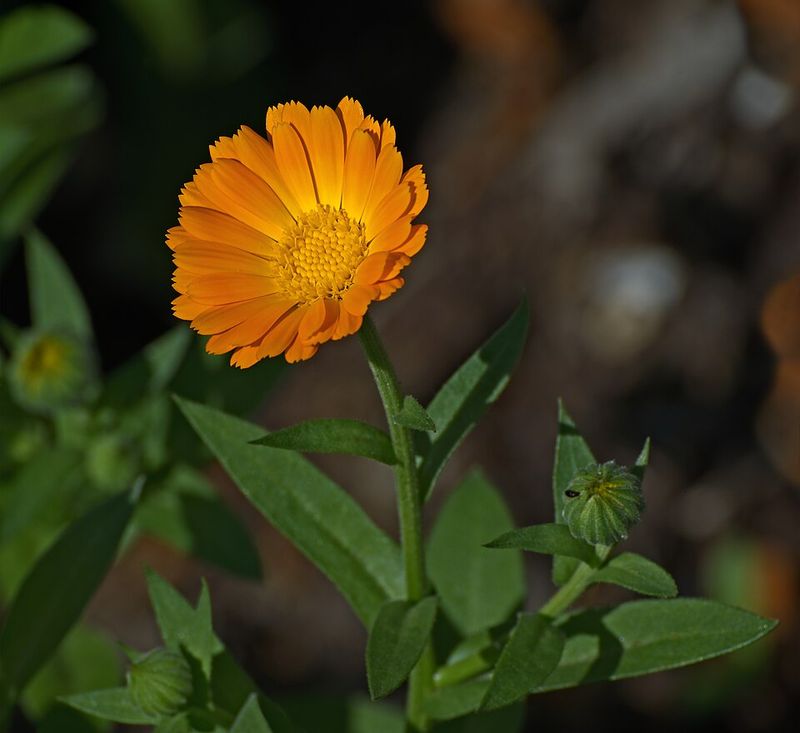
Calendula, often called pot marigold, brings warm orange and yellow tones that look like instant sunshine in a container. The flowers have a simple, classic look that pairs well with herbs and other cottage-style plants.
Blooms can also be cut for small indoor vases, which is a nice bonus.
Plant it where it gets plenty of sun, and use a well-draining potting mix. Keep moisture moderate and avoid constantly wet soil, since soggy conditions can invite root problems.
Containers that dry slightly between waterings often suit calendula better than pots that stay damp.
Deadheading helps extend bloom, and light feeding can support steady color.
Calendula petals are sometimes used as an edible garnish, but only use flowers grown without pesticides and confirm the plant is safe for your household before any kitchen use.
As heat increases, calendula often slows down, so it works well as an early-season feature that can be replaced with warm-season plants once summer-style weather arrives.
7. Dwarf Daffodils Deliver Classic Spring Flowers In Small Spaces
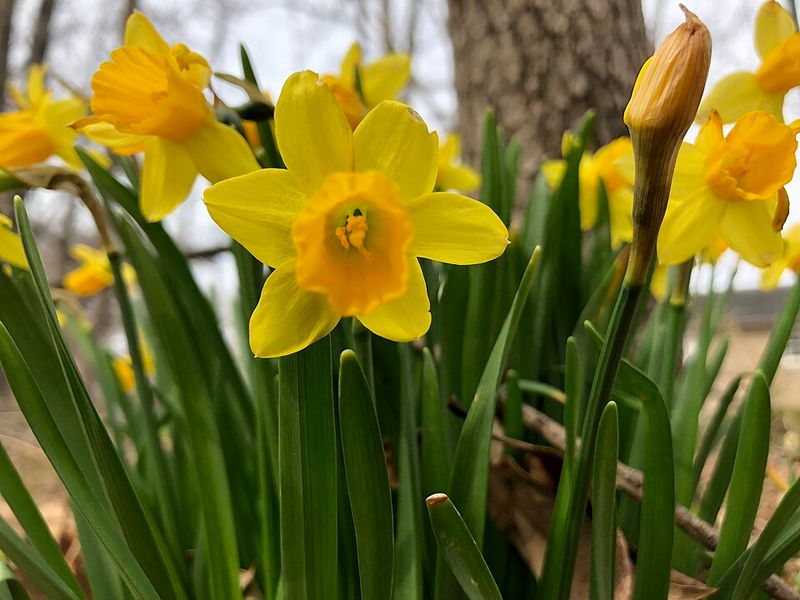
Dwarf daffodils offer that classic spring look in a pot, with bright blooms that feel like a seasonal milestone. Their smaller size fits nicely in patio containers and window boxes without taking over the whole arrangement.
They also pair well with violas or pansies tucked around the base.
In much of Texas, daffodil bulbs often need a chill period to bloom well. Many gardeners achieve this by refrigerating bulbs before planting or by buying pre-chilled bulbs, depending on what is available locally.
A container with excellent drainage and a quality potting mix helps prevent bulb issues during wet stretches.
Keep the mix lightly moist, not saturated, and avoid standing water in saucers. Once shoots appear, place the pot in bright light so stems stay sturdy.
After bloom, let foliage yellow naturally so the bulb can store energy.
Rebloom can vary in containers, especially after mild winters, so some gardeners treat potted daffodils as a seasonal highlight and refresh the display when needed.
8. Creeping Phlox Spreads Cascading Color Along Container Edges
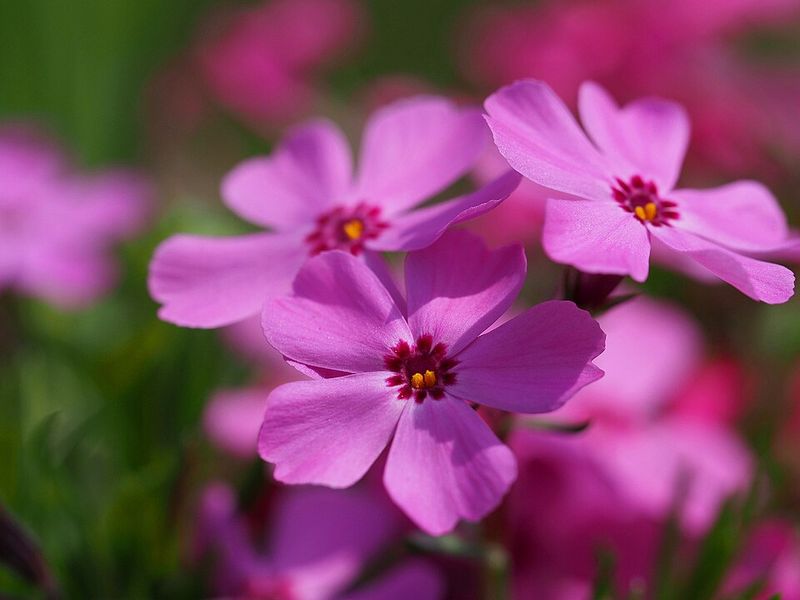
Creeping phlox creates that spilling-over-the-rim look that makes containers feel lush. The small, star-shaped blooms can cover the plant in spring, which turns the edge of a pot into a ribbon of color.
It also works nicely as a soft contrast next to upright flowers with stronger shapes.
Creeping phlox prefers full sun to light shade and well-drained soil. In Texas, it tends to perform best in cooler parts of the state and in spots that drain fast, since heat and humidity can be tougher on it in warmer regions.
A raised pot with a gritty, fast-draining mix can help, especially if spring storms bring heavy rain.
Water consistently while it establishes, then allow the top layer of mix to dry slightly between waterings. A light trim after the main bloom can keep the plant tidy and encourage compact growth.
Fertilize lightly according to label directions, since too much nitrogen can push leafy growth over flowers.
For a polished look, use creeping phlox as the trailing edge and place a taller “thriller” plant in the center to create a simple, balanced design.