9 Beginner-Friendly Seeds To Start Indoors In Georgia This Spring
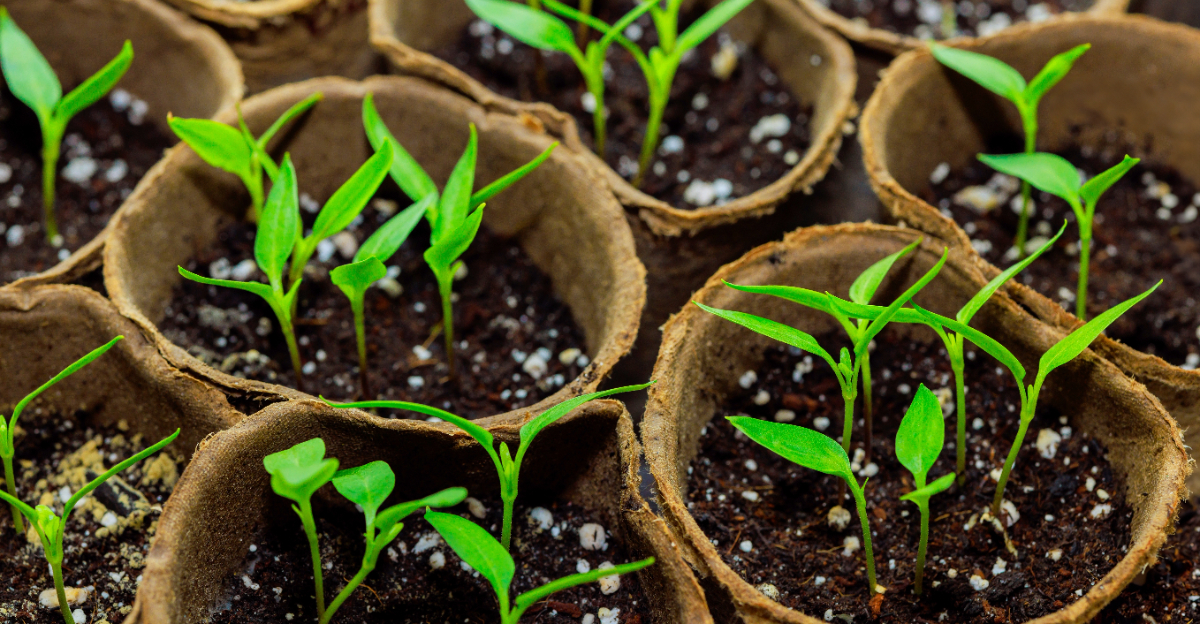
Spring does not start in the garden bed. For many Georgia gardeners, it begins indoors with a few seed trays, a little potting soil, and a bright window.
Tiny sprouts appearing after a few days can feel surprisingly exciting, especially when they promise a fuller garden later in the season. Starting seeds inside also removes much of the stress that beginners often worry about.
Conditions stay easier to manage, young plants grow stronger, and the transition outdoors becomes much smoother once the weather settles.
Even a simple setup can produce healthy seedlings that are ready for Georgia’s spring soil.
For someone new to gardening, choosing seeds that germinate easily and grow without much fuss can make the entire process far more enjoyable and confidence-building.
1. Tomatoes Start Strong Indoors Before Spring Planting
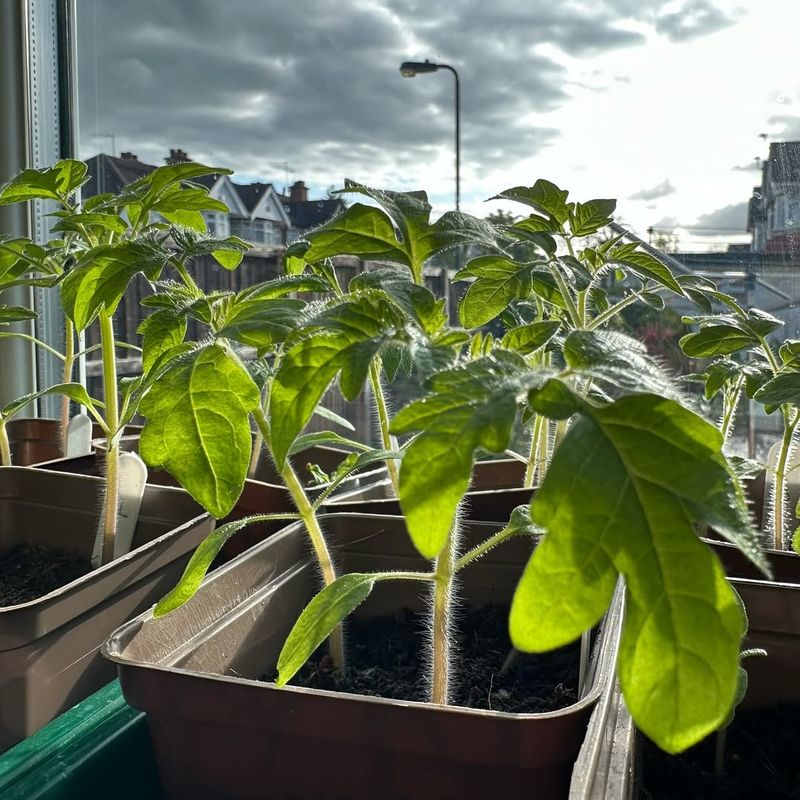
Few vegetables reward indoor seed starting quite like tomatoes. Georgia summers get hot fast, and tomatoes that were started indoors six to eight weeks before the last frost date hit the ground running once transplanted outside.
Grab a seed-starting tray, fill it with a lightweight seed mix, and press two seeds about a quarter inch deep into each cell. Keep the soil consistently moist but not soggy.
Tomatoes need warmth to sprout, so placing the tray on top of the refrigerator or using a heat mat speeds things up considerably.
Once seedlings pop up, they need strong light right away. A south-facing window works, but a simple LED grow light set a few inches above the seedlings produces stockier plants.
Leggy, stretched seedlings usually mean they are not getting enough light. Rotate the tray every couple of days if using a window.
In Georgia, aim to transplant tomato seedlings outside after mid-March in the southern part of the state or mid-April further north. Harden them off first by setting them outside in a shaded spot for a few days before full sun exposure.
Choosing disease-resistant varieties suited for the Southeast gives you a real advantage during Georgia’s humid summers.
2. Peppers Benefit From An Early Indoor Start
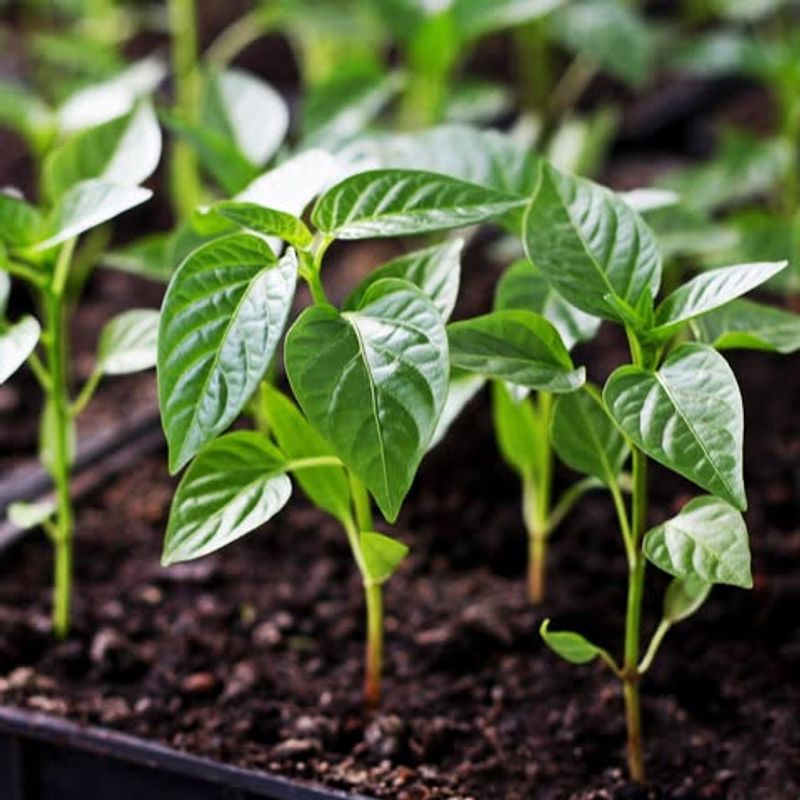
Peppers are probably the slowest seed on this list to get going, and that is exactly why starting them indoors early matters so much in Georgia. Plan on eight to ten weeks of indoor growing before your last frost date.
Pepper seeds need warmth above almost everything else to germinate. Soil temperatures around 80 to 85 degrees Fahrenheit are ideal.
Without that heat, seeds can just sit there for weeks without sprouting. A heat mat under the tray makes a noticeable difference and is worth the small investment.
Once they sprout, peppers grow slowly at first. Do not panic if progress looks sluggish during the first few weeks.
Keep the grow light close, water from the bottom by setting trays in shallow water, and avoid overwatering since pepper roots do not like sitting wet.
Georgia’s long warm season is actually a huge advantage for pepper growers once plants are established outdoors. Both sweet bell peppers and hot varieties like jalapenos and cayennes perform well here.
Your Georgia Garden Changes Every Week. Your Plan Should Too.
Gardening in Georgia changes quickly throughout the season. Every Friday you’ll receive a simple weekly plan showing exactly what to plant, prune, fertilize, harvest, and protect so you never miss the right timing.
Starting them indoors in late January or early February gives you plants that are ready to produce fruit well before summer heat peaks. Label your varieties clearly since seedlings all look nearly identical at this stage.
3. Eggplant Grows Best When Started Indoors Early
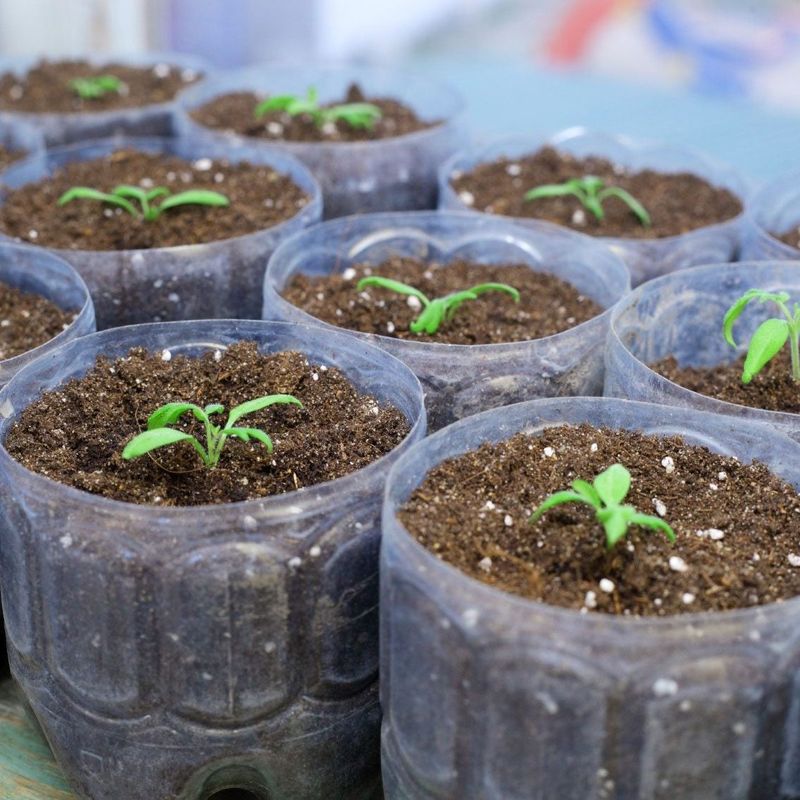
Eggplant is one of those vegetables that truly thrives in Georgia’s heat, but it needs a long head start to produce well. Starting seeds indoors eight to ten weeks before your last frost date is the standard approach here.
Germination can be a little slow compared to tomatoes. Expect to wait ten to fourteen days before seedlings appear, sometimes longer.
Consistent soil warmth speeds the process up significantly, so a heat mat is helpful here just like with peppers.
Eggplant seedlings are somewhat delicate when very young. Handle them carefully during any thinning or transplanting.
Use a pencil or toothpick to separate crowded seedlings rather than pulling them apart with your fingers, which can damage fragile roots.
Light is critical once seedlings are up. Eggplant stretches toward any light source quickly, so keep grow lights or a bright window providing at least twelve to fourteen hours of light daily.
Thin to one strong seedling per cell once the first true leaves appear.
Georgia gardeners who start eggplant indoors in late January or early February often end up transplanting sturdy six-inch plants outdoors by April.
Varieties like Black Beauty and Ichiban have proven track records in this region’s warm, humid conditions.
4. Basil Sprouts Quickly On A Bright Windowsill
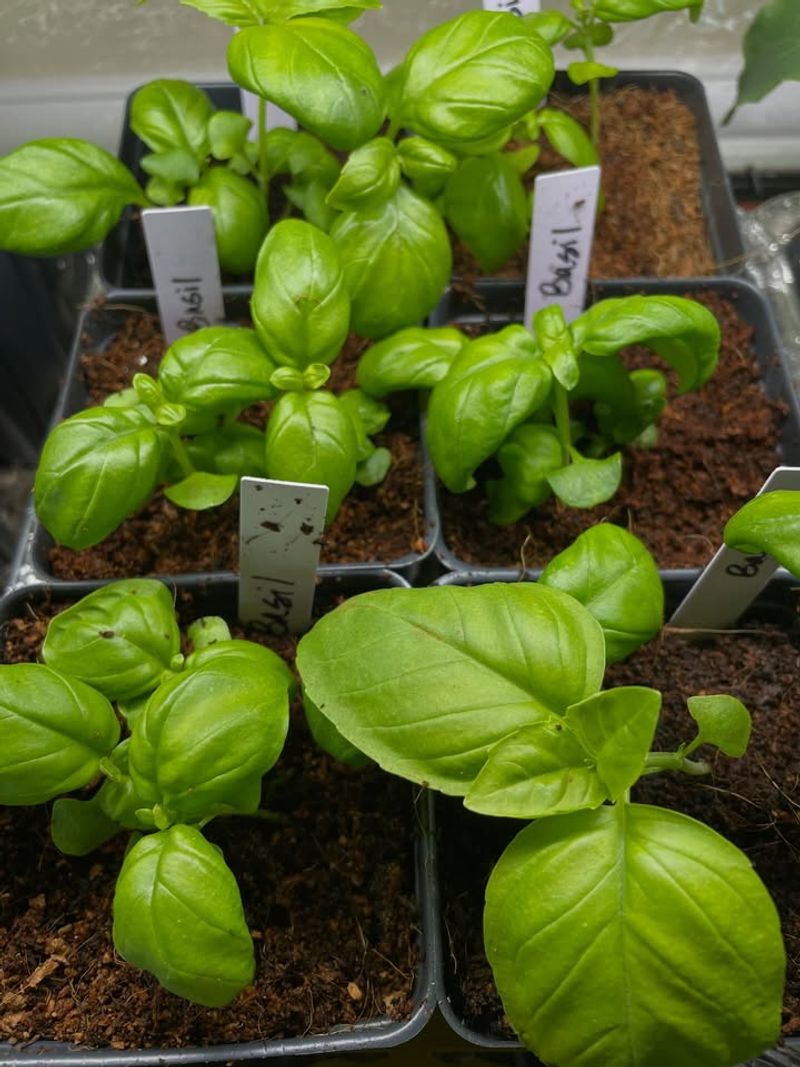
Basil is genuinely one of the most satisfying seeds to start indoors because it sprouts fast, sometimes within just five to seven days.
For Georgia gardeners, starting basil indoors about four to six weeks before the last frost date gets you plants that are ready to go outside right when the weather warms up.
Scatter seeds lightly across the surface of moist seed-starting mix and press them down gently without covering them deeply. Basil seeds need light to germinate well, so just a thin dusting of soil or vermiculite over the top is enough.
Keep the container in the warmest, brightest spot you have. A south-facing window works well for basil since it loves heat and sun.
Avoid cold drafts near windows during late winter because basil seedlings are sensitive to temperature drops even indoors.
Thin seedlings to one or two per pot once they have their first true leaves. Crowded basil seedlings compete for light and airflow, which can cause issues with dampness at the soil line.
Georgia’s warm spring weather is perfect for basil once it moves outdoors. Wait until nighttime temperatures stay consistently above 50 degrees before transplanting.
Genovese basil and Thai basil are both solid choices for Georgia home gardens and perform reliably through the warm season.
5. Parsley Develops Slowly But Starts Well Indoors
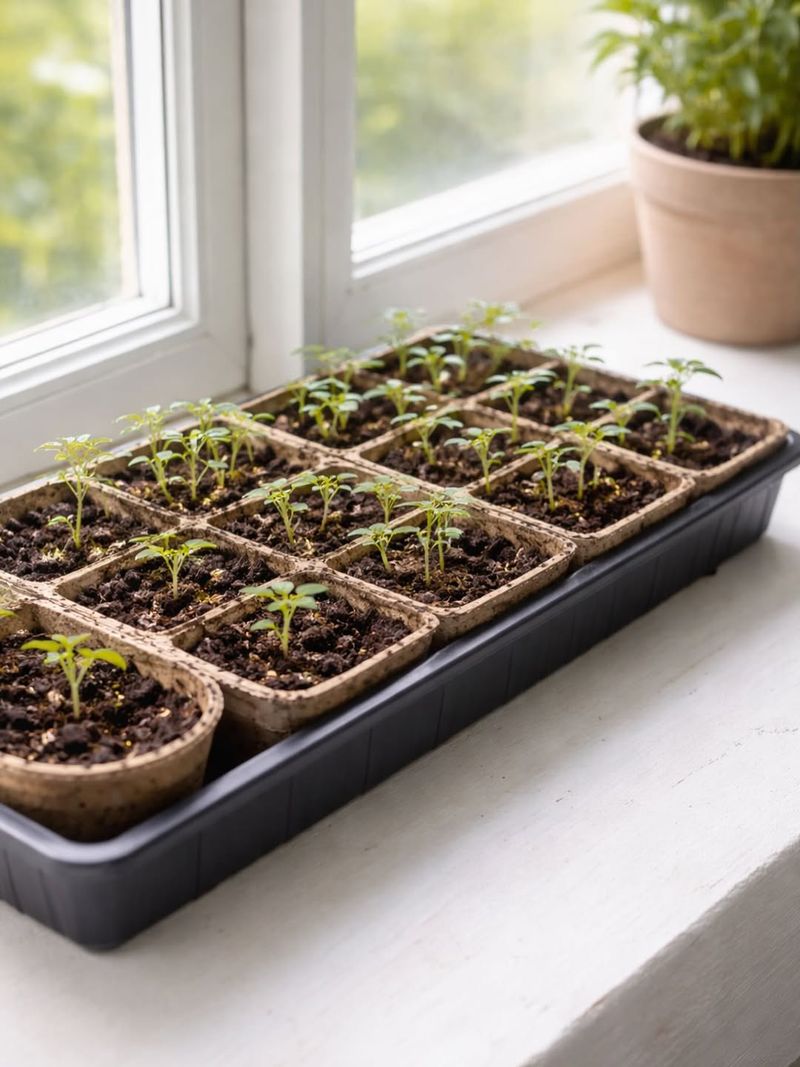
Parsley has a reputation for being stubborn, and honestly, that reputation is not entirely wrong. Seeds can take two to four weeks to germinate, which surprises a lot of new gardeners who expect quicker results.
Soaking parsley seeds in warm water overnight before planting helps soften the seed coat and speeds up germination noticeably.
Plant seeds about a quarter inch deep in moist seed-starting mix and cover the tray loosely with plastic wrap to hold in moisture until sprouts appear.
Starting parsley indoors eight to ten weeks before Georgia’s last frost date gives it enough time to develop into transplantable seedlings.
Because it grows slowly, indoor starting is almost necessary if you want to have useful plants early in the season rather than waiting until summer.
Parsley prefers slightly cooler conditions than basil, so a windowsill that gets bright light without extreme heat works well. Keep the soil evenly moist but allow the surface to dry slightly between waterings to avoid root issues.
Both curly and flat-leaf Italian parsley do well in Georgia gardens. Flat-leaf varieties tend to have stronger flavor and are preferred by most cooks.
Once transplanted outdoors in spring, parsley grows steadily through Georgia’s mild spring and can even handle some light frost without much trouble.
6. Broccoli Produces Strong Seedlings With An Indoor Start
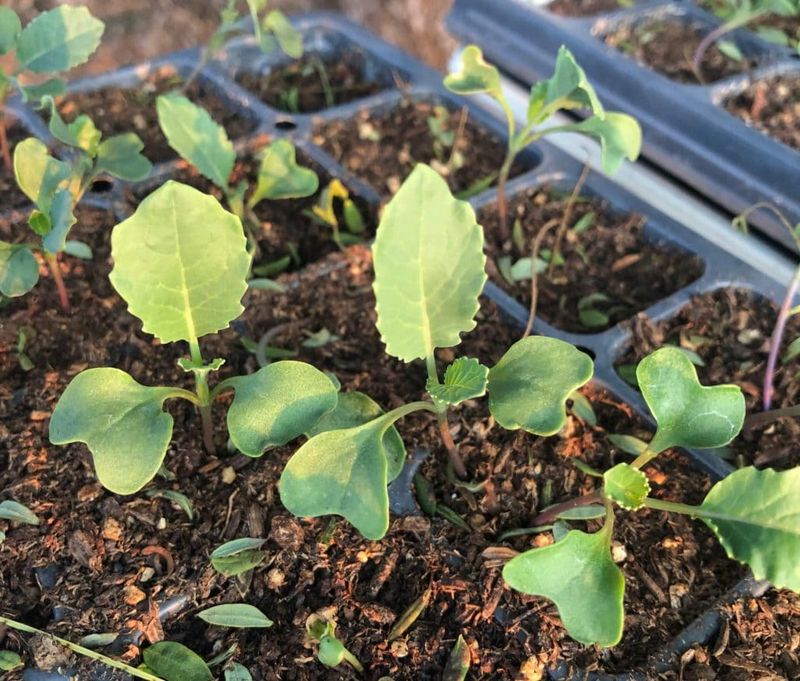
Broccoli is a cool-season crop, and timing is everything in Georgia. Start seeds indoors four to six weeks before your last frost date so plants can be transplanted outside while temperatures are still mild enough for broccoli to produce well.
Seeds germinate quickly, usually within five to ten days at room temperature. Fill seed cells with a good seed-starting mix, plant seeds about a quarter inch deep, and water gently.
You will likely see sprouts within a week, which is encouraging for beginners who want fast feedback.
Once seedlings are up, they need plenty of light to stay compact and sturdy. Leggy broccoli seedlings that have stretched toward a dim window tend to struggle after transplanting.
A grow light or a very bright south-facing window keeps growth tight and strong.
Thin to one seedling per cell after the first true leaves appear. Broccoli roots do not love being disturbed, so use scissors to snip extra seedlings at soil level rather than pulling them out.
Georgia’s spring window for broccoli is shorter than in cooler states because summer heat arrives earlier here.
Getting strong transplants in the ground by late February or early March in south Georgia, or by mid-March further north, gives broccoli enough time to head up before temperatures climb too high.
7. Cauliflower Forms Healthier Plants When Started Early
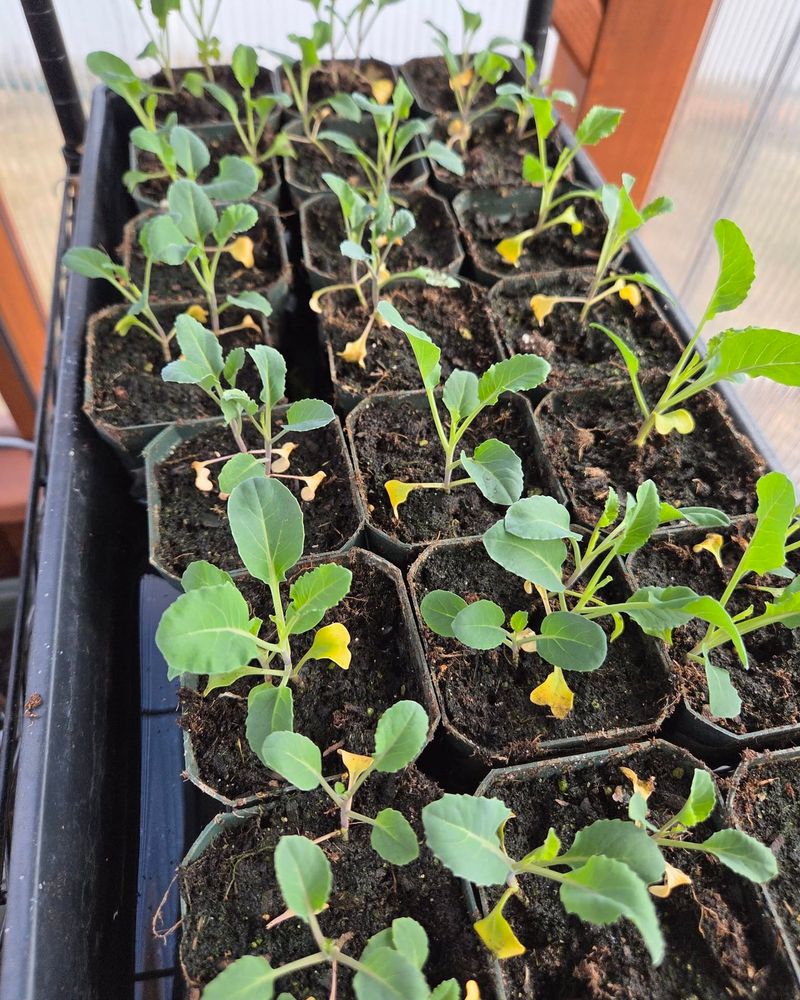
Cauliflower is one of the more demanding cool-season vegetables, but starting it indoors gives you a real advantage over direct seeding outside.
In Georgia, the spring planting window for cauliflower is narrow, so having strong transplants ready early is genuinely important.
Start seeds indoors four to six weeks before your last frost date. Cauliflower germinates well at room temperature and usually sprouts within a week.
Use individual cells rather than open flats since cauliflower seedlings prefer not to have their roots disturbed at transplant time.
Keep seedlings under bright light and maintain steady moisture in the soil. Cauliflower is more sensitive to temperature swings than broccoli or cabbage, so try to keep indoor growing conditions consistent.
Sudden cold drafts or heat fluctuations can stress young plants.
Hardening off cauliflower before transplanting is especially important. Spend at least a week gradually introducing plants to outdoor conditions, starting with shade and working up to direct sun exposure over several days.
In Georgia, get transplants in the ground as early as late February in warmer parts of the state. Cauliflower needs cool temperatures to form tight, white heads.
If the weather heats up before the head fully develops, you may end up with loose or discolored curds. Choosing heat-tolerant varieties like Snow Crown helps manage this challenge.
8. Cabbage Handles Early Indoor Seeding Well
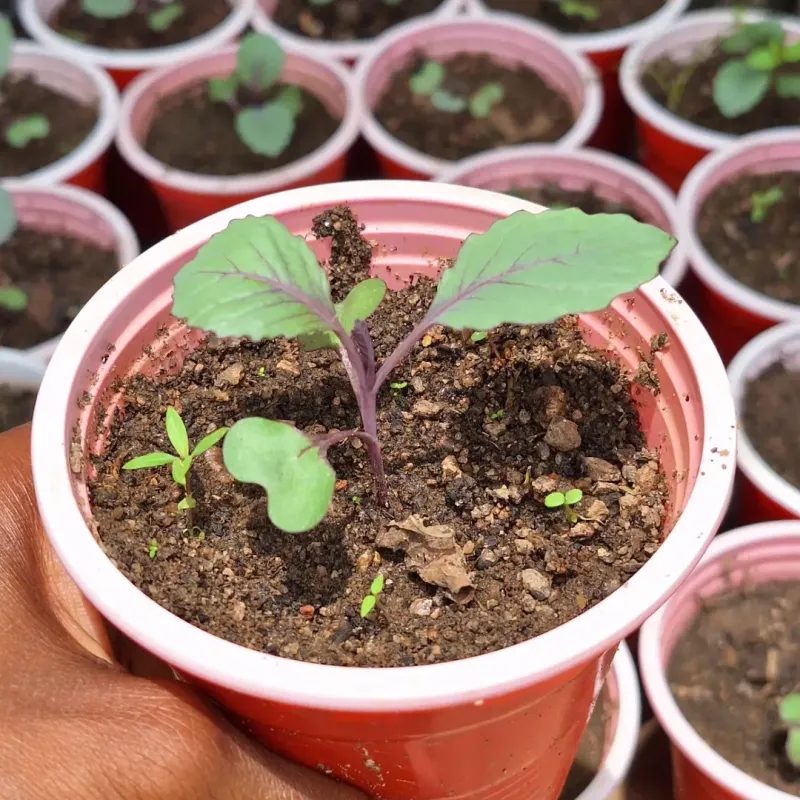
Cabbage is one of the toughest cool-season crops you can start indoors, and it handles the transition from indoor growing to outdoor garden beds better than most vegetables.
For Georgia gardeners, starting cabbage seeds indoors four to six weeks before the last frost date puts you right on schedule.
Seeds sprout fast, often within five to seven days at typical indoor temperatures. Plant seeds about a quarter inch deep in seed-starting mix, water gently, and cover with plastic wrap until germination happens.
Once sprouts appear, remove the cover and move the tray under a grow light or into your brightest window.
Cabbage seedlings are sturdy and forgiving. Even if they get a little leggy from low light, they tend to recover well after transplanting.
Still, the stronger and stockier you can keep them indoors, the better they perform outside.
Thin to one plant per cell once seedlings reach about two inches tall. Cabbage likes consistent moisture but does not tolerate sitting in soggy soil, so make sure drainage is good from the start.
Georgia’s early spring weather suits cabbage well. Transplant outdoors in late February or March, and expect heads to form before summer heat sets in.
Green varieties like Stonehead and Golden Acre are reliable producers for Georgia home gardens.
9. Lettuce Germinates Quickly In Small Indoor Containers
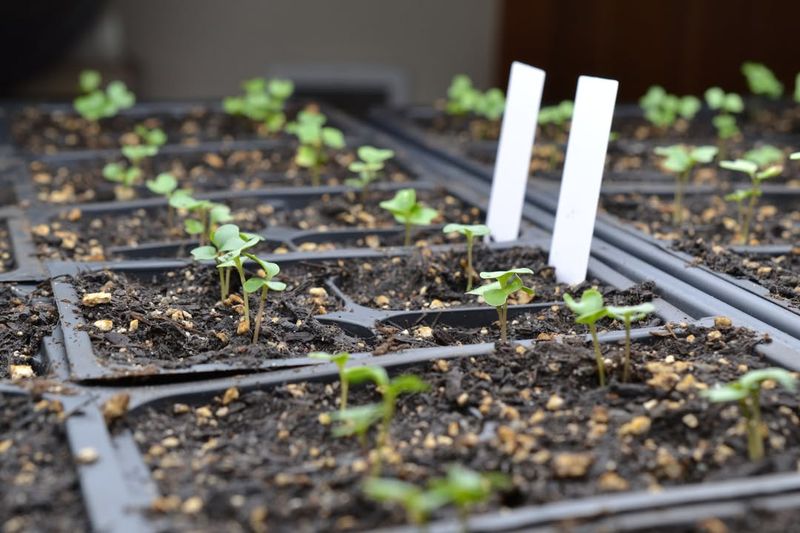
Lettuce might be the most beginner-friendly seed on this entire list. Seeds are tiny, germination is fast, and you do not need much space to get started.
A small container on a windowsill is genuinely all you need to raise a tray of lettuce seedlings.
Scatter seeds lightly across moist seed-starting mix and press them down gently. Lettuce seeds need light to germinate, so do not bury them.
Just press them into the surface and mist with water to keep things moist until sprouts appear, usually within three to seven days.
Start lettuce indoors four to six weeks before Georgia’s last frost date. It prefers cooler temperatures, which actually makes it a great late winter indoor project when your home stays around 60 to 65 degrees.
Warmer temperatures can cause seeds to go dormant rather than sprout.
Thin seedlings to avoid crowding, which can cause stretching and poor air circulation. Lettuce transplants well as long as you handle roots gently and water immediately after planting.
Georgia gardeners can get two rounds of lettuce in spring before summer heat makes it bolt. Starting the first round indoors in late January or early February and a second round a few weeks later extends your harvest window.
Loose-leaf varieties like Black Seeded Simpson and Red Sails are reliable and easy to grow here.