These Native Georgia Perennials Practically Grow Themselves In Full Sun
Full sun in Georgia can turn a promising planting area into a tough spot faster than expected, especially once heat settles in and rainfall turns uneven.
Some perennials fade under that pressure, while others hold their color and shape without much effort once they settle into the soil.
Choosing the right ones makes a noticeable difference from the start. Strong performers handle direct sun, bounce back after dry stretches, and stay reliable even as conditions shift through the season.
Growth stays steady, blooms hold longer, and the overall look stays clean without constant attention.
A few well chosen plants can carry a sunny space through the season with far less work than expected, while still keeping that full and lively feel that makes a garden stand out.
1. Purple Coneflower Thrives In Heat And Blooms Through Summer
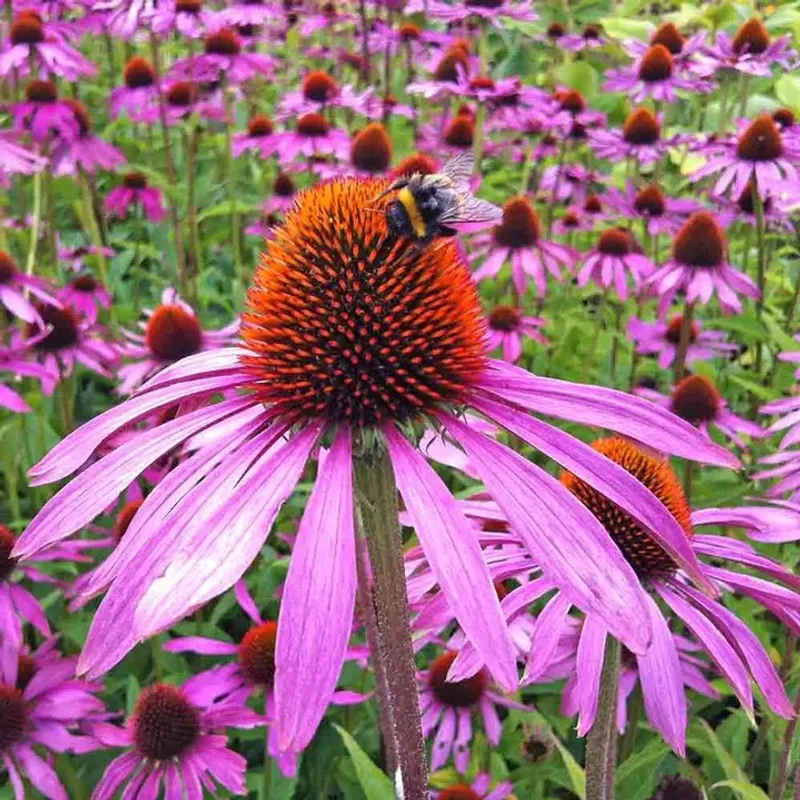
Purple coneflower is one of those plants that just gets Georgia summers. It pushes out bold blooms from June well into August, covering your yard in purple-pink color right when most plants start looking tired and ragged.
The flowers have a raised, cone-shaped center that goldfinches absolutely go after once seeds start forming in late summer.
Full sun is where it performs best, and it handles clay-heavy Georgia soil better than a lot of other perennials. Sandy soil works too, as long as it drains reasonably well.
Wet, soggy spots are where it will struggle, so avoid low areas of your yard that pool after rain.
Echinacea purpurea spreads gradually over the years by self-seeding, which means you might find small plants popping up nearby. You can leave them, move them, or share them with neighbors.
Deadheading spent blooms can extend the flowering period a bit, but leaving some seed heads standing feeds birds through fall and winter. Cutting plants back to the ground in late winter keeps them tidy heading into spring.
In most parts of Georgia, established clumps will return reliably year after year without much intervention from you.
Strong stems help the blooms stay upright through summer storms, so plants hold their shape even during heavy rain and wind.
2. Black Eyed Susan Handles Full Sun And Poor Soil Easily
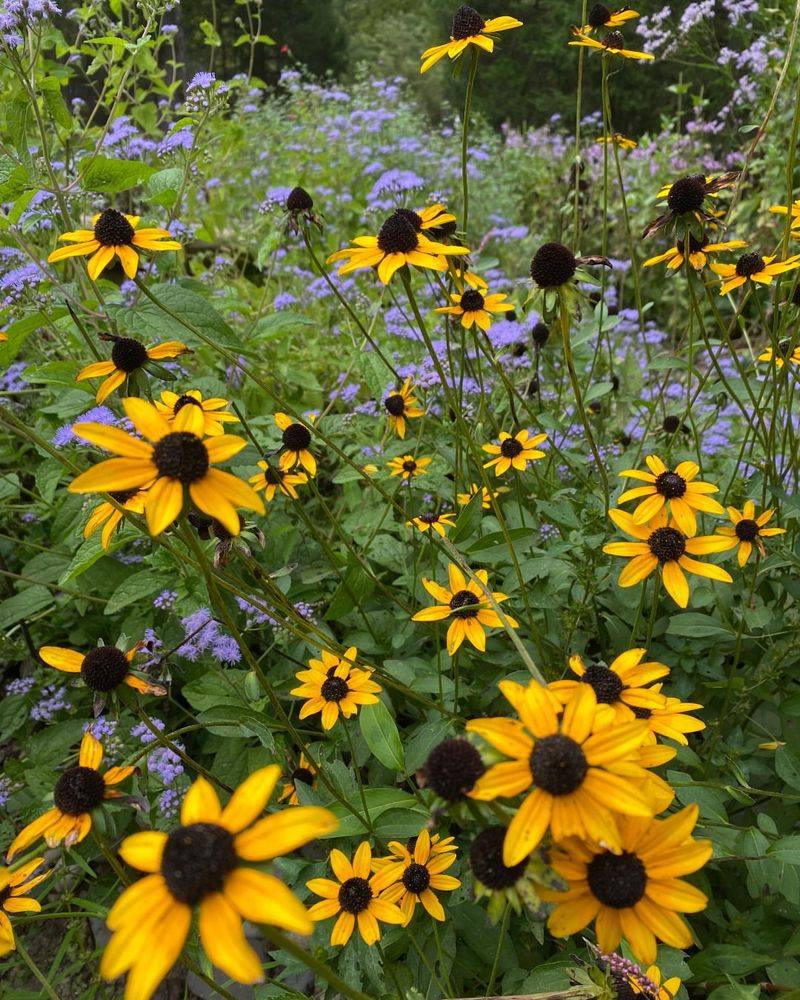
Cheerful is the only word that fits Black-Eyed Susan. Those bright yellow petals wrapped around a nearly black center are hard to miss, and they show up from June all the way through September in most parts of Georgia.
If you have a hot, open spot where other plants have given up, this is worth trying.
Rudbeckia hirta is not picky about soil. Rocky ground, compacted earth, sandy patches along driveways — it handles all of it without much complaint.
Poor drainage is really its main weakness, so if your yard stays wet after heavy rain, amend the soil or pick a better-draining spot before planting.
One thing gardeners in Georgia appreciate is how freely it self-seeds. A small patch can spread into a larger one over a few seasons without any extra work on your part.
If you prefer a tidier look, deadheading regularly keeps plants producing new blooms and slows the spreading. Leaving seed heads up in fall attracts finches and sparrows that pick through them looking for seeds.
Your Georgia Garden Changes Every Week. Your Plan Should Too.
Gardening in Georgia changes quickly throughout the season. Every Friday you’ll receive a simple weekly plan showing exactly what to plant, prune, fertilize, harvest, and protect so you never miss the right timing.
Cutting plants back in late winter or early spring encourages fresh, compact growth. Dividing clumps every three or four years keeps plants vigorous and prevents overcrowding in smaller garden beds.
Bright blooms also hold their color well in full sun, keeping the display strong without fading quickly.
3. Blanket Flower Keeps Blooming Even In Dry Conditions
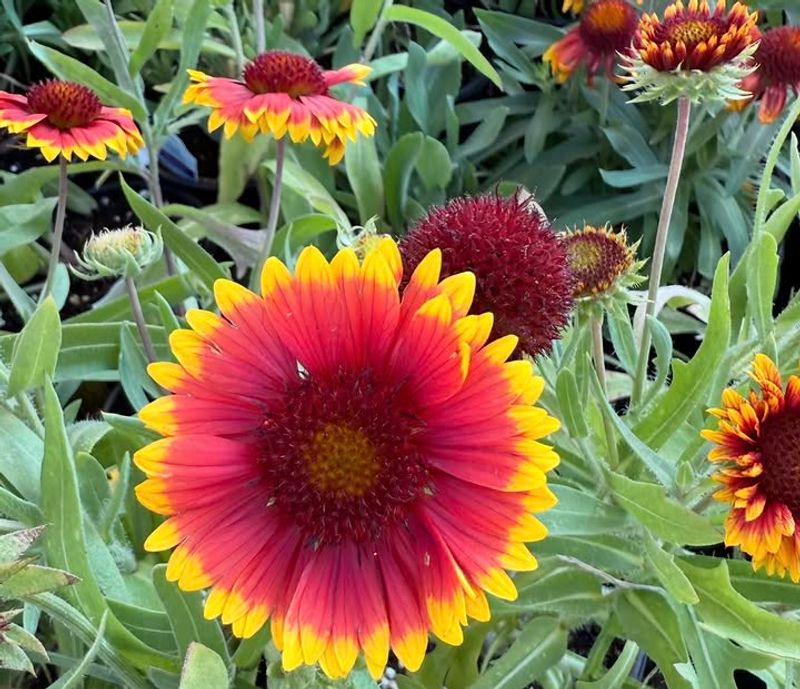
Blanket flower earns its spot in Georgia gardens by doing something most plants refuse to do — blooming heavily during the hottest, driest stretches of summer.
Gaillardia pulchella produces fiery red and yellow flowers that look almost painted, and it keeps pushing them out from late spring through early fall without needing much water from you.
Sandy, well-drained soil is where it really settles in. Coastal Georgia gardeners often have great luck with it because the sandy, fast-draining soil near the coast suits it perfectly.
Heavier clay soils can work, but you may need to mix in some grit or compost to improve drainage before planting.
Full sun is non-negotiable for blanket flower. Shade even a few hours a day and the plants get leggy and bloom less reliably.
Deadheading spent flowers encourages more blooms and extends the season, though leaving a few seed heads at the end of the season lets plants reseed into nearby areas.
Plants may be shorter-lived than some other perennials — sometimes lasting two or three years before fading — but self-seeding usually keeps them coming back.
In Georgia’s warmer zones, expect consistent returns. Fertilizing heavily actually works against this plant, so skip the extra feeding and let it grow lean.
Light pruning through the season helps keep plants compact and encourages more consistent blooming without extra effort.
4. Lanceleaf Coreopsis Flowers Reliably In Open Sunny Areas
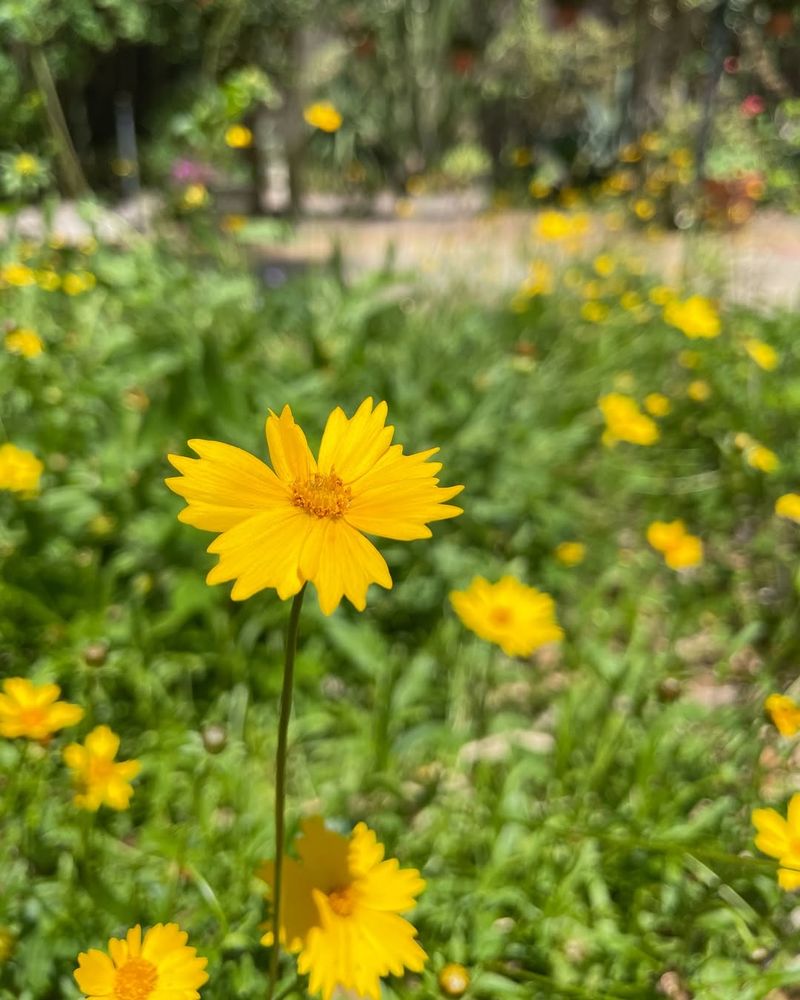
Coreopsis lanceolata is Georgia’s state wildflower, and it earns that title honestly. Bright yellow blooms cover the plants from May through July, sometimes pushing out a second flush in early fall if you cut them back after the first wave fades.
Open fields, roadsides, and sunny garden beds across Georgia are all fair game for this plant.
What sets lanceleaf coreopsis apart from other yellow-flowering perennials is how well it handles neglect. Thin, rocky soil?
Fine. A stretch of weeks without rain?
It manages. Full, blazing sun with no afternoon shade?
That is exactly where it wants to be. Shaded spots slow growth and reduce blooming significantly, so placement matters.
Deadheading spent blooms keeps the plants looking neat and encourages additional flowering. If you skip deadheading entirely, the plants will self-seed and spread naturally over time, which works well in naturalistic or meadow-style plantings.
Clumps can be divided in early spring every few years to keep them producing well. Soil that stays wet through winter can weaken roots, so raised beds or sloped ground helps in areas of Georgia with heavier rainfall.
Overall, this plant asks very little and delivers a reliable show of color through the hottest parts of spring and early summer.
Sturdy stems help the flowers stay upright in wind and rain, so plantings keep a clean, natural look even in exposed spots.
5. Bee Balm Attracts Pollinators And Handles Summer Heat
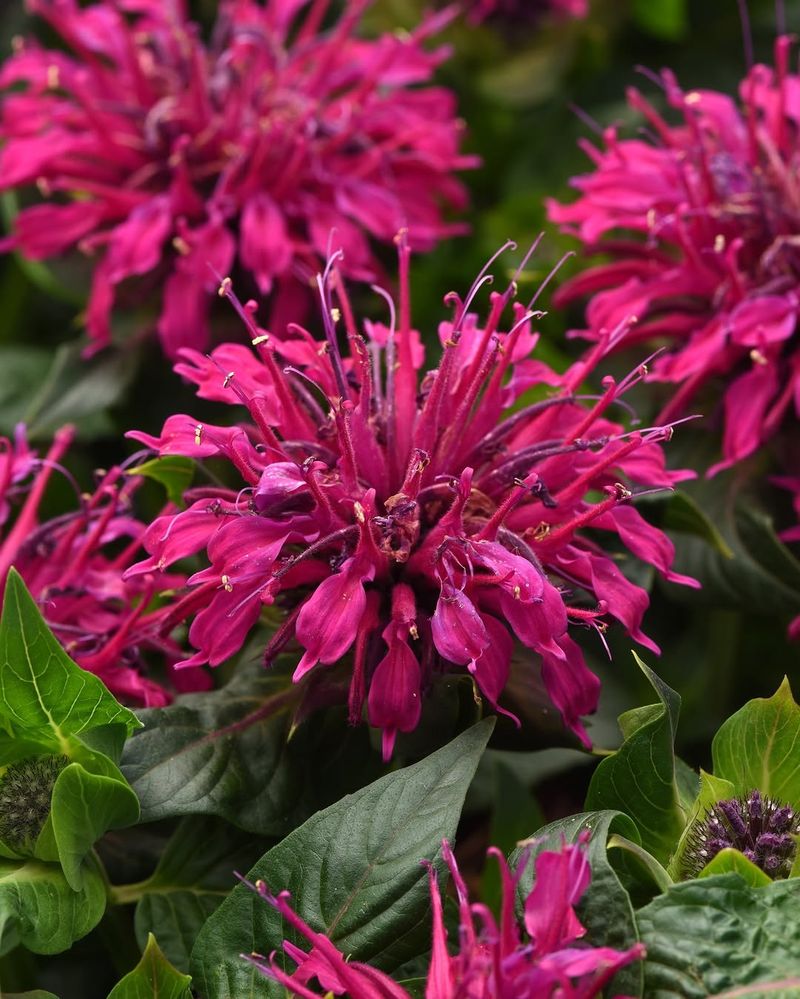
Walk past a patch of bee balm in bloom and you will likely hear it before you see it — the buzzing from bees working the flowers is constant. Monarda species produce shaggy, tubular blooms in red, pink, and lavender that hummingbirds and native bees find irresistible.
Blooming typically peaks in June and July across most of Georgia.
Full sun produces the strongest plants and the most blooms. Bee balm also grows in part shade, but flowering decreases and plants tend to spread more aggressively when light is limited.
In Georgia’s humid summers, air circulation around plants helps reduce powdery mildew, which is a common issue with this genus. Spacing plants about 18 to 24 inches apart gives leaves room to breathe.
Monarda fistulosa, the wild bergamot variety, generally handles Georgia’s heat and humidity better than some of the showier cultivated varieties. It is not quite as flashy, but it is tougher and more consistent in the landscape.
Cutting plants back by about a third after the first flush of blooms often encourages a second round of flowering later in summer. Dividing clumps every two or three years keeps the center of the plant from hollowing out, which happens naturally as the plant ages.
Fresh divisions planted in spring or fall establish well in Georgia conditions.
Fragrant foliage adds another benefit, releasing a minty scent when brushed against or cut.
6. Blue False Indigo Builds Strong Growth With Little Care
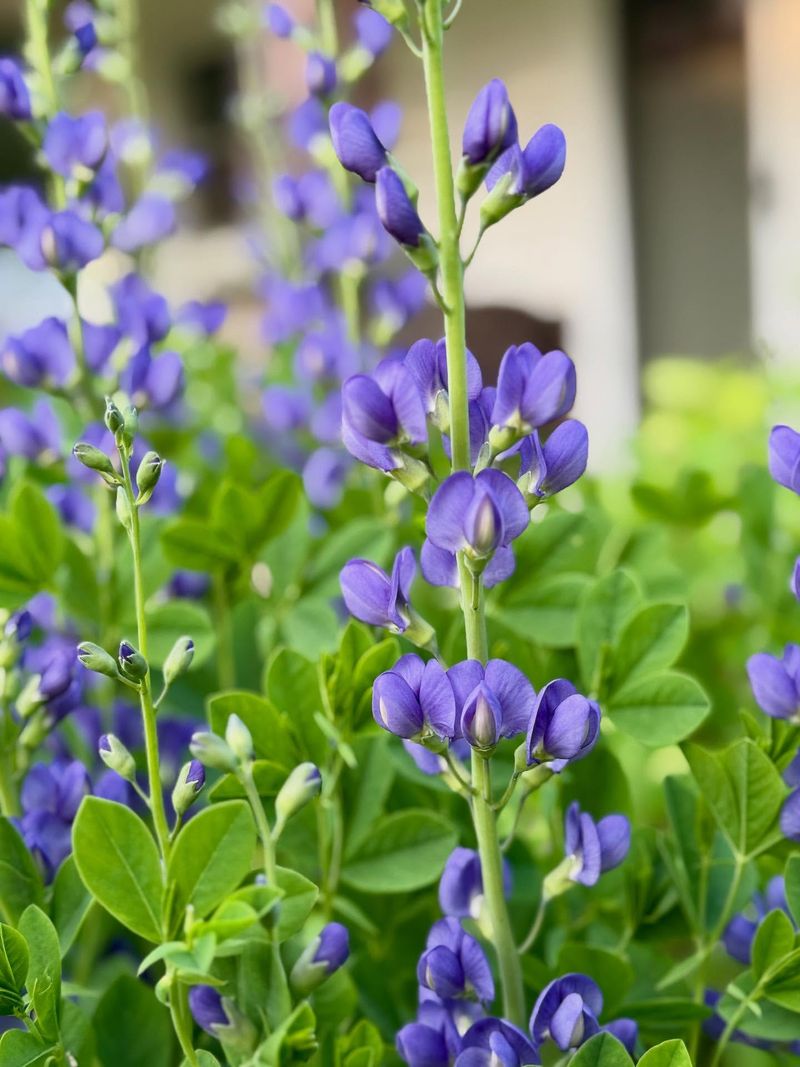
Baptisia australis is a slow starter that rewards patience with one of the most striking spring displays in the native plant world.
Deep blue-purple flowers line tall spikes in April and May, and the blue-green foliage stays attractive through the entire growing season even after blooms fade.
Mature clumps can eventually reach four feet tall and wide.
Planting blue false indigo in the right spot from the beginning matters more than it does with most perennials. Deep taproots develop over the first few years, making established plants very difficult to move without setback.
Full sun and well-drained soil give it the best start. Georgia’s red clay soils can work, but loosening the soil deeply at planting time helps roots get established faster.
Nitrogen-fixing root systems actually improve the surrounding soil over time, which makes it a useful plant in areas where soil quality is poor. No fertilizing is needed, and heavy feeding can actually push too much leafy growth at the expense of blooms.
Seed pods that form after flowering turn dark and papery, rattling in the breeze — some people enjoy leaving them as a textural element through fall.
Cutting the whole plant back to the ground in late winter keeps it from getting woody and encourages strong new growth each spring in Georgia’s warming climate.
Long-lived clumps can stay in place for many years, gradually getting fuller and producing more blooms with each season.
7. Blazing Star Sends Up Tall Blooms That Thrive In Full Sun
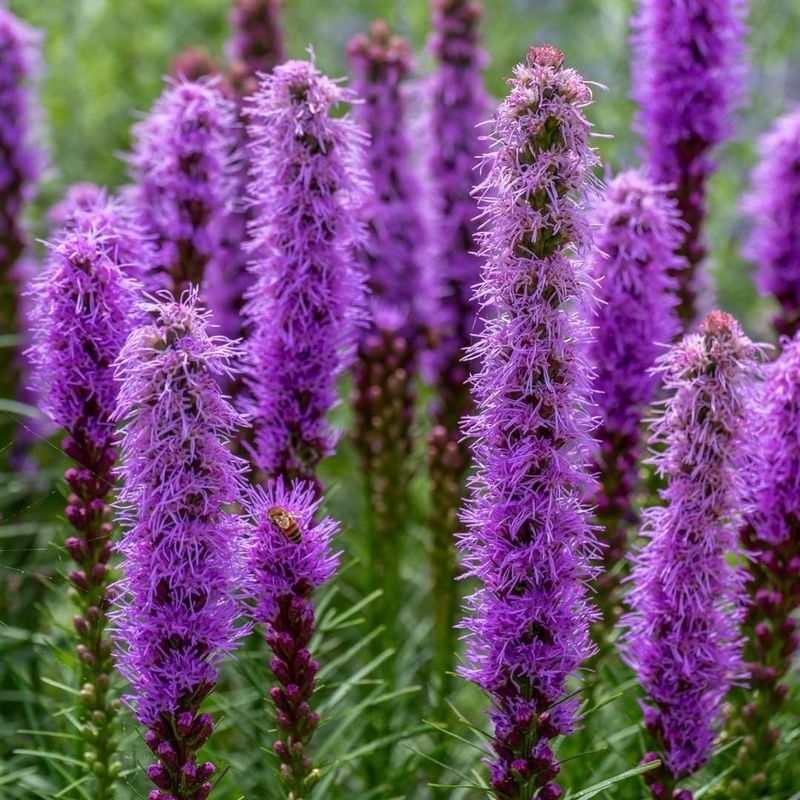
Blazing star does something unusual that most gardeners notice right away — its flower spikes open from the top down instead of from the bottom up like most plants.
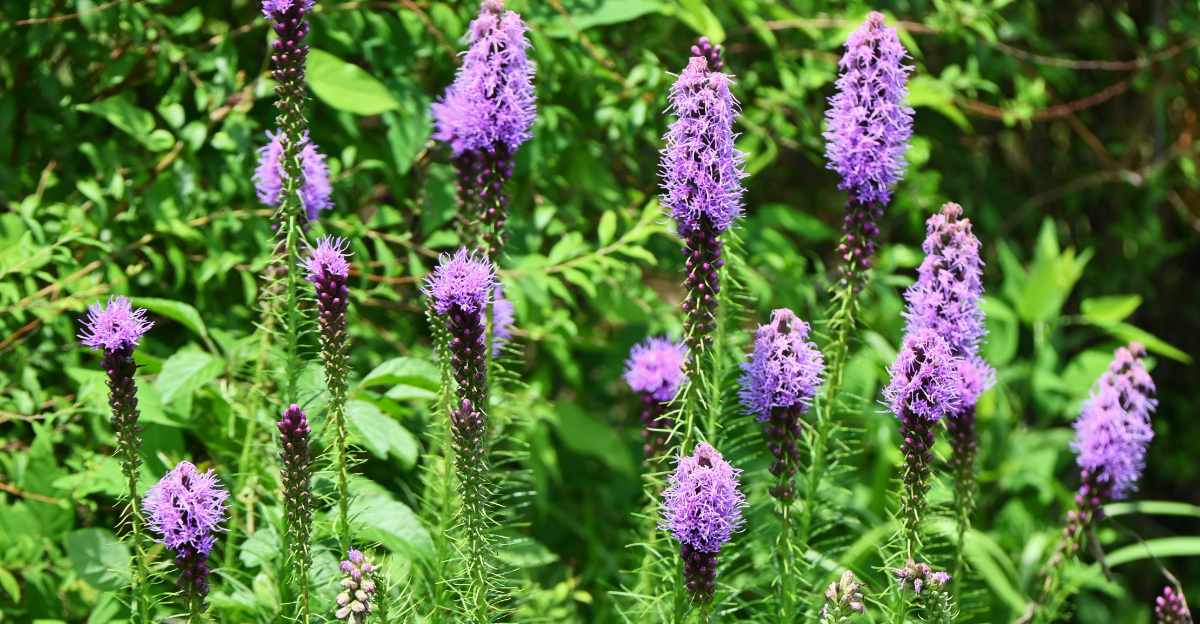
Liatris spicata sends up tall, feathery purple spikes from July through September that act like a magnet for monarchs, swallowtails, and bumblebees moving through Georgia during late summer.
Full sun and good drainage are the two things this plant needs most. It grows from a corm, which is a small bulb-like structure, and that corm will rot in soil that stays wet for extended periods.
Raised beds, sloped ground, or areas with sandy soil in coastal Georgia suit it well. Average garden soil works fine as long as water moves through it reasonably quickly.
Heights vary by variety, with some topping out around two feet and others reaching nearly four feet in good conditions. Taller varieties may need staking in exposed locations where wind is a factor.
Clumps multiply slowly over the years, and you can divide them in early spring before new growth emerges. Leaving seed heads standing after bloom provides food for goldfinches, which are common visitors to Georgia gardens in fall.
Cutting back spent stalks in late winter tidies the planting and clears the way for new growth as temperatures begin rising again in late February and March.
Vertical spikes add strong structure to planting beds, creating height and contrast against lower-growing plants through late summer.
8. Butterfly Weed Handles Heat And Supports Pollinators
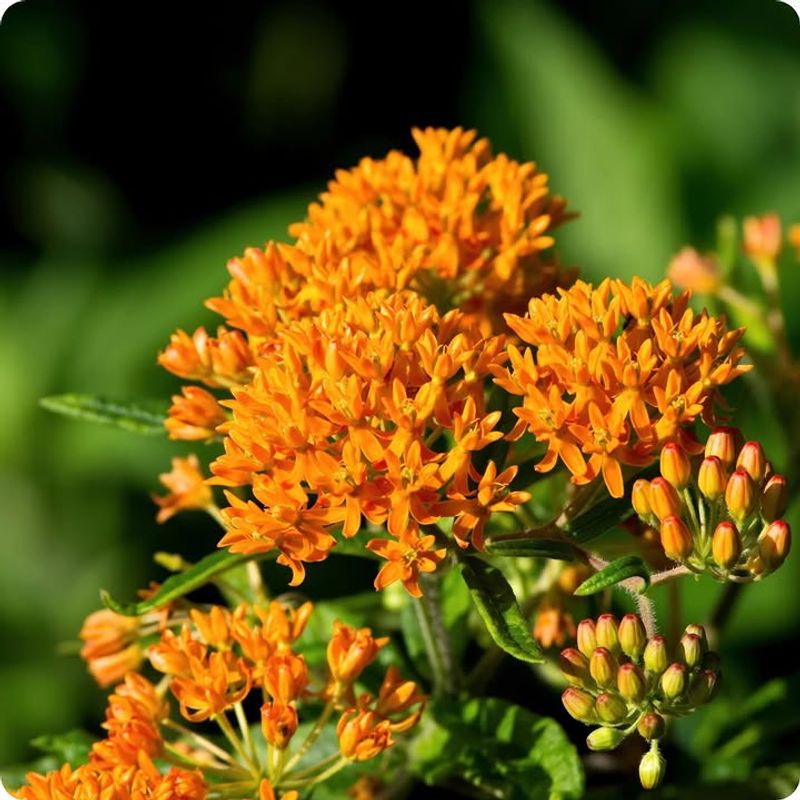
Few native plants in Georgia pack as much ecological value into one small package as butterfly weed. Asclepias tuberosa produces clusters of vivid orange flowers from June through August that feed adult butterflies, native bees, and hummingbirds.
Monarch butterflies also use it as a host plant, laying eggs on the leaves so caterpillars have food when they hatch.
Heat and dry soil are where this plant is completely at home. Sandy, well-drained ground in full sun is ideal, and it handles summer droughts across Georgia without wilting or losing vigor.
Overwatering or planting in soggy areas is one of the quickest ways to run into trouble with this species, so drainage is the most important factor to get right from the start.
Like blue false indigo, butterfly weed develops a deep taproot that makes moving established plants difficult. Choosing a permanent, sunny location before planting saves frustration later.
Slow to emerge in spring — sometimes not showing signs of life until late April — so marking the spot over winter prevents accidentally digging it up. Seed pods form after flowering and split open in fall, releasing seeds attached to silky threads that carry on the wind.
Letting a few pods open naturally allows plants to self-seed into nearby areas, gradually expanding the planting over several seasons in Georgia landscapes.