10 Plants In Georgia You Should Never Grow Next To Your Tomatoes
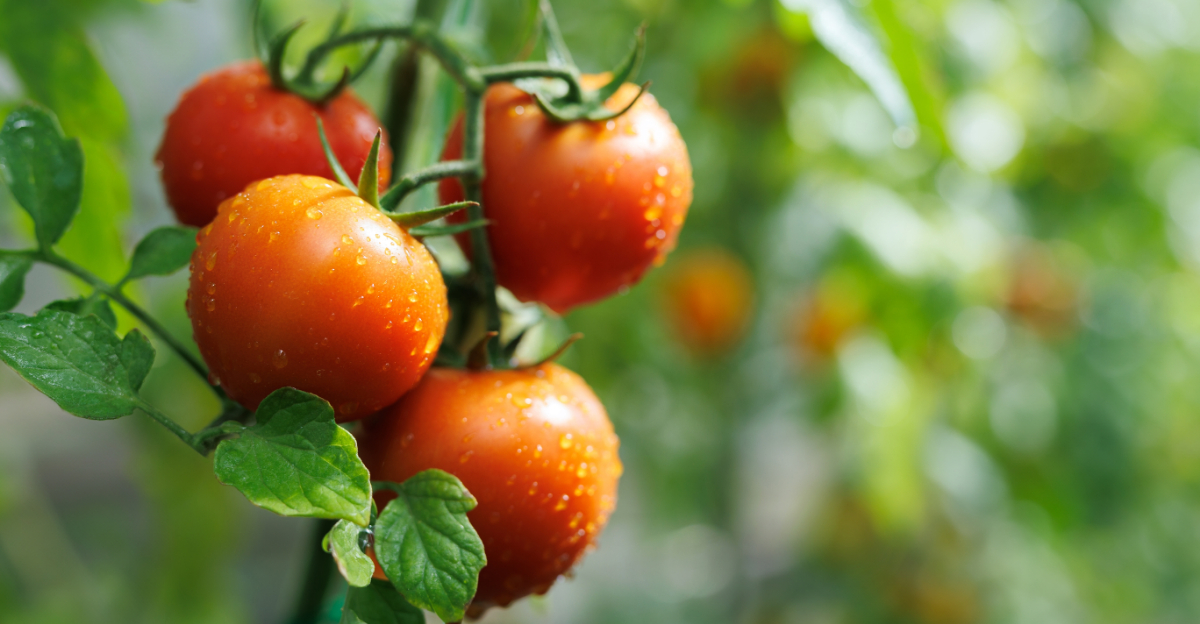
We’ve all been there – planting our tomatoes with the best intentions, only to end up with poor results.
Whether it’s a frustrating lack of fruit or pests eating away at your plants, sometimes it’s not just the weather or care; it’s what you’re planting alongside them.
Certain plants, while great in their own right, don’t play nice when they’re too close to your tomatoes. Some may compete for nutrients, attract pests, or even inhibit growth.
If you’ve been wondering why your tomatoes aren’t thriving, it might just be the neighbors in your garden.
Before you plant, take a moment to learn which plants to avoid. You might just be surprised how a little spacing can make all the difference in your garden’s success.
1. Cabbage That Steals Tomato Nutrients
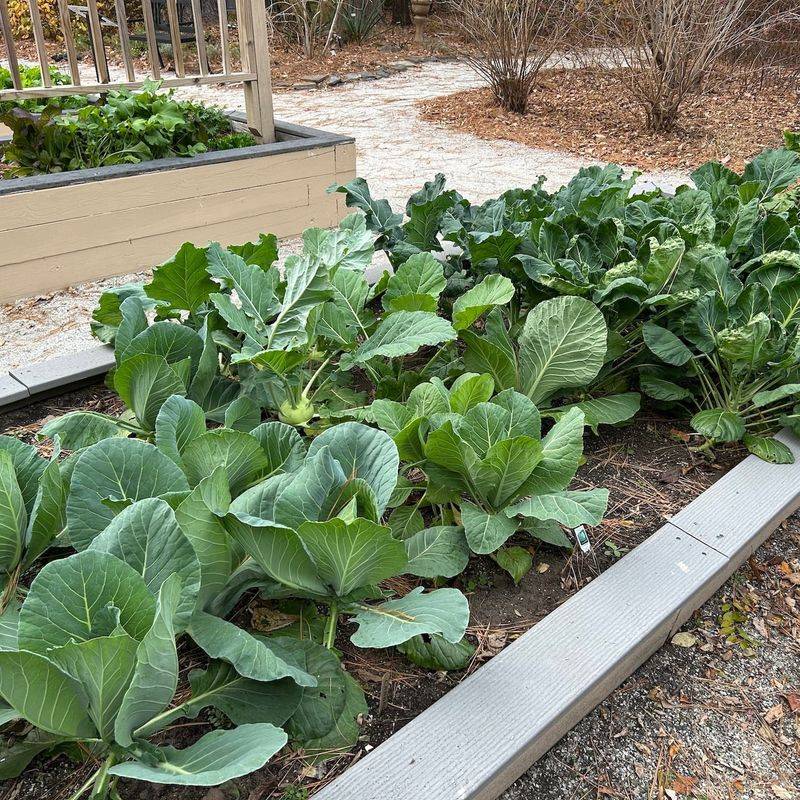
When planted too close to tomatoes, cabbage can compete for nutrients, especially nitrogen and calcium, which may affect the health and productivity of your tomato plants. This member of the Brassica family includes broccoli, cauliflower, kale, and Brussels sprouts.
Many members of the Brassica family, including cabbage, broccoli, cauliflower, kale, and Brussels sprouts, are considered relatively nutrient-demanding, and planting them near tomatoes can sometimes reduce nutrient availability.
When cabbage and tomatoes share the same garden bed, they end up fighting over the same nutrients, especially nitrogen, calcium, and potassium. Tomatoes need these minerals to produce strong stems, healthy leaves, and flavorful fruit.
When cabbage takes more than its share, tomato plants can end up looking weak, yellow, and undersized.
Georgia gardeners often notice that tomato plants near cabbage produce fewer fruits and seem to struggle even when they are watered and fertilized regularly. The problem is not always visible right away, which makes it tricky to diagnose.
You might think your tomatoes are sick when they are really just being outcompeted.
A smart move is to keep your Brassica plants on the opposite side of the garden from your tomatoes. Give each plant family its own space, and both will grow much better.
Rotate your crops each season too, so the same soil does not get depleted by the same heavy feeders year after year.
2. Corn Which Shades Tomato Sunlight
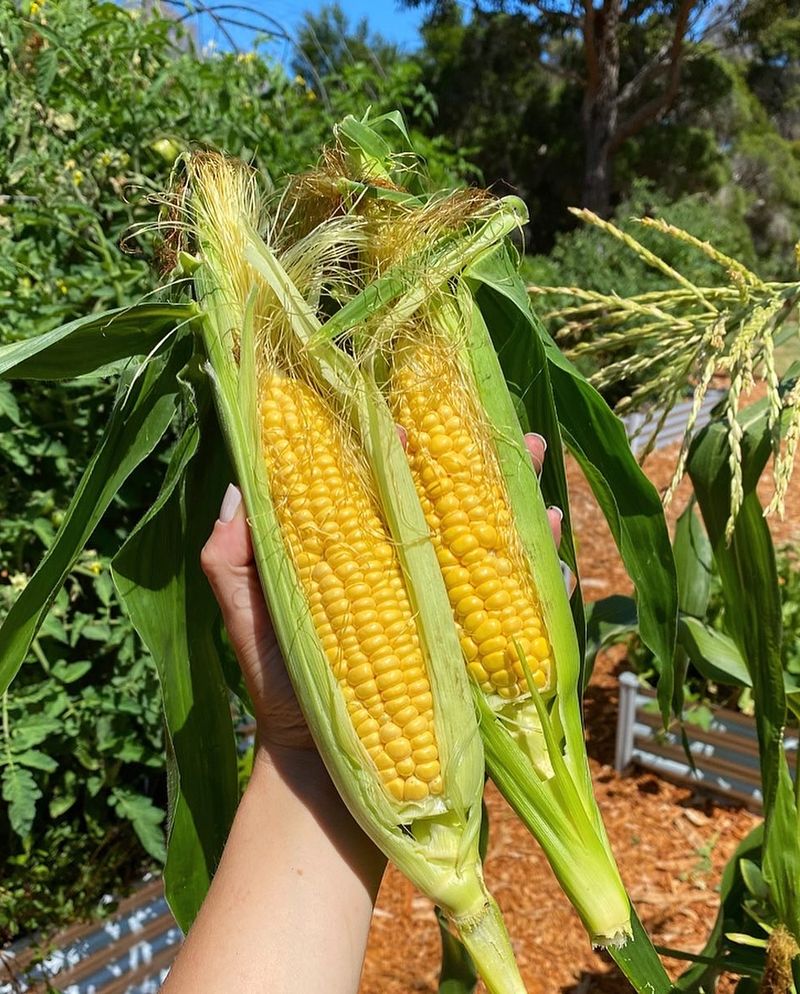
Although both corn and tomatoes are summer staples at the Georgia dinner table, they do not get along well in the garden. The height of corn can shade tomatoes, reducing the sunlight they need to thrive.
Proper spacing or placing corn on the northern side of your garden can help.
Tomatoes absolutely love full sun. In fact, they need at least six to eight hours of direct sunlight every day to produce a strong harvest.
When corn towers over them and blocks that light, tomatoes struggle to ripen properly, and fruit production drops significantly. Georgia summers are hot and sunny, and your tomatoes deserve every bit of that light.
Corn and tomatoes can sometimes attract overlapping pest species, including caterpillars, though the corn earworm primarily feeds on corn and tomatoes less frequently, so careful monitoring is recommended. When corn is planted nearby, it can actually draw more of these pests into the area, putting your tomato plants at greater risk.
Your Georgia Garden Changes Every Week. Your Plan Should Too.
Gardening in Georgia changes quickly throughout the season. Every Friday you’ll receive a simple weekly plan showing exactly what to plant, prune, fertilize, harvest, and protect so you never miss the right timing.
Keeping corn and tomatoes separated in your Georgia garden is a simple but powerful way to protect both crops. Plant your corn on the north side of the garden so its shadow falls away from your other vegetables.
That way, everyone gets the sunshine they need and pest pressure stays more manageable throughout the growing season.
3. Fennel That Stunts Tomato Growth
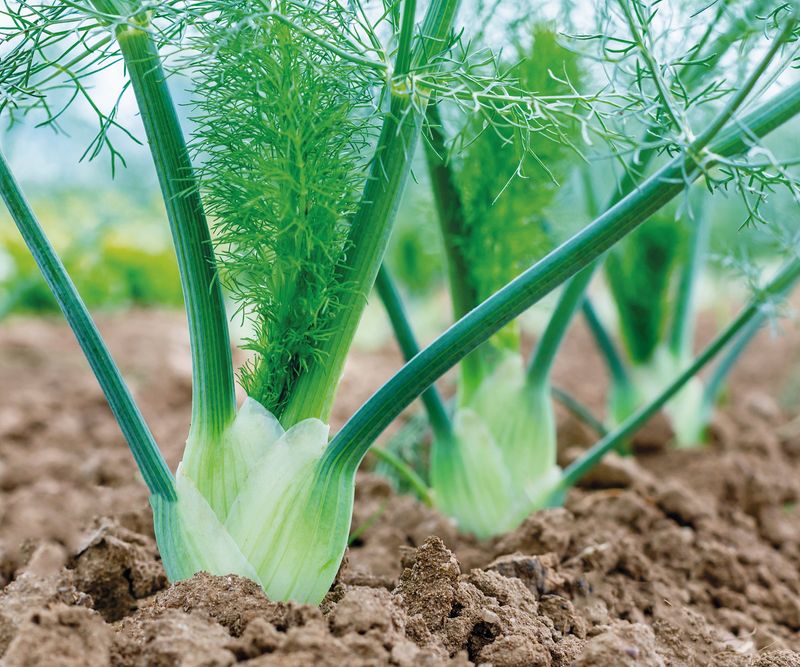
With its feathery green fronds and sweet anise-like scent, fennel seems harmless and even beautiful. Many Georgia gardeners grow it for cooking or to attract beneficial insects.
But when it gets too close to tomatoes, things go sideways fast.
The reason fennel is so problematic is something called allelopathy. Fennel releases natural chemicals through its roots and leaves that can actually slow down or completely stop the growth of nearby plants.
Tomatoes may be affected by fennel’s allelopathic compounds, and exposure can sometimes slow growth or reduce vigor, so it is advisable to plant fennel away from tomato beds.
What makes this worse is that fennel is a strong and confident grower. It spreads easily and can take over a large section of your garden if you are not paying attention.
In Georgia’s warm climate, fennel thrives and grows quickly, meaning the chemical exposure to your tomatoes can build up faster than you might expect.
The best advice for Georgia gardeners is to give fennel its own dedicated spot well away from the vegetable garden. Many experienced growers actually plant fennel in containers or in a separate bed entirely to keep it from bothering other crops.
Fennel does have its uses, but it truly belongs on its own. Keep it far from your tomatoes and you will see a noticeable improvement in how well your plants grow.
4. Dill Which Attracts Tomato Pests
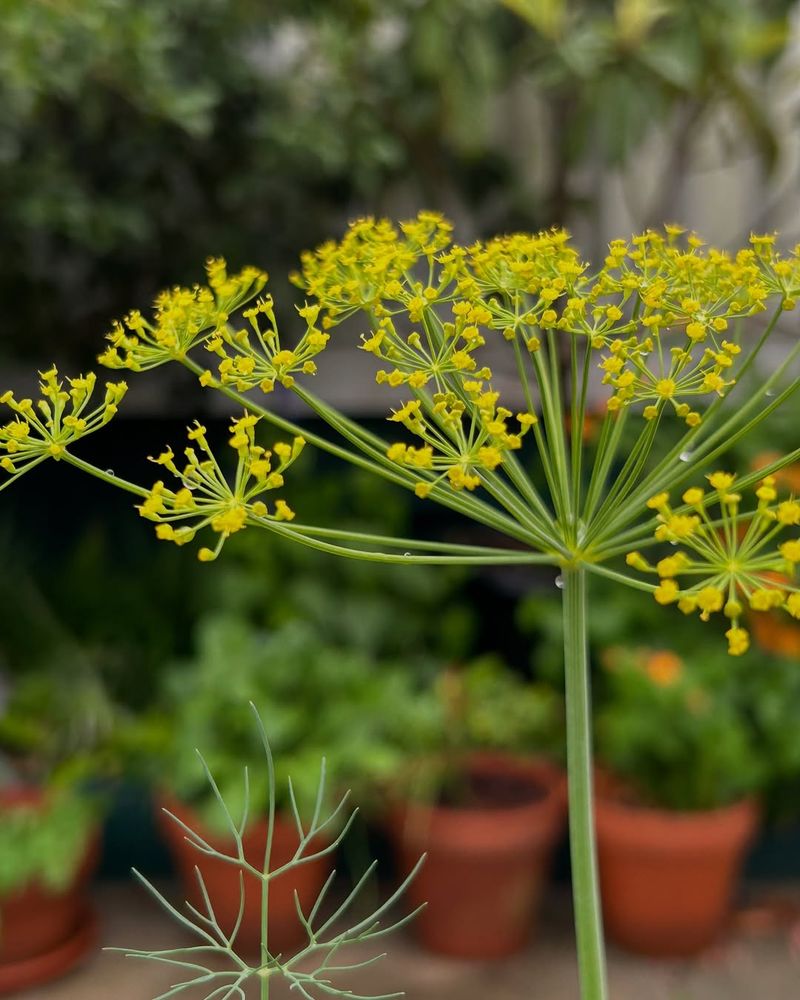
In the garden, dill has a bit of a split personality when it comes to tomatoes. Young dill plants can actually be helpful because they attract beneficial insects like ladybugs and parasitic wasps that keep harmful bugs under control.
So far, so good. But the moment dill matures and starts producing those pretty yellow flower heads, the relationship with tomatoes turns complicated.
Mature dill may influence tomato growth due to chemical interactions, and placing flowering dill a few feet away from tomatoes can reduce the chance of negative effects.The older the dill plant gets, the more likely it is to cause problems for nearby tomatoes.
There is another concern too. Dill is known to attract tomato hornworms, those large green caterpillars that can strip a tomato plant bare in just a few days.
In Georgia’s warm growing season, hornworm populations can build up quickly, and having dill nearby is like sending them an invitation to your garden.
If you love cooking with dill and want to grow it in your Georgia garden, that is completely fine. Just be smart about placement.
Plant young dill at least three to four feet away from your tomatoes, and remove or relocate it once it starts to flower. That small effort can make a real difference in how healthy and productive your tomato plants turn out to be.
5. Potatoes With Their Shared Tomato Diseases
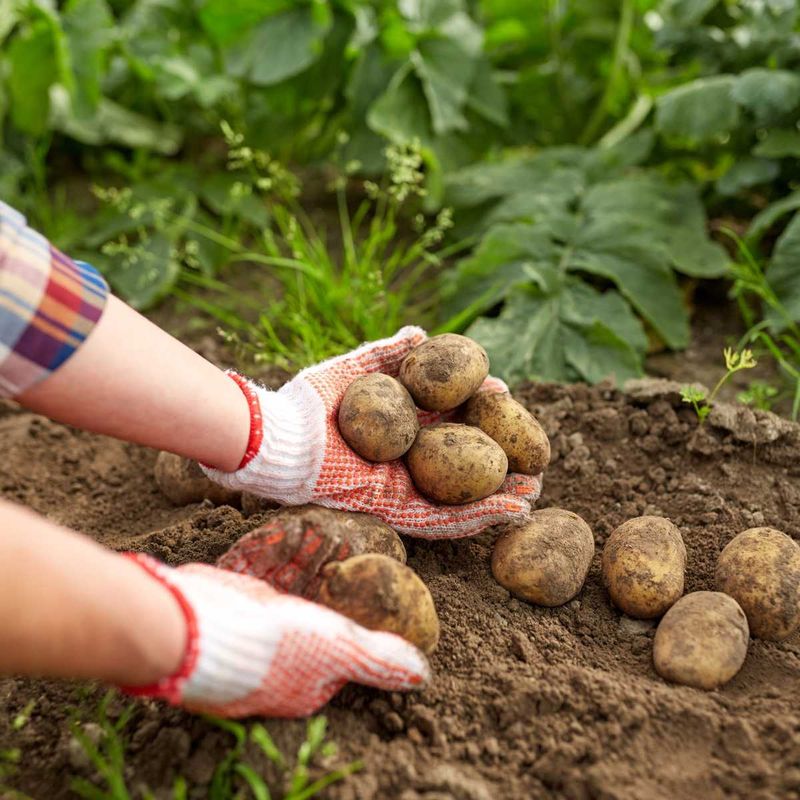
As close relatives of tomatoes, potatoes both belong to the Solanaceae family, which also includes peppers and eggplant. You might think that makes them natural garden neighbors, but it actually makes them one of the worst combinations you can plant together in your Georgia garden.
Because they are so closely related, potatoes and tomatoes share many of the same diseases. The most dangerous one is late blight, caused by the pathogen Phytophthora infestans.
Potatoes and tomatoes share susceptibility to late blight (Phytophthora infestans) and early blight. Planting them together can increase the chance of disease spread, especially in Georgia’s humid summers.
Early blight is another shared threat. It shows up as dark, circular spots on leaves and can spread quickly from potatoes to tomatoes or the other way around.
Fungal diseases love the warm, moist conditions that Georgia summers often bring, making the risk even higher here than in cooler states.
Keeping potatoes and tomatoes on completely opposite ends of your garden is a smart and simple precaution. Better yet, avoid planting them in the same garden beds in back-to-back seasons.
Rotating crops is one of the most effective strategies for reducing disease buildup in the soil. Georgia gardeners who follow crop rotation consistently tend to have much healthier tomato harvests year after year.
6. Eggplant That Spreads Tomato Pathogens
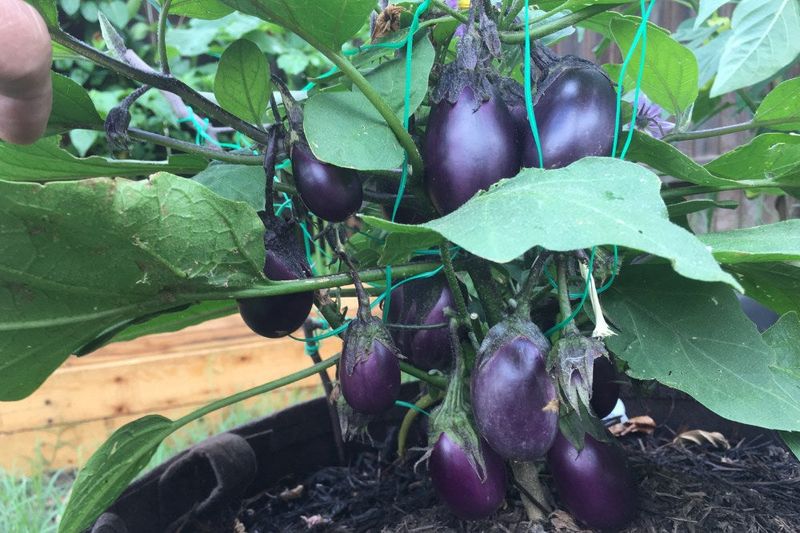
As another member of the Solanaceae family, eggplant shares a lot more with tomatoes than just a family name. Growing it right next to your tomatoes in a Georgia garden creates a situation where both plants are vulnerable to the same diseases at the same time, in the same spot.
Early blight and late blight are the biggest culprits. These fungal and water mold diseases spread through spores that travel on the wind and in water droplets.
Eggplant and tomatoes are both Solanaceae, and growing them together can increase the likelihood of disease transmission, particularly under warm, humid conditions common in Georgia.
Eggplant also attracts some of the same pests as tomatoes, including aphids, spider mites, and flea beetles. When both crops are nearby, pest populations can grow larger and more concentrated, making it harder to manage them without heavy intervention.
That means more work for you and more stress for your plants.
A better approach is to plant eggplant in a separate section of your Georgia garden, well away from your tomatoes. Give each plant enough space and airflow to stay healthy.
If you rotate your crops each season and avoid planting Solanaceae family members in the same beds consecutively, you will dramatically reduce the chances of disease taking hold and ruining your harvest.
7. Cucumbers With Their Crowded Vines
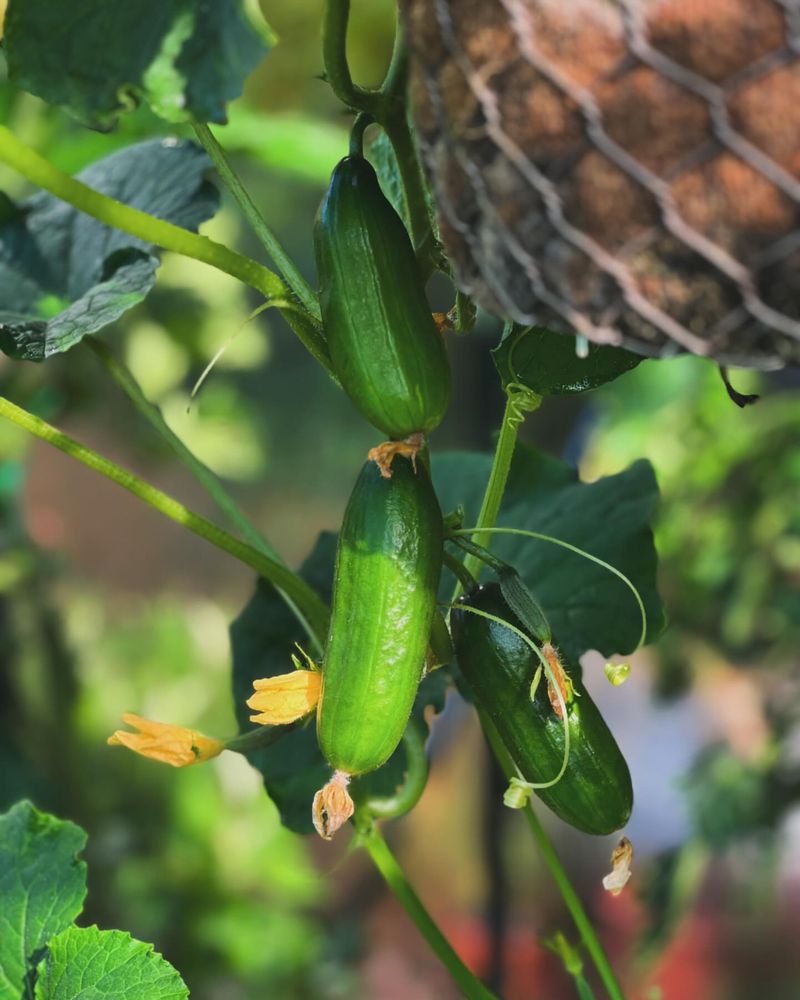
A beloved staple in Georgia gardens, cucumbers are easy to love. They grow fast, produce abundantly, and taste incredible fresh off the vine.
But as tempting as it is to pack your garden beds full of summer favorites, putting them right next to your tomatoes can lead to some real headaches.
One of the main issues is that cucumbers and tomatoes compete for similar resources, including water, sunlight, and soil nutrients. In a Georgia summer, when temperatures soar and rainfall can be unpredictable, this competition gets intense.
Cucumbers are aggressive growers and their vines can spread wide, potentially crowding tomato plants and reducing their access to light and airflow.
Poor airflow is a serious concern because it creates the warm, moist conditions that fungal diseases love. Diseases like powdery mildew can start on cucumber plants and eventually spread to nearby tomatoes.
Crowded conditions can promote fungal diseases, which may require careful management, including selective pruning and sanitation, to prevent spread to neighboring plants.
Cucumbers and tomatoes also have different watering needs. Tomatoes prefer deep, infrequent watering that encourages strong root development, while cucumbers like more consistent moisture at the surface.
Trying to satisfy both plants in the same space can leave one of them stressed. In your Georgia garden, give cucumbers their own raised bed or trellis area, and let your tomatoes have the space and conditions they need to truly flourish.
8. Peppers That Invite Tomato Problems
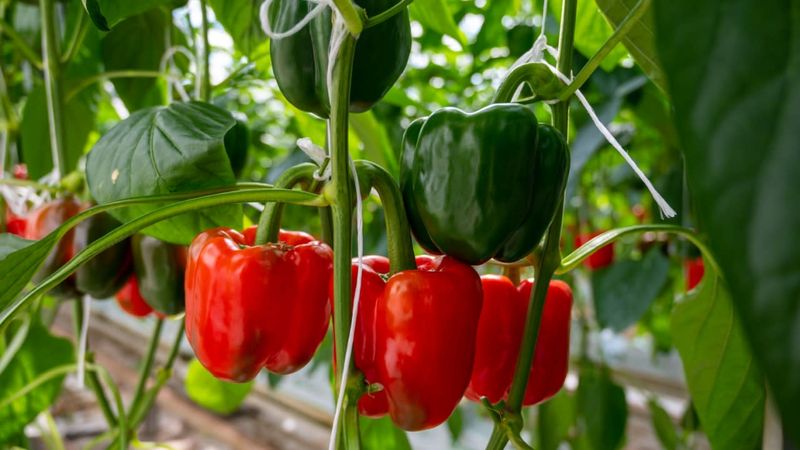
Looking like they belong together, peppers and tomatoes both love heat, thrive in Georgia’s long growing season, and often end up on the same dinner plate. But growing them side by side in the garden is a pairing that experienced Georgia gardeners have learned to avoid.
Just like eggplant and potatoes, peppers are members of the Solanaceae family. That shared family connection means they are susceptible to many of the same diseases, including bacterial spot, early blight, and Phytophthora blight.
When peppers and tomatoes are planted close together, any disease that gets started in one crop can travel easily to the other.
Bacterial spot is especially common in Georgia during the rainy season. It causes dark, water-soaked lesions on leaves and fruit, and it spreads through splashing water and wind.
Having two Solanaceae crops side by side essentially creates a larger, more connected target for pathogens to move through.
Pests like aphids and thrips also love both peppers and tomatoes, and a mixed planting gives these insects a bigger buffet to feed on without ever needing to travel far. Separating your peppers and tomatoes into different areas of the garden, with at least a few feet of space or a different crop type in between, can significantly reduce the risk.
Thoughtful spacing is one of the easiest and most effective tools any Georgia gardener has.
9. Sweet Potatoes With Their Sprawling Vines
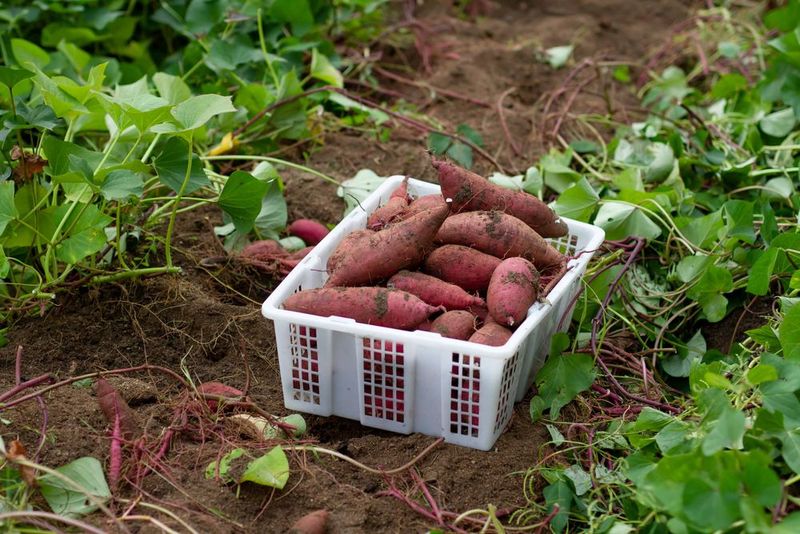
Sweet potatoes are a Georgia garden classic. They love the heat, they grow with very little fuss, and they reward patient gardeners with a beautiful harvest.
However, planting them anywhere near your tomatoes is something you will want to think twice about before doing.
Sweet potatoes produce long, sprawling vines that can spread several feet in every direction. In a busy Georgia summer garden, those vines can quickly overtake nearby plants, including your tomatoes.
The vines compete for ground space and can even wrap around tomato stems, restricting airflow and creating shaded, moist conditions that invite fungal problems.
There is also a disease concern. Sweet potatoes are in a different plant family than tomatoes, but soil-borne pathogens such as Fusarium may persist in the soil.
Keeping sweet potatoes separate from tomatoes can help reduce potential risk.
Wireworms are another shared pest concern. These soil-dwelling larvae attack the roots and tubers of sweet potatoes, and they can also damage tomato roots growing in the same area.
In Georgia, where the soil stays warm deep into the fall, wireworm activity can persist longer than in cooler climates. Keep sweet potatoes in their own dedicated garden section, give them room to spread freely, and your tomatoes will thank you with a much stronger, cleaner harvest.
10. Black Walnut Trees That Poison Tomatoes
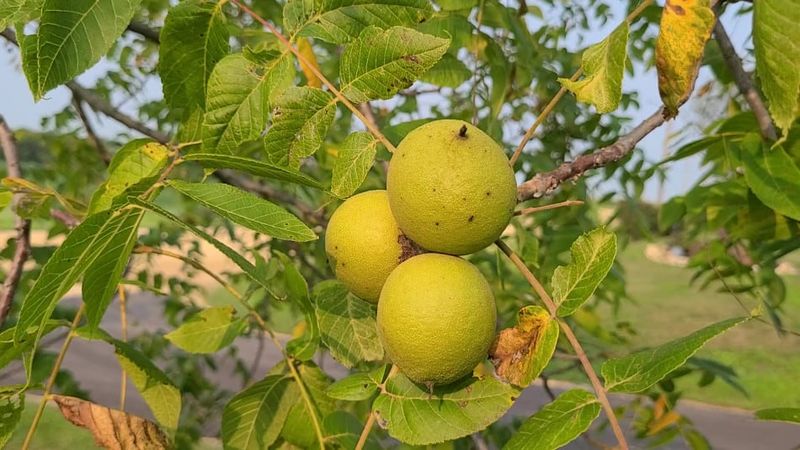
Of all the plants on this list, black walnut trees are arguably the most serious threat to your tomatoes. These impressive native trees are found throughout Georgia and can grow quite large, making them a common feature in older yards and rural properties.
But if your tomato garden happens to be anywhere near one, you have got a real problem on your hands.
Black walnut trees produce a natural chemical called juglone. This compound is released from the tree’s roots, leaves, and even its fallen nuts, and it seeps into the surrounding soil.
Juglone is toxic to a surprisingly wide range of garden plants, and tomatoes are among the most sensitive. Exposure causes wilting, yellowing leaves, and a slow, steady decline that can be mistaken for drought stress or disease.
Juglone from black walnut roots and debris can persist in the soil for several months. Gardeners are advised to wait and test soil or plant tolerant species before planting tomatoes near former walnut locations.
Experts recommend keeping tomatoes at least 50 to 60 feet away from black walnut trees to stay safely outside the root zone. If you are gardening in Georgia near wooded areas or older neighborhoods with mature trees, it is worth identifying what types of trees are nearby before you decide where to plant your tomatoes.
A little research upfront can prevent a lot of frustration later.