8 Flowers That Draw Hummingbirds And Butterflies To Georgia Yards
Georgia yards can feel quiet even when flowers are in full bloom, and that is usually when something feels off without it being obvious at first.
Color alone does not always bring life into a garden, and some spaces never attract the kind of activity people expect.
A yard that draws hummingbirds and butterflies has a completely different energy. Quick movement, flashes of color in the air, and constant visits turn an ordinary space into something far more engaging.
The difference comes down to the flowers themselves and what they offer beyond appearance. Certain choices bring consistent visits, while others barely get noticed no matter how good they look.
Once the right plants are in place, the change shows up quickly, and the garden starts to feel more active, more alive, and far more rewarding to spend time in.
1. Bee Balm Brings In Hummingbirds And Butterflies
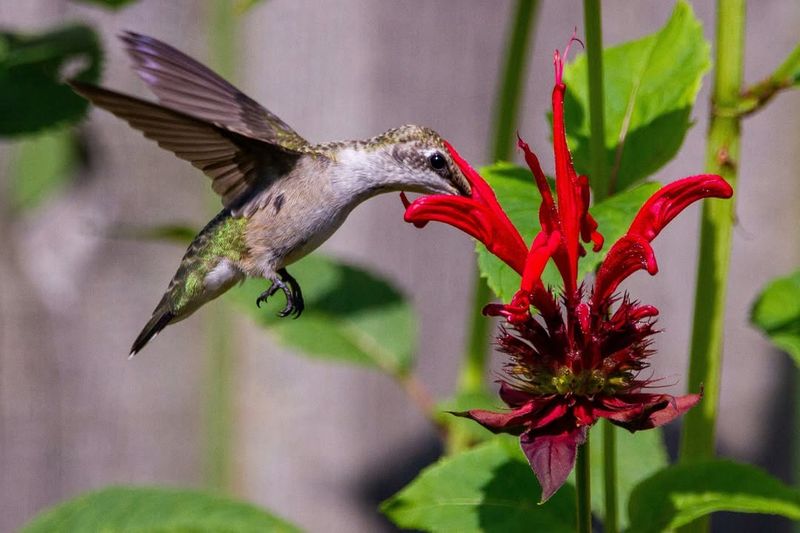
Bee Balm has a wild, shaggy look that somehow works perfectly in a Georgia garden. Ruby-throated hummingbirds seem to find it fast — the tubular red and pink blooms are shaped exactly the way their beaks work best.
Swallowtail butterflies visit regularly too, especially during the peak bloom period from mid-summer into early fall.
Plant it where it gets at least six hours of sun, though afternoon shade in Georgia’s heat can help it stay productive longer. Soil drainage matters — soggy roots tend to cause problems over time.
Spacing plants well also helps with air circulation, which reduces the powdery mildew that Bee Balm sometimes develops in humid Southern summers.
Clumps spread gradually over a few years, so you may need to divide them to keep the planting manageable. Cutting back spent blooms can push a second round of flowers in some seasons.
If you want a flower that pulls in both hummingbirds and butterflies without a lot of fuss, Bee Balm is a strong choice for Georgia yards. Red varieties tend to attract hummingbirds most reliably, while purple and pink shades seem especially popular with butterflies.
Either way, you get real pollinator activity once the plant settles in and blooms.
It also fits well into mixed borders, where its loose shape blends naturally with other summer bloomers. Once established, it comes back reliably each year with very little extra care.
2. Butterfly Weed Keeps Pollinators Coming Back
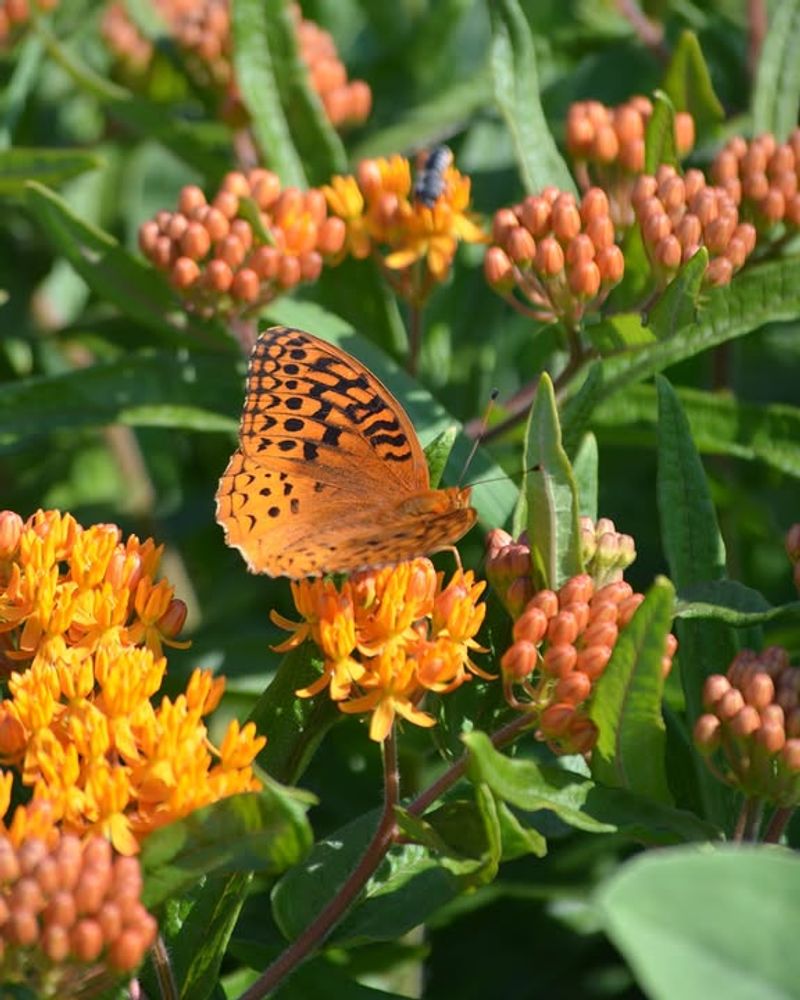
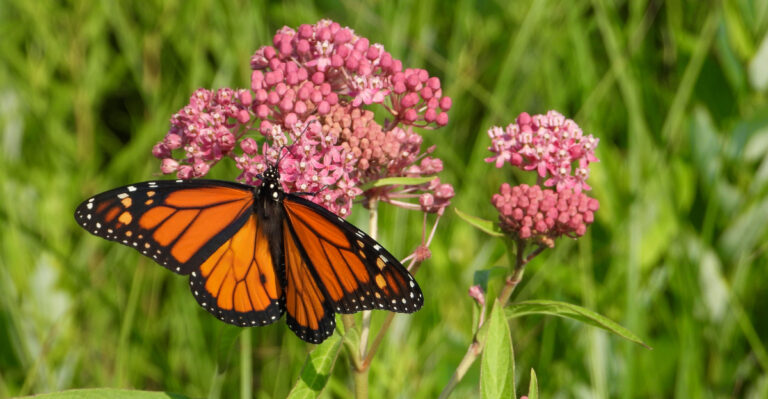
Bright orange and built to handle Georgia heat — Butterfly Weed is one of those plants that earns its name without any exaggeration. Monarchs, swallowtails, and fritillaries all visit the flat-topped flower clusters, which bloom from late spring through summer depending on conditions.
Hummingbirds show up occasionally too, especially when other nectar sources are less abundant.
It handles dry spells better than most perennials, which makes it practical for Georgia gardeners who deal with summer droughts. Sandy or well-drained soil suits it well.
Clay-heavy soil can cause issues, so amending the planting area beforehand is worth the effort if your yard leans that direction.
One thing worth knowing — Butterfly Weed is a milkweed, which means it also serves as a host plant for monarch caterpillars. That adds another layer of value beyond just nectar.
Your Georgia Garden Changes Every Week. Your Plan Should Too.
Gardening in Georgia changes quickly throughout the season. Every Friday you’ll receive a simple weekly plan showing exactly what to plant, prune, fertilize, harvest, and protect so you never miss the right timing.
Monarchs will lay eggs on the leaves, and the caterpillars will feed there before moving into their next stage. Some gardeners plant several clumps to support both feeding and breeding activity.
It takes a full season to really establish, and younger plants may not bloom heavily right away. Give it a full growing season before judging the results.
Patience here tends to pay off by the second or third year in a Georgia yard.
It does not like being moved once established, so it would be best to choose the planting spot carefully from the start. Over time, it settles in and returns each season with stronger growth and more blooms.
3. Salvia Draws Hummingbirds All Season
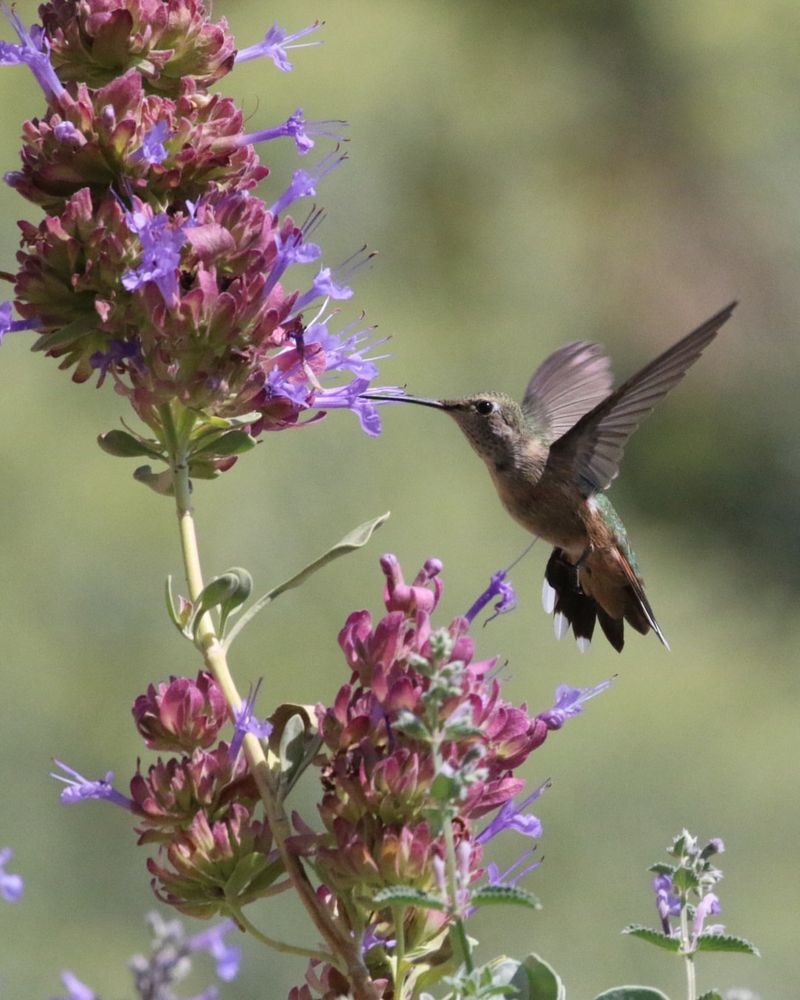
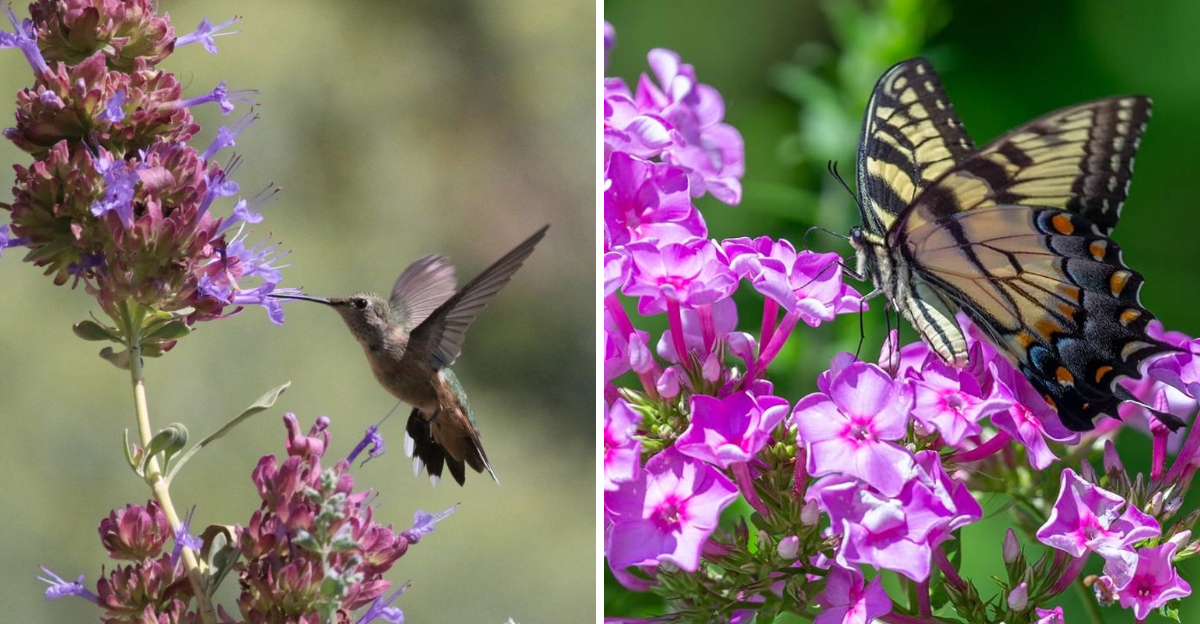
Few flowers hold a hummingbird’s attention the way Salvia does. Tubular blooms in red, purple, and deep pink are practically designed for a hummingbird’s feeding style, and in Georgia, ruby-throated hummingbirds visit Salvia plantings consistently from late spring through early fall.
Some varieties rebloom several times across the season if you deadhead them regularly.
Hot Black and Blue Salvia, along with Salvia coccinea, both perform well in Georgia’s climate. Full sun is ideal, though partial shade can work in the hotter inland parts of the state.
These plants handle Georgia summers with less stress than many other perennials, especially once they have been in the ground for a full season.
Butterflies are drawn to Salvia too — particularly swallowtails and skippers that can access the blooms easily. Planting a few different varieties with staggered bloom times can stretch the activity window across more of the growing season.
Container planting works well if your yard has limited garden space, and potted Salvia can be moved to spots where you want more pollinator traffic. One practical tip: avoid overwatering.
Salvia tends to perform better with moderate moisture rather than consistently wet soil, and Georgia’s summer rain often provides enough without supplemental watering every day.
It holds up well through long stretches of heat without dropping blooms the way some flowers do. Even a small planting can turn into a steady feeding stop once hummingbirds lock onto it.
4. Zinnias Fill The Garden With Butterflies
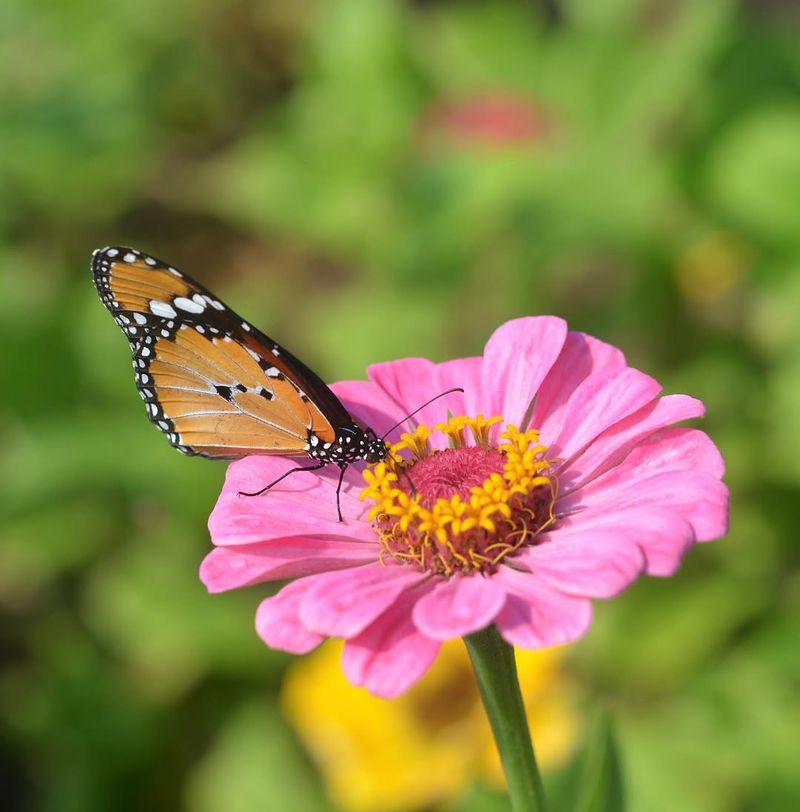
Walk past a patch of zinnias on a warm Georgia morning and you will almost certainly spot butterflies feeding. Painted ladies, Gulf fritillaries, swallowtails, and skippers all show up regularly at zinnia blooms, which come in nearly every color imaginable.
Hummingbirds visit too, though they tend to favor deeper tubular flowers over the flatter zinnia shape.
Zinnias are annuals, which means you replant each year — but they are fast and easy from seed, and Georgia’s long warm season gives them plenty of time to produce. Direct sow after the last frost date for your area, usually mid-March to April in most of Georgia.
They germinate quickly and start blooming within about two months of planting.
Deadheading spent blooms keeps new flowers coming and maintains the butterfly activity through summer and into fall. Zinnias do best with good air circulation — crowding them can lead to powdery mildew, especially in humid Georgia summers.
Wider spacing between plants helps significantly. Larger-headed varieties like Benary’s Giant tend to attract more butterfly traffic than smaller-flowered types, simply because they offer more landing and feeding space.
If you want a reliable, easy-to-grow flower that brings visible butterfly action to a Georgia yard, zinnias deliver that season after season with minimal effort beyond basic care.
They also keep blooming through long stretches of heat when many other annuals start to slow down.
A simple mix of colors can turn into one of the most active spots in the garden once butterflies start returning daily.
5. Lantana Attracts Constant Pollinator Activity
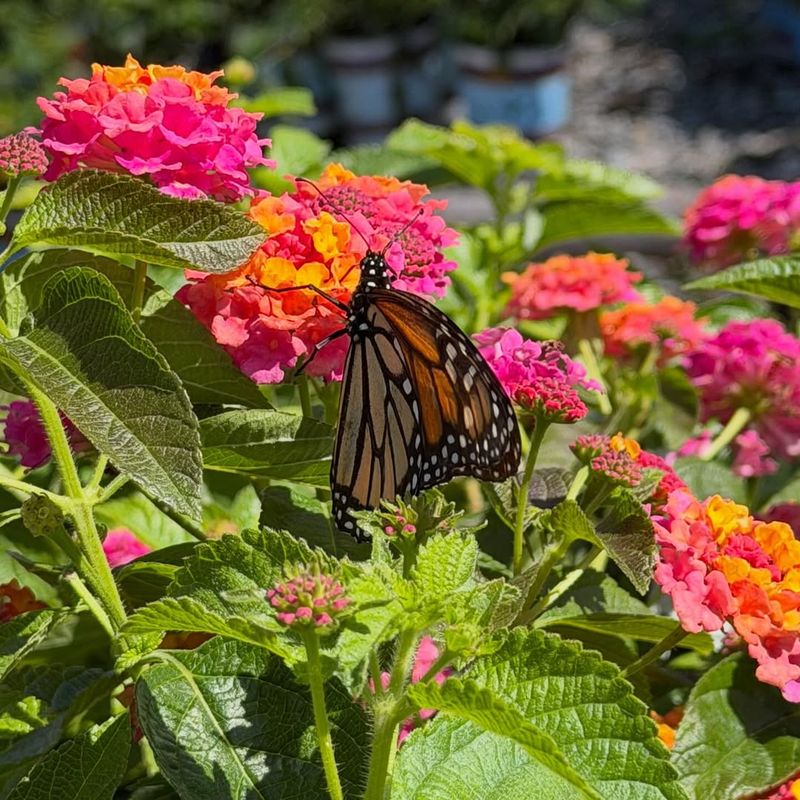
Lantana runs hot all summer long in Georgia — and so does the pollinator traffic it pulls in. Gulf fritillaries are almost always present on lantana plantings, and swallowtails, skippers, and sulfur butterflies show up regularly too.
Hummingbirds visit the tubular florets, especially on red and orange varieties, when they are working through a yard systematically.
Georgia’s heat and humidity do not slow lantana down the way they affect some other flowers. It actually tends to bloom more aggressively in hot weather, which means peak pollinator activity lines up with the hottest part of summer.
Full sun and reasonably well-drained soil are the main requirements. It handles dry stretches without much complaint once it has been in the ground for a season.
Worth noting for Georgia gardeners specifically — lantana can reseed and spread aggressively in warmer parts of the state. In South Georgia especially, it can behave almost like a perennial and come back year after year.
Deadheading or removing seed clusters helps manage spread if that is a concern.
Sterile varieties like Landmark and Bandana series produce fewer viable seeds and are a practical option for gardeners who want the pollinator benefits without aggressive reseeding.
Plant it in a sunny border or large container and expect consistent butterfly and hummingbird activity from late spring through the first cool nights of fall.
6. Phlox Supports Butterflies Through Spring
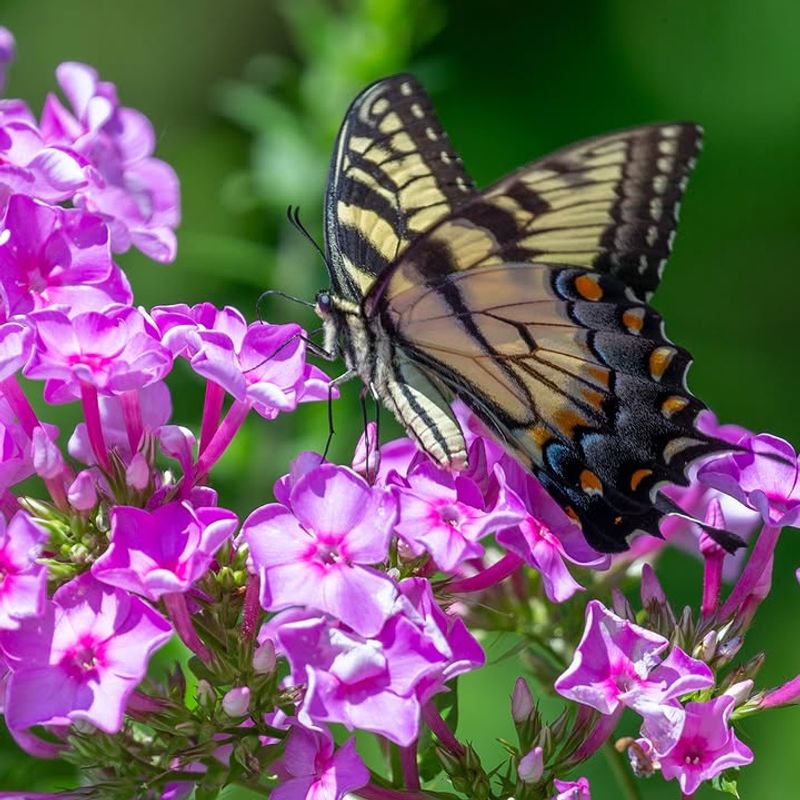
Spring in Georgia hits fast, and Garden Phlox is one of the flowers that catches butterflies right at the start of the season. Swallowtails in particular are drawn to the flat, clustered blooms that make landing and feeding easy.
The fragrance also plays a role — phlox has a sweet scent that seems to bring in pollinators from a distance, especially on warm mornings.
Tall Garden Phlox (Phlox paniculata) blooms later in summer and extends the window significantly, making it useful for bridging the gap between spring and midsummer nectar sources.
Both types grow well across most of Georgia, though they appreciate consistent moisture during dry stretches.
Afternoon shade in the hotter parts of the state can prevent stress during peak heat.
Powdery mildew is the main challenge with phlox in Georgia’s humid climate. Planting mildew-resistant varieties like David or Robert Poore makes a real difference.
Good spacing and avoiding overhead watering also help keep foliage healthier through the season. Phlox looks best in groups — a single plant does not create much visual impact, but a cluster of five or more plants draws both the eye and the butterflies.
Pairing it with Salvia or Bee Balm extends the pollinator season nicely and keeps your Georgia garden active from spring well into summer.
A grouped planting fills borders quickly and creates a stronger visual presence in the garden. Butterflies return often once blooms open, keeping activity steady through the season.
7. Coreopsis Brings Steady Butterfly Visits
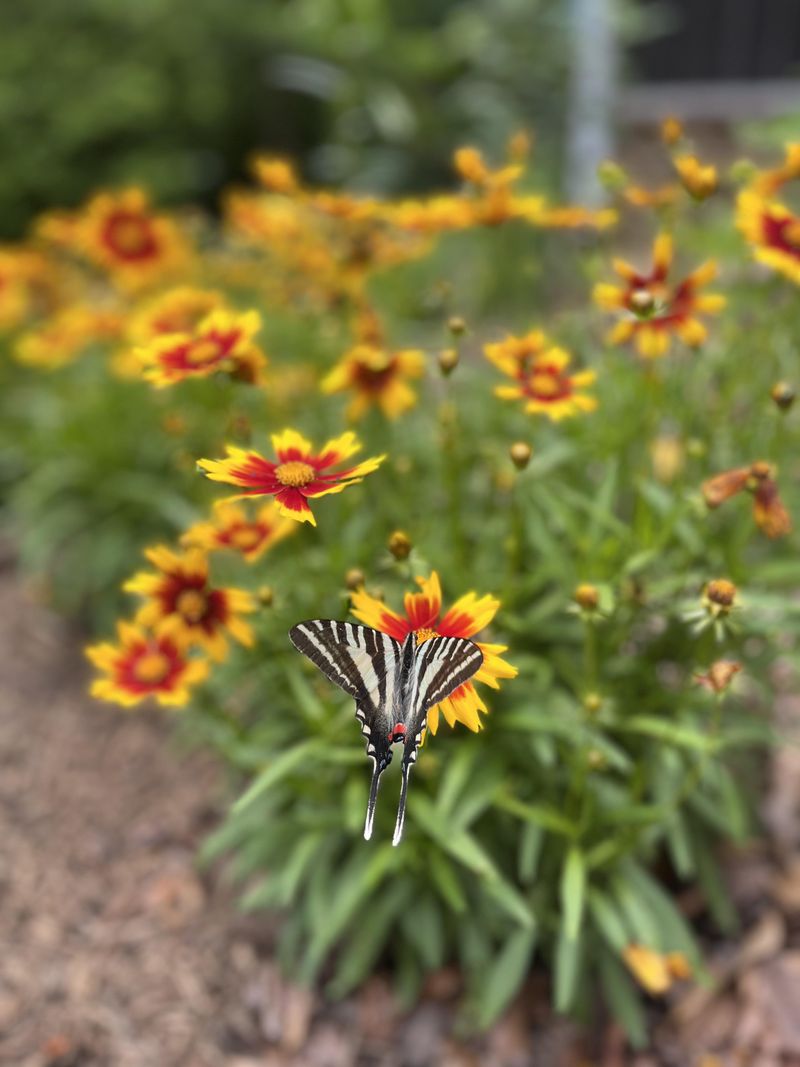
Yellow, cheerful, and genuinely tough — Coreopsis is one of those flowers that keeps producing through Georgia’s long, hot summers when other plants start to slow down. Skippers, sulfur butterflies, and small fritillaries visit the bright daisy-like blooms regularly.
It is not the showiest butterfly magnet in the garden, but the activity is consistent and reliable across a long bloom window.
Coreopsis is Georgia’s official state wildflower, which tells you something about how well it fits the climate here. It handles heat, drought, and poor soil better than most flowering perennials.
Sandy soil, clay-amended beds, and everything in between can work as long as drainage is reasonable. Full sun brings out the best bloom production.
Deadheading spent flowers keeps the plant producing new blooms, which keeps the butterfly visits going.
Skip the deadheading as the season winds down and the seed heads that form will attract goldfinches and other small birds — a bonus for Georgia yards that want year-round wildlife activity.
Threadleaf Coreopsis (Coreopsis verticillata) is a particularly reliable variety for Southern gardens and tends to rebloom more aggressively than some other types.
Planting it along a sunny border with taller companions like Salvia or Phlox creates a layered look that supports more pollinator species across different feeding heights throughout the season.
8. Cardinal Flower Is A Hummingbird Favorite
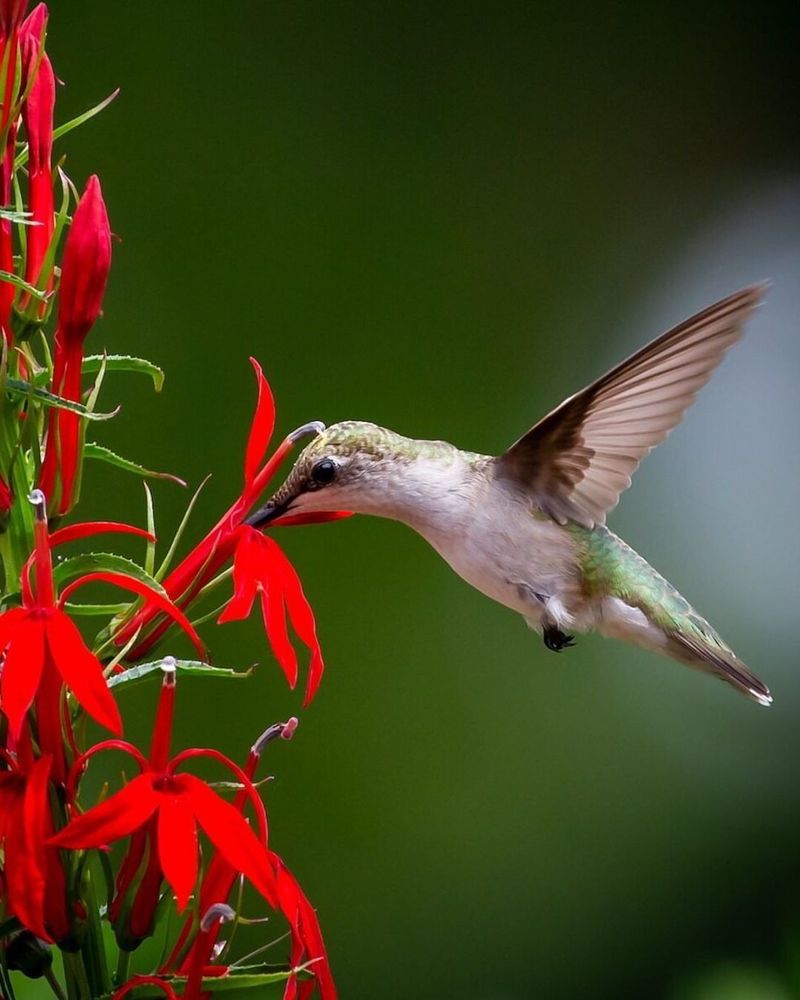
Red is the color hummingbirds notice first, and Cardinal Flower delivers it in tall, striking spikes that are hard to miss.
Ruby-throated hummingbirds are the primary visitors — the long tubular florets fit their beaks so well that they return to the same plants repeatedly throughout the day.
In Georgia, bloom time typically runs from midsummer into early fall, which lines up with peak hummingbird activity before migration.
Unlike many flowers on this list, Cardinal Flower prefers moisture and partial shade rather than dry, sunny conditions. Stream banks, rain garden edges, and low spots that stay consistently damp are ideal locations.
It naturally grows along Georgia’s creek edges and woodland margins, so mimicking those conditions in a yard setting gives the best results.
Swallowtail butterflies visit Cardinal Flower too, though not as frequently as hummingbirds. The plants spread slowly by self-seeding when conditions suit them, so a small planting can gradually expand over several seasons without much intervention.
They tend to be short-lived individually, but new seedlings fill in the gaps if the soil stays moist enough.
Pairing Cardinal Flower with native ferns or other shade-tolerant plants creates a naturalistic setting that looks intentional and supports multiple wildlife species at once.
For any Georgia gardener who wants reliable hummingbird activity, this one is worth the extra attention to moisture and placement.