9 Reasons Why Deer Damage Suddenly Spikes In Michigan Every Spring
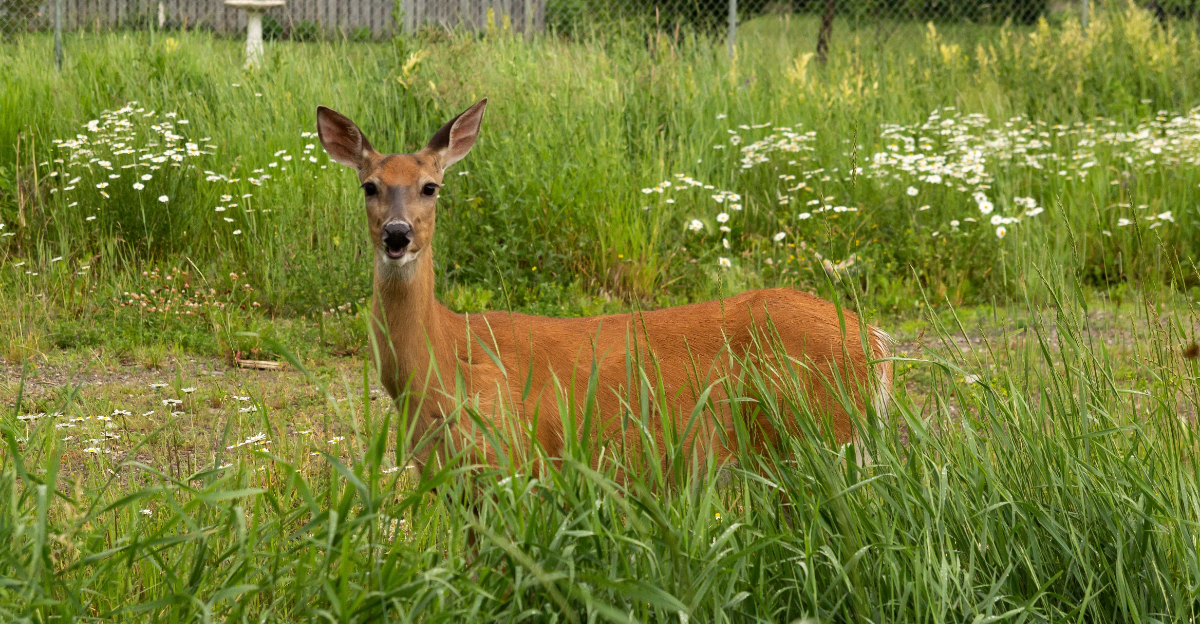
Spring in Michigan brings fresh growth to gardens and fields, but it also brings a surge of hungry visitors. Many homeowners step outside and suddenly notice plants chewed down, buds missing, and landscaping that looks badly damaged overnight.
It often feels like a buffet appeared in the yard while no one was watching. Across both the Upper and Lower Peninsulas, deer activity rises sharply as the season changes.
Michigan is home to nearly two million deer, and spring is when they begin searching for the most tender new growth they can find. Gardens, crops, and ornamental plants quickly become easy targets.
For many Michigan property owners, the damage seems to appear out of nowhere. But once you understand why deer behavior changes in early spring, it becomes much easier to protect your yard, garden, and landscaping before the problem spreads further.
1. Early Spring Warmth Sends Deer Into Overdrive
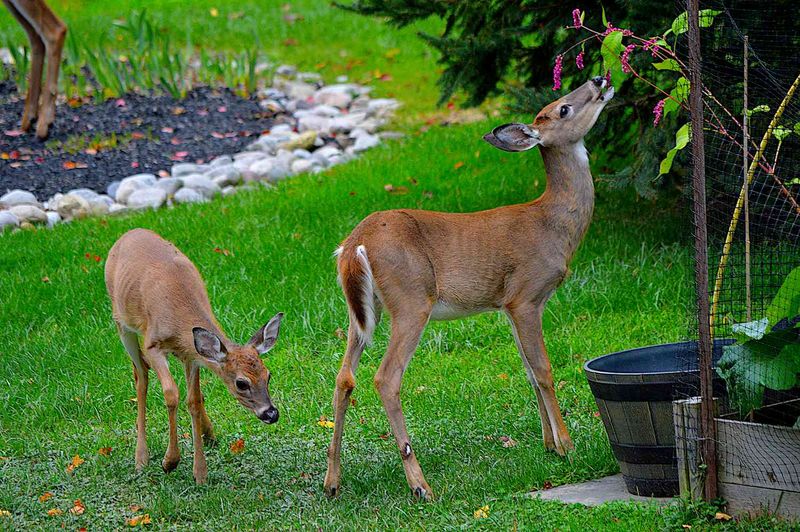
When temperatures start climbing in Michigan, deer flip a switch. After months of cold, sluggish movement, they suddenly become incredibly active.
Their bodies are craving calories, and they waste no time searching for anything green and edible they can find.
Fresh vegetation is scarce in early spring, which means deer are competing hard for limited food sources. Your garden, lawn, and ornamental shrubs become prime targets simply because they stand out against the still-bare landscape.
Deer have excellent memory and will return to spots where they found food before.
Michigan’s Department of Natural Resources has noted that early warm spells trigger a noticeable spike in deer movement and human encounters. Homeowners in both rural and suburban areas report chewed plants and trampled flower beds almost overnight.
Acting fast with repellents or fencing before the first warm week arrives is one of the smartest moves you can make. Setting up motion-activated lights or sprinklers early in the season can also discourage deer from forming habits around your property.
The key is getting ahead of their routine before they decide your yard is a reliable food stop every single evening.
2. Deer Leave Their Winter Yards And Spread Out
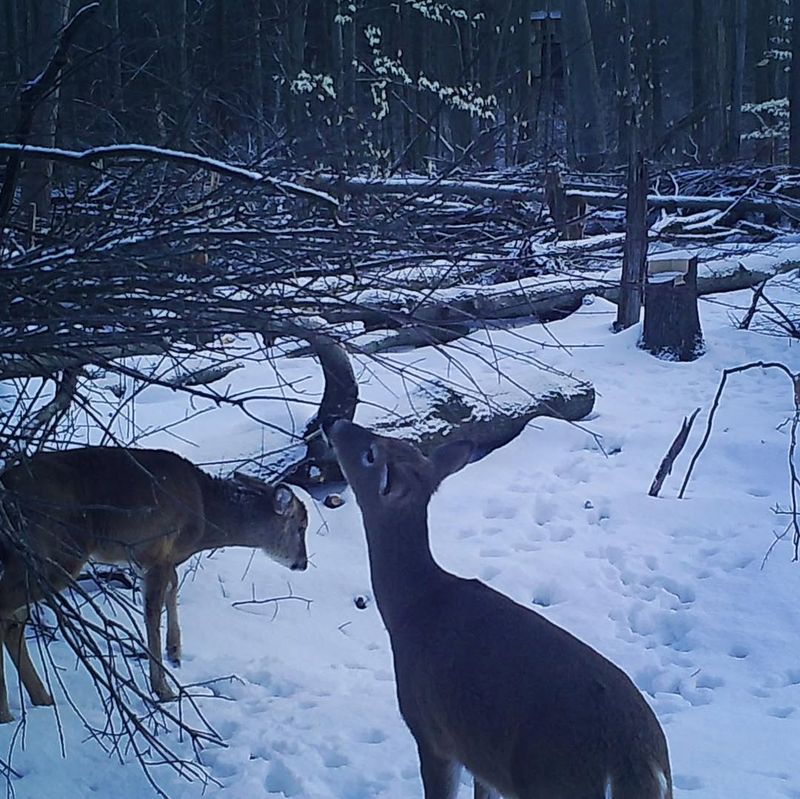
Northern Michigan deer spend the cold months huddled together in sheltered areas called winter yards. These are typically dense forests or lowland areas where deer group up to conserve warmth and energy.
Once the snowpack melts, the whole group scatters in every direction at once.
That sudden dispersal sends dozens of deer into neighborhoods, farms, and gardens that saw very little deer activity all winter long. People are often shocked by how quickly deer appear in areas that seemed quiet just weeks before.
The movement is fast, widespread, and can cover surprisingly large distances in just a few days.
This spring dispersal is one of the biggest reasons damage spikes so sharply and so suddenly in Michigan. Farmers in counties like Mecosta and Osceola see this pattern repeat every single year without fail.
Understanding that deer are simply following their natural seasonal instincts can help you prepare rather than react.
Installing temporary fencing around vegetable gardens before deer arrive is far more effective than trying to chase them away after they have already discovered your plants.
Your Michigan Garden Changes Every Week. Your Plan Should Too.
Gardening in Michigan changes quickly throughout the season. Every Friday you’ll receive a simple weekly plan showing exactly what to plant, prune, fertilize, harvest, and protect so you never miss the right timing.
Once a deer finds a reliable food source, it will keep coming back with friends.
3. Michigan’s Deer Population Has Reached Record Numbers
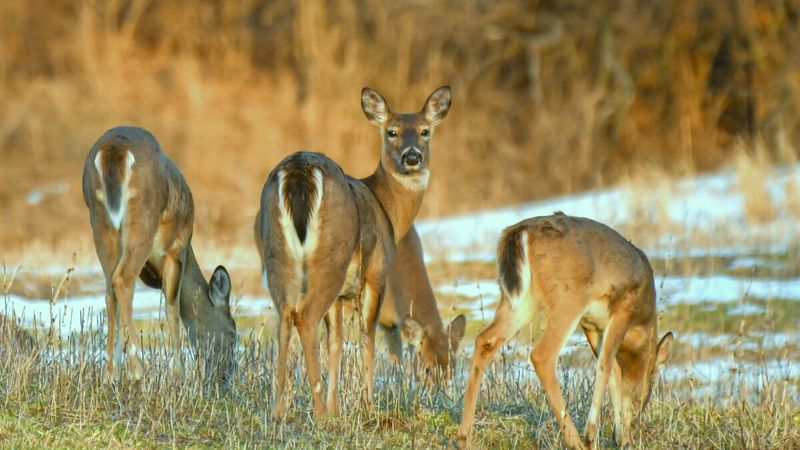
Michigan currently has an estimated deer population of around 2 million animals, which is one of the highest in the country. More deer naturally means more encounters with people, more crop losses, and more garden damage across the entire state.
The numbers have been climbing steadily for years.
When a population grows that large, deer need to cover more ground to find enough food. They push into suburban neighborhoods, city parks, and agricultural fields with far less hesitation than they once had.
Homeowners in places like Traverse City and Lansing now deal with deer browsing that used to be considered a rural problem.
The sheer volume of animals makes it nearly impossible to avoid some level of contact and damage each spring. Michigan’s DNR works hard to manage herd sizes through regulated hunting seasons, but population control takes time and consistent effort.
Planting deer-resistant species like lavender, yarrow, or Russian sage around the edges of your yard can create a natural buffer zone. Mixing these plants with your more vulnerable flowers and vegetables gives deer fewer reasons to stop and graze.
Building awareness in your neighborhood about deer attractants like bird feeders and fallen fruit also helps reduce local deer pressure during the busiest spring months.
4. Fewer Hunters Means Less Pressure On The Herd
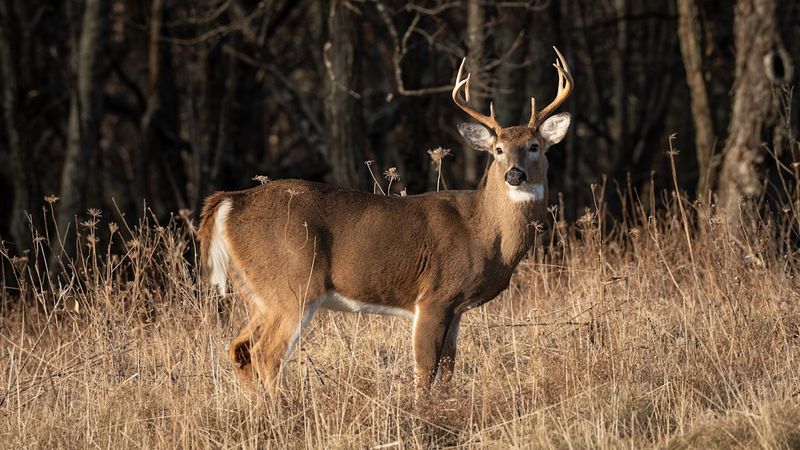
Over the past three decades, the number of licensed hunters in Michigan has dropped significantly. Fewer hunters in the field means less natural pressure on the deer population, allowing herds to grow larger with each passing season.
The Michigan DNR has tracked this trend closely and considers it a major factor in the current overabundance.
Hunting has historically been one of the most effective tools for keeping deer numbers in check across the state. When participation drops, deer herds expand quickly because there are simply fewer animals being removed from the population each year.
That growth compounds over time and leads to the kind of widespread damage Michigan residents experience every spring.
Encouraging responsible hunting participation is one of the most practical long-term solutions available. Many conservation organizations in Michigan actively promote youth hunting programs to bring new participants into the sport.
If you are a homeowner dealing with repeated deer damage, supporting local wildlife management efforts and staying informed about DNR population goals can make a real difference.
Understanding the bigger picture behind deer numbers helps communities work together rather than feeling helpless.
Even small increases in hunting participation at the county level can have a meaningful impact on local herd sizes within just a few seasons.
5. Milder Winters Let More Deer Survive To Spring
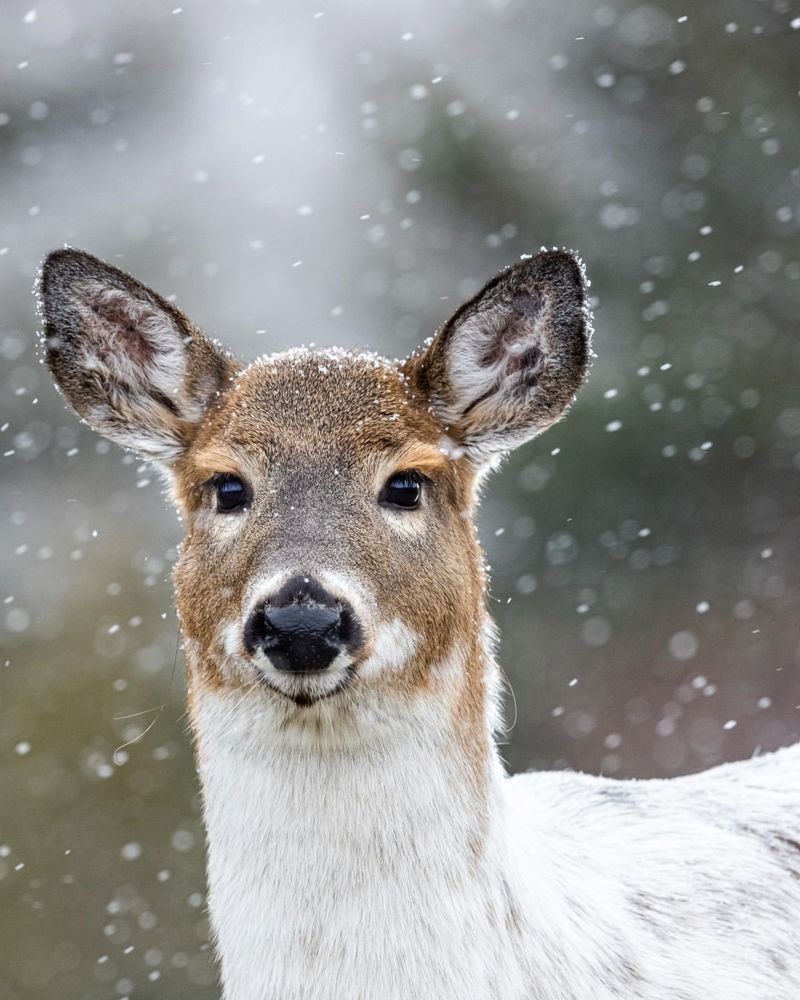
Michigan winters have been getting shorter and warmer in recent years, and deer are thriving because of it. Harsh winters once naturally reduced deer numbers by making food scarce and conditions brutal.
Now, milder temperatures mean more deer survive through February and March in excellent condition.
A healthier, better-fed deer population heading into spring means more animals actively searching for food right when gardens and crops are at their most vulnerable.
Does that survived the winter in strong physical condition also tend to produce twins, adding even more animals to the population within just a few months.
The cycle feeds itself year after year. Climate patterns across Michigan show a clear trend toward reduced snowfall and warmer average temperatures during the winter months.
This is great news for deer but challenging news for gardeners and farmers who depend on a hard winter to slow herd growth naturally.
Adjusting your spring planting strategy to account for a growing deer population is becoming more important than ever. Consider using raised garden beds with wire mesh bottoms and sides to protect vulnerable seedlings.
Applying scent-based deer repellents right after the last frost, when deer are hungriest, gives your plants the best possible chance of surviving the season without significant damage.
6. Urban Sprawl Pushes Deer Into Neighborhoods
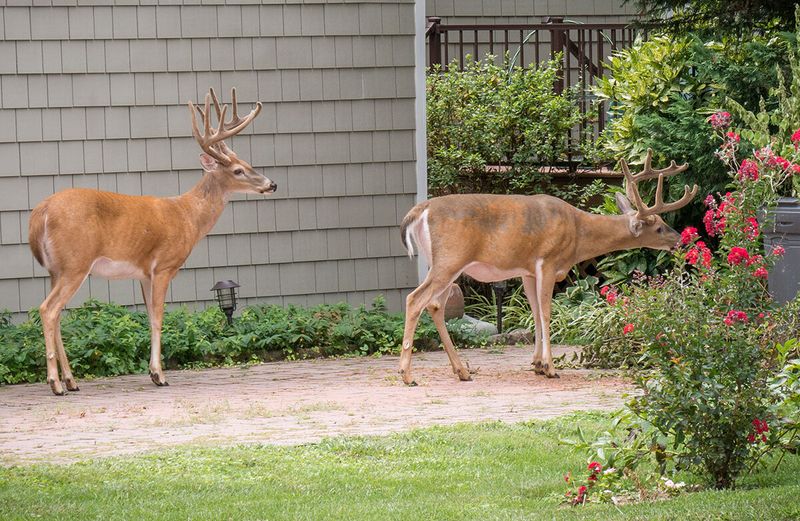
Michigan has seen steady growth in suburban and exurban development over the past few decades. As forests and fields get converted into housing subdivisions and commercial zones, deer lose habitat and food sources they once relied on.
Rather than moving away, they adapt by moving closer to people.
Suburban neighborhoods often offer deer an unexpected advantage: lush, well-watered lawns, ornamental plants, and gardens full of tender vegetables. From a deer’s perspective, a quiet Michigan suburb is basically a year-round salad bar.
Spring makes it even more attractive because everything is fresh and growing fast.
Residents in areas like Oakland County and Kent County have seen a sharp rise in deer activity over the past ten years as development has expanded outward.
The edges where neighborhoods meet natural areas are especially active during spring, when deer are moving and exploring new territory.
Simple landscaping choices can make a big difference in how often deer visit your yard. Avoiding plants like hostas, tulips, and young arborvitae near the perimeter of your property removes some of the biggest deer attractants.
Replacing them with plants like boxwood, catmint, or ornamental grasses gives your yard a beautiful look while making it far less appealing to hungry deer passing through the neighborhood.
7. Natural Predators Are Almost Gone From Michigan
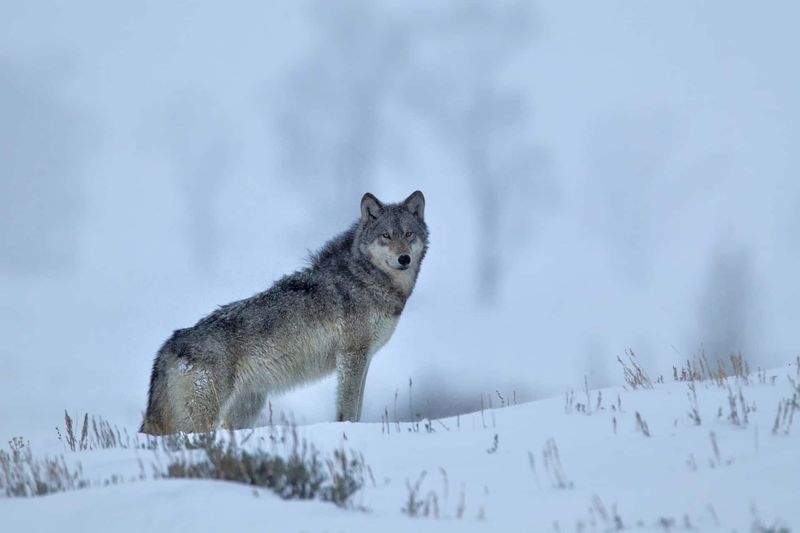
Wolves and cougars once kept deer populations in check across Michigan’s vast forests and wild lands.
Over the past century, both species were largely removed from most of the state, leaving deer without the natural pressure that once shaped their behavior and limited their numbers.
The absence of top predators has had a lasting effect on the entire ecosystem.
Without wolves or cougars patrolling the landscape, deer roam more freely and with far less caution than their ancestors did. They spend more time in open areas, venture closer to human settlements, and graze for longer periods without interruption.
That boldness makes spring damage worse because deer simply have no reason to stay away from your yard.
A small wolf population does exist in Michigan’s Upper Peninsula, but the Lower Peninsula has virtually no large predators left. Coyotes help to some degree, especially with fawn populations, but they are not nearly effective enough to control a herd of 2 million animals.
Understanding this ecological gap helps explain why human management tools like hunting, fencing, and repellents carry so much weight.
Supporting habitat restoration projects and wildlife corridor programs in Michigan can help rebalance the ecosystem over time.
Every small step toward a healthier predator-prey relationship benefits the entire state in the long run.
8. Deer-Vehicle Collisions Spike On Michigan Roads
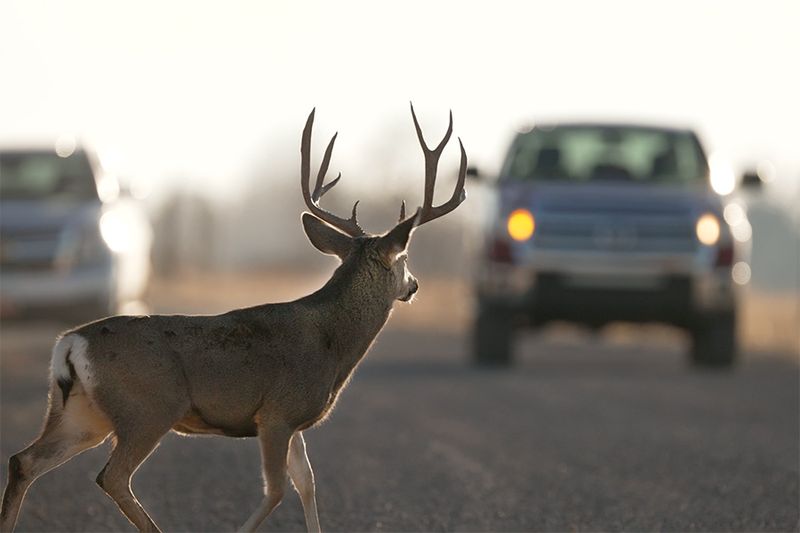
Spring in Michigan brings a dramatic rise in deer-vehicle collisions, and the numbers are genuinely eye-opening. The combination of increased deer movement and longer daylight hours puts both drivers and deer at greater risk.
Deer are most active during dawn and dusk, which happens to line up perfectly with morning and evening commute times. As deer disperse from their winter areas and travel across unfamiliar territory, they cross roads more frequently and unpredictably.
Rural stretches of highway in places like Montcalm and Isabella counties see some of the highest collision rates in the state each spring.
Slowing down in areas marked with deer crossing signs is one of the most effective things you can do to stay safe. Being extra alert between 5 and 8 in the morning and again from 6 to 9 in the evening reduces your risk significantly during peak movement periods.
If you see one deer cross the road, always expect more to follow because they rarely travel alone. Reporting collision hotspots to your local county road commission helps authorities prioritize warning signage in the most dangerous areas.
Staying aware and slowing down in spring can genuinely prevent a serious accident on Michigan roads.
9. Crops And Gardens Take A Serious Hit Every Season
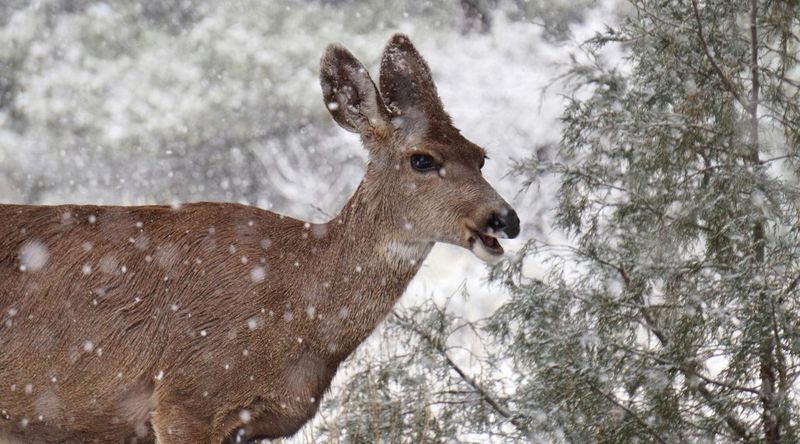
Farmers and home gardeners across Michigan lose thousands of dollars worth of crops and plants to deer every single spring.
From freshly planted corn and soybeans to backyard tomatoes and rose bushes, almost nothing is off the menu when deer are hungry and on the move.
The Michigan DNR even offers special permits to help farmers address repeated crop damage caused by deer.
Deer browsing pressure is highest in the weeks right after the last frost, when new growth is tender and abundant. A single night of heavy deer activity can wipe out an entire row of seedlings that took weeks to establish.
Orchards in western Michigan are especially vulnerable because deer target the soft bark and new bud growth on young fruit trees with surprising precision.
Protecting your investment starts with knowing what deer love most and planning around it. Wrapping young tree trunks with plastic tree guards prevents bark damage that can weaken trees over time.
Applying granular or liquid deer repellents around garden borders every two to three weeks throughout spring creates an effective barrier. Motion-activated sprinklers are another proven option that startles deer without causing them any harm.
Michigan gardeners who combine multiple protection strategies consistently report far less damage than those who rely on a single method alone. A little preparation in early spring goes a very long way.