What April Frost Really Does To Apple Blossoms In Michigan
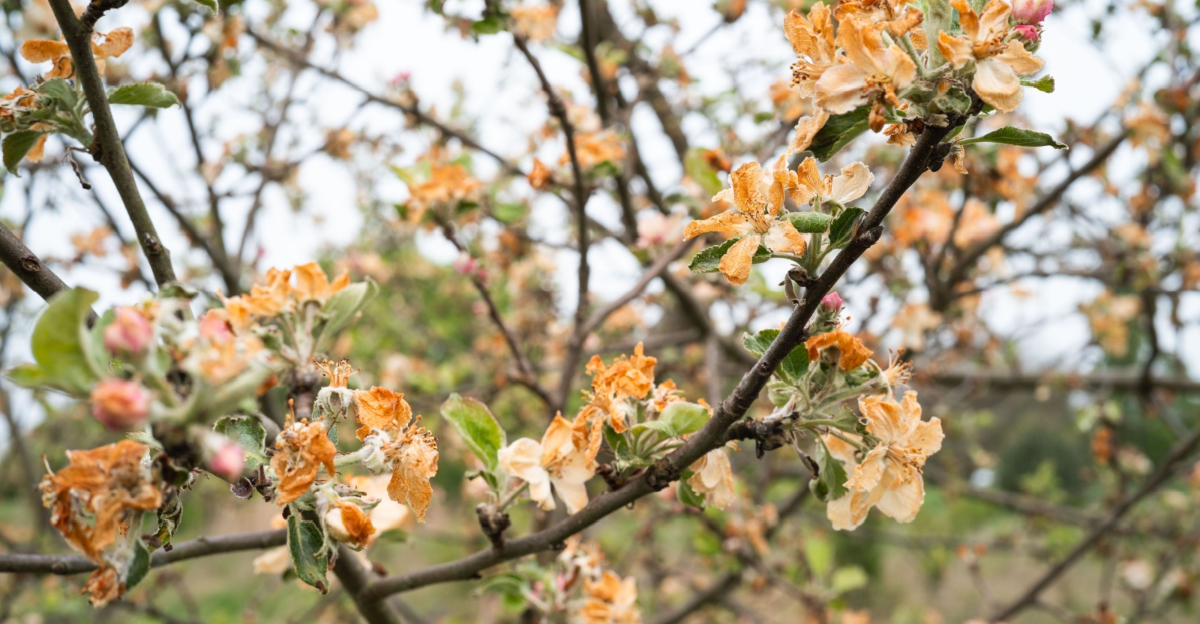
A few warm days can push apple trees in Michigan into bloom faster than expected, then one chilly night changes everything. It’s a familiar spring pattern that keeps growers guessing.
You head out after a cold snap and the blossoms just don’t look the same, but it’s not always clear what happened or how much it matters. Michigan’s back-and-forth spring weather often puts those early flowers at risk.
Understanding what frost actually does to apple blossoms can help you read the signs more clearly and feel more prepared when temperatures take an unexpected dip.
1. Open Apple Blossoms Are Highly Sensitive To Frost
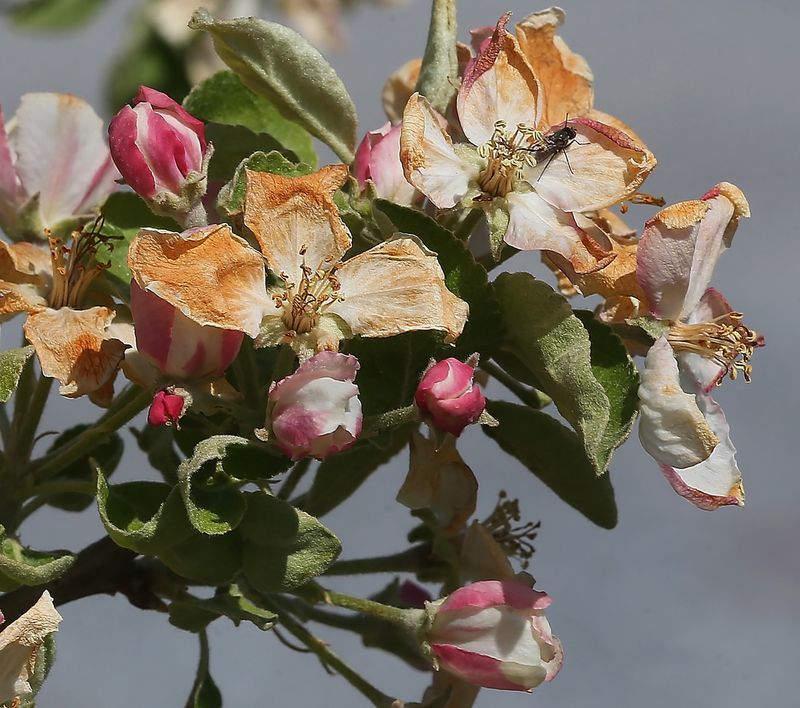
Walking out to a Michigan orchard after a cold April night and finding fully open blossoms coated in frost is one of those sinking moments growers know all too well.
Open blossoms sit at the most exposed stage of development, and their reproductive parts are fragile enough that even a brief dip below freezing can disrupt the entire fruiting process for that bloom.
The pistil, which is the central part of the flower responsible for receiving pollen and developing into fruit, is especially vulnerable when temperatures fall below 28 degrees Fahrenheit.
At that point, the tissue inside the flower can freeze quickly, and the damage may not always be obvious right away. Sometimes it takes a day or two before the discoloration becomes visible.
Michigan’s April weather creates a challenging situation because warm days encourage rapid blossom opening, which leaves flowers exposed just when late-season cold snaps are still possible.
Growers who monitor bloom stages carefully are better positioned to anticipate frost risk.
Checking overnight forecasts during peak bloom is one of the most practical habits any Michigan apple grower can build into their spring routine.
Even a few degrees of warning can make a real difference in how growers respond.
2. Tight Buds Can Withstand Colder Temperatures
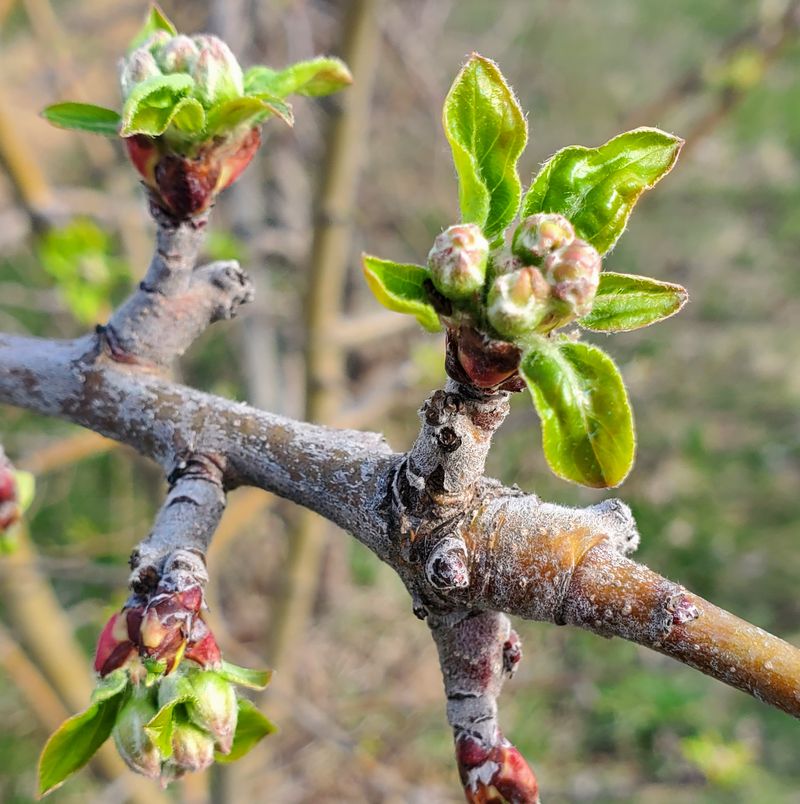
Before apple trees fully open their flowers, they pass through several earlier bud stages that are noticeably more cold-tolerant than open blossoms.
A tight cluster or pink bud stage, where petals are still closed and huddled together, offers significantly more protection to the delicate tissues inside.
This is one reason growers pay close attention to exactly where their trees are in the bloom cycle during April in Michigan.
In the tight bud stage, temperatures may need to drop into the low 20s Fahrenheit before serious damage occurs.
That is a meaningful difference compared to the threshold for open flowers, which can sustain injury at slightly warmer temperatures.
The protective layers of petals act almost like insulation, shielding the reproductive parts from cold air exposure.
Michigan orchards often have variation in bloom timing across different blocks or varieties, which means some trees may still be in the bud stage while others are fully open during the same frost event.
This uneven progression can actually work in a grower’s favor, since not every tree faces the same level of risk on the same night.
Your Michigan Garden Changes Every Week. Your Plan Should Too.
Gardening in Michigan changes quickly throughout the season. Every Friday you’ll receive a simple weekly plan showing exactly what to plant, prune, fertilize, harvest, and protect so you never miss the right timing.
Understanding where each variety stands in its bloom development gives growers a much clearer picture of which trees need the most attention when frost warnings appear on the forecast.
3. Frost Damage Often Turns Blossoms Brown Or Black
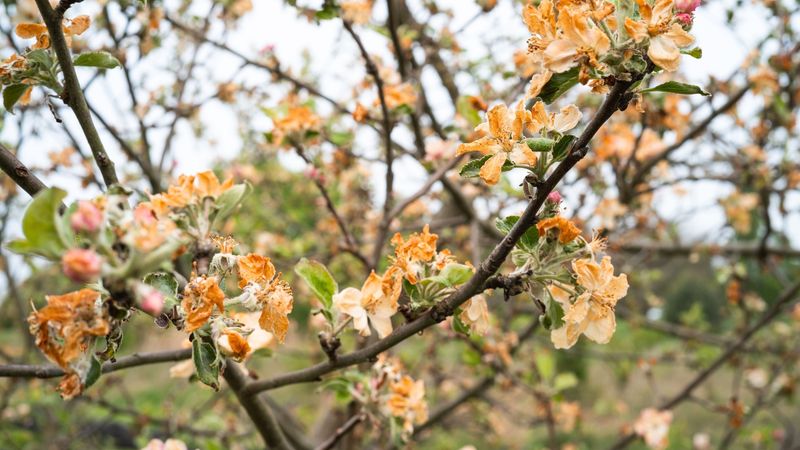
One of the clearest signs that frost has affected apple blossoms is a change in color that seems to appear almost overnight.
Healthy blossoms are white to pale pink with bright yellow stamens, but after frost exposure, the center of the flower often turns brown or nearly black.
This darkening is the most reliable visual clue that cold temperatures reached the reproductive tissue inside.
The center of the flower, including the pistil and stamens, is where fertilization happens and where the fruit begins to develop.
When those tissues freeze and then thaw, the cellular structure breaks down, and the resulting discoloration is a sign that the blossom is unlikely to set fruit.
Growers in Michigan often check their blossoms by cutting a few open and looking for that telltale dark center, which is sometimes called the “black eye” symptom.
Petals themselves may still look relatively normal at first, which can make frost injury easy to miss during a quick visual check.
It is worth taking a closer look at the flower centers rather than just scanning the tree from a distance.
Catching this early helps growers estimate how much of their potential crop was affected and start thinking about what the rest of the season might realistically look like after a damaging frost event.
4. Cold Nights Can Reduce Fruit Set Significantly
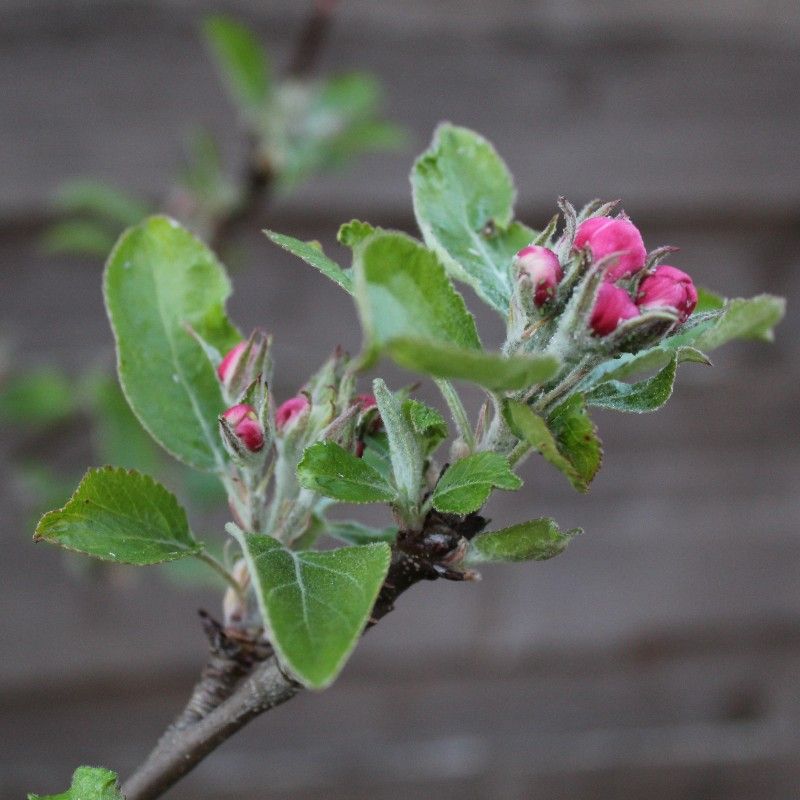
Fruit set is the process where a successfully pollinated blossom develops into a young apple, and frost can interfere with that process in ways that do not always show up immediately.
Even when blossoms appear to survive a cold night without obvious browning, the internal damage to the pistil may prevent normal fruit development from occurring.
The result is often fewer apples on the tree than expected by mid-season.
Michigan growers sometimes notice that trees which looked fine right after a frost event end up with noticeably lower yields once June arrives.
This happens because fertilization was disrupted at a critical moment, even if the outward appearance of the blossom seemed relatively normal in the days following the cold snap.
It is one of the more frustrating aspects of spring frost, since the full impact is not always clear until weeks later.
The severity of the reduction in fruit set depends on how many blossoms were affected, how cold it got, and how long temperatures stayed below the damage threshold.
A brief dip that quickly rebounds may affect only a portion of the blossoms, while a prolonged cold night can cause much more widespread loss.
Michigan growers who track temperature duration, not just the overnight low, tend to get a more accurate read on how much fruit set they can realistically expect from that season’s crop.
5. Bloom Stage Timing Affects Frost Risk In Michigan
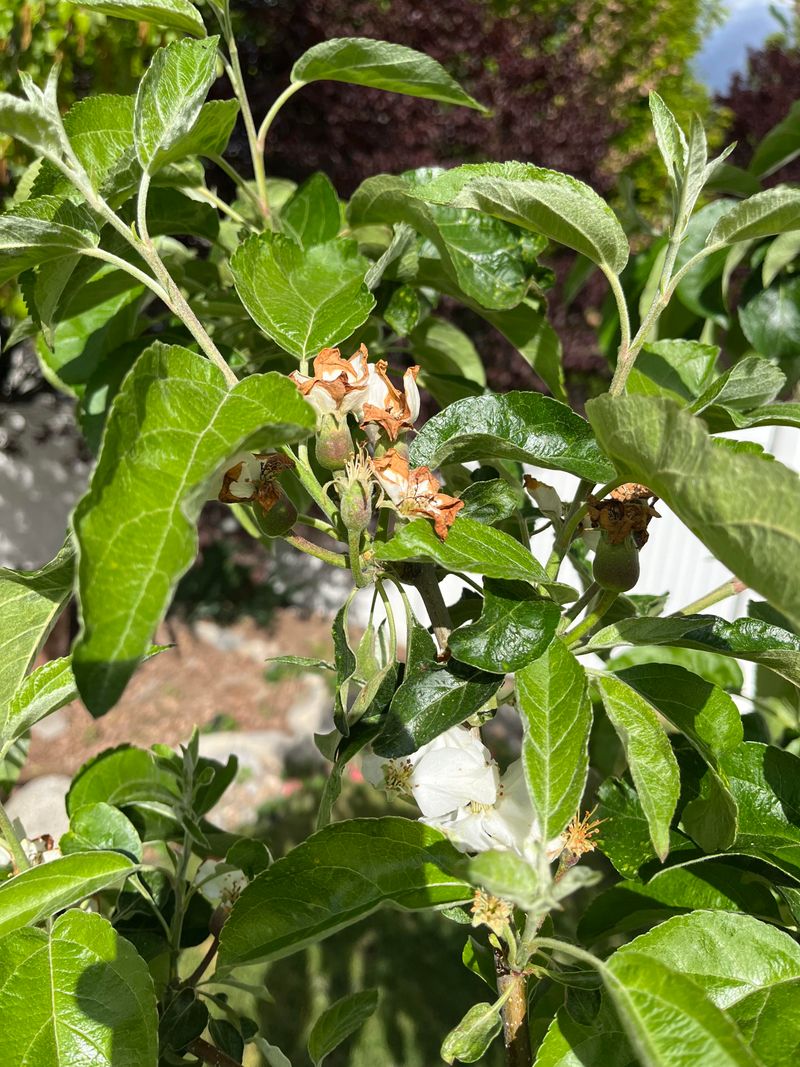
Michigan’s climate is shaped by the Great Lakes, which moderate temperatures across much of the state but cannot fully prevent late-season cold events in April.
The timing of bloom varies by region, elevation, and even the specific location of an orchard within a landscape.
Trees growing in low-lying areas where cold air settles on still nights tend to face greater frost risk than those on slightly elevated ground where air drainage is better.
The bloom calendar in Michigan typically unfolds across several weeks, with some regions and varieties reaching full bloom earlier than others.
Early-blooming varieties that open their flowers during the first half of April may face a higher likelihood of encountering damaging temperatures compared to later-blooming types.
This is one reason why growers in Michigan pay close attention to historical frost data for their specific growing area rather than relying on regional averages alone.
Tracking the progression of bloom stages using degree-day models or regular field scouting helps growers anticipate when their trees will be most vulnerable.
Knowing that a variety is approaching full bloom just as a cold front is forecast gives growers a window to consider protective options.
Even simple measures like monitoring overnight lows and being ready to act can make a meaningful difference in how much of the crop comes through a late frost event in relatively good shape.
6. Not All Apple Varieties Respond The Same To Frost
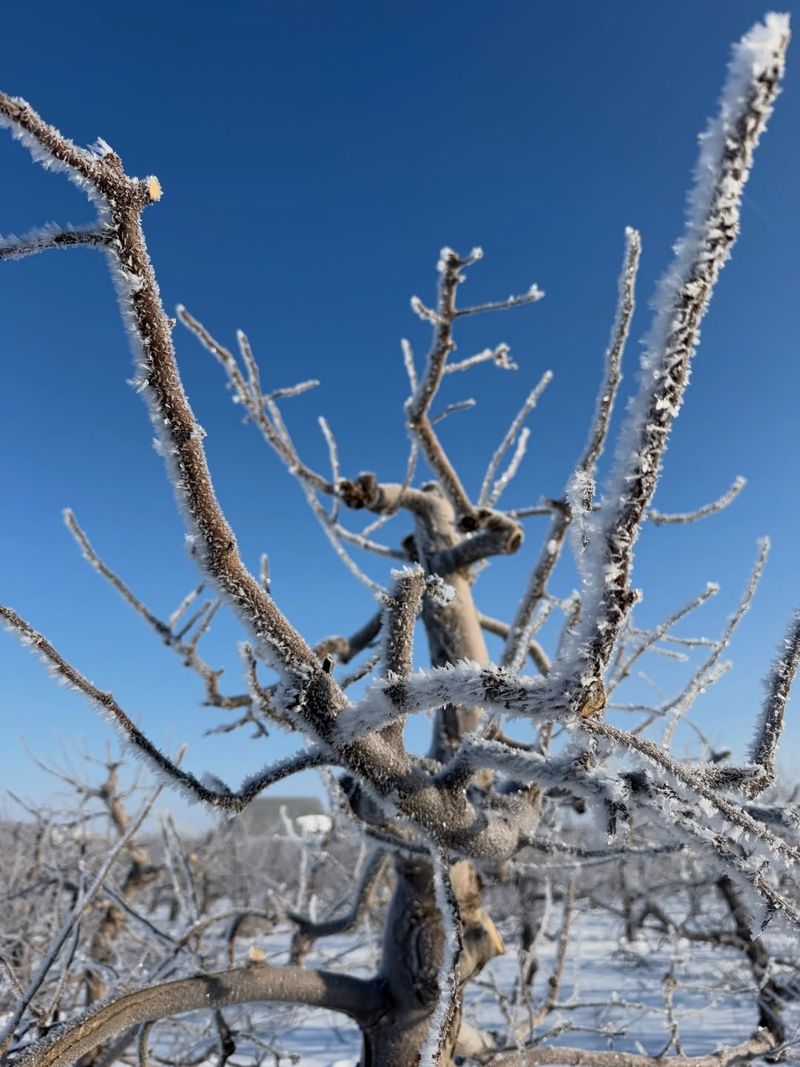
Spend time talking to experienced Michigan apple growers and you will quickly hear that variety selection matters far more than many beginners expect, especially when it comes to spring frost.
Different apple varieties bloom at different times, and even among trees at the same bloom stage, some show more resilience to cold temperatures than others.
This variability is not random; it reflects real genetic differences in how each variety handles stress.
Some varieties tend to bloom earlier in the spring, which places them at higher risk during Michigan’s unpredictable April weather.
Others bloom later, often missing the worst of the late frost window.
Within the same orchard, it is entirely possible to see one variety with significant blossom browning while a neighboring variety of a different type shows little to no visible injury from the same overnight low.
Growers who maintain a mix of varieties with staggered bloom times often find that they have a natural buffer against a single frost event wiping out the entire orchard’s potential crop.
Even if one variety suffers noticeable losses, others may come through with minimal damage.
For home gardeners in Michigan thinking about adding apple trees, researching bloom timing and frost sensitivity for specific varieties suited to their local conditions is a worthwhile step before making a final planting decision.
7. Healthy Trees Can Still Produce After Partial Damage

After a frost event, it is easy to feel discouraged when you see browning blossoms scattered across the tree.
But partial damage does not mean the entire season is lost, and many Michigan growers have been surprised by how well a tree can recover when conditions improve after a cold snap.
Apple trees naturally set more blossoms than they need to produce a full crop, which gives them a built-in margin when some flowers do not develop into fruit.
A tree that loses a portion of its blossoms to frost may actually end up producing fruit that is larger and better developed than a season with extremely heavy fruit set.
Fewer developing apples on the tree means less competition for water and nutrients, which can lead to improved size and quality in the fruit that does mature.
This is not a silver lining that makes frost welcome, but it does mean that a partial loss is not always as damaging as it first appears.
Keeping trees in good overall health through sound pruning, balanced fertilization, and consistent moisture management helps them handle stress events more effectively.
A well-maintained Michigan apple tree has better energy reserves heading into bloom, which supports stronger recovery after partial frost injury.
Growers who invest in tree health throughout the season tend to see more consistent results, even in years when April weather does not cooperate as hoped.