Why Some Plants Rot In North Carolina Spring Rain While Others Stay Healthy
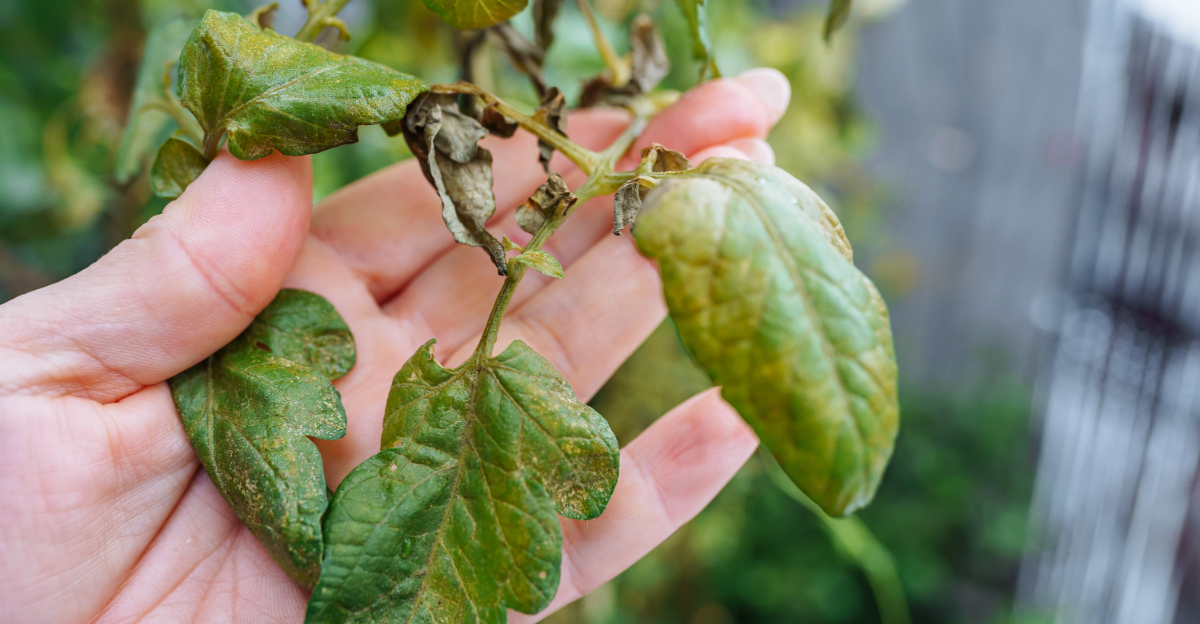
Spring rain in North Carolina can feel like a gift for gardeners, but too much of it can quickly turn tricky. Some plants soak it up and grow stronger, while others suffer from soggy roots or rot.
For gardeners across the Piedmont, Coastal Plain, and Mountains, knowing which plants handle wet conditions can make all the difference. The key is understanding how different species react to heavy spring moisture.
With a little planning, you can choose plants that thrive, adjust watering habits, and keep your garden looking healthy no matter how many rainy days arrive.
By learning which plants handle the wettest weeks best, you can protect your garden, avoid seasonal damage, and enjoy vibrant growth from early spring well into the season.
1. Poor Drainage Leads To Waterlogged Roots
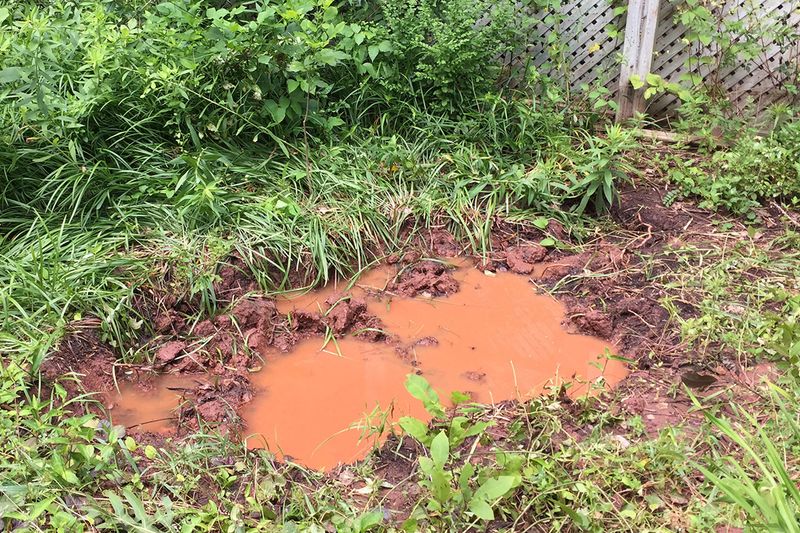
Soggy soil is one of the biggest threats to plants like tomatoes and peppers during North Carolina’s rainy spring season. When water cannot move through the soil fast enough, it fills the spaces between soil particles that roots normally use for oxygen.
Without that air, roots begin to suffocate, and rot sets in quickly.
Clay-heavy soils, which are common across many parts of North Carolina, are especially prone to holding water. Gardeners often notice standing puddles long after a rainstorm, which is a clear sign that drainage needs attention.
Raised beds and amended soil can make a dramatic difference in how well water moves away from roots.
Adding compost, perlite, or coarse sand to your planting area helps improve soil structure and water movement. For in-ground beds, building raised rows or mounds before planting gives roots a better chance to stay dry.
Even a few extra inches of elevation can prevent waterlogging during heavy spring rains.
Choosing planting spots that naturally slope away from standing water is another smart move. Checking your garden after a strong rain can reveal problem areas you might not notice otherwise.
Fixing drainage before plants go into the ground is always easier than trying to save struggling plants mid-season in North Carolina’s unpredictable spring weather.
2. Excessive Mulch Can Trap Moisture
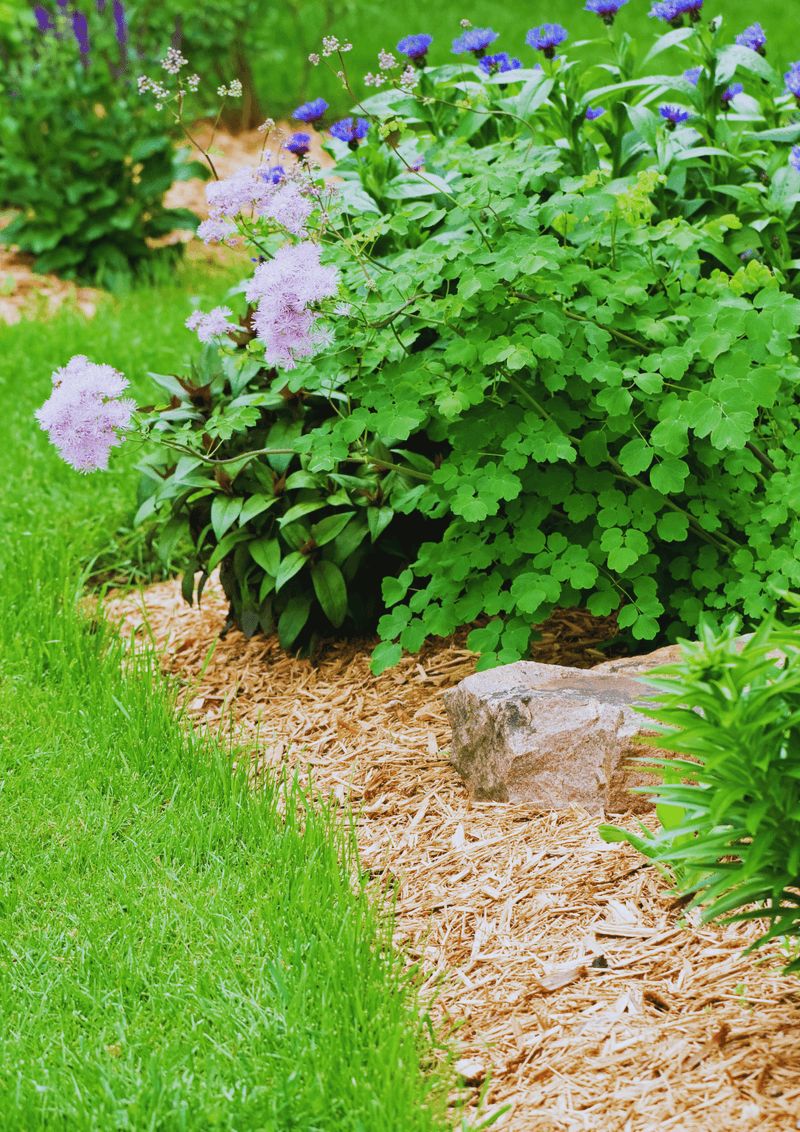
Mulch is one of the most useful tools in any garden, but too much of a good thing can cause serious trouble. When mulch piles up too thick around the base of plants like hydrangeas or daylilies, it traps moisture right at the crown of the plant.
That constant dampness creates the perfect environment for rot to take hold.
A layer of two to three inches of mulch is generally recommended for most garden plants in North Carolina. Going beyond that, especially right up against the stem, holds water against the plant tissues that need to stay relatively dry.
Many gardeners unknowingly cause crown rot by mounding mulch like a volcano around their favorite shrubs and perennials.
Pulling mulch back a few inches from the base of each plant is a simple fix that makes a big difference. This small gap allows air to circulate around the crown and lets the soil surface dry out between rain events.
Your North Carolina Garden Changes Every Week. Your Plan Should Too.
Gardening in North Carolina changes quickly throughout the season. Every Friday you’ll receive a simple weekly plan showing exactly what to plant, prune, fertilize, harvest, and protect so you never miss the right timing.
It also reduces the chance of fungal spores finding a warm, moist place to grow.
In spring, when North Carolina sees frequent rain, checking your mulch depth regularly is a smart habit. Refreshing mulch in fall rather than spring can also reduce moisture buildup during the wettest months.
Proper mulch management keeps plants healthier and more resilient when the spring rains really start to pour.
3. Planting Too Deep Weakens Roots
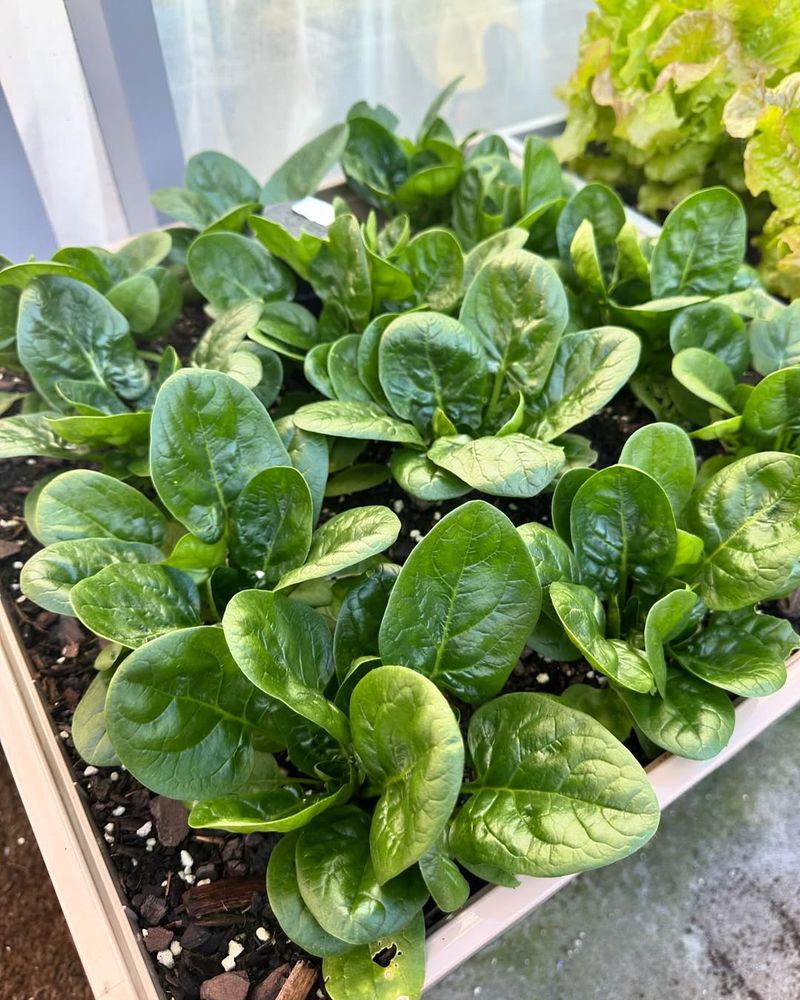
Depth matters more than most gardeners realize, especially for shallow-rooted vegetables like lettuce and spinach. Planting these crops too deep in wet North Carolina spring soils buries their sensitive crowns in an environment that stays cold and moist far too long.
That extra soil covering prevents airflow and keeps moisture locked against the most vulnerable part of the plant.
Lettuce and spinach naturally prefer their crowns right at or just slightly above the soil surface. When they get pushed too far down into the ground, water accumulates around the base and stays there, especially in heavy spring rain.
Root systems in those conditions struggle to function, and decay can spread faster than most gardeners expect.
Reading seed packets and transplant labels carefully gives you the exact planting depth recommended for each crop. Marking your planting rows before you begin helps ensure consistency across the whole bed.
A simple ruler or stick marked with depth measurements can save a lot of frustration later in the season.
Raised beds with loose, well-amended soil also help because they allow roots to spread naturally without being forced deeper than intended.
In North Carolina, where spring rains can be frequent and heavy, getting planting depth right from the start is one of the easiest ways to prevent early-season losses.
Small adjustments at planting time pay off in healthier, more productive crops throughout the spring.
4. Susceptible Species Are Naturally Sensitive
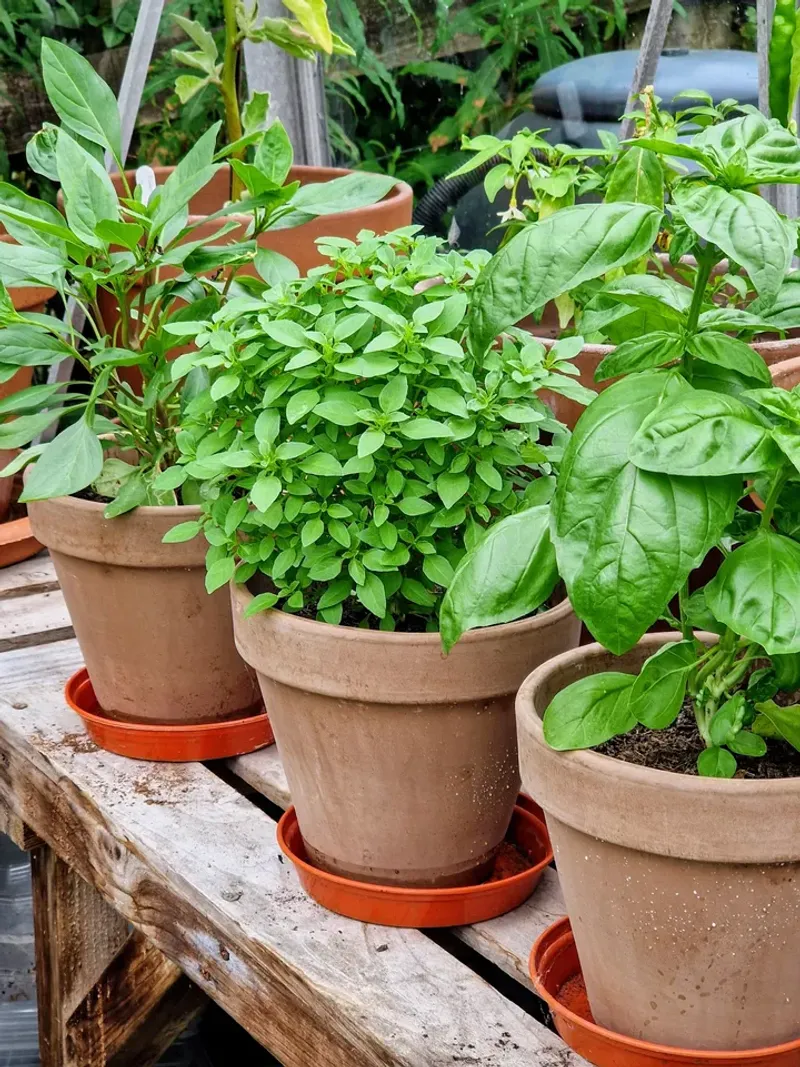
Not every plant handles wet weather the same way, and some species are simply built for drier conditions. Basil and impatiens are two popular garden plants that struggle significantly when soil stays consistently wet during North Carolina’s spring rainy season.
Their root systems are not designed to handle prolonged moisture, which makes them rot-prone without the right care.
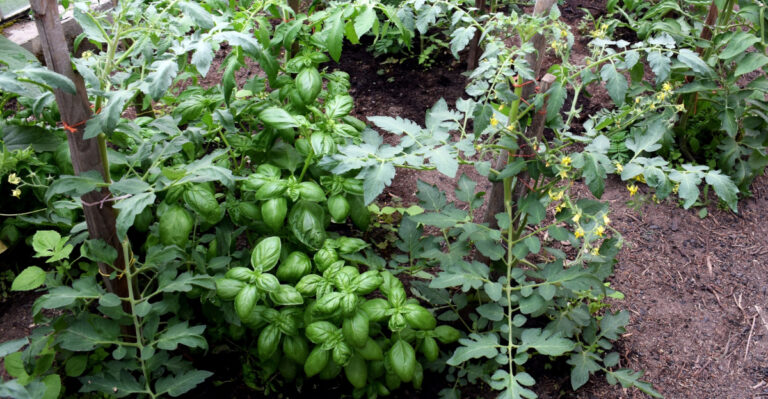
Basil, in particular, is originally from warm, dry Mediterranean climates. It reacts quickly to overwatering or waterlogged soil by turning dark at the stem base, which is an early sign that rot has already begun.
Impatiens are equally sensitive, often collapsing from crown rot when planted in poorly drained spots that stay wet after spring storms.
Spacing plants farther apart than the minimum recommendation helps both of these species by increasing airflow between them. Better air circulation means the soil surface dries out more quickly after rain, giving roots a break from constant moisture.
Even a few extra inches between plants can make a noticeable difference in plant health. Choosing containers or raised beds for basil and impatiens is another practical solution for North Carolina gardeners.
Container growing allows for much better drainage control, and pots can be moved under shelter during especially heavy rain events.
Combining smart placement with well-draining soil mixes gives these naturally sensitive plants the best possible chance to thrive through a wet spring season.
5. Warm, Wet Weather Promotes Fungal Growth
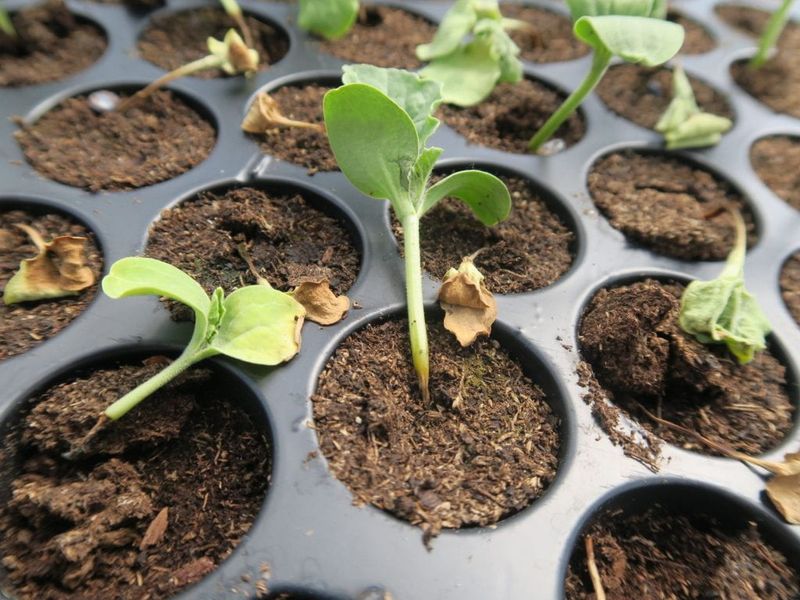
North Carolina springs have a unique combination of warmth and rainfall that creates ideal conditions for fungal diseases to spread fast.
Damping-off is one of the most frustrating problems for gardeners starting seedlings of kale, broccoli, or other cool-season crops in spring.
The disease causes young plants to collapse suddenly at the soil line, and it spreads through the growing medium with surprising speed.
Damping-off is caused by several fungal and water mold pathogens, including Pythium and Rhizoctonia species, which thrive in moist, warm soil.
Seedlings grown in trays or garden beds with poor drainage are especially vulnerable when spring temperatures climb and rain keeps the soil consistently wet. Once the disease appears in a tray or bed, it can wipe out an entire planting within days.
Improving air circulation around seedlings is one of the most effective ways to reduce fungal pressure. Thinning seedlings to proper spacing prevents leaves from overlapping and holding moisture against stems.
Running a small fan near indoor seed trays can also lower humidity and discourage fungal growth significantly.
Sterilized seed-starting mix, clean containers, and avoiding overwatering are the foundations of damping-off prevention.
In North Carolina gardens, waiting until soil temperatures are appropriate and not rushing seedlings into cold, wet beds also reduces risk.
Starting with disease-free seeds from reputable suppliers adds another layer of protection during the most unpredictable weeks of spring.
6. Crowded Plantings Reduce Air Circulation

Imagine a crowd of people packed into a small room with no windows open. That is essentially what happens to plants when they are grown too close together in a garden bed.
Hostas and black-eyed Susans are beautiful North Carolina garden favorites, but when they are crowded, their leaves stay wet for hours after rain stops, and that extra moisture encourages rot.
Air circulation is one of the most underrated tools in plant health management. When plants grow close together, leaves overlap and create shaded pockets where water lingers long after a spring rainstorm.
Fungal spores that cause leaf and crown rot find those wet, shaded spots and begin to multiply rapidly.
Following the spacing recommendations on plant tags is a straightforward way to prevent this problem. Those numbers are based on the full mature size of the plant, not its size at planting, so new gardeners sometimes misjudge and plant too close together.
Giving each plant room to grow means better airflow from day one.
Thinning out established beds in early spring, before the rainy season hits North Carolina hard, is also a great preventive step. Removing a few plants to open up the canopy can dramatically improve how quickly leaves dry after rain.
Pruning lower leaves and spent growth from perennials like hostas also reduces the amount of wet surface area that fungal diseases can use as a starting point throughout the growing season.
7. Soil pH Can Affect Susceptibility
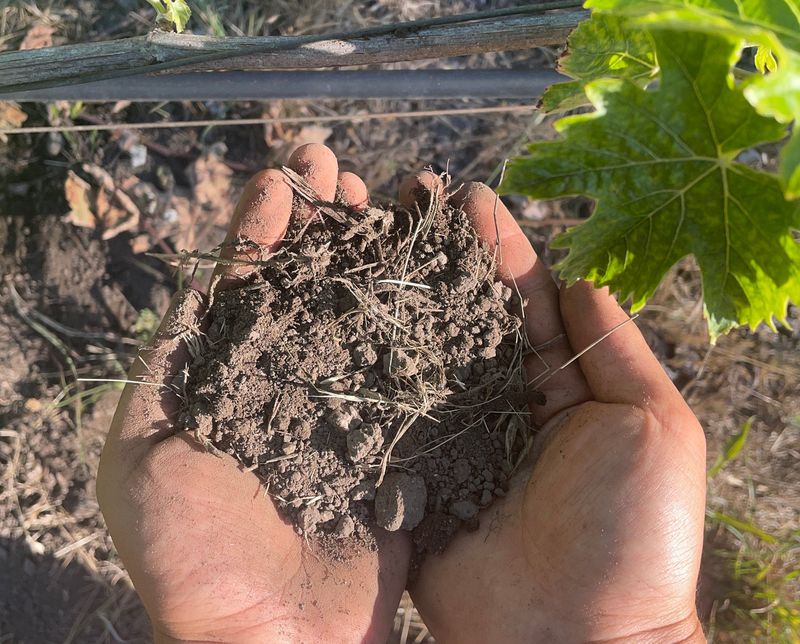
Soil chemistry plays a bigger role in plant health than many gardeners expect, especially when spring rains arrive in North Carolina.
Azaleas and camellias are popular landscape plants across the state, but they can become more vulnerable to root rot when the soil pH is off.
Both plants prefer slightly acidic soil, and when pH levels shift too far in either direction, their roots weaken and become easier targets for rot-causing pathogens.
When soil is too alkaline, these plants cannot absorb the nutrients they need, even if those nutrients are present in the soil.
Stressed, nutrient-deprived roots are less able to resist infections from Phytophthora and other water mold pathogens that thrive in wet spring conditions.
The combination of wrong pH and heavy rain creates a double challenge that can quickly overwhelm otherwise healthy plants.
Testing your soil before planting is one of the smartest investments a North Carolina gardener can make. Cooperative Extension offices across the state offer affordable soil testing services that tell you exactly what your soil needs.
Adjusting pH with sulfur to lower it or lime to raise it should be done gradually and well before planting season.
Mulching with pine straw, which naturally acidifies soil slightly as it breaks down, is a traditional and effective practice for azaleas and camellias in North Carolina. Monitoring pH annually and making small corrections keeps soil conditions stable.
Healthy soil chemistry combined with good drainage gives these plants a strong foundation to handle even the rainiest spring weeks with confidence.
8. Transplants Are More Vulnerable
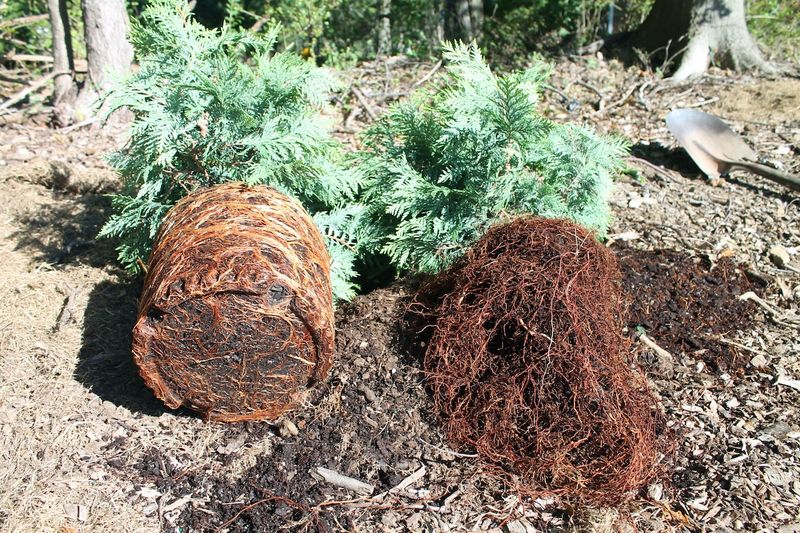
Fresh transplants are a bit like new students on the first day of school. They are still figuring out their environment and have not yet built up the strength to handle tough conditions.
Tomatoes, peppers, and herbs that go into the ground before their roots are well established are especially at risk when North Carolina spring rains arrive heavy and fast.
Newly transplanted roots have not yet spread wide enough through the soil to anchor the plant or access water and nutrients efficiently.
When heavy rain saturates the soil around an unestablished root ball, the plant cannot compensate the way a mature, well-rooted plant can.
Water accumulates around the compact root zone and creates the perfect setup for rot to develop quickly.
Hardening off transplants before putting them in the ground is one of the best things you can do to prepare them for outdoor conditions.
This process involves gradually exposing seedlings to outdoor temperatures, wind, and sunlight over one to two weeks before planting.
Plants that go through hardening off develop stronger stems and root systems that handle weather stress much better.
Timing your transplanting around the North Carolina weather forecast also helps enormously. Planting a day or two before a dry stretch gives roots time to begin spreading before heavy rain arrives.
Covering fresh transplants with row covers or cloches during the first major spring storms provides a simple but effective buffer while roots get established and the plant builds its natural resilience.
9. Wet Foliage Encourages Leaf Rot
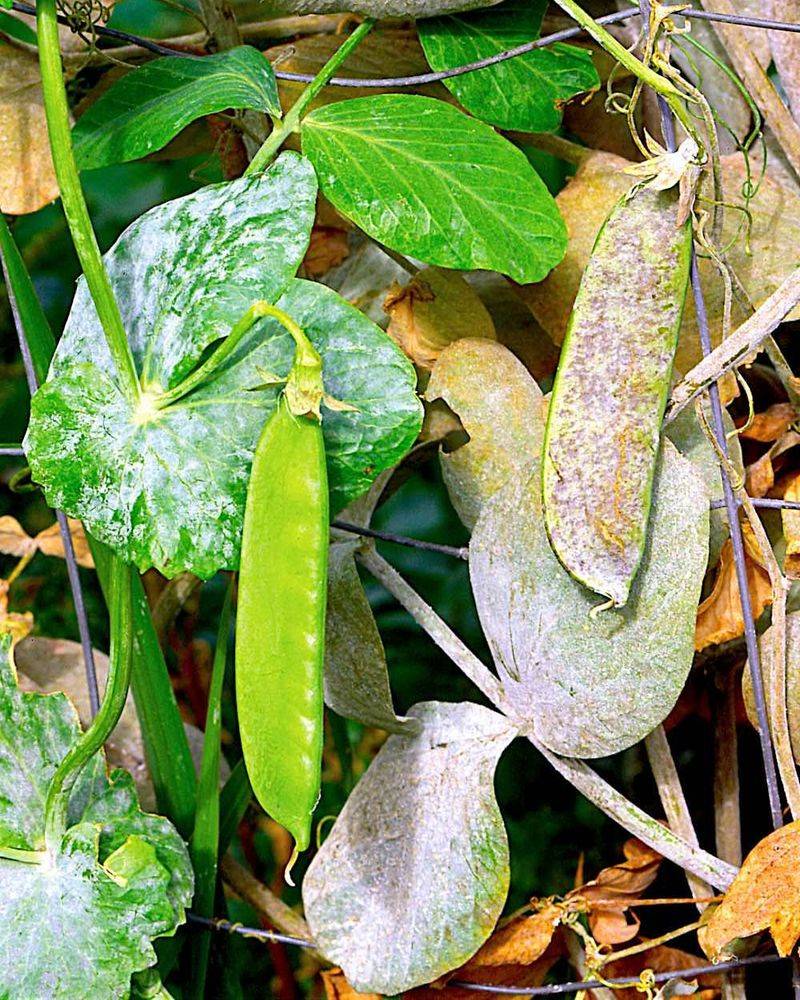
Healthy roots do not always guarantee a healthy plant, especially when the leaves stay wet for too long. Cucumbers, squash, and impatiens are all plants that face serious leaf disease pressure when foliage stays damp after North Carolina spring rains.
Fungal pathogens like Botrytis and powdery mildew spores land on wet leaf surfaces and begin to grow when conditions stay humid and warm.
Overhead watering habits can make this problem worse, even before rain enters the picture. Watering in the evening leaves leaves wet overnight, which is more than enough time for fungal infections to get started.
Switching to drip irrigation or soaker hoses directs water to the root zone and keeps foliage much drier throughout the season.
Spacing plants generously also plays a role in keeping leaves dry after rain. When plants have room around them, wind moves through the canopy and speeds up evaporation from leaf surfaces.
That faster drying time significantly reduces the window during which fungal spores can successfully take hold and spread.
Removing lower leaves that touch the soil is another practical step for cucumbers and squash in North Carolina gardens. Those ground-level leaves pick up soil splash during heavy rain, which can carry fungal spores directly onto the plant.
Keeping the lower canopy thinned and lifted off the ground, combined with good airflow and smart watering habits, gives leaf surfaces a fighting chance to stay healthy through even the rainiest stretch of spring.
10. Disease-Resistant Varieties Stay Healthy
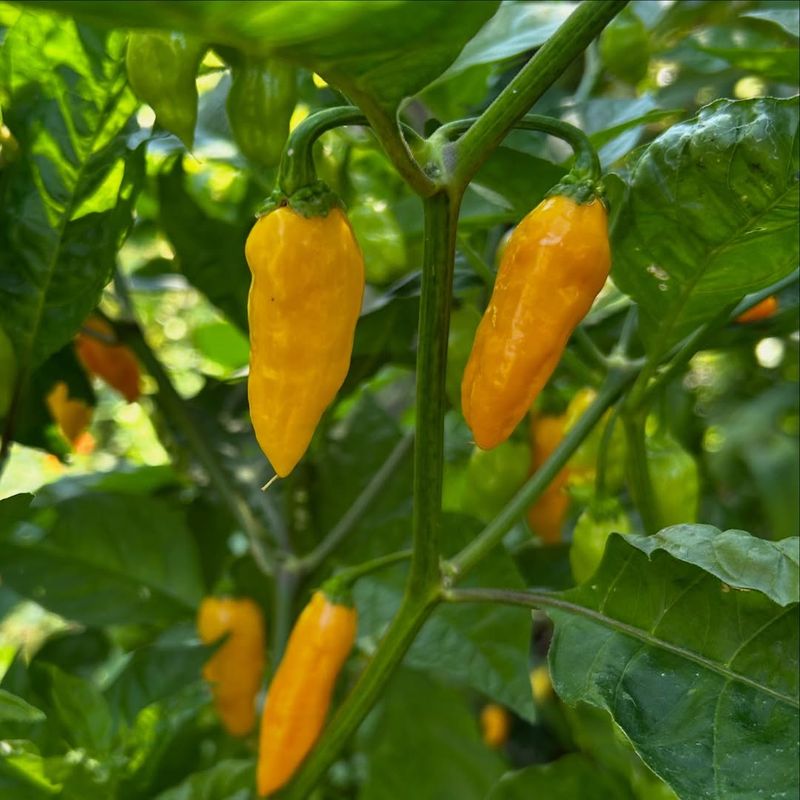
Some plants are simply built tougher than others, and choosing the right variety can be the difference between a thriving garden and a frustrating one.
Plant breeders have developed disease-resistant varieties of tomatoes, peppers, and kale specifically to handle the wet, warm conditions that North Carolina springs deliver year after year.
These varieties have built-in defenses that give them a real advantage when rot pressure is high.
Tomato varieties labeled with codes like V, F, N, and T on the plant tag are resistant to common soil-borne diseases including Verticillium and Fusarium wilt, which become more active in wet spring soils.
Varieties like Celebrity, Mountain Fresh Plus, and Defiant are popular choices among North Carolina gardeners for their reliable performance in challenging spring weather.
Choosing these over heirloom-only selections does not mean sacrificing flavor, since many resistant varieties taste excellent too.
For kale, varieties like Winterbor and Red Russian have shown strong performance in wet conditions common to North Carolina.
Pepper varieties bred for disease resistance tend to hold up better in heavy spring rain without developing the root issues that plague more sensitive cultivars.
Checking with your local NC Cooperative Extension office for variety trial results gives you region-specific guidance that is genuinely valuable.
Starting your season with resistant varieties reduces the need for frequent intervention and lets you focus on enjoying your garden. Pairing these tough plants with good drainage, proper spacing, and smart watering habits creates a complete strategy.
With the right varieties in the ground, even a rainy North Carolina spring becomes much easier to manage from the very first planting day.