How To Grow Eastern Prickly Pear In North Carolina Like A Pro
Growing Eastern Prickly Pear, or Opuntia humifusa, is one of the most rewarding gardening projects in North Carolina.
This hardy native cactus thrives in a variety of conditions across the state, from the sandy soils of the Coastal Plain to the rolling hills of the Piedmont.
Eastern Prickly Pear is low maintenance, drought-tolerant, and adds unique texture and color to any garden. Gardeners of all experience levels can enjoy its bright blooms and interesting form without a lot of fuss.
Whether you are starting your first garden or expanding an established landscape, knowing how to care for this cactus can make all the difference.
These ten practical tips will help you grow Eastern Prickly Pear successfully and confidently in North Carolina gardens, ensuring a healthy, attractive plant season after season.
1. Plant It In Full Sun
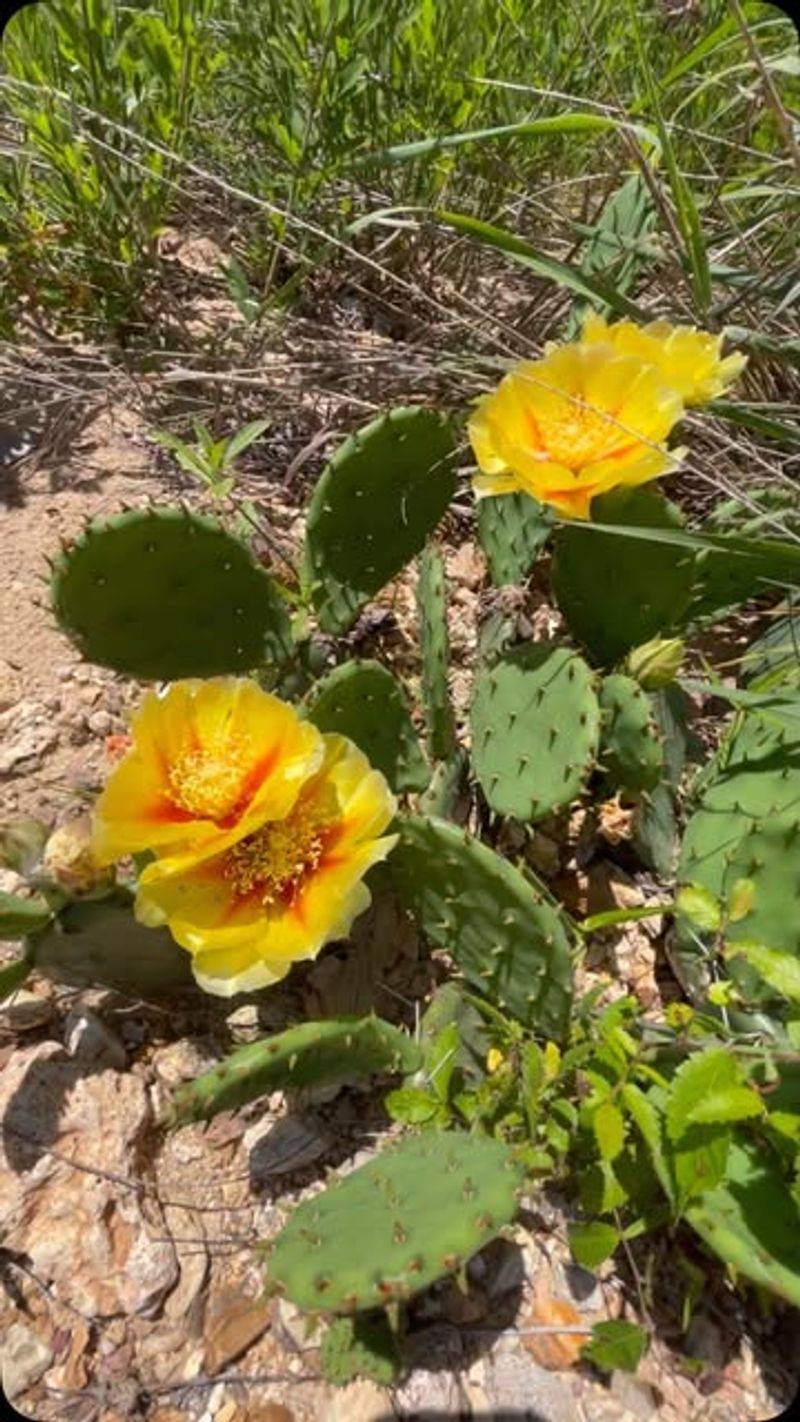
Sunlight is everything for Eastern Prickly Pear, and giving it the right amount can make a huge difference in how your plant grows. Opuntia humifusa needs at least 6 to 8 hours of direct sunlight each day to stay healthy and produce its stunning yellow blooms.
In North Carolina, finding a sunny garden spot is usually pretty easy, especially in the Piedmont and coastal regions where open skies are common.
When you plant in full sun, the pads stay firm and thick, which is exactly what you want. Weak or shaded spots cause the pads to become thin and floppy, and flowering becomes rare.
A south-facing bed or an open yard area works perfectly for giving this cactus the light it craves all season long.
Full sun also helps the soil dry out faster after rain, which is a big bonus for a plant that hates sitting in moisture. North Carolina summers can bring plenty of humidity, so that extra sun exposure keeps conditions just right.
Think of sunlight as the fuel that powers every beautiful bloom and healthy new pad your plant will produce throughout the growing season.
2. Use Well-Drained Soil
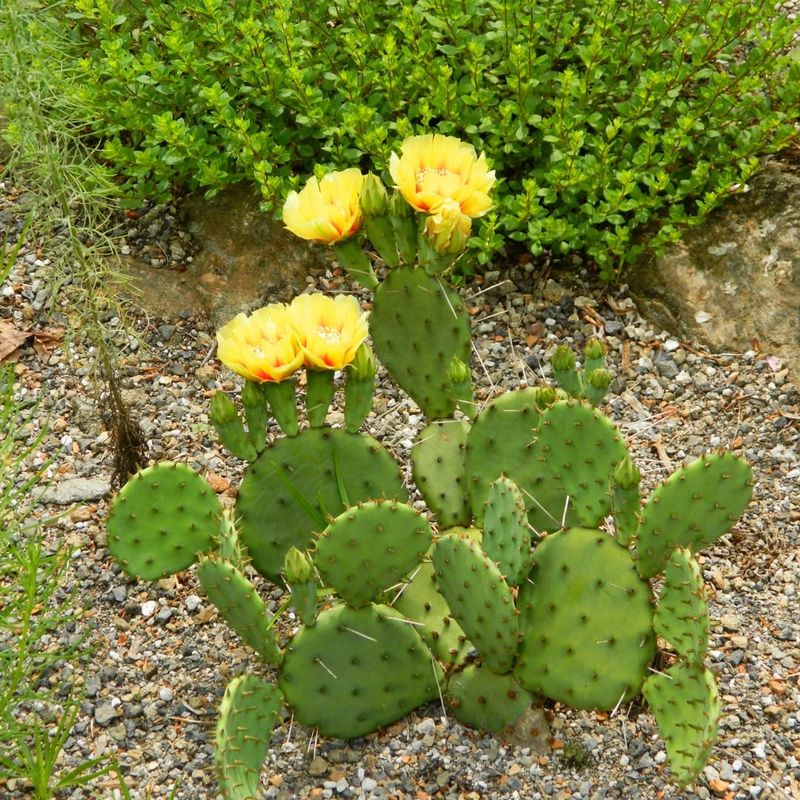
Soil quality is one of the biggest secrets behind a thriving Eastern Prickly Pear in North Carolina. Opuntia humifusa naturally grows in sandy, rocky, or gravelly soils where water drains away quickly after rain.
The coastal plain and Piedmont areas of North Carolina offer exactly this kind of gritty, loose soil that this cactus absolutely loves.
Heavy clay soils are the enemy here. When water pools around the roots for too long, root rot sets in fast and the plant struggles to recover.
If your yard has clay-heavy soil, mixing in coarse sand or fine gravel before planting makes a huge improvement and gives roots the breathing room they need.
A simple test is to pour water into your planting hole and watch how fast it drains. If water disappears within a few minutes, you are in good shape.
If it sits for an hour or more, amendments are necessary before you plant. Getting the soil right from the start saves a lot of trouble later on and sets your Eastern Prickly Pear up for strong, steady growth through every season in North Carolina.
Your North Carolina Garden Changes Every Week. Your Plan Should Too.
Gardening in North Carolina changes quickly throughout the season. Every Friday you’ll receive a simple weekly plan showing exactly what to plant, prune, fertilize, harvest, and protect so you never miss the right timing.
3. Avoid Overwatering
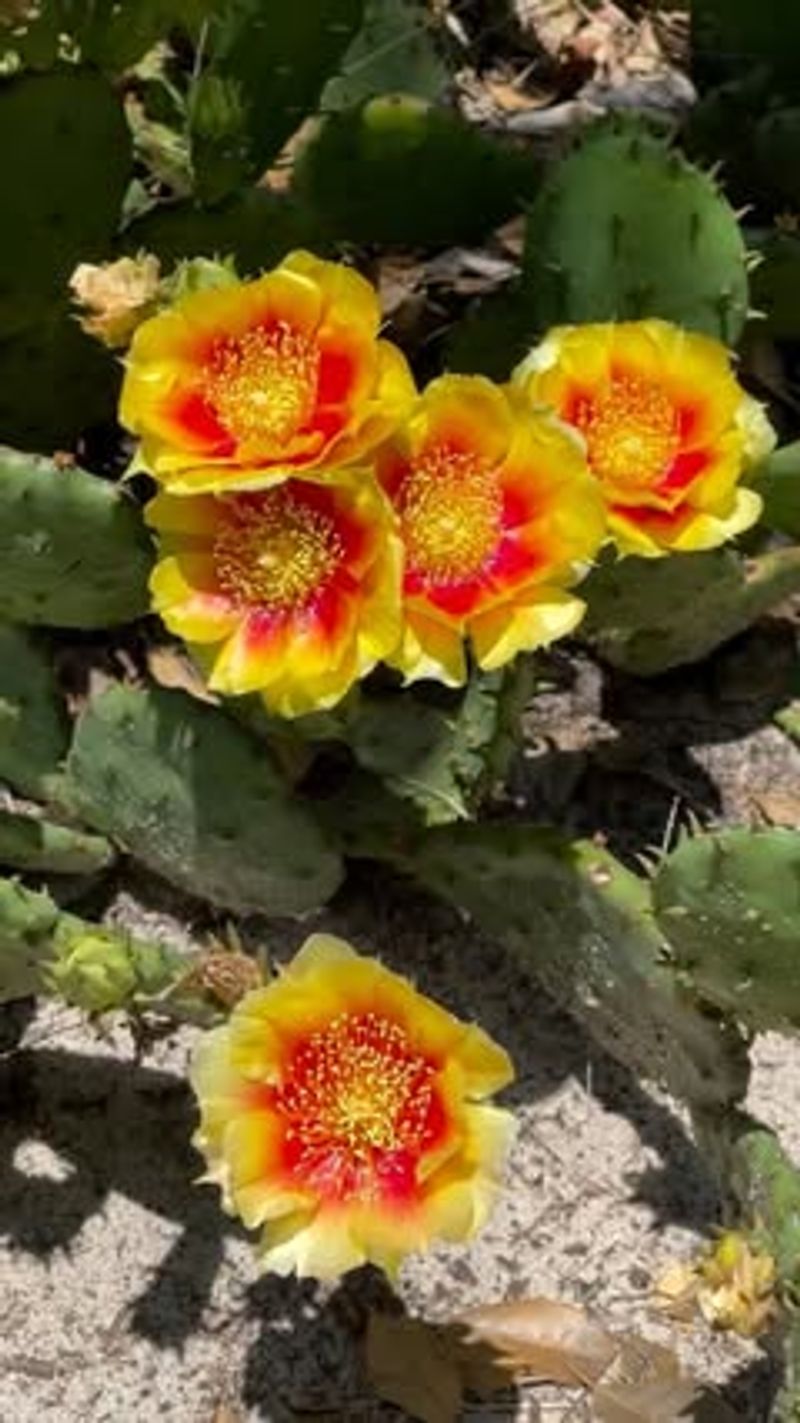
Here is something many new gardeners get wrong: watering a cactus too much. Eastern Prickly Pear is built for drought and stores moisture inside its thick, fleshy pads.
In North Carolina, where spring and summer often bring regular rainfall, you may not need to water your plant at all during those seasons.
Overwatering is one of the fastest ways to cause problems for Opuntia humifusa. When roots stay wet for too long, they begin to rot, and the pads turn soft and mushy.
A good rule of thumb is to water only when the soil has been completely dry for at least a week or two, especially during the warmer months.
During winter, watering can stop almost entirely because the plant goes into a natural resting period. North Carolina winters are mild enough in most areas that the cactus handles dry conditions without any help from you.
Trust the plant to tell you what it needs. Wrinkled or slightly shrunken pads are a sign of thirst, while soft, discolored pads usually signal too much water.
Learning this difference early on makes caring for your Eastern Prickly Pear much easier and more enjoyable year after year.
4. Plant In Elevated or Sandy Beds
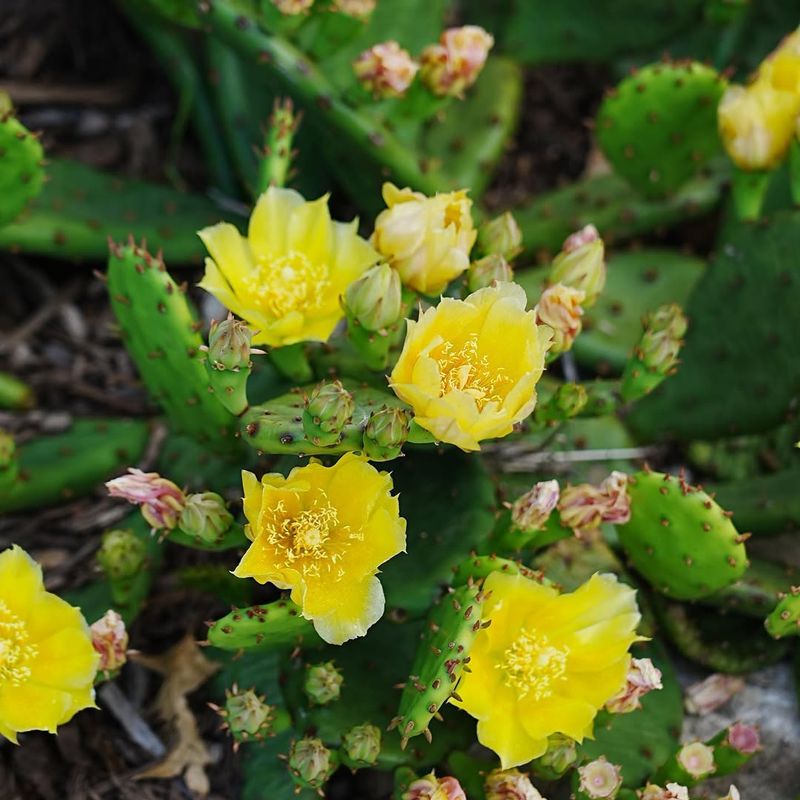
Planting your Eastern Prickly Pear in a slightly elevated or raised bed is a smart move, especially in parts of North Carolina where flat ground holds rainwater after storms.
Raising the planting area by even a few inches helps water run away from the roots naturally, keeping the soil at the dry end of the spectrum that Opuntia humifusa prefers.
Sandy beds work especially well because they mimic the natural coastal and Piedmont habitats where this cactus grows wild across North Carolina. You can build a simple raised bed using landscape timbers or stones filled with a sandy, gritty mix.
This small effort pays off with healthier roots and stronger overall growth every single season.
Elevated planting also offers some protection from late winter and early spring cold snaps.
Cold air tends to settle in low spots and hollows, so placing your cactus on slightly higher ground can reduce frost exposure in the Mountain and Piedmont regions of North Carolina.
A well-positioned raised bed gives your Eastern Prickly Pear the best possible start and keeps it looking vibrant and full of life from spring blooms all the way through fall. It is one of those tips that seems small but makes a noticeable difference.
5. Provide Space Between Plants
Giving each plant enough room to breathe is more important than most gardeners realize.
Spacing Eastern Prickly Pear plants at least 12 to 18 inches apart allows air to move freely between pads, which reduces the risk of fungal problems that can sneak up in North Carolina’s warm, humid summers.
Crowded plants trap moisture and create the perfect setup for rot and disease. Proper spacing also allows each plant to spread naturally as it matures. Opuntia humifusa can grow into a fairly wide clump over time, sending out new pads in all directions.
When plants are too close together, they compete for space and nutrients, and the results are usually weaker growth and fewer blooms.
Think of spacing as a long-term investment in your garden. A little extra room now means you will not have to rearrange everything a couple of years down the road.
In North Carolina’s humid climate, this tip is especially valuable because fungal issues can spread quickly when plants are packed tight together. Mark your spacing before planting using a ruler or stake so you get it right from the beginning.
Your plants will reward you with lush, full pads and those gorgeous golden yellow flowers that make Eastern Prickly Pear so popular with gardeners across the state.
6. Protect From Heavy Frost In Early Spring
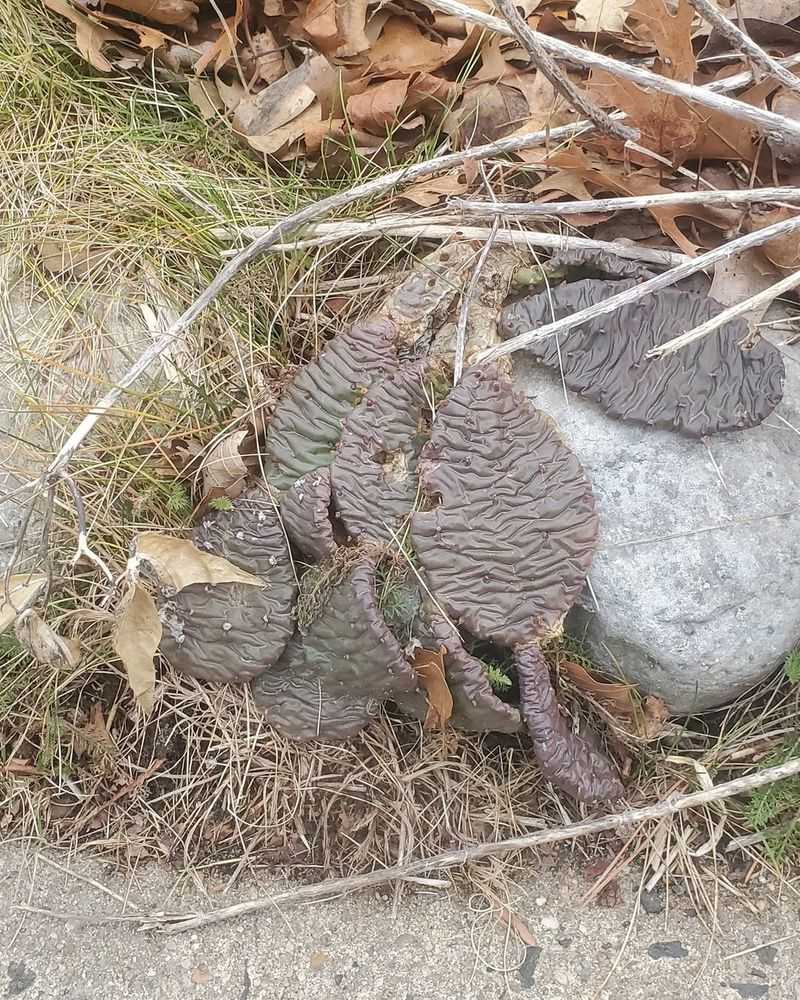
Eastern Prickly Pear is one tough plant, capable of handling temperatures as low as 14 degrees Fahrenheit.
That said, young or newly planted pads are a bit more vulnerable, especially if a surprise late frost rolls through the Mountain or Piedmont regions of North Carolina in early spring.
A little protection during those cold snaps goes a long way.
A simple frost cloth or old bedsheet draped loosely over the plant overnight is usually all you need. You do not have to go overboard with protection because established plants handle cold remarkably well on their own.
The key is watching the forecast in March and April when late freezes are still possible across higher elevations in North Carolina.
One interesting thing to know is that Eastern Prickly Pear pads often turn a reddish or purplish color during cold weather. This is completely normal and is actually the plant protecting itself by adjusting its chemistry.
Once warmer temperatures return in spring, the pads go back to their healthy green color and resume active growth. So do not panic if your cactus looks a little different in winter.
Just keep an eye on hard frost warnings and cover young plants when needed, and your Eastern Prickly Pear will bounce back beautifully every single year.
7. Mulch Lightly With Gravel or Sand
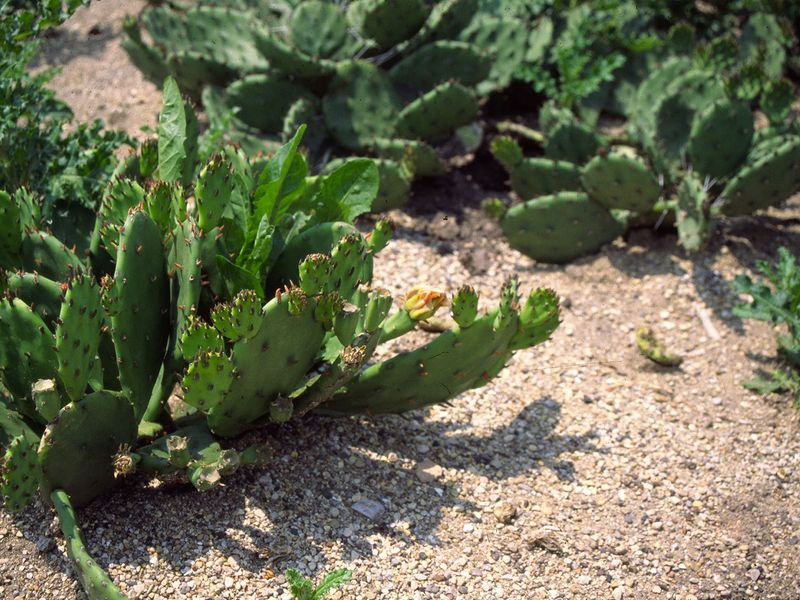
Mulching around your Eastern Prickly Pear with gravel or coarse sand is one of those simple tricks that makes a real difference in plant health. Unlike organic mulches like wood chips or bark, gravel does not hold moisture against the stem and roots.
It allows water to drain through quickly while keeping the soil warm, which Opuntia humifusa absolutely appreciates in North Carolina gardens.
A thin layer, about one to two inches deep, placed around the base of the plant is all you need. This light gravel mulch also helps reflect heat back onto the plant during cooler months, giving the roots a slightly warmer environment.
In coastal and Piedmont areas of North Carolina, this extra warmth can extend the growing season a bit longer into fall.
Gravel mulch also looks great and adds a natural, polished look to your garden bed. It ties in beautifully with the rugged, natural character of the Eastern Prickly Pear and gives your planting area a clean, tidy appearance.
Plus, it helps suppress weeds without trapping moisture, which is a win on both fronts. Sand works just as well if gravel is not available.
Either option keeps the area around your cactus dry, warm, and healthy through every season in North Carolina.
8. Remove Damaged or Diseased Pads
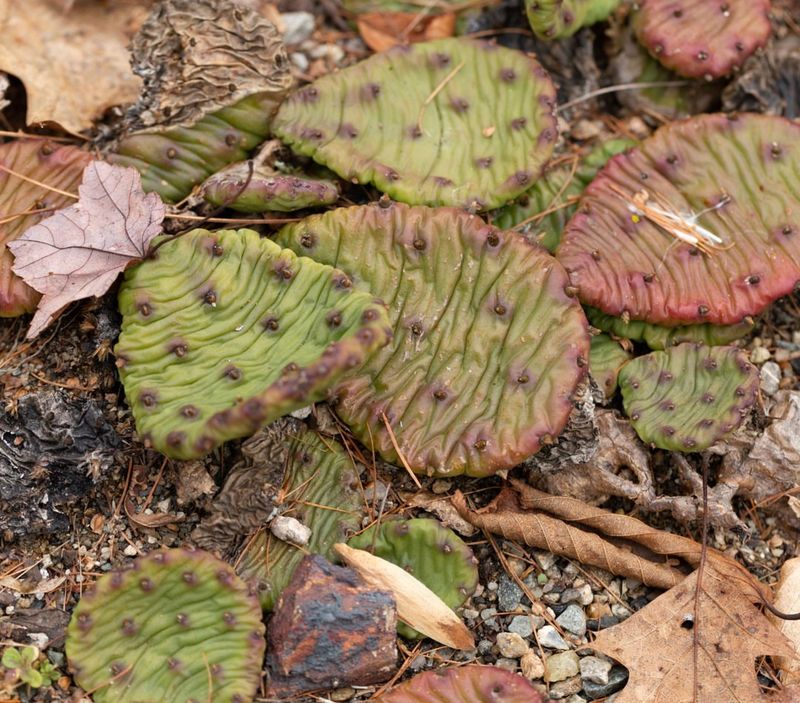
Keeping your Eastern Prickly Pear looking its best means staying on top of pad health throughout the growing season.
Any pads that look soft, discolored, or shriveled in an unhealthy way should be removed promptly to prevent problems from spreading to the rest of the plant.
In North Carolina’s humid climate, diseased tissue can spread faster than you might expect.
Always wear thick gloves and use tongs or folded newspaper to handle pads safely. The tiny hair-like spines called glochids are even more irritating than the larger spines and can be tricky to remove from skin.
Cutting the pad cleanly at the joint with a sharp, clean knife or pruning shears is the best approach for a neat removal.
After removing damaged pads, let the cut area dry out in open air for a day or two before watering the plant again. This gives the wound time to callous over, which naturally seals the plant and reduces the chance of infection entering through the cut.
Dispose of removed pads away from the garden to avoid any chance of disease lingering in the soil.
Regular checks every few weeks during spring and summer keep your North Carolina Eastern Prickly Pear in top shape and ensure the healthy pads continue growing strong and vibrant all season long.
9. Encourage Pollinators For Blooms
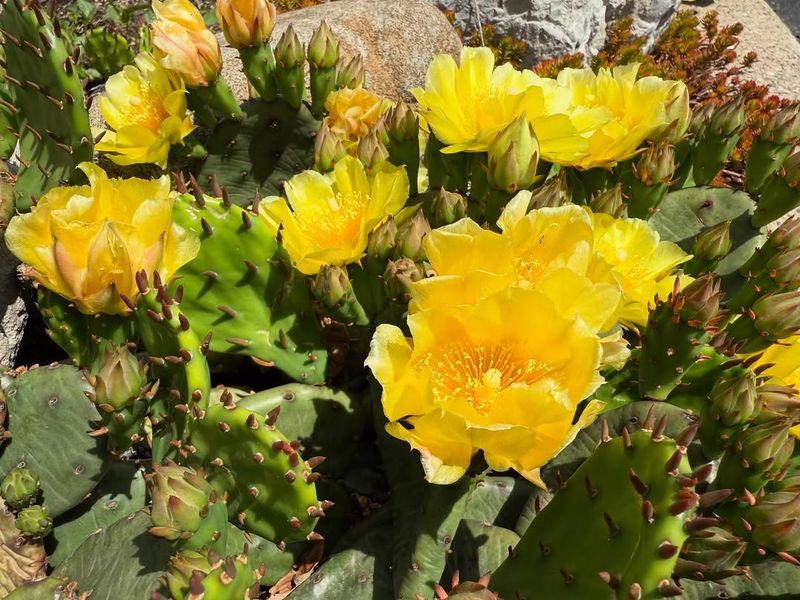
Few sights in a North Carolina garden are as cheerful as a fat bumblebee working its way through the golden yellow flowers of an Eastern Prickly Pear.
These blooms are rich in pollen and attract a wide range of native bees, which are the primary pollinators for Opuntia humifusa.
More pollinators visiting your plant means better fruit set and a more productive cactus overall.
You can encourage pollinators by planting native wildflowers nearby, such as black-eyed Susans or coneflowers, which bring bees into your garden regularly.
Avoiding pesticides anywhere near the cactus is also important because chemical sprays can harm the very insects that help your plant produce fruit.
North Carolina is home to dozens of native bee species, and your garden can become a small but meaningful habitat for them.
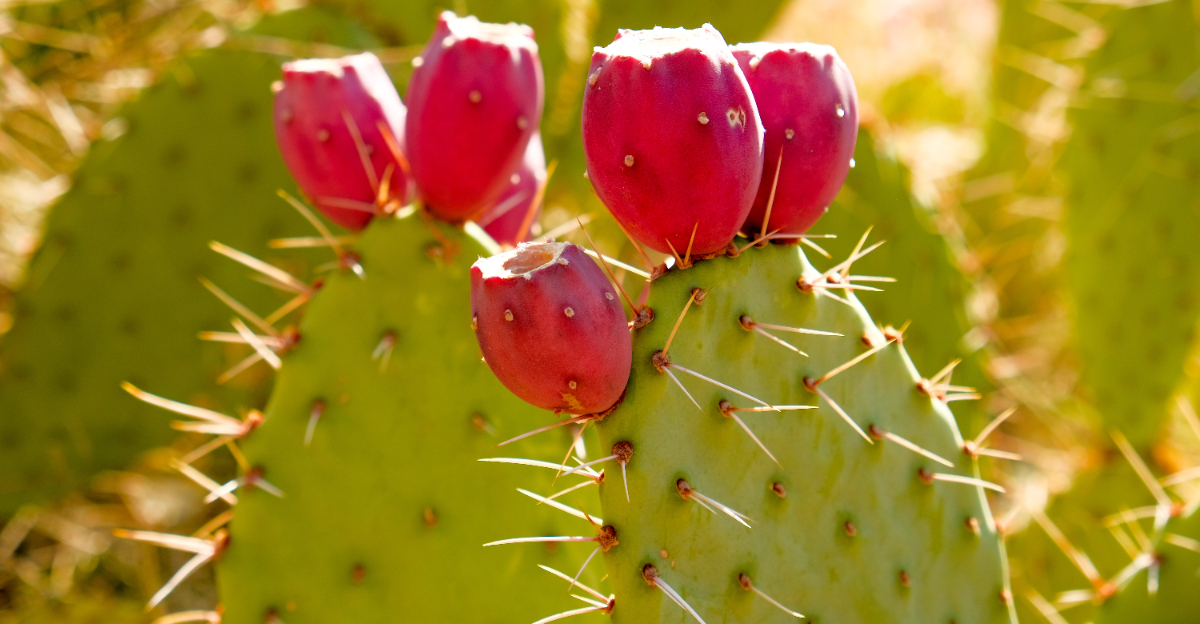
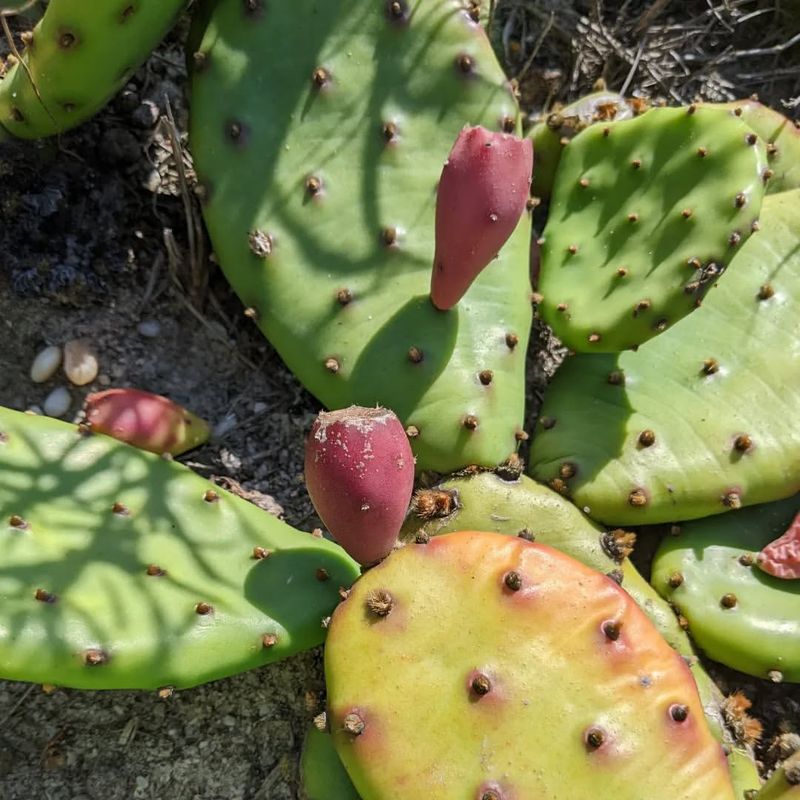
The bright red or purple fruits that follow successful pollination are completely edible and quite tasty when ripe. They can be used to make jelly, syrup, candy, or simply eaten fresh after removing the spines carefully.
Watching the full cycle from flower to fruit is one of the most rewarding parts of growing Eastern Prickly Pear in North Carolina.
Supporting pollinators is not just good for your cactus but for your entire garden ecosystem, making everything around it grow better and more abundantly.
10. Start From Healthy Pads or Seeds
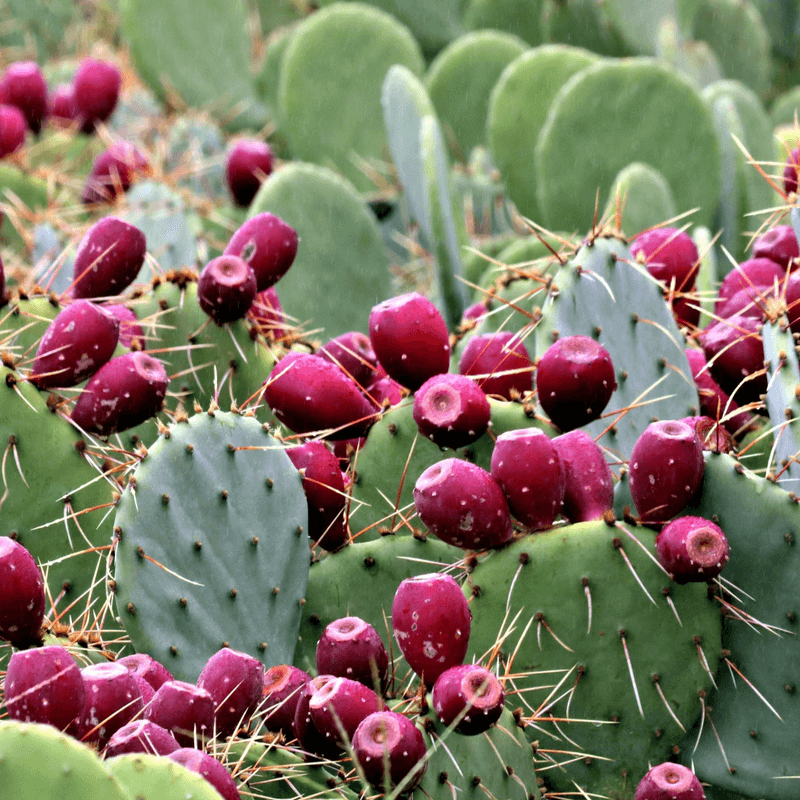
Starting your Eastern Prickly Pear from a healthy pad or fresh seed is the most reliable way to get a strong plant suited to North Carolina’s conditions.
Pad propagation is by far the most popular method because it is fast, easy, and produces results within a single growing season.
Choose a firm, green pad from a healthy parent plant and let it sit in a dry, shaded spot for one to two weeks until the cut end forms a dry callous.
Once calloused, simply press the base of the pad about an inch into dry, sandy soil and leave it alone. Resist the urge to water right away.
The pad will begin rooting on its own within a few weeks, drawing moisture from its own stored reserves. In North Carolina’s warm spring and summer months, rooting happens fairly quickly and new growth appears before you know it.
Growing from seed is also possible but takes more patience, as germination can be slow and unpredictable. Fresh seeds harvested from ripe fruits tend to have better germination rates than older stored seeds.
Either way, starting with healthy, disease-free material is the key to success. A strong start means your plant will adapt well to North Carolina’s climate and grow into a beautiful, long-lived addition to your garden for many years ahead.