These Are The First Plants North Carolina Gardeners Should Fertilize In April
April is when many plants in North Carolina begin active growth, making it the right time to think about fertilizing. As temperatures rise and days grow longer, plants start using more energy to produce leaves, stems, and buds.
Giving them nutrients at this stage can help support stronger growth and better performance through the season. Not every plant needs feeding at the same time, though, and knowing which ones to focus on first can make a big difference.
Early attention helps plants get established before summer heat and stress arrive. It also sets the stage for better blooms, healthier foliage, and more productive gardens overall.
With the right timing, fertilizing becomes a simple step that delivers noticeable results. Starting with the right plants in April can help your entire landscape grow stronger from the ground up.
1. Highbush Blueberry (Vaccinium corymbosum)
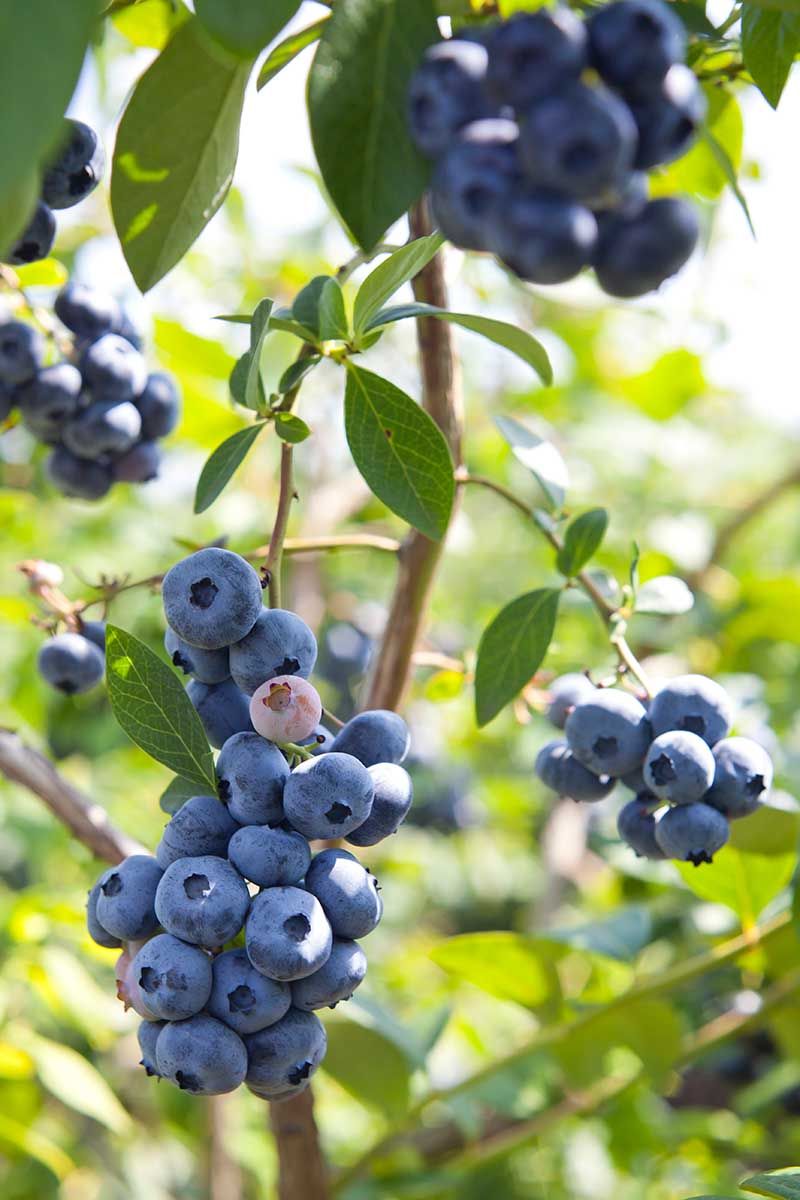
Blueberries are one of those plants that reward you big when you treat them right from the very start of spring.
In North Carolina, highbush blueberries begin pushing out tender new leaves and flower clusters right around early April, which makes this the perfect window to give them a boost.
Fertilizing at this stage supports both fruit development and strong new growth for the season ahead.
Blueberries are acid-loving plants, so the type of fertilizer you choose really matters. Look for a fertilizer formulated for azaleas, camellias, or blueberries specifically, since these products are designed for low-pH soil conditions.
Applying the wrong fertilizer can actually work against you by raising the soil pH and stressing the plant out over time.
Scatter the fertilizer evenly around the drip line of the shrub, then water it in well so it can start moving down toward the roots. Avoid piling fertilizer right up against the base of the stems.
North Carolina gardeners growing blueberries in containers should use a liquid acid fertilizer for faster, more even results. One well-timed April feeding sets the stage for a productive summer harvest that makes every bit of effort completely worth it.
2. American Elderberry (Sambucus canadensis)
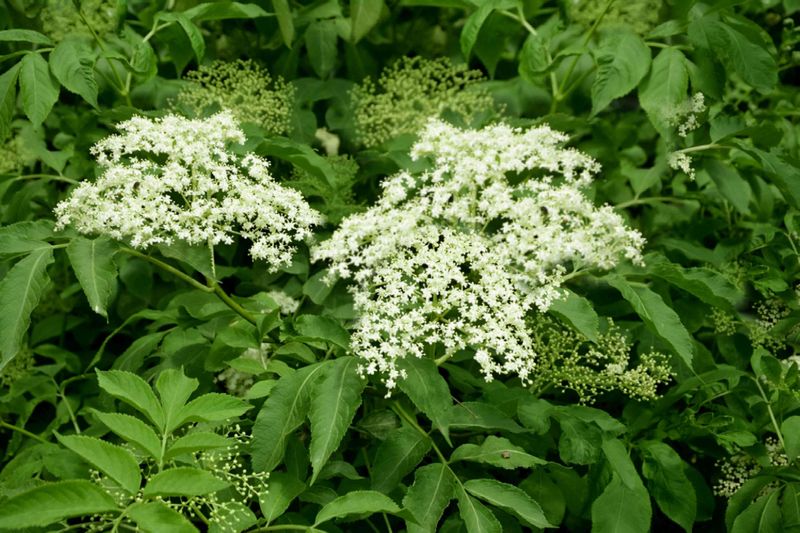
Few native plants in North Carolina grow as fast or as eagerly as the American elderberry once spring warmth arrives. By April, the canes are already pushing out clusters of fresh green leaves, and the plant is clearly ready to run.
Giving it a feeding right at this stage helps channel all that natural energy into stronger stems and bigger flower clusters that will eventually become fruit.
Elderberry is not a fussy plant, but it does respond well to a balanced fertilizer applied in early spring. A granular 10-10-10 formula worked lightly into the soil around the root zone works really well for most North Carolina gardens.
You do not need to go heavy with the application since elderberry is already a vigorous grower and too much nitrogen can push leafy growth at the expense of flowers.
Watering after fertilizing helps the nutrients absorb quickly into the soil where the roots can reach them. Elderberries grown in full sun and moist soil tend to respond the most dramatically to an April feeding.
Your North Carolina Garden Changes Every Week. Your Plan Should Too.
Gardening in North Carolina changes quickly throughout the season. Every Friday you’ll receive a simple weekly plan showing exactly what to plant, prune, fertilize, harvest, and protect so you never miss the right timing.
If you are growing elderberry for a harvest of berries to use in syrups or jellies, timing your fertilizer correctly is one of the simplest ways to improve your yield.
North Carolina gardeners who skip this step often notice smaller flower heads and a lighter berry crop later in the season.
3. Pawpaw (Asimina triloba)
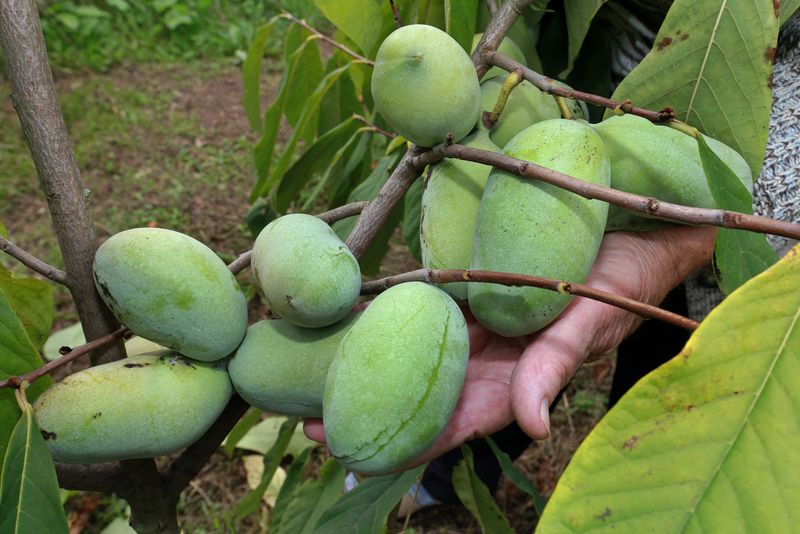
There is something genuinely exciting about growing pawpaw trees in a North Carolina backyard. These natives produce the largest edible fruit of any tree native to North America, and April is right when the magic starts happening.
The tree begins unfurling its broad, tropical-looking leaves as temperatures rise, and a well-timed fertilizer application supports all that new growth with the nutrients it needs to thrive.
Pawpaws prefer slightly acidic, well-drained soil that is rich in organic matter, which describes a lot of North Carolina woodland garden settings perfectly.
A slow-release balanced fertilizer or a light application of compost worked into the soil near the drip line gives the tree a steady supply of nutrients as it leafs out.
Avoid high-nitrogen fertilizers that push excessive leafy growth at the cost of fruit production later in the season.
Young pawpaw trees benefit from fertilizing more than established ones, which often do fine with just a good layer of compost each spring.
If your tree is under five years old, a gentle balanced granular fertilizer in April can make a noticeable difference in how quickly it matures.
North Carolina gardeners growing pawpaws in partly shaded spots, which this tree actually prefers when young, should be a little more conservative with fertilizer amounts since growth is naturally slower in lower light conditions.
4. Smooth Hydrangea (Hydrangea arborescens)
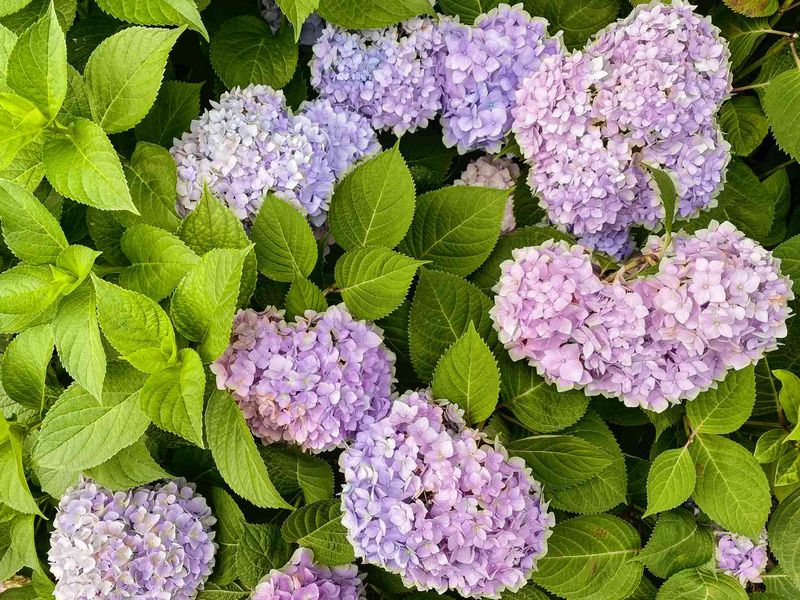
Smooth hydrangea is a North Carolina garden favorite, and for good reason. Varieties like Annabelle produce enormous white flower heads that look stunning from midsummer all the way into fall.
Because smooth hydrangea blooms on new wood, meaning growth it puts out in the current season, feeding it in early April gives it exactly what it needs to produce strong stems and generous flowers.
A light application of a balanced slow-release granular fertilizer in April is really all this shrub needs to perform beautifully. Scatter it around the base of the plant out to the drip line, then water it in thoroughly.
Smooth hydrangeas are not heavy feeders, so resist the urge to overdo it since too much fertilizer can lead to floppy stems that cannot support the weight of those big blooms.
North Carolina gardeners growing smooth hydrangea in partial shade, which is where it truly thrives in our warm climate, should use a slightly lower dose than what is recommended on the label for full-sun applications.
The plant naturally grows a little more slowly in shade, so it does not need as aggressive a feeding.
Mulching around the base after fertilizing helps retain moisture and keeps the root zone cool during the increasingly warm North Carolina spring days ahead.
5. American Wisteria (Wisteria frutescens)
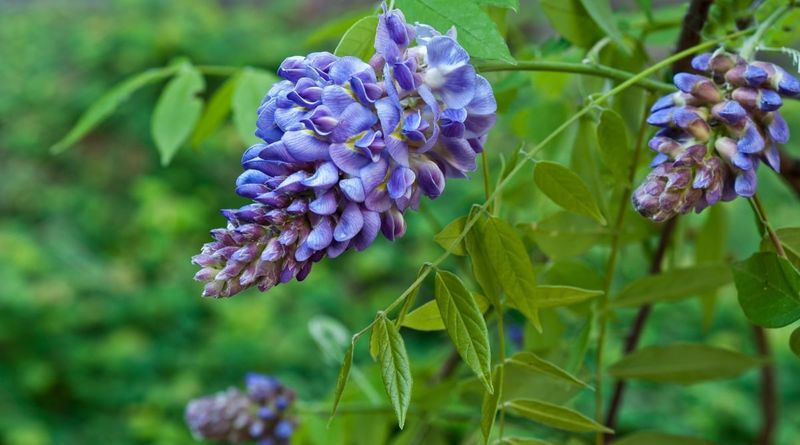
American wisteria is the well-behaved, stunning alternative to its invasive Asian cousins, and North Carolina gardeners have embraced it enthusiastically for good reason.
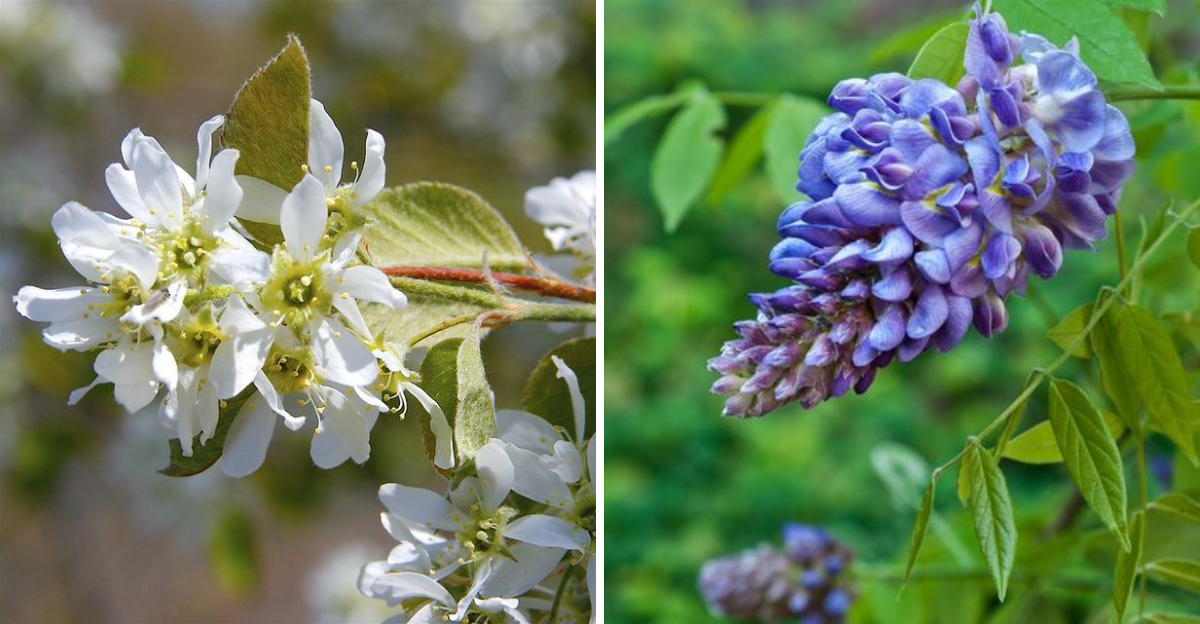
Varieties like Amethyst Falls produce gorgeous cascades of purple blooms in spring, and if you want the fullest flower display possible, April fertilizing is one of the best things you can do.
The plant is actively growing at this point and primed to use whatever nutrients you give it.
Use a low-nitrogen fertilizer for wisteria since too much nitrogen encourages lots of leafy vine growth but very few flowers. A fertilizer with a higher middle number, representing phosphorus, supports bloom development far better.
Sprinkle the granules evenly around the root zone and water them in well so the nutrients can start moving toward the roots right away.
One thing that surprises a lot of gardeners is that wisteria actually performs better with less fertilizer overall.
If your vine is already growing vigorously and putting out good growth each year, you might only need to fertilize every other spring rather than every single year.
North Carolina gardeners who grow American wisteria on a sturdy pergola or arbor will notice that a well-fed vine fills in its support structure faster and blooms more reliably.
A little patience and the right spring feeding go a long way with this breathtaking native climber.
6. Downy Serviceberry (Amelanchier arborea)
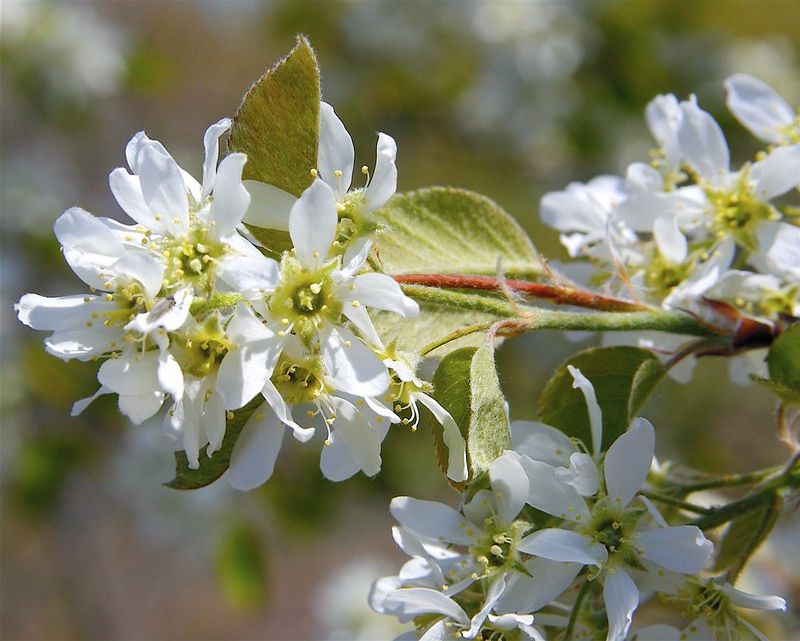
Serviceberry is one of the earliest native trees to bloom in North Carolina, often bursting into delicate white flowers before most other plants have even started to wake up.
By April, those blooms have faded and the tree is putting all its energy into fresh leafy growth and fruit development. This is actually the ideal moment to fertilize if your tree needs a little extra support this season.
Established serviceberry trees are naturally modest in their nutritional needs and often do just fine without any fertilizer at all. However, younger trees or those growing in poor, sandy, or compacted soil can benefit noticeably from a light spring feeding.
A balanced granular fertilizer applied at bud break gives the tree steady nutrition right when it is working hardest to push out new growth.
Apply the fertilizer in a wide circle around the tree, reaching out to the drip line rather than piling it close to the trunk. Water it in well after application and add a fresh layer of mulch to help retain soil moisture through North Carolina’s increasingly warm spring days.
Serviceberry also attracts birds with its small, sweet berries, and a well-fertilized tree tends to produce a fuller fruit crop that wildlife and gardeners alike will appreciate. This tree is a true North Carolina gem worth a little extra seasonal care.
7. American Holly (Ilex opaca)
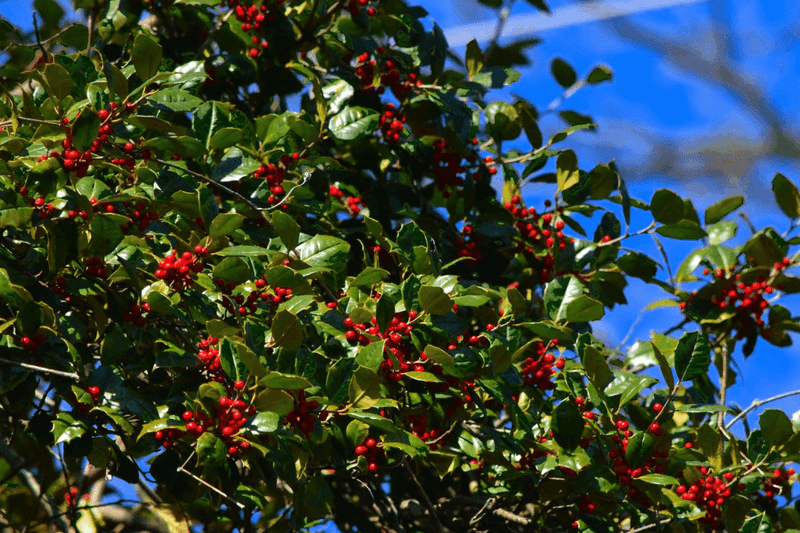
American holly is one of the most iconic native evergreens in North Carolina, recognized by its glossy deep green leaves and bright red berries that persist well into winter.
Because it is a broadleaf evergreen, its fertilizing schedule works a little differently than deciduous plants.
Spring is the best and safest time to feed an established American holly, and April fits that window perfectly across most of North Carolina.
A slow-release granular fertilizer formulated for trees and shrubs works really well for American holly. Scatter it evenly under the canopy out to the drip line, keeping it away from the trunk itself.
Watering it in thoroughly helps move the nutrients into the root zone where the tree can actually use them during its active spring growth period.
One important thing to keep in mind is that American holly generally does not need heavy fertilizing every single year.
If your tree looks healthy, has good dark green foliage, and is putting out reasonable new growth annually, a light feeding every two to three years is plenty. Over-fertilizing can push soft, lush growth that is more susceptible to stress.
North Carolina gardeners who do a soil test first will have the clearest picture of exactly what their holly needs, making the whole process more targeted and far more effective in the long run.