Should Florida Gardeners Prune Avocado Trees Before Spring
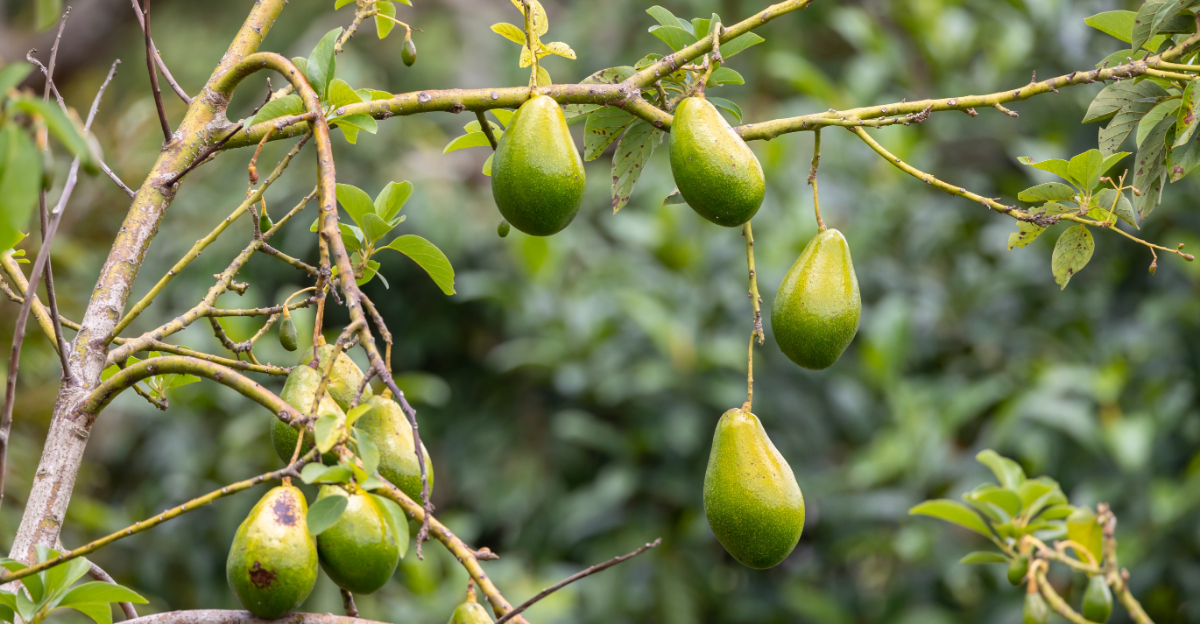
Spring in Florida often arrives before you’re ready, coaxing leaves and buds to peek out while winter stubbornly lingers. Many homeowners notice their avocado trees looking a little crowded or uneven, and a gentle trim suddenly seems necessary.
Pruning avocado trees at the right time can improve fruit production, keep the tree manageable, and prevent branches from becoming a hazard around patios or walkways.
For Florida gardeners, understanding the seasonal rhythm is the first step to a healthy, productive tree.
There’s a short window where a careful cut makes all the difference. You’ll want to know exactly when to prune and how to get your avocado trees ready for spring’s bounty.
1. Prune Mature Trees After Harvest To Jumpstart Spring Growth
Late winter is often considered a favorable time for pruning mature avocado trees in Florida. Pruning mature avocado trees after harvest and before spring growth begins, typically between late January and mid-March, gives your tree the best possible head start for the coming season.
The tree has already put its energy into producing fruit, and now it is ready to redirect that energy toward fresh, healthy new growth.
Pruning during this window can help the tree develop new vegetative shoots, which may later support flowers and fruit. Delaying pruning can sometimes lead to more irregular growth and make the tree slightly harder to manage.
Florida’s climate generally supports late-winter pruning, as cooler temperatures can reduce stress on the tree. The cooler temperatures reduce stress on the tree, and there is minimal risk of frost damage to newly exposed cuts.
Removing crowded branches also improves air circulation, which helps prevent fungal diseases that are common in Florida’s humid conditions.
Start by removing any crossing or rubbing branches first. Then step back and look at the overall canopy shape before making additional cuts.
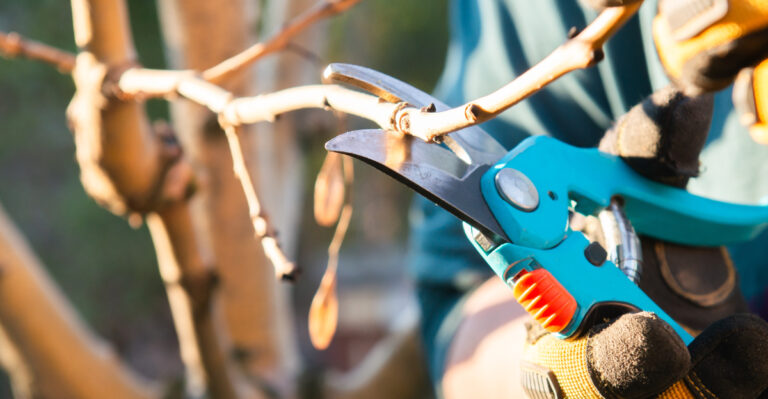
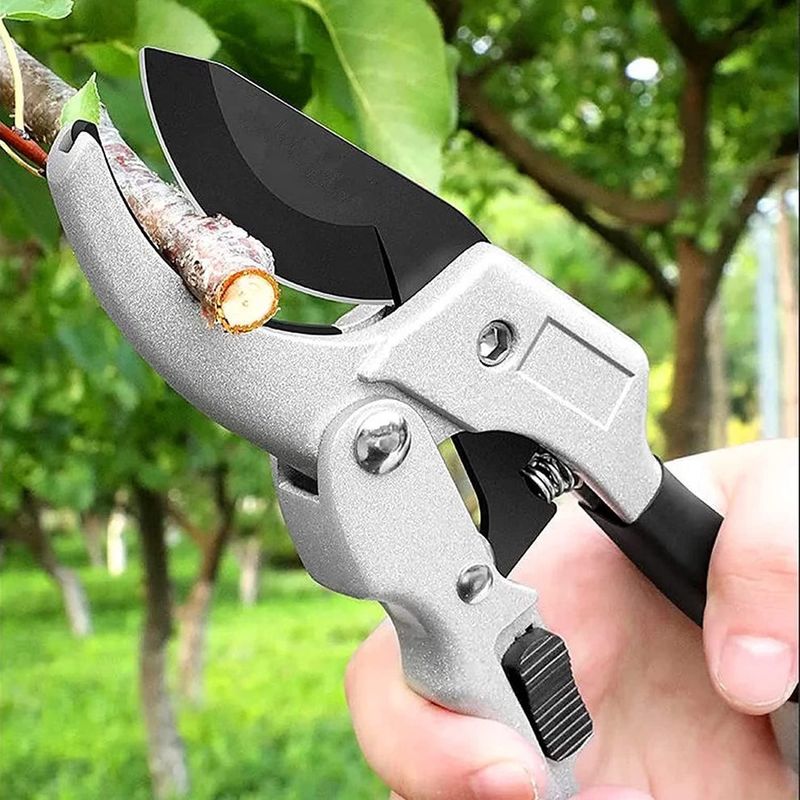
Sharp, clean pruning tools are a must to avoid tearing the bark and leaving the tree vulnerable to pests. Pruning mature avocado trees at the right time in Florida is one of the simplest and most rewarding things a home gardener can do to boost fruit production season after season.
2. Shape Young Trees Early For Strong, Beautiful Form
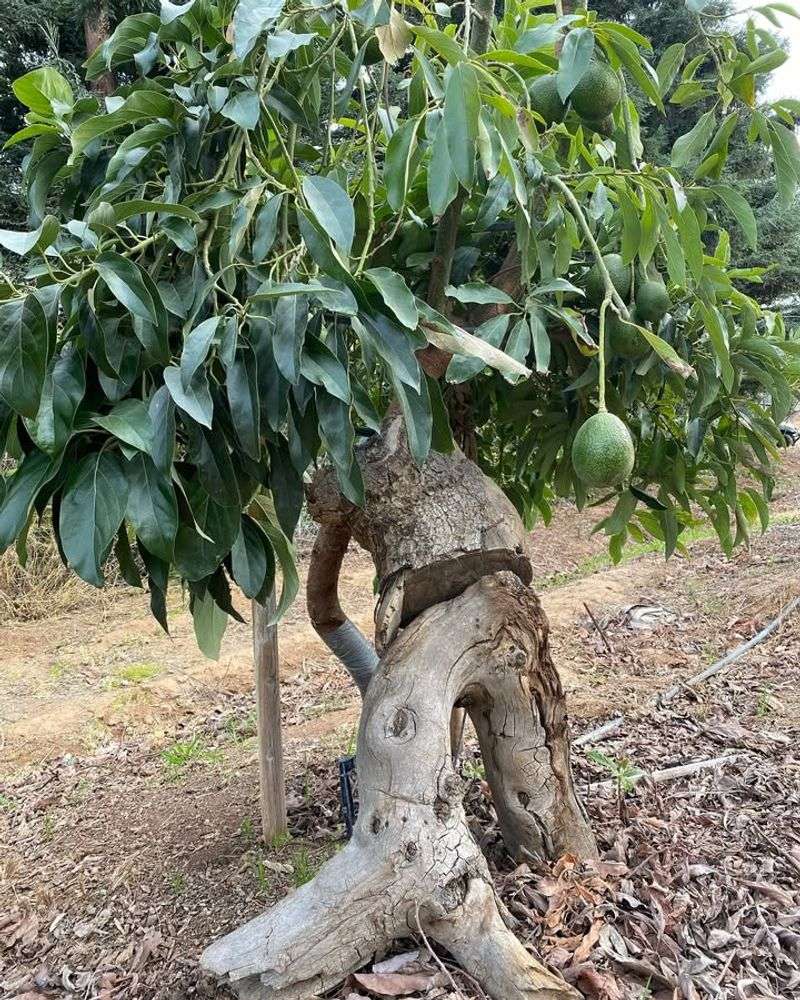
Getting a young avocado tree off to the right start in Florida is all about shaping its future. During the first two years of growth, a process called formative pruning helps establish a strong, balanced structure that will support the tree for decades.
Think of it as guiding the tree rather than cutting it back hard.
Young avocado trees tend to grow quickly in Florida’s warm climate, sometimes shooting up a single tall stem without developing a wide, sturdy canopy. By pinching or lightly trimming the main leader and encouraging lateral branches to spread outward, you create a tree that is more stable and easier to harvest from later on.
Formative pruning helps shape the tree and may make maintenance easier as it grows.
During the first growing season, focus on removing any weak, spindly shoots that are unlikely to develop into strong branches. In the second year, you can begin shaping the lower canopy and encouraging a multi-branched structure.
Your Florida Garden Changes Every Week. Your Plan Should Too.
Gardening in Florida changes quickly throughout the season. Every Friday you’ll receive a simple weekly plan showing exactly what to plant, prune, fertilize, harvest, and protect so you never miss the right timing.
Avoid removing too much at once, since young trees are still building their root systems and need plenty of leaves to produce energy through photosynthesis.
Florida’s fast-growing conditions mean young trees can change dramatically within just a few months, so check on them regularly. A little formative pruning now prevents a lot of complicated corrective pruning later.
Shaping young avocado trees early can improve long-term stability and ease of care.
3. Skip Heavy Pruning During Florida’s Summer Storms
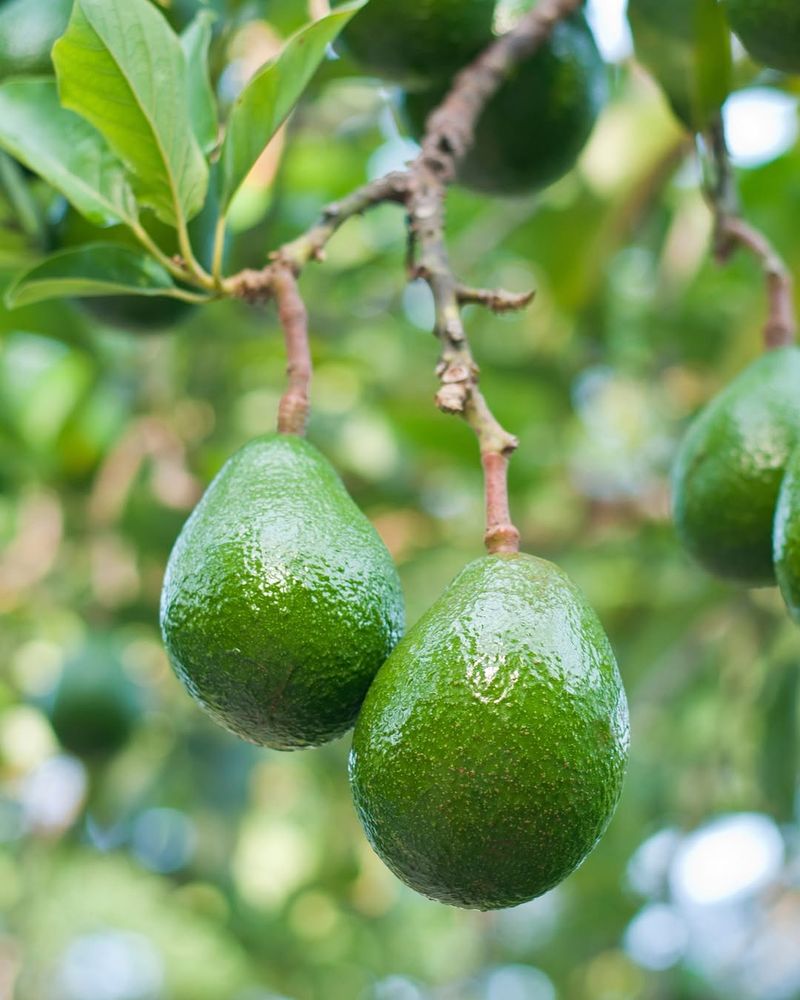
Florida summers are no joke. Between the blazing heat, daily afternoon thunderstorms, and the ever-present threat of hurricanes from June through November, it is simply not the right time to be making major cuts to your avocado tree.
Heavy pruning during this period can cause more harm than good, and experienced Florida growers know to hold off until conditions are more favorable.
One of the biggest risks of summer pruning is the stimulation of tender new growth during a time when that growth is most vulnerable. Soft, young shoots that emerge after a heavy summer pruning can be easily damaged by strong winds during a tropical storm or hurricane.
During hurricane season, freshly pruned trees may be more vulnerable to damage.
There is also the issue of heat stress. Removing a large portion of the canopy during peak summer temperatures exposes the remaining branches and trunk to intense direct sunlight.
This can cause sunscald, a condition where the bark becomes damaged from sudden sun exposure, which weakens the tree over time.
If you notice a branch that has snapped or cracked during a storm, go ahead and clean up that damage promptly. However, save your major shaping and size-control pruning for late winter when the tree is better equipped to handle it.
Respecting Florida’s seasonal rhythms and working with nature rather than against it is the key to keeping your avocado tree strong and productive through every summer storm.
4. Keep Your Canopy Neat Around 10 To 15 Feet
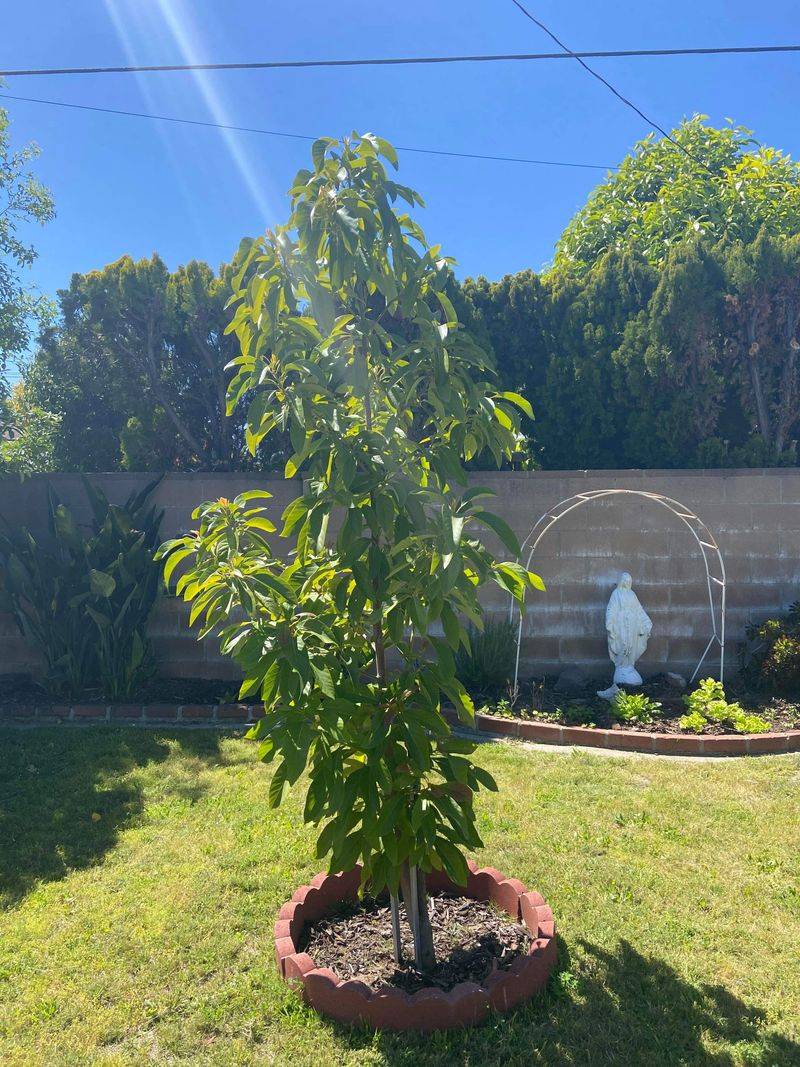
Avocado trees left completely unpruned in Florida can grow to heights of 30 feet or more, which sounds impressive until harvest time rolls around. Keeping your canopy height between 10 and 15 feet is one of the most practical goals any Florida avocado gardener can work toward.
At that height, picking fruit is manageable, and routine tree care becomes much simpler.
Controlling canopy height helps make fruit easier to harvest and maintain, without necessarily affecting overall productivity. Managing canopy height may help the tree focus growth on accessible branches.
In Florida, where many avocado trees grow in residential neighborhoods with limited yard space, keeping the canopy at a reasonable height is also a matter of being a good neighbor. Overgrown trees can shade adjacent properties, interfere with power lines, and become a hazard during hurricane-force winds.
A well-maintained canopy is safer and more manageable all around.
To maintain your target height, use the late-winter pruning window to remove any upward-growing shoots that push the canopy beyond your desired limit. Make cuts just above a lateral branch to encourage outward rather than upward growth.
Over several seasons, consistent height management becomes easier as the tree adapts to its maintained size. Regular late-winter canopy management can support healthier, easier-to-harvest trees over time.
5. Trim Branches Showing Trouble Anytime
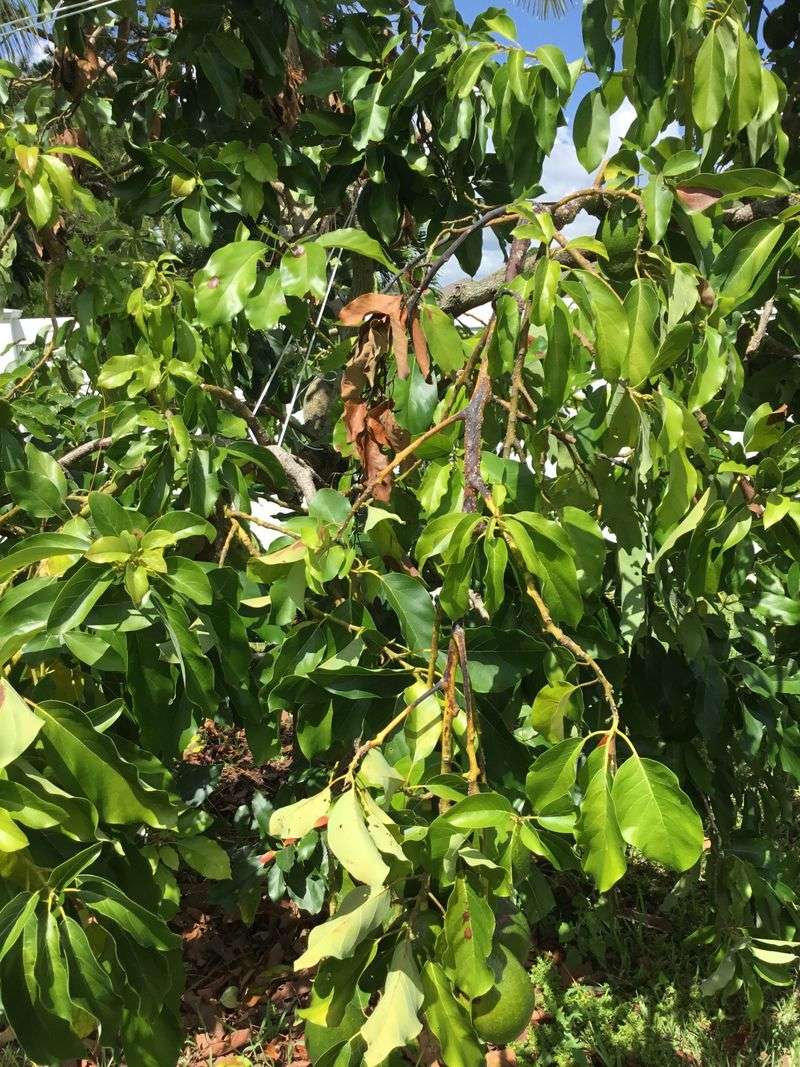
Unlike most pruning tasks that follow a strict seasonal schedule, removing diseased branches is something Florida avocado gardeners should feel confident doing at any time of year. Waiting until late winter to address a rotting or heavily infected branch is not necessary and could actually allow a problem to spread further into the tree.
Decayed wood is essentially an open invitation for pests and fungal pathogens. In Florida’s warm and humid environment, these problems can escalate quickly.
A branch that appears dark, brittle, or covered in unusual spots or growths should be removed as soon as you notice it. Prompt action can prevent the issue from traveling down to the main trunk or spreading to nearby branches.
When removing diseased wood, always sanitize your pruning tools between cuts using a diluted bleach solution or rubbing alcohol. This simple step stops you from accidentally transferring pathogens from one part of the tree to another.
Dispose of removed diseased material away from your garden rather than composting it, since some fungal spores can survive the composting process.
After removing a diseased branch, take a close look at the cut surface. Healthy wood should appear creamy or light green inside.
If you see dark discoloration extending into the wood, continue cutting back until you reach clean tissue. Because Florida has a long growing season, regular health checks and prompt removal of diseased branches can help maintain tree health throughout the year.
6. Let Lower Branches Stay To Protect Canopy Structure
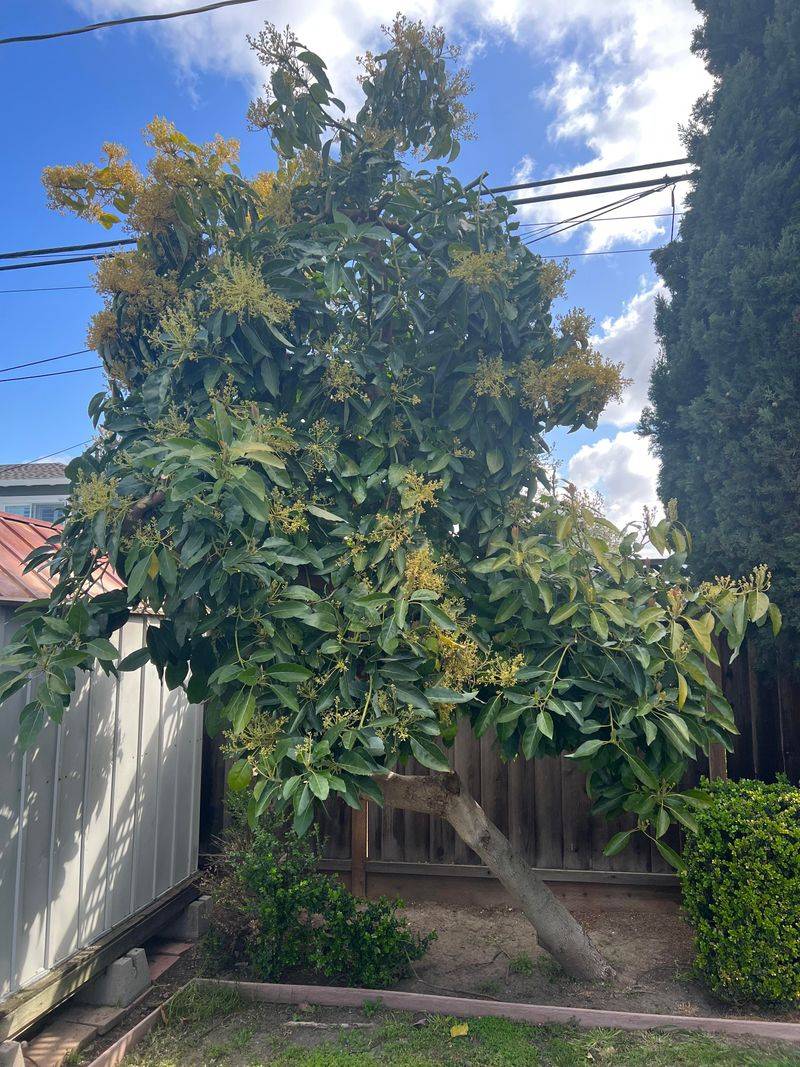
It might seem tempting to clear out the lower branches of your avocado tree to tidy things up or make mowing easier underneath, but Florida avocado experts strongly advise against it. Lower branches play a crucial role in maintaining the overall structural health and balance of the tree, and removing them can cause long-term problems that are difficult to reverse.
Avocado trees naturally develop a wide, spreading canopy that starts relatively low to the ground. Those lower branches help distribute the tree’s weight evenly, which is especially important during Florida’s stormy season when strong winds put significant pressure on the entire structure.
Trees with high, narrow canopies may be more susceptible to branch loss during strong winds.
Lower branches also provide shade to the trunk and root zone. In Florida’s intense summer heat, that shade helps keep soil moisture levels more consistent, which benefits the tree’s overall water uptake and root health.
Stripping away those lower limbs exposes the trunk to harsh sunlight and can cause bark damage that weakens the tree over time.
Beyond practical benefits, lower branches often carry a surprising amount of fruit. Many Florida gardeners discover that some of their most productive fruiting wood is on branches closer to the ground, where sunlight still reaches adequately.
Keeping lower branches intact can help maintain fruiting potential and overall canopy stability. The next time you feel the urge to clean up underneath your avocado tree, reach for the rake instead of the pruning saw and let those lower branches do their job.