6 Top Milkweed Types In California That Support Monarch Butterflies
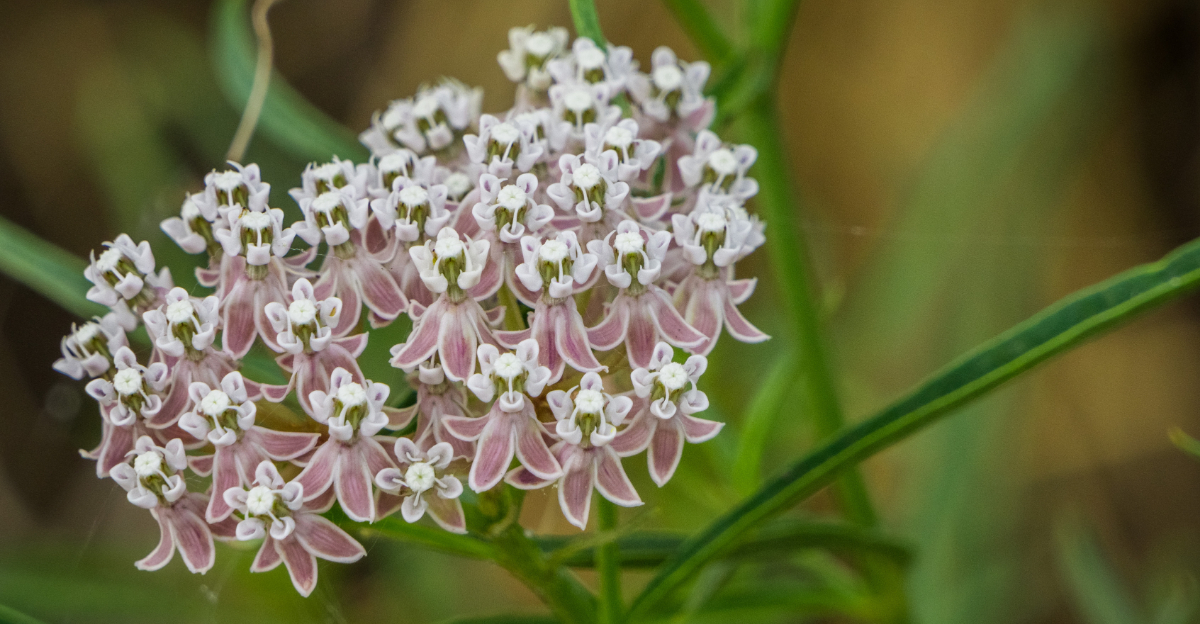
On a sunny California afternoon, the garden can feel alive with humming insects and bright fluttering wings. If you’ve noticed monarch butterflies visiting local parks, you’ve glimpsed one of nature’s most delicate travelers.
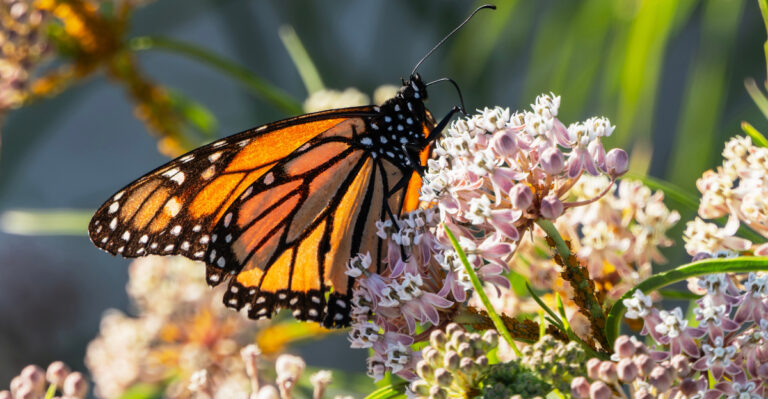
Milkweed is essential for monarchs, providing a place for caterpillars to feed and butterflies to lay eggs. California gardeners have several native options that are both beautiful and highly supportive of these migrating insects.
Planting the right milkweed can make your yard a stopover on a monarch’s journey. Here are those species that will attract butterflies and bring vibrant life to your California garden.
1. California Milkweed Brightening Gardens And Supporting Monarchs
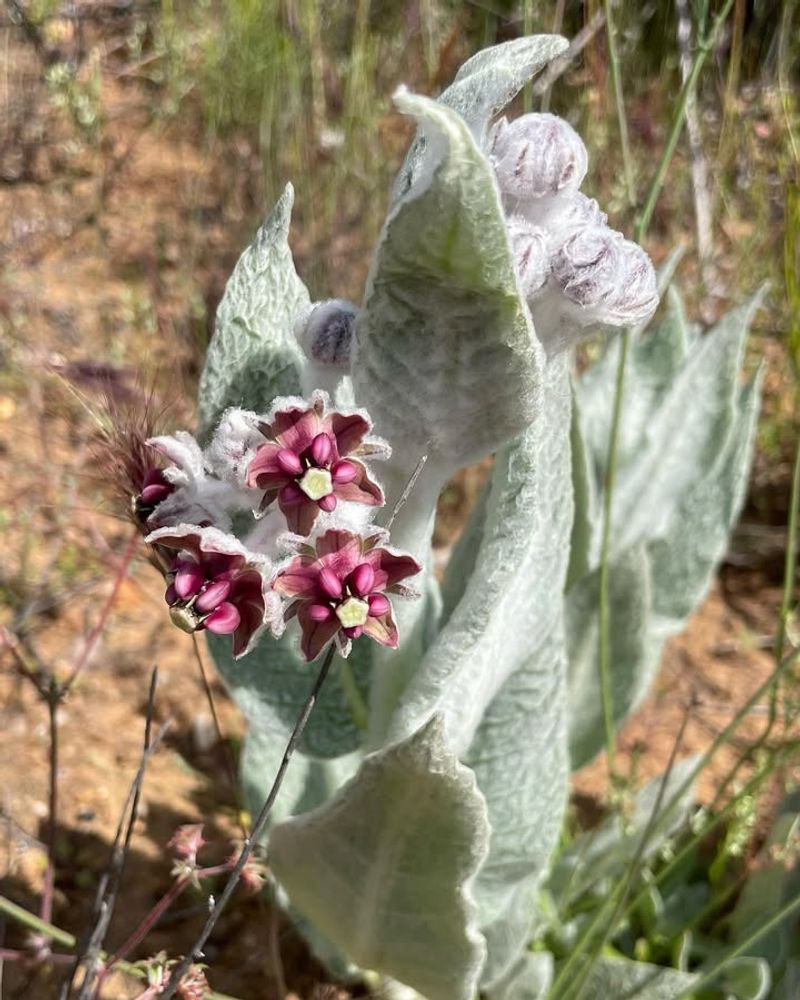
Southern California’s sun-baked landscapes are home to California Milkweed, a native plant well-adapted to dry, rocky soils. Its soft, woolly gray-green leaves and rounded clusters of creamy to rosy-purple flowers give it a subtle velvety appearance that stands out among other native plants.
The plant thrives in full sun and well-drained soil and requires minimal supplemental watering once established, making it suitable for water-conscious gardeners. Monarch butterflies frequently use California Milkweed for both nectar and as a host plant for caterpillars, supporting multiple generations during the growing season.
Other pollinators, including bees, hummingbirds, and various butterfly species, also visit the flowers, enhancing overall garden biodiversity. Planting California Milkweed near other drought-tolerant natives like purple sage or buckwheat creates a more attractive and functional habitat for pollinators.
Its compact growth habit allows it to blend naturally into rock gardens, borders, and wildflower areas while adding subtle color and texture. Gardeners can propagate it from seed, though germination may require stratification to mimic winter conditions.
Once established, occasional weeding and monitoring for pests is typically sufficient, as the plant is resilient and low-maintenance. The fuzzy leaves do not deter monarchs, and over time, the plant may form small clusters that provide consistent support for pollinators.
California Milkweed also helps improve soil health by supporting beneficial insects that prey on common garden pests, and its flowers attract a wider range of pollinators, which can benefit nearby fruits and vegetables. Its seasonal blooms provide color and interest for wildlife while enhancing overall ecosystem services.
This versatile milkweed also supports other insects like leafhoppers and predatory wasps that contribute to natural pest control. With blooms that appear in spring and summer, California Milkweed adds ecological and aesthetic value, helping create a garden that supports wildlife while thriving in California’s challenging inland and coastal climates.
2. Narrowleaf Milkweed Drawing Butterflies With Grace And Color
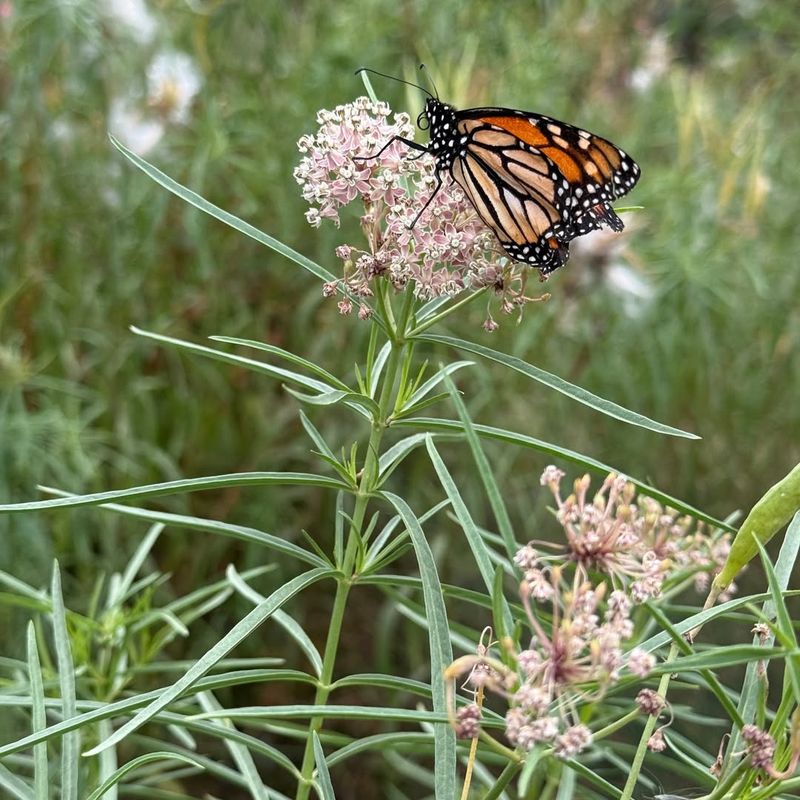
Across California’s open grasslands, hillsides, and roadsides, Narrowleaf Milkweed has been a dependable host for monarch caterpillars for centuries. This slender perennial features thin, lance-shaped leaves and delicate clusters of white to pale pink flowers that attract a variety of pollinators, including native bees, hummingbirds, and several butterfly species.
Highly drought-tolerant, it thrives in full sun with well-drained soil, making it a low-maintenance choice for gardens from the Central Valley to coastal foothills. Female monarchs lay eggs directly on the leaves, and newly hatched caterpillars feed on the foliage before forming chrysalises, supporting local butterfly populations through multiple generations.
Your California Garden Changes Every Week. Your Plan Should Too.
Gardening in California changes quickly throughout the season. Every Friday you’ll receive a simple weekly plan showing exactly what to plant, prune, fertilize, harvest, and protect so you never miss the right timing.
Narrowleaf Milkweed spreads through underground rhizomes, gradually filling garden spaces without intensive care, and dies back in winter following its natural dormancy cycle, which encourages proper monarch migration. Gardeners often plant it alongside other sun-loving natives like California poppies, yarrow, or purple sage to create a layered, pollinator-rich habitat that attracts additional beneficial insects such as solitary bees, predatory wasps, and hoverflies.
Its flowers also provide early-season nectar for native pollinators, helping maintain healthy insect populations throughout the growing season. The plant’s subtle fragrance and seasonal blooms add aesthetic appeal while supporting surrounding flora.
It tolerates heat and dry summer conditions once established, though young plants may need occasional supplemental watering during prolonged drought. Its slender leaves, delicate flowers, and upright growth add subtle texture and vertical interest to wildflower meadows, borders, or pollinator gardens.
Propagation is possible via seeds, which often germinate best after cold stratification, or by carefully dividing established plants. By providing both nectar and host habitat, Narrowleaf Milkweed supports monarchs, other butterflies, and a broader range of pollinators, helping improve overall ecosystem health.
With its reliable growth, seasonal blooms, and minimal maintenance requirements, Narrowleaf Milkweed is a key plant for creating wildlife-friendly, ecologically rich California gardens while enhancing garden resilience and visual diversity.
3. Woollypod Indian Milkweed Bringing Texture And Pollinator Buzz
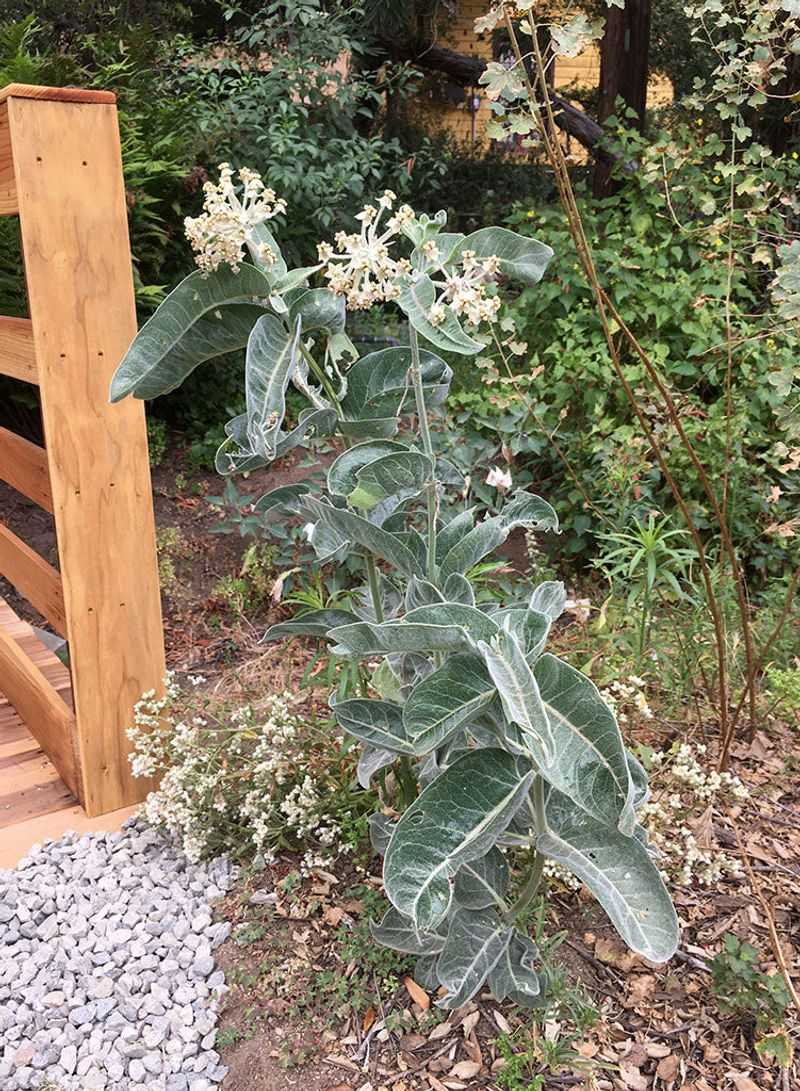
Recognized for its distinctive fuzzy seed pods, which burst open in late summer to release silky seeds drifting through the garden like tiny parachutes, Woollypod Milkweed offers both ecological and visual appeal. Also called Indian Milkweed, this California native grows naturally across coastal regions, inland valleys, and foothills, producing clusters of greenish-white flowers that provide nectar for adult monarch butterflies and suitable leaves for egg-laying.
Caterpillars feed on the broad foliage during their early growth stages, making it a reliable host plant that supports multiple generations of monarchs in a season. Once established in well-drained soil, the plant tolerates drought and adapts to slightly sandy or rocky conditions, thriving in full sun for the best flowering.
Pollinators such as native bees, hummingbirds, and other butterfly species frequently visit the blooms, helping improve pollination for nearby garden plants. Gardeners can propagate Woollypod Milkweed via seeds or by dividing established plants, and allowing seed pods to mature enhances germination success and provides natural habitat expansion.
Its upright growth habit and moderate height make it suitable for mixed native borders, wildflower meadows, or naturalized areas, and it pairs well with other drought-tolerant California natives like yarrow, purple sage, or California poppies. Beyond its ecological value, the plant adds seasonal interest with flowers in spring and summer and visually appealing pods in late summer and fall.
Its flowers and seed pods also provide food and shelter for small insects like leafhoppers and predatory beetles, which in turn support birds and other wildlife. Requiring minimal maintenance, occasional weeding or old stem removal is sufficient, and the dense foliage also offers shelter for small beneficial insects.
Including Woollypod Milkweed in gardens supports monarchs, a broad array of pollinators, and local biodiversity while creating a low-maintenance, resilient, and wildlife-friendly landscape. Its combination of adaptability, aesthetic appeal, and ecological support makes it a versatile and rewarding choice for California gardeners, adding color, structure, and seasonal interest year after year.
4. Showy Milkweed Stealing Attention With Bold Blooms
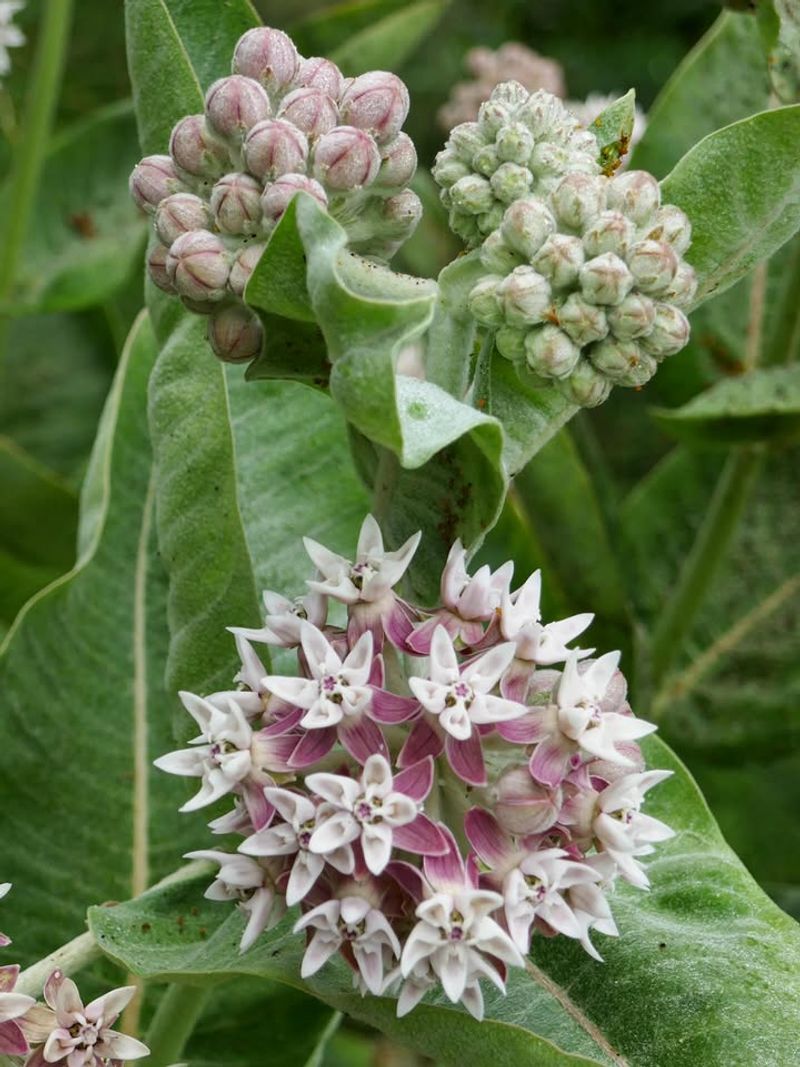
Renowned for its striking, star-shaped clusters of pink-to-purple flowers atop broad, oval leaves, this California native provides a vibrant focal point in pollinator-friendly gardens. Showy Milkweed grows up to four feet tall and produces ample foliage that serves as a reliable food source for monarch caterpillars while attracting adult butterflies for nectar.
Bees, wasps, hummingbirds, and other butterfly species frequently visit the blooms, making it a hub of activity throughout the growing season. Native to California’s valleys and foothills, it tolerates drought once established and thrives in full sun with well-drained soil, making it well-suited for both urban landscapes and naturalized garden areas.
Planting multiple specimens together encourages monarch activity by creating concentrated nectar and egg-laying sites, supporting populations efficiently. Gardeners can propagate the plant from seeds collected after pods mature, which also allows sharing with local community gardens to expand pollinator habitat.
Showy Milkweed pairs effectively with other sun-loving California natives like yarrow, purple sage, and California poppies, creating layered and visually appealing garden designs that enhance both pollinator support and aesthetic interest. Indigenous communities historically used its fibers for cordage and textiles, giving it notable cultural significance alongside its ecological value.
Once established, the plant requires minimal maintenance beyond occasional pruning to remove old seed pods, and it can provide color and wildlife support for multiple seasons. Its upright growth, abundant flowers, and broad leaves also offer shelter for small beneficial insects, contributing to local biodiversity.
In addition, it can provide food and habitat for other native insects such as leafhoppers, beetles, and small predatory wasps, which in turn support birds, amphibians, and other wildlife. Its showy blooms also create seasonal interest for gardeners while attracting a wider range of pollinators to surrounding plants.
By combining ecological, aesthetic, and cultural benefits, this milkweed enhances gardens, supports monarchs and other pollinators, and adds long-term seasonal interest to California landscapes.
5. Heartleaf Milkweed Charming Gardens And Caterpillars Alike
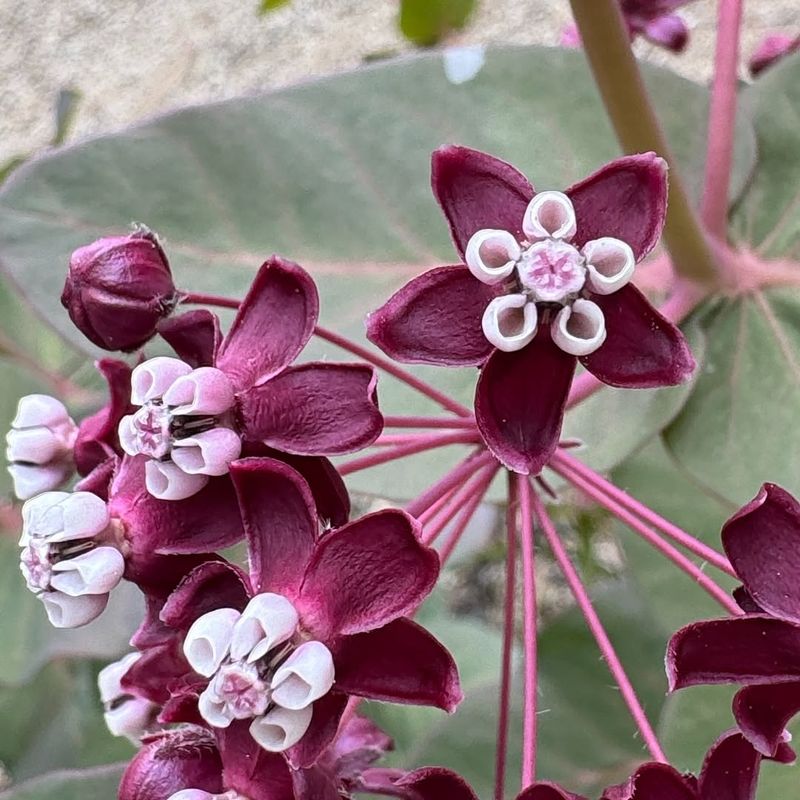
Ideal for gardens with partial shade or along woodland edges, this milkweed provides both visual interest and ecological value. Heartleaf Milkweed tolerates shaded conditions better than many other species, allowing it to thrive under trees, on slopes, or in areas where sunlight is filtered throughout the day.
Its distinctive, heart-shaped leaves are not only attractive but serve as a dependable host for monarch caterpillars, supporting multiple generations throughout the season. Blooming from late spring into summer, clusters of deep pink to lavender flowers provide nectar for adult monarchs, bees, hummingbirds, and other pollinators, enhancing biodiversity even in less sunny corners of the garden.
Native to California’s Sierra Nevada and Coast Ranges, Heartleaf Milkweed prefers well-drained, slightly rocky soil and avoids soggy conditions that can stress the plant. While it establishes more slowly than some milkweeds, once settled it requires minimal maintenance and reliably returns each year.
Pairing it with other shade-tolerant natives such as wild ginger, coral bells, or woodland ferns creates layered, naturalistic gardens that provide shelter for beneficial insects and support a range of wildlife. Its foliage can also provide microhabitats for spiders, small beetles, and other invertebrates that contribute to a healthy garden ecosystem.
Additionally, the flowers attract a diversity of other butterflies and small pollinating insects, which can improve pollination for nearby ornamental plants or vegetables. The plant’s seasonal blooms and delicate structure also add visual interest and texture for gardeners seeking layered, naturalistic designs.
Propagation is possible through seeds or division, and allowing established plants to form small colonies can gradually expand monarch habitat in shaded areas. Its upright growth habit and moderate height make it suitable for borders, naturalized garden areas, and wildlife-focused landscapes.
By offering both nectar and egg-laying sites in locations other milkweed species cannot tolerate, Heartleaf Milkweed contributes to monarch conservation while providing long-term ecological and aesthetic benefits, creating a resilient and visually appealing addition to California gardens.
6. Desert Milkweed Thriving In Dry Spots While Attracting Butterflies
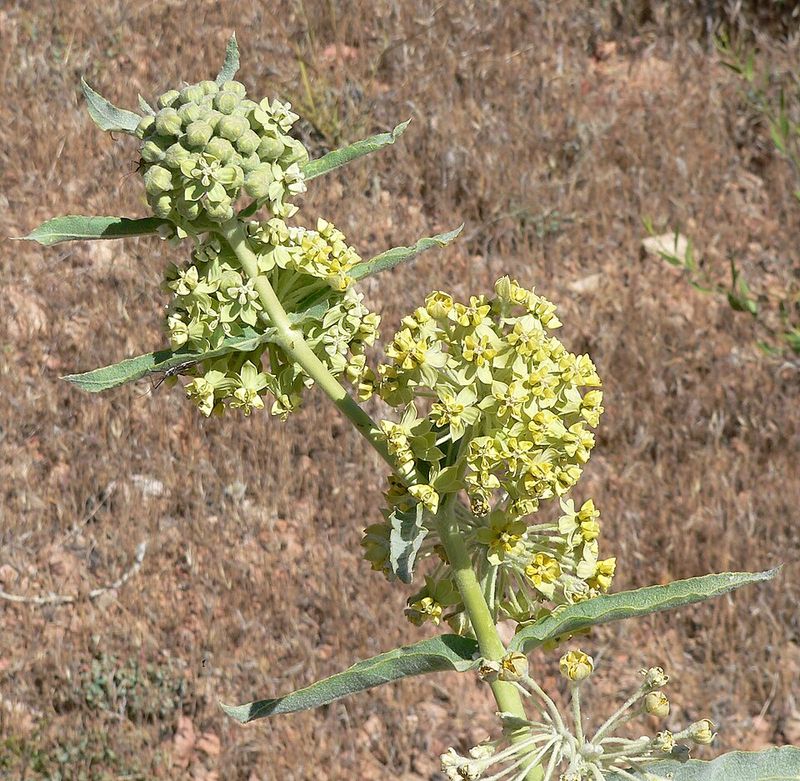
Thriving in California’s arid deserts, this milkweed is perfectly adapted to environments where summer temperatures soar and rainfall is minimal. Desert Milkweed produces silvery-white stems, pale green leaves, and clusters of creamy white flowers that bloom throughout the growing season, providing both nectar for adult monarch butterflies and foliage for caterpillars.
Its natural habitat includes desert washes, rocky slopes, and sandy flats, so it grows best in well-drained, sandy, or gravelly soil under full sun. Overwatering, particularly during cooler months, can stress or harm the plant, so gardeners should monitor soil moisture carefully and allow it to dry slightly between watering.
Desert Milkweed can reach five to six feet in height under favorable conditions, providing vertical structure, visual interest, and habitat for wildlife in desert gardens. Planting it alongside other drought- and heat-tolerant natives such as brittlebush, desert marigold, penstemon, or desert sunflower creates layered, pollinator-friendly environments that benefit multiple species.
Adult monarchs, bees, and hummingbirds frequently visit the flowers, while caterpillars feed on the foliage, supporting multiple life stages and promoting a healthy, balanced ecosystem. Its extended flowering period ensures consistent nectar availability, especially important for migrating monarchs traveling through southern and eastern California.
Gardeners can propagate it via seeds collected from mature pods or by gently transplanting established plants, gradually expanding pollinator habitat across the garden. Desert Milkweed also provides shelter for small beneficial insects and invertebrates, supporting natural pest control and further enhancing biodiversity.
Once established, it requires minimal maintenance beyond occasional weeding and checking soil moisture. Its hardiness, ecological benefits, and striking presence make it a resilient, low-maintenance, and visually rewarding choice for wildlife-focused gardens in extreme desert regions.
By combining seasonal blooms, vertical structure, and habitat value, this milkweed contributes to monarch conservation while enhancing biodiversity, creating a garden that is both functional and beautiful even in challenging arid climates.