10 Native Flowers That Keep Blooming After California Wildflowers Fade
Every spring, California puts on a wildflower show that stops people in their tracks. Hillsides explode in orange and gold, roadsides go purple overnight, and suddenly everyone remembers why they live here.
And then, almost as fast as it started, it’s over. The poppies drop. The lupine dries out. The show closes.
And California gardens are left trying to figure out what comes next. This is exactly the gap that smart gardeners fill intentionally.
Native flowers that carry the torch after the wildflower season wraps up are some of the most underused, underappreciated plants in California horticulture.
They’ve spent thousands of years adapting to the dry summers, the brutal afternoon heat, and the unpredictable rainfall patterns that send non-native plants into a full spiral.
They know how to bloom when conditions get tough, which is precisely when your garden needs color the most. The wildflower show ending is not the finale. It’s just the intermission.
1. California Fuchsia
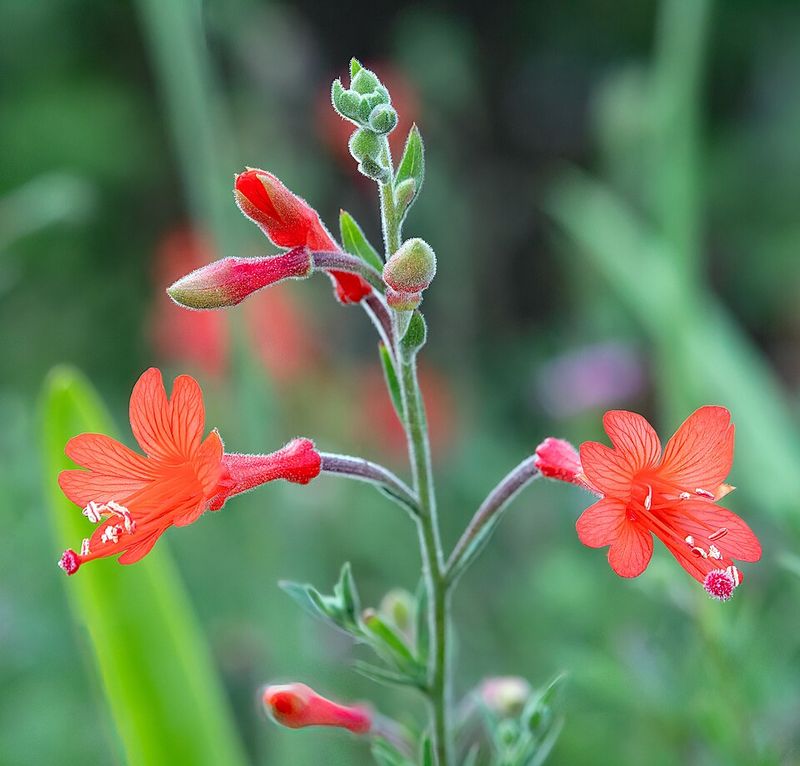
Imagine a plant that catches fire in the garden just when everything else is winding down. California Fuchsia does exactly that.
Its vivid red-orange, trumpet-shaped flowers burst open in late summer and keep going well into fall, making it one of the most reliable bloomers in the California native plant world.
This plant is a hummingbird favorite. The long, tubular flowers are perfectly shaped for hummingbird beaks, and you will often spot these tiny birds hovering around it on warm afternoons.
In Southern California especially, it is a go-to plant for gardeners who want to support local wildlife without using a lot of water.
California Fuchsia spreads by underground runners, which means it can fill in a slope or a garden bed fairly quickly. It loves full sun and drains well in sandy or rocky soil.
Once established, it needs almost no irrigation, which makes it a smart choice for water-wise landscaping across the state. Cut it back in late winter and it will come back fuller and more beautiful than before.
It is one of those plants that simply rewards you for letting it do its thing.
2. California Buckwheat
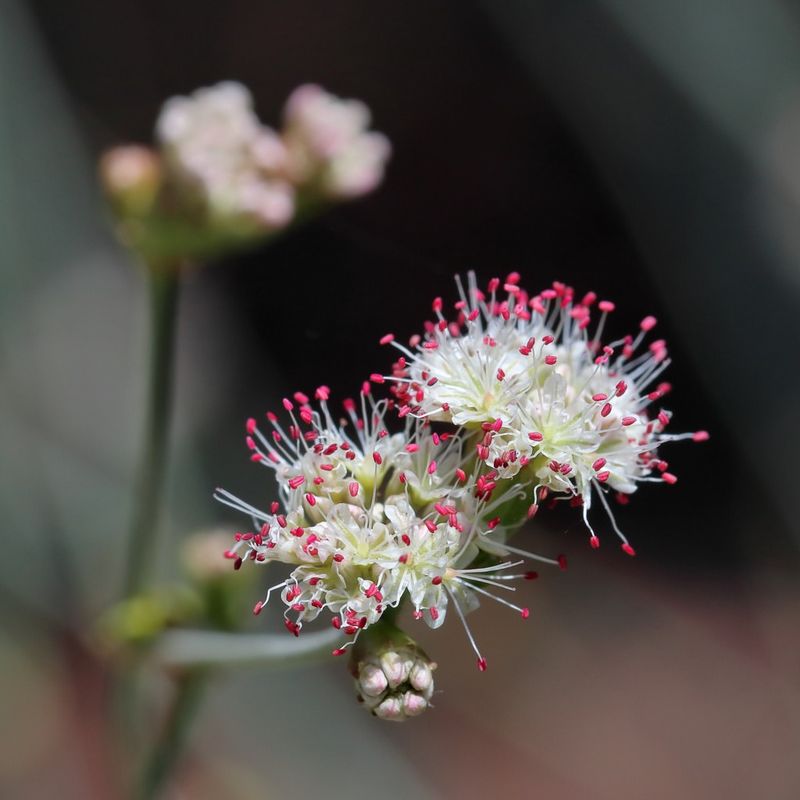
Not every garden hero looks flashy, and California Buckwheat is proof of that. At first glance, its small white and pink flower clusters might seem modest.
But look closer and you will find one of the most ecologically important native plants in California. It blooms from late spring all the way through summer, and even the dried rusty-red seed heads look beautiful in fall.
Bees absolutely love this plant. It is one of the top nectar sources for native bees in California, and it also supports many butterfly species.
Gardeners in coastal areas, inland valleys, and chaparral zones all have great success growing it. It is remarkably adaptable and handles heat, wind, and dry conditions without complaint.
California Buckwheat grows as a low, spreading shrub, making it useful as a ground cover or a border plant. It needs excellent drainage and full sun to thrive.
Your California Garden Changes Every Week. Your Plan Should Too.
Gardening in California changes quickly throughout the season. Every Friday you’ll receive a simple weekly plan showing exactly what to plant, prune, fertilize, harvest, and protect so you never miss the right timing.
Avoid overwatering once it is established, because too much moisture can actually hurt it. The plant is also a great erosion control option for slopes and hillsides across the state.
Few native plants offer this much beauty, wildlife value, and toughness all in one package. It is truly a workhorse of California gardens.
3. Seaside Daisy
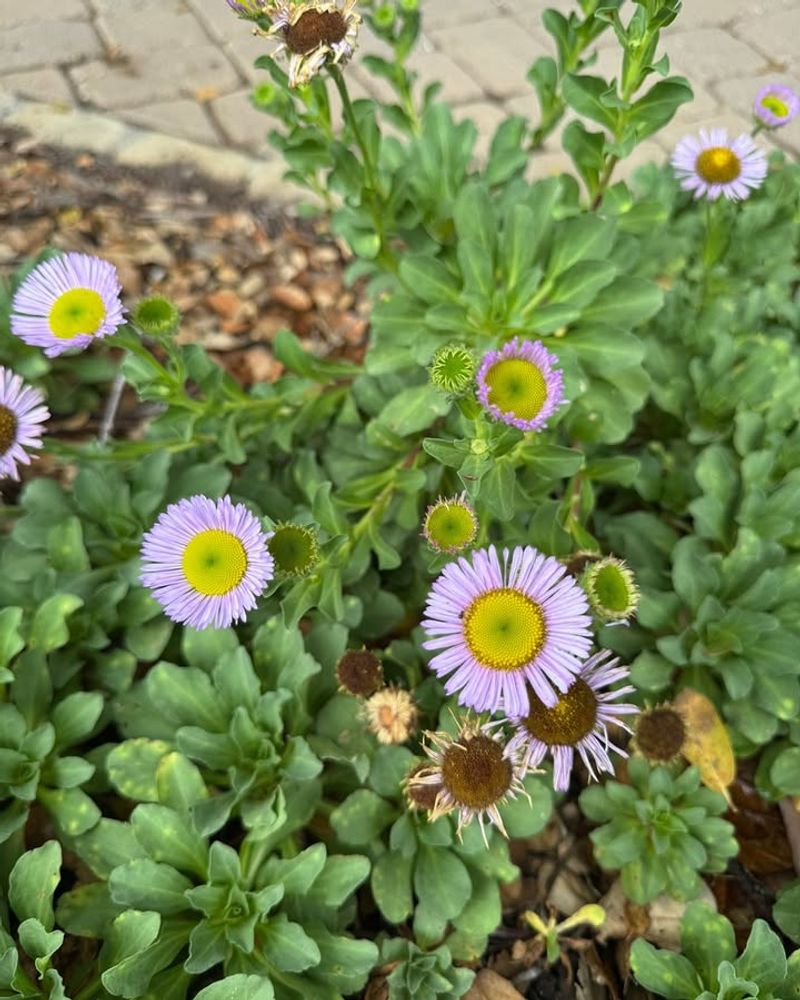
Growing up near the ocean has its perks, and Seaside Daisy knows this better than most plants. Native to the California coast, this cheerful little flower produces masses of lavender-purple daisy blooms with bright yellow centers from spring through summer.
It is one of the longest-blooming native plants you can find for a coastal or Mediterranean-style garden.
What makes Seaside Daisy so appealing is how effortlessly it grows. It forms low, spreading mats of foliage that work beautifully as ground cover.
Plant it along pathways, at the edge of garden beds, or spilling over a retaining wall. It softens hard edges and adds a relaxed, cottage-garden feel to any space without needing much attention.
Seaside Daisy handles coastal conditions like salt air and cool fog very well, which is why it thrives along the California coast from Humboldt County all the way down to San Diego. It also does well in inland gardens as long as it gets some afternoon shade in hotter climates.
Water it occasionally during the dry season and give it well-drained soil, and it will reward you with months of nonstop blooms. Pollinators like bees and butterflies visit it regularly, adding even more life to the garden.
4. Coyote Mint
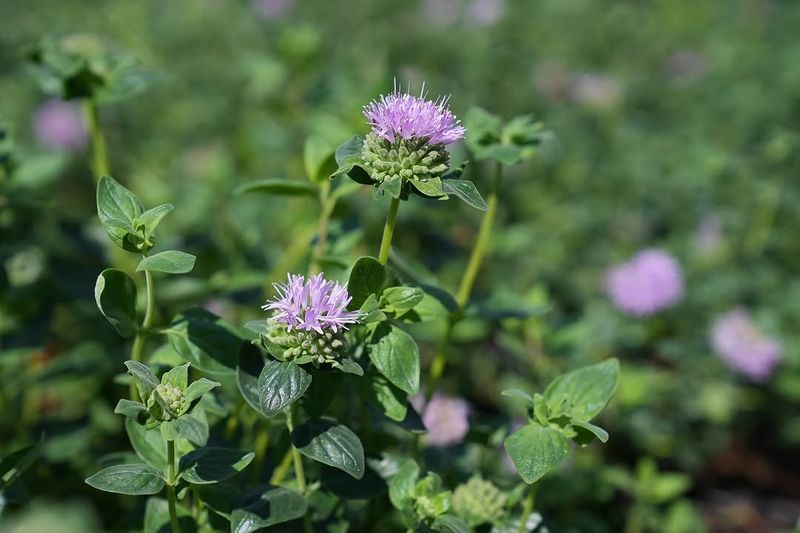
There is something deeply satisfying about a plant that smells amazing, feeds pollinators, and barely needs any water. Coyote Mint checks all three boxes.
This aromatic native perennial produces clusters of small lavender to purple flowers through summer, and the whole plant releases a fresh, minty scent when you brush against it. It is one of those plants that makes you smile every time you walk by.
Native bees, butterflies, and even some hummingbirds are drawn to Coyote Mint throughout the blooming season. It is especially valuable in California gardens where summer can be long and dry, because not many plants keep flowering during that stretch.
Coyote Mint does not mind the heat at all. In fact, it seems to thrive in it.
Plant it in full sun with well-drained soil, and it will ask very little of you in return. It works well on slopes, in rock gardens, or mixed into a drought-tolerant border.
In Northern California, it is commonly found growing on dry hillsides and open woodlands. Gardeners in the Central Valley and foothills also have great results with it.
Trim it lightly after blooming to encourage fresh growth. It is low-maintenance, aromatic, and genuinely beautiful throughout the season.
5. Narrowleaf Milkweed
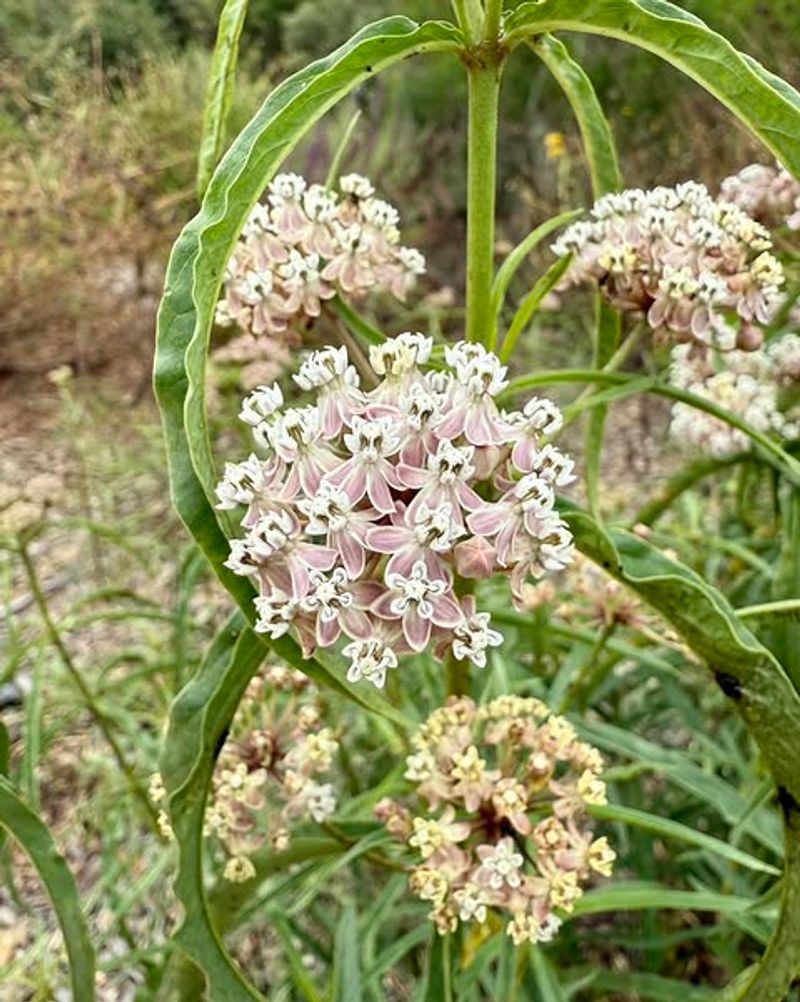
Few plants carry as much meaning in a California garden as Narrowleaf Milkweed. It is the native milkweed species best suited to California’s dry summers, and it plays a critical role in supporting monarch butterflies.
Monarchs need milkweed to lay their eggs, and the caterpillars feed on the leaves as they grow. Planting this flower is one of the most direct ways to help a struggling butterfly population.
The flowers themselves are striking. They appear in clusters of small, bright orange and red blooms that open from early summer through fall.
The color combination is bold and warm, making it a standout in any garden bed. It also attracts a wide variety of other pollinators, including native bees and skippers.
Unlike the non-native tropical milkweed that is often sold in nurseries, Narrowleaf Milkweed is native to California and goes dormant in winter, which is the natural cycle monarchs need. Gardeners in Southern California, the Central Valley, and foothill regions have particularly good success with it.
Plant it in a sunny spot with good drainage and minimal watering once established. It spreads slowly by rhizomes and can form a lovely, naturalistic clump over time.
It is a plant with real purpose and beauty.
6. Showy Penstemon
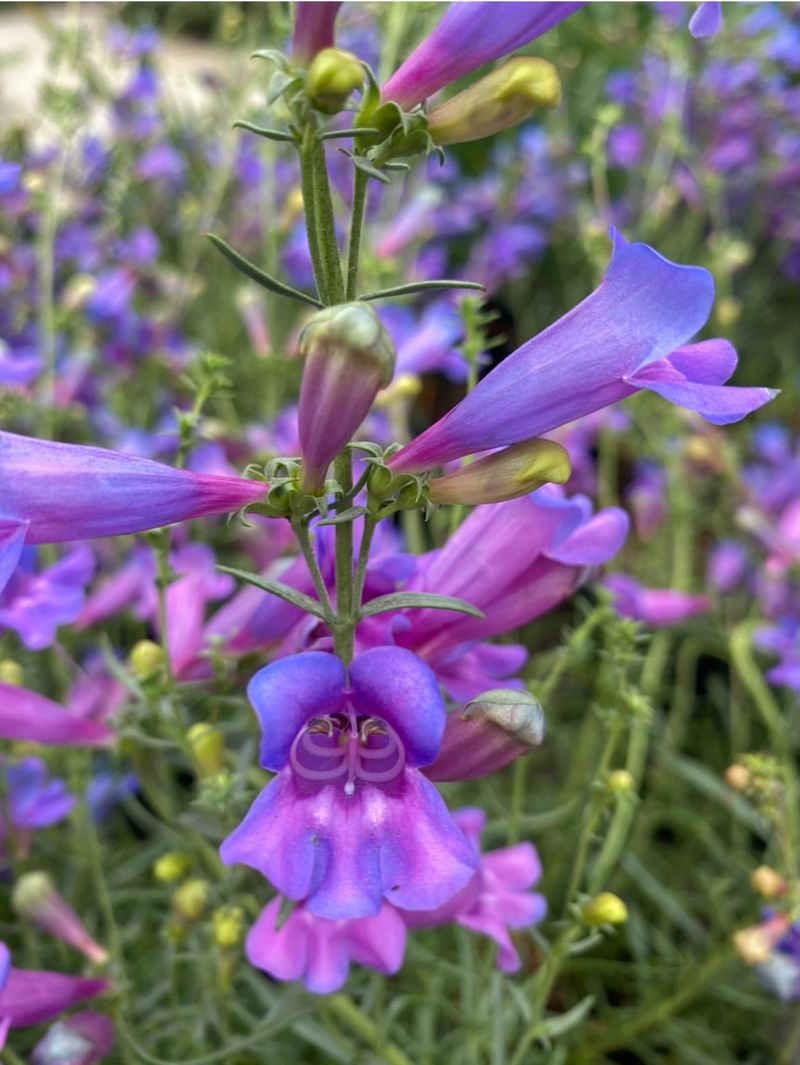
Bold, upright, and impossible to ignore, Showy Penstemon earns its name every single summer. Its tall flower spikes are loaded with vivid red, tubular blooms that rise above the foliage like little torches.
Hummingbirds zero in on it almost immediately, and once they find it, they come back again and again throughout the season.
Showy Penstemon blooms from late spring into summer, sometimes pushing into early fall depending on conditions. It grows well in dry, rocky, or sandy soil with full sun exposure.
One of its best qualities is that it handles California’s hot, dry summers without flinching. It actually performs better with less water once it is established, which makes it a great fit for water-conscious gardeners across the state.
In the wild, you can find it growing on dry slopes and chaparral hillsides in Southern and Central California. In garden settings, it pairs beautifully with California Buckwheat, Coyote Mint, and other drought-tolerant natives.
Plant a few together for a dramatic summer display. It tends to be short-lived as a perennial, but it often self-seeds, so you may find new plants popping up nearby each year.
Give it good drainage, full sun, and minimal fuss, and Showy Penstemon will deliver season after season of striking color.
7. Island Snapdragon
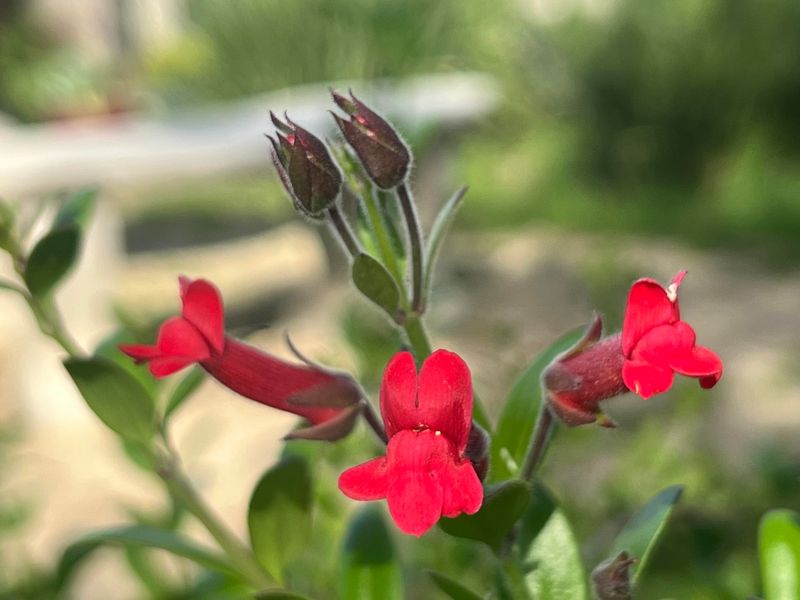
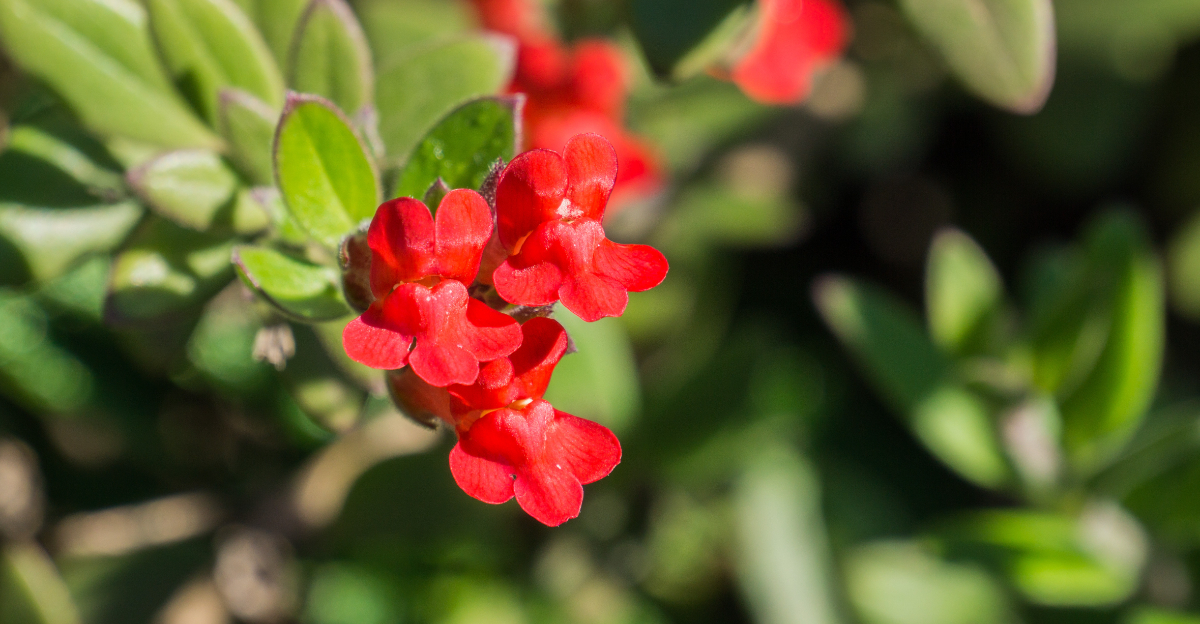
Originally from the Channel Islands off the coast of Southern California, Island Snapdragon is a native plant with serious star power. Its long, bright red tubular flowers are a hummingbird magnet, and the plant blooms for an impressively long stretch from late winter all the way through summer.
That extended bloom season makes it one of the most valuable flowering plants for California wildlife gardens.
It grows as a sprawling shrub or semi-vine, which gives it a relaxed, natural look that works well on slopes, along fences, or tumbling over walls. The deep green foliage stays attractive even when the plant is not in full bloom.
It is well-suited to coastal gardens and inland areas with mild winters, particularly in Southern California and parts of the Central Coast.
Island Snapdragon prefers well-drained soil and full to partial sun. It is quite drought-tolerant once established, though it appreciates occasional deep watering during extended dry spells.
Prune it back lightly after the main bloom period to encourage fresh growth and more flowers. Because it comes from an island ecosystem, it is also fairly tolerant of salt air, making it a wonderful choice for gardens near the California coast.
It is a rare plant that combines real elegance with genuine toughness.
8. California Aster
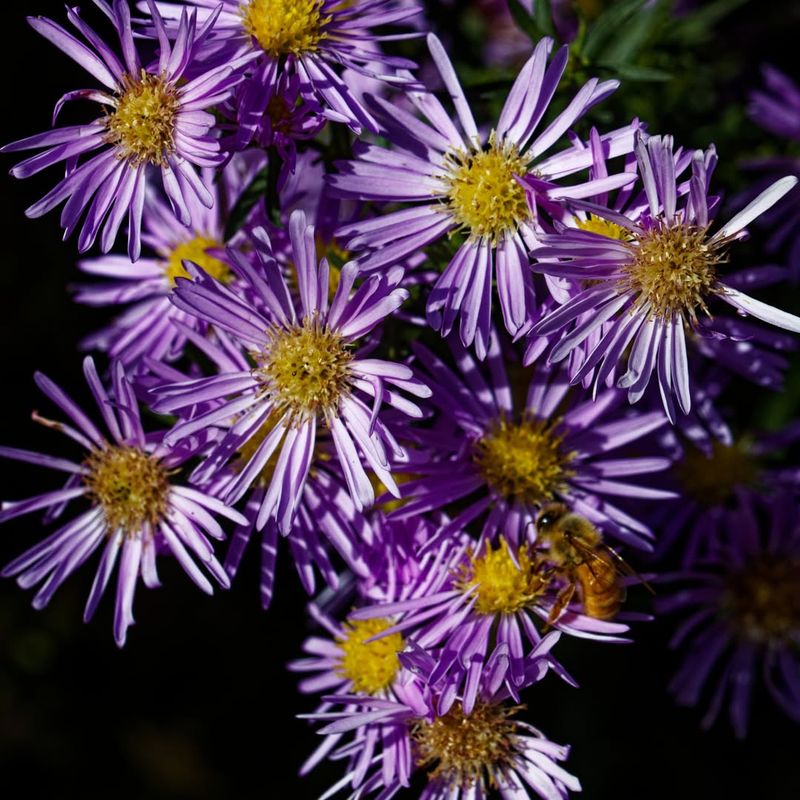
When the rest of the garden starts to look tired in late summer, California Aster is just getting started. This cheerful native perennial sends up waves of small purple daisy-like flowers with golden yellow centers from late summer well into fall.
It is one of the best plants you can grow for late-season color in a California garden, and pollinators absolutely depend on it during that window.
California Aster grows naturally in a wide range of habitats across the state, from coastal scrub to valley grasslands. That adaptability makes it a reliable performer in home gardens too.
It handles heat, drought, and poor soil better than many ornamental plants. It spreads gradually over time, filling in garden spaces with a relaxed, naturalistic feel that looks right at home in a California landscape.
Plant it in full sun or light shade with well-drained soil. Water it occasionally through summer to keep it looking its best, though it can handle dry conditions once established.
In Northern California, it is especially valuable for fall pollinator support as bees prepare for cooler months. Pair it with California Buckwheat or Narrowleaf Milkweed for a wildlife-friendly border that blooms from spring all the way to the first frost.
California Aster is a quiet but essential part of the native garden story.
9. Hummingbird Sage
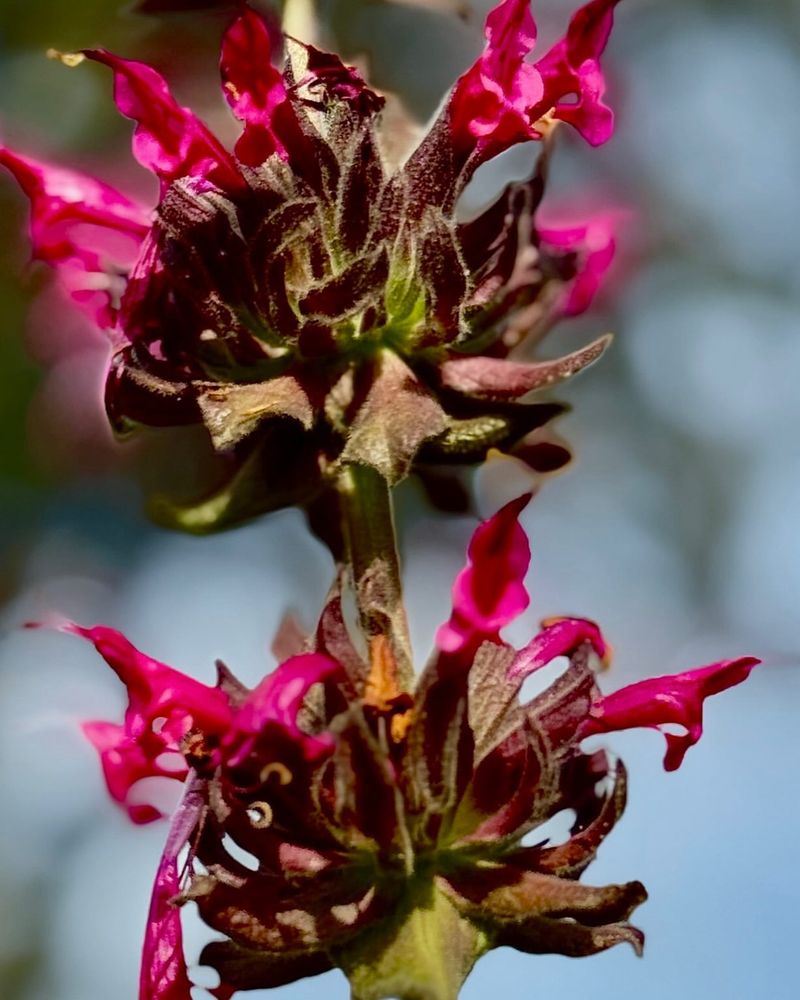
Walk past a patch of Hummingbird Sage and you might catch its rich, fruity fragrance before you even see the flowers. This native sage produces tall spikes of deep magenta-pink blooms that rise dramatically above large, textured leaves.
The scent is warm and pleasant, somewhere between grape and pineapple. It is one of the most sensory-rich plants in the California native plant palette.
As the name suggests, hummingbirds are very fond of this plant. The tubular flowers are perfectly suited to their feeding style, and in spring and early summer, it is not unusual to see several hummingbirds visiting a single clump.
It blooms from late winter through early summer in most parts of California, with some plants continuing into midsummer in cooler spots.
One of the best things about Hummingbird Sage is that it thrives in shade. Most drought-tolerant California natives prefer full sun, so having a plant that performs well under oaks and in shaded garden areas is genuinely valuable.
It spreads by underground rhizomes and makes an excellent ground cover in woodland gardens throughout the state. Plant it under native oaks or along shaded north-facing slopes.
Give it occasional water in summer and it will reward you with lush, fragrant foliage and those gorgeous spikes of color season after season.
10. Checkerbloom
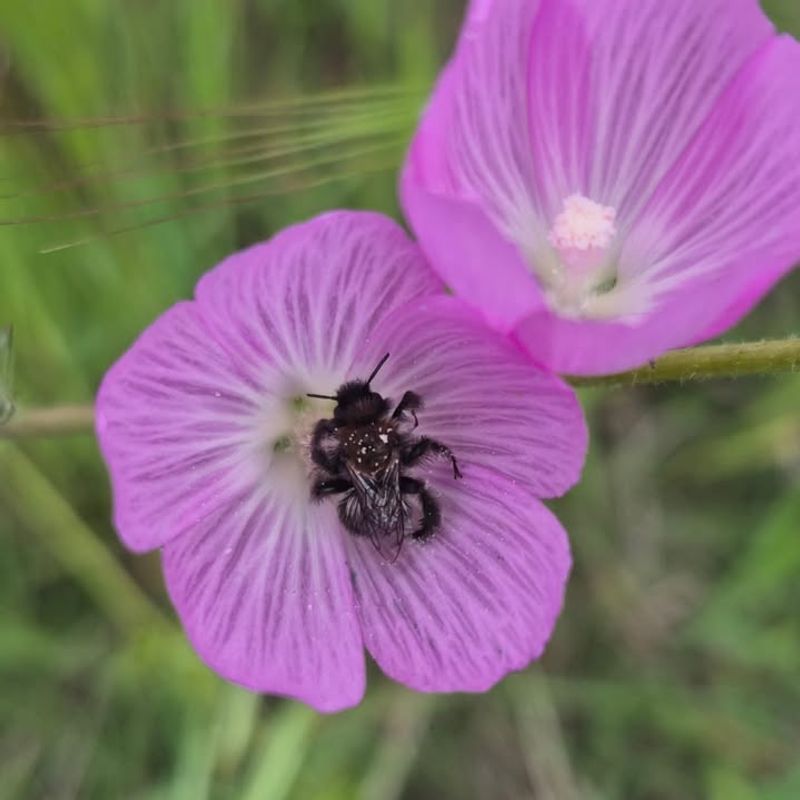
Pretty, delicate, and surprisingly tough, Checkerbloom is one of California’s most charming native wildflowers. Its slender stems carry small, bright pink to lavender flowers that look like miniature hollyhocks.
It blooms from spring into summer, and with a little deadheading, it can keep producing flowers for weeks longer than you might expect. It is a quiet beauty that earns its place in any California garden.
Checkerbloom grows naturally in coastal prairies, valley grasslands, and open woodlands throughout California. In the garden, it works well in sunny borders, meadow plantings, and naturalistic landscapes.
It tolerates clay soil better than many other native plants, which is a real advantage for gardeners in areas of the Central Valley and Bay Area where heavy soils are common.
Give it full sun to light shade and water it moderately through its first season. Once established, it handles dry summers well, though it may go partially dormant in the hottest months and rebound beautifully in fall.
Native bees and small butterflies visit the flowers regularly, adding lively movement to the garden. Checkerbloom also looks lovely when planted alongside grasses or other low-growing natives.
It has a soft, meadow-like quality that feels natural and unhurried, the kind of plant that makes a garden feel genuinely alive and rooted in the California landscape.