7 Plants To Fertilize In March In Florida (Plus 3 You Should Avoid)
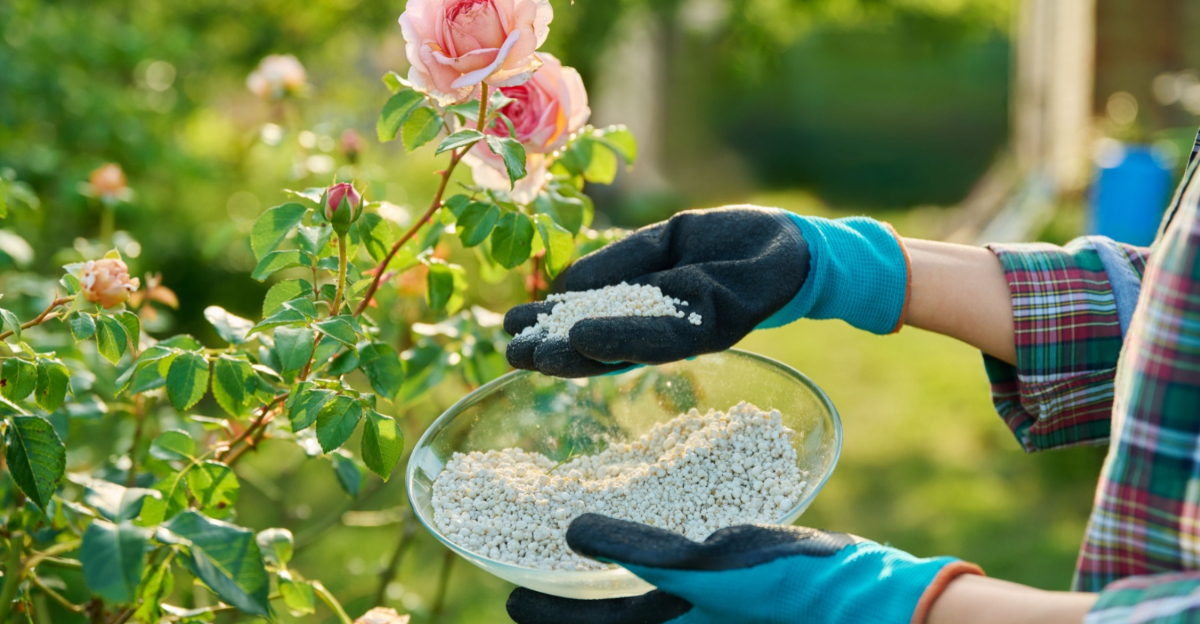
March is the official wake-up call for your Florida garden, but grabbing a bag of fertilizer at the wrong time can often cause more harm than good.
As the soil finally warms up, your favorite tropicals and citrus trees are getting hungry for a massive growth spurt.
This month is the most critical window to get those nutrients into the ground. If you start too early or use the wrong formula, you might accidentally trigger tender new growth that a surprise late frost will easily damage.
Successful Florida gardening requires knowing exactly which plants are ready to eat and which ones need to stay on a diet. While your palms and fruit trees are likely starving for a boost, other popular species are better off left alone until the spring humidity truly settles in.
Getting the timing right ensures a tough garden that can handle the intense summer heat ahead. One wrong move this month could stall your blooms for the entire year, so you need to know which plants should never see a drop of fertilizer until April.
1. Feed Roses For Strong Spring Blooms
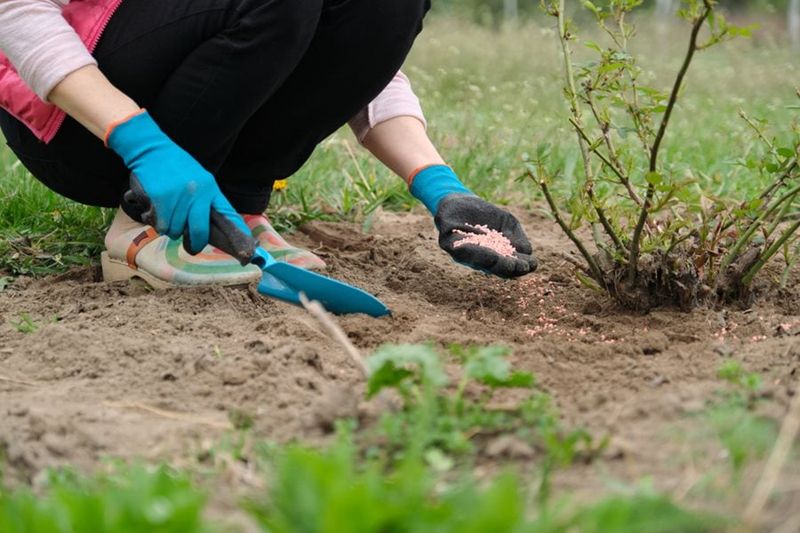
Walking through a Florida garden in early March and spotting the first rose buds of the season is one of the most satisfying moments a gardener can have. Roses respond beautifully to feeding right as new growth begins, and March is exactly the right window to get started.
A balanced rose fertilizer, something like a 6-6-6 or a formula labeled specifically for roses, gives the plant the nitrogen it needs for leafy green growth and the phosphorus that supports strong blooming.
Florida’s sandy soils drain quickly, which means nutrients can wash away faster than in denser soils found in other states. That is why feeding roses every four to six weeks during the growing season, rather than one heavy application, tends to produce better results.
Water your roses thoroughly after applying granular fertilizer to help nutrients move into the root zone without burning the roots.
One common mistake Florida rose growers make is overfertilizing in spring excitement, which pushes too much soft leafy growth that attracts aphids and fungal issues. Stick to the label directions, apply fertilizer evenly around the drip line rather than right against the stem, and your roses will reward you with an impressive flush of color all spring long.
2. Start Citrus Fertilizing As New Growth Appears
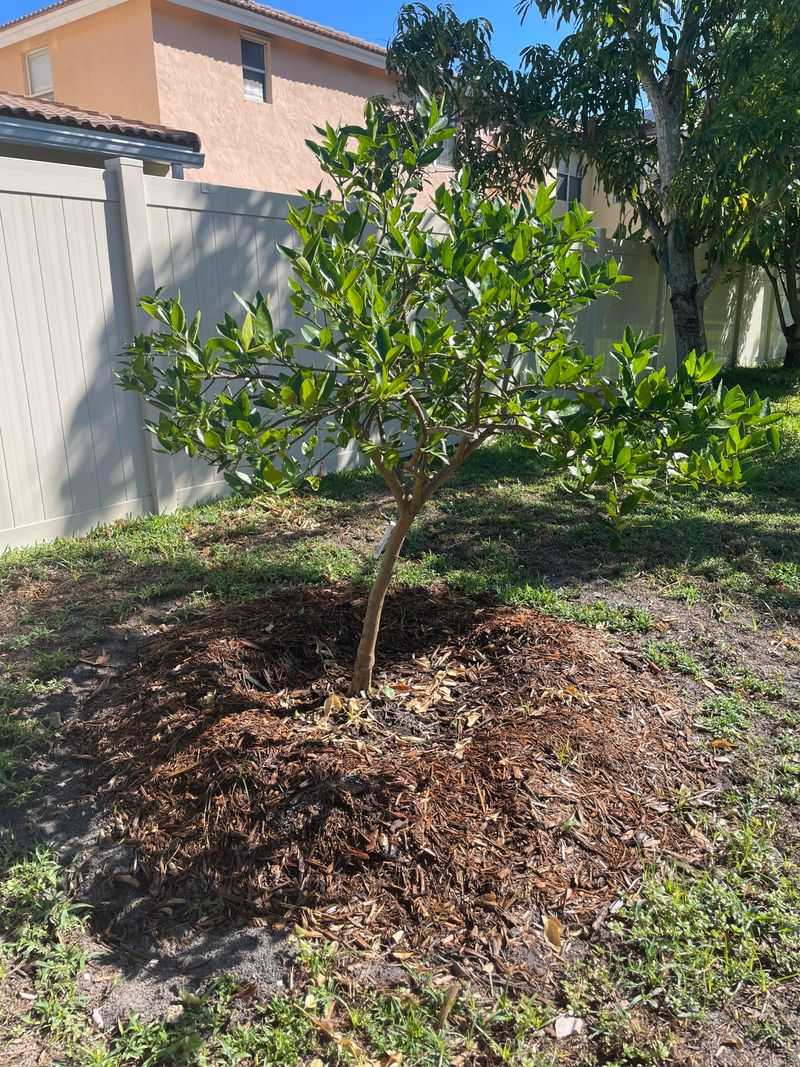
Few things smell better than a Florida citrus tree in bloom, and March is when that magic starts to happen. As temperatures warm and new leaves begin to push out, citrus trees are ready for their first fertilizer application of the year.
The University of Florida IFAS Extension recommends a fertilizer schedule that typically begins in late February or early March, using a citrus-specific blend that includes nitrogen, phosphorus, potassium, and micronutrients like iron and manganese that Florida’s alkaline soils can sometimes lock away from roots.
Slow-release granular fertilizers work particularly well for citrus because they feed the tree steadily over several weeks rather than delivering one big rush of nutrients. Spread the fertilizer evenly under the canopy of the tree, starting a few inches away from the trunk and extending out to the drip line where the feeder roots are most active.
Your Florida Garden Changes Every Week. Your Plan Should Too.
Gardening in Florida changes quickly throughout the season. Every Friday you’ll receive a simple weekly plan showing exactly what to plant, prune, fertilize, harvest, and protect so you never miss the right timing.
Watering after application helps the fertilizer break down and reach the root zone.
Young citrus trees need smaller amounts than mature ones, so always check the label for size-based recommendations. Feeding citrus at the right time in March supports not just leaf growth but also the flowering and early fruit set that will determine your harvest later in the year.
3. Boost Hibiscus With Light Spring Feeding
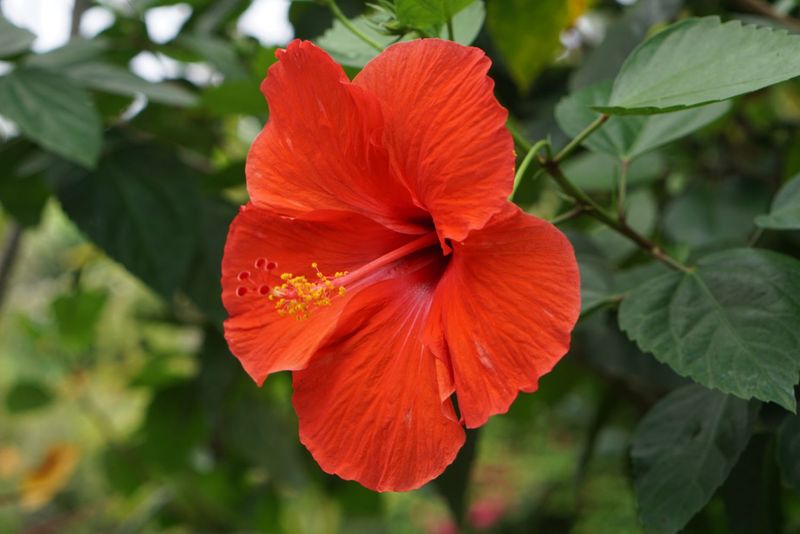
Tropical hibiscus is practically a symbol of Florida gardening, and once March arrives and daytime temperatures start staying reliably warm, these plants are ready to grow. After a slower winter period, hibiscus plants push out fresh stems and buds quickly when given a light fertilizer boost in early spring.
A balanced fertilizer with a ratio like 10-4-12 or a formula higher in potassium works well to encourage both lush foliage and the frequent, showy blooms hibiscus is famous for.
Florida hibiscus growers often prefer liquid fertilizers during the growing season because they are absorbed quickly and give plants a fast response. That said, slow-release granular options work just as well if you want a lower-maintenance approach.
Avoid heavy nitrogen applications in early spring because too much nitrogen pushes leafy growth at the expense of flowers, which is the opposite of what most gardeners want from their hibiscus.
Feeding every four to six weeks through the warm season keeps hibiscus performing at its best. Make sure the plant is well-watered before and after fertilizing to prevent any root sensitivity.
With the right care in March, tropical hibiscus in Florida can produce dozens of blooms throughout spring and summer, turning any yard into a bold, colorful display.
4. Feed Palms With A Proper Palm Fertilizer
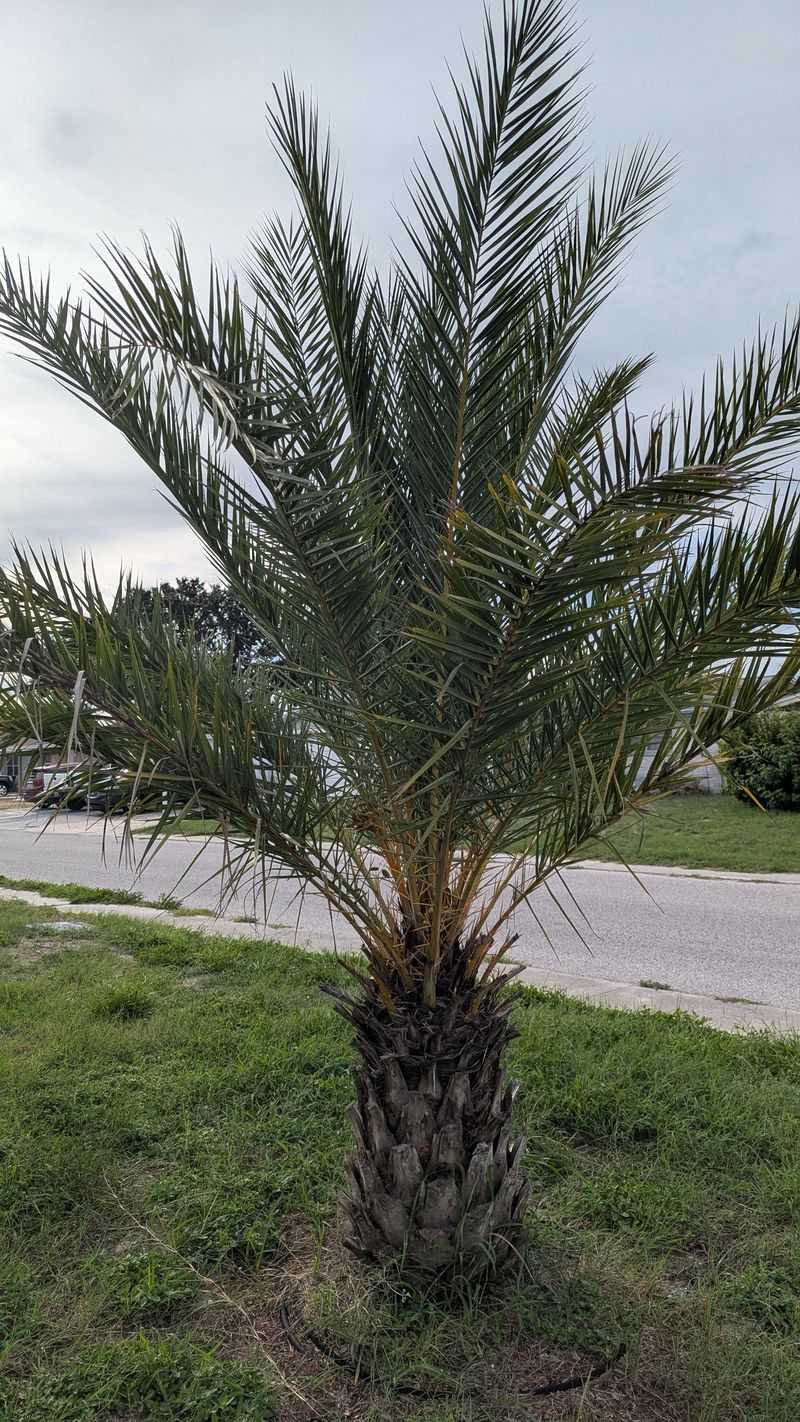
Palms are one of the most iconic plants in Florida landscapes, and they have very specific nutritional needs that set them apart from almost every other plant in the yard. Using a regular all-purpose fertilizer on palms can actually cause more harm than good because it often delivers the wrong balance of nutrients.
Florida’s sandy soils are naturally low in potassium and magnesium, and palms are especially vulnerable to deficiencies in both of these nutrients.
The University of Florida IFAS Extension recommends using an 8-2-12 palm fertilizer with added magnesium and slow-release forms of nutrients. This type of blend is specifically designed to address the nutritional gaps that Florida soils create for palms.
Early spring, including March, is one of the recommended times to apply palm fertilizer as the trees come into their most active period of growth.
Spread the fertilizer evenly under the canopy of the palm, from the trunk out to the edge of the root zone, and water it in well. Never pile fertilizer directly against the trunk.
Palms that receive the right nutrition in spring tend to produce fuller, greener fronds and show fewer signs of yellowing or frond tip burn throughout the warm season. Consistent feeding every three months keeps Florida palms looking their best year-round.
5. Fertilize Azaleas Right After Blooming Ends
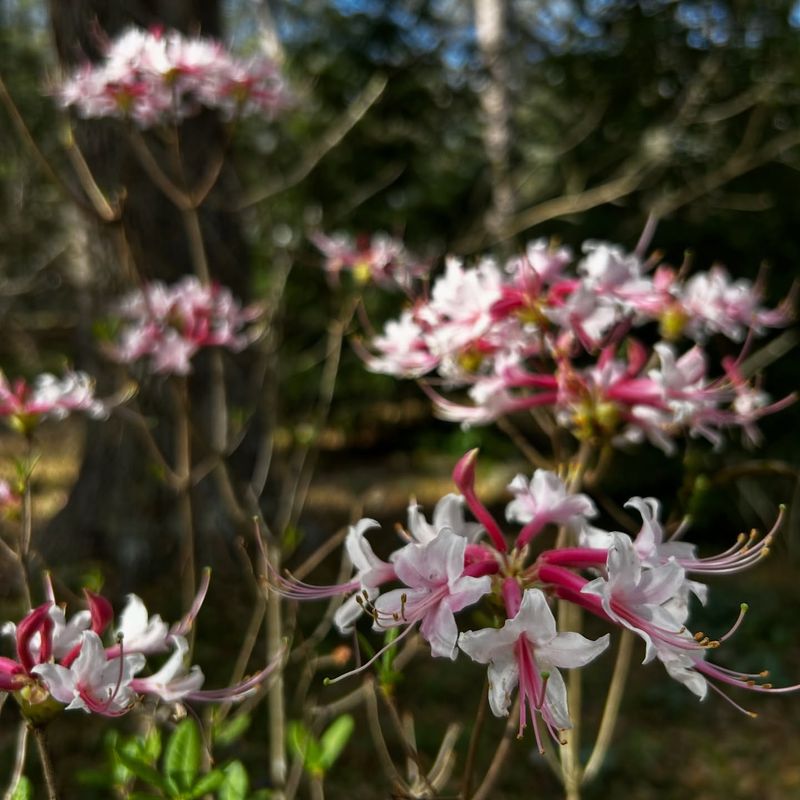
Azaleas put on one of the most breathtaking shows in the Florida spring garden, with clouds of pink, white, red, and purple blooms that seem to appear almost overnight. The timing of fertilizing azaleas is a detail that trips up a lot of gardeners because the instinct is to feed them while they are blooming beautifully.
However, the better approach is to wait until the flowers fade and drop before applying any fertilizer.
Fertilizing azaleas right after blooming gives the plant the nutrients it needs to build strong, healthy foliage that will support next year’s flower buds. A fertilizer formulated for acid-loving plants, often labeled for azaleas, camellias, or gardenias, works best because azaleas prefer a soil pH between 4.5 and 6.0.
Florida’s naturally sandy soils can be slightly acidic in some areas, which actually suits azaleas well.
Apply the fertilizer lightly and evenly around the base of the plant, keeping it away from the stem, and water it in thoroughly. Azaleas have shallow root systems, so heavy or concentrated fertilizer applications can stress them.
A light, well-timed feeding after flowering is all it takes to set azaleas up for a season of healthy growth and a strong bloom display the following spring.
6. Give Perennials A Gentle Spring Boost
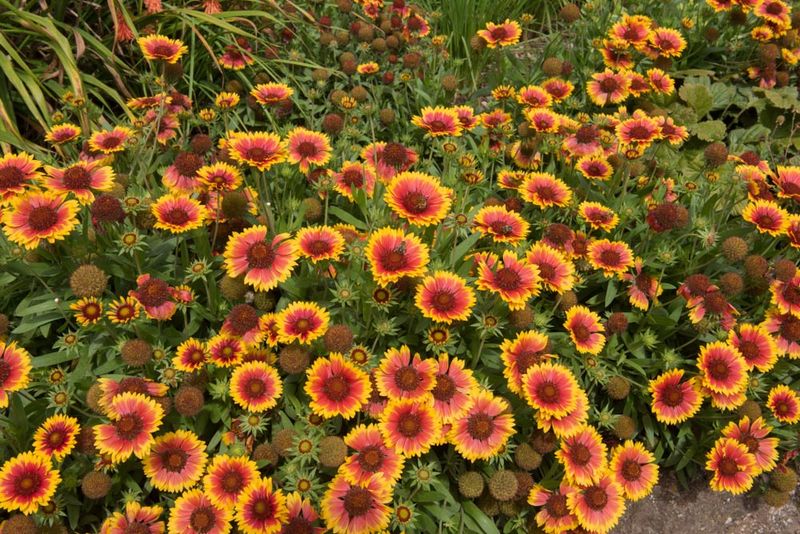
March in Florida is the moment when many perennial flowers shake off their winter slowdown and start reaching for the sky again. Plants like salvia, coneflower, gaillardia, and black-eyed Susan begin sending up fresh stems and leaves, signaling that they are ready to grow.
A light application of a balanced fertilizer at this point gives them the nutritional push they need to develop strong root systems and produce the season’s first flowers.
The goal with perennials is gentle encouragement, not aggressive feeding. A slow-release granular fertilizer with an even ratio like 10-10-10 or a slightly higher nitrogen formula works well for most flowering perennials in Florida.
Scatter it lightly around the base of each plant, being careful not to let granules sit directly on stems or crowns, and water the area thoroughly to activate the fertilizer.
Florida gardeners should keep in mind that perennials in the southern part of the state may already be further along in their growth cycle by March compared to those in the northern panhandle region, where cooler temperatures can linger a bit longer. Watching for active new growth is the best signal that your perennials are ready to be fed.
Healthy foliage, strong stems, and a long bloom season are the rewards for getting this timing right.
7. Feed Loquat Trees During Early Spring Growth
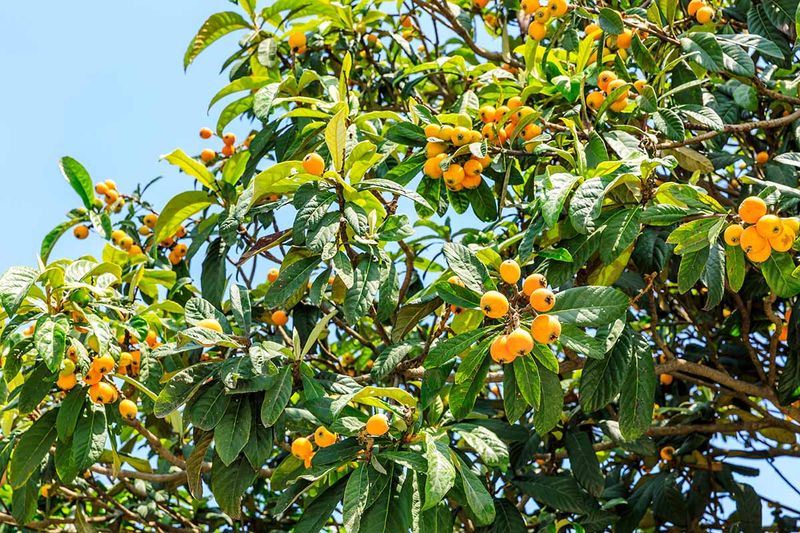
Loquat trees are a Florida favorite for good reason. They produce clusters of sweet, golden-orange fruit in late winter and early spring, and they look beautiful in the landscape year-round with their large, glossy leaves.
March is a natural time to give loquat trees a fertilizer application as part of their yearly care routine, especially for mature trees that have already finished producing fruit or are wrapping up the harvest season.
According to University of Florida IFAS Extension guidance, mature loquat trees benefit from a balanced fertilizer applied in early spring to support healthy foliage growth and set the tree up for another productive fruiting season. A general-purpose fertilizer like 6-6-6 or 8-8-8 applied at the rate recommended on the label works well for most established trees.
Spread the fertilizer evenly under the canopy and water it in after application.
Young loquat trees that are still in their first few years of growth need lighter applications and benefit more from regular watering and mulching than heavy feeding. Overfertilizing young trees can push excessive soft growth that may be more vulnerable to pests and disease.
A thoughtful, moderate approach to fertilizing loquats in March helps keep these dependable trees healthy, productive, and looking great throughout the year in Florida landscapes.
8. Skip Lawn Fertilizer Until Grass Starts Growing
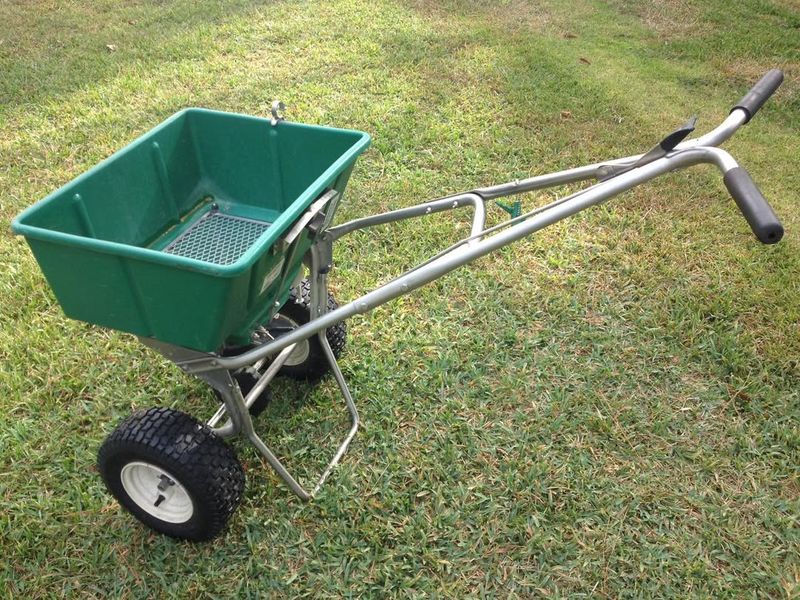
One of the most common fertilizing mistakes Florida homeowners make is rushing to feed the lawn the moment March hits the calendar. Warm-season grasses like St. Augustinegrass, bermudagrass, and zoysiagrass are not ready for fertilizer until they are actively growing, and applying it too early can lead to a flush of tender growth during a period when the grass is not yet fully out of its winter slowdown.
Florida’s lawn fertilizing rules also come into play here. Many Florida counties have blackout periods and regulations that restrict fertilizer application during certain times of year to protect local waterways from nutrient runoff.
Even outside of restricted periods, the guidance from the University of Florida IFAS Extension is clear: wait until your warm-season grass has been consistently green for at least three weeks before applying any fertilizer.
In South Florida, that green-up may happen earlier than in North Florida, where cooler temperatures can keep grass dormant well into March or even early April. The safest approach is to watch your lawn rather than watch the calendar.
When the grass is visibly growing and showing consistent green color across the yard, it is ready for its first feeding of the season. Patience here pays off with a healthier, more resilient lawn all summer long.
9. Avoid Feeding Newly Planted Landscape Plants
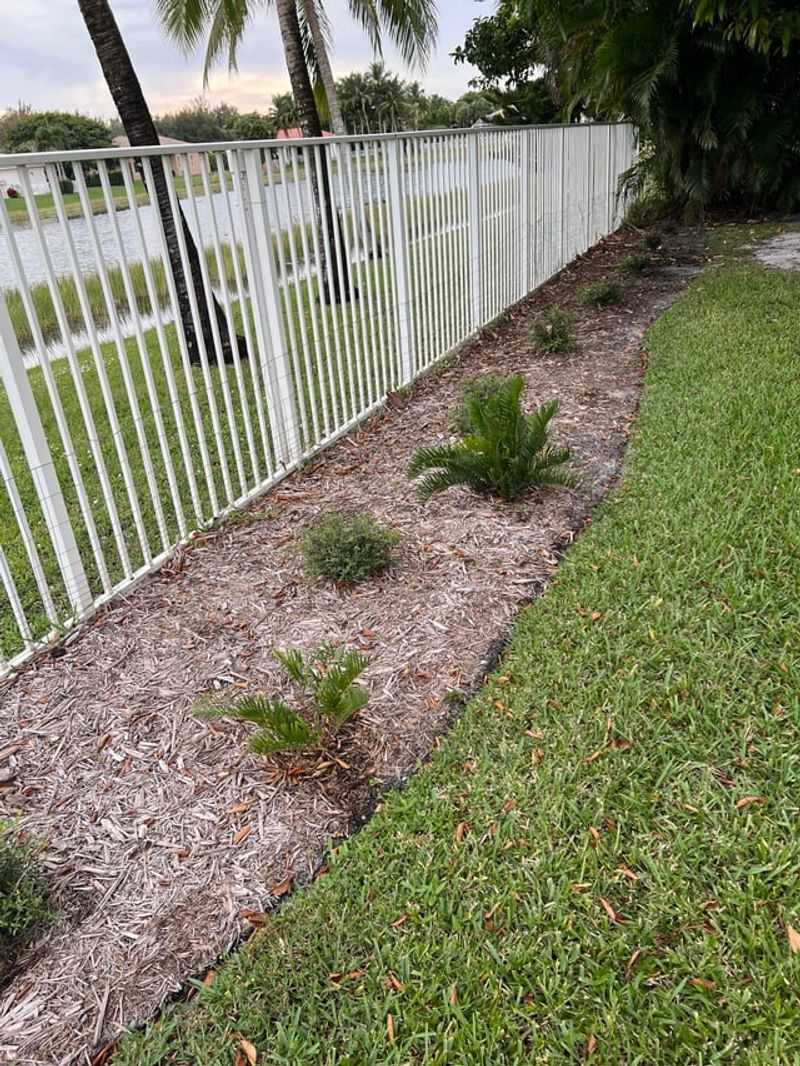
There is real excitement in planting something new in the garden, and the instinct to give it fertilizer right away to help it grow faster is completely understandable. However, newly planted shrubs, trees, and landscape plants need time to establish their root systems before they are ready to handle fertilizer, and applying it too soon can actually stress the plant rather than help it.
When a plant is first put into the ground, its root system is small and still adjusting to its new environment. Fertilizer salts in the soil at high concentrations can pull moisture away from young roots, making it harder for the plant to absorb the water it needs to survive.
Florida’s sandy soils make this risk a bit higher because nutrients do not stay in the root zone as long as they would in heavier soils.
The University of Florida IFAS Extension recommends focusing on proper watering and mulching during the establishment period, which can last anywhere from a few weeks to several months depending on the size of the plant. Once new growth is clearly visible and the plant looks settled and healthy, a light fertilizer application can be introduced gradually.
Letting roots establish first creates a stronger foundation for long-term growth in Florida landscapes.
10. Hold Off On Fertilizing Stressed Or Cold Damaged Plants
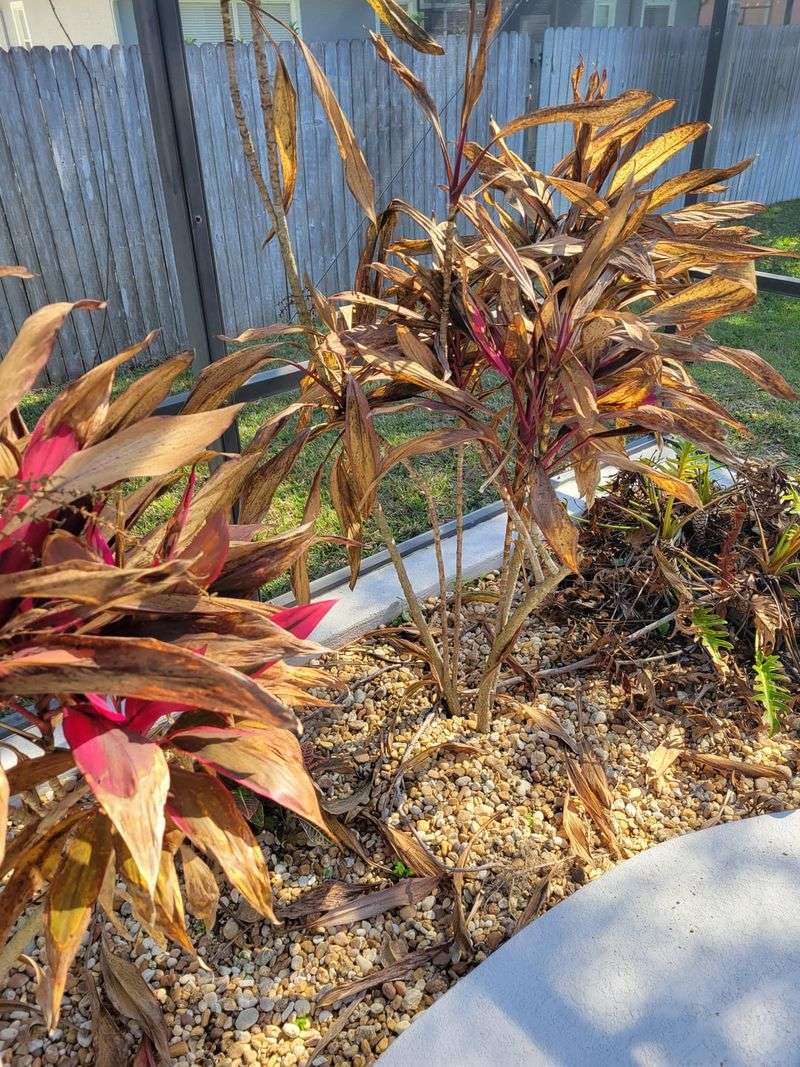
Florida winters are mild compared to most of the country, but cold snaps and brief freezes do happen, especially in North and Central Florida. When temperatures dip low enough to damage plants, the visible results often show up in March as brown, mushy, or wilted leaves and stems.
The natural reaction is to fertilize right away to help the plant bounce back, but doing so too early can actually make things harder for a stressed plant.
A plant that has experienced cold damage or other forms of stress is already working hard to recover. Its root system may be weakened, and its ability to absorb and use nutrients efficiently is reduced during this period.
Applying fertilizer before the plant shows healthy new growth can push nutrients into a root zone that is not ready to use them, potentially causing additional stress rather than speeding up recovery.
The smarter approach is to prune away clearly damaged growth once the threat of cold weather has passed, keep the plant well-watered, and simply wait. When you see fresh, healthy green growth emerging from the plant, that is the signal that it has stabilized and is ready to benefit from a light feeding.
Florida gardeners who practice patience with stressed plants almost always see better long-term results than those who rush the recovery process with early fertilizer applications.