These Plants Grow Beautifully In Pots In Pennsylvania
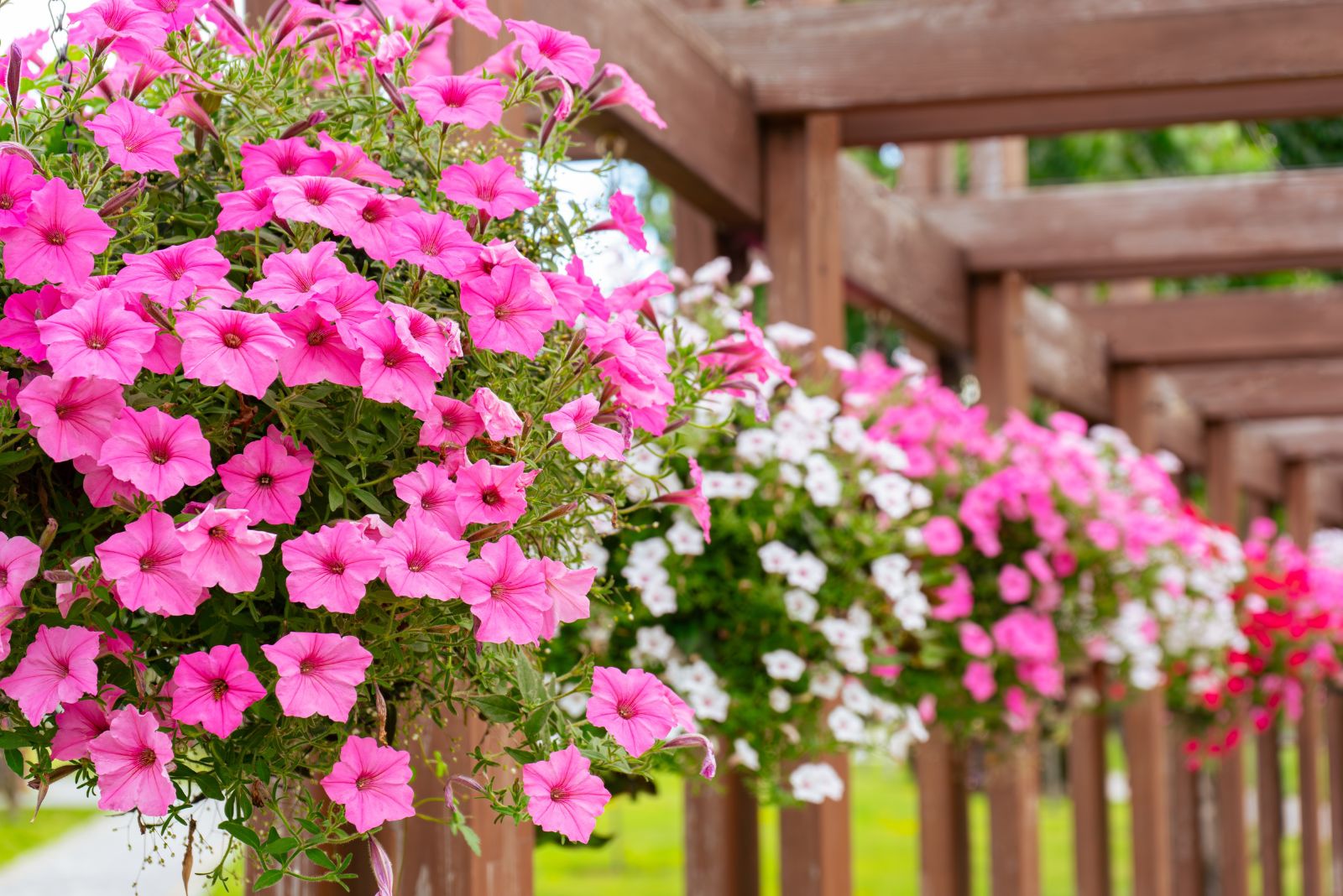
Have you ever wished you could create a beautiful garden without digging up your yard? In Pennsylvania, growing plants in pots is a simple way to add color and life to patios, porches, balconies, and small outdoor spaces.
Containers give you the freedom to move plants around, experiment with different styles, and brighten up areas that might otherwise feel empty.
Some plants are especially well suited for life in pots. They adapt easily to containers, grow happily with the right soil and sunlight, and continue looking great throughout the growing season.
With a good mix of flowers, herbs, or leafy plants, even a small space can feel lush and welcoming.
Container gardening also makes it easier to control soil quality, manage watering, and protect plants when the weather shifts. With the right choices, your Pennsylvania patio or balcony can turn into a vibrant display that feels just as lively as a traditional garden.
1. Hydrangeas
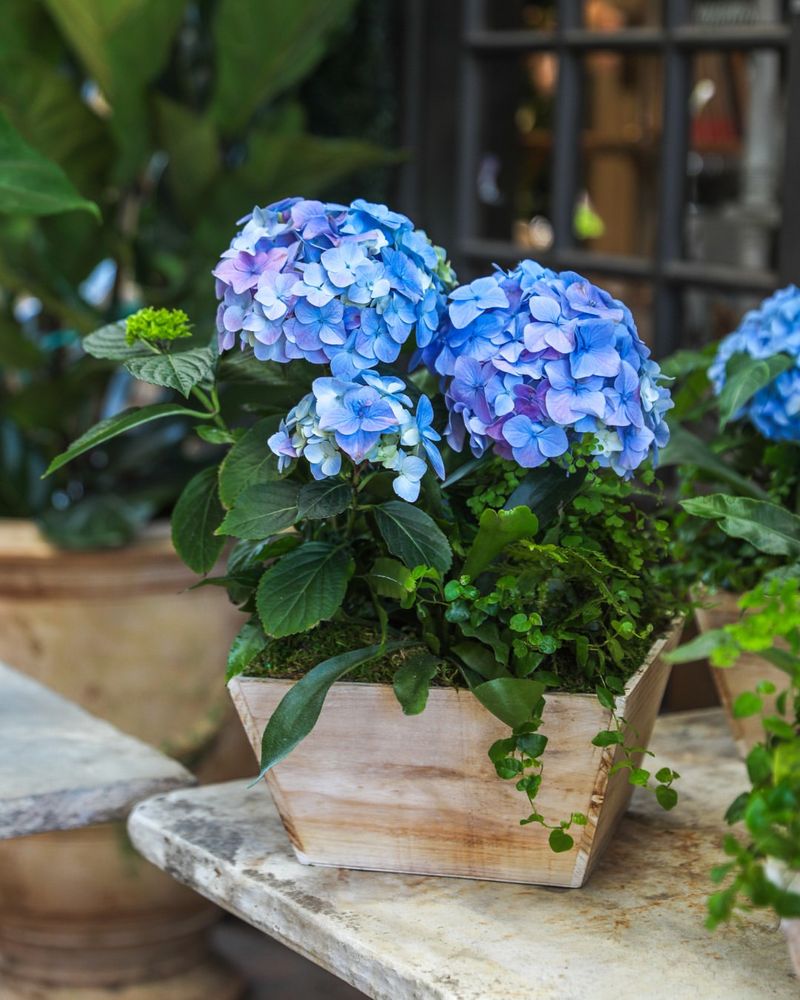
Few plants make a statement quite like hydrangeas. With their big, bold flower clusters and lush green leaves, they bring a classic, cottage-garden feel to any patio or deck.
In Pennsylvania, compact varieties like ‘Incrediball’ or ‘Bobo’ do especially well in large containers.
Hydrangeas love morning sun and afternoon shade, which makes them ideal for east-facing porches or spots that get filtered light.
Use a large pot with drainage holes and fill it with rich, moisture-retaining potting mix. Water regularly because containers dry out faster than garden beds.
Feed your hydrangea with a balanced slow-release fertilizer in spring. You can even adjust bloom color in some varieties by changing the soil pH.
Blue flowers appear in acidic soil, while pink blooms show up in more alkaline conditions. That little trick is always fun to try.
In Pennsylvania winters, move pots to a sheltered garage or shed to protect the roots from freezing temperatures. Bring them back out in spring once the frost risk passes.
With the right care, a potted hydrangea can bloom beautifully for many years, becoming a reliable centerpiece of your outdoor space season after season.
2. Lavender
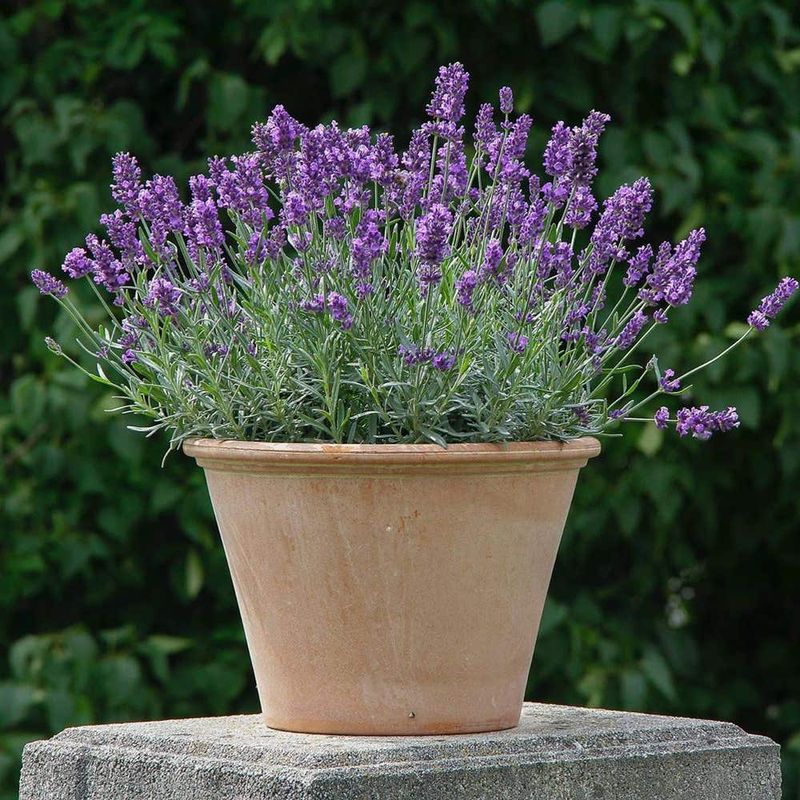
Lavender is one of those plants that makes you stop and breathe deeply. Its soft purple flowers and sweet, calming fragrance are hard to resist.
Lucky for Pennsylvania gardeners, lavender actually thrives in pots because containers provide the sharp drainage this plant craves.
Poor drainage is the number one reason lavender struggles in garden beds. In a pot, you have full control.
Use a gritty, well-draining mix made for Mediterranean herbs or mix regular potting soil with coarse sand or perlite. A terracotta pot works especially well because it wicks away extra moisture.
Place your lavender in the sunniest spot you have. It needs at least six to eight hours of direct sun each day.
Pennsylvania summers can be warm and humid, so good airflow around the plant matters too. Avoid crowding it near walls or other plants that block the breeze.
Bees, butterflies, and other pollinators absolutely love lavender. Having a pot near your garden beds can actually help improve pollination for nearby vegetables and flowers.
Your Pennsylvania Garden Changes Every Week. Your Plan Should Too.
Gardening in Pennsylvania changes quickly throughout the season. Every Friday you’ll receive a simple weekly plan showing exactly what to plant, prune, fertilize, harvest, and protect so you never miss the right timing.
Trim the stems lightly after the first bloom to encourage a second flush of flowers. Lavender is low-maintenance, long-lasting, and one of the most rewarding plants you can grow in a pot in Pennsylvania.
3. Petunias
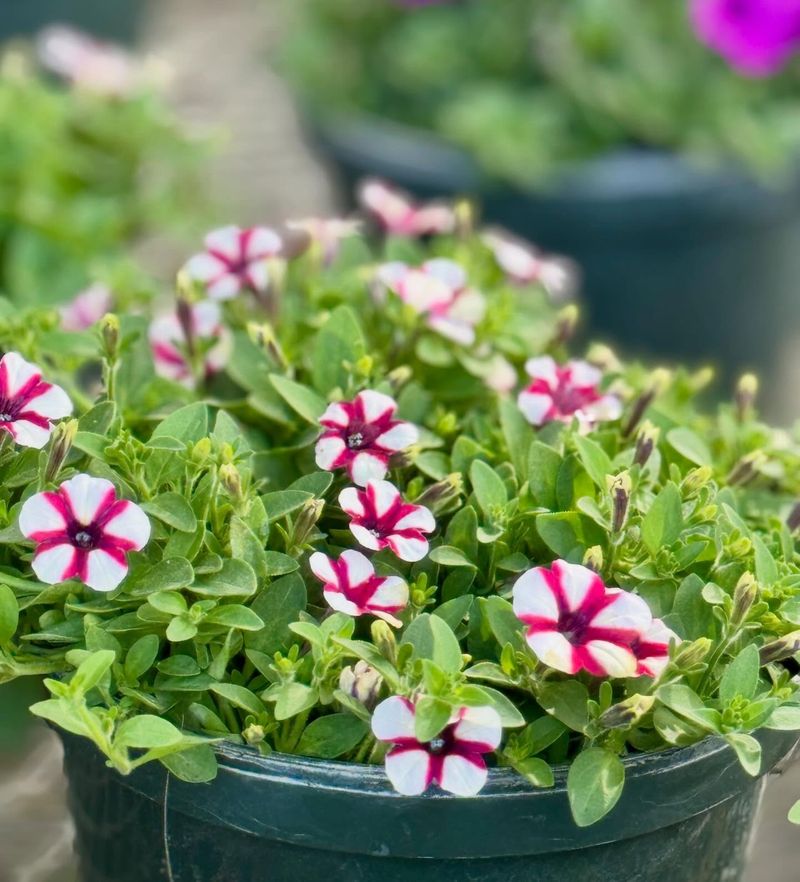
Petunias are the kind of plant that never lets you down. They bloom and bloom and bloom, from late spring all the way through the first frost of fall. In Pennsylvania, that means months of nonstop color with very little fuss on your part.
One of the best things about petunias is how versatile they are. Plant them in window boxes, hanging baskets, or large patio pots and watch them spill over the edges in a gorgeous cascade of color.
Wave petunias and Supertunia varieties are especially popular for their trailing habit and heavy flower production.
Petunias love full sun, so give them the brightest spot on your deck or balcony. Water them consistently and feed them with a liquid fertilizer every week or two during the growing season.
If the plants start to look leggy, cut them back by about a third. They will bounce back quickly with fresh new growth and plenty of blooms.
Colors range from pure white to deep burgundy, hot pink, lavender, and even striped combinations. Mixing different shades in one large container creates a stunning visual display.
Whether you are decorating the front steps of a Pittsburgh row house or a country porch in Lancaster County, petunias are a Pennsylvania container garden classic that always delivers.
4. Hostas
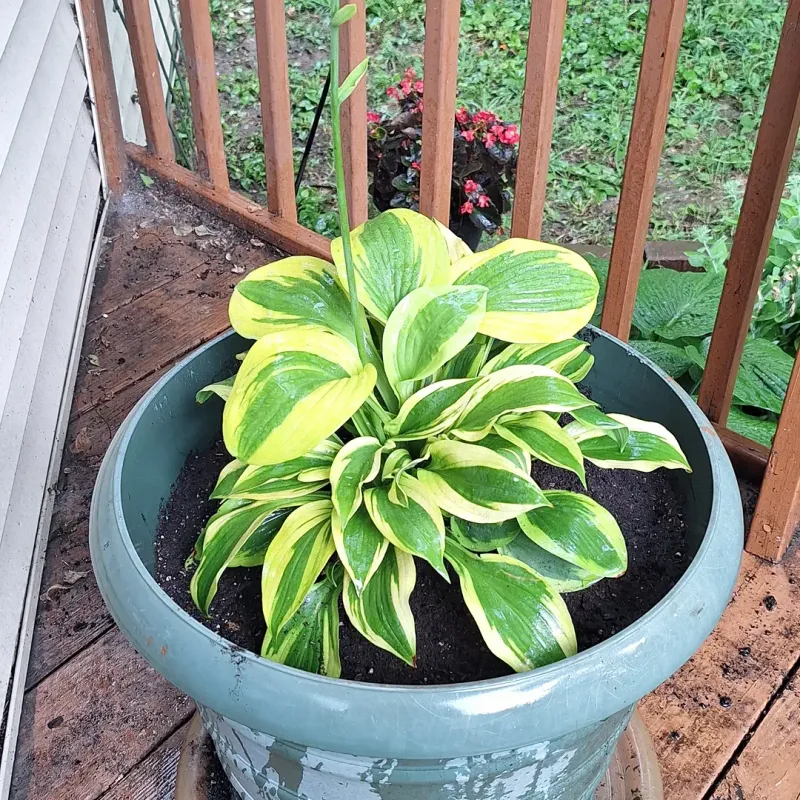
Not every spot in a Pennsylvania yard gets full sun, and that is perfectly fine when you have hostas. These shade-loving plants are some of the most reliable performers in container gardening, especially for covered porches, north-facing decks, or spots under tall trees.
Hostas are grown mainly for their foliage, which comes in an incredible range of sizes, shapes, and colors. You can find varieties with deep green leaves, blue-toned leaves, golden yellow leaves, and stunning variegated patterns that mix two or three shades in one plant.
Miniature hostas work beautifully in smaller pots, while giant varieties need large, roomy containers to show off their full size.
Use a rich, well-draining potting mix and keep the soil consistently moist. Hostas do not like to dry out completely between waterings.
A layer of mulch on top of the soil helps hold in moisture and keeps the roots cool during hot Pennsylvania summers.
Slugs are the main pest to watch for. If you notice ragged holes in the leaves, check under the pot and around the base of the plant at night.
Hostas are incredibly long-lived and grow more impressive every year. A well-cared-for potted hosta can become a true showpiece on any shaded Pennsylvania patio for many seasons to come.
5. Dwarf Japanese Maple
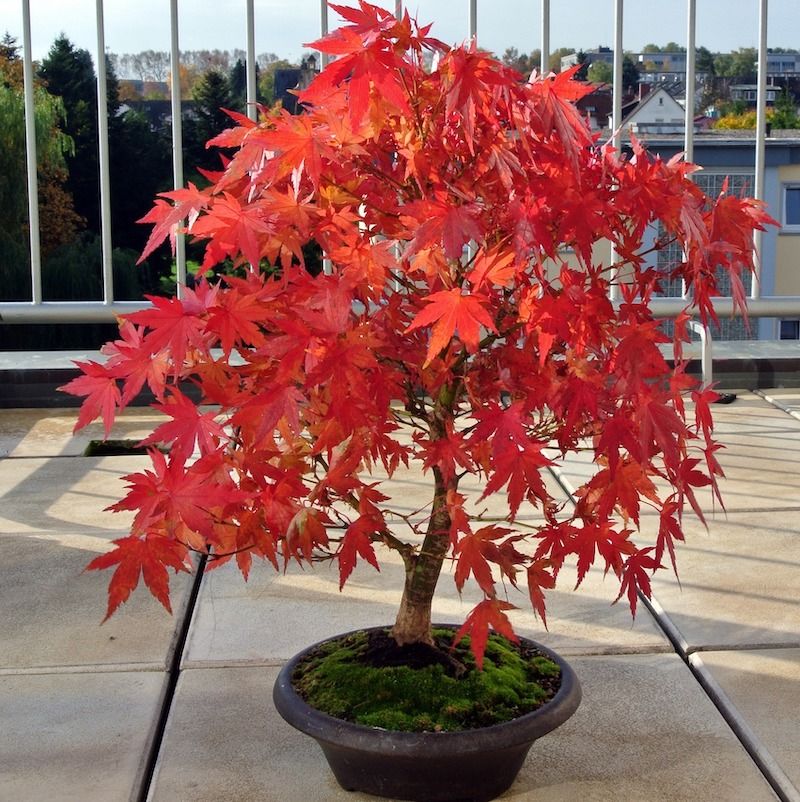
If you want a true wow factor in your container garden, a dwarf Japanese maple is the answer.
These ornamental trees produce some of the most stunning foliage you will ever see, with delicate, lacy leaves that shift from deep red to fiery orange and gold throughout the seasons in Pennsylvania.
Compact varieties like ‘Crimson Queen’ or ‘Shaina’ grow slowly and stay small enough to thrive in large containers for years. Choose a pot that is at least 18 to 24 inches wide and deep.
Fill it with a high-quality, well-draining potting mix. Good drainage is critical because Japanese maples do not like sitting in soggy soil.
Place your potted maple in a spot that gets morning sun and some afternoon shade. Pennsylvania summers can bring intense afternoon heat, and a little shade protection helps keep the delicate leaves from scorching.
Water regularly during dry spells and feed lightly with a balanced fertilizer in early spring.
In winter, move the container to a sheltered location like a garage or shed to protect the roots. The pot itself is more vulnerable to freezing than an in-ground tree.
With proper care, a dwarf Japanese maple in a pot becomes a living sculpture that adds dramatic, year-round beauty to patios, entryways, and small outdoor spaces across Pennsylvania.
6. Geraniums
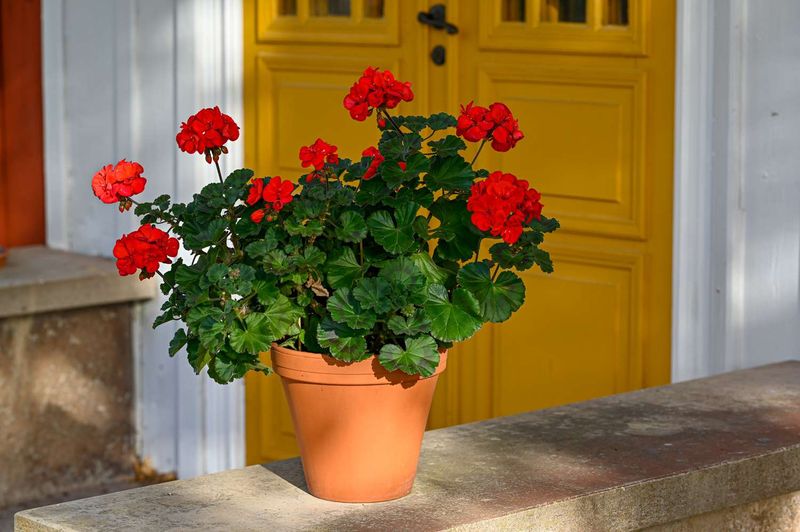
There is something cheerful and timeless about a pot full of geraniums. Their bright clusters of red, pink, white, or salmon flowers have been brightening up porches and windowsills across Pennsylvania for generations.
And for good reason because they are incredibly easy to grow. Geraniums are tough, adaptable, and forgiving, which makes them great for beginner gardeners.
They handle heat well, do not need constant attention, and bloom reliably from spring through fall. Give them a pot with good drainage, a sunny spot, and water when the top inch of soil feels dry.
One important tip is to avoid overwatering. Geraniums actually prefer to dry out a little between waterings.
Soggy soil can lead to root rot, which is the most common reason these plants struggle. A terracotta pot helps because it allows the soil to breathe and dry out more evenly.
Deadheading, which means removing spent flowers, encourages continuous blooming all season long. Simply pinch off faded flower clusters at the base of the stem.
Geraniums also do well when brought indoors before the first frost. Set them near a sunny window and they will often bloom through winter.
From Harrisburg to Erie, Pennsylvania gardeners rely on geraniums to add dependable, long-lasting color to container gardens every single year.
7. Cherry Tomatoes
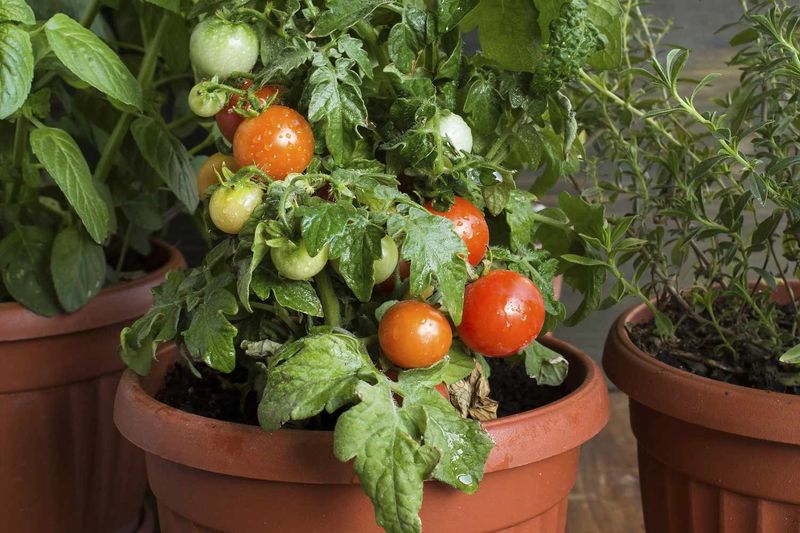
Growing your own food is one of the most satisfying things you can do, and cherry tomatoes make it incredibly easy.
Compact varieties like ‘Tumbling Tom,’ ‘Patio,’ and ‘Sun Gold’ are bred specifically for container growing and produce an impressive harvest in a surprisingly small space.
All you need is a large pot, at least 12 to 15 inches deep, filled with a rich, high-quality potting mix.
Add a slow-release vegetable fertilizer at planting time and supplement with liquid fertilizer every two weeks once the plants start flowering. Tomatoes are heavy feeders and need consistent nutrition to produce well.
Pennsylvania summers give cherry tomatoes exactly what they love: warm days, plenty of sunshine, and enough rain to keep things going. Place your container in the sunniest spot available, ideally a south-facing deck or patio that gets eight or more hours of direct sun.
Water consistently because uneven watering can cause issues like blossom end rot and cracked fruit.
Stake or cage taller varieties to keep the plant upright as it grows. Most cherry tomato varieties start producing fruit by midsummer and keep going until the first frost arrives in fall.
There is nothing better than stepping outside on a warm Pennsylvania evening and picking a handful of sweet, sun-warmed cherry tomatoes straight from the vine.
8. Herbs (Basil, Thyme, And Rosemary)
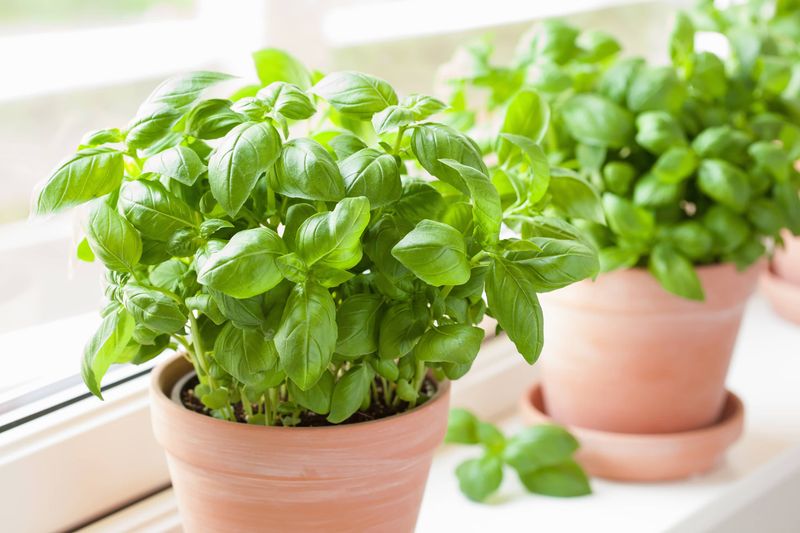
Imagine stepping outside your back door and snipping fresh herbs for dinner. That is the simple joy of growing basil, thyme, and rosemary in pots.
These three herbs are some of the easiest and most useful plants you can grow in Pennsylvania, and they thrive beautifully in containers.
Basil loves warm weather and full sun, making it perfect for Pennsylvania summers. Plant it in a medium-sized pot and keep the soil consistently moist.
Pinch off flower buds as soon as they appear to keep the plant producing flavorful leaves all season. Once temperatures drop in fall, basil slows down quickly, so enjoy it while summer lasts.
Thyme and rosemary are Mediterranean herbs that prefer drier conditions and excellent drainage. Both handle Pennsylvania’s summer heat very well and actually prefer to dry out slightly between waterings.
A gritty potting mix works great for these two. Rosemary can grow into a fairly large plant over time, so give it a roomy container.
Grouping these three herbs together on a sunny patio or kitchen step creates a mini herb garden that is both beautiful and practical. All three attract beneficial insects when they flower.
Growing herbs in pots in Pennsylvania also means you can move them around as the seasons change, chasing the best sunlight and protecting them from early cold snaps in autumn.